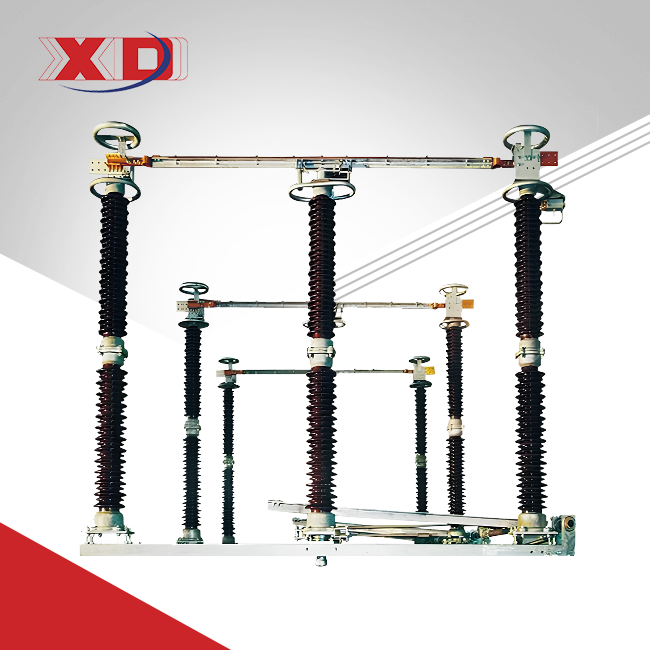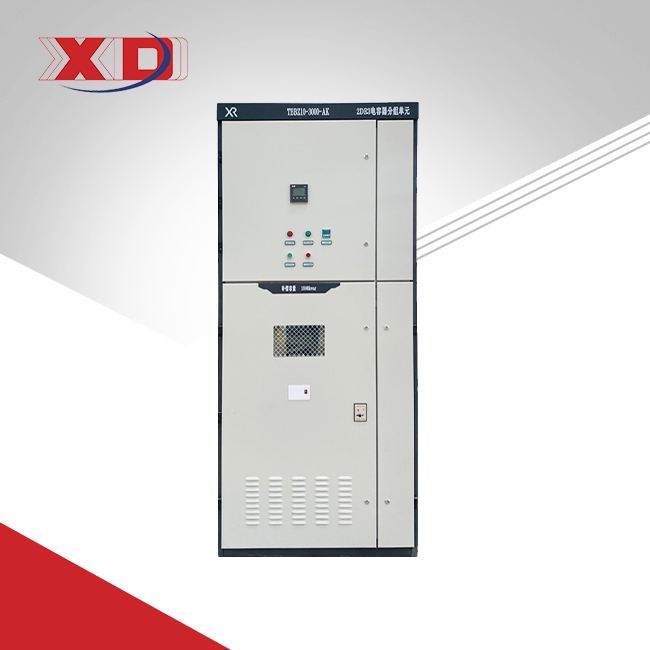
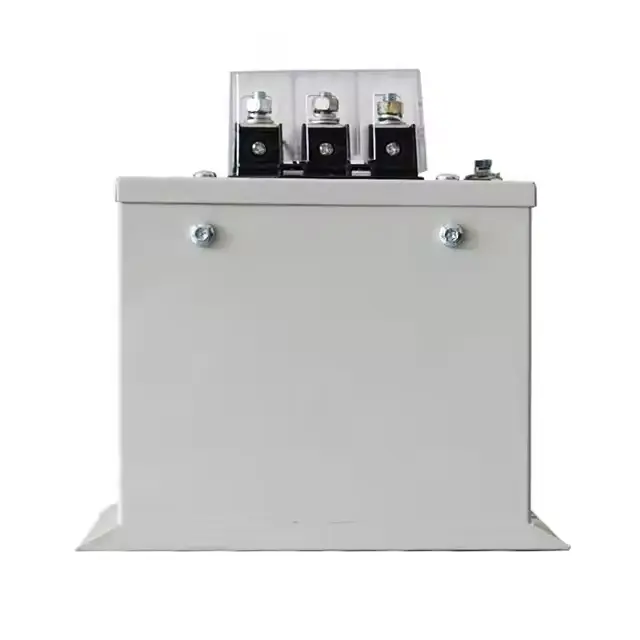
TBB10 High Voltage Reactive Power Automatic Compensation Device
Benefits of Self-Healing Filter Capacitors in Power Systems
2026-04-16 16:10:20
As you walk through a factory or data center, you probably don't think about the people who are working behind the scenes to make sure everything runs smoothly. Still, problems with power quality and wasteful energy use can slowly make your business less profitable and reliable. Self-Healing Filter Capacitors are one of the best ways to deal with these problems. This special set of capacitor units, which can be connected in either a Star or Delta pattern, is designed to provide reactive power that isn't being used right now in utility and industrial electrical networks. These banks stop utility fees, lower distribution losses, and keep voltage levels stable across your building by increasing power factor and making up for inductive loads from motors, transformers, and HVAC systems. By learning how this technology works and the right way to choose, size, and maintain it, you can help your business save money and run more smoothly.
 |
 |
What Are Self-Healing Filter Capacitors and How Do They Work?
Self-Healing Filter Capacitors supply leading reactive current to offset inductive loads, improving power factor, reducing losses, lowering energy costs, and enhancing system efficiency, especially in balanced three-phase electrical systems.
The Self-Healing Mechanism Explained
The basic idea behind it is based on how voltage and current relate to each other in AC systems. Because of inductive loads, current is slower than voltage, which leads to a bad power factor. The opposite happens when Self-Healing Filter Capacitors are used; they make current go ahead of voltage. The leading current from the capacitors balances out the lagging current from the motors and transformers when you connect a bank of capacitors in parallel with inductive loads. Because of this compensation, the utility company doesn't have to supply as much reactive current, so less current flows through your distribution system.
Lowering the current means less I²R loss in the transformers and cables, less voltage drop along long distribution runs, and more space on the infrastructure that is already there. You might be able to add more production equipment without having to replace the transformers or switchgear. How much better your power is depends on what your power factor was before and how many capacitors you put in. When power factors are optimized to 0.95 or higher, even operations running at 0.90 can see big gains. This is especially true for facilities with power factors below 0.85.
Advanced Construction Features
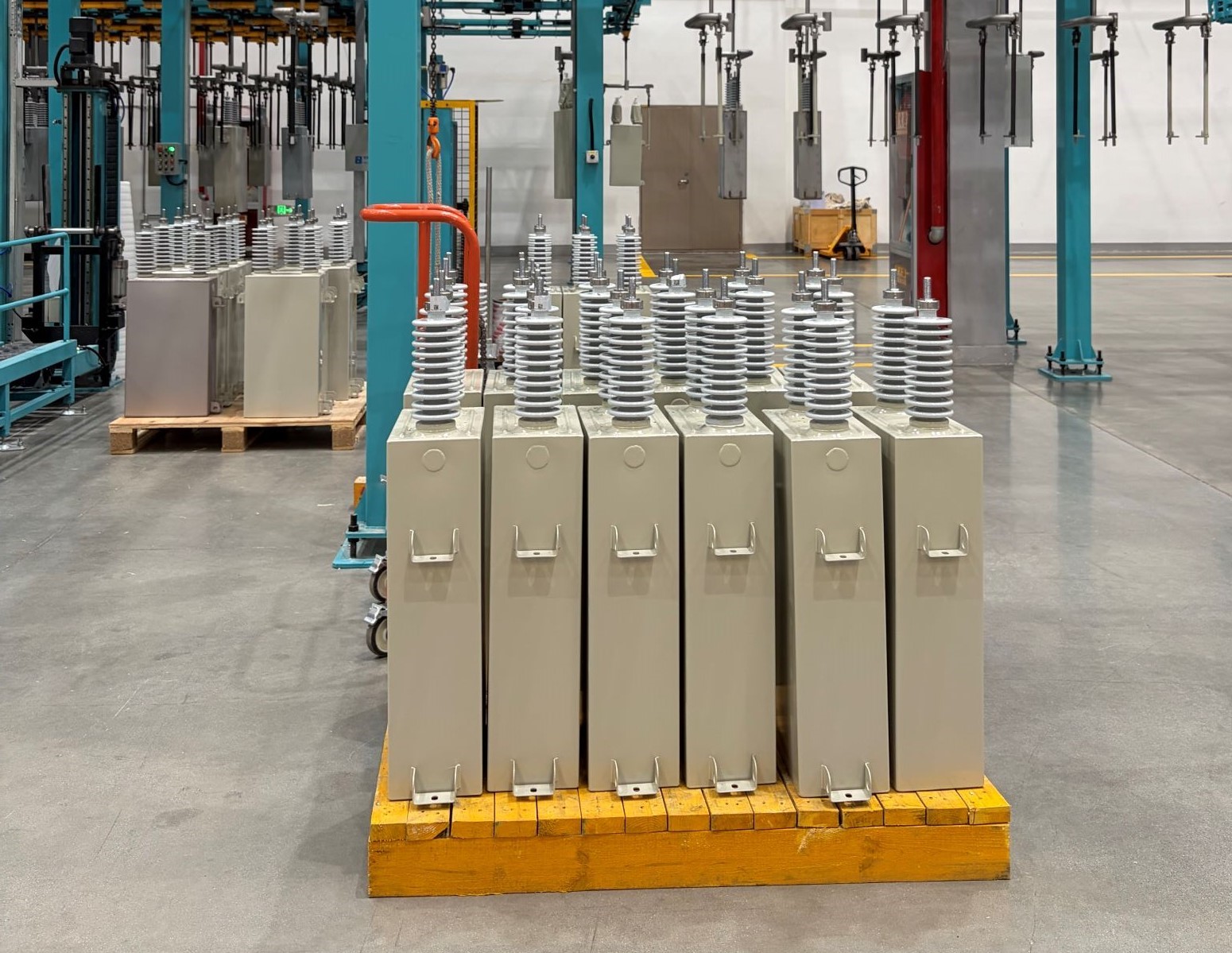
Understanding how these systems are put together on the inside helps you see why quality is important when choosing them. Each bank has a number of important parts that work together. The capacitors store and release electricity. They are usually made of metallized polypropylene film, which can fix itself and last a long time. These are called contactors, and they connect or disconnect capacitor units based on the load needs. When configurations are detuned, reactors are very important because they stop harmonic resonance that can hurt sensitive equipment and the capacitors themselves.
Protection devices, like circuit breakers and fuses, keep the electricity safe from overcurrent and short circuits. Modern installations often have smart monitoring systems that show capacitance, temperature, and operational status in real time. These parts have to work well together, and the reliability of the whole system depends on how well each part works. When looking at suppliers, it's important to pay close attention to the specifications and standards for manufacturing parts so that your facility gets the durability and performance it needs.
Key Benefits of Self-Healing Filter Capacitors in Power Systems
Reactive power compensation reduces utility penalties, lowers demand and energy losses, cuts costs by 8–15%, and stabilizes voltage, improving efficiency and protecting equipment in industrial and data center environments.
Benefits for Power Quality and Equipment Longevity
Not only do improvements in power quality save money, they also make equipment last longer and be more reliable. Motors that work with more stable voltage stay cool and don't have to deal with as much insulation stress, which makes them last longer. After power factor correction lowers the reactive component, transformers that are already loaded to their rated capacity can often handle more load. Voltage stays stable and harmonic distortion is kept to a minimum. This means that sensitive electronic equipment trips less often and parts last longer.
Improved System Uptime and Operational Reliability
Uptime for production also gets better. Facilities that had voltage sag problems when starting up equipment no longer have those problems after installing Self-Healing Filter Capacitors. Motor-driven systems need less maintenance, and operators say that less equipment breaks down for no clear reason. For data centers where downtime costs tens of thousands of dollars per minute, these improvements in reliability make the investment worth it even if they don't save energy. Protection device testing makes sure that these important safety parts will work right when they're needed. Electronic protection relays in modern banks need to be checked to make sure they are set correctly and that they can talk to monitoring systems.
Maintenance Practices and Condition Monitoring
Self-Healing Filter Capacitors don't need as much maintenance as some other electrical equipment, but regular inspections and preventative maintenance will make sure they keep working well. A visual check should be done once a year to see if there are any signs of physical damage, oil leakage (in older oil-filled units), or bulging cases that mean the inside is failing. Thermal cycling can loosen terminals over time, which can cause hot spots and eventually failure in electrical connections. This means that they need to be inspected and retightened.
Capacitance measurement is the best way to tell if a capacitor is healthy. The capacitance slowly decreases as the dielectric material ages. When measurements are more than 10% off from the nameplate rating, it means that the capacitors are getting close to the end of their useful life and should be replaced. Temperature monitoring can also give you useful information. Capacitors that are running too hot could mean that they don't have enough air flow, are overloaded harmonically, or are breaking down internally.
Lifespan Factors and Thermal/Environmental Impact
The environment has a big effect on how long a capacitor lasts. When installed in high-temperature areas, the capacitors age faster—every 10°C above the rated temperature cuts their life expectancy in half. Making sure that enclosures for Self-Healing Filter Capacitors have enough air flow is important for getting the 15–20-year design lifespan. The self-healing metallized film dielectric technology makes them last longer than 15 years, even in harsh conditions. The low dissipation factor (below 0.1%), on the other hand, keeps the inside from heating up too much, which could speed up degradation.
Self-Healing Filter Capacitors: Performance and Installation Guide
Choosing capacitor technology involves balancing cost and performance. Self-Healing Filter Capacitors are efficient for three-phase systems, with fixed banks offering stable compensation for constant loads but risking overcompensation during low demand periods.
Harmonic Behavior and Detuned System Design
Standard or detuned Self-Healing Filter Capacitors should be used depending on the harmonic environment. There are no series reactors in standard banks; instead, capacitors are connected directly to the bus. They provide pure capacitance that raises the power factor, but at certain frequencies, they can cause resonance with the system inductance. When there aren't many harmonic loads, standard banks are the most cost-effective option because they are easy to set up and keep up.
Series reactors in detuned or harmonic filter banks are usually tuned to make resonance below the 5th harmonic frequency, which is about 210 Hz for 60 Hz systems. The bank can't boost harmonics in the system because of this configuration, but it can still fix the power factor. Since the reactor takes in some reactive power, detuned banks need a little more kVAR ratings than standard banks to fix the problem. To avoid harmonic-related failures, facilities with a lot of VFDs, DC motor drives, welding operations, or other nonlinear loads need to have their configurations detuned.
Installation Environment and Altitude Adaptability
The height of a building affects its ability to conduct electricity and keep things cool, so it is an important specification factor for places with lots of mountains. Standard equipment can usually work up to 1,000 meters, but some designs are made to work reliably at higher elevations. Our Self-Healing Filter Capacitors keep working at full capacity up to 2,000 meters above sea level. This means they can be used in a wide range of US locations, from facilities at sea level to industrial sites in mountain states. This robust construction also provides superior tolerance against transient surges and voltage fluctuations.
Installation Standards and System Commissioning
A professional installation makes sure that the system works safely, legally, and at its best. To keep arc flash hazards from happening, Self-Healing Filter Capacitors must be properly grounded and have enough space between them. To connect to existing switchgear, protection devices and control systems need to be carefully coordinated. During the commissioning process, the proper phasing is checked, protection devices are tested, and the operation of automatic systems' control logic is confirmed. Full electrical schematics, mechanical drawings, and operation manuals should all be included in the paperwork provided by the supplier.
Practical Applications and Case Studies of Self-Healing Filter Capacitors
Self-Healing Filter Capacitors improve power factor in manufacturing by compensating motors, CNC machines, and welding loads, reducing reactive demand and harmonics while enhancing overall distribution efficiency.
Power Factor Correction in Industrial Facilities
Think about a factory that needs 800 kW of power on average and has a measured power factor of 0.75. 800 kW times 0.75 = 1,067 kVA is how much power is needed right now. It is estimated that the reactive power demand is around 707 kVAR. The new kVAR needed would be about 263 kVAR if the target power factor is 0.95. 707 - 263 = 444 kVAR is the difference between the current state and the target state. To make this fix, you would choose the next standard size Self-Healing Filter Capacitors rated for about 450 kVAR. Automatic systems switch steps in and out based on real-time measurements to keep the best correction even when the load changes.
Harmonic Filtering for Variable Frequency Drive Systems
When the voltage THD goes above 3–5%, you need detuned Self-Healing Filter Capacitors with series reactors. The resonant frequency is lowered by these reactors below the lowest harmonic in your system. In 60 Hz systems, this is usually the 5th harmonic at 300 Hz. These units cut down on harmonic distortions by as much as 70%, which protects sensitive equipment and improves power factor over a wide frequency range. By making a low-impedance path for certain harmonic frequencies, the integrated reactor design stops distortions before they spread through your distribution system.
DC Link Applications in Renewable Energy Systems
More and more, Self-Healing Filter Capacitors are being used to connect renewable energy installations to the power grid. Inverters, which can add harmonics to the grid, connect wind farms and solar arrays to the transmission system. When designed correctly, filter capacitor banks help these installations meet the needs of utility interconnection while also keeping the grid stable. These capacitors are made to work in tough situations and can be used indoors or outdoors in temperatures ranging from -40°C to +45°C.
Grid-Connected Energy Storage Systems
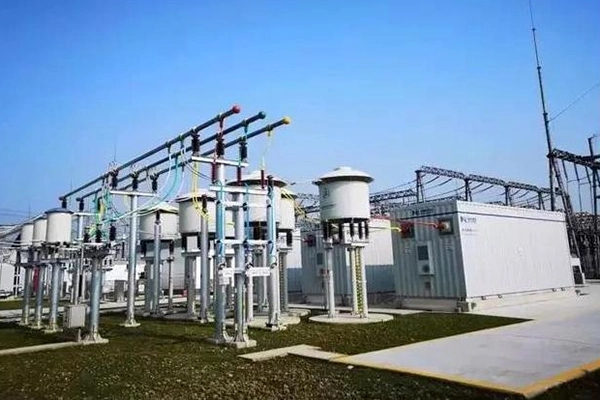
Utility transmission systems and substations use medium-voltage Self-Healing Filter Capacitors to keep voltage levels steady and cut down on transmission losses over long distances. These installations have to work reliably for decades with little upkeep and be able to handle surge currents and harsh environmental conditions. Modern solutions are weatherproof up to IP54+, resistant to earthquakes up to level 8, and able to work at heights of up to 2,000 meters, making them suitable for use in a wide range of utility locations.
Procurement Insights and Trusted Suppliers for Self-Healing Filter Capacitors
Procurement should consider total cost of ownership, including installation, maintenance, and reliability. Experienced buyers evaluate supplier capability, certifications, and support, while specifying Self-Healing Filter Capacitors by voltage, frequency, and kVAR requirements.
Quality Certifications and Manufacturing Standards
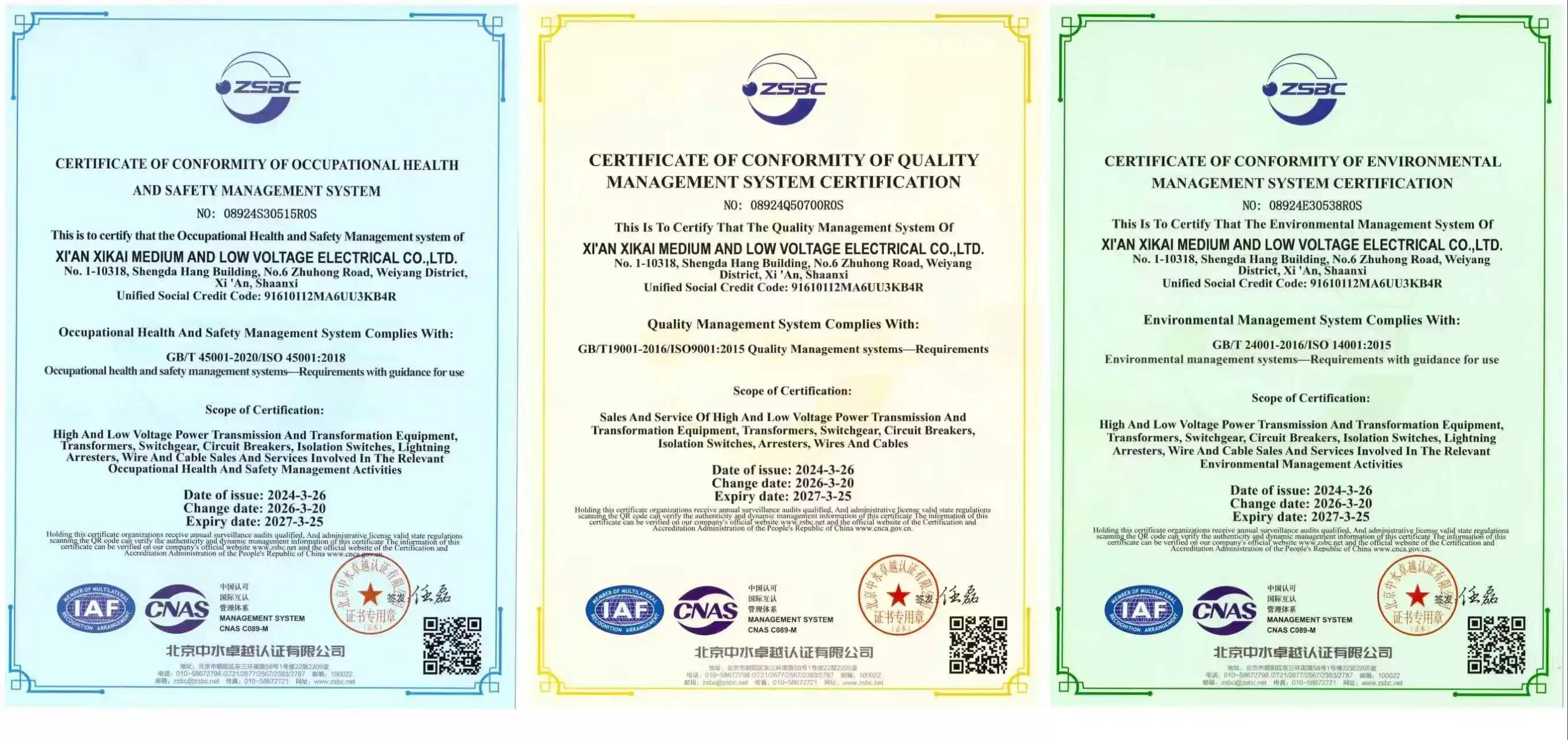
Manufacturing quality control and certifications demonstrate a supplier's competence. ISO 9001 certifies design, manufacturing, and testing quality management systems. IEC 60871, IEEE 18, and UL 810 certifications ensure power capacitors meet international requirements. Regional certifications like CE or GB/T demonstrate regulatory conformity. For outdoor equipment, reputable manufacturers examine dielectric strength, heat cycling, partial discharge, and seismic modeling.
Lead Time and Customization Capabilities
Before getting quotes, the requirements for the application must be carefully written down. Specifications that are very specific help suppliers come up with well-engineered solutions instead of general ones that might not fully meet your needs. Standardized solutions may be faster to deliver and less expensive for less demanding uses, while custom-designed Self-Healing Filter Capacitors work best in your specific circumstances. Production is certified from choosing the raw materials to putting the last piece together.
Technical Support and Application Engineering
Product quality and technical support are equally crucial. Complex installations may need engineers for harmonic analysis, system integration, and protection coordination. After installation, competent technical personnel helps address issues promptly and reduce downtime. Engineering resources may review one-line diagrams, size calculations, and operational issues.
Conclusion
One of the best investments you can make in your electrical infrastructure is Self-Healing Filter Capacitors. When you combine immediate energy savings with reduced utility fines, more dependable equipment, and greater system capacity, your investment pays off in 18–36 months. Stable voltage, reduced harmonic distortion, and lower distribution losses save money and safeguard production continuity and equipment. The appropriate size, production, and installation will provide these advantages for over 15 years. As energy prices rise and utilities tighten power quality regulations, reactive power compensation becomes essential for every competitive firm or sector.
FAQ
1. How do I figure out what size Self-Healing Filter Capacitors will work best in my facility?
The best size for your load depends on its characteristics, the total kW demand, the target power factor, and the current power factor. To figure out how much kVAR you need, you measure the reactive power that is already there and see how much capacitance you need to reach your goal, which is usually 0.95 for most utility rate structures. Instead of fixed-size banks, automatic systems that change capacitance in real time work best for loads that change.
2. In what ways do detuned filter banks differ from regular ones?
Series reactors in detuned banks stop harmonic resonance between the capacitance and the system inductance. If your facility uses variable frequency drives or other non-linear loads that cause harmonic distortion above 3–5% THD, you need to detune the configurations to keep the capacitors from failing and the system from getting damaged. When there aren't any big harmonic sources, standard banks work well.
3. How often do Self-Healing Filter Capacitors need to be serviced?
As part of yearly maintenance, the electrical connections should be retightened, the capacitance should be measured to find signs of wear, and the protection devices should be tested. Having enough air flow keeps you from getting too hot, which speeds up the aging process. When properly maintained, quality units using metallized film dielectric technology can usually work for 15 to 20 years.
Partner With Xi'an Xikai for Reliable Power Solutions
Xi'an Xikai's method is to use both tried-and-true component technology and custom engineering to meet your exact needs. We have provided systems to a wide range of industries, such as state grid utilities, industrial manufacturing, petrochemical facilities, commercial infrastructure, and renewable energy projects. Each installation benefits from our extensive experience with voltage levels ranging from low voltage to 10kV medium voltage systems. Our Self-Healing Filter Capacitors are scaled to fit a wide range of needs, from correcting a single motor to supporting the grid at the substation level. Through national research programs like the 863 Program and other patented technologies, we've made big improvements in harmonic filtering, thermal management, and protection coordination. Contact our team at serina@xaxd-electric.com, amber@xaxd-electric.com, or luna@xaxd-electric.com to discuss your specific requirements.
References
1. McLaren, P.G., & Abdel-Rahman, M. (2019). Power Capacitors in Electrical Systems: Theory, Applications, and Standards. IEEE Press Series on Power Engineering.
2. Sarjeant, W.J., Zirnheld, J., & MacDougall, F.W. (2018). "Capacitors: Past, Present, and Future." In Handbook of Low and High Dielectric Constant Materials and Their Applications, edited by H.S. Nalwa, Academic Press.
3. Reed, C.W., & Cichanowski, S.W. (2020). "The Fundamentals of Aging in Self-Healing Polymer Film Capacitors." IEEE Transactions on Dielectrics and Electrical Insulation, 27(2), 403-420.
4. International Electrotechnical Commission. (2017). IEC 61071: Capacitors for Power Electronics. Geneva: IEC Central Office.
5. Belkhiat, S., & Hemsas, K.E. (2021). "Reliability Analysis of Self-Healing Metallized Film Capacitors for Power Factor Correction Applications." Journal of Electrical Engineering and Technology, 16(4), 1893-1904.
6. Hauschild, W., & Mosch, W. (2019). Statistical Techniques for High-Voltage Engineering: Testing and Measurement. Institution of Engineering and Technology Power and Energy Series, Volume 125.