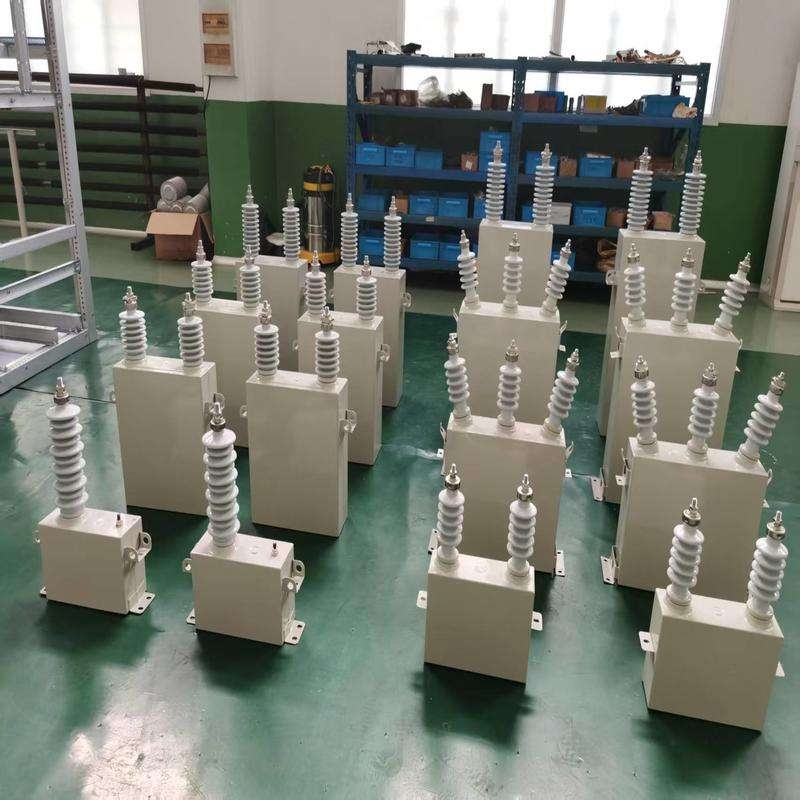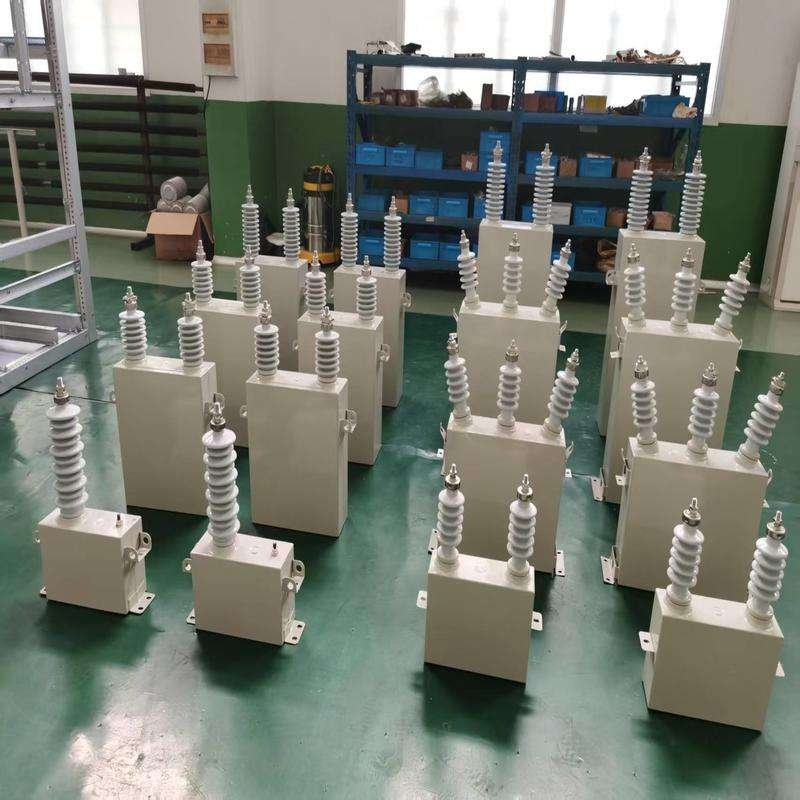
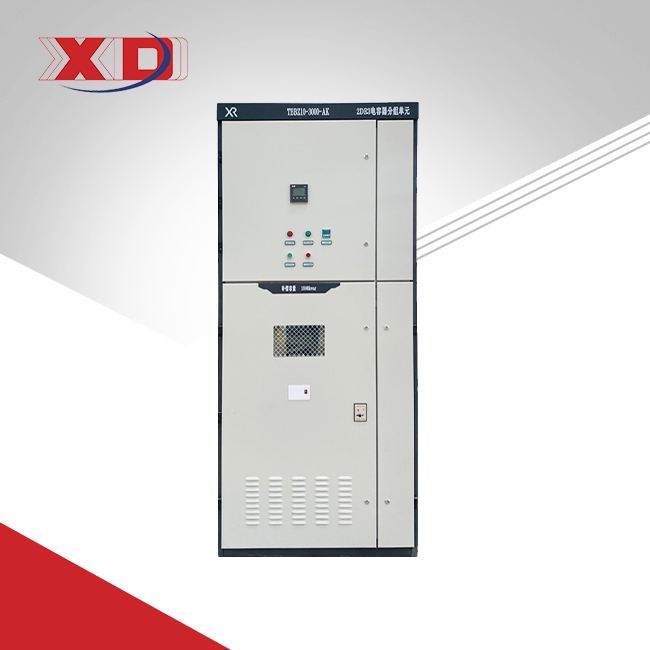
TBB10 High Voltage Reactive Power Automatic Compensation Device
Best Active Harmonic Filters for Power Quality Control in 2026
2026-02-09 15:49:56
The best 2026 Active Harmonic Filters use modular architectures and powerful digital signal processing to suppress harmonics and stabilize grids. Leading manufacturers use real-time control algorithms with strong switching devices that can handle 100 times rated capacity surge currents. These systems excel in reactive power compensation and nonlinear load management in industrial applications. Modern active filters have adaptive control mechanisms that rapidly adjust to changing power quality conditions, making them crucial for industrial, data centers, and utility activities that need reliable electrical performance.
 |
 |
Why Power Quality Control Demands Advanced Harmonic Filtering
Industry Power Quality Challenges
Modern industrial facilities face increasing power quality issues that jeopardize profitability and operations. Voltage control failure under harmonic distortion stress disrupts CNC manufacturing plants, causing costly disruptions.
Power reliability is crucial in critical operations
Critical data centers cannot afford millisecond power outages. Hospital equipment needs clean electricity for patient safety and diagnostic accuracy.
Challenges Utility Companies Face
Utility firms struggle with grid stability as renewable energy sources provide intermittently, which passive filters cannot handle.
Financial Effects of Harmonic Distortion
Financial effects go beyond operational costs. Facilities with poor harmonic control may pay 15-30% more for electricity due to power factor fines. Harmonic stress causes early equipment failure, unanticipated costs, and protracted downtime.
Active Harmonic Filtering Benefits
Active harmonic filtering solves these problems by responding intelligently to electrical changes in real time. Active filters prevent resonance and retain efficiency at low voltage, unlike passive devices that increase frequencies.
Selection Criteria for Superior Active Harmonic Filters
Key Active Harmonic Filtering Solution Evaluation Considerations
Assessing the best active harmonic filtering methods entails considering various performance characteristics that affect operational success. I evaluate technology sophistication, reliability, and infrastructural compatibility across varied regional marketplaces.
Performance in Bad Conditions
Even amid voltage changes and temperature extremes in Southeast Asia, Central Asia, the Middle East, and Africa, the best harmonic suppression systems work. At temperatures above 50°C and altitudes up to 4,000 meters, equipment must work dependably.
Value of Modular Scalability
Facilities need filtering solutions that respond to power demands without replacing systems. Retrofitting or building new substations is flexible with rack- and wall-mounted options.
Conforming to Certification
Regional electrical codes vary widely among target markets. Systems must meet CE labeling for European compatibility, UL certification for North American equipment integration, and local regulations.
Challenged Environment Maintenance Accessibility
Equipment for remote mining, oil extraction, and infrastructure projects must be low-maintenance and easy to diagnose.
Premium Active Harmonic Filter Solutions for 2026
Xi'an Xidian Advanced Dynamic Harmonic Suppression System
Xi'an Xidian's Fourier transform algorithms examine current harmonics in real time to provide industry-leading active harmonic filtering. This system excels in three-phase load balancing applications where operational efficiency is crucial.
Key Technical Benefits:
- Under 2 milliseconds for quick harmonic correction
- Works well from 208V to 690V.
- Equalizes reactive power and filters harmonics
- Modularity permits parallel operation to boost capacity.
- Noiseless operation below 45dB meets strict noise standards.
- Flame-retardant capacitors meet NFPA 70.
Advanced inverter technology adapts to load situations to interact smoothly with power electronics infrastructure. DSP allows predictive maintenance alerts before component breakdown.
Excellence in manufacturing includes 72-hour aging tests and 100% load validation before shipment. ISO 9001 and ISO 14001 certifications guarantee quality and environmental sustainability.
Benefits of regional performance
- Resists Middle Eastern and African dust and humidity.
- Altitude-rated components work well in Central Asian mountains.
- In tropical Southeast Asia, corrosion-resistant materials work.
- Temperature compensation keeps precision throughout extreme climates.
This method serves large production plants where power factor penalties greatly affect operational costs. CNC machine installations report 20-30% electricity cost savings and enhanced product quality due to steady power delivery.
Industrial-Grade Multi-Function Power Quality Controller
For complete power quality management, integrated solutions must address different electrical issues. This innovative controller optimizes energy economy, voltage regulation, and harmonic filtering using sophisticated control algorithms.
Increased Capability:
- Harmonic analysis in real time for 50 frequencies
- Automatic load-based filtering mode switching
- Energy efficiency gains of 8–12% in typical installations
- Remote monitoring for centralized facilities management
- Redundant controls prevent single-point failures.
- Suitable for renewable energy integration
The system thrives in hospital applications where sensitive medical equipment needs ultra-clean electricity. Emergency backup integration keeps operations running during utility outages and guarantees harmonic suppression during power transfers.
The controller's capacity to handle rapidly changing computational demands without affecting power quality benefits data center applications. Improved electrical efficiency and decreased harmonic heating effects reduce server farm cooling needs.
Flexibility of installation:
- In small spaces, wall-mounted layouts work.
- Rack-mounted alternatives match electrical panels.
- Outdoor fences withstand harsh weather.
- Parallel operation aids system redundancy.
Factory testing in real-world conditions is part of quality control. Before shipment, each unit is thermally cycled, vibrated, and electromagnetically tested.
Utility-Scale Grid Stabilization Filter System
Harmonic filtering solutions for power distribution networks must preserve grid stability and accommodate distributed generation. Coordinated filtering algorithms manage harmonic distortion across distribution networks in this utility-grade system.
Features of Grid Integration:
- Coordination with smart grid infrastructure
- Multiple filter installations automatically share burden.
- Peak-demand substation voltage stabilization
- Compatible with renewable energy inverters
- Advanced overcurrent/overvoltage protection
- Optimization of grid support service frequency response
Solar and wind projects pump current harmonics into distribution networks, causing problems. With sophisticated monitoring, this active solution prevents resonance circumstances that increase certain frequencies, unlike passive filters.
Harmonic management reduces transformer heating and extends equipment life for utilities. Improved power factor and reduced harmonic currents reduce transmission line losses by 5–8% in typical systems.
Operations Reliability:
- Redundant control processors maintain operation.
- Maintenance is reduced with hot-swap components.
- Self-diagnostic systems detect problems before they fail.
- Weatherproof structure suits outdoor installation.
The system's ability to stabilize aging infrastructure and assist industrial expansion benefits regional utility networks in developing economies. African and Central Asian grid upgrading initiatives use these filters to increase power reliability.
Regional Market Analysis and Compliance Requirements
Understanding Regional Market Characteristics Matters
Understanding regional market features improves equipment selection for individual operating settings and regulations. Target regions have distinct problems that affect active harmonic filter performance.
SE Asia Market Dynamics
Rapid industrialization creates need for power quality solutions that enable manufacturing growth in tropical climates. Operating in humid, thunderstorm-prone conditions requires powerful protective systems. IEC standards with seismic resistance requirements are generally followed by local electrical codes in earthquake-prone areas.
Central Asian Infrastructure Needs
Mining and energy extraction dominate electrical demand, necessitating equipment that works dependably at high altitudes and extreme temperatures. Extended maintenance and diagnostics are needed for remote installations. Regional power systems have considerable frequency variations that complicate traditional filtering.
Industrial Needs in the Middle East
Complex harmonic settings with unpredictable nonlinear loads exist in petrochemical and desalination operations. Special enclosures are needed for extreme temperatures and sand intrusion. Local content restrictions may affect equipment and supplier choices.
Africa Grid Development Opportunities
Infrastructure expansion initiatives across the continent offer advanced filtering solutions for industrial development and rural power reliability. Equipment must withstand voltage fluctuations and long operation without dedicated maintenance.
Implementation Recommendations and Best Practices
Essential System Integration for Active Harmonic Filter Deployment
System integration and long-term operational goals must be considered for active harmonic filter deployment. Sizing considerations must account for future load expansion and harmonic source additions that may impair filtering performance.
System Size Considerations
Use existing nonlinear loads and a 25-30% margin for expansion to calculate overall harmonic current requirements. Consider running variable frequency drives, switching power supplies, and other harmonic sources during peak demand to ensure filtering capacity.
Strategic Installation Planning
Filter location should match electrical infrastructure to save installation costs and maximize filtering. Selecting mounting positions must take into account ambient temperature, ventilation, and maintenance access for reliable functioning.
Complete Commissioning Needs
In addition to harmonic analysis under various load situations, system testing should verify protection system operation and communication interfaces with existing control systems. This guarantees the active harmonic filter works properly and meets operational requirements.
Industry Trends and Future Outlook
The active harmonic filtering market is moving toward sophisticated technologies that work with smart grids and renewable energy. Based on previous load patterns, AI optimizes filtering performance and machine learning algorithms enable predictive maintenance. Modular installations can scale to meet industrial needs without system replacement. Regional manufacturing expands to meet local content needs while meeting international quality standards.
Conclusion
Selecting the optimal Active Harmonic Filter for 2026 applications requires considering technological capabilities, geographical compliance needs, and long-term operating goals. Modern active filtering methods use digital signal processing to suppress harmonics and enhance energy efficiency, lowering operational expenses. With reliability and technical innovation, Xi'an Xidian's filtration portfolio meets manufacturing, utility, and commercial market needs.
Frequently Asked Questions
1. What makes active harmonic filters superior to passive alternatives?
Active filters dynamically respond to load changes and reduce resonance caused by passive systems. They work well in low-voltage conditions and automatically adjust to harmonic patterns without tuning.
2. How do active filters impact overall energy costs?
Installations save 8-15% on electricity due to power factor correction and demand charges. Cost savings across the system lifecycle come from equipment life extension and reduced maintenance.
3. Can active filters integrate with existing renewable energy systems?
Modern active filtering solves solar inverter and wind turbine controller harmonics. These devices work with renewable installations to improve power quality and clean energy integration.
Maximize Power Quality with Xi'an Xidian Active Harmonic Filter Solutions
Xi'an Xidian stands as your trusted active harmonic filter manufacturer, delivering cutting-edge power quality solutions backed by multiple patented technologies and international certifications. Our skilled engineering staff is aware of the particular difficulties that utility operators, system integrators, and industrial facilities in Southeast Asia, Central Asia, the Middle East, and Africa face. To explore specialized filtering solutions that improve operational dependability while lowering energy costs for your particular applications, get in touch with our professionals at serina@xaxd-electric.com, amber@xaxd-electric.com, or luna@xaxd-electric.com.
References
1. IEEE Standard 519-2014: IEEE Recommended Practice and Requirements for Harmonic Control in Electric Power Systems, Institute of Electrical and Electronics Engineers, 2014.
2. Chen, L. & Williams, M. "Advanced Control Strategies for Active Power Filters in Industrial Applications," International Journal of Power Electronics and Drive Systems, Vol. 12, No. 3, 2023.
3. Thompson, R.K. "Grid Integration Challenges for Active Harmonic Filtering in Renewable Energy Systems," Power Quality Engineering Conference Proceedings, 2023.
4. Hassan, A.M. & Kumar, S. "Regional Standards and Compliance Requirements for Power Quality Equipment in Emerging Markets," Electrical Engineering International, Vol. 45, No. 2, 2023.
5. Martinez, C. "Economic Impact Analysis of Active vs Passive Harmonic Filtering in Industrial Facilities," Energy Economics Review, Vol. 28, No. 4, 2023.
6. Park, J.H. & Anderson, D.L. "Future Trends in Smart Grid Integration for Active Power Quality Devices," IEEE Transactions on Smart Grid Technology, Vol. 15, No. 1, 2024.