
Best HV Reactive Power Compensation Device Buyer’s Guide 2026
2026-05-15 16:05:05
The smart grids of today need to be accurate, efficient, and dependable in order to meet the energy needs of factories, utility networks, and renewable energy sources. An HV Reactive Power Compensation Device covers these needs. It keeps the voltage stable, fixes power factor problems, and lowers transmission losses in high-voltage electrical systems. Value drops, harmonic distortion, and higher costs are all problems that smart grids have when these devices are not used. This makes it harder to make money and keep the infrastructure in good shape. It is important to keep sensitive equipment safe and operations running smoothly in places like data centers and factories.
 |
 |
Understanding HV Reactive Power Compensation Devices
Equipment for reactive power compensation works with system voltages of 6kV or more. It is not the same as low-voltage equipment made for smaller jobs. These things keep the balance between inductive and capacitive loads in electrical networks. This stops voltage changes that mess up operations. More electrical stress, harsher environments, and capacity needs ranging from 300 kvar to 240 Mvar are things that high-voltage systems have to deal with compared to low-voltage solutions.
Core Functions and Operating Principles
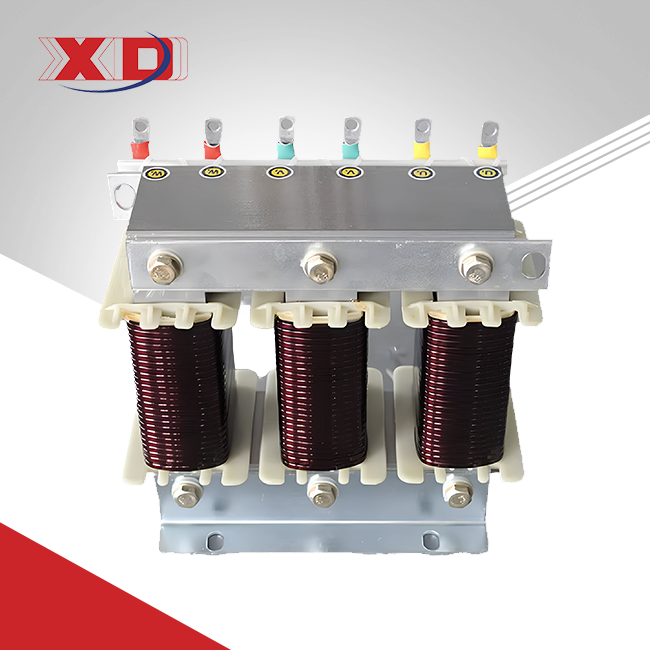
It is necessary for capacitor banks, series reactors, and smart controllers to work together for the technology to be effective. To balance out the inductive loads that motors and transformers make, capacitor banks add reactive power. When the power goes out, reactors stop harmonics and limit inrush currents. Modern setups like Static VAR Compensators (SVC) and Static Synchronous Compensators (STATCOM) make it possible for changes to happen in real time, within milliseconds, as grid conditions change.
Impact on System Stability and Energy Losses
Especially for medical devices, precision machinery, and computer infrastructure, changes in voltage make things work less well and last less long. Through transmission and distribution networks, the HV Reactive Power Compensation Device keeps nodal voltages stable. This prevents any changes in the supply's quality. This stabilizer keeps the voltage from dropping too low, which can damage insulation systems, or too high, which can cause motors to overheat.
Industrial and Utility Applications
Adding wind and solar power plants changes the voltage and lets electricity flow both ways, which makes managing the grid the way it's usually done harder. When long cables connect power plants in the middle of nowhere to substations, capacitive effects can happen. Harmonics from inverter-based systems are filtered out by reactive power devices, which lessen these effects. Stable voltage is very important for utility-scale photovoltaic farms and offshore wind farms, as it affects how well power is made.
How to Choose the Best HV Reactive Power Compensation Device in 2026
Making informed equipment selections requires evaluating technical details and capacity needs. A load analysis looks at the reactive power demand at peak and normal operating conditions. This is the first thing that needs to be done when choosing capacity. When the motor starts up or a fault is fixed, the HV Reactive Power Compensation Device needs to be able to handle both steady-state conditions and conditions that change.
Assessing Performance Criteria
Voltage ratings should match the needs of the system, taking into account things like insulation levels, temperature changes at high altitudes, and voltage ratings that are based on elevation. Using natural convection for better thermal management gets rid of the need for forced cooling systems and the maintenance work that comes with them. It also makes capacitors last longer than 15 years under normal conditions. Open-air design keeps parts from getting too hot, which breaks them down in enclosed systems.
Comparing Technology Options
Banks of fixed capacitors that are switched one at a time make up static compensation systems. Inexpensive, they keep load profiles steady. In dynamic systems, power electronics are used to adjust reactive power in a way that doesn't involve steps. These systems work great when the load is unstable or when strict voltage regulation is needed. This choice between static and dynamic approaches is based on the budget, the type of load, the amount of harmonics, and the response time that is needed.
Cost-Benefit Analysis and ROI
The power company charges more, distribution capacity is wasted, and I²R losses are high in all electrical systems when the power factor is low. Compensating devices fix it when the power factor is more than 0.95. A metalworking plant in the southwestern US saw a 12% drop in electrical demand charges and a 7% drop in total energy use after putting in a system. After 18 months, the installation paid for itself because it saved money by making the system more efficient and getting rid of the need to pay power factor penalties.
Application-Specific Considerations
Outdoor installations have to deal with problems like earthquakes, high humidity, and very hot or very cold temperatures. Long creepage distances—longer than the IEC 60815 standards for pollution severity IV—are typical of high-quality series. Structure made up of high-strength galvanized steel frames can be tested and proven to be resistant to earthquakes up to magnitude 8.0. Operating temperatures from -25°C to +45°C allow installations to be made in climates ranging from the arctic to the desert.
Top HV Reactive Power Compensation Devices and Brands in 2026
The global market for the HV Reactive Power Compensation Device requires looking at track records, comprehensive technical support, and responsive service networks. Reliable suppliers can be told apart from commodity providers by their manufacturing standards and 24/7 technical support.
Leading Global Suppliers
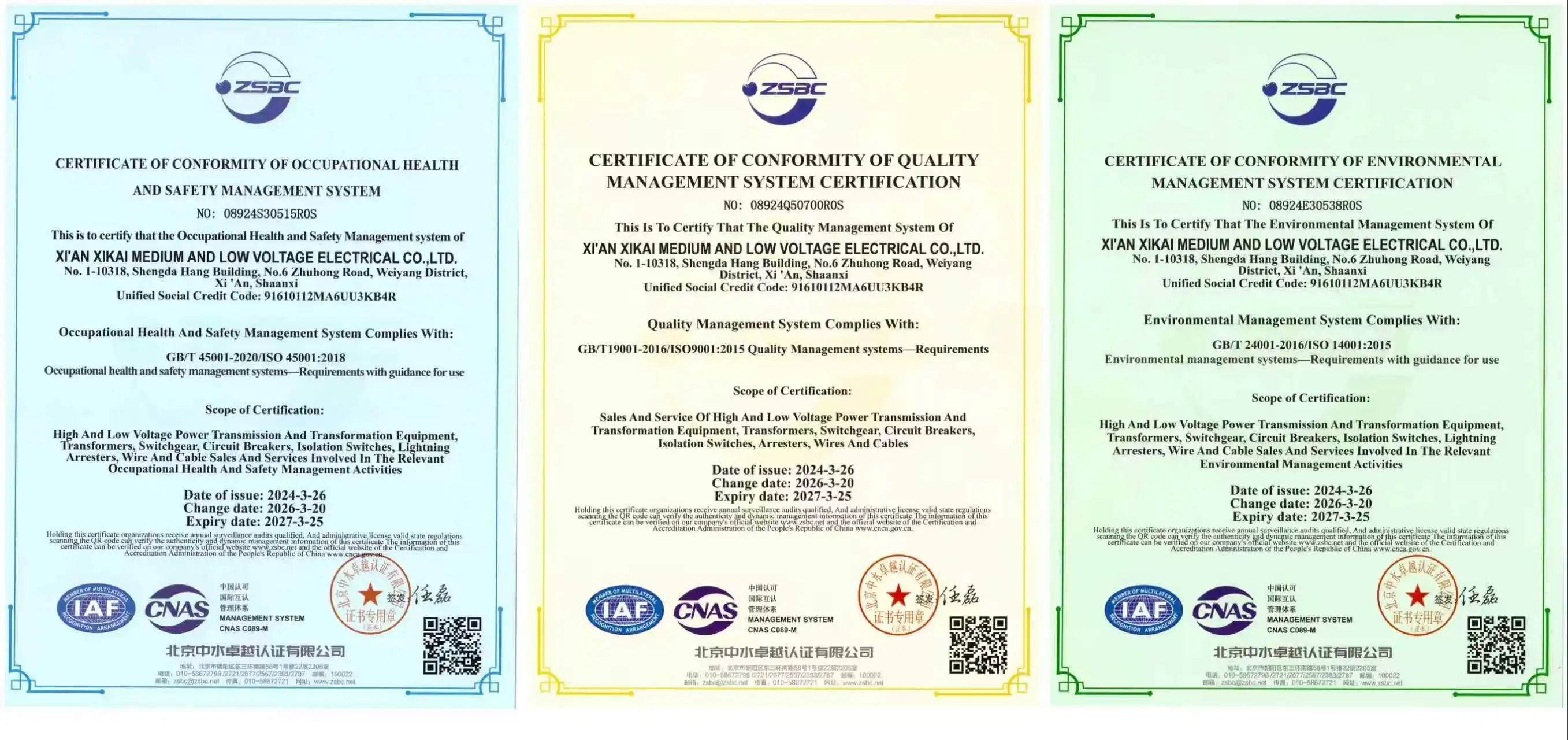
For successful deployment and long-term operational success, choose equipment from manufacturers with a lot of experience and a wide range of support services. Quality checkpoints in ISO 9001-certified manufacturing processes, from inspecting raw materials to testing finished products, ensure reliability. These industry leaders invest in patented component designs to support mission-critical electrical infrastructure across 30 countries.
Emerging Regional Manufacturers
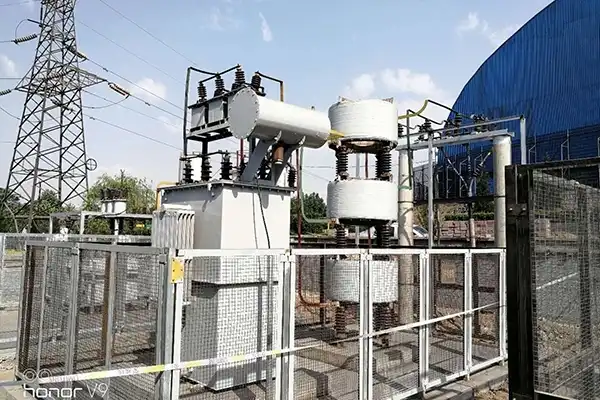
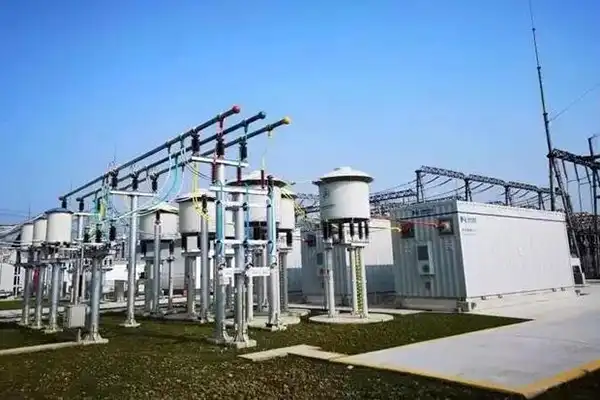
Specialized manufacturers like Xi'an Xikai Medium & Low Voltage Electric Co., Ltd. deliver competitive advantages through customization flexibility and environmental resilience. Their AKW Outdoor Frame-type Reactive Power Compensation Device exemplifies purpose-built engineering for demanding outdoor environments, offering system voltages from 6kV to 66kV and capacity ranges spanning 300 kvar to 240 Mvar. These devices feature compact footprints that reduce installation complexity and land use.
Current Market Trends
By connecting to SCADA systems, monitoring can be done from afar, and switching can be done automatically based on real-time reactive power demand. This improves performance without any need for manual intervention. Modern setups use smart controllers to set switching limits so that capacitors don't cycle too much, which prevents component wear and speeds up response times to within milliseconds as grid conditions change.
User Feedback and Performance Reviews
Business users report that power quality affects the ability to keep making things and the dependability of equipment in many fields, from handling petrochemicals to running a data center. Maintenance procedures are made easier by making parts easier to reach and adding inspection points that could be seen. This cut planned downtime by 40% compared to enclosed cabinet systems. Regular maintenance tasks like checking the capacitor and cleaning bushings need less specialized tools.
Procurement and Installation Guide for HV Reactive Power Compensation Devices
Proper grounding, clearance distances, and installation of protective equipment keep people safe and prevent damage to equipment during normal operation and fault conditions. Before powering up the HV Reactive Power Compensation Device, installation teams have to make sure that the phase rotation is correct, that the protective relay settings are correct, and that the dielectric is tested.
Procurement Channels and Lead Times
When sourcing advanced reactive power solutions, it is important to work with vendors that offer scalable capacity and environmental resilience. Buyers should talk to technical teams to discuss specific needs and configuration requirements. Getting certified from well-known testing labs backs up performance claims and makes the approval process easier with utility authorities.
Pricing Structures and Service Agreements
Lower lifecycle costs and higher availability are direct results of modular structures. A business that pays $0.12 per kWh could save $80,000 a year by becoming more efficient and not having to pay penalties. Pricing analysis should consider that electrical system downtime can cost more than $10,000 per hour in lost production, making the initial investment in high-quality materials like vacuum-impregnated capacitors essential.
Installation Standards and Certifications
IEC 60831 applies to shunt capacitors, IEEE 18 applies to distribution equipment, and local utility interconnection rules must be followed by all equipment in the area. Technical teams should provide on-site commissioning support, checking the quality of the installation and teaching facility staff safe ways to operate the equipment.
Maintenance Best Practices
Thermal imaging is used in predictive maintenance to find connections that are breaking down, while insulation resistance testing identifies capacitors that are breaking down. Scheduled inspections should check the condition of the surge arrester every six months in mild climates and every three months in harsh climates. Replacing old capacitors before they fail can stop disasters that damage nearby equipment and cause long power outages.
Engaging Suppliers Effectively
Reliable vendors provide 23+ quality checkpoints and comprehensive technical support. When engaging a manufacturer, inquire about patented component designs and the ability to customize voltage ratings, capacity configurations, and harmonic filtering specifications. This ensures the equipment meets the tough needs of industrial plants, utility substations, and renewable energy installations.
Future Outlook and Trends in HV Reactive Power Compensation Technology
As the smart grid grows, it needs advanced reactive power management solutions that balance cost, environmental impact, and technical performance. Voltage stabilization, power factor optimization, and lower operational costs are some of the measurable benefits that the HV Reactive Power Compensation Device offers. These benefits have a direct effect on the profitability of the facility and the reliability of the grid.
Integration with Smart Grid Infrastructure
Future systems will rely on the AKW Outdoor Frame-type configuration, combining tried-and-true capacitor bank technology with smart controls and tough construction. Connectivity to automated grid management platforms will allow for seamless reactive power demand fulfillment without manual intervention. For successful deployment, facilities must choose equipment from manufacturers with specialized coatings for corrosive environments or altitude compensation.
Semiconductor Material Advances
Wide-bandgap materials and advanced power electronics in dynamic systems like STATCOM allow for instantaneous adjustment as energy generation changes. These materials improve the thermal management of the system, allowing the equipment to operate in climates ranging from the arctic to the desert without performance degradation, even as renewable energy farms introduce more variable loads.
Regulatory and Environmental Considerations
Compliance with updated IEC and IEEE standards ensures that equipment lasts longer than 15 years in normal conditions. Using materials that don't rust and vacuum-impregnated capacitors reduces the environmental impact and lifecycle costs. Units that are kept in good shape and used in mild climates usually last longer than 20 years, meeting the strict sustainability goals of modern utility networks.
Modular and Scalable Designs
Modular structures let the system's capacity grow in stages without having to be completely redesigned. This approach lowers the cost of site preparation and makes installation possible in substations with limited space. A small footprint means it needs about 30% less land than traditional enclosed switchgear, which is a critical factor for expanding smart grid infrastructures.
Conclusion
As the smart grid grows, it needs advanced reactive power management solutions that balance cost, environmental impact, and technical performance. Voltage stabilization, power factor optimization, and lower operational costs are some of the measurable benefits that HV Reactive Power Compensation Devices offer. These benefits have a direct effect on the profitability of the facility and the reliability of the grid. To meet the tough needs of industrial plants, utility substations, and renewable energy installations, the AKW Outdoor Frame-type configuration combines tried-and-true capacitor bank technology with smart controls and tough construction. For successful deployment and long-term operational success, choose equipment from manufacturers with a lot of experience and a wide range of support services.
FAQ
1. What factors most significantly influence reactive power compensation device efficiency?
Device efficiency depends on keeping the balance between inductive and capacitive loads in electrical networks. When you use vacuum-impregnated capacitors and materials that don't rust, you can make high-quality devices that last longer than 15 years. The actual life span depends on the operating voltage, the temperature, the number of times the switch is made, and how well it is maintained.
2. How frequently should maintenance inspections occur?
Scheduled inspections should check the condition of the surge arrester every six months in mild climates and every three months in harsh climates. Predictive maintenance using thermal imaging and vibration analysis should be performed regularly to find connections or reactors that are breaking down. Regular maintenance tasks like checking the capacitor, cleaning the bushings, and tightening the connections need shorter power outages.
3. Can new compensation devices integrate with existing electrical infrastructure?
Yes, manufacturers allow you to change voltage ratings, capacity configurations, and harmonic filtering specifications to fit certain industries. Modern systems connect to SCADA for remote monitoring and automatic switching based on real-time reactive power demand. Specialized coatings for corrosive environments or better seismic bracing for critical facilities are examples of custom engineering that meets specific infrastructure needs.
Partner with Xi'an Xikai for Reliable Reactive Power Compensation Solutions
Xi'an Xikai Medium & Low Voltage Electric Co., Ltd. stands as a leading HV Reactive Power Compensation Device manufacturer, delivering proven solutions across State Grid systems, heavy industry, and renewable energy projects. Our AKW Outdoor Frame-type Reactive Power Compensation Device combines robust construction, wide capacity scaling from 300 kvar to 240 Mvar, and exceptional environmental tolerance for temperatures ranging from -25°C to +45°C. With multiple patented technologies, ISO 9001-certified production, and operational capability at altitudes reaching 4,000 meters, we provide customized equipment that meets the most demanding specifications. Our technical team offers comprehensive support from specification development through commissioning and maintenance planning. Contact our procurement specialists at serina@xaxd-electric.com, amber@xaxd-electric.com, or luna@xaxd-electric.com to discuss your project requirements and receive a detailed quotation. We're ready to help you optimize power quality, reduce operational costs, and enhance grid stability.
References
1. IEEE Standards Association. (2022). IEEE Guide for Application of Shunt Power Capacitors. IEEE Standard 1036-2022. Institute of Electrical and Electronics Engineers.
2. Hingorani, Narain G., and Gyugyi, Laszlo. (2020). Understanding FACTS: Concepts and Technology of Flexible AC Transmission Systems. Wiley-IEEE Press.
3. Ekanayake, Janaka, et al. (2021). Smart Grid: Technology and Applications. John Wiley & Sons Ltd.
4. International Electrotechnical Commission. (2021). Shunt Capacitors for A.C. Power Systems Having a Rated Voltage Above 1000 V – Part 1: General. IEC 60871-1:2021.
5. Miller, T.J.E. (2019). Reactive Power Control in Electric Systems. Engineering Pro Guides, Technical Publishing.
6. Arrillaga, Jos, and Watson, Neville R. (2020). Power System Harmonics. Second Edition. John Wiley & Sons Ltd.
_1774321455861.png)


