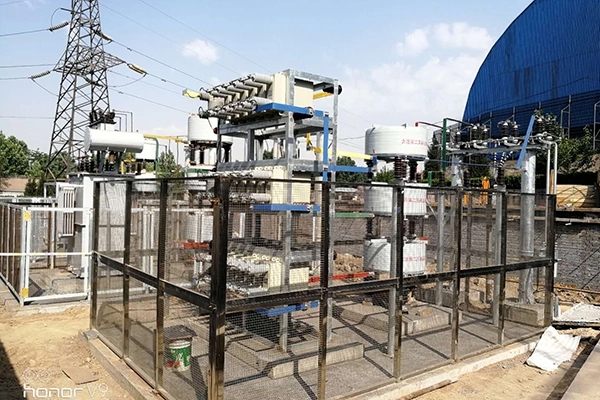
Why HV Reactive Power Compensation Device Matters for Smart Grids
2026-05-15 16:05:07
To meet the energy needs of factories, utility networks, and add green energy, today's smart grids need to be precise, efficient, and reliable. These needs are met by an HV Reactive Power Compensation Device, which controls voltage stability, fixes power factor flaws, and lowers transmission losses in high-voltage electrical systems. Without these devices, smart grids have problems with power drops, harmonic distortion, and higher costs that make it harder to make money and keep the infrastructure in good shape. Reactive power solutions are used in places like data centers and factories to keep critical equipment safe and keep operations running smoothly.
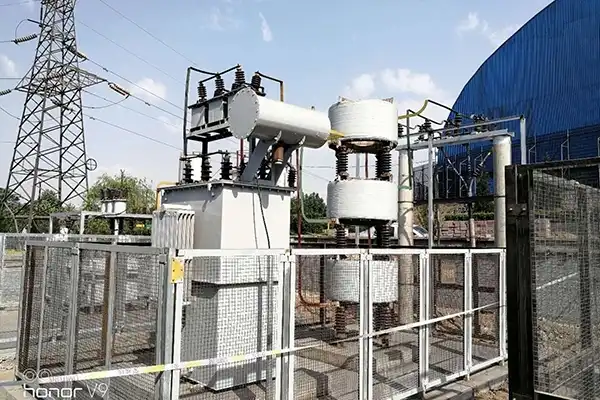 |
 |
Understanding HV Reactive Power Compensation Devices
What Are HV Reactive Power Compensation Devices?
HV Reactive Power Compensation Devices work with system voltages of 6kV or more, which makes it different from low-voltage equipment made for smaller jobs. In electrical networks, these devices keep the balance between magnetic and capacitive loads, which stops voltage fluctuations that mess up operations. When compared to low-voltage options, high-voltage systems have to deal with more electrical stress, harsher environments, and power needs that range from 300 kvar to 240 Mvar.
Core Components and Operating Mechanisms
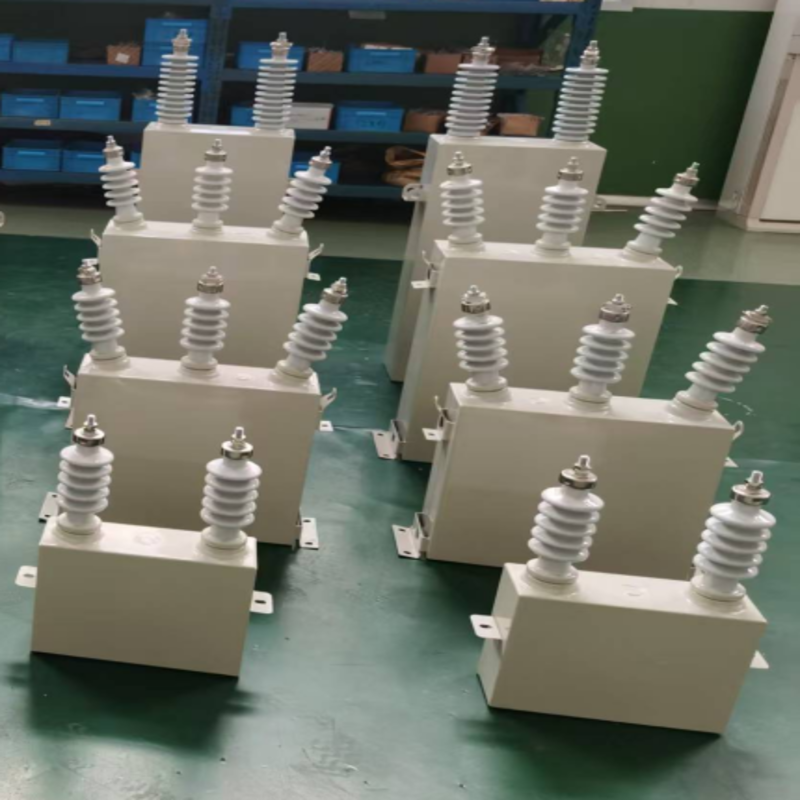
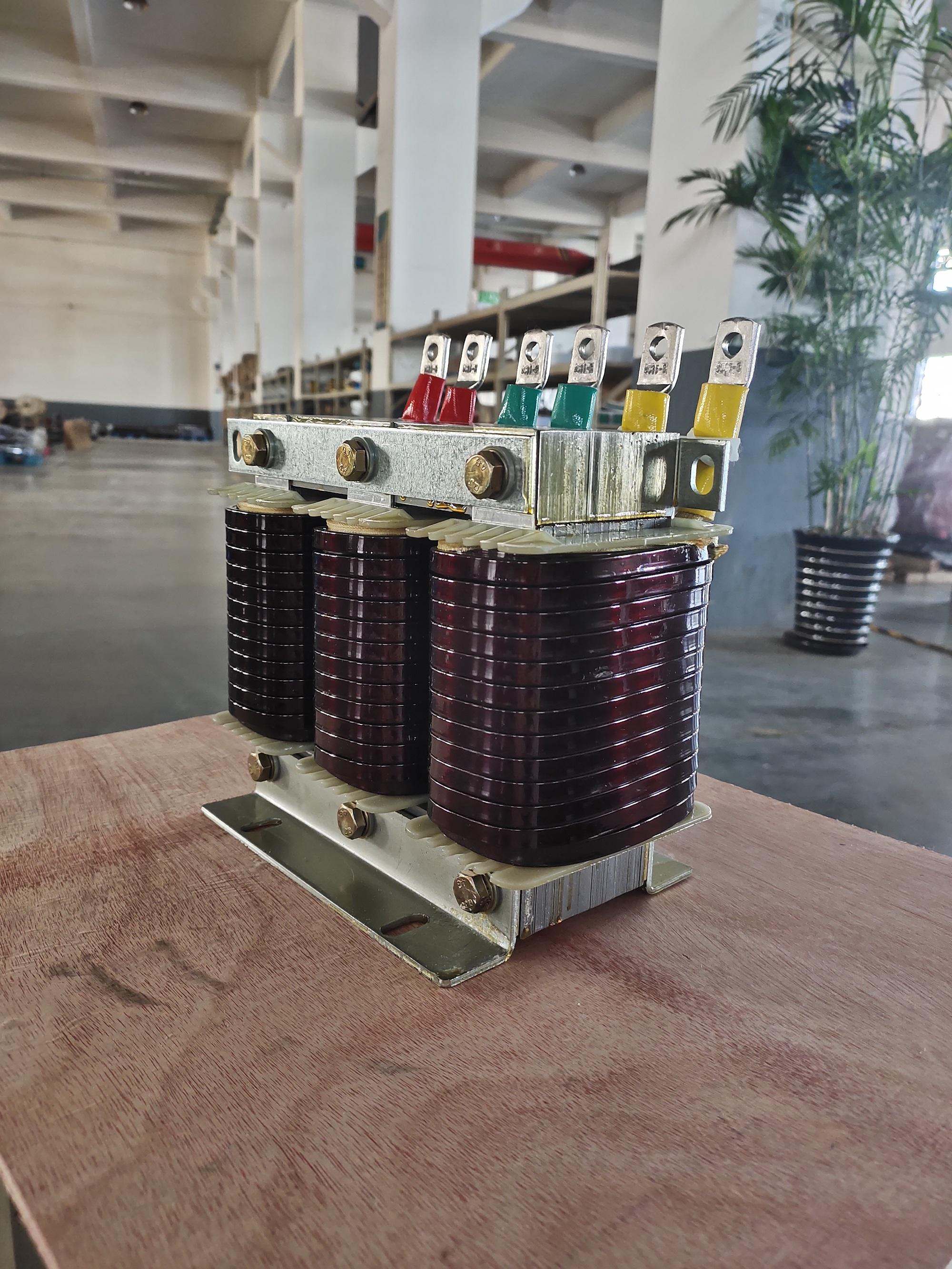
For the technology to work, battery banks, series reactors, and smart controls must all work together. Capacitor banks add reactive power to balance the magnetic loads that motors and transformers create, and reactors stop harmonics and limit inrush currents when the power goes out. Advanced setups like Static VAR Compensators (SVC) and Static Synchronous Compensators (STATCOM) allow for dynamic, real-time changes that happen within milliseconds in response to changing grid conditions. This flexibility is very important in places where load changes quickly, like arc furnaces or green energy farms, where output trends change all the time.
Differentiating Static and Dynamic Solutions
Static compensation systems use banks of set capacitors that are turned on in steps. They are a cheap way to keep load patterns stable. Power electronics are used in dynamic systems to provide constant, stepless reactive power change. These systems are perfect for use with unstable loads or strict voltage control needs. The choice between static and dynamic methods relies on things like the type of load, the amount of harmonics, the reaction time needed, the HV Reactive Power Compensation Device, and the budget.
Why HV Reactive Power Compensation Is Critical for Smart Grids
Addressing Voltage Instability and Power Quality Issues
Changes in voltage hurt the performance of equipment and shorten its life, especially for medical devices, precise machinery, and computer infrastructure. Nodal voltages are kept stable across transmission and distribution networks by reactive power correction. This makes sure that the quality of the supply stays the same. Undervoltage situations that cause motors to burn and overvoltage situations that damage shielding systems are avoided by this stability. These devices directly help facilities that use CNC machines, robotic production lines, or MRI scanners by regulating the power.
Improving Power Factor and Reducing Operational Costs
When the power factor is low, the utility company charges extra, distribution capacity is lost, and I²R losses are high in all electrical systems. When the power factor is higher than 0.95, an HV Reactive Power Compensation Device fixes it. This gets rid of penalty charges, which can be very expensive for big sites over time. If a factory using 10 MW of active power and an incorrect power factor of 0.75 has to pay fines of more than $50,000 a year, reactive compensation gets rid of those costs and frees up transformer capacity for useful loads.
Real Performance Data from Industrial Applications
After installing a 30 Mvar compensation system, a mining plant in the southwestern United States saw a 12% drop in power demand charges and a 7% drop in total energy use. Within 18 months, the work paid for itself through savings from higher efficiency and no longer having to pay power factor fines. Power quality is directly linked to production stability and machine efficiency across a wide range of businesses, from processing petrochemicals to running a data center.
How to Select the Right HV Reactive Power Compensation Device for Your Smart Grid
Evaluating Technical Parameters and Capacity Requirements
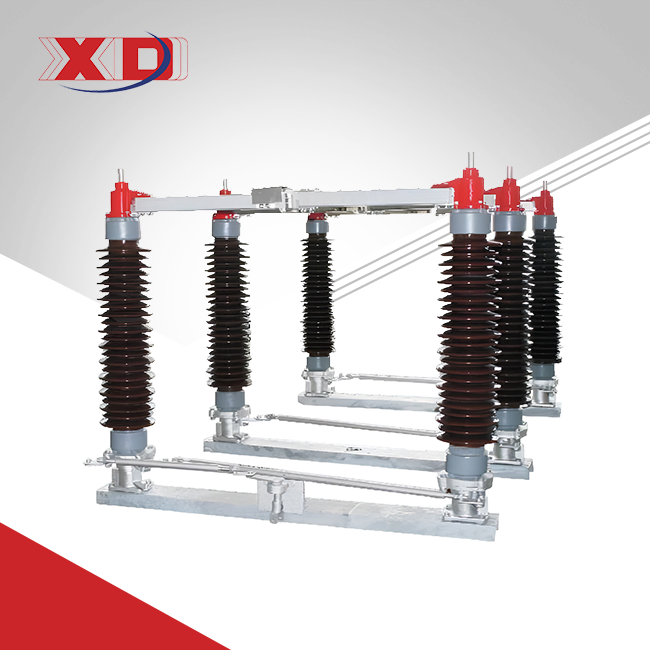
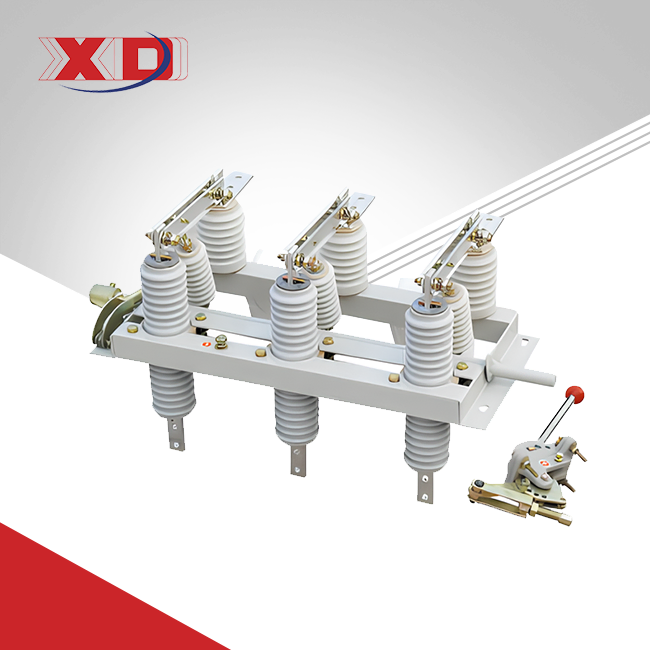
The first step in choosing capacity is to do a load study, HV Reactive Power Compensation Device which looks at the reactive power demand at high and normal working conditions. Systems need to be able to handle both steady-state situations and changing ones when the motor starts up or a fault is fixed. It is important that voltage values match the system requirements, taking into account things like insulation levels, altitude derating, and changes in temperature. Our AKW Outdoor Frame-type HV Reactive Power Compensation Device works successfully with system voltages ranging from 6kV to 66kV. It can be set up in a variety of ways, ranging from 300 kvar to 240 Mvar, to meet the needs of different facilities.
Assessing Environmental Resilience and Installation Requirements
Extreme temperatures, high humidity, smog, and earthquakes are some of the problems that outdoor sites have to deal with. The AKW series has long creepage distances that are longer than the IEC 60815 standards for pollution level IV. This keeps flashover from happening in seaside, industrial, or desert settings. Its structural design includes galvanizing, high-strength steel frames that have been tested and proven to be resistant to earthquakes up to magnitude 8.0. This is necessary for installations in areas that are prone to earthquakes. Operating temperature ranges from -25°C to +45°C, allowing setups to be made in areas ranging from the cold to the desert without affecting performance.
Here are the critical advantages this configuration provides:
- Compact footprint reducing land requirements by about 30% compared to standard covered switchgear. This lowers the cost of site preparation and makes installation possible in substations with limited space. The flexible design lets the system's capacity grow in stages without having to be completely redesigned.
- Simplified maintenance protocols by making parts easier to reach and adding inspection points that can be seen. This cut planned downtime by 40% compared to systems that are sealed in cabinets. Routine repair jobs, like checking the battery, cleaning the bushings, and fixing the connections, need less specialized tools and shorter power outages.
- Superior thermal management using natural convection gets rid of the need for forced cooling systems and the upkeep work that comes with them. It also makes capacitors last longer than 15 years under normal conditions. With open-air design, heat doesn't build up and break down parts like it does in sealed systems.
These benefits directly lead to lower lifetime costs and better availability, which are very important for sites where electricity system downtime costs more than $10,000 per hour in lost production.
Considering Compliance, Certification, and Vendor Support
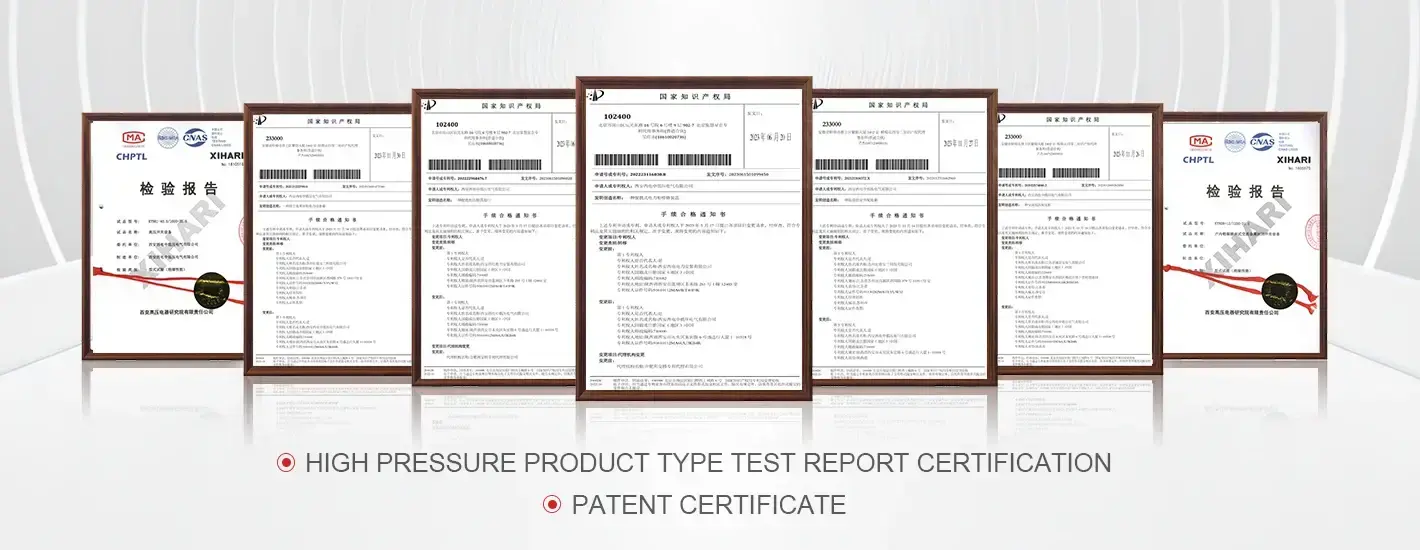
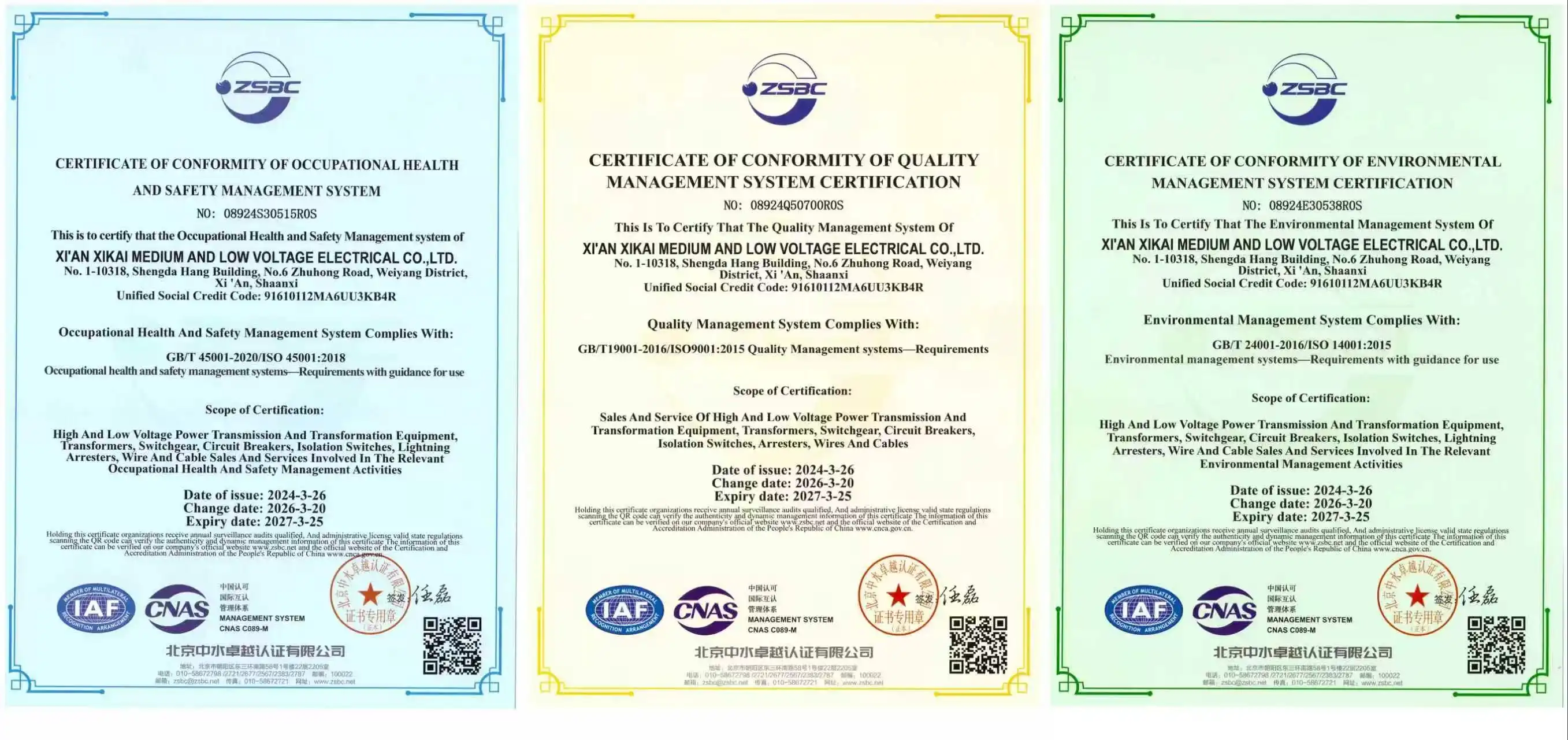
Regional standards must be met by all equipment, such as IEC 60831 for shunt capacitors, IEEE 18 for distribution equipment, and local utility coupling rules. Certification from well-known testing labs backs up performance claims and makes the approval process easier with energy officials. The skills of the vendors are just as important as the products they sell. Reliable sellers can be told apart from stock providers by their track records, expert help, and quick service networks. Our production methods are ISO 9001-certified and have 23+ quality checks, from inspecting the raw materials to checking the finished product. They are backed by unique part designs and expert support that is available 24/7.
Installation, Operation, and Maintenance Best Practices
Safety Standards and Installation Guidelines
When grounding, separation lengths, and safety devices are done right, they keep people safe HV Reactive Power Compensation Device and avoid damage to equipment during normal operation and problem situations. Before turning on the power, installation teams must check the phase rotation, make sure the safety relay settings are correct, and test the insulator. Our expert team helps with finishing on-site, making sure the quality of the work is good, and teaching building staff how to do things safely.
Operational Protocols for Maximum Performance
Monitoring power factor trends, keeping track of capacitor bank switching cycles, and studying harmonic content through regular power quality studies are all important parts of running a system well. Integration with SCADA systems lets you watch from afar and set up automatic switches based on real-time reactive power demand, which improves performance without any help from a person. Setting switching limits is important for operators to avoid over-cycling capacitors, which speeds up component wear.
Maintenance Strategies That Extend Equipment Lifespan
Predictive maintenance methods use thermal imaging to find connections that are breaking down, electrical resistance testing to find capacitors that are breaking down, and sound analysis to check the state of reactors. Regular checks should look at the state of the surge arrester, the cleanliness of the bushings, and the stiffness of the hardware every three months in tough settings and every six months in mild climates. By replacing old capacitors before they fail, you can avoid disasters that damage nearby equipment and cause long power blackouts.
Conclusion
As smart grids get smarter, they need more advanced reactive power control systems that combine cost, environmental impact, and technical performance. HV Reactive Power Compensation Devices provide measured benefits such as stabilizing voltage, improving power factor, and lowering running costs. These benefits have a direct effect on the revenue of the facility and the dependability of the grid. The AKW Outdoor Frame-type design blends tried-and-true capacitor bank technology with smart controls and tough building to meet the tough needs of power plants, utility substations, and renewable energy sites. It is important to choose tools from makers with a lot of knowledge and a wide range of support services. This will ensure a smooth rollout and long-term operating success.
FAQ
1. What is the typical service life of reactive power compensation equipment?
When vacuum-impregnated capacitors and corrosion-resistant materials are used in high-quality products, they can work for more than 15 years under normal conditions. The actual lifespan varies on the stress from the working power, the temperature, the number of times the switch is made, and how well it is maintained. When units are kept in good shape and used in mild areas, they can last for more than 20 years.
2. How do these devices reduce energy costs in smart grid applications?
Compensation equipment lowers energy costs in several ways. It gets rid of utility power factor fees, lowers transmission losses by lowering reactive current flow, and frees up transformer capacity, which delays costly infrastructure updates. A building that pays $0.12 per kWh could save $80,000 a year by becoming more efficient and not having to pay penalties.
3. Can compensation systems be customized for specific industrial needs?
Manufacturers let you make a lot of changes, such as choosing the voltage grade, capacity, noise filters, and environmental protection level. Custom engineering takes into account specific needs, like adjusting for altitude for sites higher than 1,000 meters, creating special coats for environments that are toxic, or making sure that important facilities are better protected against earthquakes.
Partner with Xi'an Xikai for Advanced Reactive Power Solutions
For smart grid infrastructure to work, it needs proven knowledge and dependable business relationships. The company Xi'an Xikai offers complete reactive power correction solutions based on unique technologies and a lot of field experience in State Grid systems, heavy industry, and green energy installations. Our AKW Outdoor Frame-type HV Reactive Power Compensation Devices are the result of years of hard work and advanced engineering. They offer scalable capacity, environmental resilience, and great value for makers, utilities, and system developers who are looking for HV Reactive Power Compensation Device providers. Send an email to serina@xaxd-electric.com, amber@xaxd-electric.com, or luna@xaxd-electric.com with your specific needs to our expert team. We offer unique specs, help with application engineering, and quick delivery times that help keep projects on track.
References
1. Electric Power Research Institute (EPRI), "Reactive Power Compensation Technologies for Transmission Systems: Performance and Economic Analysis," Technical Report 3002011612, 2018.
2. Institute of Electrical and Electronics Engineers, "IEEE Standard 1531-2020: Guide for Application and Specification of Harmonic Filters," IEEE Standards Association, 2020.
3. International Electrotechnical Commission, "IEC 60871-1:2014 Shunt Capacitors for AC Power Systems Having a Rated Voltage Above 1000V – Part 1: General," IEC Publications, 2014.
4. National Renewable Energy Laboratory, "Grid Integration Challenges and Solutions for Variable Renewable Energy: The Role of Dynamic Reactive Power Support," NREL Technical Report TP-5D00-78089, 2021.
5. CIGRE Working Group B4.55, "HVDC and FACTS for Distribution Systems: Technologies and Applications in Modern Grids," CIGRE Technical Brochure 793, 2019.
6. American National Standards Institute, "ANSI C84.1-2020: Electric Power Systems and Equipment – Voltage Ratings (60 Hertz)," National Electrical Manufacturers Association, 2020.