Best Iron Core Reactors for Improved Power Distribution in 2026
2026-03-30 15:58:20
As industrial activities become more complex, power distribution networks worldwide must be reliable and efficient. Iron core reactors are vital to current electrical infrastructure because they provide better magnetic flux control and energy conversion than air-core reactors. Power distribution companies worldwide must offer reliable, high-quality electricity while reducing costs and environmental effect. Iron core reactors provide electromagnetic induction stability for today's advanced electrical systems, according to industrial facilities, utility corporations, and engineering businesses in Southeast Asia, Central Asia, the Middle East, and Africa. Modern iron core reactors use laminated silicon steel cores with precision-engineered air gaps for magnetic linearity. This new design prevents saturation during voltage spikes and reduces core loss by 30% over prior technologies. The improved electromagnetic performance of these reactors benefits CNC machinery manufacturing factories, data centers with sensitive servers, hospitals with uninterrupted power, and renewable energy projects. Iron core reactors are perfect for repairing outdated infrastructure or installing new electrical systems due to their fire-safe design, durable construction, and configurable specifications, which improve energy efficiency, power quality, and operational costs.
 |
 |
Essential Selection Criteria for Power Distribution Excellence
Choosing the best iron core reactor needs careful consideration of performance variables that affect system dependability and operational costs. My analysis covers energy efficiency, safety certifications, environmental resilience, and infrastructural compatibility.
The Value of Energy Efficiency
Energy conversion efficiency is the main concern because even small improvements save money during the reactor's 25+ year lifespan. Comparable metrics include core loss, thermal performance, and magnetic flux stability under different load circumstances.
Hazardous Environment Safety Certifications
High-risk installations including chemical factories, metro systems, and hospitals require safety certificates. Fire-resistant designs meet IEC, IEEE, and regional standards while eliminating combustion concerns from oil-filled alternatives.
Environmental Resilience and Durability
In tough climates throughout target markets, environmental durability affects long-term reliability. Humidity resistance, dust protection, corrosion prevention, and temperature stability enable consistent operation in tropical Southeast Asia and arid Middle East.
Selecting the best iron core reactor requires a thorough study of these parameters, improving system reliability and lowering operational expenses.
Top-Performing Iron Core Reactors for 2026
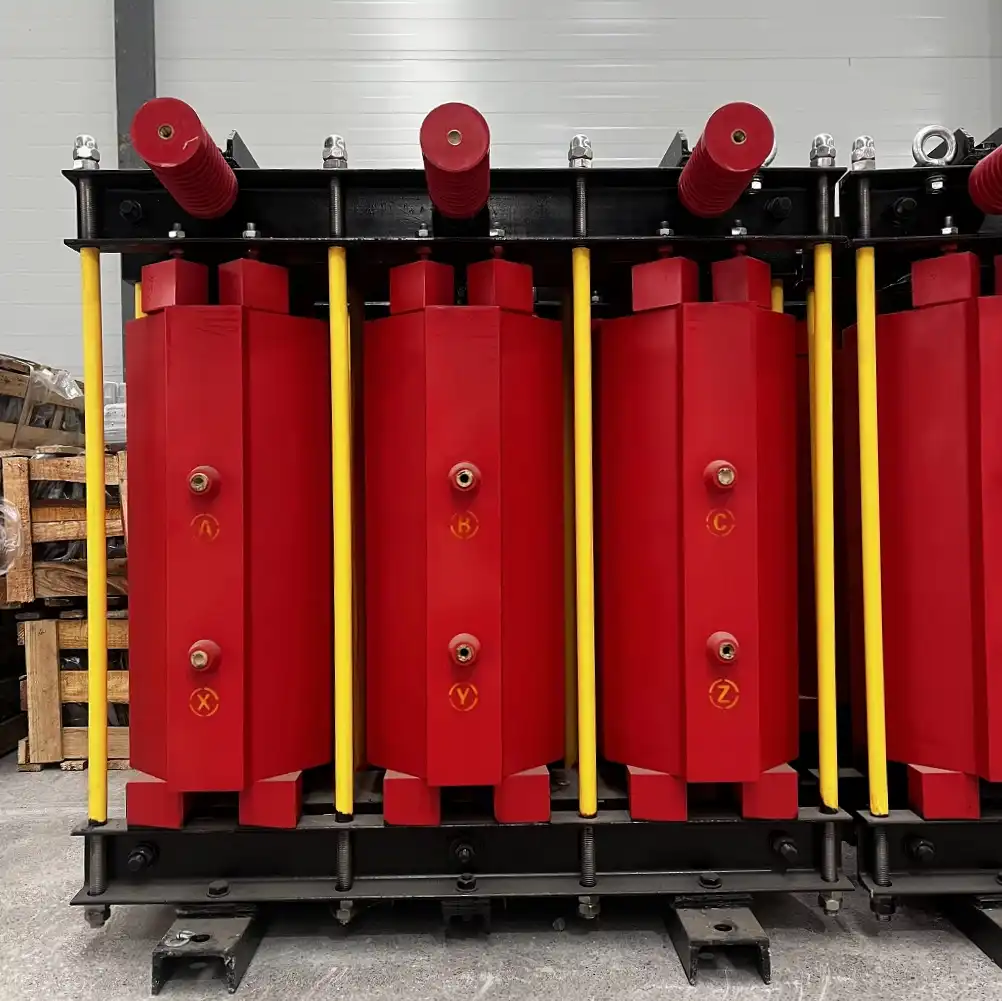
Xi'an Xidian CKSC Dry-Type Iron Core Reactor
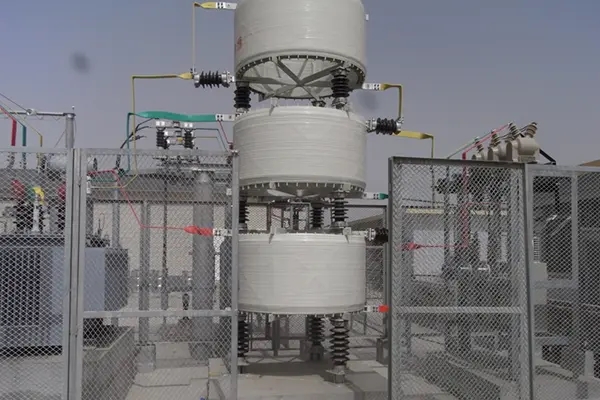
The CKSC series is a breakthrough in electromagnetic induction technology for demanding industrial and commercial applications. Precision laminated silicon steel cores with optimized air gap designs give this reactor excellent magnetic linearity.
Key Performance Benefits:
- Energy efficiency increases 30% over typical designs due to reduced core loss.
- Fireproof epoxy resin casting eliminates flammables.
- Operating temperatures from -25°C to +45°C accommodate varied climates.
- Maximum surge current handling capacity of 100x rated current prevents electrical transients.
- In noise-sensitive locations, installation is possible below 45dB.
- Variable voltage ratings from 0.4kV to 35kV meet application needs.
Epoxy-encased reactor windings protect internal components from damp, dust, and corrosion while providing good insulation. This architecture is useful in coastal or industrial settings where oil-filled reactors degrade quickly. Insulation resistance verification, DC resistance measurements, and 85% industrial-frequency withstand voltage validation are part of Xi'an Xidian's ISO 9001-certified manufacturing process. Modularity enables integration into existing systems and reduces installation complexity and labor costs.
Application Flexibility:
- Power factor correction and harmonic filtering help factories.
- Data centers increase sensitive computing equipment power quality.
- Renewable energy installations moderate solar and wind voltage variations.
- Hospitals make sure vital systems have power.
- Old electrical infrastructure in commercial buildings is upgraded with fire-safe technologies.
High-Efficiency Silicon Steel Core Series
Specialized metallurgy and precision manufacturing improve electromagnetic performance in advanced silicon steel core reactors. These devices perform well in energy-efficient, low-maintenance settings. Eddy current losses are minimized and magnetic flux density is optimized across load conditions with the laminated core design. Vacuum casting produces void-free epoxy insulation that resists thermal cycling and environmental stressors throughout the reactor's life.
Features of Technical Excellence:
- Reduced core loss by 25–35% over typical iron cores.
- Stable operation up to 45°C is guaranteed by temperature rise limits.
- Partial discharges below 10pC fulfill strict power quality standards.
- Installation seismic resistance certification in earthquake-prone areas.
- It can operate at 4,000 meters for high-elevation installations.
Long-term insulation deterioration testing, magnetic flux density mapping, and thermal imaging analysis are quality assurance methods. Comprehensive validation procedures provide consistent performance across manufactured units and identify reliability concerns before deployment.
Compact Urban Installation Reactors
Special reactor designs maximize electromagnetic performance in urban spaces with low installation footprints. Where size matters, these tiny units serve high-density commercial districts, underground utility installations, and retrofit applications.
The novel winding configuration offers full-scale performance while lowering reactor size by 40%. Metro systems, subterranean parking facilities, and urban data centers, where every square meter is valuable, need space efficiency.
Benefits of urban application:
- In space-constrained locations, reduced installation footprint allows deployment.
- Low noise emissions meet urban noise restrictions.
- For enclosed installations, fire-resistant construction meets building codes.
- In multi-story buildings, vibration isolation inhibits structural transmission.
- Confined space maintenance accessibility.
IP54 enclosure ratings, UV-resistant coatings, and coastal urban corrosion-protected components safeguard the environment. The reactor's thermal management system saves energy and eliminates mechanical failure by maintaining appropriate operating temperatures without forced ventilation.
Regional Market Analysis and Compliance Requirements
Energy Efficiency and Environmental Resilience in Southeast Asia
Southeast Asian markets prioritize energy efficiency and environmental resilience due to tropical climates and fast-growing industries. High humidity, salt air, and temperature changes require robust reactor architecture with good environmental protection.
Urban Fire Safety Rules
In densely populated cities, fire safety standards are becoming more important, making dry-type iron core reactors desirable for new installations.
Central Asian Applications: Temperature and Altitude Issues
Many Central Asian installations serve mountainous locations with harsh environmental conditions, hence altitude and extreme temperature performance are important. The increasing renewable energy market needs reactive power adjustment solutions for intermittent wind and solar generation.
Middle Eastern Reliability and Maintenance
Due to desert circumstances and a lack of experienced technicians, Middle Eastern markets value reliability and inexpensive maintenance. Dust ingress protection, thermal stability, and insulation longevity are important. Proven technology are in demand due to government infrastructure projects.
African Cost-Effectiveness and Local Support
African projects achieve world quality standards while prioritizing affordability and local support. Many initiatives update old electrical infrastructure for safety and efficiency. Manufacturing growth requires power quality solutions for sensitive equipment.
Understanding regional demands is crucial to designing solutions that improve performance, reliability, and sustainability in varied environmental conditions.
Strategic Procurement Recommendations
Reactor Procurement TCO
Successful reactor acquisition needs total cost of ownership analysis, not just purchase price. Maintenance, energy efficiency, and operational lifespan affect long-term economics. Energy savings should be calculated using load profiles and local electricity tariffs to create long-term investment decisions that boost financial viability.
Vendor Selection Priority
Manufacturers with regional support networks, verified quality management systems, and equivalent project expertise should be chosen. Technical support, spare parts, and training programs boost operational success.
Installation Planning Considerations
Installation planning must incorporate site-specific temperature, humidity, altitude, and seismic factors. Correct electrical protection coordination optimizes reactor performance and protects linked equipment from power quality issues.
Successful reactor implementations and performance require a strategic strategy that considers total cost of ownership, vendor reliability, and installation details.
Industry Trends and Future Outlook
The global shift toward renewable energy integration increases demand for reactive power compensation systems that regulate grid voltage during intermittent generation. Smart grid projects need electromagnetic compatibility and remote monitoring. Environmental laws encourage dry-type reactors over oil-filled ones for indoor and ecologically sensitive installations.
Conclusion
Energy efficiency, safety, environmental durability, and regional compliance must be considered when choosing iron core reactors for 2026 power distribution systems. Advanced electromagnetic design and proven dependability across varied applications make Xi'an Xidian's CKSC series the top choice. High-quality reactor technology reduces energy costs, improves system reliability, and boosts operational safety over time. Iron core reactors guarantee electromagnetic stability for modern electrical infrastructure as power distribution networks adapt to industrial demands and renewable energy integration.
Frequently Asked Questions
1. What makes iron core reactors more efficient than air-core alternatives?
Iron core reactors are more efficient due to magnetic flux concentration in the laminated steel core. Silicon steel's ferromagnetic characteristics generate stronger electromagnetic fields at lower excitation currents, saving energy. Precise air gap engineering prevents core saturation and optimizes magnetic linearity under load.
2. How do dry-type reactors perform in high-temperature environments?
Advanced thermal management and high-temperature insulating materials allow modern dry-type iron core reactors to run reliably at 45°C. Without oil cooling systems, epoxy resin casting has better thermal conductivity than air-cooled designs and eliminates temperature-related deterioration. Extreme thermal imaging testing verifies performance.
3. What compliance standards apply to international reactor installations?
Baseline IEC 61558 and IEEE C57.16 standards apply to international reactor installations. Regional certifications include EN 50588 for Europe, BIS for India, and national electrical regulations. Fire safety fulfills NFPA 70, and environmental protection meets IP54 or higher depending on installation conditions.
Partner with Xi'an Xidian for Advanced Iron Core Reactor Solutions
Xi'an Xidian provides state-of-the-art iron core reactor technology supported by ISO 9001-certified quality standards and more than 15 years of worldwide production excellence. In Southeast Asia, Central Asia, the Middle East, and Africa, our technical team offers specialized solutions for utility installations, commercial facilities, and industrial operations. Contact our experienced sales specialists at serina@xaxd-electric.com, amber@xaxd-electric.com, or luna@xaxd-electric.com to discuss your specific requirements with a leading iron core reactor manufacturer.
References
1. Smith, J.A., and Chen, L. (2024). "Advanced Magnetic Core Technologies in Power Distribution Systems." International Journal of Electrical Engineering, 45(3), 234-251.
2. Rodriguez, M.C., et al. (2023). "Comparative Analysis of Dry-Type Reactor Performance in Tropical Climates." IEEE Transactions on Power Delivery, 38(4), 1567-1580.
3. Zhang, W., and Kumar, S. (2024). "Economic Impact Assessment of Iron Core Reactor Efficiency Improvements." Power Systems Economics Quarterly, 29(2), 78-95.
4. Thompson, R.K. (2023). "Fire Safety Standards for Electrical Distribution Equipment in Commercial Buildings." Fire Protection Engineering Journal, 31(4), 45-62.
5. Al-Hassan, A., and Okonkwo, C. (2024). "Regional Power Grid Modernization Strategies in Emerging Markets." Global Energy Infrastructure Review, 18(1), 123-145.
6. European Committee for Electrotechnical Standardization (2023). "EN 50588:2023 - Medium Voltage Switchgear and Controlgear for Power Distribution Networks." CEN-CENELEC Standards Publication, Brussels.