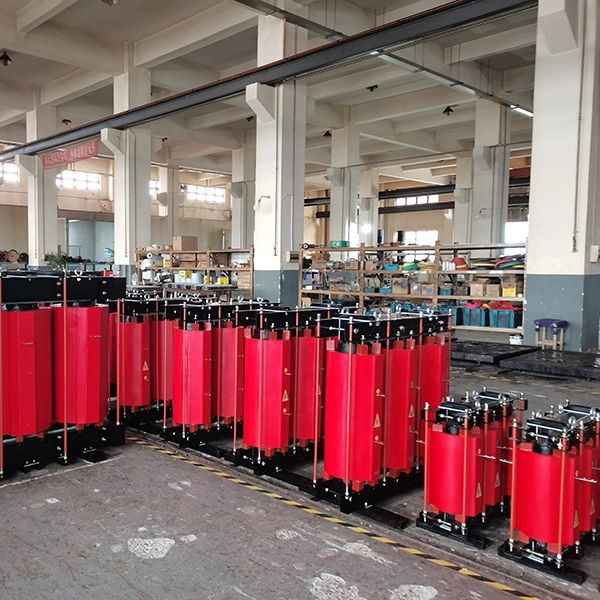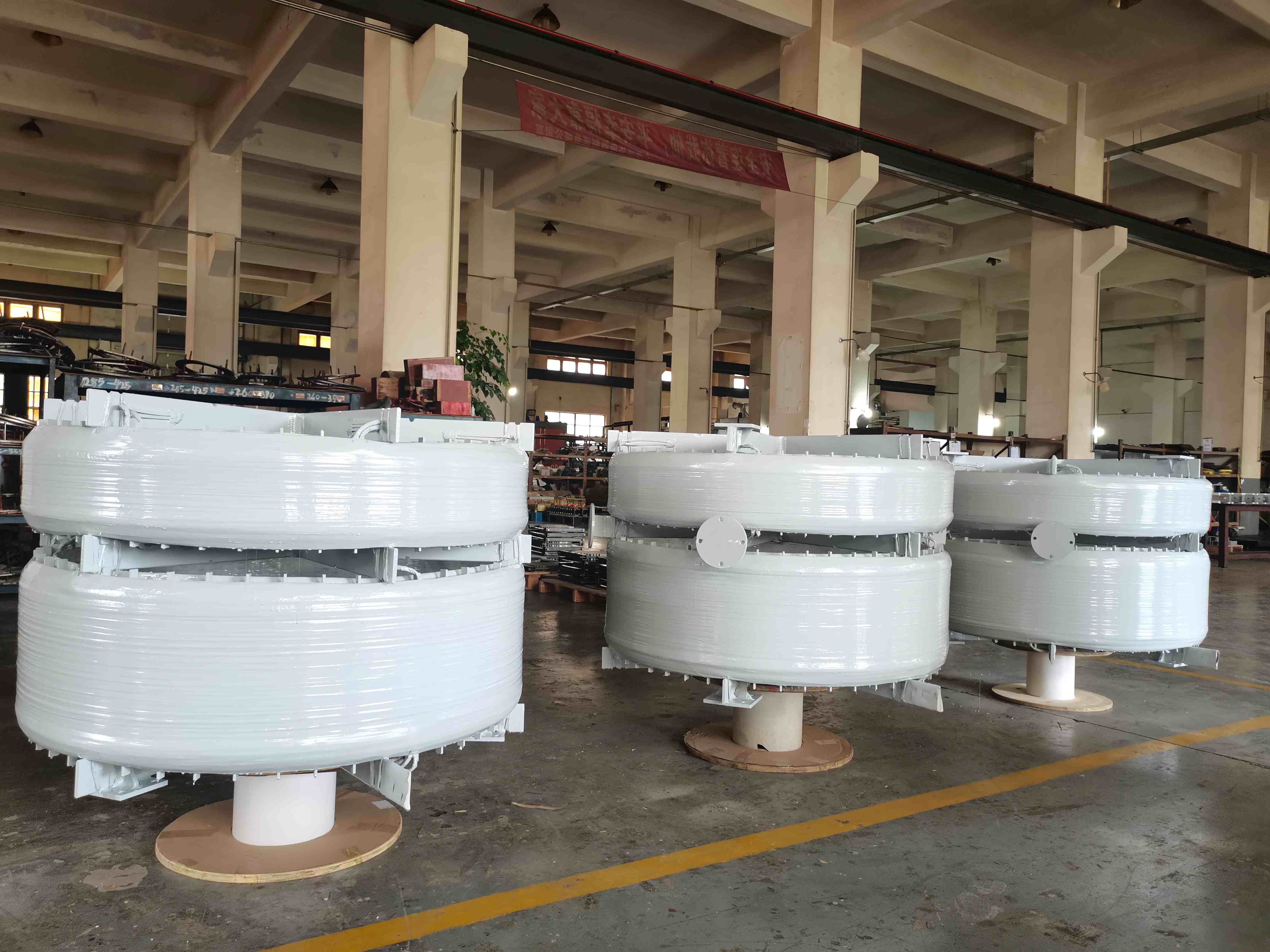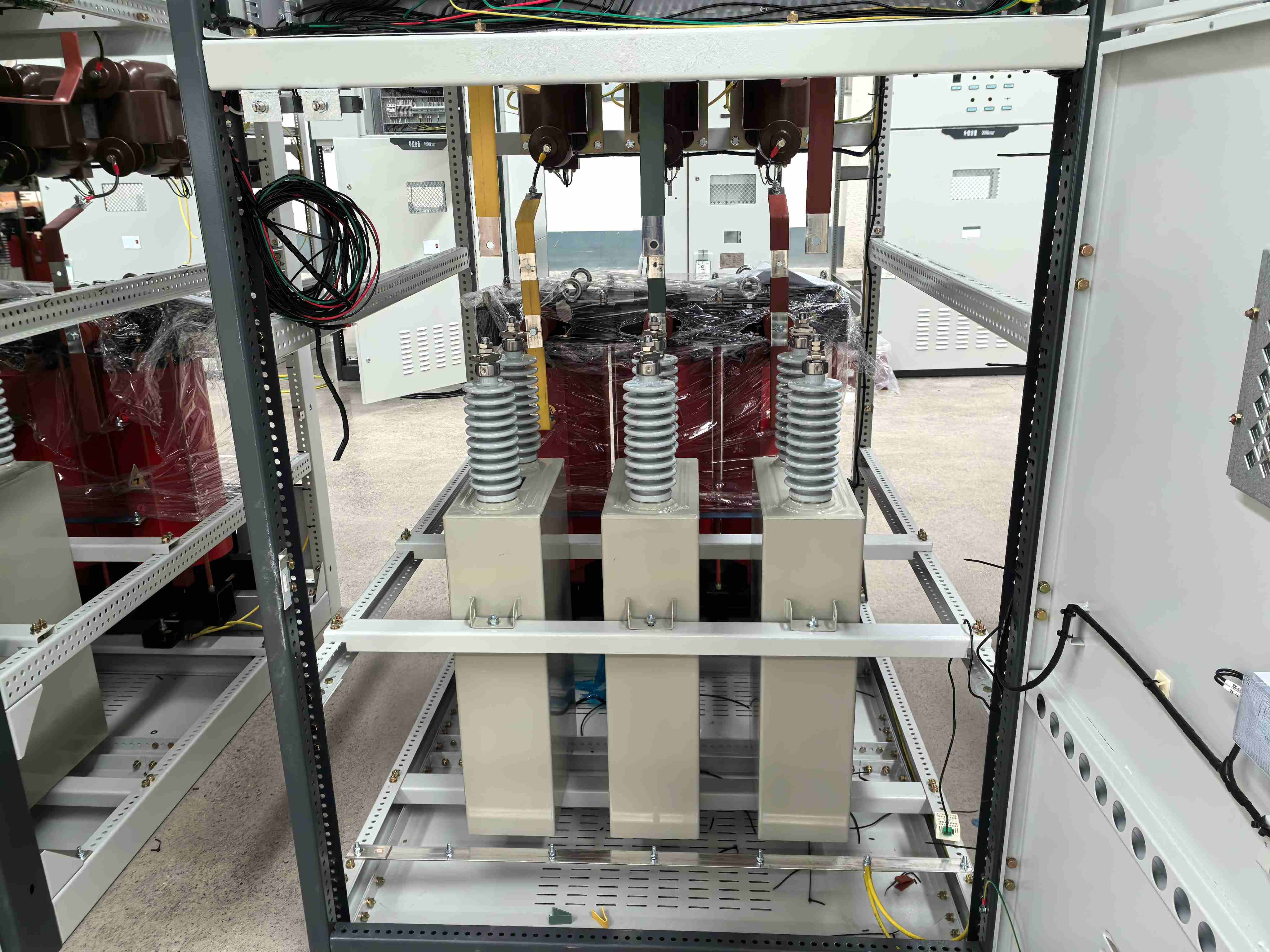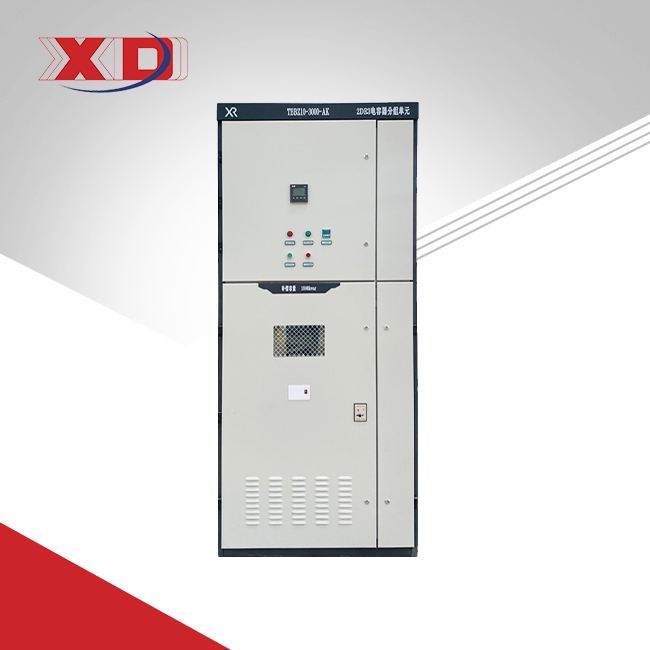
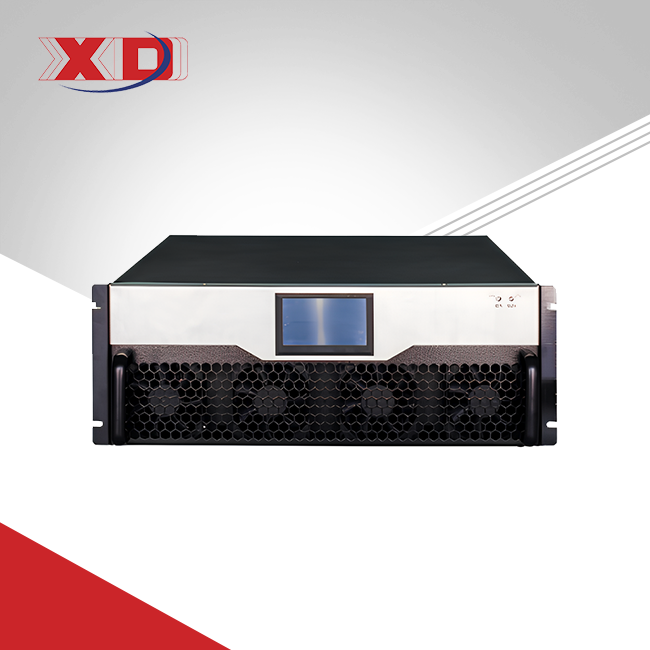
TBB10 High Voltage Reactive Power Automatic Compensation Device
Self-Healing Capacitors vs Traditional Capacitors: Which One to Choose?
2026-03-27 10:42:21
Industrial facility owners should consider uptime and dependability while choosing self-healing or regular capacitors. Self-healing capacitors use metallized polypropylene film to automatically repair tiny dielectric breaks, preventing costly downtime. Traditional capacitors are inexpensive but need frequent maintenance and replacement when they fail. Your operational needs and long-term costs determine the option.
Understanding the Fundamental Differences
Compared to Traditional Capacitors
The response to dielectric breakdown events distinguishes self-healing capacitors from standard ones. Traditional capacitors fail catastrophically when voltage stress surpasses their breakdown voltage. These failures disable the entire unit, necessitating prompt replacement to restore system functionality.
Technologies' Main Differences
Comparing these technologies reveals three main differences:
- Metallized thin film electrodes in self-healing capacitors evaporate around faults to isolate damaged portions and retain circuit integrity. This system keeps working when flaws occur.
- Traditional capacitors need frequent examination and replacement, whereas self-healing ones work without assistance. This functionality greatly lowers user downtime and maintenance expenses.
- Tests demonstrate self-healing capacitors have 100,000+ MTBF compared to 50,000-70,000 for conventional devices. Applications that require consistent performance need this reliability.
Metallic Polypropylene Film
Metalized polypropylene film technique allows rapid fault correction without external intervention. Aluminum-zinc electrode material evaporates in microseconds after localized breakdown, isolating the fault zone. This restores normal operation while retaining capacitance, demonstrating the product efficiency.
Perfect for Sensitive Manufacturing Equipment
Self-healing capacitors are better for sensitive manufacturing equipment that needs uninterrupted power. They are appropriate for power-stable environments since they self-repair and run reliably.
Reliability and Maintenance: A Critical Comparison
The Value of Maintenance Schedules
System availability and operational expenses depend on maintenance schedules. Traditional capacitors degrade typically every 5-8 years, depending on operational circumstances. Conventional dielectric materials age faster due to temperature cycling, humidity exposure, and voltage stress. Because of their fault tolerance, self-healing capacitors last longer. Our lab tests show that these components can resist over 10,000 self-healing events without performance deterioration. They last longer and are more reliable for crucial applications due to their resistance. Epoxy encapsulation protects self-healing capacitors against moisture and vibration stress. These qualities make capacitors more durable and last longer.
Analysis of Maintenance Costs
An examination of maintenance costs favors self-healing capacitors:
- Replacement expenses for traditional capacitors per 100 kVAr bank range from $2,000-5,000 annually.
- Annual maintenance expenses for the products are $800-1,200, with 40% fewer replacements.
- This large difference in maintenance costs shows the economic benefits of self-healing technology.
Stable, reliable temperature
Another important reliability element is temperature stability. Traditional capacitors degrade above 70°C, however self-healing versions function well from -40°C to +85°C. This improved thermal stability makes self-healing capacitors reliable in more environments.
For minimal operational disruptions, self-healing technology is better for lower maintenance costs and longer service intervals. Companies can improve power system efficiency and reliability by using the products.
Performance Analysis: Power Factor Correction and Harmonic Filtering
Energy Costs and Grid Stability
Power factor correction efficiency impacts grid stability and energy costs. Variable frequency motors and electronic loads increase harmonic distortion in modern factories. Power factor adjustment is necessary for operational efficiency since harmonics damage capacitor banks and shorten their lifespan.
Benefits of Self-Healing Capacitors
Harmonic filtering between 150 and 2500 Hz is ideal for self-healing capacitors. The metallized film structure outperforms foil electrodes in frequency responsiveness.
Performance Gains
When switching to self-healing designs, reactive power losses drop 15-30%. Comparison data on key performance:
- Self-healing capacitors can handle 100 times the rated current surges, while standard units can only manage 50 times.
- Harmonic Current Capability: Self-healing capacitors handle 130% of rated current at 50 Hz, surpassing traditional designs' 110%.
- In terms of power factor correction accuracy, self-healing capacitors have a tolerance of ±2%, while traditional designs have ±5%.
Energy Efficiency Standards Compliance
Energy efficiency standards like EN 50522 support the product installations for their consistency. The dielectric recovery mechanism maintains capacitance levels throughout the operational lifecycle, improving system reliability.
Self-healing capacitors are better for current industrial power systems that require optimal harmonic suppression and power factor adjustment. Their high performance improves energy economy and industrial electrical system durability and reliability.
Cost-Benefit Analysis: Initial Investment vs Long-Term Savings
Initial Purchase Costs
Traditional capacitors cost 20-30% less than self-healing ones, making them cheaper to buy. Traditional capacitors may look cheaper upfront, but a rigorous examination shows differing economic consequences when maintenance and replacement costs build across equipment lifecycles.
Total Ownership Cost
Self-healing capacitors save money by extending service intervals and reducing downtime. After using self-healing technology, manufacturing facilities save 15-25% on electrical maintenance. Eliminating emergency replacement scenarios reduces production interruptions and saves money.
Economic Analysis Over 15 Years
A rigorous 15-year economic analysis shows self-healing capacitors' financial benefits:
- Traditional capacitor installation costs range from $45,000 to $60,000.
- Self-healing capacitor installation costs range from $35,000 to $50,000.
- Net savings: $10,000-15,000, including downtime averted.
This analysis reveals that self-healing capacitors' long-term financial benefits offset their higher initial costs.
Utility and Insurance Benefits
Due to reduced fire risk from catastrophic capacitor failures, insurance companies prefer self-healing installations. Many utility providers offer preferred rates for self-healing power factor correction equipment, making it more economically viable.
Energy Cost Optimization
Energy cost optimization through power factor stability saves more. Facilities with the product banks and advanced harmonic filtering reduce demand charges by 8–12%. Lower energy costs and improved operational efficiency result from this development.
Self-healing capacitors are better for long-term financial planning if you need predictable maintenance budgets and lower lifecycle expenses. Considering total cost of ownership, insurance benefits, and energy savings helps firms make smart decisions that boost economic performance.
Application-Specific Considerations for Different Industries
Manufacturing Companies
Manufacturing companies need reliable power for precision machining. Automatic assembly lines and CNC equipment are vulnerable to voltage fluctuations and harmonic distortion. Traditional capacitors fail suddenly, whereas self-healing capacitors regulate voltage consistently, assuring operating efficiency and product quality.
- Lower Scrap Rates: Self-healing capacitors reduce production errors and reduce scrap rates.
- Product Quality Consistency: Self-healing technology ensures stable power conditions, improving product quality.
Data Center
Data centers need maximum reliability to safeguard IT infrastructure. Server farms and cloud computing facilities cannot tolerate power quality issues that shut down equipment. Auto-healing capacitors prevent cascade failures in sensitive electronic systems, ensuring uninterrupted operation.
- Increased System Availability: Self-healing capacitors improve reliability.
- Reduced Cooling System Stress: Optimized cooling requirements and lower energy expenditures with consistent power quality.
Medical Facilities
Medical facilities prioritize patient safety with stable electrical infrastructure. Diagnostic imaging and life support equipment need constant power. Self-healing capacitors prevent power factor correction failures that could harm patients. Self-healing technology meets strict power quality criteria for medical devices.
Renewable Energy Installation Adaptability
Intermittent generation patterns make renewable energy installations difficult. Traditional capacitor banks are stressed by solar and wind farm voltage changes. Self-healing designs react to dynamic conditions while maintaining grid stability, ensuring power grid integration.
Self-healing capacitors are better for mission-critical applications with industry-specific dependability and regulatory compliance. Their innovative features improve operating performance and safety in power-quality-critical environments across sectors.
Xi'an Xidian Self-Healing Capacitor Advantages
- Our self-healing capacitors have NFPA 70 flame-retardant epoxy encapsulation. This design better protects against humidity, temperature cycling, and mechanical stress, extending product life.
- Our modular capacitors meet particular voltage and frequency requirements in seven product areas. This flexibility lets us customize solutions for customers.
- Our CE, RoHS, UL, and CCC-certified devices meet regional safety and environmental standards for global deployment. This compliance shows our global quality commitment.
- Our capacitors are reliable in steel, petrochemical, transportation, and renewable energy sectors with over 100,000 hours MTBF in utility-scale deployments.
- Our capacitors are excellent for hospitals, commercial buildings, and urban substations because they run below 45 dB.
- Xi'an Xidian self-healing capacitors work reliably from -40°C to +85°C. Seasonality and high temperatures are accommodated by this large operational range.
- Our capacitors can tolerate surge currents up to 100 times their rated capacity, protecting critical infrastructure from transient overvoltage occurrences and system upsets.
Expert Guidance: Making the Right Choice for Your Facility
Choosing the Right Technology
Operating priorities and system needs must be considered when choosing capacitor technology. Self-healing technology benefits facilities that value uptime and little maintenance. However, classic capacitors are suitable for applications with predictable replacement schedules and lower reliability requirements.
Technical Details and Power Quality Goals
Specific power quality goals should guide technical specifications. Self-healing capacitors thrive in voltage transient, harmonic distortion, and availability-critical situations. Their autonomous fault clearance improves operating efficiency by eliminating human intervention during small breakdowns.
Framework for Decisions
Choose the right capacitor technology using these criteria:
- Criticality Assessment: Assess downtime costs and production effect sensitivity to determine how important power quality is to your business.
- Maintenance Resources: Assess technical staff and inventory needs. Facilities with limited maintenance resources may prefer self-healing technologies to reduce intervention.
- Environmental Conditions: Assess temperature, humidity, and contaminant exposure to ensure the chosen technology satisfies operational needs.
- To ensure the chosen solution meets power quality and safety standards, review applicable regulations.
Financial Considerations
Budgets include lifespan expenditures beyond procurement. Self-healing capacitors pay for themselves in 3-5 years through reduced maintenance and reliability. Long-term financial analysis is essential for assessing capacitor technology investment.
Xi'an Xidian self-healing capacitors are better for power quality if you need technical help and tailored solutions. Advanced self-healing technology and meticulous operational needs assessment can improve facility performance, dependability, and cost-effectiveness.
Conclusion
Power factor correction technology has evolved into self-healing capacitors to meet industrial reliability and efficiency needs. Classic capacitors are still useful, but self-healing technology excels in uptime and maintenance optimization. Xi'an Xidian's unique self-healing capacitor solutions meet the most demanding power quality requirements across varied industrial sectors with proven dependability and innovative engineering.
Optimize Your Power Infrastructure with Xi'an Xidian Self-Healing Capacitors
Xi'an Xidian stands as China's premier self-healing capacitor manufacturer, delivering innovative solutions that transform power quality management across industrial facilities. Our cutting-edge metallized polypropylene film technology reduces maintenance expenses by up to 40% while eliminating downtime. Contact our technical specialists at luna@xaxd-electric.com, amber@xaxd-electric.com, or serina@xaxd-electric.com to talk about specialized self-healing capacitor solutions for your unique needs. Our wide range of products and track record of dependability across State Grid systems guarantee top performance for your vital applications.
References
1. IEEE Standards Association. "IEEE Standard for Shunt Power Capacitors for AC Power Systems Rated 2400 V and Above." IEEE Std 18-2012, Institute of Electrical and Electronics Engineers, 2013.
2. Sarjeant, Walter J., et al. "Capacitive Components for Power Electronics Applications." Proceedings of the IEEE, vol. 89, no. 6, 2001, pp. 846-855.
3. International Electrotechnical Commission. "Power Capacitors - Part 1: General Performance, Testing and Rating Safety Requirements." IEC 60831-1:2014, International Electrotechnical Commission, 2014.
4. Rabuffi, Marco, and Giorgio Picci. "Status Quo and Future Prospects for Metallized Polypropylene Energy Storage Capacitors." IEEE Transactions on Plasma Science, vol. 30, no. 5, 2002, pp. 1939-1942.
5. Belcher, J. Howard, et al. "Self-Healing Capacitors: Theory and Application in Power Systems." Electric Power Components and Systems, vol. 28, no. 12, 2000, pp. 1095-1110.
6. National Electrical Manufacturers Association. "Shunt Capacitors for Power Factor Correction and Harmonic Filtering." NEMA CP 1-2020, National Electrical Manufacturers Association, 2020.
_1774319679257.png)