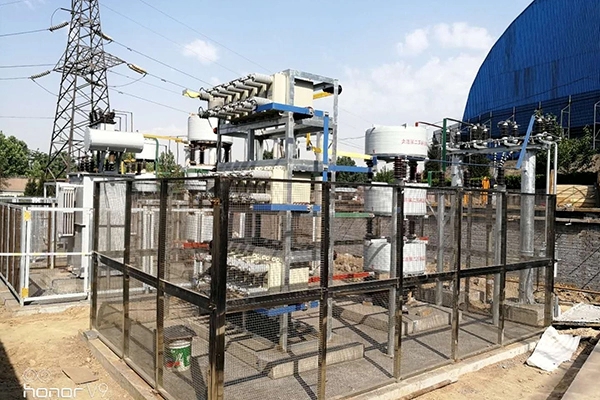
Best Polymer Arrester Types for Superior Protection?
2026-06-04 15:57:44
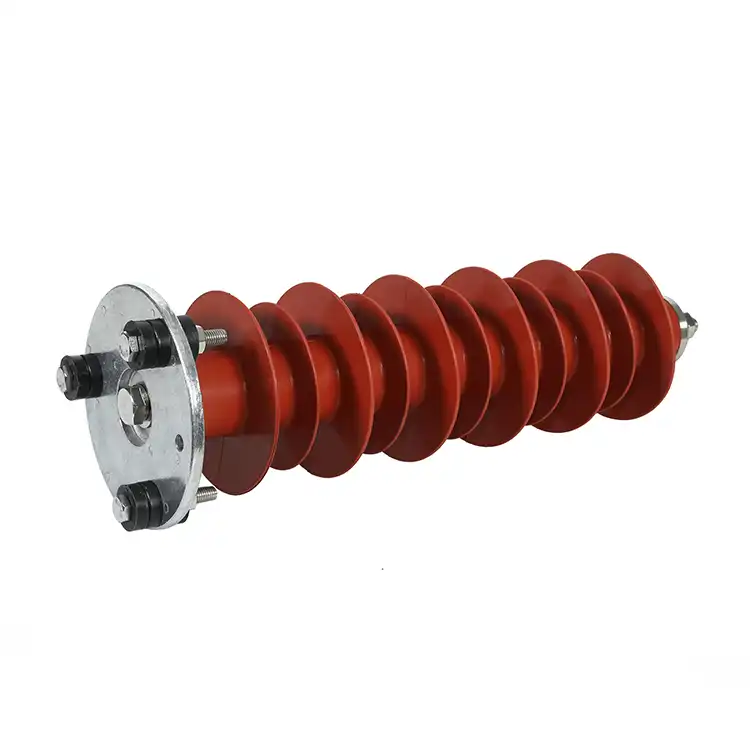
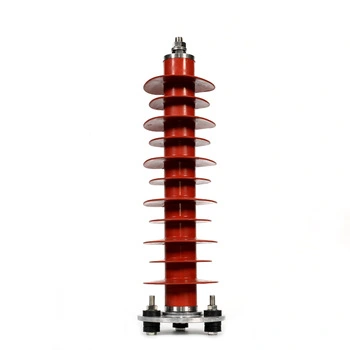
Polymeric Lightning Arresters are the best solution for current power systems in critical infrastructure situations. Metal oxide varistor (MOV) technology and lightweight silicone rubber housings provide reliable surge protection for transmission, distribution, and industrial applications in these modern devices. Polymeric Lightning Arresters are essential for facilities that need uninterrupted operation and grid operators who value worker safety because they are safer, easier to ship, and perform better in contaminated environments than porcelain designs.
 |
 |
Understanding Polymeric Lightning Arresters: Design, Function, and Benefits
Surge protection has advanced with Polymeric Lightning Arresters. These devices use zinc oxide (ZnO) varistor blocks with nonlinear resistance to operate as insulators under normal voltage and conduct quickly during overvoltage occurrences. Modern arresters use hydrophobic silicone rubber, which repels moisture and impurities better than ceramic.
Core Operating Principles
Basic operation is voltage-dependent resistance. The varistor's resistance lowers in microseconds during lightning or switching transients, securely directing surge currents to ground. High-voltage variants like the YH10W-216/562W, with 216kV rated voltage and ≥314kV DC reference voltage, include a two-unit design for operational redundancy. This arrangement protects even if one segment degrades, increasing service life beyond 25 years under typical operating conditions.
Material Advantages Driving Adoption
Silicone rubber housings solve industry problems in several ways. Hydrophobicity minimizes surface tracking and pollutant flashover, which is essential for coastal, industrial, and desert installations where airborne contaminants accelerate electrical deterioration. Advanced designs are small and fulfill strict pollution performance criteria with a creepage distance of 31mm/kV. Weight savings of 70% compared to porcelain units facilitate transit and installation.
No brittle materials means no explosions during failure scenarios. Polymeric Lightning Arrester polymeric housings include regulated pressure relief devices that release gasses without projectile fragmentation during extreme fault situations. This safety element reduces facility operators' and utilities' liability by protecting surrounding persons and equipment.
Top Types of Polymeric Lightning Arresters and Their Applications
Understanding the differences between key categories for certain voltage classes and operating circumstances helps choose arrester designs.
Distribution-Class Arresters (Up to 36kV)
These little devices safeguard medium-voltage networks in commercial, industrial, and municipal buildings. Distribution arresters are single-column devices with 5kA to 10kA discharge currents. Their modest energy absorption balances cost efficiency and protection in common lightning conditions. Installation flexibility permits pole-mounting or substation placement for varied grid designs.
Station-Class Arresters (36kV to 245kV)
Station-class transformer, circuit breaker, and bus system protectors like the YH10W-216/562W are designed for substations. Multi-column varistor stacks and thermal dissipation let these arresters withstand increased energy demands. Their sturdy architecture resists earthquake and fault-induced mechanical and electrical stresses. DC reference voltages over 314kV and residual voltage characteristics tailored for critical asset aged insulation are technical criteria.
Transmission Line Arresters (Above 245kV)
Designs with longer creepage pathways and better impulse responsiveness are needed for ultra-high-voltage applications. Transmission arresters use sophisticated silicone rubber compositions that withstand corona discharge and UV deterioration at 4,000 meters. They allow retrofits without structural strengthening since its lightweight structure decreases tower loading. Optional IoT monitoring devices track leakage current and surges for proactive repair and fewer outages.
Material Variations: Silicone Rubber vs. EPDM
Silicone rubber dominates the market because to its hydrophobicity and temperature stability (-40°C to +85°C), however EPDM housings are cheaper in controlled situations. Low-molecular-weight polymer chains migrate to the surface of silicone versions, renewing hydrophobicity even when polluted. EPDM alternatives are suitable for interior installations or low-pollution areas but require more frequent inspections.
Comparing Polymeric Lightning Arresters with Other Arrester Types: Making the Right Choice
Comprehensive technical, economic, and operational comparisons drive procurement decisions. Understanding arrester technology trade-offs helps make lifecycle cost-aligned investments.
Mechanical Strength and Weight Considerations
Despite their compressive strength, porcelain arresters are fragile, making handling and installation difficult. A typical 245kV porcelain unit weights 350kg, requiring large lifting equipment and strong mounting structures. Polymeric alternatives have equal electrical performance at 80-100kg, decreasing foundation costs and allowing single-crew installations. Emergency replacements and speedy deployment benefit from this weight advantage.
Electrical Performance Metrics
Modern metal oxide technology removes housing material performance gaps. Both porcelain and Polymeric Lightning Arresters use the same varistor compositions, resulting in similar residual voltages and energy absorption. When housing fails, polymeric designs release internal pressure without fracturing, but ceramic units may explode and damage nearby equipment.
Maintenance Requirements and Lifecycle Costs
Other than eye inspections and infrared thermography scans, Polymeric Lightning Arresters require little maintenance. Their sealed design prevents moisture from degrading varistor function in porcelain units with broken seals. Over 25 years, maintenance cost savings usually outweigh initial acquisition pricing premiums. When inspection labor, replacement intervals, and downtime hazards are included, total cost of ownership facilities save 30-40% over ceramic alternatives.
Certification Standards and Supplier Credibility
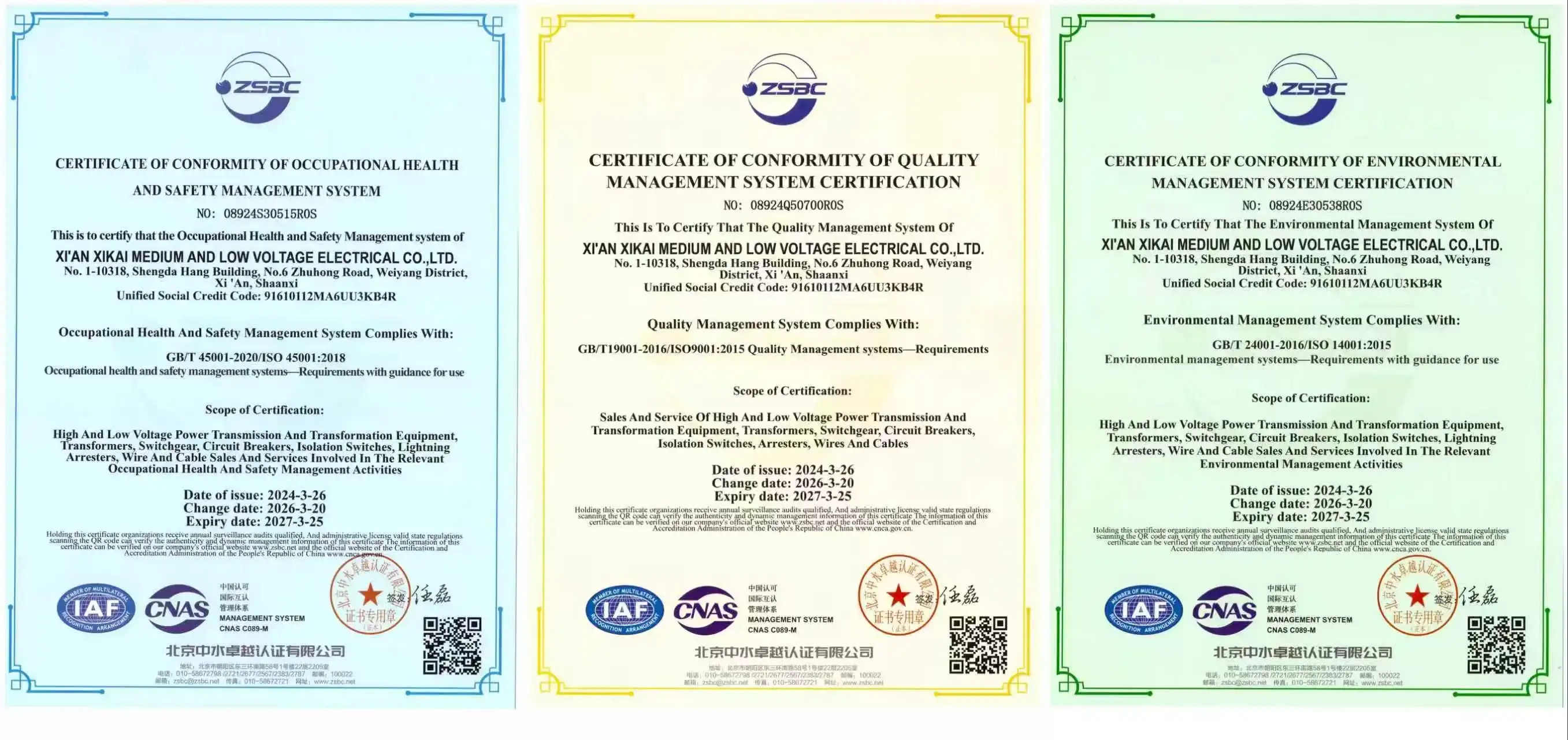
IEC 60099-4 and IEEE C62.11 standards promote worldwide product dependability. ISO 9001 and ISO 14001 certifications show consistent production methods from reputable firms. Suppliers should be evaluated by procurement teams using patent portfolios, factory audit data, and comparable installation references. Established companies give 5-10 year guarantees with extensive testing, including 65kA high-current impulse withstand certification.
Procurement Guide: How to Select and Buy the Best Polymeric Lightning Arrester?
Systematic assessment of technical specifications against operational needs and supplier capabilities is required for successful procurement.
Critical Technical Parameters
Rated voltage (Ur) must match system nominal voltage to allow for fault-related overvoltage. Provide 20% buffer over typical phase-to-ground voltage for maximum continuous operating voltage (MCOV or Ucov) to accommodate long-term stress. Lightning severity in the installation zone should determine nominal discharge current (5kA or 10kA), with higher ratings for important facilities or exposed sites.
Downstream equipment protection margins depend on residual voltage. Maintain arrester residual voltages below protected asset basic insulation levels (BIL) at specified discharge currents. According to IEC 60815, creepage distances range from 16mm/kV (light pollution) to 31mm/kV or higher for heavy industrial environments.
Supplier Evaluation Framework
When failure causes lengthy outages and equipment damage, brand reputation counts. Reference projects in similar voltage classes and environments can verify manufacturer experience. Request comprehensive thermal stability and accelerated aging test results to verify manufacturing batch conformity with rated requirements. Bulk purchases save costs by 15-25% and ensure consistent lead times for multi-phase projects. Negotiate extended warranties for important installations, including rapid replacement under force majeure. Explain technical support, including installation and commissioning diagnostics.
Delivery Logistics and Lead Time Management
Catalog goods take 6-8 weeks to produce, while bespoke configurations with unusual creepage distances or mounting hardware take 12-16 weeks. Consider shipping, customs clearance, and receiving inspection times when planning purchase. Establish vendor-managed maintenance spares inventory strategies for quick replacement without cash locked up in surplus stock.
Installation, Maintenance, and Lifespan Optimization of Polymeric Lightning Arresters
Proper installation and maintenance are essential for protection and asset life.
Site Selection and Mounting Best Practices
Reduce surge voltage drop by placing Polymeric Lightning Arrester arresters near protected equipment and decreasing lead length. Ground connections must have low impedance by multi-point bonding to station ground grids and conductor cross-sections for fault currents. Account for switching surge overvoltages during system reconfigurations and maintain clearances from electrified items per safety standards. Mounting hardware should allow thermal expansion and contraction without stressing arrester housings. Horizontal installations work in space-constrained situations, whereas vertical installations are best for drainage and pollution mitigation. Avoid uneven mechanical loading that could damage seals by leveling mounting surfaces.
Routine Inspection Protocols
Visually inspect housing, tracking markings, and seal integrity annually. Infrared thermography detects internal faults by anomalous heat signatures before catastrophic collapse. When cumulative energy absorption reaches rated limits, discharge counter readings indicate surge activity frequency and recommend replacement. Avoid silicone rubber-degrading chemicals and clean housings periodically in high-pollution locations using non-abrasive cloths and deionized water. Monitor leakage current under operating voltage with specialist equipment during commissioning to generate baseline values for comparability. Trending data showing modest increases suggests varistor deterioration needs further study.
Replacement Criteria and End-of-Life Management
Replace arresters with continuous leakage current increases over 200% of baseline values, obvious housing degradation, or discharge counter indications over manufacturer criteria. After protracted overvoltage system faults, test thoroughly even if exterior damage is undetected. Metal oxide waste streams must be disposed of according to environmental standards, and many manufacturers provide varistor material recycling programs.
Conclusion
Polymeric Lightning Arresters offer unequaled value for operational dependability and long-term cost effectiveness. Their sophisticated materials, proven electrical performance, and simpler maintenance meet important industrial, utility, and EPC applications. Lightweight construction, pollutant resistance, and safe failure modes minimize infrastructure costs and improve worker safety. Premium polymeric protection technology prepares facilities and networks for decades of reliable operation while lowering total cost of ownership as power systems become more sophisticated and reliable.
FAQ
1. What is the expected service life of polymeric lightning arresters in industrial applications?
Polymeric Lightning Arresters with proper installation and maintenance last 25-30 years under normal use. Environmental contamination, surge exposure, and thermal cycling severity affect degradation rates. Leakage current tracking for condition-based monitoring extends service intervals while retaining protection integrity.
2. How do polymeric arresters improve safety compared to traditional ceramic designs?
The main safety advantage is failure mode behavior. Pressure relief valves in polymeric housings discharge gasses without explosion when internal problems arise. Porcelain units can shatter violently, damaging neighboring equipment and endangering people. This trait is useful in inhabited facilities and small substations.
3. Can polymeric lightning arresters withstand harsh outdoor environments reliably?
Modern silicone rubber formulas withstand harsh temperatures, humidity, UV exposure, and pollution. The material's self-cleaning hydrophobicity avoids ceramic unit flashover from surface contamination. Designs fulfilling IEC 60815 heavy pollution categories work in coastal, industrial, and desert settings without frequent cleaning.
Partner with Xi'an Xikai for Superior Surge Protection Solutions
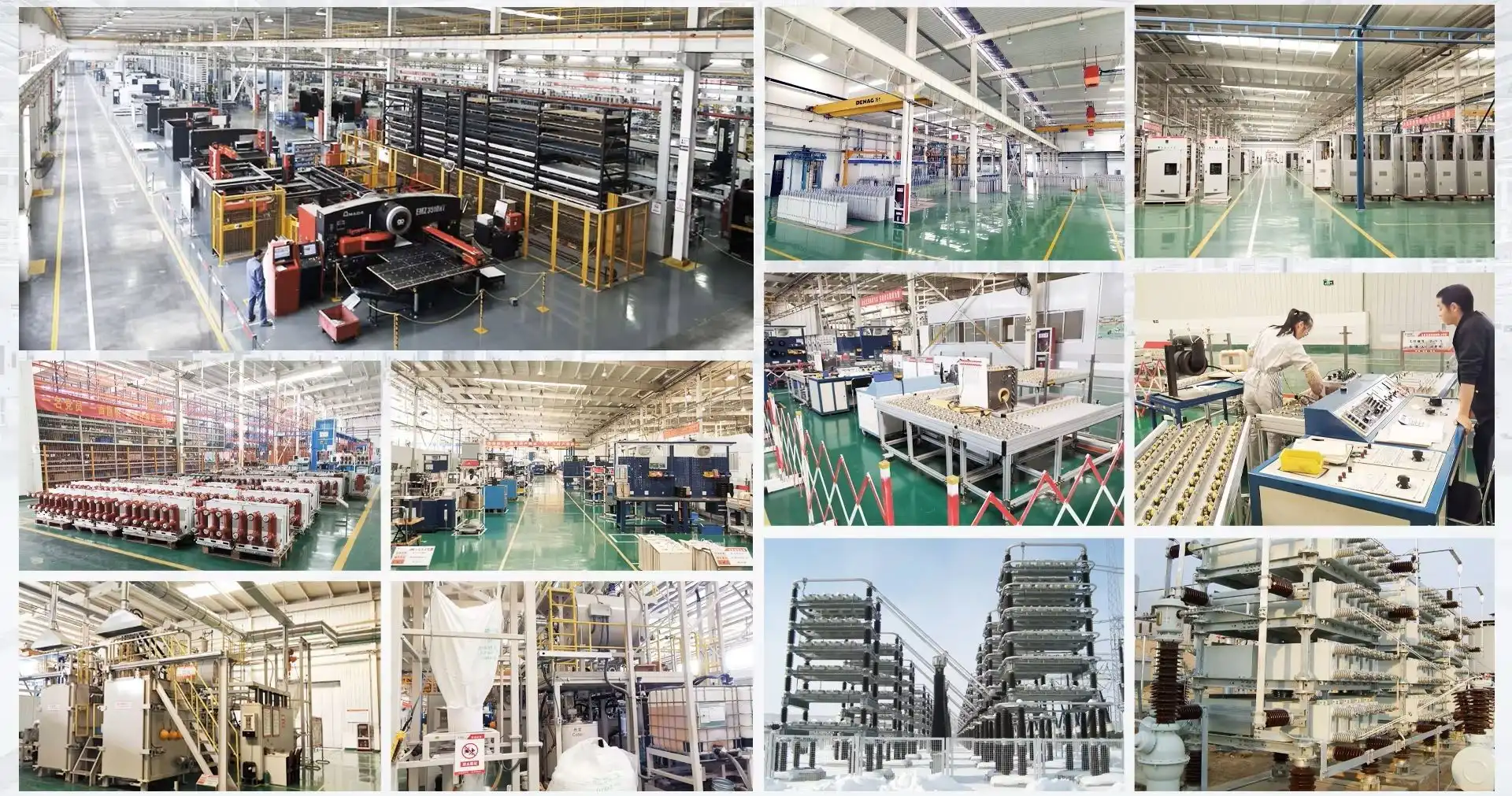
Xi'an Xikai Medium & Low Voltage Electric Co., Ltd. is a major Polymeric Lightning Arrester manufacturer offering surge protection to utility, industrial, and EPC industries worldwide. Our engineers have decades of experience constructing arresters for distribution networks and 4,000-meter installations. Every product passes ISO 9001, ISO 14001, and ISO 45001 quality certification to ensure performance and environmental compliance. Procurement experts may browse our proven solutions, like the YH10W-216/562W station-class arrester and bespoke designs for specific system needs. Please contact our technical professionals at serina@xaxd-electric.com, amber@xaxd-electric.com, or luna@xaxd-electric.com to discuss your protection needs and obtain precise estimates supporting your project timetable Technical documentation and consultation scheduling are available.
References
1. International Electrotechnical Commission. "IEC 60099-4: Surge Arresters - Part 4: Metal-Oxide Surge Arresters Without Gaps for A.C. Systems." Geneva: IEC, 2014.
2. IEEE Standards Association. "IEEE C62.11-2012: IEEE Standard for Metal-Oxide Surge Arresters for AC Power Circuits (>1 kV)." New York: IEEE, 2012.
3. Hinrichsen, V. "Metal-Oxide Surge Arresters: Fundamentals." Siemens AG Energy Sector Technical Publication, 2011.
4. Lahoti, M.S., et al. "Performance Comparison of Polymeric and Porcelain Housed Surge Arresters in Contaminated Environments." IEEE Transactions on Power Delivery, Vol. 28, No. 4, 2013.
5. CIGRÉ Working Group A3.17. "Guide for Application of Metal-Oxide Surge Arresters in Power Systems." CIGRÉ Technical Brochure 440, Paris, 2010.
6. National Electrical Manufacturers Association. "NEMA LA 1-2014: Surge Arresters - Distribution, Intermediate, and Station Classes." Rosslyn: NEMA, 2014.
_1776665574080.png)