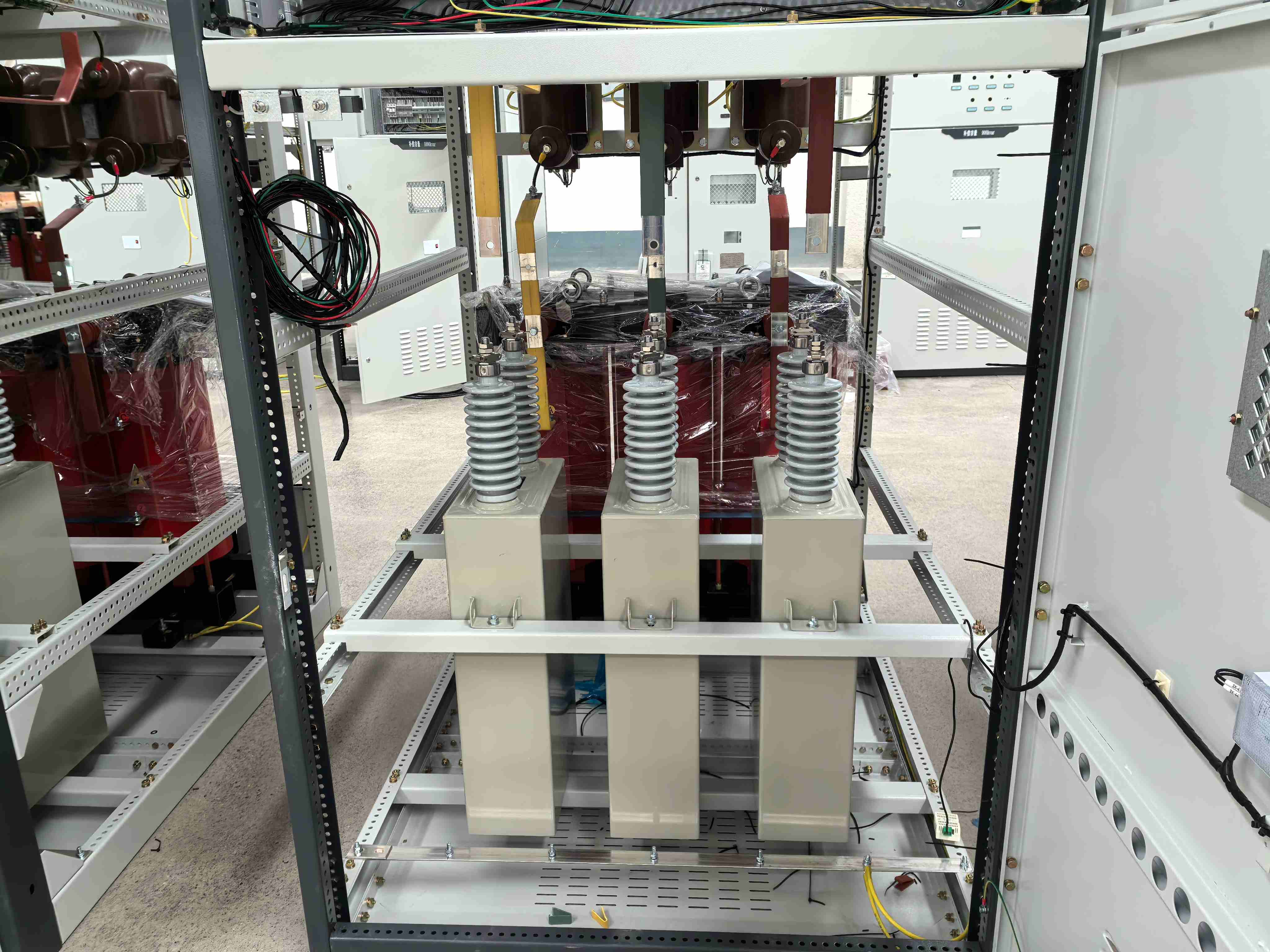
What You Need to Know about Oil-immersed Distribution Transformer
2026-06-04 15:57:49
Modern electrical infrastructure relies on Oil-immersed Distribution Transformers, which transfer voltage levels by magnetic induction and cool and protect with insulating oil. Critical assets in facilities that need reliable electricity, these transformers handle capacities from 30kVA to several thousand kVA. Understanding their operational principles, maintenance needs, and procurement concerns helps decision-makers optimize uptime, decrease energy costs, and comply with industrial, commercial, and utility regulations.
 |
 |
Understanding Oil-immersed Distribution Transformers
Oil-immersed Distribution Transformers transport electricity between circuits using electromagnetic principles. The grain-oriented silicon steel magnetic core reduces transformation hysteresis losses. Copper or aluminum windings surrounding its core convert voltage dependent on primary-secondary coil turns. The mineral oil bath around these components distinguishes them from other methods.
Insulating oil performs two vital tasks that affect operational dependability. It collects electrical loss heat and distributes it through tank walls and cooling fins. ONAN cooling handles modest loads without external help. Electrically, properly maintained oil has dielectric strength over 30kV breakdown voltage, preventing arcing between components at differing voltages. The transformer can run continuously at rated capacity at safe temperatures with this combination.
Core Components and Their Functions
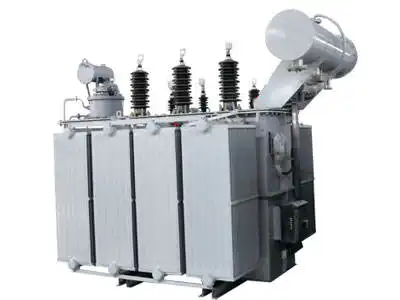
A conservator tank on top of the main housing accommodates oil expansion during load cycles. Silica gel breathers filter incoming air during contraction to keep moisture out of this enclosed reservoir. Many applications don't need forced cooling because tanks with corrugated walls or exterior radiators dissipate heat better. Cable entrance bushes provide electrical separation and mechanical security.
Modern Oil-immersed Distribution Transformer designs use tap changers to vary turns ratios for voltage. By maintaining output voltage within ±0.5% tolerance, these systems save sensitive electronic equipment from harm during grid fluctuations. Load tap changers can make real-time modifications without service interruption, which is very useful in facilities where downtime costs money.
Advantages and Disadvantages of Oil-immersed Distribution Transformers
High-load oil-immersed units have 15-20% higher thermal efficiency than dry-type alternatives. This performance advantage comes from mineral oil's better heat transfer than air cooling. Three-shift manufacturing operations can absorb 150% overload for two hours without deteriorating insulation systems, giving them operational flexibility during high demand intervals.
For capacities beyond 1000kVA, cost favors oil-filled designs. Per-kVA, the initial investment is 30-40% lower than dry-type plants. Reduced core losses through energy efficiency yield large operating savings over a 30-year service life. Data centers' total cost of ownership data show that greater efficiency ratings enhance power consumption effectiveness measures, a critical performance indicator for facility managers.
Operational Challenges and Risk Mitigation
Environmental problems in mineral oil demand aggressive control. Modern transformer oils have flash points exceeding 140°C, thus containment is necessary. Leak-capturing secondary containment basins at 110% of oil volume avoid soil pollution. Before tank rupture, pressure relief valves exhaust internal fault gasses and divert oil flow to collecting systems.
Facility operators often use service contracts to get specialist maintenance help. Annual dissolved gas analysis finds combustion byproducts missed by standard inspections, revealing potential problems. Filtration and vacuum processing keep moisture content below 20 parts per million, preventing insulation breakdown. These processes are more complicated than dry-type maintenance but provide reliability worth the operational cost.
Oil-immersed vs. Dry-type and Other Transformer Types: A Comparative Analysis
Transformer features must fit application criteria for procurement. Outdoor installations where ambient conditions change benefit from Oil-immersed Distribution Transformers. Units with IP55 enclosures that operate from -40°C to 55°C resist humidity, dust, and corrosive atmospheres in coastal and mining settings. Durability eliminates climate-controlled housing expenses for dry-type alternatives.
Quality noise-sensitive designs provide good acoustics. Optimization of tank shape and core lamination decrease operating noise to below 65dB at rated load. Hospitals and universities install these units in substations near occupied buildings without acoustic issues. In comparison, dry-type transformers with identical ratings generate 70-75dB, requiring further sound reduction.
Application-Specific Performance Metrics
Oil-filled designs thrive at renewable energy integration difficulties. Irradiance changes daily demand for solar farms, whereas wind systems generate intermittently. Units that manage 125% intermittent loads from inverter systems guarantee voltage stability during cloud transients and gusts. Lower-loss designs with fewer than 3% losses at 30% load increase energy harvest during partial generation, increasing project economics.
Oil-immersed distribution transformers are used in utility grid applications for overload and fault tolerance. If nearby transformers fail, distribution system operators use these units to maintain service. Carrying emergency loads without failure gives time to deploy mobile substations or repair, supporting regulatory grid reliability measures.
Maintenance, Testing, and Troubleshooting of Oil-immersed Transformers
Systematic monitoring is needed to extend transformer service life beyond design. Quarterly thermographic surveys find hot regions suggesting loose connections or cooling system obstructions. Thermal aging accelerates rapidly with temperature, therefore surface temperatures over design values by 10°C require prompt study. These factors may be fixed early to prevent insulation breakdown, which causes 60% of transformer failures.
Predictive maintenance starts with Oil-immersed Distribution Transformer oil quality evaluation. IEC 60422 dielectric breakdown voltage testing certifies the oil's electrical stress resistance, with minimum values of 30kV for service equipment. Oil acidity below 0.03mgKOH/g indicates chemical stability, whereas higher levels indicate oxidation products that increase insulation deterioration. Combustion byproducts like hydrogen and acetylene signal corona discharge and urgent arcing defects, respectively.
Diagnostic Techniques and Fault Detection
Turns ratio testing verifies winding integrity and tap changer performance, with variations beyond ±0.5% requiring additional examination. Winding resistance tests assess tap changing mechanism contact quality and connection issues. These baseline values enable trending analysis, where progressive changes indicate concerns before catastrophic failure. Electrical noise from partial discharge testing shows insulation problems with acceptability requirements < 10 picocoulombs at rated voltage.
Load monitoring systems compare real-time operational parameters to design restrictions. Direct hot spot measurements are made using fiber optic temperature sensors in windings instead of oil temperature rise computations. This data allows dynamic loading techniques to enhance peak asset use while meeting thermal restrictions. Automation warns operations workers when parameters near action thresholds, enabling proactive intervention.
Procurement Guide for Oil-immersed Distribution Transformers
Sourcing considerations start with application-specific technical specifications. With impedance levels coordinated with upstream protective devices, 10kV, 35kV, and 110kV voltage classes handle varied system topologies. Capacity selection considers linked load and 25-30% growth buffer to avoid premature replacement as facilities increase. Environmental ratings match installation circumstances, preventing capacity loss.
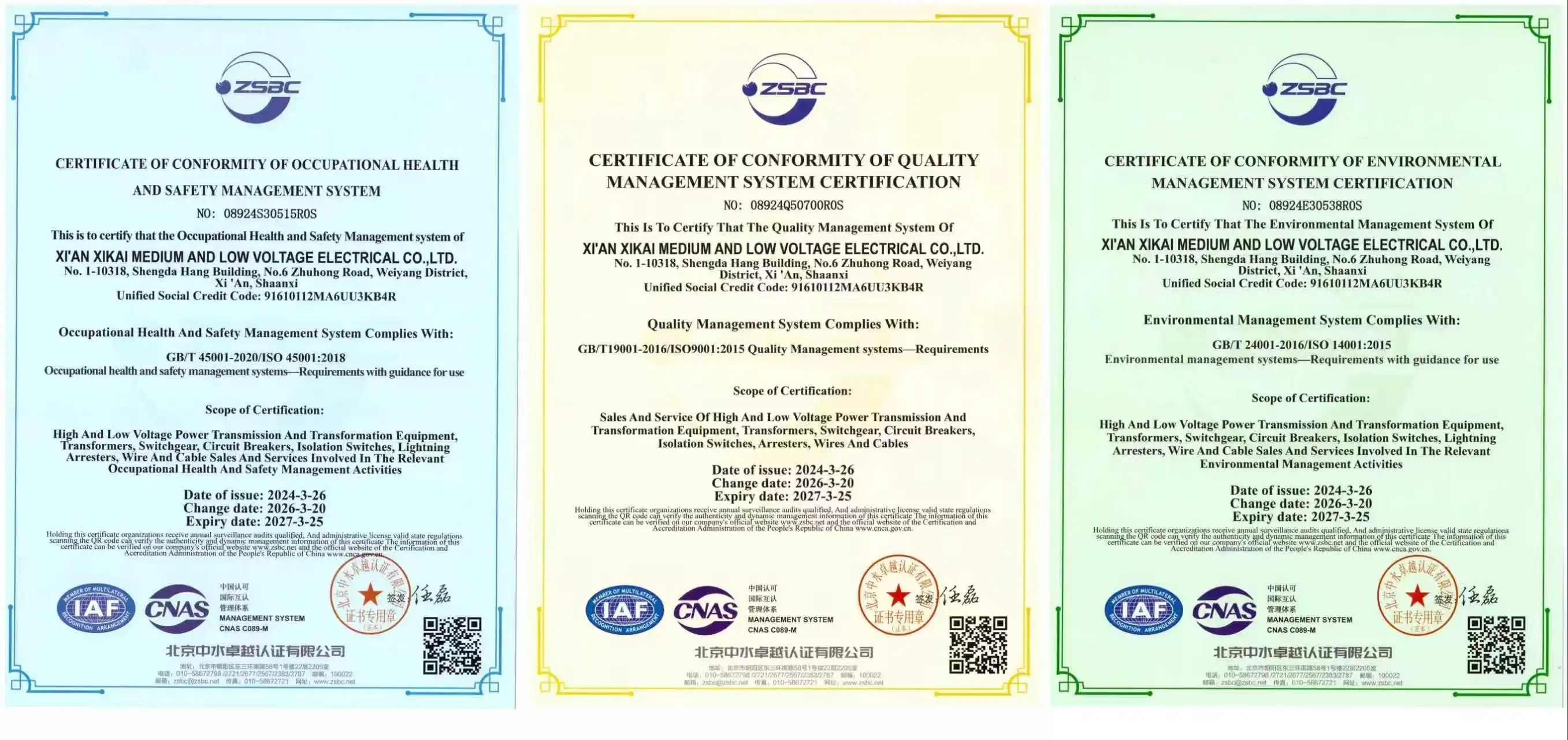
Supplier assessment includes long-term value beyond initial cost. ISO 9001-certified manufacturers have comprehensive process controls that assure product quality. CE certification certifies European safety requirements, while IEC 60076 compliance ensures electrical performance matches worldwide standards. Installations needing American insurance underwriter clearance benefit from UL listing.
Customization and Performance Optimization
Xi'an Xikai customizes settings for operational problems. Compact designs suit urban substations with limited equipment space. ATEX-certified machines fulfill petrochemical and offshore platform explosive environment standards with increased mechanical protection and bushing designs. In seismically active areas, Zone 4 earthquake-resistant designs protect essential infrastructure.
Lifecycle expenses over decades depend on energy efficiency standards. Core designs using amorphous magnetic steel minimize no-load losses by 30% compared to silicon steel, meeting EU EcoDesign standards. Efficiency improvements accrue independent of load level, offsetting premium purchase expenses in 3-5 years. Models with sophisticated tap changers and ±0.5% voltage regulation offer steady power quality for critical industrial equipment.
Conclusion
Oil-immersed Distribution Transformers excel in reliable, efficient, and flexible applications. Their exceptional thermal properties, cost-effectiveness, and flexibility to harsh settings make them ideal for industrial, utility, and renewable energy applications. Understanding operating principles, maintenance needs, and procurement issues that affect long-term value is key. Partnering with suppliers who offer technical assistance and customization guarantees transformer solutions meet project needs and last for decades.
FAQ
1. How do you detect oil leaks in distribution transformers?
Visual inspection of tank welds, bushing bases, and valve connections for seepage stains is the principal detection method. Automatic systems use oil level sensors to notify when inventory decreases below typical working ranges, signaling breaches. Secondary containment monitoring finds fluid, confirming leak location.
2. What is the expected service life of these transformers?
Properly maintained units typically last 30–35 years, with some lasting 40. Insulation ages exponentially with operational temperature, therefore thermal management influences lifetime. Facilities with typical winding temperatures below 85°C avoid insulation failure, but chronic overloads increase deterioration.
3. Are oil-immersed transformers suitable for all environments?
Outdoor and industrial settings where sturdy construction withstands adverse circumstances suit Oil-immersed Distribution Transformers. Indoor installations near populated places may need better ventilation and fire suppression. Environmentally demanding jurisdictions may need supplementary containment and oil spill response plans, complicating installation.
Partner with Xi'an Xikai for Reliable Power Distribution Solutions
Xi'an Xikai provides Oil-immersed Distribution Transformer solutions adapted to your operating needs using 25+ years of manufacturing experience and extensive engineering assistance. Our 10kV–110kV product portfolio meets industrial, commercial, and utility needs. Before shipment, each device undergoes 24-hour pressure testing and electrical parameter verification to meet performance parameters.
We know effective procurement goes beyond equipment delivery. System integrators and EPC firms may optimize transformer parameters for project circumstances with 24/7 application support from our technical staff. Customization accommodates harsh climatic ratings, seismic qualifications, and low-noise designs. For project consultation with an experienced oil-immersed distribution transformer provider devoted to optimizing infrastructure investment, contact our professionals at serina@xaxd-electric.com, amber@xaxd-electric.com, or luna@xaxd-electric.com.
References
1. International Electrotechnical Commission. IEC 60076-1: Power Transformers - General. Geneva: IEC Publications, 2011.
2. Institute of Electrical and Electronics Engineers. IEEE C57.12.00: Standard for General Requirements for Liquid-Immersed Distribution, Power, and Regulating Transformers. New York: IEEE Standards Association, 2015.
3. Heathcote, Martin J. J&P Transformer Book: A Practical Technology of the Power Transformer. 13th ed. Oxford: Newnes, 2007.
4. Kulkarni, S.V., and S.A. Khaparde. Transformer Engineering: Design, Technology, and Diagnostics. 2nd ed. Boca Raton: CRC Press, 2013.
5. Harlow, James H., ed. Electric Power Transformer Engineering. 3rd ed. Boca Raton: CRC Press, 2012.
6. European Commission. Commission Regulation (EU) No 548/2014: Implementing Directive 2009/125/EC with Regard to Small, Medium and Large Power Transformers. Brussels: Official Journal of the European Union, 2014.