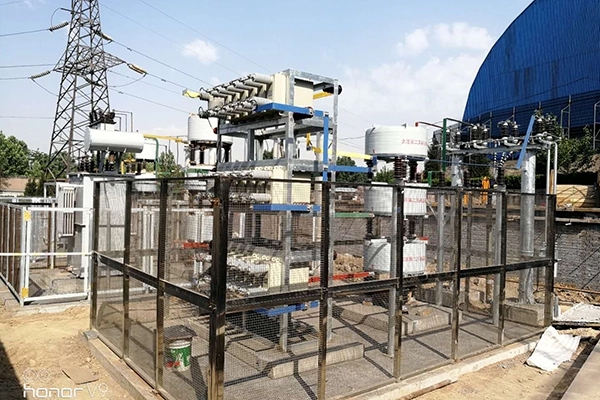
Why Your Substation Needs a Complete HV Reactive Power Compensation System?
2026-05-19 15:57:08
There is more and more pressure on modern substations to provide stable power while keeping costs low. An HV Reactive Power Compensation Device is now required equipment and can't be left out. If you don't stop reactive power from flowing through your system, you'll have to pay for lost energy, risk voltage drops during high loads, and shorter transformer lives. Full compensation systems deal with these problems directly by automatically adjusting inductive loads, keeping voltage stable within ±2% of its normal range, and getting rid of energy fines that eat away at operational budgets. The choice between partial fixes and full solutions can often mean the difference between your facility meeting its uptime obligations or having to pay a lot of money for costly shutdowns.

The Hidden Cost of Inadequate Reactive Power Management
Every boss of an industrial plant knows how frustrating it is when power quality problems can't be explained. Motors get too hot for no reason, production lines trip during starting spikes, and monthly utility bills have strange penalty charges. All of these signs point to one main cause: reactive power demand that is not being controlled. Inductive devices like transformers, motors, and arc burners constantly pull reactive current from the grid, so reactive power adjustment is important. Without the right correction, this current flows through your equipment without being used, wasting energy and causing voltage drops. These errors have a direct effect on the profits of B2B buying managers who are in charge of factories or data centers. At transmission sizes, where power fluctuations affect thousands of people at the same time, utility companies face similar problems.
Smart tracking and automatic adjustments in full HV reactive power compensation systems take care of these problems. Modern systems can adapt to changes in the load in real time, unlike old-fashioned methods that use set capacitor banks. This skill is very important when working with precise CNC machines, keeping medical life-support systems in good shape, or combining occasional output from green energy sources. It's easy to see the business case. According to data from the industry, sites that use complete compensation cut transmission losses by 15 to 30 percent, get rid of power factor fines that cost an average of $2,000 to $8,000 a month, and make transformers last longer by avoiding heat stress. More and more, EPC companies and system developers are asking for full systems to meet client compliance standards and guarantee responsibilities.
Understanding HV Reactive Power Compensation Systems
How High-Voltage Compensation Differs from Low-Voltage Solutions
HV reactive power compensation works at 6kV or higher, while low-voltage solutions work at less than 1kV. At higher levels, the engineering needs become much greater. Coordination of insulation is very important because a single flashover event at 35kV can cause problems across the whole grid. The equipment has to be able to handle lightning impulses with more than 170kV and keep its capacitance stable when the temperature changes from -25°C to +45°C.
Core Components and Their Functions
Modern HV reactive power compensation devices are made up of several important parts that work together:
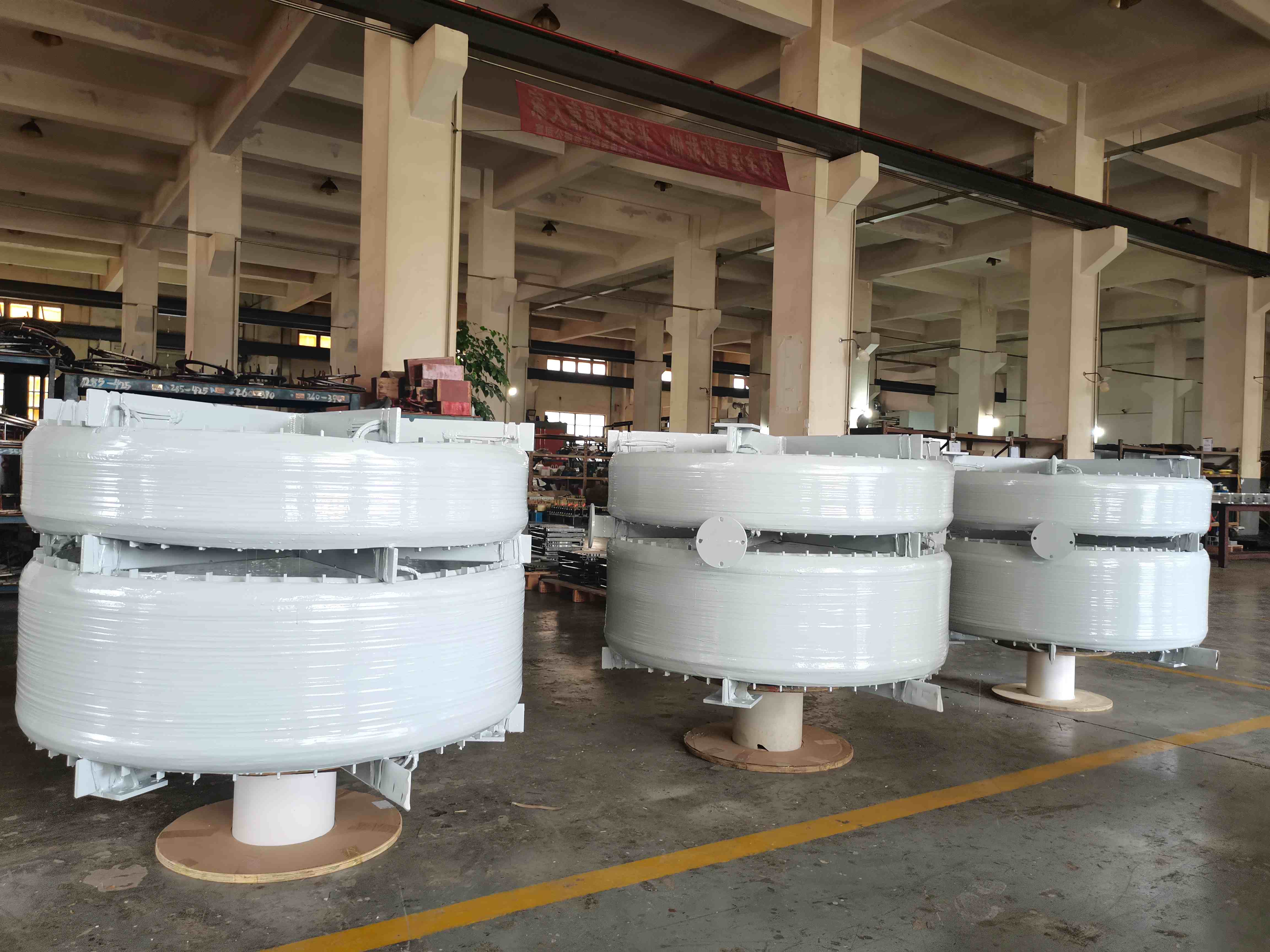
1. Reactive power is stored in capacitor banks, which are usually oil-filled or dry-film units with ratings between 300 kV and 240 MV per plant. When inductive loads cause lagging power factors, these units add leading reactive current to fix the problem. Series reactors, which are usually set to 6% or 12% reactance, do two things: they create harmonic filters that catch 5th, 7th, and higher-order distortions before they damage the grid, and they limit the inrush currents that happen when capacitors switch on and off. This makes the circuit breakers less stressed.
2. Three-phase voltage, current, and power factor are all tracked in real time by smart controls. Modern computer systems can react to changes in the load within 20 milliseconds. They do this by using vacuum contactors or thyristor modules to turn capacitor steps on or off. Overcompensation during light loads is a common failure mode that leads to dangerous overvoltages. This automation stops it.
3. When capacitors are disconnected, discharge coils quickly get rid of any remaining charge. This makes repair access safe and stops restrike phenomena. Zinc oxide arresters stop short-term overvoltages by limiting spike energy while keeping their small size.
Power Factor Correction and Voltage Stabilization Benefits
With the right adjustment, power factor can be raised from the standard industrial range of 0.75-0.85 missing to 0.95-0.98, which is the best range where energy fines stop and system efficiency is at its highest. This fix lowers the flow of current through all the equipment upstream. As a result, transformers run cooler, wires work below their temperature limits, and switchgear is under less mechanical stress when there is a problem. Stabilization of voltage is also useful. When mining activities with big hoist motors start up, the power drops by 10 to 15 percent without any adjustment. These sags trip safety switches, which stops processes that are close by. During these brief events, an HV Reactive Power Compensation Device adds reactive support, keeping the voltage within accepted ranges and keeping production going.
Why Substations Require a Complete HV Reactive Power Compensation System
The Perils of Partial Compensation
Installing a single set capacitor bank or depending on synchronous motors for incidental correction are two examples of the various methods that many facilities try. These half-measures make things worse instead of better. Fixed banks can't keep up with changes in the load, which causes too much adjustment during off-peak hours when capacitive reactance pulls voltage up. Under-compensation stays the same during busy production shifts, so the power factor doesn't get better. Harmonic resonance disasters can also happen with partial answers. Amplification happens when the reactance of the capacitor matches the inductance of the system at a specific harmonic frequency, which is usually the 5th or 7th. Harmonic currents that should be between 3 and 5 percent quickly rise to 20 to 30 percent, which damages capacitors and sets off safety systems. We've seen sites have severe capacitor failures just months after putting in equipment that wasn't tuned right.
Regulatory Compliance and Financial Penalties
Poor power factor is getting more and more expensive for utilities because of demand charges and reactive energy billing. In most U.S. utility states, a normal industrial account using 5 MW at a 0.80 power factor pays $4,000 to $6,000 a month in fines that are not necessary. Over the life of an asset, 10 years, this loss adds up to $480,000 to $720,000, which are funds that would be better used to increase capacity or make things more efficient. These costs are made worse by voltage deviation fines. Transmission managers set tight plans for voltage, which are usually within 5% of what they should be. If substations don't follow these limits, they could get fined or even be disconnected during times of high demand when the security of the grid is uncertain.
Real-World Performance Evidence
A metalworking plant in the Southwest replaced old fixed capacitors with a full HV Reactive Power Compensation Device rated at 36 Mvar. Over 18 months, the following results were seen:
- Power factor went up from 0.78 to 0.97, which saved $73,000 a year in energy fees.
- Voltage steadiness in an arc furnace was improved from ±8% to ±2%, which cut down on the number of defective products.
- Transformer loads dropped by 12%, so a $850,000 capacity upgrade had to be put off.
- Harmonic distortion (THDv) went down from 8.2% to 3.1%, which stopped variable frequency drives from tripping for no reason.
These results show that complete solutions make sense from an operational and financial point of view. The building got back the $420,000 it spent on equipment in 4.2 years through direct savings, which don't include the money it saved by not having to pay for downtime.
How to Choose the Right HV Reactive Power Compensation Device for Your Substation
Assessing Load Profiles and System Parameters
Load classification is the first step in selection. Do tests of the power quality that measure the immediate reaction demand across daily and yearly cycles. Data centers that are busy 24 hours a day, seven days a week need different ways to pay their workers than factories that work in shifts. When load curves show big changes (±30% in minutes), you need fast-switching thyristor-based systems. For smaller changes, vacuum contactor options work best. Ratings and types of shielding for equipment are based on the system voltage. For example, a 13.8kV distribution system needs different bushing creepage lengths and BIL values than a 34.5kV transport system. The height of the site is very important. For locations above 1,000 meters, the lower air density and dielectric strength need to be made up for with derating factors or better insulation.
Comparing Global Brands and Product Architectures
When judging a maker, look at the quality of their parts and how they approach system integration. Different types of capacitor dielectric materials have different temperature stability and self-healing qualities. Newer polypropylene film units are better than earlier oil-filled designs in these areas, but oil-filled versions still rule rates above 50 Mvar because they have higher energy densities. How well harmonic filtering works depends on how the reactor is built. Air-core reactors have constant inductance over a wide range of currents, but they take up a lot of space. Even though iron-core systems take up less room, they run the chance of being saturated during earthquake currents. We suggest dry-type reactors that are encased in epoxy for tough areas where pollution and wetness can make the reactors less reliable.
Bulk Purchasing Considerations for B2B Clients
The level of complexity in the controller is what separates good systems from great ones. Simple types only check the line voltage and switch in set steps. Advanced systems look at harmonics, use machine learning techniques to predict load trends, and talk to each other using Modbus TCP or IEC 61850 protocols so they can be integrated with SCADA. This connection allows proactive maintenance, which lets workers know when capacitors are wearing down before they cause major problems. Quantities bought have a big effect on prices and lead times. Single-unit sales usually cost 15-20% more than buys of five or more units. But large orders need standard specs. Changing voltage levels or adding harmonic filters in the middle of production slows things down and takes away volume savings. Lead times depend on how quickly you can get parts. It takes 8 to 12 weeks to ship standard 12kV devices with typical Mvar values. Custom 35kV setups with special insulation that don't react with pollution may take 16 to 20 weeks longer. Sometimes, problems in the global supply chains for steel and copper make these deadlines even tighter, so it's important to start working with sellers early on to keep projects on track. Warranty terms should be carefully read. Power parts from reputable makers come with 24-36 months of warranty support and are expected to last 15 years or more. Make it clear what failure means—for example, some contracts don't cover damage caused by grid problems or bad setup. Service network footprint is just as important; if a maker doesn't have area support infrastructure, you'll have to pay a lot to get repairs done.
Installation, Maintenance, and Troubleshooting Best Practices
Critical Installation Procedures
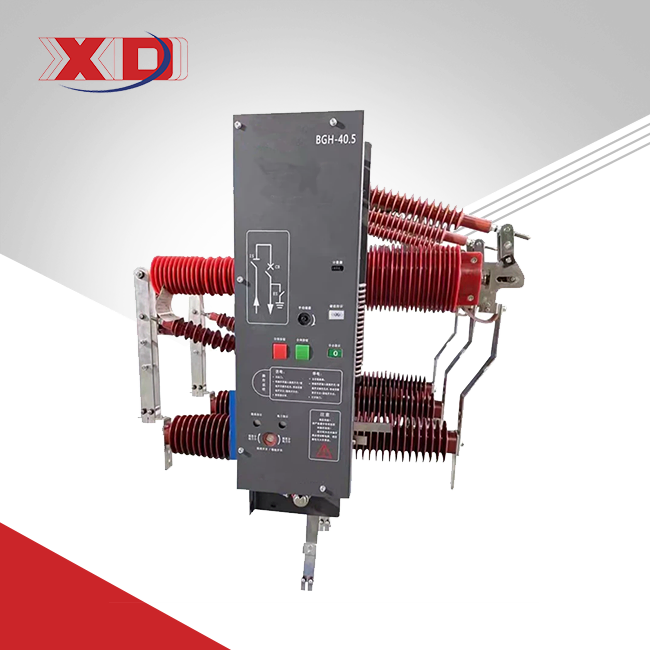
The right way to put something starts months before the equipment comes. IEC 60068-2-6 guidelines say that foundation design must take seismic loads into account, especially in places where earthquakes are common. For the AKW Outdoor Frame-type Reactive Power Compensation Device to work properly, the support nuts need to be strong enough to withstand 0.3g of horizontal acceleration. Frame warping, misaligned bushings, and partial discharge sites that damage insulation are all caused by supports that aren't strong enough. When electrical testing, timing and grounding need to be carefully thought out. We looked into failures that happened when workers switched the order of the phases, which made reactive power flow between banks instead of being injected into the grid. To safely get rid of lightning energy and fault currents, ground grid resistance must be less than 1 ohm. Don't assume that the grounds you already have meet the requirements; always use standardized test tools. Before turning it on, you should do a full dielectric test. Apply 80% of the maximum BIL shock voltage to check the integrity of the insulation. Then, follow the instructions in IEEE 4-2013 to do power frequency resistance tests. These tests find problems with the way the product was made or with the shipping before they become service fails.
Proactive Maintenance Schedules
How often routine inspections are done depends on how exposed the area is. Outdoor locations near the coast or in industrial areas need to be visually checked every three months to look for insulator pollution, frame member rust, and oil leaks from the capacitor bushings. Because the AKW Outdoor Frame-type Reactive Power Compensation Device has a large creepage distance and great pollution resistance, these intervals are longer in difficult conditions. However, being careful keeps small problems from getting worse. Hotspots found by annual thermographic studies can mean that connections are loose or that the capacitors inside are breaking down. Temperature jumps of more than 10°C above normal should be looked into right away. Using precision bridges to measure capacitance finds failed parts before they break. A 5% difference from the stated capacitance means that the units are already breaking down; they should be replaced during the next planned shutdown. Every six months, the reactor and output coil are tested. Check the inductance values and compare them to the baselines used for starting. Changes of more than 3% could mean that the insulation between the turns is breaking down. The resistance of the discharge coil should stay steady within ±10%. Increasing resistance makes it take longer for the leftover voltage to drop, which can be dangerous during maintenance.
Effective Troubleshooting Techniques
Systematic analysis saves time and keeps other damage from happening when systems don't work right. Harmonic resonance is often the cause of nuisance tripping. Power quality monitors can be used to record the voltage and current patterns during trips. If the frequency chart shows that the 5th or 7th harmonics are increased, it means that the reactor values are out of tune. Resonant frequencies change when temperatures change and parts age. These problems can be fixed by retuning reactors or adding damper filters. When a capacitor fails, the reaction output goes down and the system currents go up. These days, controllers keep track of each bank's state in a log. Look over these logs to find trends. Repeated failures in certain banks could be due to problems with the way they were made or to overvoltages that are higher than the arrester's grade. Instead of addressing the signs, replace the parts that are broken and look into what caused them. Losses in controller transmission stop automatic operation and force swapping to be done by hand. Check the health of the network cables and the way the protocols are set up. Surges caused by lightning often damage Ethernet transceivers. Putting in fiber optic links in open sites takes away this risk. Keep the software on your device up to date. Manufacturers release changes that fix bugs and make sure they work with new SCADA systems.
Future Trends and Innovations in HV Reactive Power Compensation
Smart Grid Integration and Digital Monitoring
The way people are paid is changing toward networked intelligence. Edge computing devices that take part in grid optimization methods are replacing traditional controls that work on their own. These systems get price information from utilities in real time and change their reaction output to keep demand charges as low as possible while still meeting voltage plans. In the future, blockchain-based transactive energy platforms could pay facility managers for offering grid services. This would turn assets that use reactive power into sources of income. Virtual launching and predictive failure analysis are both possible with digital twin technology. Manufacturers now make software models that show how real equipment works. Operators create fake load scenarios to test how well safety systems work together and to train staff in safe places. Fielded equipment's sensor data is constantly updating these models, making them more accurate and allowing anomaly detection that warns of coming problems days before they happen.
Evolution from Capacitor Banks to Dynamic STATCOM Devices
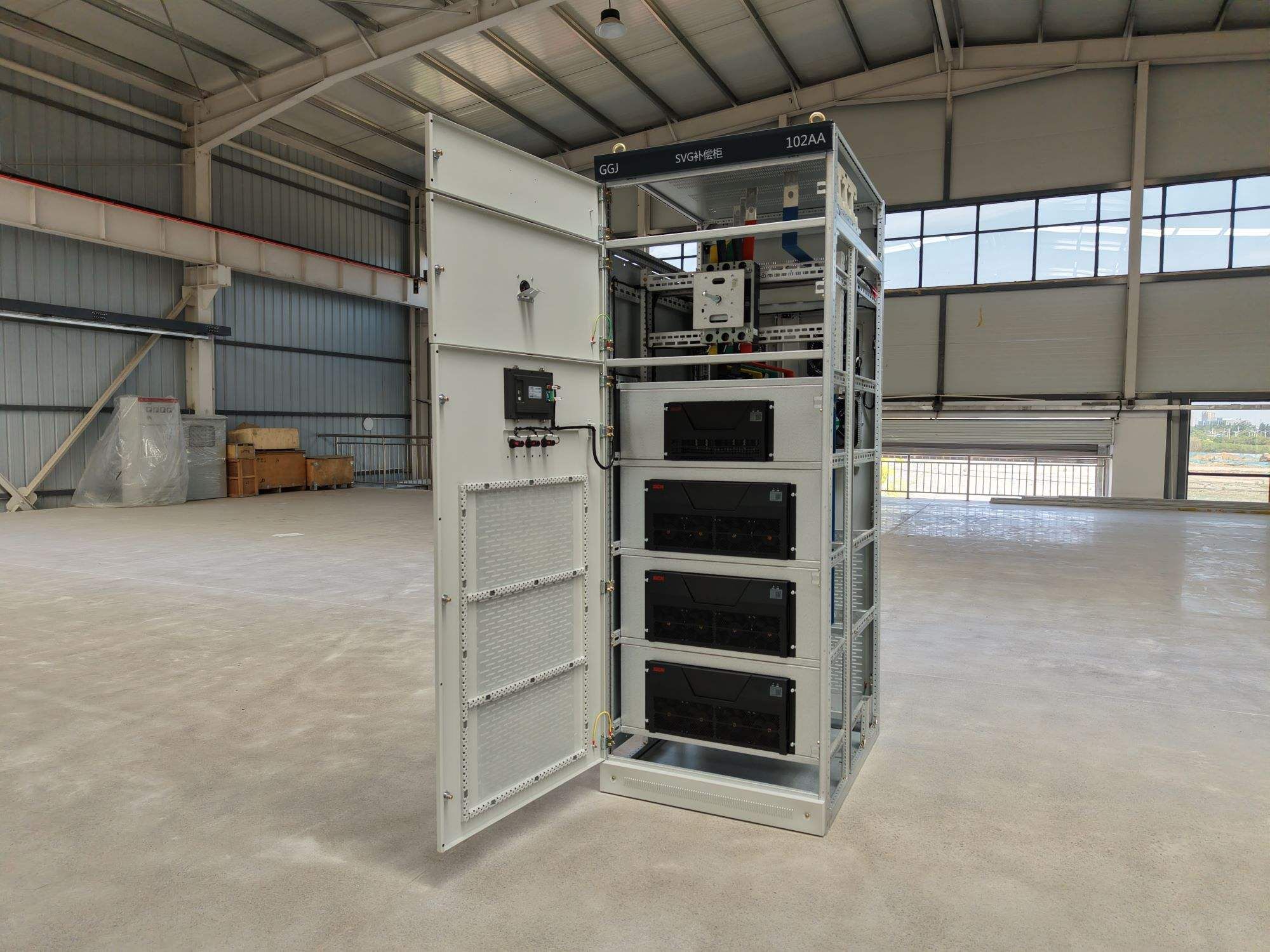
Static Synchronous Compensators (STATCOMs) represent the cutting edge of technology. Instead of adding or taking away reactive power in fixed steps like capacitor banks do, STATCOMs use power electronics to make reactive output that changes all the time. Response times in milliseconds allow voltage control during sudden events that are too much for mechanical switching systems to handle. STATCOM is being used more and more in green energy uses. When clouds cover or wind gusts change production, solar inverters and wind turbines cause voltage to change quickly. To fix these problems, capacitor banks switch too slowly. STATCOMs give the millisecond reaction needed to keep grid codes, especially NERC PRC-024 voltage ride-through rules, in line. Cost trends point to a greater use of STATCOM. Ten years ago, installing STATCOM cost $50 to $70 per kVAR, which was twice as much as installing capacitors. This difference has been closed to $30 to $40 per kVAR thanks to improvements in silicon carbide semiconductors and flexible multiple converter designs. This means that STATCOMs are now competitive for uses that need high performance. We think that in the future, most designs will be mixed systems that use cheap capacitor banks for baseload correction and STATCOM units for dynamic control.
Regulatory Pressures Driving Technology Adoption
Voltage and power quality standards are getting stricter around the world thanks to grid codes. Rule 21 in California says that spread power above 500 kW must have advanced inverter features, such as volt-VAR control. Similar rules apply to many states in the U.S. and other countries as well, forcing facility owners to update their pay systems to meet new needs. Environmental laws indirectly help reactive power control work better. Getting the right pay for transportation losses lowers the amount of power that generators need to produce, which lowers the amount of carbon dioxide released per MWh supplied. Facilities that want to get LEED approval or reach their carbon neutrality goals include full pay in their sustainable plans. Showing proof of measurable loss decreases improves pollution reports and shows stakeholders that you care about the environment.

Conclusion
From add-ons that could be used if desired, full HV reactive power correction systems have become essential parts of the infrastructure. An HV Reactive Power Compensation Device helps reduce operating risks caused by unstable voltage, utility penalties, and premature equipment failure. Modern options, like the AKW Outdoor Frame-type Reactive Power Compensation Device, work well in harsh conditions and can be scaled from 300 kV to 240 MV to meet the needs of different substations. As power lines add more digital control systems and green energy, the facilities that invest in full pay now will be ready for the rules and regulations of tomorrow. It's not a question of whether or not to put in place full systems; the question is how quickly you can do so in order to save money and make sure the grid is reliable.
FAQ
1. What distinguishes high-voltage from low-voltage reactive power compensation devices?
High-voltage correction works at 6kV and higher, and it needs better communication between the insulation and special parts to handle higher energy levels and longer creepage distances. Low-voltage systems below 1kV are used for facility distribution, but they can't fix problems with grid safety at the transmission level.
2. How often should HV reactive power compensation devices undergo maintenance inspections?
Visual checks every three months are enough for most systems, and thermographic scans and capacitance tests should be done once a year. In harsh seaside or industrial areas, checks may need to be done more often. The pollution-resistant design of the AKW device makes gaps longer while keeping reliability high.
3. What cost savings can facilities expect from implementing complete compensation systems?
Most industrial setups get rid of the $2,000 to $8,000 in monthly energy fees and cut transmission losses by 15% to 30%. The payback time is usually between 3 and 5 years, but it depends on the type of load and the local pricing system. The practical benefits last for 15 years or more.
Optimize Your Substation with Xi'an Xikai's Proven HV Reactive Power Compensation Solutions
When it comes to reactive power problems, Xi'an Xikai Medium & Low Voltage Electric Co., Ltd. has decades of experience as a great tech company. Our AKW Outdoor Frame-type Reactive Power Compensation Device has a capacity of 300 kV to 240 MV across voltage classes from 6kV and up. It was designed to work in tough industrial and utility settings. Our production is ISO 9001-certified, we use unique technologies that have been used in State Grid systems, and we offer full support for the lifetime of all of our equipment. Send an email to serina@xaxd-electric.com, amber@xaxd-electric.com, or luna@xaxd-electric.com to talk to an HV Reactive Power Compensation Device maker about your substation needs. They are dedicated to your business success.

References
1. IEEE Standard 1036-2010, "IEEE Guide for Application of Shunt Power Capacitors," Institute of Electrical and Electronics Engineers, New York, 2010.
2. Dugan, R.C., McGranaghan, M.F., Santoso, S., and Beaty, H.W., "Electrical Power Systems Quality," Third Edition, McGraw-Hill Education, 2012.
3. Miller, T.J.E., "Reactive Power Control in Electric Systems," John Wiley & Sons, New York, 1982.
4. NERC Standard PRC-024-2, "Generator Frequency and Voltage Protective Relay Settings," North American Electric Reliability Corporation, Atlanta, 2015.
5. Acha, E., Agelidis, V.G., Anaya-Lara, O., and Miller, T.J.E., "Power Electronic Control in Electrical Systems," Newnes Power Engineering Series, Oxford, 2002.
6. Dixon, J., Moran, L., Rodriguez, J., and Domke, R., "Reactive Power Compensation Technologies: State-of-the-Art Review," Proceedings of the IEEE, Vol. 93, No. 12, December 2005.