
What Makes HV Reactive Power Compensation Device Energy Efficient?
2026-05-14 16:24:00
Power plants need to carefully think about voltage stability, power quality, and operational efficiency when choosing the right HV Reactive Power Compensation Device. In high-voltage networks, these systems handle reactive power and fix power factor problems that lead to too much line loss and equipment stress. Power plants have special problems to solve, like how to deal with huge inductive loads from motors and transformers while keeping the grid stable. A good compensation device cuts down on wasted energy, keeps voltage from dropping during peak demand, and increases the life of important infrastructure by keeping transmission lines and switchgear from getting too hot.
 |
 |
Understanding HV Reactive Power Compensation Devices
High-voltage power systems are always fighting against reactive power, which is the "invisible" energy that moves back and forth between inductive equipment and the grid without doing any work. Transformers and transmission lines use reactive power when power plants make electricity. This wasteful behavior shows up as voltage drops and cables that get too hot. We have seen facilities with a power factor of less than 0.85 get fined by the utility company more than $50,000 a month. The grid has to provide both active power (measured in megawatts) and reactive power (measured in megavars).
How Reactive Power Impacts Operational Costs
In order to balance out these inductive effects, compensation devices add reactive capacitive power. Power plants get almost-unity power factor, which often reaches 0.95 or higher, by installing equipment of the right size. Stabilized voltage profiles across substations, lower I²R losses in conductors, and better use of existing transformers' capacity are some of the technical results. These improvements directly lead to lower operating costs and compliance with grid codes that are getting stricter and require power factor thresholds.
Technology Categories and Selection Criteria
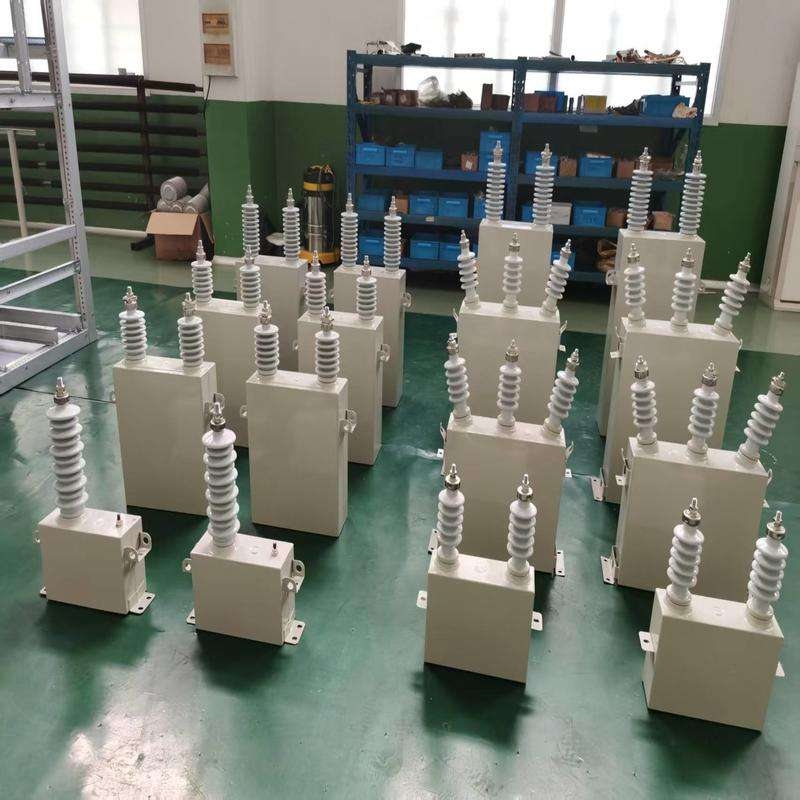
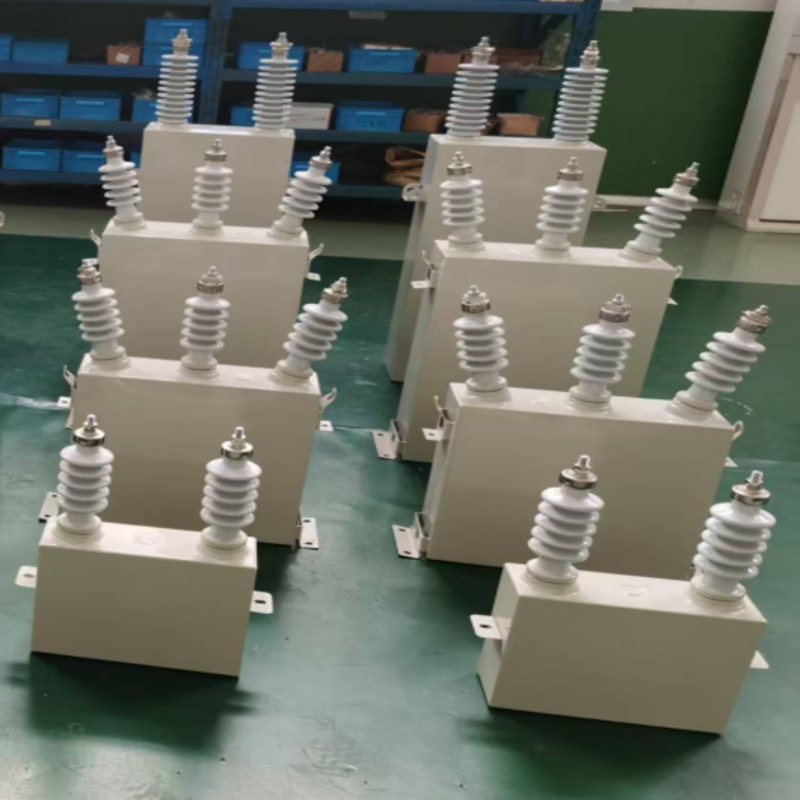
Three basic parts make up modern compensation systems: capacitor banks, series reactors, and intelligent control units. When the voltage on the grid drops below what it should be, reactive power is released from capacitor banks. When capacitors are turned on, series reactors, which are usually tuned to 6% or 12% impedance ratios, stop harmful inrush currents and stop harmonic resonances that are caused by variable-frequency drives or arc furnaces that are common in industrial settings.
The system works in either fixed or automatic mode, depending on the control architecture. Fixed compensation gives out a steady amount of reactive power, which is good for stable base loads. Automatic systems, on the other hand, use microprocessor-based controllers to keep an eye on the power factor and voltage parameters in real time. Modern models can react to changes in the load within 20 milliseconds by switching groups of capacitors on and off dynamically using vacuum contactors or thyristor modules. This ensures the HV Reactive Power Compensation Device stops both under-compensation when the load goes up quickly and dangerous over-voltage when big motors suddenly stop working.
Key Factors Behind Energy Efficiency in HV Reactive Power Compensation Devices
When power plants use compensation solutions, they report measurable efficiency gains in a number of operational areas. Getting rid of transmission loss is the most obvious way to save money right away. A normal 100 MW plant running at a power factor of 0.82 might have 4.5% line losses. If the power factor is changed to 0.96, losses drop to 3.2%, and the plant recovers about 1.3 MW, which is worth $850,000 a year at industrial electricity rates.
Power Factor Correction and Loss Reduction
Improving voltage stability keeps sensitive equipment from breaking down too soon. If the supply voltage changes more than ±5%, it can mess up steam turbine control systems, distributed control networks, and variable-speed drives. As shown in case studies from coal-fired plants, using 30 Mvar compensation cut unplanned DCS shutdowns by 67% over two years. This is because the HV Reactive Power Compensation Devices keep the voltage within ±2% during load transients.
Advanced Automation and Real-Time Monitoring
Another strategic benefit is grid interconnection compliance. Regional transmission operators are putting more and more demands on generation facilities to deliver reactive power. If plants aren't paid enough, they may have to cut back during times of high demand or make expensive equipment upgrades. Installing scalable compensation systems ahead of time lets operators meet changing grid codes without having to pay a lot for expensive retrofits.
Structural Design for Reliability
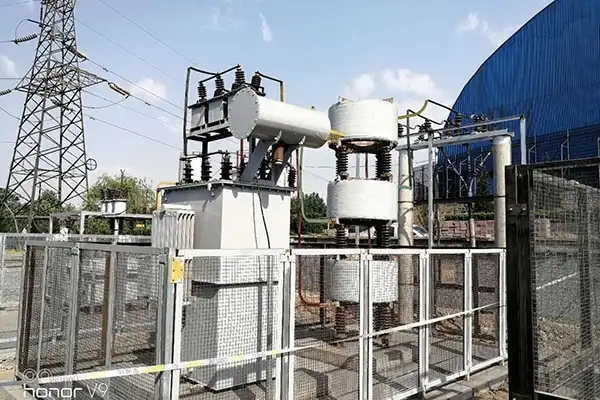
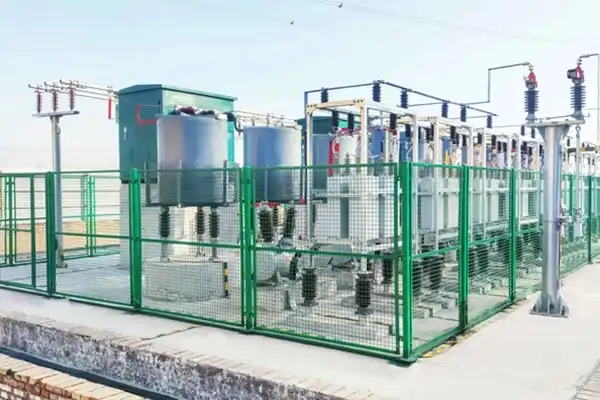
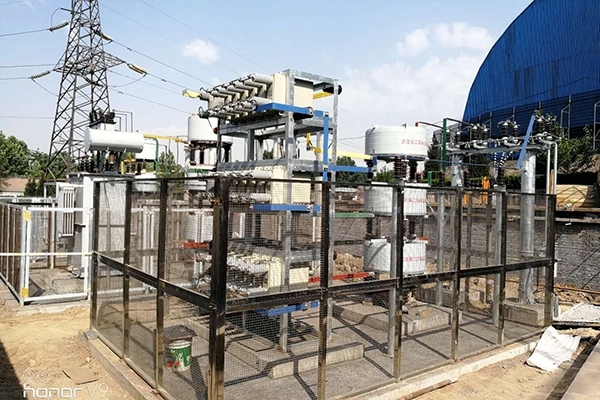
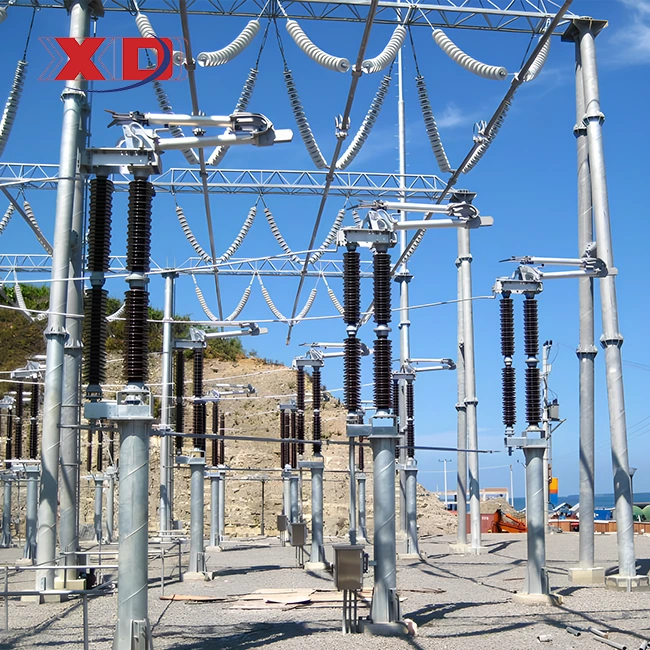
Component reliability is shaped by environmental survey measurements. For outdoor frame-type devices like the AKW series, the foundations must be designed to withstand up to 0.3g of horizontal and 0.2g of vertical seismic acceleration. Before mounting equipment, concrete pads must cure for at least 28 days so that they don't settle and cause busbar connections to become out of alignment.
Here are the core advantages demonstrated by Xi'an Xikai's AKW Outdoor Frame-type Reactive Power Compensation Device:
- Environmental resilience spanning extreme climates: These gadgets put parts on hot-dip galvanized steel frames, which lets natural air convection get rid of heat. This is a big advantage over cabinets that are closed off and need forced ventilation.
- Compact modular architecture reducing installation complexity: The open design lets technicians check the integrity of the insulators and the connections between the busbars without having to shut down the system, which significantly cuts down on maintenance windows.
- Scalable capacity meeting diverse grid demands: Equipped with large creepage distance insulators that go beyond 31 mm per kV, the AKW device works reliably in pollution level IV environments near petrochemical complexes or coastal zones where standard insulators fail.
Comparing HV Reactive Power Compensation Devices for Energy Efficiency
Teams in charge of buying things must make sure that the compensation technology matches the way the plant loads. Fixed capacitor banks work best in places with stable power factors, like baseload generators or co-generation plants that work in steady state 90% of the time. For example, if the capacitors are the right size, they only need to be replaced every 8–10 years.
High Voltage Versus Low Voltage Architectures
Automatic compensation is very important for plants whose generation schedules change or whose auxiliary loads change during operational cycles. Power factor changes quickly from 0.75 to 0.92 in combined-cycle plants that turn gas turbines on and off or that use renewable energy sources. Automatic controllers always change the staging of the capacitors to keep the target power factor, no matter what mode the HV Reactive Power Compensation Device is in.
Harmonic Resistance and Operational Reliability
Because their technology is well-established and their cost-per-Mvar ratio is good, traditional capacitor banks dominate the market. A 20 Mvar capacitor installation usually costs between $600,000 and $800,000. These passive devices work well in places where there isn't a lot of harmonic distortion. However, capacitor impedance goes down as harmonic frequency goes up. We've looked into failures in steel mill substations where unprotected capacitor banks had catastrophic dielectric breakdown within 18 months because of 11th and 13th harmonic resonance.
Lifecycle Cost and Supplier Evaluation
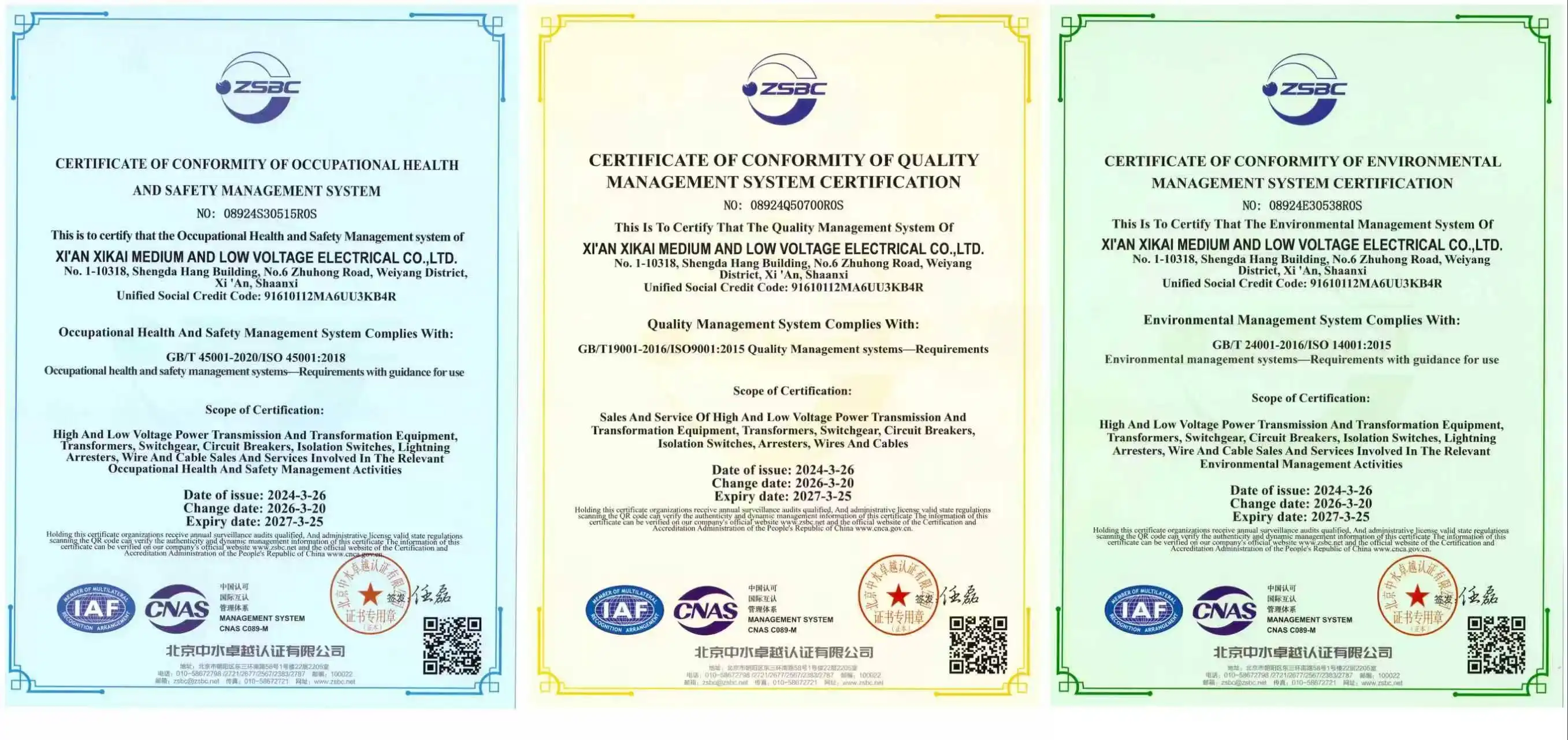
Supplier selection includes factors such as warranty coverage, after-sales service capabilities, and transparency in component sourcing. Reputable manufacturers provide complete technical documentation, including type test reports compliant with IEC 60871 and IEEE 18 standards. These certifications verify dielectric strength, thermal stability, and long-term operational reliability for an HV Reactive Power Compensation Device. Local technical support and spare parts availability also reduce maintenance delays and minimize downtime during unexpected failures. When evaluating total ownership costs, facilities should compare not only the initial purchase price but also energy savings, maintenance frequency, replacement intervals, and system efficiency over time. A high-quality compensation system may require a larger upfront investment, but lower transmission losses, improved power factor performance, and reduced utility penalties often deliver substantial long-term financial returns.
Optimizing the Performance and Maintenance of HV Reactive Power Compensation Devices
Regular maintenance makes things last longer and finds problems early on. Four times a year, infrared thermography checks find connections that are getting too hot or individual capacitor elements that are developing internal faults. Temperature differences between phases of more than 10°C are a sign of an abnormal current distribution that needs to be looked into right away.
Preventive Maintenance Protocols
Individual capacitor units that experience capacitance drift beyond ±5% tolerance are tested for power factor once a year. Degraded capacitors make the bank less effective overall and cause voltage imbalances between healthy units. Modern capacitors have internal fuses that separate broken parts and keep the unit powered. To find the affected units, capacitance measurements are needed, but ultrasonic detectors can speed up the diagnostic process by finding strange corona discharge signatures.
Troubleshooting Common Efficiency Degraders
Problems with the controller show up as capacitors switching randomly or not responding to changes in the power factor. It is important to check the grounding and surge suppressor functionality of microprocessor-based controllers that are susceptible to voltage transients. Harmonic resonance causes fuses to trip or capacitors to overheat for no apparent reason; portable power quality analyzers can identify specific peaks at certain frequencies where combinations of capacitors and reactors create low-impedance paths.
Safety Compliance and Personnel Protection
To make sure that capacitor switching transients and transformer differential relays work well together, they need to be coordinated with existing substation protection systems. During the energization of an HV Reactive Power Compensation Device, inrush currents can briefly reach 100 times the rated current. If relay settings aren't changed properly, this could cause nuisance trips. Protection engineers should use software to simulate switching scenarios at both the lowest and highest source impedance levels.
Procurement and Implementation Considerations for Energy-Efficient HV Compensation Devices
There are different operational limitations at each facility that change how selection criteria are weighted. When base-load coal or nuclear plants want to be up and running for as long as possible, they focus on making sure their equipment is reliable and has redundant parts. Specifications might require N+1 capacitor group redundancy, which lets the system keep running at 90% capacity when a single element fails.
Designing Scalable Compensation Configurations
Fast deployment and modular scalability are important for peaking plants and flexible generation assets. Installation times are cut from 16 weeks to 8–10 weeks when equipment is standardized and pre-tested in the factory. All parts of skid-mounted designs are mounted on transportable frames, which cuts down on on-site construction work. This is especially important for facilities in remote areas where skilled tradespeople are in high demand.
Technical and Supplier Selection Criteria
For plants that get a lot of harmonic distortion from power electronics loads, they need an HV Reactive Power Compensation Device with series reactors that are tuned correctly. Based on survey results, the reactor is tuned to a line frequency of 4.2 kHz for moderate distortion and 3.8 kHz for severe distortion. Dielectric strength and thermal performance are also affected by altitude; plants above 1,000 meters need derating factors or better insulation coordination.
Installation, Commissioning, and Operational Training
Manufacturers with local application engineering teams help with projects by doing site surveys, network studies, and custom specifications. Companies that make compensation equipment offer training programs covering operational theory, protection scheme logic, and troubleshooting methods. On-site commissioning help and knowledge transfer sessions make sure that maintenance teams can confidently take care of equipment throughout its useful life.
Conclusion
To pick the right reactive power compensation technology, you need to look at a lot of things, like technical specs, operational needs, and the supplier's abilities. Choosing an HV Reactive Power Compensation Device with reliable performance and long-term stability is especially important for power plants that need efficient voltage regulation and reduced energy losses. Balance performance criteria with total cost of ownership and long-term support availability for power plants to get the best results. Load profiling is the first step in any successful project. Vendor qualification is the next step, and the project ends with a partnership with a manufacturer that provides both proven products and ongoing engineering support. When you choose the right equipment, it will last for decades and work reliably, saving you money on energy costs and making sure you follow the rules, which protects your income streams and helps the grid stay stable.
FAQ
1. What service life can facilities expect from quality compensation devices?
Premium HV reactive power compensation equipment typically delivers 15-20 years of reliable operation when properly maintained, with capacitor elements requiring replacement at 10-12 year intervals depending on switching frequency and harmonic exposure. Structural components like frames, reactors, and switchgear often exceed 25 years, making staged refurbishment economically attractive compared to complete replacement.
2. How do engineers calculate energy savings after installation?
Savings analysis compares pre-installation and post-installation electricity bills, isolating demand charge reductions from power factor penalty elimination. Utilities typically charge $8-18 per kVA of reactive demand monthly. A facility reducing reactive demand from 2,000 kVAR to 400 kVAR saves $19,200-34,560 annually in demand charges alone, excluding efficiency gains from reduced transmission losses.
3. Which certifications matter most during supplier evaluation?
IEC 60831 and IEEE 18 standards govern capacitor construction and testing protocols internationally, establishing minimum safety and performance thresholds. UL listing, CE marking, and CCC certification demonstrate compliance with regional market access requirements. Product certifications prove less valuable than factory quality system audits verifying consistent manufacturing practices.
Partner With Xi'an Xikai for Superior Reactive Power Solutions
Xi'an Xikai stands ready to optimize your facility's energy profile through proven compensation technology backed by decades of engineering expertise. As a leading HV reactive power compensation device manufacturer, we deliver customized solutions spanning 300 kvar to 240 Mvar capacities across voltage classes from 6kV through transmission levels. Our AKW Outdoor Frame-type series exemplifies the rugged reliability demanded by mission-critical infrastructure, combining patent-protected designs with comprehensive support services. Contact our technical specialists at serina@xaxd-electric.com, amber@xaxd-electric.com, or luna@xaxd-electric.com to discuss your specific requirements and discover how our solutions enhance grid stability while reducing operational expenses across manufacturing, utility, and commercial applications.
References
1. Institute of Electrical and Electronics Engineers, "IEEE Standard for Shunt Power Capacitors," IEEE Std 18-2012, 2012.
2. International Electrotechnical Commission, "IEC 60831: Shunt Capacitors for A.C. Power Systems Having a Rated Voltage Above 1000V," Edition 2.0, 2014.
3. Arrillaga, Jos, and Neville R. Watson, "Power System Harmonics," Second Edition, John Wiley & Sons, 2003.
4. Miller, T.J.E., "Reactive Power Control in Electric Systems," John Wiley & Sons, 1982.
5. Hingorani, Narain G., and Laszlo Gyugyi, "Understanding FACTS: Concepts and Technology of Flexible AC Transmission Systems," IEEE Press, 2000.
6. Electric Power Research Institute, "Power Factor and Harmonic Distortion: Effects on Distribution Systems and Equipment," EPRI Technical Report 1006394, 2002.

_1783415937807.jpg)
