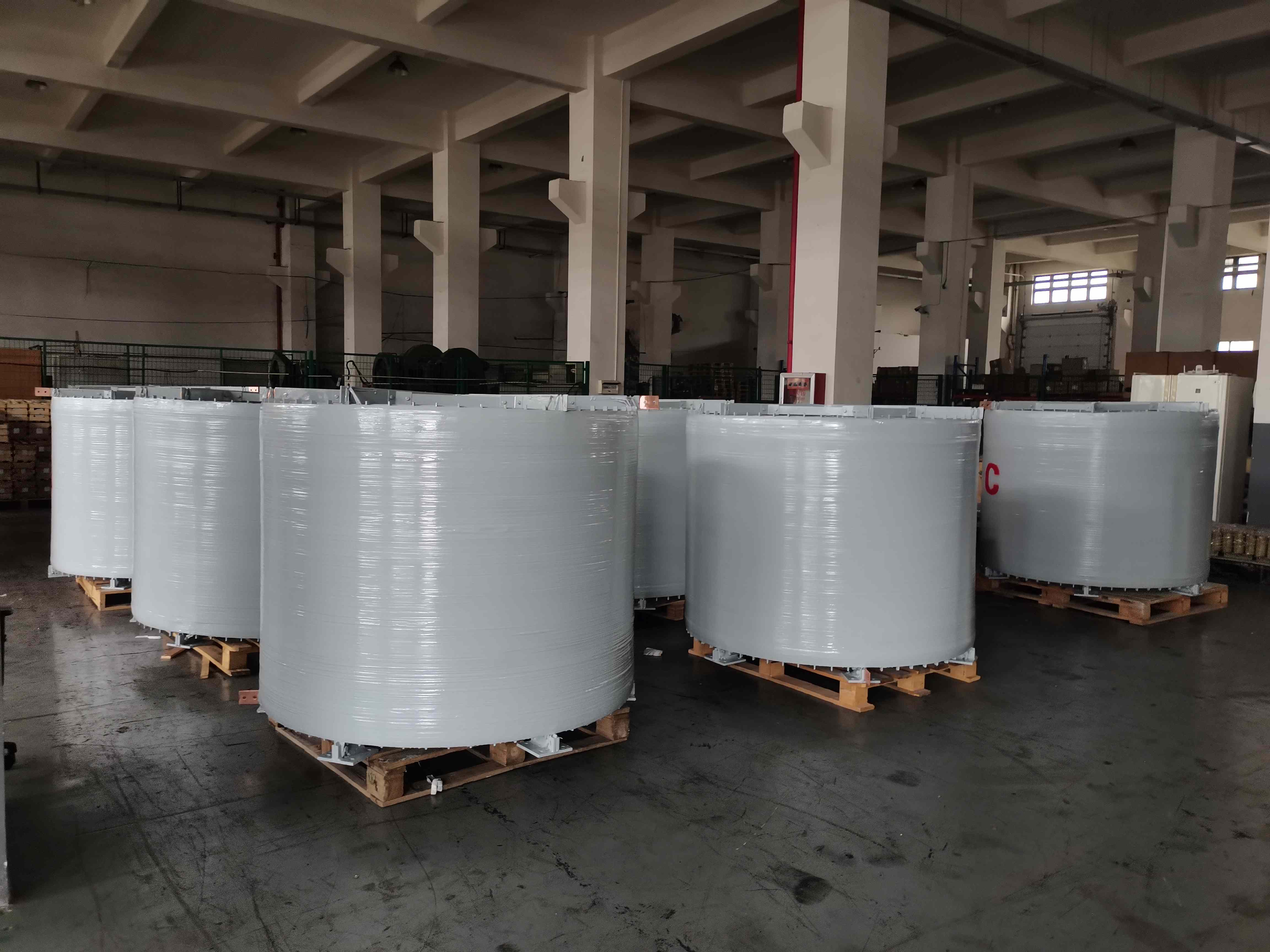
Current Transformer for Metering and Protection Systems
2026-05-12 11:59:08
In power distribution networks, picking the right Current Transformer has a direct effect on how reliable the system is, how accurate the measurements are, and how safe it is to use. These instrument transformers lower high primary currents to standard secondary values, which are usually 5A or 1A. This lets monitoring and safety switches keep an eye on electrical circuits without being exposed to dangerous current levels. If you are in charge of a data center that needs to be online all the time, run transmission infrastructure for thousands of customers, or design substation projects with tight deadlines for compliance, you need to know how these devices work and which specifications are the most important. This will help you make decisions that protect both your equipment and your profits.
Understanding Current Transformers: Principles and Types
Current Transformer units work on electromagnetic induction at their heart. When primary current flows through a wire, it creates a magnetic field in the core of the transformer. This field causes an equivalent current to flow in the secondary winding. This idea lets you record high currents safely and separately, and it keeps instruments further down the line from getting too hot. To be accurate, you need to keep the right load (the total impedance linked to the secondary circuit) and choose core materials that don't get too saturated when there is a fault.
Classification by Construction
Different physical forms are made for different installation situations and performance needs:
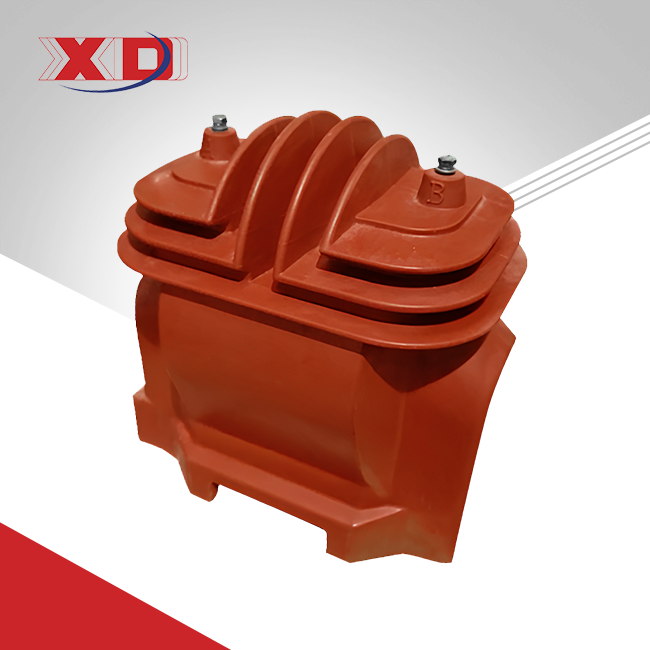
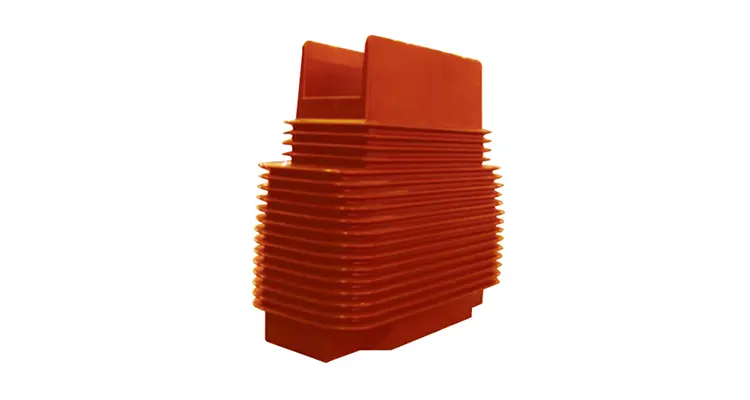
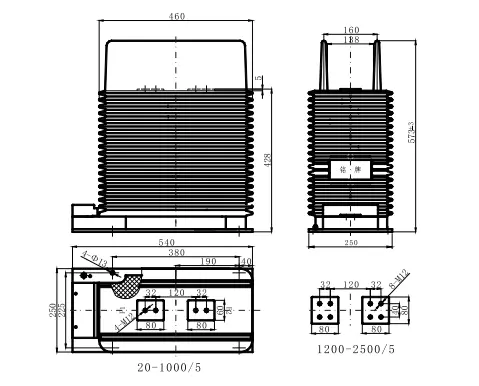
- Busbar-type models, such as our LMZB line, have a ring or window shape that lets a single main conductor pass through it. You can use existing busbars to run these units through the opening without having to separate circuits. This makes retrofit jobs easier. The LMZB-15, LMZB-20, and LMZB7-35 models can handle rated voltages between 15 kV and 35 kV. The casting insulation keeps out wetness and is strong enough for use in both indoor and outdoor substations.
- Fully enclosed models, like the LFSB-10, have a handcart-style design that works with the type of retractable circuit breaker units that are popular in medium-voltage switchgear. The sealed box has both primary and secondary windings in a small epoxy-resin housing. This makes it easier to install and meets strict dielectric standards up to 10 kV. This design works great for factories and business buildings that need strong defense against environmental pollutants and limited space.
- Zero-sequence transformers, represented by our LKB-ф120 series, are used for ground-fault identification. The open-closed design lets it be installed around three-phase wire bundles without breaking connections. It can detect residual current, which means the insulation is failing or there is a ground problem. Protection switches linked to these units can cut off faulty parts before they hurt people or damage equipment. This is a very important function in hospital electrical systems and data centers with sensitive computer loads.
Split-core and clamp-on versions can measure temporarily while they are being set up or fixed, but they aren't as accurate as metering-grade devices that are permanently installed. Ring-type designs are very accurate, but they need more complicated building steps.
Accuracy Classes and Their Significance
Class 0.2S or 0.5 accuracy is needed for metering systems to make sure that billing is accurate and energy reports meet government standards. These rules say how many mistakes are allowed at rated current and different load rates. This has a direct effect on revenue billing and power quality analysis. Protection-grade transformers, which are often called Class 5P or 10P, put accuracy first when there is a fault, and currents can hit 20 times standard levels. The letter "P" stands for the accuracy limit factor, which tells you how much above the rated current the device can keep its accuracy Current Transformer before the core saturation changes the output. If you choose the wrong accuracy class, it will cost you money. If a Class 1.0 device is used to measure income in a big industrial building, it could make measurement mistakes that cost thousands of dollars every month in arguments over billing or under-billing. On the other hand, choosing expensive Class 0.2S units for basic overcurrent safety wastes money that could be used to make other system changes.
Choosing the Right Current Transformer: Criteria and Comparisons
To match Current Transformer specs to application needs, you have to look at things like main current limits, voltage levels, physical mounting restrictions, and the load on instruments further downstream. Our engineering team helps building managers and EPC companies with this evaluation process all the time.
Performance Metrics That Matter
Accuracy tolerance is still the main selection factor. Installing meters for billing purposes is a good reason to use premium Class 0.2S devices, especially when energy costs are a big part of the business's costs. A distribution transformer that serves a 5-MW data center that uses power at $0.12/kWh handles about $43,000 in energy costs every month. Even a 0.5% metering mistake causes billing problems of $215 every month or $2,580 every year. Thermal rating determines the constant current capacity and short-time withstand power. A unit that is properly described can handle regular load currents forever and fault currents for one second without the insulation breaking down. If you underrate this measure, the project will fail early, and if you overrate it, the costs of buying will go up for no reason. For most industrial uses, matching the transformer's rated main current to 120 to 150% of the highest predicted load current is a good safety margin. Burden capacity determines how many instruments you can join to the secondary circuit. Every safety relay, meter, and connected wire adds impedance, which makes the secondary winding work harder. Going over the recommended load reduces accuracy and could stop the machine from working properly during faults, when safety speed is most important. Figure out the total connected load, which includes cable resistance at the expected installation lengths, and make sure it stays below 75% of the transformer's stated VA capacity.
Comparative Analysis of Common Types
Busbar designs work great for retrofits and situations where more than one current ratio is needed through tap settings. The ease of installation cuts down on work costs and downtime for improvements. Split-core models can be put together even faster, but they have mechanical parts that might make them less accurate and reliable in the long run compared to solid-core models. Fully enclosed transformers protect the environment and people better because they completely insulate both the main and secondary lines. The combined housing makes installation easier for switchgear assemblies, but it's harder to get to the internal connections to change the ratio than it is to change the external taps on busbar units. Zero-sequence configurations serve specialized ground-fault detection roles that standard phase transformers can't address. Because they are sensitive to residual current, they can be used in sensitive earth-fault protection methods that are needed by electrical codes for some situations, especially in systems with neutrals that are grounded by resistance.
Supplier Selection and Certification Priorities
Well-known companies like Siemens, ABB, Schneider Electric, and GE offer a wide range of products and have help networks around the world. Their products usually have certificates from well-known testing facilities that say they meet the IEC 61869 standards for safety and performance of instrument transformers. Regional providers offer affordable prices and can make changes more quickly to meet specific needs. Our LMZB and LFSB models meet national standards and can be modified within 3–5 days to fit unusual mounting measurements or non-standard ratios. This keeps building plans on track when standard catalog items can't meet project requirements. Make sure that any supplier has ISO 9001 quality control certification and can give you third-party test results that show how accurate, thermally performing, and dielectrically strong their products are. Having the right technical help skills is very important during setup and troubleshooting. Manufacturers that give technical support 24 hours a day, seven days a week can answer installation questions and help you understand test results when you're making sure the system works well before you turn it on. This support is very helpful when combining safety methods for different voltage levels or making sure that relay settings match the needs of the utility.
Applications and Advantages of Current Transformers in Metering and Protection
These instrument Current Transformer transformers are very important in many different fields. They make measurement and safety systems possible, which keeps systems reliable and costs low. A properly selected Current Transformer makes measurement and safety systems possible across diverse sectors.
Industry-Specific Applications
Utility transmission and distribution networks deploy thousands of these units in substations, switching stations, and along feeder lines. Protection switches linked to these transformers find faults like short circuits, ground faults, and overloads, and tell circuit breakers to separate the problems before they affect a lot of people. At the same time, metering-grade devices put in place at customer interconnection points track how much energy is used for billing reasons and to study load, which helps decide where to spend on infrastructure. Manufacturing facilities rely on accurate current measurement to monitor production equipment, find motors that aren't working well and are taking too much current, and check the quality of the power going to sensitive controls. A steel mill might put protection-grade transformers on the lines for arc furnaces to find short circuits that could damage the refractory linings. Meanwhile, metering-grade units on the main service gates help energy management programs that move loads to lower demand charges. Rail transportation systems face unique challenges, including mechanical vibration, outdoor exposure, and traction load currents that change a lot between driving and regenerative stopping. Epoxy-cast transformers with strengthened mounting brackets can handle these conditions and still provide the accuracy needed for tracking catenary systems and substations that power routes.
Measurable Advantages
When measuring directly with shunt resistors or Hall-effect sensors, transformer-based measurement offers galvanic separation, which keeps people and devices safe from high-voltage dangers. This separation makes it possible for secondary wires to be grounded, which makes wiring easier and makes upkeep safer. In medium-voltage situations, the difference in cost stands out more. A single busbar-type transformer powers circuits with up to 35 kV of voltage and thousands of amps of current. It then drops the current to 5A, which can be connected to cheap safety switches and meters. To get the same level of isolation with electrical sensors, you would need to pay a lot of money for fiber-optic data transmission and separate power sources for each measurement point. Proven dependability and a service life that lasts for decades lowers the total cost of ownership. Our epoxy-cast designs can last outside for more than 20 years with only minor upkeep, like visual checks every so often and the odd secondary burden proof. In contrast, electronic sensors need to be re-calibrated, batteries need to be replaced, or software needs to be updated on a regular basis, all of which add to the cost of their lifetime.
Case Study: Substation Modernization
A regional utility that switched from electromechanical protection from the 1960s to microprocessor switches kept the old busbar-type transformers after checking them in service to make sure they worked properly. This choice kept security performance the same while saving $180,000 on purchases for 15 substations. The utility only ordered new metering-grade transformers at revenue metering points where the better accuracy made the investment worth it. This shows how targeted upgrades combine the need for performance with the ability to spend. Another example involves a pharmaceutical manufacturing site that had annoying trips on important HVAC loads. An investigation showed that safety transformers that were too big were overheating during motor starting transients, which made the relays not work properly. By replacing these units with ones that were properly rated, the fake trips were stopped, which saved about $50,000 per event in lost production.
 |
 |
Installation, Testing, and Maintenance of Current Transformers
The right way to set up every Current Transformer makes sure they work as expected for as long as they're supposed to, and it also keeps people safe while they're being used or fixed.
Installation Best Practices
Polarity verification is one of the most important steps in the installation process. When differential protection methods compare currents at different places, secondary connections marked P1 and P2 must connect to instruments that follow the right phase relationship. When the polarity is switched around, safety switches mistake normal load current for fault current. This causes them to trip right away when the circuits are turned on. Before putting systems into service, check the polarity using a DC battery input method or special test tools. Secondary grounding requirements mandate that one secondary connection must be connected to the station ground grid. By doing this, dangerous voltages don't show up on instrument cases if the main insulation breaks, keeping people from getting electrocuted. But there should only be one ground link per secondary circuit so that there aren't any moving currents that can mess up measurements. When more than one transformer works together, like in differential schemes, only ground the shared tie point. Mechanical support must be able to withstand electromagnetic forces during faults, when main currents can reach 20 to 40 times their rated values. These forces create a lot of mechanical stress that tries to move wires and break connections. To keep things from moving, which could crack the epoxy insulation or loosen the main connections, use the mounting hardware that the maker recommends and make sure that the bolt torque values match the specs.
Testing Procedures
Insulation resistance testing using a 1000-volt megohmmeter makes sure that the primary-to-secondary and primary-to-ground insulation are better than the bare requirements, which for new equipment are usually 1000 megohms. Before the power is turned on for the first time and during repair breaks, these tests should be done to find signs of wear and tear before the insulation fails. Ratio verification confirms that the secondary current matches the main current correctly based on the nameplate ratio. Inject a known main current and use calibrated tools to measure the secondary output. If there are differences that are bigger than the allowed error range, it means that there are shorter turns, bad connections, or broken windings that need to be replaced. Burden testing compares the real linked impedance to the stated load capacity. This check makes sure that any instruments added during system changes haven't put too much stress on the secondary circuit, which would lower its accuracy and might stop it from protecting properly when there is a fault.
Maintenance Guidelines
Annual visual inspections of epoxy surfaces once a year look for cracks, tracking marks that show surface discharge, or signs of moisture entry that can be seen through the clear casting compound. These signs show that the insulation is wearing down, and the current transformer, which could cause a catastrophic failure if it is not fixed. Pay extra attention to the quality of the seals around conductor entry points on outdoor units, which are more likely to be exposed to the elements. Secondary circuit continuity must stay the same whenever primary circuits carry current. When you open secondary connections while the power is on, you can get very high voltages—possibly thousands of volts—that can damage shielding, hurt people, and damage instruments. Before disconnecting instruments, maintenance methods must make sure that circuits are turned off or that secondary connections are short-circuited. Documentation practices, recording test results, workload estimates, and maintenance records let you look at trends and guess how the equipment will be in the future. If you see accuracy shift over several test runs, it could mean that problems are starting to show up and need to be replaced before they stop operations.
Procurement Guide: Sourcing and Buying Current Transformers
To make sure you get equipment that meets project standards and gets there on time, you need to make strategic buying choices regarding every Current Transformer that takes technical needs, price constraints, delivery schedules, and supplier skills into account.
Evaluation Criteria for Supplier Selection
Product certifications show that gadgets meet well-known standards for safety and efficiency. IEC 61869 sets the international standards for instrument transformers, and IEEE C57.13 sets the standards for North America. Approvals from third-party testing laboratories from groups like UL, CSA, or KEMA show that compliance has been checked by a third party. Instead of believing what the maker says, get approved test results that show the accuracy, thermal performance, and dielectric strength. Customization capabilities help with projects that need mounting measurements, current ratios, or environmental safety that aren't normal. Ratio changes, different mounting clamps, and custom container coatings can all be made through our manufacturing processes within 3–5 days without stopping regular production. This gives them a lot of options, which come in handy when the delivery times of tools clash with building deadlines or when the requirements are different because of existing infrastructure. Delivery reliability impacts project plans and how well they work with other building activities. Check with the seller about wait times for both standard stock items and unique designs. Also, make sure they know how to ship the items in a way that keeps them safe during travel. Our logistics network gets standard LMZB and LFSB series goods to major industrial regions within two weeks. For important outages that need emergency replacements, we can also offer faster shipping.
Pricing Considerations
Accuracy class significantly influences costs, with metering-grade Class 0.2S devices commanding premium pricing compared to protection-grade Class 5P units. Check to see if the tasks really need high accuracy or if normal protection-grade gear will do. Don't define too much accuracy, as this will raise costs without improving operations. Voltage ratings affect how much materials cost and how hard it is to make something. Devices with higher power need more insulation and cores that are bigger, which drives up prices. Choosing 35 kV units for 15 kV uses up money and time, and choosing voltage levels that are too low puts people in danger and breaks the law. The extent of customization determines the technical costs and tooling investments needed for features that aren't common. Simple changes, like using different mounting mounts, don't add much to the cost, but unique core designs or special insulation systems do. When deciding if normal catalog items can meet needs with small field changes, weigh the benefits of customization against the effects on the budget.
Sourcing Channels and Risk Mitigation
Direct manufacturer relationships provide access to technical support, the ability to make changes, and reasonable prices because you don't have to pay markups to distributors. Xi'an Xikai Medium & Low Voltage Electric Co., Ltd. is one of China's biggest factories that makes medium and low-voltage electrical equipment. They have a wide range of products, such as different types of transformers, switchgear, and safety devices. This variety makes it possible to work together on system solutions instead of buying parts separately. Authorized distributors have stock close to home, can deliver quickly in a situation, and have set payment terms that make the buying process easier. Their sales experts know how to use products in different areas and how to follow electrical rules, which helps customers choose the right products. Check the state of the distributor's authorization and their technical training credentials to make sure that the suggestions are correct. Supply chain diversification reduces the likelihood that problems with a single source will delay projects. Find several qualified sources for standard parts and set up favorite vendor relationships for unique items that need close technical cooperation. This plan strikes a mix between reducing risk and making buying more efficient.
Conclusion
Instrument transformers, especially the Current Transformer, are the building blocks of accurate power system security and measurement in utility networks, industrial sites, and other unique settings. Procurement pros can choose devices that meet performance needs and budget limits by knowing about building types, accuracy standards, and application-specific selection criteria. A system's accuracy and safety are maintained over many years by following strict installation procedures, testing methods, and routine upkeep. Strategic relationships with suppliers that focus on technical support, customization options, and certified quality offer long-term value that goes beyond the original purchase price, ensuring that electrical infrastructure investments protect operations and profits.
FAQ
1. What distinguishes metering-grade from protection-grade accuracy classes?
Metering-grade transformers keep their accuracy over a wide current range, from 5% to 120% of rated current. This makes sure that measurements for billing and managing energy use are correct. When there is a fault, currents can hit 20 times the usual levels. Protection-grade devices put accuracy first during these times, but they can handle less accuracy when currents are low because the protective relay doesn't depend on exact measurements.
2. Can I install split-core transformers for permanent metering applications?
When you use split-core designs, there are mechanical parts that might become less accurate over time because they become less resistant to touch. For short-term measures during setup or troubleshooting, use these designs. For permanent revenue metering systems, where measurement accuracy directly affects billing accuracy and regulatory compliance, choose solid-core or fully enclosed models.
3. How do I calculate the total secondary burden for my application?
Add up all the VA ratings of the instruments that are linked, then add the cable impedance, which is found by multiplying the wire resistance by the distance. Make sure that this number stays below 75% of the transformer's rated load capacity to keep things accurate and allow for the addition of more instruments in the future without having to replace the transformer.
4. What warranty coverage should I expect from reputable suppliers?
Standard guarantees cover problems with the way the product was made and poor performance for five years after it has been installed. They cover the cost of repair and shipping. Extended coverage could include expert help on-site during setup and testing services that check the accuracy of the system on a regular basis during the warranty term.
Partner With Xi'an Xikai for Reliable Current Transformer Solutions
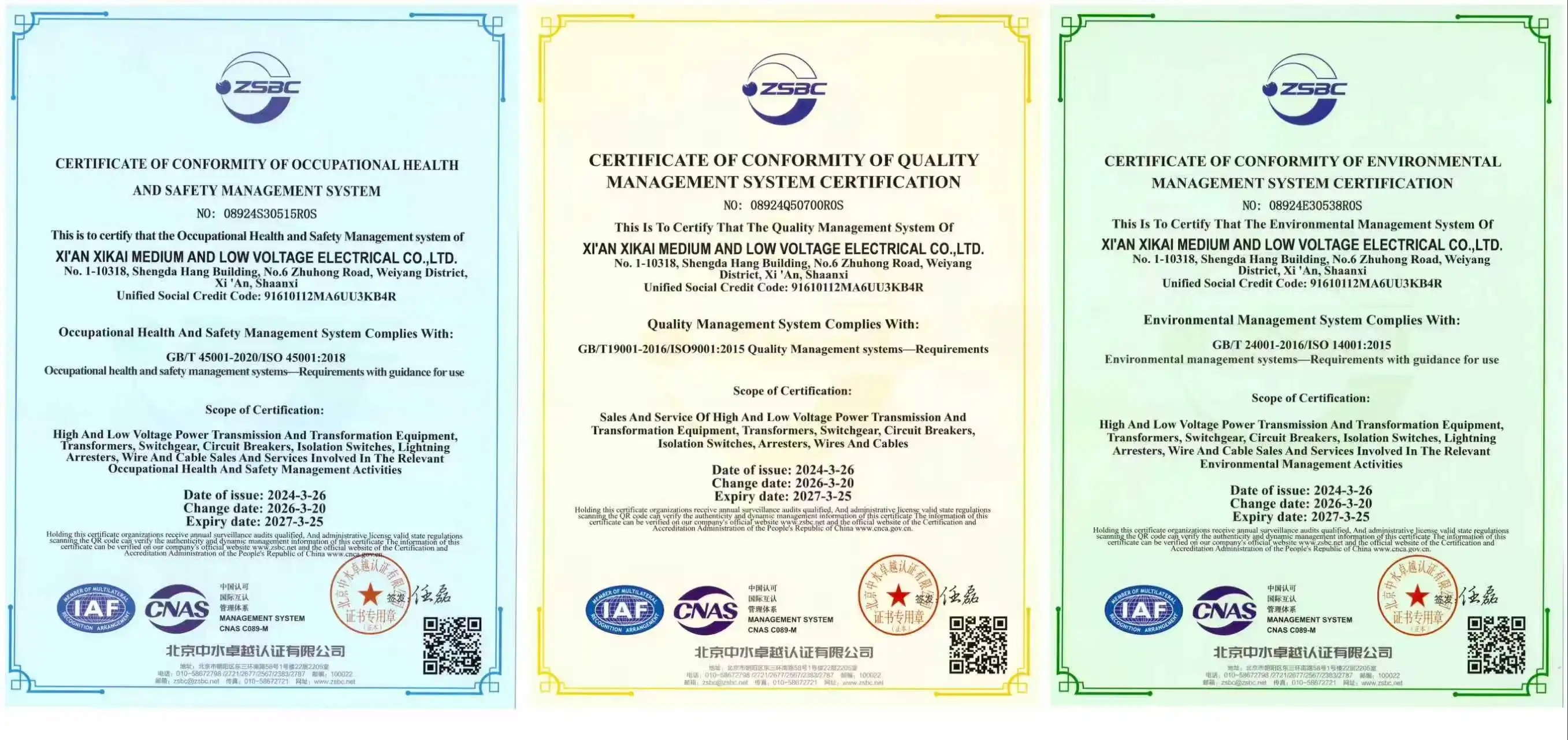
Every Current Transformer job that Xi'an Xikai Medium & Low Voltage Electric Co., Ltd. works on is backed by decades of manufacturing experience and cutting-edge engineering. Our LMZB and LFSB series products use vacuum casting, precision winding automation, and strict quality testing to give industrial facilities, utilities, and EPC companies the measurement accuracy and safety reliability they need. Our ISO 9001, ISO 14001, and ISO 45001 certifications show that we are dedicated to quality control, protecting the environment, and keeping workers safe during all stages of production. Contact our technical team at serina@xaxd-electric.com, amber@xaxd-electric.com, or luna@xaxd-electric.com to discuss your specific application requirements. We can change the ratios, mounting options, and environmental protection features within days, and we offer five-year contracts and tech help around the clock. Find out how working with a top current transformer maker can give your important systems the dependability and performance they need.
References
1. Institute of Electrical and Electronics Engineers. IEEE Standard Requirements for Instrument Transformers (IEEE Std C57.13-2016). IEEE, 2016.
2. International Electrotechnical Commission. Instrument Transformers – Part 1: General Requirements (IEC 61869-1:2007). IEC, 2007.
3. Blackburn, J. Lewis, and Thomas J. Domin. Protective Relaying: Principles and Applications. 4th ed., CRC Press, 2014.
4. Electric Power Research Institute. Current Transformer Performance in Modern Protection Systems. EPRI Technical Report 1020402, 2010.
5. Winders, John J. Power Transformers: Principles and Applications. Marcel Dekker, 2002.
6. National Electrical Manufacturers Association. Instrument Transformers (NEMA Standards Publication ST 20-2014). NEMA, 2014.