Oil Type Transformer for Substation and Industrial Use
2026-05-12 11:59:09
Oil type transformer systems are the most important part of modern power distribution systems. They change voltage reliably by using insulation and cooling systems that are submerged in oil. Mineral oil is used as both an electrical insulator and a heat transfer medium in these transformers. This lets them run continuously at high power levels while keeping the temperature stable. Facility managers who are in charge of factories, data centers, or hospital buildings need to know how these devices work in order to get the most out of their uptime and keep costs down.
 |
 |
Understanding Oil Type Transformers: Design, Functionality, and Benefits
Core Components and Working Principles
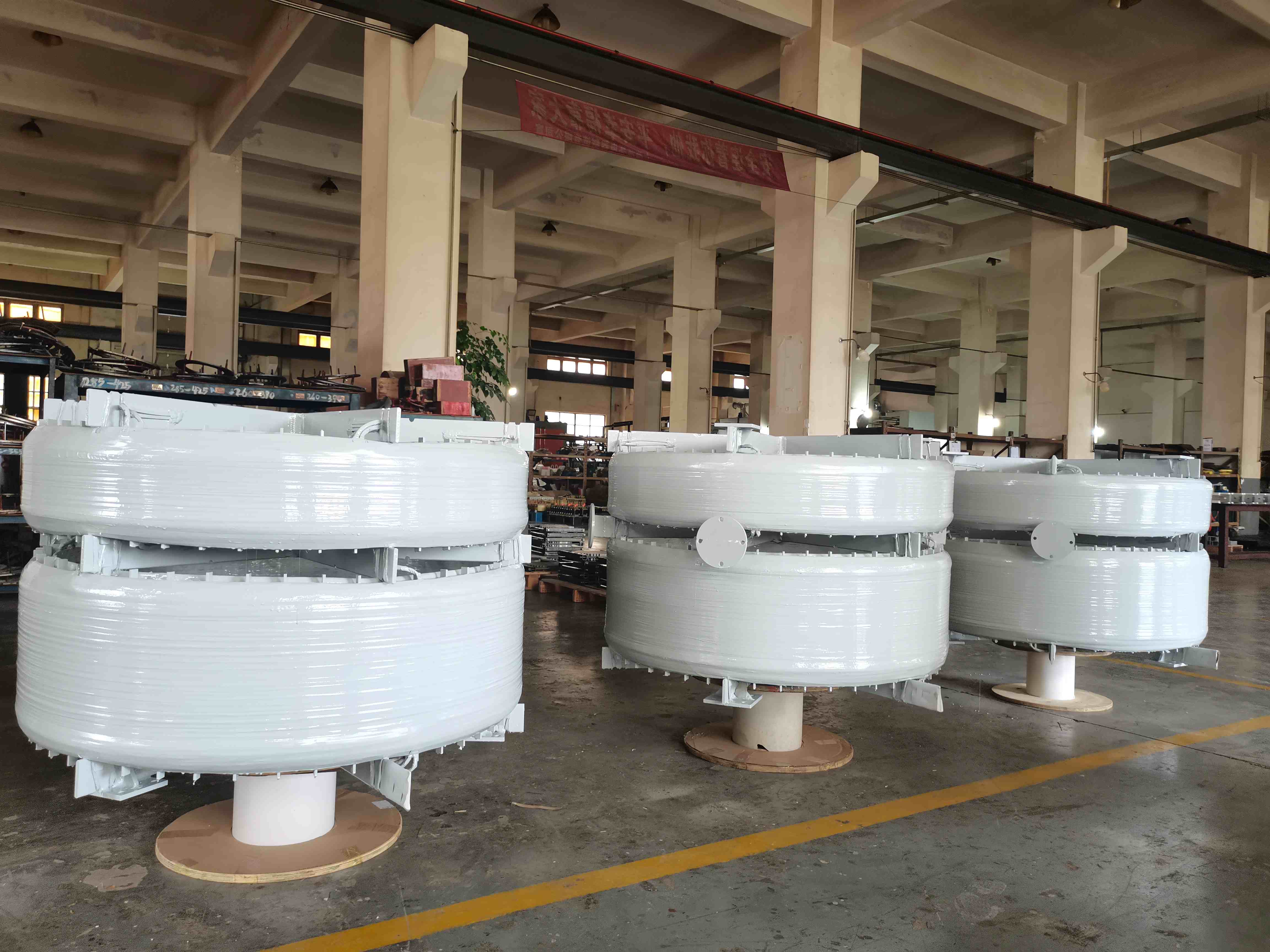
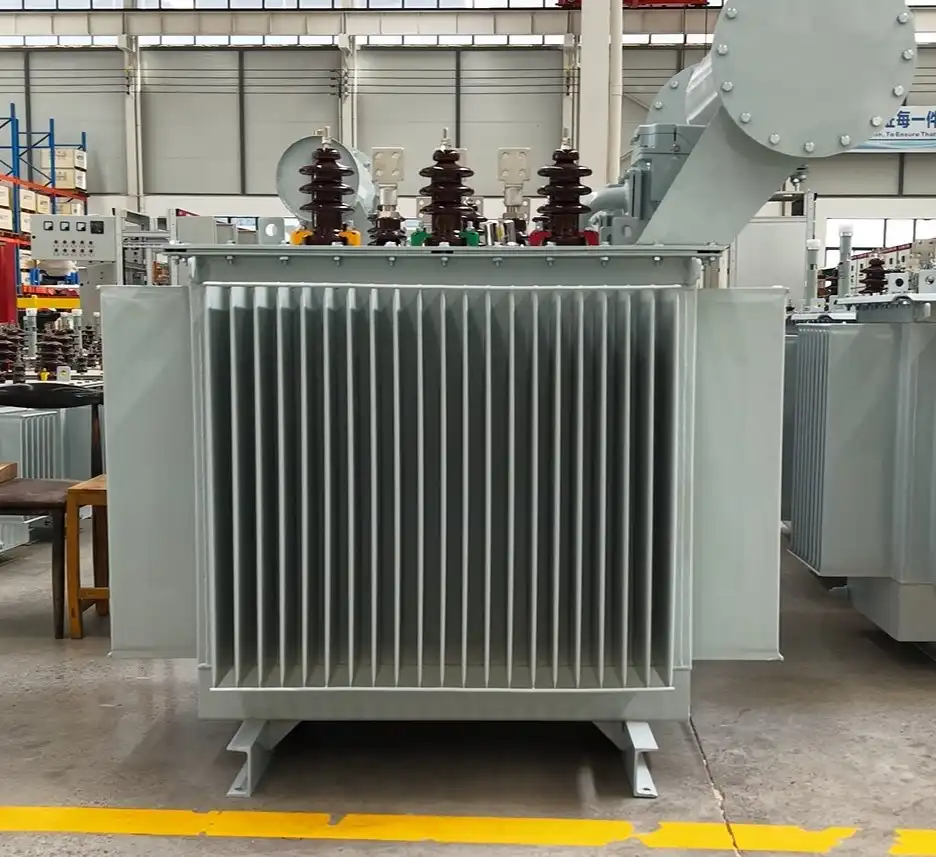
An oil-type transformer has layers of silicon steel cores that are wrapped in copper or aluminum windings. The whole thing is buried in insulating oil in steel tanks that are shut off. A magnetic field is made in the core when alternating current runs through the main winding. This field causes voltage to build up in the secondary winding. The shielding oil does two things: it keeps electrical currents from flowing between powered parts, and it moves the heat made by the process to the tank walls, where it escapes into the air. Our units can handle input voltages of 10kV, 35kV, and 110kV, so they can meet a wide range of needs in substations and factories. We use grain-oriented steel cores that lower hysteresis losses, which is why our high-capacity models have efficiency scores of over 99%. This way of thinking about design solves a problem that a lot of large-scale operations have: energy waste during change processes that has a direct effect on running budgets.
Types of Transformer Oil and Industry Standards
Mineral oil is still the most popular choice because it has a high dielectric strength (30kV per 2.5 mm gap) and can transfer heat well. Silicone-based oils are more expensive to make, but they are better at keeping fires out, which is useful in high-risk areas. Natural ester oils are becoming more popular because they break down naturally and can handle more wetness than other oils, which is especially useful in places that care about the environment. Our transformers meet world quality standards because they are made in line with IEC 60076, ISO 9001, CE, UL, and GOST-R standards. Each batch goes through 24-hour pressure tests on the welded gaps, procedures for finding leaks, and checks to make sure the dielectric strength is correct. Testing of the material shows that the core steel meets the requirements for low loss, which is usually less than 1.1W/kg at 1.5T flux density.
Key Advantages for Mission-Critical Applications
The oil-immersed design has a number of practical perks that buying teams care about. Thermal stability lets the motor keep running at full power even when the temperature rises to 65K, which is a key factor in keeping the motor from wearing out too quickly. Because they are better at keeping heat in than air-cooled options, they can be built more compactly, which saves valuable floor space in crowded substations. When dealing with high-capacity loads between 8,000kVA and 31,500kVA, cost-effectiveness shows up. In line with EU EcoDesign standards, our improved core designs cut no-load losses by up to 30% compared to older generation units. Because they are more efficient, they use less energy each month, which saves you money in the long run. An oil type transformer, because properly maintained installations usually last 30 to 40 years.
Technical Insights and Maintenance Tips for Reliable Operation
Diagnostic Techniques for Oil Quality Monitoring
Keeping the oil clean has a direct effect on how long a generator lasts. Every year, we suggest that you get a dissolved gas study. This checks for flammable gases that are released by electrical or thermal flaws. When checking for dielectric strength (finding the voltage needed to break down oil), results should stay above 30kV. To keep insulation from breaking down, the moisture level must stay below 30 parts per million. Routine sampling through valve ports lets labs do their work without turning off the equipment. Infrared thermography shows hot spots that mean links aren't working right or the cooling system is blocked. These preventative steps find issues before they become expensive failures. They help meet the uptime needs of data centers and hospitals where power outages have serious effects.
Routine Maintenance Procedures
Depending on how the equipment is used, oil should be changed every 5 to 10 years. We give you step-by-step instructions on how to clear, flush, and replace the tank while keeping the pressure high to keep water out. Silica gel breathers need to be checked every three months, and if the color changes, it means they are saturated with moisture and need to be replaced. Checking for leaks mainly involves checking the gaskets, bearing seals, and radiator connections. Our tanks are built to last in harsh settings, like seaside areas with salt spray, mines with rough dust, and industrial areas with chemical exposure. The IP55 grade means that the product is safe from dust and water jets coming from any direction. Overheating control includes making sure the cooling system works. Natural convection (ONAN) cooling works best for medium loads, while forced air (ONAF) setups with fan systems can handle loads as high as 31,500kVA. Early signs are given by temperature gauges and Buchholz switches, which set off alarms before thermal runaway happens.
Common Failure Modes and Prevention
Conditions of overload are the main cause of failure. Our designs can handle 150% of their normal load for two hours, which is enough time for mining or oil-and-gas activities to start up and handle surges. After this point, insulation starts to lose its effectiveness much more quickly. Load tracking devices help workers plan repairs for times when demand is low. Both oil and solid insulation get worse with age. Oxidation makes acidic chemicals that eat away at the cellulose paper that covers conductors. We use nitrogen-filled conservators to keep oil from coming into contact with air, which extends its useful life. Contamination from outside sources, like water getting in or particles getting in through a broken breather, means that oil-type transformer yards need to follow strict cleaning rules.
Comparing Oil Type Transformers with Other Transformer Technologies
Efficiency and Cost Considerations
While dry-type transformers don't pose a fire risk and are easier to comply with environmental regulations, they are more expensive to buy and have lower efficiency scores (97-98% vs. 99%+ for oil-immersed units). This 1-2% difference is very important for power users who change megawatts all the time. It's possible that a 10 MVA dry-type transformer wastes 200kW more energy than an equal oil-type transformer. This extra energy use costs thousands of dollars a year. Gas-insulated transformers take up very little room and work best when installed underground, but they need to be maintained by people who know what they're doing. Vacuum transformers work well for some industrial tasks, but they don't have the heat mass or excess capacity Oil type transformer that oil does. Our work with the steel, petroleum, and rail transportation industries shows that these units can be used in a wide range of tough situations.
Application Suitability Analysis
Our designs are resistant to earthquakes and meet the standards for Zone 4 earthquakes, which is important for industrial plants in areas where the earth is actively tectonically active. Heavy machinery can shake the tank, but the strong design doesn't damage the inside parts. Because they are quiet (below 65dB), these units can be used in places like hospitals, schools, and neighborhoods where noise pollution rules apply. With irregular loads and power changes, solar and wind farms pose their own set of problems. Our models can handle 125% of the loads that come from inverters that come and go, and the ±0.5% voltage control makes sure that the grid stays in sync. Renewable energy projects get the best return on investment when they have low loss (<3% at 30% load). Utility lines need modular systems that make it easy to add more power as needed. EcoDirective compliance is reached with amorphous core choices that are 99% efficient. Our technical support is available 24 hours a day, seven days a week. It helps utility companies handle unplanned outages so that end users who count on reliable energy delivery are not affected too much.
Procurement Guide: How to Choose and Source Oil Type Transformers
Defining Technical Requirements
For substation uses, the requirements are different from those for industrial systems. Grid stability features are important to utilities. These include safety switches that work with network fault-clearing schemes and tap changers that keep the voltage stable when the load changes. For industrial users, it's important that the system can handle localized overloads, harmonic distortion from variable frequency drives, and being able to work with on-site generators. Material choice is affected by environmental factors. Coastal sites need better tank coats that don't rust from the salt. For places above 1000 meters, you need derating or special joints to keep flashover from happening in thin air. Extreme temperatures from -40°C to 55°C are used to test the viscosity of oil. Our formulas keep the flow rate at 12mm²/s at 40°C, so there is enough movement throughout this range.
Evaluating Supplier Credentials
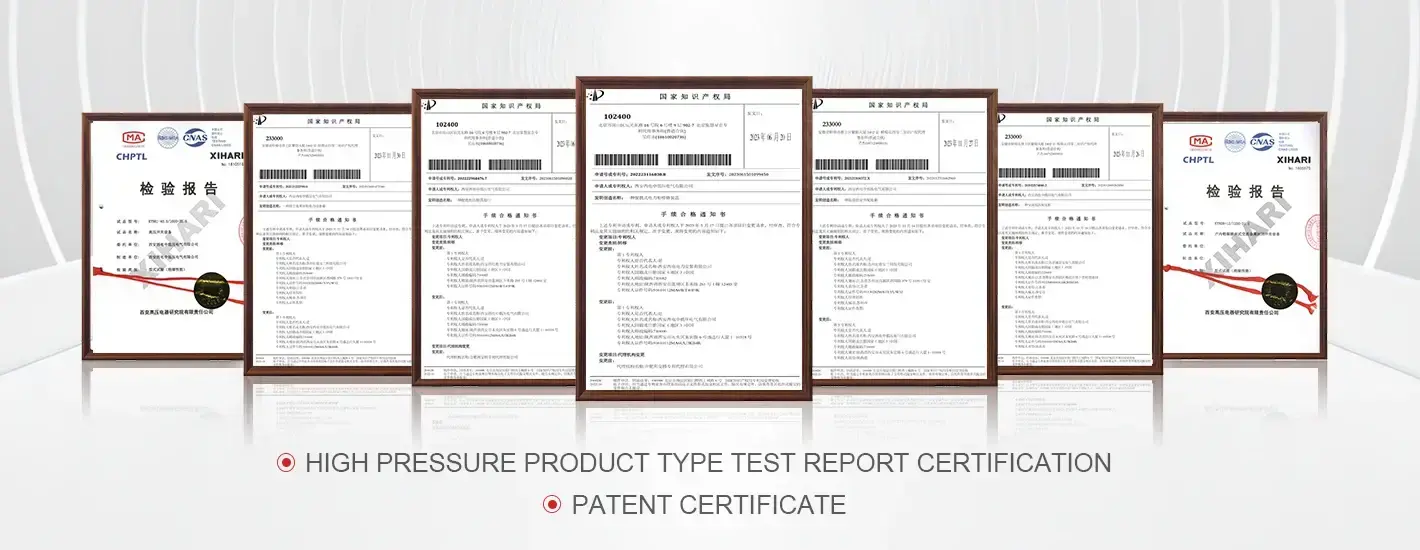
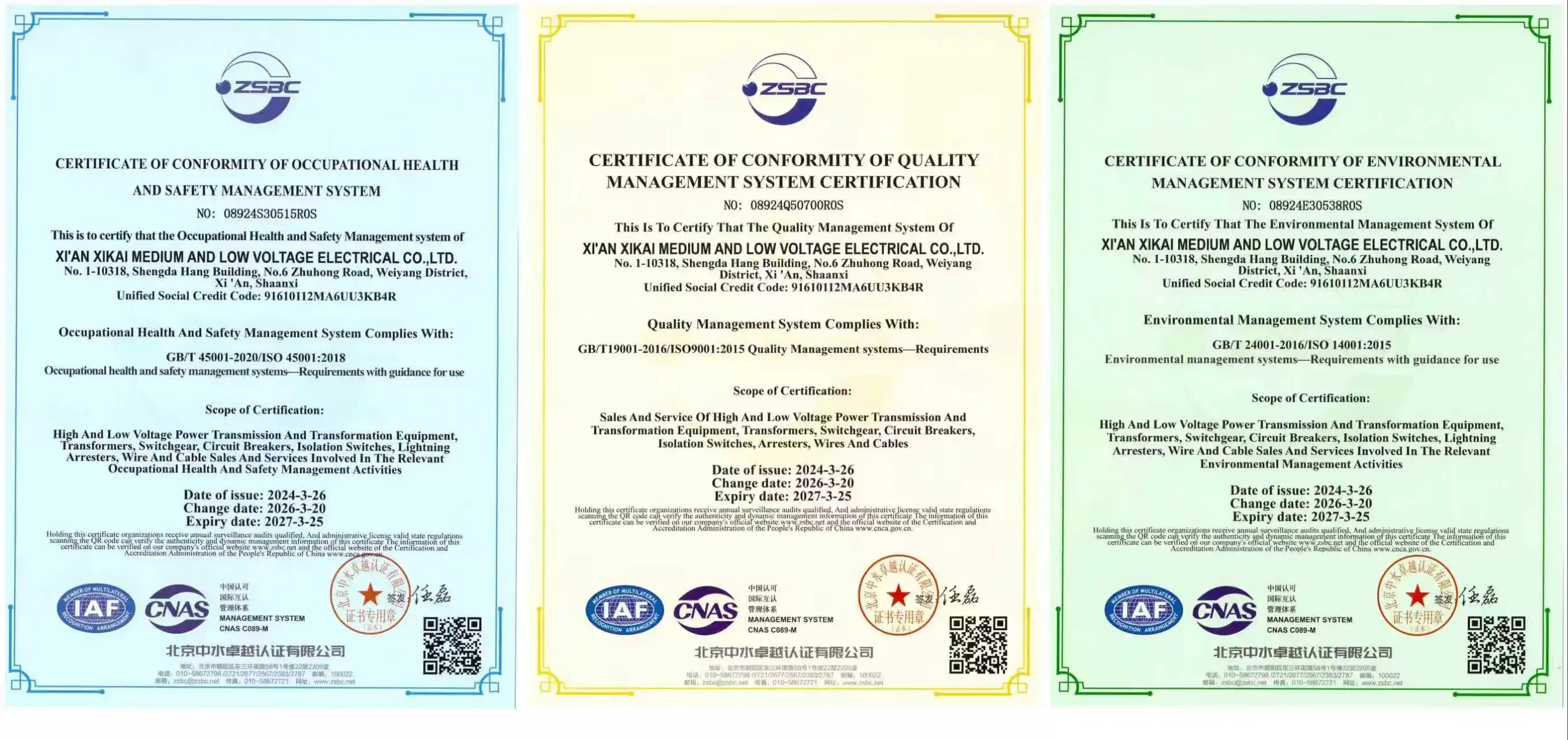
We run one of the biggest factories in China that makes medium- and low-voltage electrical equipment. We make seven main types of equipment across 34 lines and more than 100 different models. Our plateau-type equipment works reliably at heights of up to 4,000 meters, meeting the needs of places in the mountains where standard units don't work. Xi'an Xikai is an oil-type transformer manufacturer where innovations in winding patterns, cooling optimization, and smart tracking integration are protected by a number of patents. Our methods are proven by feedback from State Grid systems, power building firms, and steel and metallurgy centers. EPC companies that need parts for complete projects, like how we can customize our products. For example, we can make small units for substations in cities that don't have a lot of room, ATEX-certified transformers for dangerous areas, or special cooling systems for places with extreme weather. Ask for case studies that show how well tools worked that fit your operational description.
Understanding the Ordering Process
Depending on how complicated the design is and how busy the production line is, lead times are usually between 8 and 16 weeks. Standard stock models can be sent out more quickly than engineered-to-order specs that need to be validated for design. We give installation teams thorough plans for preparing the civil foundation, which makes sure that the sites are properly prepared before delivery. Help with installation includes starting tasks like oil samples, measuring winding resistance, testing insulation, and powering on. The 10-year warranty includes problems with the way the product was made, and for important applications, longer coverage is possible. As part of after-sales services, extra parts are stocked, emergency repairs are coordinated, an oil type transformer is used, and regular checks make sure the asset keeps running at its best throughout its lifecycle.
Future Trends and Innovations in Oil-Type Transformers
Eco-Friendly Insulating Fluids
Natural ester oils that come from plants are biodegradable and have less of an effect on the earth than mineral oils. Adoption is driven by rules about how to handle oil trash and recycle it, especially in North America and Europe. Also, these fluids are better at fighting fires—flash points above 300°C compared to 160°C for mineral oil—which lowers the cost of insurance and the quality of our oil-type transformer products. We are always looking at new fluid technologies and weighing the benefits to the environment against the need for efficiency and the overall cost effects. Some of the environmentally friendly things we do are programs to recycle oil and energy-efficient ways of making things that lower our carbon footprint without lowering the quality of our products.
Smart Monitoring Technologies
Sensors that are linked to the internet let you check the temperature, moisture level, dissolved gases, and load current of oil in real time. Trending data is looked at by predictive maintenance programs, which can predict problems weeks before they happen. This feature works great with plans to automate factories, where unplanned downtime costs a lot of money every hour. Connecting to building management systems or SCADA networks lets you see all of the spread transformer groups from one place. Utility companies can directly handle hundreds of units, which helps them make the best use of their repair crews and extra parts stock. The information gathered helps with planning the lifecycle of an asset, so choices about replacement are based on its real state rather than arbitrary age limits.
Renewable Energy Integration
Solar farms and wind sites that are linked to the power grid need transformers that can handle power flow in both directions and quick changes in load. Better insulation materials can handle voltage spikes caused by inverter switching, and more advanced tap switches can handle source variability. We work with green energy makers to meet these specific needs, which helps the world move toward more sustainable energy production.
Conclusion
Modern infrastructure depends on oil type transformer technology, which keeps transforming power in a safe and efficient manner. Procurement pros can make smart choices that protect operating continuity and keep long-term costs low by understanding design principles, upkeep needs, and application-specific factors. As environmental laws, smart tracking tools, and the growth of renewable energy all come together, they create chances to use cutting-edge solutions that protect investments in electricity distribution while also meeting sustainability goals.
FAQ
1. How often should you test the oil?
At the very least, dissolved gas measurement and dielectric strength tests should be done once a year. Hospitals and data centers are examples of high-criticality setups that should be checked every three months. Checking the moisture level of the insulation every six months keeps it from breaking down. By doing these things at these times, you can catch 90% of problems before they get worse and damage the tools.
2. Can these transformers work in very cold or very hot weather?
Through special oil formulas and thermal control systems, our units can work in temperatures ranging from -40°C to 55°C. In the desert, installations need radiators with more space, and in the cold, installations need tank heaters to keep the oil moving. The IP55 grade and resistance to humidity make the gear suitable for tropical and seaside settings where water and other contaminants can be a problem.
3. What kinds of customization are there?
We make sure that the winding configurations, cooling systems, casings, and security plans fit the needs of each application. Small forms work well in urban substations that don't have a lot of room. ATEX approval lets installations happen in areas that could explode. Seismic shielding meets the rules for earthquakes in the area. Talk to our engineering team about your particular needs, and they will help you find the best combinations that balance speed, cost, and safety.
Partner with Xi'an Xikai for Reliable Power Transformation Solutions
Xi'an Xikai Medium & Low Voltage Electric Co., Ltd. is an oil type transformer seller with more than 25 years of experience, unique technologies, and a wide range of certifications. Working together with industrial site managers, utility companies, and EPC firms, our engineering team creates unique solutions that meet all of their needs. We make units that meet your specific needs, whether you need them for difficult high-altitude installations, areas that are prone to earthquakes, or places that need quiet operation. You can email our experts at serina@xaxd-electric.com, amber@xaxd-electric.com, or luna@xaxd-electric.com to get full quotes and technical advice. We offer help from start to finish, making sure that your investment in a generator gives you the most reliability and value over its entire working life.
References
1. International Electrotechnical Commission, "Power Transformers - Part 1: General," IEC 60076-1, 2011.
2. Institute of Electrical and Electronics Engineers, "IEEE Standard for General Requirements for Liquid-Immersed Distribution, Power, and Regulating Transformers," IEEE C57.12.00, 2015.
3. Heathcote, Martin J., "The J&P Transformer Book: A Practical Technology of the Power Transformer," 13th Edition, Newnes, 2007.
4. Kulkarni, S.V. and Khaparde, S.A., "Transformer Engineering: Design, Technology, and Diagnostics," 2nd Edition, CRC Press, 2012.
5. European Commission, "Commission Regulation on Ecodesign Requirements for Power Transformers," EU Directive 548/2014, Official Journal of the European Union, 2014.
6. National Electrical Manufacturers Association, "Guide for Loading Mineral-Oil-Immersed Transformers and Step-Voltage Regulators," NEMA TP 2, 2018.