Where to Buy Outdoor Disconnect Switch Reliable Suppliers
2026-05-12 11:59:06
It is very important to find dependable providers of certified, long-lasting Outdoor disconnect switches for industrial plants, substations, or business buildings. An Outdoor disconnect switch is the most important safety measure for cutting off power to electrical lines during repairs or emergencies. Trusted makers use strong engineering and global safety standards to make sure that your power infrastructure stays up and running even when the weather is bad. This guide makes it clear where to find good disconnect switches, how to judge sellers, and which technical specs are most important for the success of your project.
 |
 |
Understanding Outdoor Disconnect Switches: Key Insights for Buyers
An Outdoor disconnect switch separates live electrical circuits, which lets repair and emergency shutdowns happen safely and keeps people and equipment safe from electrical dangers. Outdoor disconnect switch models have to deal with pollution, temperature changes, humidity, UV rays, and temperature extremes, while indoor models work in controlled settings. These switches stop the flow of electricity automatically, not when the circuit is loaded, like circuit breakers do. They can be operated by hand or by a motor.
Core Functions and Safety Role
The main job is to make an obvious space of air between live wires and equipment so that techs can work on systems that are not live. When scheduled maintenance or a fault occurs, workers open the disconnect to create a physical break that keeps the power from being turned back on by mistake. This device is very important in substations where voltages can hit 40.5kV to 252kV. This means that the equipment has to be able to keep its structure when it is exposed to electrical stress and bad weather.
Types of Outdoor Disconnect Switches
Fusible disconnect switches protect against overcurrent by isolating the fault and stopping it with replacement fuse elements. Non-fusible versions only focus on isolating the circuit and come with their own safety features. Specific safety requirements are met by waterproof and lockable models. Lockout/tagout compliance stops illegal operation, and weatherproof shelters keep interior parts from getting wet. Horizontal rotator designs, like the GW7 series, turn moving contacts into fixed connections. Vertical break switches, on the other hand, lift contacts up and down. Each setup is best for a different system size and way of doing things.
Operational Principles and Code Compliance
To open an Outdoor disconnect switch, you have to break the electrical path between the contacts. This makes an air gap big enough to handle the system voltage. Hot-dip galvanized steel frames don't rust, and drive systems made of stainless steel (pins, bushings, and bearings) last for decades without breaking down. Following the rules set by IEEE C37.32 and IEC 62271-102 ensures that the equipment can work with grid equipment and follows the safety rules required by the National Electrical Code (NEC) and OSHA. Flexible busbar links can adapt to changes in temperature and avoid mechanical stress that could damage electrical contact.
Criteria for Selecting the Best Outdoor Disconnect Switch
To pick the right gear, you need to look at how long it will last, how much power it needs, the outdoor disconnect switch, and whether or not it is certified. A mistake here could lead to unplanned downtime, safety violations, or a fatal loss of the equipment.
Durability and Weather Resistance
Materials need to be able to handle UV damage, salt spray in coastal areas, and temperature changes from -40°C to +85°C. Hot-dip galvanized steel parts are more resistant to rust than coated ones, which crack when the temperature changes. Aluminum metal profiles help heat escape while weighing less, which makes placement on tower structures easier. Silicone-coated insulators keep their insulating strength even in dirty places where dust and moisture make paths for electricity to flow. Protocols for testing should make sure that the IP65 grade for ingress protection and durability lasts for 10,000 mechanical processes without breaking down.
Electrical Ratings and Certification Standards
Rated voltage tells you the highest system voltage that the switch can safely disconnect. For example, choosing a 252kV-rated unit for a 230kV grid gives you the safety gaps you need. Heavy-duty types can have a rated current of up to 6300A. This current must be 25% higher than the highest load current to keep the contacts from getting too hot. When there is a short circuit, the temperature stays stable for three seconds at 40kA. This makes sure that the structure can handle fault currents without breaking. UL rating, CE marking, and GB/T approval are all signs that these performance claims have been checked by a third party, which lowers the risk of buying them.
Comparative Analysis: Disconnect Switches vs. Circuit Breakers
Circuit breakers instantly cut off fault currents with arc-quenching mechanisms, but disconnect switches have to be operated by hand or by motor mechanisms and can't put out sparks when they're loaded. Circuit breakers should be used to switch loads and protect against faults. Disconnect switches should be used for obvious isolation during repair. Fuse switches do both jobs at a lower cost, but the fuses need to be replaced every time a fault happens. By knowing these differences, you can avoid choosing the wrong tools for situations that need it to be able to break loads.
Tailoring Selection to Application Needs
Low-resistance contacts are needed in factories with CNC machines because voltage spikes that damage precise equipment are stopped by loop resistance below 100ohms. Data centers need to be able to put things on both sides so that they can have multiple power lines and fewer single points of failure. Utility substations put a lot of effort into grading rings and shields that make the best use of the electric field and keep nearby communication systems from being affected by radio frequency interference. By matching technical specs to practical needs, the Outdoor disconnect switch will work reliably for the full 30 years that it was made to last.
Top Reliable Suppliers and Brands for Outdoor Disconnect Switches in 2026
When you work with well-known makers, you can be sure that you'll have access to ideas that have been tried and tested over many years. Global leaders mix their tech know-how with full help after the sale.
Recognized Global Manufacturers
Siemens makes modular disconnect switches that have gas-insulated substations built right in. These are great for installations in cities where space is limited. The quick-make and slow-break devices in Eaton's Outdoor disconnect switches prevent arcing from happening while they're in use. ABB is an expert in making ultra-high-voltage disconnectors for 500kV cable lines that have built-in fault detection software. Schneider Electric offers pre-engineered options in North America that meet the needs of utilities. In seaside areas, GE's composite insulator designs cut down on the time between repair visits. Cutler Hammer and Square D both offer affordable choices for business buildings that need to meet UL 98 standards.
Xi'an Xikai: Advanced Solutions for Demanding Applications
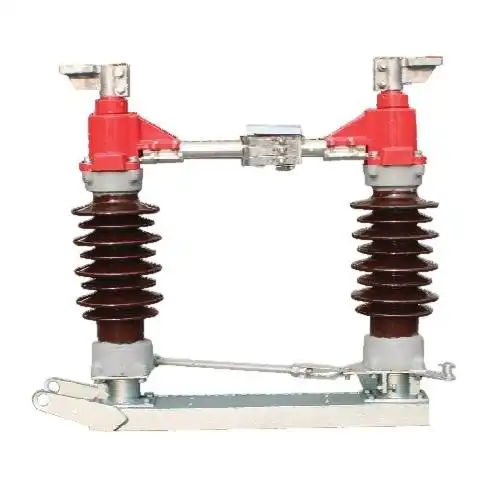
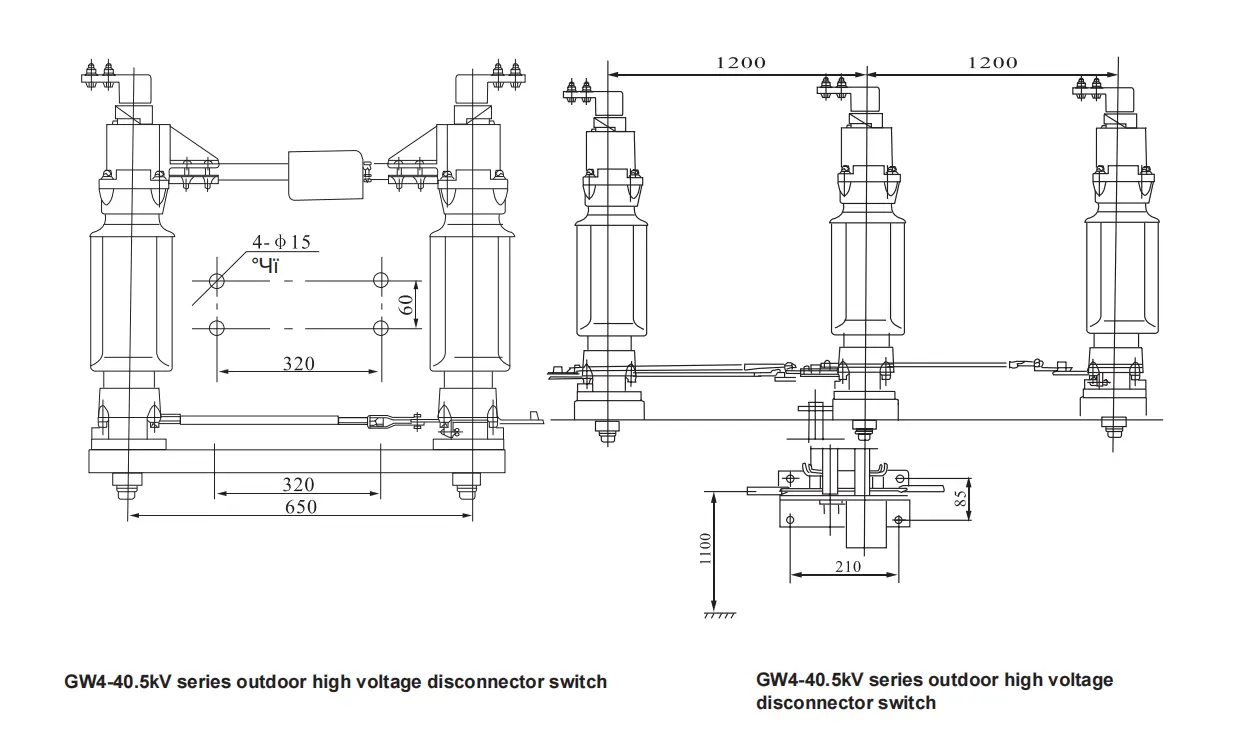
Xi'an Xikai stands out as a specialist in making Outdoor disconnect switches that are designed for high-voltage transmission networks. Our GW4 High Voltage Disconnect Switch can handle recommended voltages of 40.5kV to 252kV and currents of up to 6300A, making it perfect for industrial and utility substations. Stainless contact springs that are squeezed from the outside keep the pressure steady, which stops arcing that wears out contacts too quickly. On-site repair is easier when copper plates are bent because techs can get to the connection points without taking apart big parts. Mechanical wear is kept to a minimum by short friction movement during operation, which means that repair intervals can be longer than 15 years.
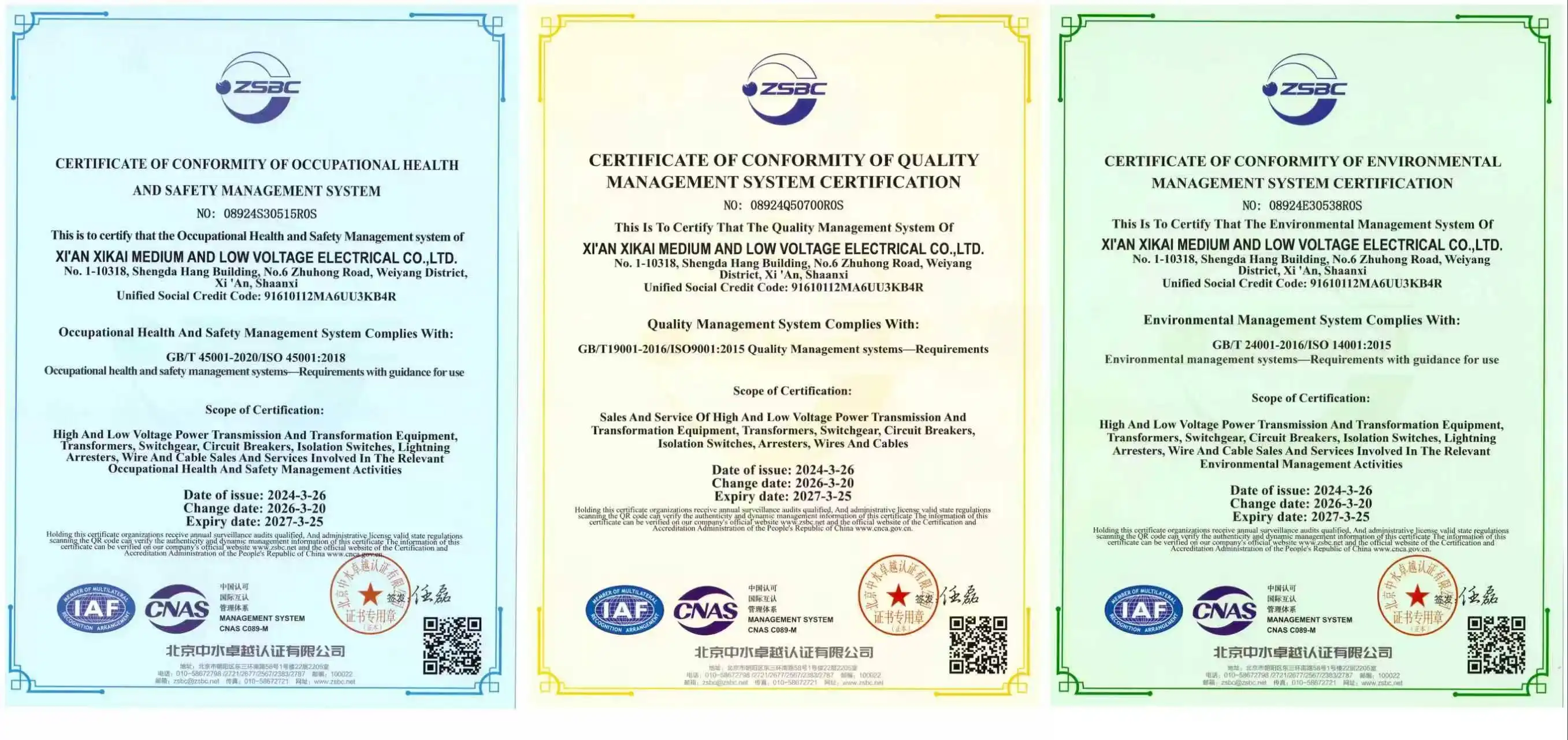
Grading bands and shields are used at touch points in the design to make the electric field distribution work best and stop corona discharge and electromagnetic interference. The optional dual-side mounting works with the layout of the center and keeps you from having to make expensive structural changes. Frames made of hot-dip galvanized steel can stand up to hurricane-force winds and ice loads that are more than 50 mm thick around the edges. Certifications include IEC 62271-102, IEEE C37.32, ISO 9001, CE, and GB/T standards, which make sure that the product meets the needs of foreign buyers. Our plateau-rated versions work regularly at elevations of up to 4,000 meters, which makes them perfect for mountainous areas with their unique difficulties.
Because they have been making things for over 20 years, Xi'an Xikai is a reliable partner for State Grid projects, petrochemical buildings, and green energy installations. We offer custom solutions, such as putting in smart monitors to check on the state of things and setting up motorized systems with SCADA control from afar. Because we can adapt, we are a reliable Outdoor disconnect switch source for projects that need both high-quality expert help and quick response times.
Locating Authorized Distributors
Authorized wholesalers keep stock on hand so that products can be shipped right away. This cuts wait times from months to weeks. Check the qualifications of the distributor by looking at the websites of the manufacturers that show approved partners. When you order more than one unit, wholesale prices change. For projects with more than ten switches, bulk savings of 15 to 30 percent apply. Ask for papers called "certificates of conformity" that show the goods were tested in the plant according to the rules that apply.
Authenticating Products and Warranties
Electrical equipment that isn't real is very dangerous. Real Outdoor disconnect switches have unique numbers that can be traced back to records of how they were made. Nameplates with UL listings have file numbers that can be checked by going to UL's online database. Most warranties cover problems with the material or the way it was made for five years. For mission-critical uses, guarantees that last up to ten years can be added. Response times from suppliers show how reliable they are; reputable companies promise to acknowledge technical help requests within 48 hours and have extra parts available within 30 days.
Step-by-Step Guide to Buying from Reliable Suppliers
Streamlining buying starts with being clear about what is needed and ends with delivering compliant tools on time.
Defining Project Specifications and Volume
First, write down the system voltage, fault current levels, and external factors such as temperature, pollution level, and height. Indicate the mounting direction (horizontal or vertical) and the size of the usable footprint. Figure out how many units you need, keeping in mind that spares will cost 10% of the total cost of the purchase. Detailed specs keep providers from having to make expensive changes and make sure that their quotes are comparable.
Requesting and Evaluating Quotes
Send requests for quotations (RFQs) to three approved providers, asking them to give you prices that include the cost of the equipment, shipping, and help with commissioning. Look at the total cost of ownership—lower prices up front might hide care costs or shorter lifespans. When comparing delivery dates to project goals, keep in mind that special setups have eight-week production wait times. Service-level agreements should Outdoor disconnect switch promise expert support on-site during installation and warranty periods that cover both work and parts.
Negotiating Bulk Orders and Managing Logistics
When you commit to buying a lot of something, you can get better prices. Putting together various purchase orders for different stages of a project leads to economies of scale. Talk about payment terms that balance cash flow with seller risk. A 30% deposit, 60% upon delivery, and 10% after commissioning are good terms for everyone. Coordinate shipping through freight forwarders who know how to handle high-voltage equipment, and make sure that the right packing keeps earthquake damage from happening. Harmonized tariff numbers (8535.30 for switches over 1kV) and compliance papers are needed to get through customs. For emergency substitutes, expedited shipping by air freight costs three times as much as sending by sea.
Installation, Maintenance, and Safety Tips
The Outdoor disconnect switch is most reliable when it is installed correctly and kept up to date with regular maintenance.
Installation Protocols and Safety Precautions
Refer to the assembly instructions provided by the maker for information on the necessary foundations, bolted connections' torque requirements, and clearance lengths as outlined in NEC Article 110.34. Do high-potential (hi-pot) tests at 80% of the maximum lightning impulse withstand voltage to make sure the insulation is still good before turning it on. According to IEEE 80 rules, all metal containers should be grounded so that the resistance is less than 5 ohms. Lockout/tagout methods must physically stop work while they are being installed. This keeps workers from accidentally turning on the power, which could hurt them.
Wiring Diagrams and Technical Support
Manufacturers offer single-line designs that show how to connect terminals, wire auxiliary switches, and control circuits for motor mechanisms. In three-phase setups, the phasing must be right; reversing the wires leads to flashover when the power is turned on. Get expert teams from suppliers to do pre-commissioning reviews to make sure that installations meet the requirements set out in the plan. Remote video help speeds up troubleshooting without sending workers to the site, which cuts reaction times from days to hours.
Routine Maintenance and Troubleshooting
Check Outdoor disconnect switches every six months, looking for pitting or darkening on the contact areas that could mean they are getting too hot. Check the loop resistance. Values higher than 120μΩ for 3150A-rated units mean that the joints are worn out and need to be re-torqued or replaced. Molybdenum disulfide grease rated for -40°C should be used to grease moving parts once a year. Motorized operators should be tested between 85% and 110% of their rated voltage to make sure they work reliably even when the voltage at the power company changes. Every five years, silicone grease should be changed in sealed bearings to keep them running smoothly. These steps make tools last longer than 30 years and stop unexpected breakdowns that cost thousands of dollars an hour in lost work.
Conclusion
Getting Outdoor disconnect switches from reputable sellers will make sure that your electrical system works safely and without problems for many years to come. When you look at a supplier's qualifications along with technical specs like voltage rates, corrosion resistance, and licensing compliance, you can protect investments worth tens of thousands of dollars per unit. Manufacturers like Xi'an Xikai use advanced engineering and creative design to meet the specific needs of each project, from substations in the desert to industrial plants on the coast. Following organized purchase processes, such as thorough RFQs and strict commissioning procedures, lowers risks and raises the total cost of ownership. When the dependability of power affects safety and profits, working with sources you know you can trust is not only smart, it's necessary.
FAQ
1. Can I Purchase UL-Listed Outdoor Disconnect Switches Online?
Yes, approved dealers do run online stores that sell UL-listed Outdoor disconnect switches along with all the necessary certification paperwork. Check the seller's authorization state on the manufacturer's website, and before you pay, ask for proof of the serial number. Online orders work well for standard setups, but for special high-voltage uses, working directly with the maker to make sure the right specifications are met is best.
2. What Advantages Do Lockable Outdoor Disconnect Switches Offer?
Lockable types have padlock hasps built into the working handles that keep them from being used by people who aren't supposed to. This meets OSHA 1910.147 lockout/tagout requirements. During repair, each worker puts on their own lock, which keeps the circuit from connecting until everyone leaves the work area. This function is very useful in places with more than one repair crew, because it keeps people from misunderstanding each other and turning on equipment too soon.
3. How Often Should Outdoor Disconnect Switches Undergo Maintenance?
Check for rust, loose connections, and insulation cracks every six months during eye checks. As part of the yearly maintenance, the contact resistance is measured, and the gear is oiled. Every five years, full tests are done to confirm the dielectric strength and mechanical longevity. In harsh settings, like coastal salt spray or pollution from factories, checks should be done every three months. Regular repair extends the life of an asset and makes sure it meets safety and insurance standards.
Contact Xi'an Xikai for Expert Outdoor Disconnect Switch Sourcing
Getting trusted Outdoor disconnect switch suppliers turns buying from a problem into an edge in the market. Xi'an Xikai makes high-precision disconnect switches that can handle up to 252kV and 6300A. These switches are certified by both IEC and IEEE, which means they meet the needs of foreign projects. Our designs don't need to be maintained and are hot-dip galvanized, which cuts lifetime costs by 40% compared to other options. Our expert team gives you application-specific advice to make sure the best performance, whether you're choosing tools for a new substation or updating old infrastructure. Get in touch with serina@xaxd-electric.com, amber@xaxd-electric.com, or luna@xaxd-electric.com for full quotes, scientific datasheets, and installation references from large-scale projects. Find out why EPC companies and site managers all over North America choose Xi'an Xikai as their top Outdoor disconnect switch maker for projects that need top-notch quality and quick support.
References
1. Institute of Electrical and Electronics Engineers. "IEEE Standard for High-Voltage Switches: IEEE C37.32-2017." IEEE Standards Association, 2017.
2. International Electrotechnical Commission. "IEC 62271-102: High-Voltage Switchgear and Controlgear – Part 102: Alternating Current Disconnectors and Earthing Switches." IEC Publications, 2018.
3. National Fire Protection Association. "NFPA 70: National Electrical Code." NFPA Standards, 2023 Edition.
4. Occupational Safety and Health Administration. "Control of Hazardous Energy (Lockout/Tagout): 29 CFR 1910.147." U.S. Department of Labor, 2022.
5. Underwriters Laboratories. "UL 98: Standard for Enclosed and Dead-Front Switches." UL Standards & Engagement, 2021.
6. American National Standards Institute. "ANSI C37.30: Definitions and Requirements for High-Voltage Air Switches, Insulators, and Bus Supports." ANSI Publications, 2020.