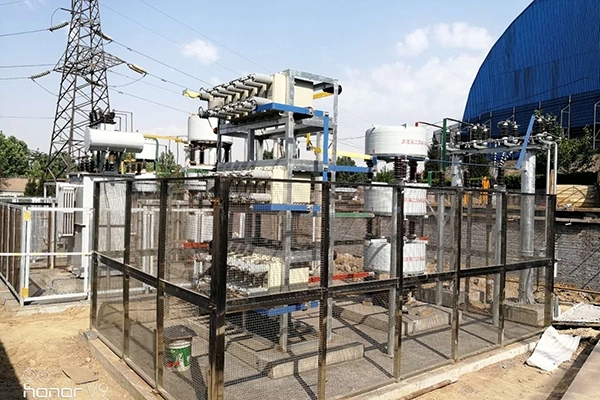
Detailed Explanation of Shunt Capacitors
2026-04-17 16:11:24
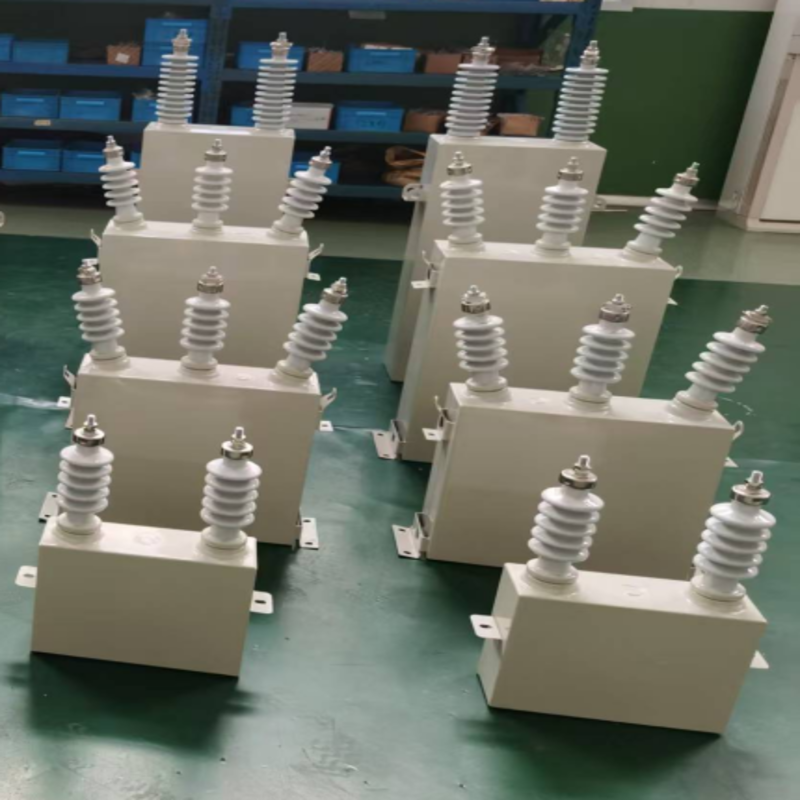
Shunt capacitors are very important parts of electricity distribution systems because they fix power factor problems that cost companies thousands of dollars every year. The Low Voltage Shunt Capacitor-square is a special type of capacitor with a flexible, rectangular housing that works best for APFC panels that don't have a lot of room. These gadgets add capacitive reactive power straight to circuits that work below 1000V. This counteracts the delayed current that is made by inductive loads like motors and transformers. Square designs, on the other hand, maximize volumetric efficiency while keeping strong thermal dissipation capabilities. These are important factors for manufacturing plants, data centers, and utility substations where dependability directly affects operational downtime.
Understanding Low Voltage Shunt Capacitor Square
What Makes the Square Design Different
The change from cylinder-shaped to rectangular capacitor enclosures is a result of real engineering needs in current electrical installations. When placed next to each other in capacitor banks, traditional round units take up too much room. Square configurations, on the other hand, can be easily integrated with busbar systems and have standard panel sizes. This geometric advantage is especially useful when building managers need to add new features to old equipment without making the cabinets bigger.
Aside from saving space, the square enclosure form also helps keep heat inside better by allowing for better stacking patterns. When many units work together in APFC systems at the same time, the flat surfaces create controlled airflow pathways that keep hotspots from forming. Here at Xi'an Xikai, our stainless steel case construction can handle temperatures from -25°C to 50°C and still keep its shape in damp factory settings.
Core Technical Specifications
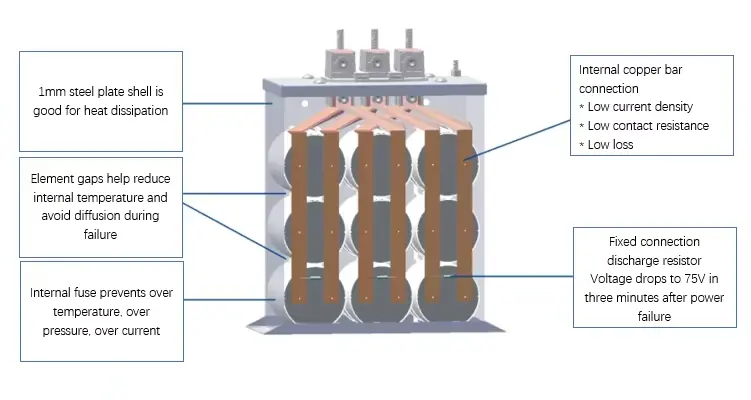
Metallized polypropylene film (MPP) dielectrics that can fix themselves are at the heart of modern capacitor technology. When voltage spikes cause tiny cracks in the dielectric layer, the metallization vaporizes around the faults in microseconds, separating the damage and instantly recovering functionality. Our 50kVAR Self-healing Capacitor for PFC-Square BKMJ works for more than 100,000 hours of steady duty cycles, which is due to this process.
Key electrical factors set the limits of performance for choices about purchases. The recommended voltages for our BKMJ series range from 100V to 1000V, and they work with both 50Hz and 60Hz systems. The dissipation factor (tan δ) shows how much energy is lost inside the capacitor. At 20°C and 50Hz, our units have values below 0.001, which means they heat up less inside and are more efficient than older designs. Specifications for capacitance tolerance usually cover a range of -5 to +10%. This makes sure that the reactive power supply matches the system estimates correctly.
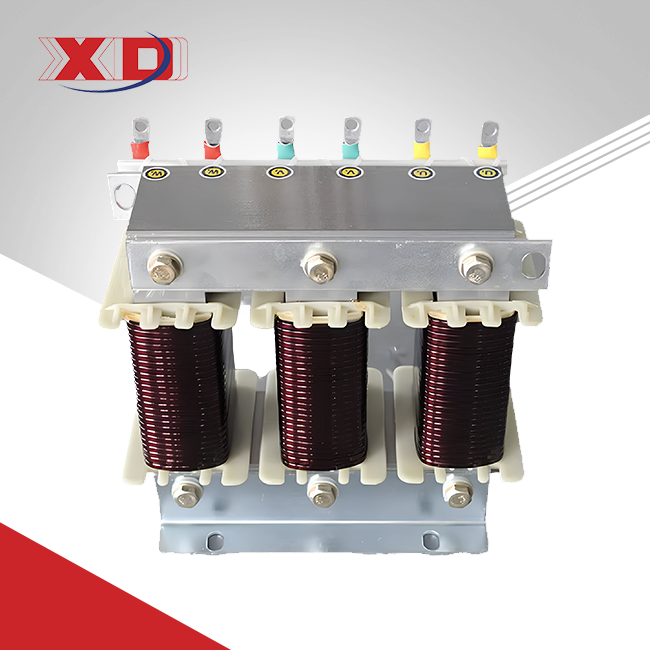
Different types of connections are used depending on the needs of the electrical design. There are different voltage levels and grounding methods that can be used with delta (D), star (Y), star with neutral (YN), and independent triple-phase (III) setups. The size of a terminal block increases proportionally with its power rating. For example, M6 terminals are best for smaller capacities, while M10 bolts can handle higher current loads that are linked with 50kVAR or higher.
Comparing Low Voltage and High Voltage Applications
Voltage classification is a key factor in determining how to build something and what kind of use it is best for. Capacitors with ratings below 1000V are used for point-of-use correction close to individual loads or centralized APFC screens in the electrical rooms of a building. These low voltage units use dry insulation systems that use resin impregnation or harmless gas filling. This gets rid of the fire risks that come with oil-filled designs that are required by some building codes.
When working at transmission or main distribution levels, high voltage capacitors over 1000V need different insulation coordination and safety limits. Utilities put these devices in substations to control the flow of reactive power across the whole grid. Low voltage versions of these devices fix power quality problems that only affect certain pieces of equipment. Knowing the difference between these two types of capacitors keeps you from making mistakes when you're buying them. For example, ordering a 10kV capacitor when your 400V motor control center needs to be fixed wastes money and time and makes things more complicated than they need to be.
Applications and Benefits of Low Voltage Shunt Capacitor Square
Industrial Manufacturing Environments
The Low Voltage Shunt Capacitor-square improves power factor in factories, reducing penalties and transmission losses. It stabilizes voltage for CNC and robotic systems, handles high surge currents, and supports harmonic filtering with reactors, extending equipment life and preventing unexpected production interruptions.
Commercial Building Systems
In commercial facilities, the Low Voltage Shunt Capacitor-square supports HVAC loads, stabilizes voltage, and lowers demand charges. It operates quietly and meets fire safety standards, making it suitable for data centers, hospitals, and microgrids integrating renewable energy sources with dynamic power requirements.
Quantifiable Energy Savings
The Low Voltage Shunt Capacitor-square reduces current flow and resistive losses, cutting energy costs significantly. Power factor correction lowers demand charges and eliminates penalties, while improved thermal performance extends equipment lifespan, reducing maintenance expenses and ensuring long-term operational efficiency.
Procurement Insights: Selecting and Buying Low Voltage Shunt Capacitor Square
Critical Selection Parameters
When looking for reactive power compensation tools, procurement experts have to weigh the needs of professional users against the needs of businesses. To choose a voltage grade, you must first find the baseline system voltage. Common industrial standards are 400V, 480V, or 690V. Capacitors should be perfectly matched to the system voltage because operating at too high of a voltage speeds up dielectric aging and operating at too low of a voltage doesn't produce enough reactive power.
The correction ability is based on the reactive power output, which is recorded in kVAR. To get the right size, you need to look at the facility's load profiles using power quality monitoring tools that record the real power factor under all working situations. If you make capacitor banks too big, the power factor could be too low during times of low load, which could cause voltage to rise and harmonic resonance to happen. When you undersize, you don't fix the reaction power costs. Our expert team helps with load studies to make sure that the right size is chosen based on how things are used.
Environmental requirements should be carefully looked over. When operating above 2000 meters, derating is needed because the lower air density makes it harder for cooling and insulating to work together. At elevations of up to 4000 meters, our plateau-type equipment still works as it should, meeting the needs of sites in hilly areas. Temperature rates have to take into account the conditions of the installation site. Our normal temperature range of -25°C to 50°C works for most indoor uses, while special versions can handle harsh climates.
Evaluating Manufacturers and Suppliers
There are both well-known names and new companies making capacitors in the global market, and each one offers a different set of benefits. ABB and Siemens both offer full system integration services with a lot of application engineering support. These services are perfect for complicated setups that need to coordinate a lot of different types of equipment. Schneider Electric focuses on digital connectivity features that let building control systems be used for remote tracking. Eaton focuses on flexible solutions that make it easier to add on to existing systems and fix problems.
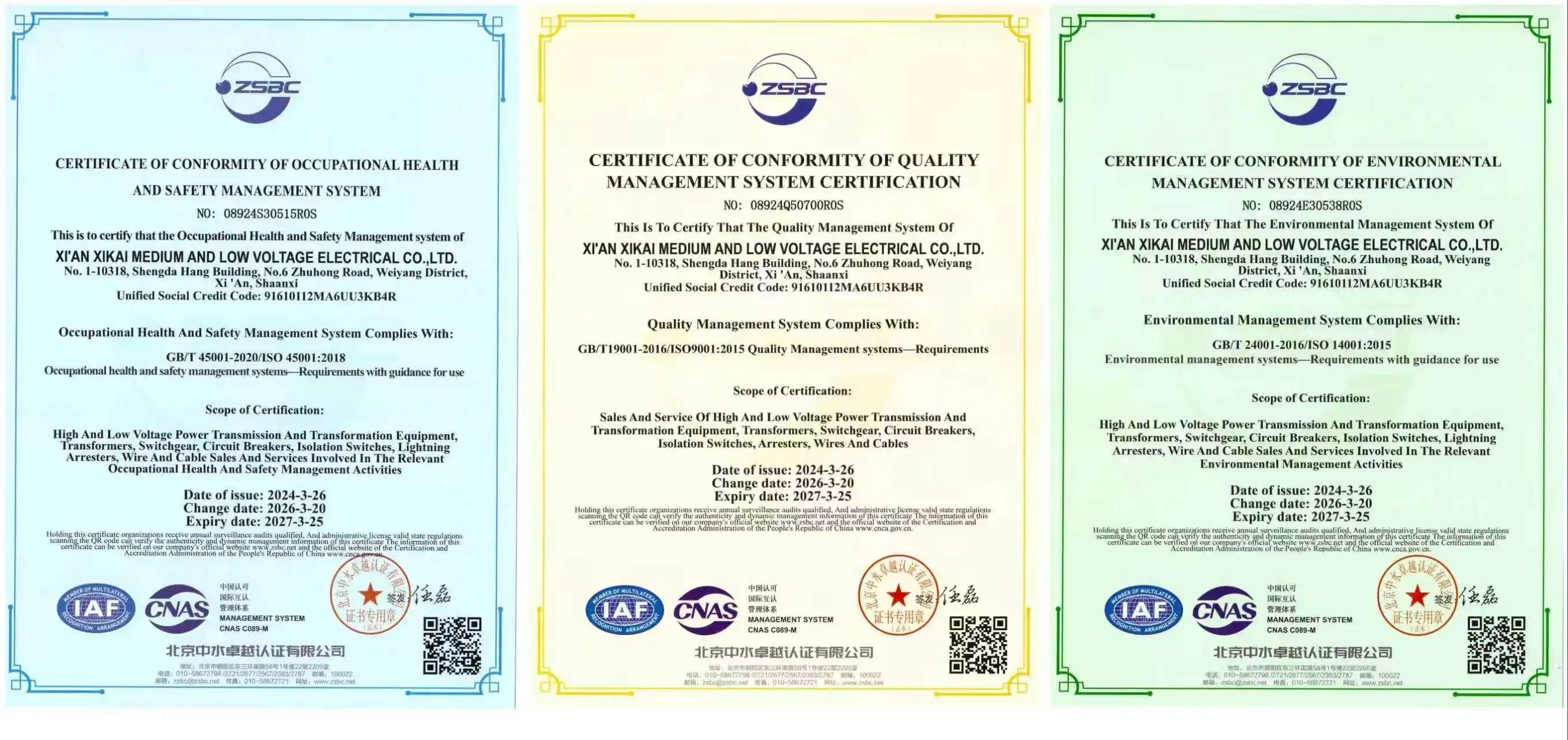
Chinese companies, like Xi'an Xikai, have a competitive edge because they can make things more efficiently and easily by customizing them. Our production base makes 34 types of equipment in 7 main groups. This lets us offer coordinated solutions when projects for capacitors, switchgear, or transformers happen at the same time. Getting ISO 9001, 14001, or 45001 certifications shows that you care about quality management and being good to the environment, which is required by international buying standards.
Total cost of ownership is affected by warranty terms and the availability of expert help in a big way. During the important early operational time, comprehensive warranties that cover material flaws and early fails lower the risk. Our technical support is available 24 hours a day, seven days a week. It includes installation guides, starting schedules, and troubleshooting steps that make you less reliant on outside workers during the startup phase. This help is very helpful when project deadlines are tight and problems need to be solved quickly.
Commercial Considerations
The prices for buying capacitors change depending on how many you order, when you need them, and how you want them to be customized. Standard catalog units usually ship between 4 and 6 weeks from the factory, but wait times are longer for designed solutions that use special voltages or terminal configurations. As the unit power level goes up, the minimum order quantity usually goes down. For example, 50kVAR modules usually ship by themselves, while smaller 10kVAR units may need to be bought in groups to get the best freight rates.
Discounts for large purchases encourage consolidation of purchases across multiple sites. Setting up framework deals that cover expected annual needs is good for EPC firms and system designers because it gets them better prices and still leaves room for project-specific changes. Payment terms are usually normal in the industry. Deposits hold production spots, and the rest is due when the goods are shipped or the commissioning process is finished.
Installation, Maintenance, and Troubleshooting Guide
Safe Installation Practices
Proper installation of a Low Voltage Shunt Capacitor-square ensures safety and performance. Maintain spacing, correct conductor sizing, and proper connections. Use coordinated protection, grounding, and current-limiting measures to handle inrush currents and prevent damage to equipment during operation.
Preventive Maintenance Protocols
Routine maintenance of a Low Voltage Shunt Capacitor-square includes visual inspections, annual electrical testing, and thermal monitoring. Cleaning dust and controlling environmental conditions prevent overheating and insulation damage, extending service life and reducing unexpected failures in industrial and commercial applications.
Troubleshooting Common Issues
Effective troubleshooting of a Low Voltage Shunt Capacitor-square addresses fuse trips, voltage instability, and early failures. Harmonic analysis, system adjustments, and proper configuration help resolve issues, while detailed records and supplier support ensure quick recovery and long-term operational reliability.
Performance and Innovation: Future Trends in Shunt Capacitors
Advanced Materials and Smart Technologies
Capacitor technology is changing to increase energy efficiency, make them last longer, and add tracking features. Nanotechnology-enhanced dielectric films have better self-healing and breaking strength, which lets them handle more power in the same size and shape. These materials can work at high temperatures, which means they can be used in tough settings where bigger units or special cooling systems were needed before.
Predictive repair plans can be used with smart capacitor controllers that include IoT connection. Embedded sensors constantly check the temperature, voltage, and current and send the information to cloud platforms, where machine learning algorithms look for signs of wear and tear. Predictive analytics predict how much longer something will work, which guides replacement plans during planned downtimes instead of having to deal with problems that happen out of the blue. This feature is especially useful for sites that run ongoing processes and where unplanned downtime can cost a lot of money.
Materials that are better for the earth and recycling systems for old things are both developed with sustainability in mind. Modern dry-type systems do not use shielding oils that contain old chemicals that are now restricted by regulations. Recycling metal containers and following sorting methods to get back useful materials have a smaller effect on the environment and are in line with new rules that require producers to take more responsibility in global markets. These innovations help make buying choices more in line with companies' sustainable goals, which is having a bigger effect on how vendors are chosen.
Market Evolution and Buyer Expectations
Trends in industrial automation change how reactive power management is done. Dynamic VAR compensators and static synchronous compensators (STATCOMs) are better than traditional fixed capacitor banks because they respond faster and can be adjusted continuously. These high-tech systems are good for places where the load changes quickly or where strict power quality standards require bigger investments. Conventional capacitor technology is still the best choice for stable load patterns where decisions are based on ease, dependability, and cost-effectiveness.
The growing use of renewable energy means that grid-stabilization solutions are needed to handle the changing patterns of production. For voltage steadiness and grid code compliance, wind farms and solar panels need reactive power support. When compared to over-sized inverter rates that give up active power output for reactive power, capacitor banks are a more cost-effective option. Combining capacitors with active power electronics in hybrid systems improves performance across all working situations while keeping costs low over the whole life of the system.
More and more, procurement plans focus on the total cost of ownership, which includes the price of acquisition, the cost of installation, the cost of upkeep, and the expected service life. Smart buyers know that high-quality equipment that lasts longer and works better often represents a better deal than cheap options that need to be replaced more often. Our manufacturing know-how and patented ideas created through partnerships like China's 863 Program allow us to offer this perfect mix of low prices and high quality.
Conclusion
When capacitor systems are properly installed and kept, reactive power control brings big operational and financial benefits to both industrial and commercial settings. The Low Voltage Shunt Capacitor-square form is the result of better engineering that takes into account room limitations, thermal management, and the need for installation freedom in modern buildings. Knowing about technical specs, application needs, and buying factors helps you make smart choices that maximize your return on investment and guarantee reliable performance over long service lives. As electrical systems change to include digital tracking and renewable energy, capacitor technology keeps getting better through new materials and smart integration features, so it can still be used in complete power quality strategies.
FAQ
1. What kind of power factor increase can I expect when I put in capacitor banks?
By installing capacitors of the right size, most manufacturing sites can raise their power factor from 0.70-0.80 (lagging) to 0.95-0.98. This increase cuts energy demand charges by 15 to 25 percent and gets rid of power factor penalty fees. The actual results depend on the features of the load and how well the adjustment equipment is sized.
2. In general, how long do Low Voltage Shunt Capacitor-square units last?
High-quality capacitors with self-healing technology can work for more than 100,000 hours under normal settings. Longevity is affected by things in the environment, such as temperature changes, harmonic distortion levels, and switching frequency. With regular upkeep and the right use, service life can be extended, and many installations work effectively for more than 15 years.
3. Should I hire professionals to install the capacitors, or can I do it myself?
For proper sizing, security planning, and safety compliance, capacitor installation needs to be done by someone who knows a lot about electricity. Installation work should only be done by licensed electricians who know the rules in your area. Manufacturers like Xi'an Xikai offer full installation guides and expert support to help trained people follow the right steps. This cuts down on the need for specialized contractors and ensures successful commissioning.
Ready to Optimize Your Power Factor Correction System?
Xi'an Xikai Medium & Low Voltage Electric Co., Ltd. is a specialized Low Voltage Shunt Capacitor-square manufacturer. They offer tried-and-true options for State Grid systems, steel metallurgy, petrochemicals, and green energy. Our 50kVAR Self-healing Capacitor for PFC-Square BKMJ blends patented self-healing technology with a strong stainless steel build. It works reliably at elevations of up to 4000 meters and stays in good shape from -25°C to 50°C. We offer full support from the initial design stage through completion and beyond, with ISO-certified production, strict testing methods, and setups that can be changed to meet your exact voltage, terminal, and connection needs. You can email our expert team at serina@xaxd-electric.com, amber@xaxd-electric.com, or luna@xaxd-electric.com to talk about your reactive power compensation needs and get personalized suggestions that will help your building be more efficient, follow the rules, and have the lowest total cost of ownership.
References
1. Institute of Electrical and Electronics Engineers, "IEEE Standard for Shunt Power Capacitors," IEEE Std 18-2012, Institute of Electrical and Electronics Engineers, New York, 2012.
2. International Electrotechnical Commission, "Power Capacitors - Part 1: General - Performance, Testing and Rating - Safety Requirements - Guide for Installation and Operation," IEC 60831-1:2014, International Electrotechnical Commission, Geneva, 2014.
3. National Electrical Manufacturers Association, "Shunt Power Capacitors," NEMA CP1-2017, National Electrical Manufacturers Association, Rosslyn, 2017.
4. Dugan, Roger C., Mark F. McGranaghan, Surya Santoso, and H. Wayne Beaty, "Electrical Power Systems Quality, Third Edition," McGraw-Hill Education, New York, 2012.
5. Das, J.C., "Power System Analysis: Short-Circuit Load Flow and Harmonics, Second Edition," CRC Press, Boca Raton, 2011.
6. Arrillaga, Jos, and Neville R. Watson, "Power System Harmonics, Second Edition," John Wiley & Sons, Chichester, 2003.