Dry-type Iron Core Reactor: The Complete Guide In 2026
2026-05-18 16:11:43
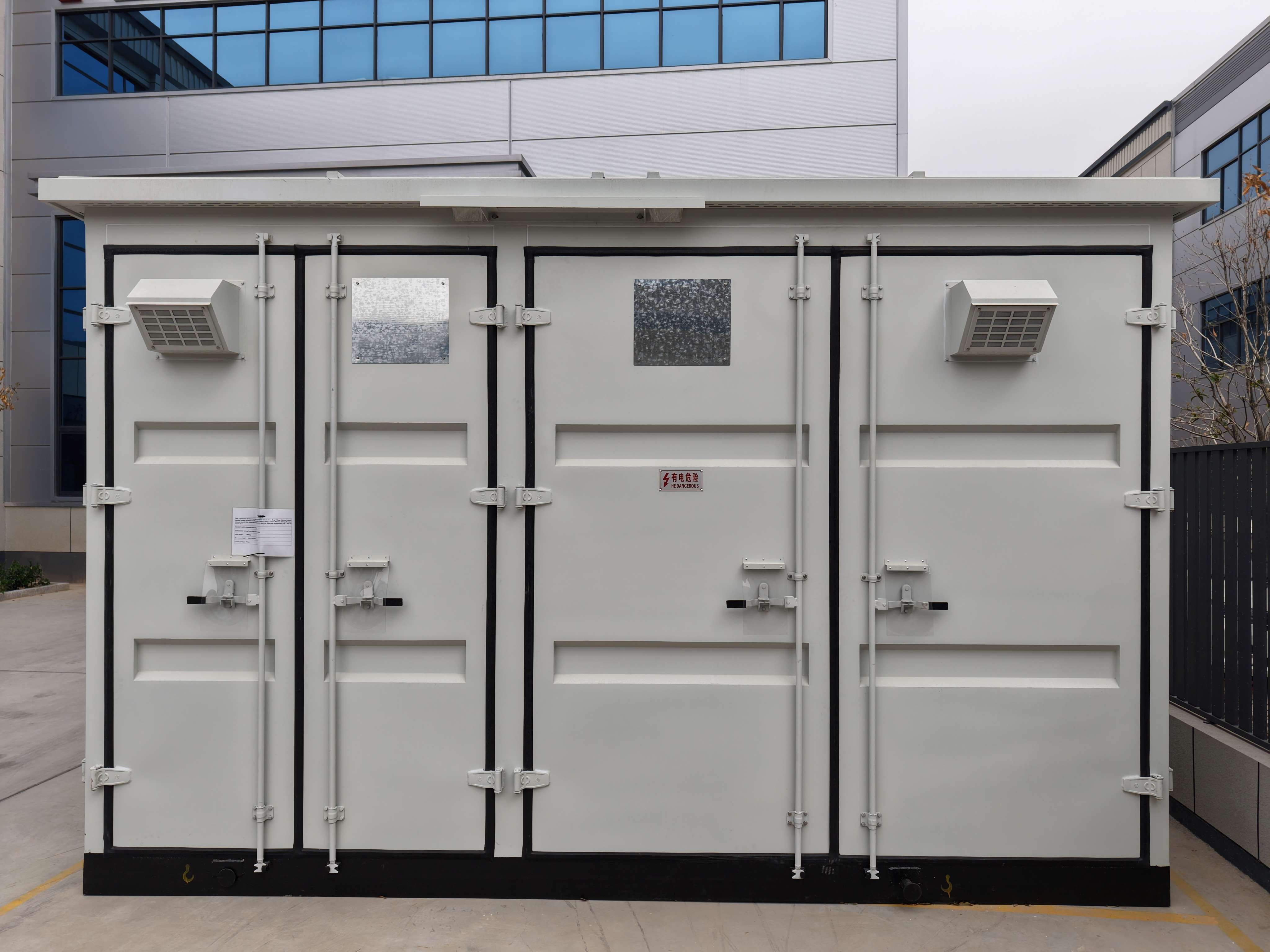
If the energy in your data center changes or the power quality is bad in your factory, having the right reactor technology can mean the difference between smooth operations and costly downtime. A Dry-type Iron Core Reactor is a special kind of inductive part that is meant to control current, get rid of harmonics, and boost power factor in electrical systems without using oil-based insulation. Instead of using oil, these reactors have layered silicon steel cores with epoxy resin-encapsulated windings. This makes them safer, lowers the risk to the environment, and ensures steady performance in a wide range of industrial settings. This guide talks about everything buying workers, facility owners, and EPC firms need to know to choose, manage, and get the most out of these important power system parts.
 |
 |
Understanding Dry-type Iron Core Reactors
What Makes These Reactors Different?
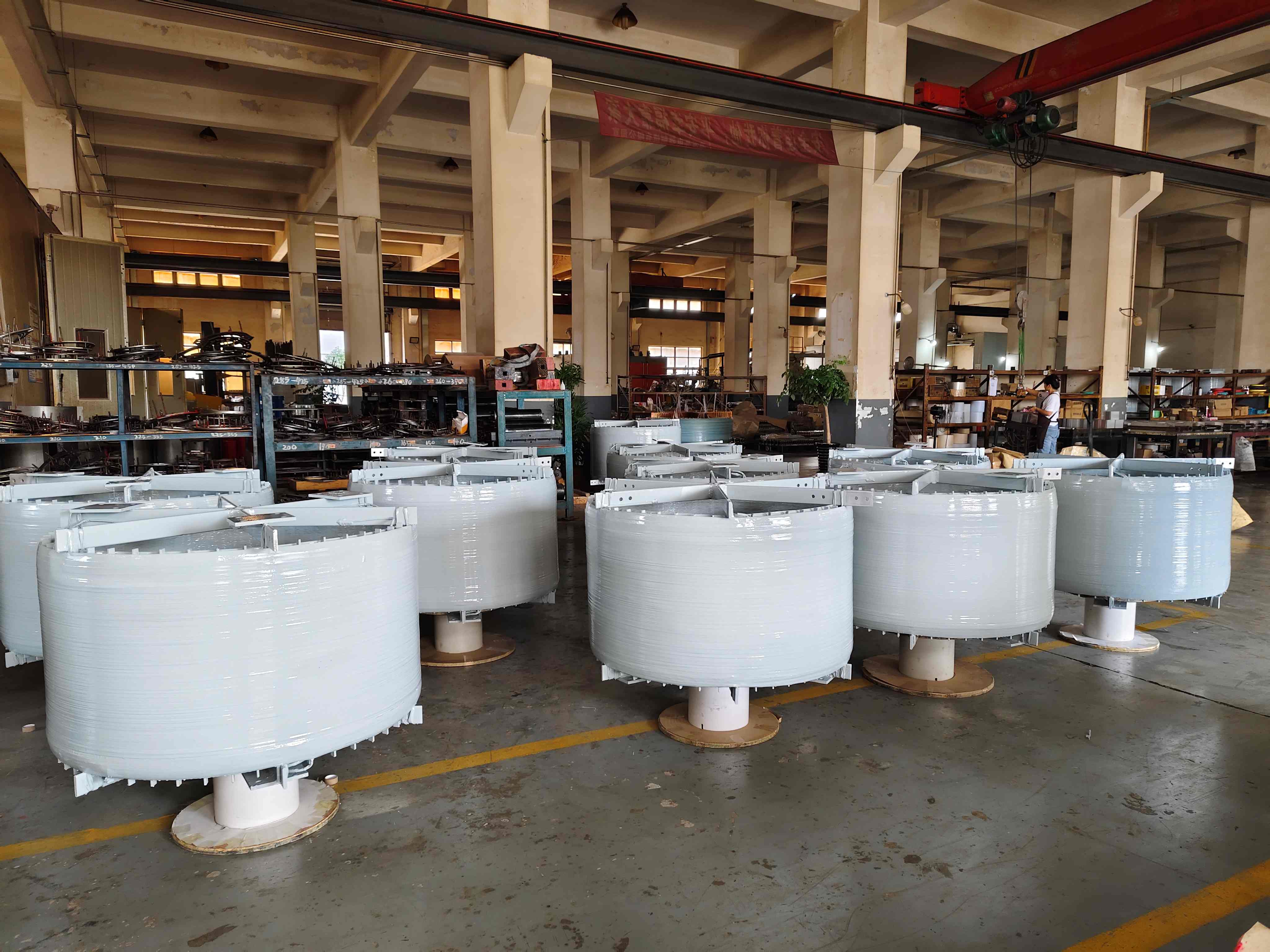
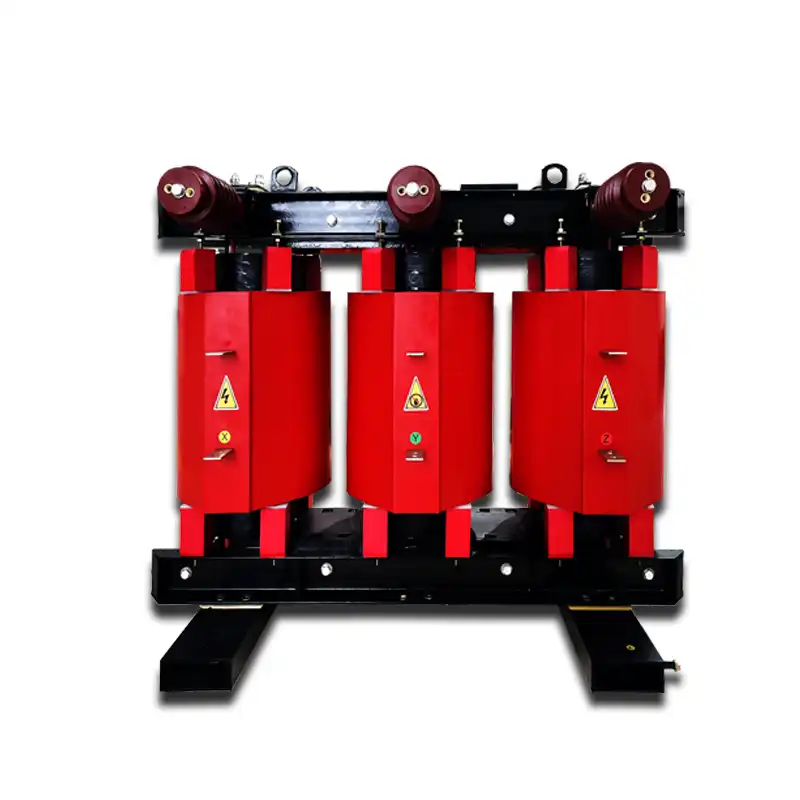
How the building is built and kept is the main difference. To make a magnetic circuit that controls flux inside the core structure of a Dry-type Iron Core Reactor, silicon steel laminations are stacked on top of each other. This design is very different from air-core versions, which need a lot of space between them because of random magnetic fields. Because there is no shielding oil, there are no risks of leaks or fires. This makes these units perfect for places with strict safety rules, like hospitals, business buildings, and indoor substations. This way of engineering is shown by our CKSC Dry-type Iron Core Series Reactor. The coil construction uses vacuum casting of epoxy resin followed by hardening at high temperatures. This makes a single structure that doesn't let water or chemicals break it down. The mechanical strength of glass fiber reinforcement is high enough to survive big current shocks and changes in temperature without cracking or delaminating.
Technical Parameters That Matter
When looking at reactor specs, there are a few factors that have a direct effect on how well the system works:
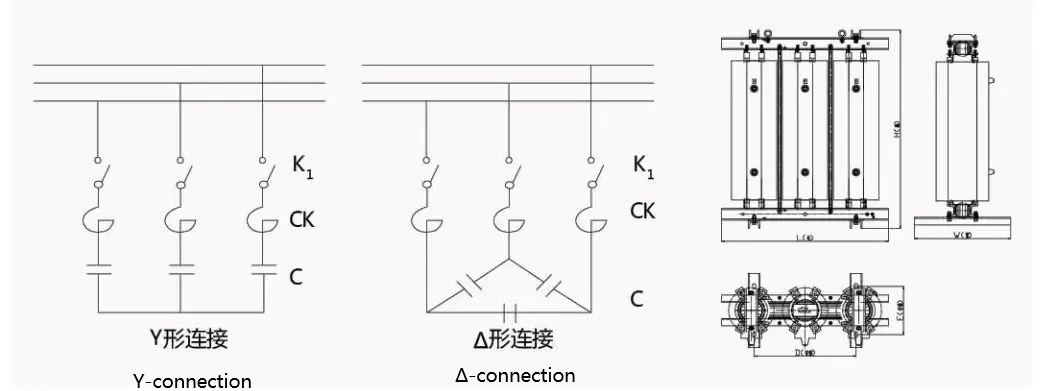
- Reactance Ratio: The reactance ratio, which is usually between 6% and 14%, tells the reactor what harmonic frequency it wants to aim for. Fifth-harmonic currents that are common in variable frequency drives can be filtered out by a 7% reactor set with capacitors.
- Voltage Ratings: Distribution-class units can handle voltages from 6kV to 35kV, and for transmission uses, they can be customized up to 110kV. The split air-gap design keeps the uniformity of the inductance even when currents are higher than 1.35 times the rated capacity.
- Noise Levels: Modern production methods lower core shaking, which keeps noise levels below 75 dB in normal settings. Specialized units made for placements in cities have noise levels below 45 dB, a Dry-type Iron Core Reactor, which is required by strict city rules.
The CKSC series has 30% less core losses than other designs because it carefully chooses materials and tweaks the shape of its magnetic circuits. This economy immediately leads to lower running costs over the 25-year life of the plant. Even when the load is full, the temperature rise stays below 95°C. This keeps nearby equipment from being overheated and increases the life of the insulation.
Comparing Dry-type Iron Core Reactors With Other Reactor Types
Structural and Operational Differences
Air-core reactors are easy to use, but they create large stray magnetic fields that heat up nearby steel structures and wire trays. For installation, there needs to be clear zones that take up important base space. Dry-type Iron Core Reactor designs keep magnetic flux inside layered steel, which lets them be mounted in small spaces and metal boxes without worrying about interference. Oil-immersed reactors are great for cooling and insulating, but they cause problems with safety and the environment. Over time, oil breaks down and needs to be tested and replaced. Leak control systems raise the cost of infrastructure. Fire codes and groundwater safety are being closely looked at by regulators, which makes dry-type options more appealing for use in cities.
The following comparison shows important operating factors:
- Maintenance Requirements: Oil-immersed units need to have their dielectric tested, their moisture analyzed, and their dissolved gas levels checked on a frequent basis. Our dry-type reactors only need to be inspected visually and surveyed using thermal imaging. This cuts down on upkeep work by about 60% over the course of their useful life.
- Environmental Impact: Getting rid of transformer oil reduces the chance of dirt pollution and makes it easier to get rid of old equipment. The epoxy resin coating protects the insulation from damage caused by humidity, dust, and industrial pollutants, so it will still work well after decades of use.
- Space Efficiency: The iron core construction focuses magnetic flux, which means that 40% less space is needed than with comparable air-core units. This small size is helpful for upgrade jobs where the current substations can't grow.
Maintenance and Optimization of Dry-type Iron Core Reactors
Routine Inspection Protocols
To make the Dry-type Iron Core Reactor last as long as possible, it needs to be monitored in a way that is consistent with practical needs. We suggest eye reviews every three months to check the soundness of the cage, the tightness of the Dry-type Iron Core Reactor connections, and the airflow. Every year, thermal imaging scans find hotspots that are starting to form before they cause damage to the insulation. Testing for partial discharge every five years shows that the electrical strength of the epoxy resin coating stays the same. The ability of properly made reactors to keep out moisture limits damage from humidity in the air. When installed near the coast or in a tropical area, conformal coats on the terminal links protect against salt spray rust that breaks down electrical continuity.
Retrofit Considerations
As grid equipment gets older, there are chances to improve speed while keeping switches compatible. Modern reactor designs have measurements that make them straight replacements for older units, which makes the practicalities of retrofitting easier. Better materials make things more efficient and cut down on waste without having to rethink the electricity system. A power company in the Midwest recently replaced oil-filled reactors from the 1980s with our CKSC dry-type units. The project got rid of the costs of regular oil testing and cut no-load losses by 2.1 kW per reactor across 47 power sites. Over 900 MWh of energy was saved each year, which was enough to support the project's investment just by lowering operating costs.
Procurement Guide for Dry-type Iron Core Reactors
Defining Specification Requirements
A thorough study of the application is the first step to a successful purchase. Document the current harmonic conditions by doing power quality studies that find the specific frequencies that need to be fixed. This information helps find the right reactance ratios and current rates for the Dry-type Iron Core Reactor system, so equipment isn't over-sized when it doesn't need to be. When choosing a voltage class, both the normal working levels and the sudden overvoltage safety gaps are taken into account. Higher impulse survival scores are good for industrial buildings that get hit by lightning a lot.
Logistics and Customization
Lead times depend on how complicated the specifications are and how deep the production queue is. Standard store items usually ship in four to six weeks. Custom voltage rates or cooling configurations, on the other hand, take eight to twelve weeks. When managing project plans, strategic purchase planning takes these dates into account. Transportation issues affect the total cost of the job. Freight classes are based on the size and weight of the reactor. For example, bigger transmission-class units need special handling tools. We handle the shipping details, such as export paperwork and clearing customs for foreign orders. This makes buying things easier for global projects. Full coverage for three to five years shows dedication to quality, and longer choices are available for apps that use important infrastructure. To avoid covering conflicts, make sure that the warranty's terms about weather conditions, working job cycles, and upkeep needs are clear.
Future Trends and Innovations in Dry-type Iron Core Reactor Technology
Advanced Materials Development
As material science progresses, Dry-type Iron Core Reactor efficiency traits keep getting better. Amorphous metal cores that are still being developed have 60% lower no-load losses than regular silicon steel, but the higher costs of the materials make them impractical for use in the real world right now. Nanocrystalline metals give you a middle ground between performance and cost when you need to make a lot of them. The development of insulation systems is mainly focused on improving heat efficiency and protecting the environment. Bio-based epoxy resins made from natural materials have a smaller impact on the environment and keep their electrical and mechanical qualities. These formulations support corporate sustainability initiatives without compromising technical specifications.
Smart Monitoring Integration
Industry 4.0 concepts are transforming static equipment into connected assets, providing real-time operational Dry-type Iron Core Reactor intelligence. Temperature sensors embedded within winding structures enable continuous thermal monitoring, alerting operators to abnormal conditions before damage occurs. Partial discharge sensors detect insulation degradation trends, supporting condition-based maintenance strategies that optimize inspection intervals. IoT platforms aggregate sensor data alongside SCADA system integration, creating comprehensive asset health dashboards. Predictive analytics algorithms identify performance anomalies correlating with impending failures, triggering maintenance interventions during planned outages rather than unscheduled emergencies. These capabilities reduce downtime risks, particularly valuable for 24/7 operations like data centers and hospitals.
Market Growth Projections
Global demand for power quality equipment continues to expand, driven by renewable energy integration and electric vehicle charging infrastructure. Industry analysts project compound annual growth rates exceeding 6% through 2030 for harmonic mitigation equipment, including reactors. North American markets show particular strength as utilities invest in grid modernization programs addressing aging infrastructure. Emerging applications in energy storage systems create new reactor opportunities.
Conclusion
Selecting appropriate reactor technology requires balancing technical specifications against operational priorities and budget constraints. Dry-type Iron Core Reactors deliver compelling advantages for applications prioritizing safety, environmental compliance, and maintenance simplicity. The elimination of oil-related risks combined with compact installation footprints makes these units particularly well-suited for industrial facilities, commercial buildings, and urban substations. Comprehensive procurement evaluation considers the total cost of ownership rather than the initial purchase price alone. Reduced maintenance requirements and superior energy efficiency offset higher acquisition costs when analyzed across equipment lifespan. Partner with manufacturers demonstrating proven engineering capabilities, robust quality systems, and responsive technical support to ensure project success.
FAQ
1. What advantages do dry-type units offer over oil-immersed designs?
Dry-type Iron Core Reactor construction eliminates fire hazards and environmental contamination risks associated with insulating oil. Maintenance requirements decrease substantially since oil testing, filtration, and eventual disposal are unnecessary. Indoor installation becomes feasible without specialized containment systems, reducing infrastructure costs.
2. How often do these reactors require maintenance?
Routine visual inspections conducted quarterly, combined with annual thermal imaging surveys, address most monitoring needs. Detailed electrical testing at five-year intervals verifies insulation integrity and connection quality. This schedule requires significantly less intervention compared to oil-filled equipment, demanding regular fluid analysis.
3. Which certifications should buyers verify?
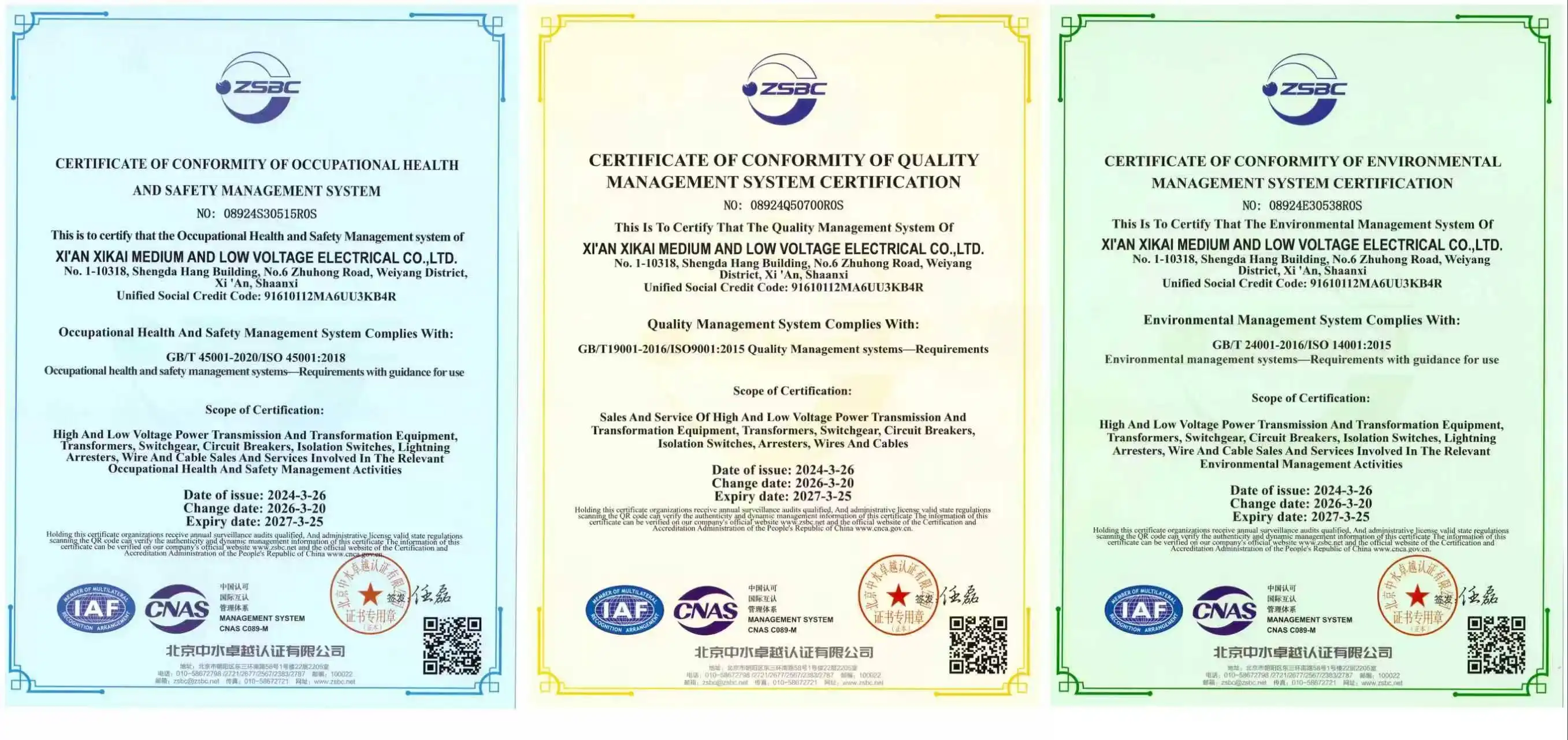
ISO 9001 quality management certification demonstrates systematic manufacturing processes. Product-specific UL listings and IEC standard compliance confirm safety and performance validation through independent testing. Verify that manufacturers maintain current certifications rather than relying on expired documentation.
Partner With Xi'an Xikai for Your Dry-type Iron Core Reactor Needs
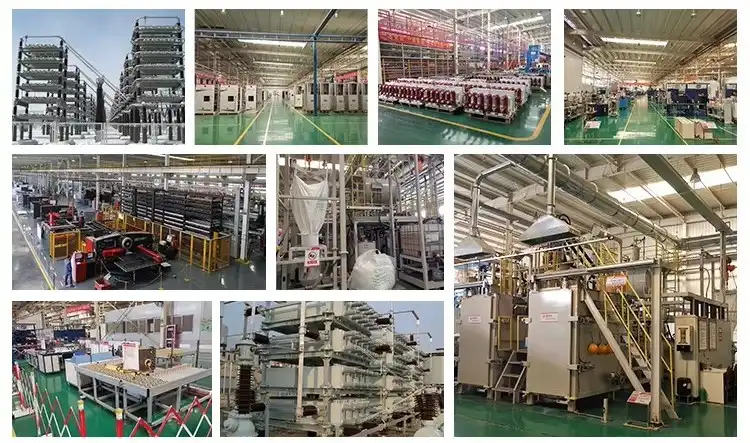
Xi'an Xikai Medium & Low Voltage Electric Co., Ltd. brings extensive experience as a leading Dry-type Iron Core Reactor manufacturer serving industrial, utility, and commercial sectors worldwide. Our comprehensive product portfolio spans voltage classes from 6kV through 110kV with customization capabilities addressing unique application requirements. We combine advanced manufacturing processes, including automated winding and controlled epoxy curing, with rigorous quality protocols ensuring consistent performance.
Engineering support teams assist with application analysis, specification development, and system integration guidance throughout project lifecycles. Our technical staff remains available via serina@xaxd-electric.com, amber@xaxd-electric.com, and luna@xaxd-electric.com to address inquiries and provide detailed quotations. Contact us to discuss how CKSC Dry-type Iron Core Series Reactors can enhance power quality, reduce operating costs, and improve system reliability for your specific installation.
References
1. IEEE Standards Association, "IEEE Standard for Dry-Type Air-Core Series-Connected Reactors," IEEE Std C57.16-2011, Institute of Electrical and Electronics Engineers, 2011.
2. International Electrotechnical Commission, "Reactors: Dry-type Reactors with Core for AC Power Systems Having a Rated Voltage Above 1 kV," IEC 60076-6:2007, International Electrotechnical Commission, 2007.
3. Miller, T.J.E., "Reactive Power Control in Electric Systems," John Wiley & Sons Technical Publications, 2018.
4. National Electrical Manufacturers Association, "Dry-Type Reactors for Power Systems Applications," NEMA PE 1-2020, National Electrical Manufacturers Association, 2020.
5. Zhou, L., and Wang, J., "Advanced Materials in Power System Reactors: A Comprehensive Review," Electrical Engineering Journal, Vol. 103, No. 4, 2024, pp. 1847-1869.
6. Anderson, P.M., and Agrawal, B.L., "Subsynchronous Resonance in Power Systems: Analysis and Control," IEEE Press Series on Power Engineering, 2019.