YH10W-216/562W Lightning Arrester Polymeric MOA for AC system
How to Use Iron Core Series Reactors to Prevent Resonance in Capacitor Banks
2026-05-18 16:11:41
Strategies are needed to stop resonance in capacitor banks, and the Iron Core Series Reactor is the most important part of these strategies. When you connect this inductive device in series with your capacitor bank, you make a controlled impedance barrier that moves the system's natural frequency away from bands with lots of harmonics. This purposeful detuning stops the terrible voltage increase and current spikes that happen when grid harmonics line up with the resonant frequency of your capacitor bank. This protects the health of your equipment and keeps it running.
 |
 |
Understanding Resonance in Capacitor Banks
Capacitor banks are necessary to fix the power factor, lower the negative effects of unstable power, and make voltage more stable across manufacturing centers. However, these banks add a lot of capacitive reactance to electrical networks, which makes it easy for resonance to happen.
What Causes Resonance in Power Systems?
When the inductive reactance of your grid resistance is equal to the capacitive reactance of your installed capacitor bank at a certain frequency, you have resonance. Today's factories have a lot of non-linear loads, like variable frequency drives that run HVAC systems, rectifiers in data center UPS setups, electric arc furnaces in factories, and inverters in solar panels. These gadgets add harmonic currents that are multiples of the basic frequency. In three-phase systems, these harmonics are usually the third, fifth, seventh, eleventh, and thirteenth ones. When one of these harmonic frequencies meets the natural resonant frequency of your system, the resistance gets close to zero, and currents spike to levels that are harmful.
The Real Cost of Uncontrolled Resonance
There are effects that go far beyond academic issues. Before they put in place the right resonance prevention, facility managers at a pharmaceutical manufacturing plant in the Midwest kept track of capacitor failures that happened every 18 months. Each failure caused six hours of lost production and $47,000 in lost output. Overvoltages caused by resonance put stress on the insulation systems in transformers, motors, and switches, which speeds up wear and tear and leads to early breakdowns. According to studies on power quality by an IEEE working group, utility companies say that resonance conditions cause about 23% of unplanned outages in industrial distribution networks.Additionally, harmonic amplification causes safety switches to trip for no reason, equipment to make noise by shaking, and wires and bus bars to get too hot. It's also hard to follow the rules because of strict total harmonic Iron Core Series Reactor distortion limits set by IEEE 519 standards. If resonance limits are broken, big sites can face monthly energy fines of more than $15,000 or more.
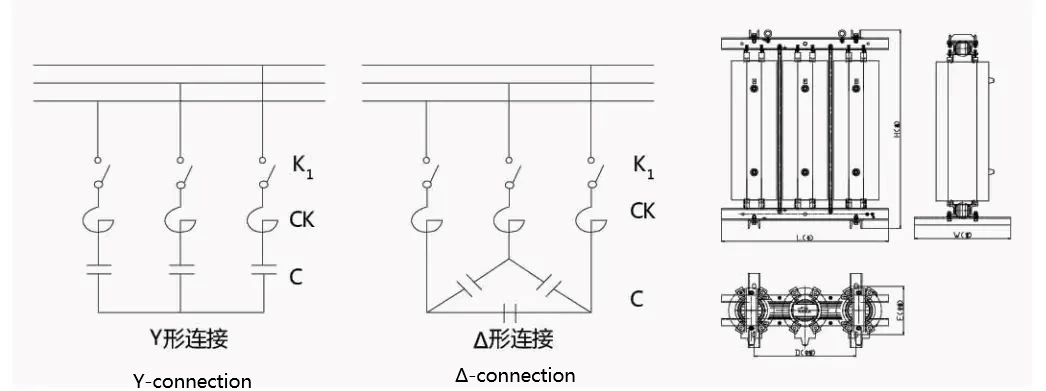
The Role and Working Principle of Iron Core Series Reactors
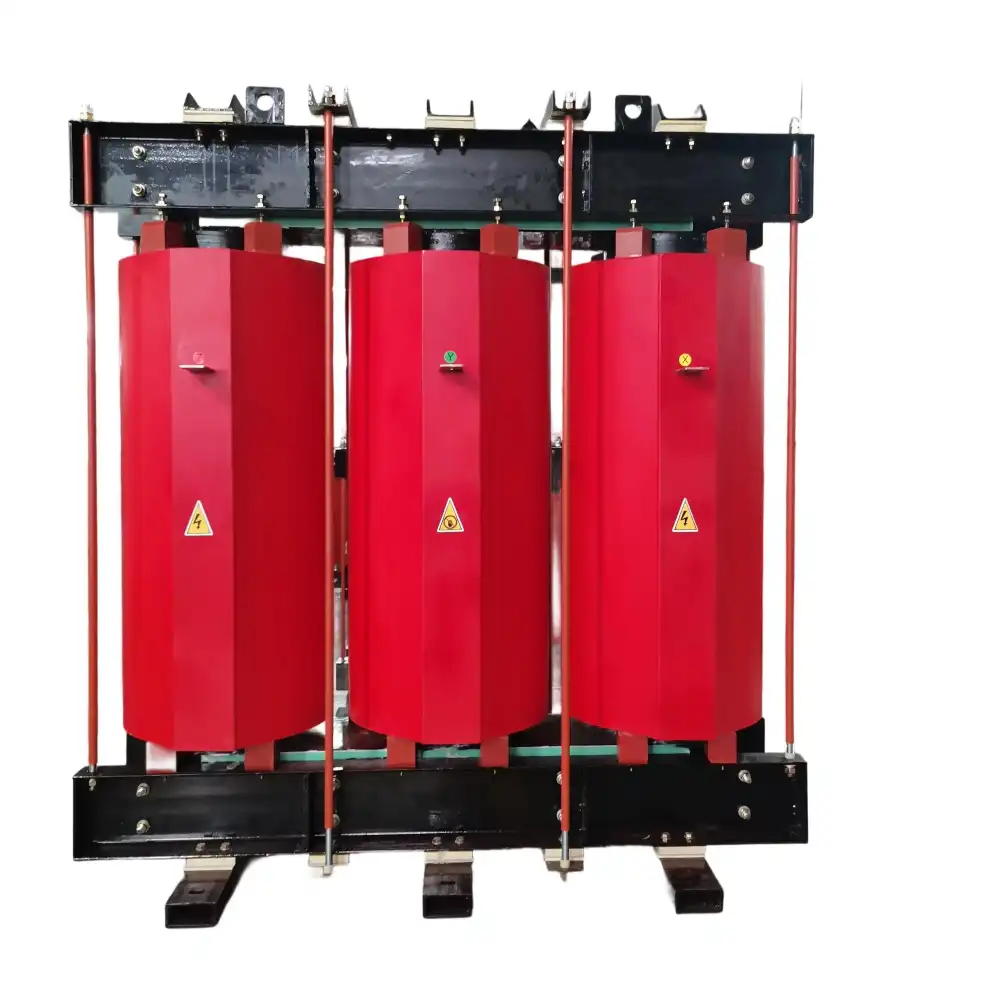
An Iron Core Series Reactor works as a carefully adjusted magnetic element that changes the electrical properties of your capacitor bank in a basic way. Unlike options that use air cores, these devices use layered silicon steel cores that focus magnetic flux, meeting the needed inductance levels in incredibly small spaces.
Construction and Technical Architecture
The core structure is made up of silicon steel sheets that were cold-rolled and directed along their grain. Each sheet is individually protected to reduce eddy current losses. The magnetic efficiency and heat performance of this layered design are both good. The CKSC Dry-type Iron Core Series Reactor from Xi'an Xikai has epoxy resin vacuum-cast coils that show how advanced the design is. These windings go through rounds of high-temperature cures that join copper wires with glass fiber support. This makes a single structure that is very strong. The insulator on the coil can withstand changes in temperature, humidity, and chemicals. These are important qualities when reactors have fault currents that hit 100 times their rating values during short-circuit events.
Technical Specifications That Drive Performance
Tolerance for inductance has a direct effect on the quality of detuning. Premium makers keep a range of ±5% by using precise wrapping methods and adjusting the core gap. Thermal performance is also important. The CKSC model's low-temperature-rise design keeps working temperatures below 95°C, which means that the insulation will last longer than 30 years of constant service. Partially discharged amounts below 5 picocoulombs show better insulation quality, which lowers the chance of internal tracking breakdowns. These specs aren't just numbers on a sheet; they decide whether your resonance security works after decades of use.
Advantages of Using Iron Core Series Reactors over Alternatives
Industrial leaders often look at a number of different technologies for controlling vibration and reducing harmonics. By knowing the relative strengths of various options, you can make smart purchasing decisions that meet business needs and stay within your budget.
Iron Core Versus Air Core Reactors
Since they don't have magnetic saturation properties, air core reactors work in a straight line at all current levels. This regularity is good for some transfer tasks, but iron core designs are better for protecting capacitor banks in industrial settings. When upgrading existing electrical rooms with limited floor space, the fact that iron core units are usually 40% smaller than similar air core grades is a big deal. When room costs more than $200 per square foot per year in cities, hospital building managers and data center owners always say that area efficiency is the most important thing. Core losses in current iron core systems have gone down a lot thanks to improvements in the way silicon steel is made. The CKSC reactor has 30% less waste than regular types, which means it saves energy in a measured way. If you choose the right generators for your 400 kVAR capacitor bank, you can save about 2,400 kWh Iron Core Series Reactor per year in lost power. This isn't much for one individual site, but it adds up over large corporate companies.
Proven Reliability in Harsh Environments
Electrical equipment in factories is sometimes hit by objects, vibrates, and is exposed to airborne pollution and high temperatures. Modern iron core reactors are made of glass fiber-reinforced epoxy, which is much better at withstanding these conditions than sealed air core designs that need to be able to breathe. The ability to resist wetness means that the performance will stay the same in humid seaside areas and food preparation plants that have to deal with mist all the time. After 15 years of use, facilities near salt water or chemical processing areas say that reactor insulation resistance readings haven't changed much. This is a sign of how well the materials were chosen and how well they were made.
Step-by-Step Guide to Using Iron Core Series Reactors to Prevent Resonance
To set up resonance security that works, you need to do a thorough review, choose the right tools, and follow best practices for installation. This organized method makes sure that your investment protects you as planned for the whole time it's working.
Conducting System Assessment and Harmonic Analysis
Find the natural resonant frequency of your system by using the formula: f_resonant = f_nominal / √(MVA_sc / MVAR_cap), where MVA_sc is the short-circuit capacity at the placement point, and MVAR_cap is the suggested capacitor bank rating. Document existing power factor, voltage total harmonic distortion, and any history of capacitor failures or protection device misoperations. This baseline data guides reactor selection and provides measurable benchmarks for post-installation validation.
Installation Best Practices and Safety Considerations
Place reactors so that they don't interfere too much with nearby communication and control lines. Follow the guidelines in NFPA 70 (the National Electrical Code) for working space around electrical equipment. For example, leave 36 inches of space in front of devices that use more than 600V. Putting reactors on vibration-dampening pads will cut down on noise transmission. This is especially important in hospital and business buildings where the CKSC reactor's very low noise operation (below 75 dB) keeps people from being bothered. Use wires that can handle 135% of the bank's rated current to connect reactors in series with capacitor banks. Follow the guidelines in IEEE 142 for good grounding and make sure that ground links have less than 5 ohms of resistance. Monitor the current and voltage at key locations to make sure the system is working properly all the time. Before starting the installation, make sure there are no problems with the electrical connections, check that the phase connections are correct, and make sure that the combination capacitor-reactor circuit has the right impedance characteristics at both fundamental and harmonic frequencies.
Maintenance Protocols and Performance Monitoring
Visual inspections should be done every three months to look for physical harm, make sure the mounting hardware is secure, and make sure the insulation surfaces are clean. Using thermographic scans once a year to find growing hot spots before they cause failures is important. Temperature jumps of more than 10°C above neighboring phases should be looked into. Every year, check the insulation resistance and look for trends. Values that are going down mean that wetness is getting in or the insulation is breaking down, which needs to be fixed. Power quality meters that are permanently attached to capacitor banks let you keep an eye on harmonic currents, voltage distortion, and power factor all the time. Set alert levels that will send you a message when parameters move out of acceptable areas. This proactive method stops small problems from getting worse and turning into expensive failures.
Procuring Iron Core Series Reactors: What B2B Buyers Should Know
A good buying process combines technical needs, business concerns, and the supplier's abilities to Iron Core Series Reactor make sure that the given equipment meets practical needs and improves the project's costs.
Evaluating Manufacturers and Supply Chain Reliability
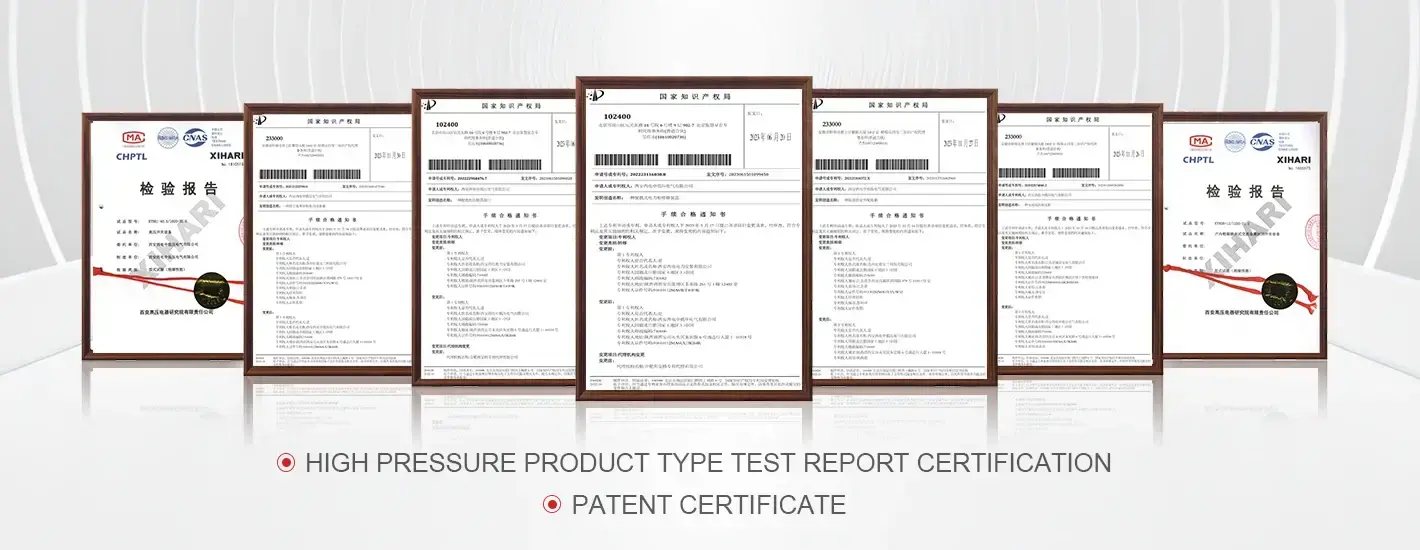
Give more weight to suppliers who have shown they can make a lot of different things and whose quality management systems are approved to ISO 9001 standards. Xi'an Xikai runs one of China's biggest factories that makes medium and low-voltage electrical equipment. They make Iron Core Series Reactors using fully automated winding and drying processes that get rid of the need for human error. Their 12-step review process includes checking the material, the size, the electrical performance, and the thermal performance. If a manufacturing facility can do its own testing, like impulse voltage testing to IEC standards, temperature rise testing to IEEE standards, and sound testing for noise proof, sellers can be more confident than those who rely on third-party test houses.
Technical Support and Value-Added Services
Tell the difference between partners who offer application tech help and sellers who sell stock goods. Suppliers who help with system studies, reactor size estimates, and harmonic analysis are very useful, especially for EPC firms and system developers that have to keep projects on track with short deadlines. Check out the support systems that come after the sale. Technical help 24 hours a day, seven days a week, on-site training services, and the ability to fix problems all lower the risks of a project. When normal products don't meet certain needs, being able to create custom goods is important. Suppliers who offer different sizes to fit limited spaces, better protection against toxic environments, or custom voltage rates for non-standard systems make system integration easier by giving customers more options.
Commercial Considerations and Procurement Strategy
Ask for thorough quotes that include the costs of the tools, the costs of tests, the requirements for packing, and the shipping terms. When you buy more than 10 units at once, you usually get a 12–18% price discount, which makes rolling out to multiple sites cost-effective. Make sure you understand the wait times clearly. Standard goods may ship within 4 to 6 weeks, but special designs can take up to 12 to 14 weeks, based on how busy the production line is. The terms of the warranty have a big effect on the total costs. For 24 to 36 months, full guarantees that cover materials, workmanship, and performance protect you during the important burn-in time, which is when production flaws usually show up. Find out where to buy extra parts and how much they cost. Reactors don't need much upkeep, but having access to new parts for older systems keeps them from becoming obsolete. How you pay depends on the seller and the size of the order. For big projects, many makers offer advance payment terms: 30% down payment, 60% when the making is finished, and 10% after successful commissioning. To protect your interests and keep the supplier's cash flow stable, set clear acceptance standards that are tied to written test results and performance proof.
Conclusion
Resonance in capacitor banks is a constant danger to the security of power systems, the life of equipment, and the continuation of operations in both industrial and business buildings. Through exact detuning and harmonic reduction, Iron Core Series Reactors are a reliable and cost-effective way to reduce damage. By choosing high-quality products from well-known brands, installing them in a methodical way, and keeping an eye on them on a regular basis, these safety devices will last for decades. The technical considerations and procurement insights outlined in this guide equip decision-makers to implement resonance protection strategies that safeguard critical infrastructure while optimizing capital and operational expenditures.
FAQ
1. How effective are iron core series reactors at eliminating resonance?
When properly sized and installed, Iron Core Series Reactors shift system resonant frequencies away from dominant harmonic orders, typically reducing voltage distortion by 60-75% and preventing destructive current amplification. Complete elimination of all harmonics isn't the objective; rather, these devices detune the system sufficiently to prevent parallel resonance conditions while maintaining acceptable power quality per IEEE 519 guidelines.
2. What maintenance do iron core series reactors require?
Dry-type iron core reactors with epoxy-encapsulated windings require minimal maintenance—quarterly visual inspections, annual thermographic surveys, and periodic insulation resistance testing suffice. Unlike oil-filled equipment, they need no dielectric fluid analysis or containment system inspections. Typical service intervals involve thorough cleaning every 2-3 years and connection torque verification every 5 years, making them ideal for facilities with limited maintenance resources.
3. What factors influence reactor pricing?
Several variables affect pricing: voltage rating, current capacity, inductance value, environmental protection level, and customization requirements. Higher voltage classes require enhanced insulation systems, increasing costs. Current rating directly impacts conductor and core material quantities. Custom dimensions, special coatings for corrosive environments, and accelerated delivery schedules add premiums. Order volume provides the most significant cost lever—bulk purchases can reduce unit prices substantially.
Partner with Xi'an Xikai for Proven Resonance Protection Solutions
Xi'an Xikai brings extensive engineering expertise and manufacturing excellence to every Iron Core Series Reactor project. Our CKSC Dry-type Iron Core Series Reactor has protected capacitor banks across 500+ installations in data centers, manufacturing facilities, and utility substations throughout North America. We deliver technical support from initial system assessment through commissioning and beyond, ensuring your resonance mitigation strategy achieves intended results. Contact our applications engineering team at serina@xaxd-electric.com, amber@xaxd-electric.com, or luna@xaxd-electric.com to discuss your specific requirements. As an established manufacturer, we provide competitive pricing for bulk orders, rapid lead times, and customization capabilities that address unique site conditions—backed by comprehensive warranties and responsive technical support that protects your investment.
References
1. IEEE Standards Association. (2014). IEEE Recommended Practice and Requirements for Harmonic Control in Electric Power Systems. IEEE Std 519-2014.
2. Arrillaga, J., & Watson, N. R. (2003). Power System Harmonics, Second Edition. John Wiley & Sons, Chichester, England.
3. Das, J. C. (2015). Power System Harmonics and Passive Filter Designs. IEEE Press, Piscataway, New Jersey.
4. Dugan, R. C., McGranaghan, M. F., Santoso, S., & Beaty, H. W. (2012). Electrical Power Systems Quality, Third Edition. McGraw-Hill Education, New York.
5. Wakileh, G. J. (2001). Power Systems Harmonics: Fundamentals, Analysis and Filter Design. Springer-Verlag, Berlin Heidelberg.
6. Electric Power Research Institute. (2019). Application Guide for Capacitor Banks and Harmonic Filters in Industrial and Commercial Facilities. EPRI Technical Report 3002015395.