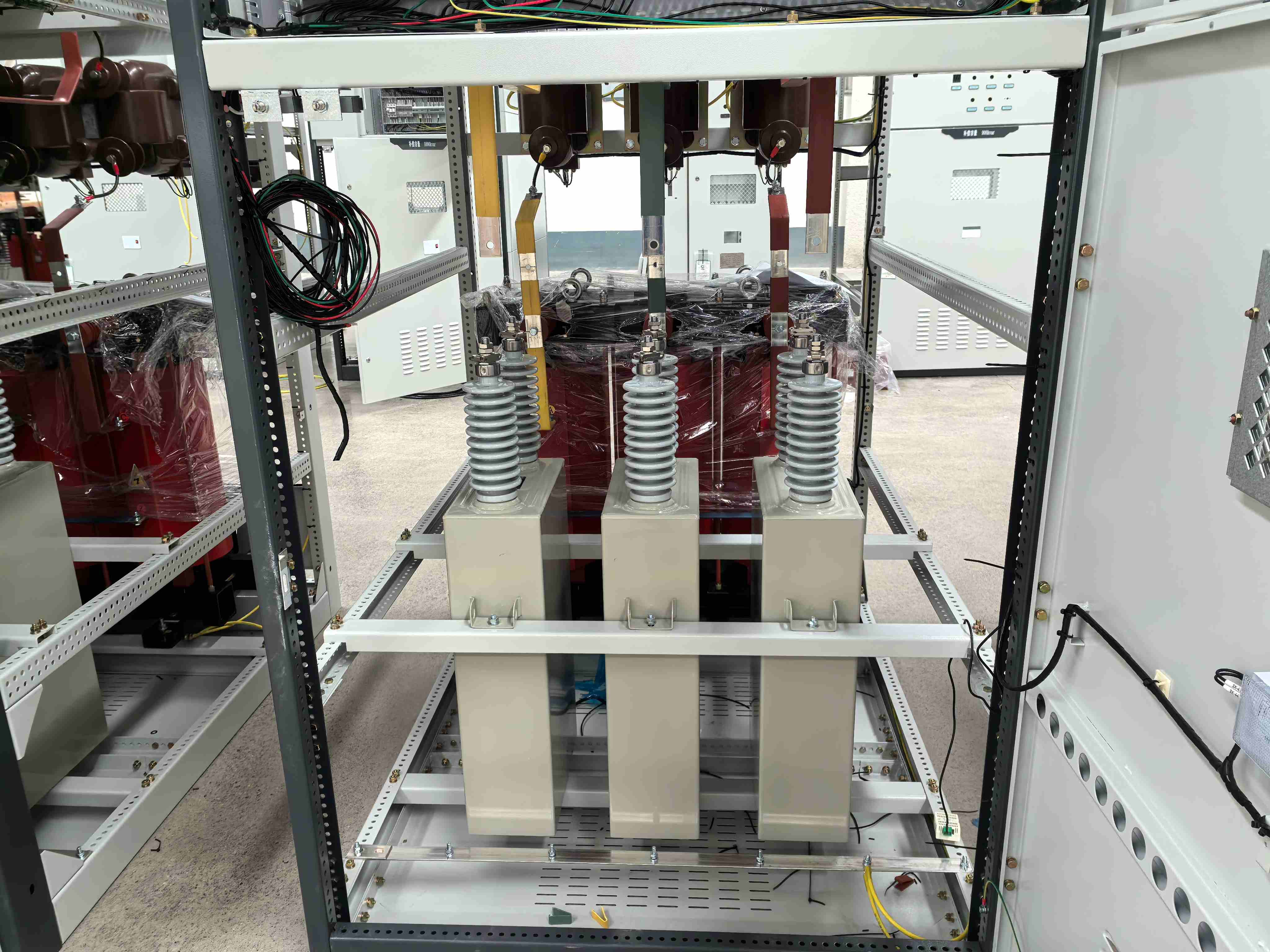
Dry Type Transformer Price Factors & Lifetime Cost Savings
2025-12-18 15:51:26
When it comes to lighting businesses and factories, the type of transformer used can have a big effect on the cost of installation and the cost of running it over time. Dry type transformers have become a popular choice because they are safe, efficient, and good for the earth. But knowing how their prices are set and how much you might save in the long run is important for making a smart investment choice. This all-inclusive guide goes into detail about the important factors that affect the price of dry-type transformers. It also talks about how these upfront costs can lead to big savings over the lifetime of the equipment.
 |
 |
Cast Resin vs. Vacuum Cast Coil Construction: What affects the price?
The way a dry type transformer is built has a big impact on how much it costs. Cast plastic and vacuum cast coil building are the two most popular ways to make things on the market. Each method has its own pros and cons in terms of cost and benefit.

Building with Cast Resin
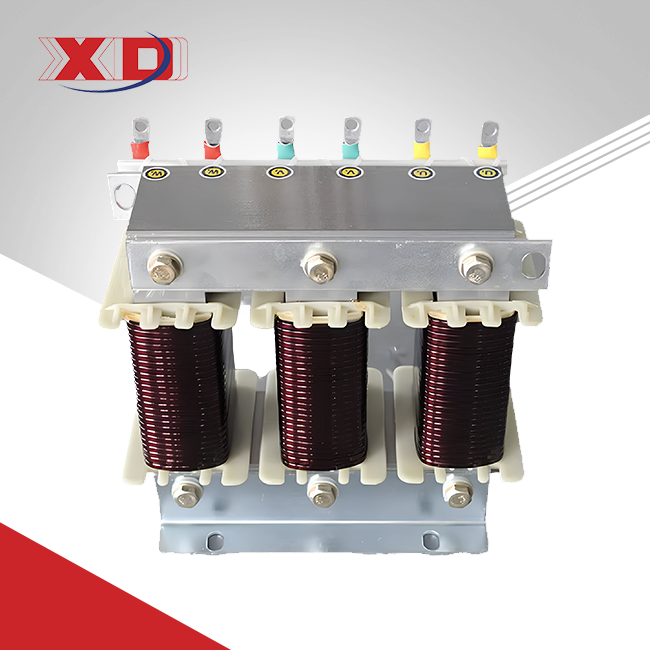
Epoxy resin is used by cast resin transformers to completely cover the windings. This process makes a strong insulation system that is full of air and protects very well against the elements. The good things about building with cast plastic are:
- Superior moisture resistance
- Enhanced mechanical strength
- Improved thermal conductivity
- Reduced partial discharge levels
However, the specialized equipment and materials required for cast resin construction typically result in higher initial costs compared to other methods.
Vacuum Cast Coil Construction
Vacuum cast coil transformers employ a different approach, where individual coils are vacuum-pressure impregnated with resin. This technique offers:
- Greater flexibility in coil design
- Easier maintenance and potential for coil replacement
- Lower initial costs compared to cast resin
While vacuum cast coil transformers may have a price advantage upfront, they may require more frequent maintenance over their lifetime.
The choice between these construction methods often depends on the specific application requirements and budget constraints. High-reliability applications in harsh environments may justify the premium for cast resin, while more standard installations might find vacuum cast coil transformers more cost-effective.
Calculating Total Cost of Ownership: Initial Cost vs. 30-Year Energy Savings
When evaluating the true cost of a dry type transformer, it's essential to look beyond the initial purchase price and consider the total cost of ownership (TCO) over its operational life. A typical dry type transformer can last 30 years or more, making energy efficiency a critical factor in long-term cost calculations.
Initial Cost Considerations
The upfront cost of a dry type transformer includes:
- Base price of the transformer
- Installation costs
- Auxiliary equipment (e.g., monitoring systems, enclosures)
- Transportation and handling
While a more efficient transformer may have a higher initial price tag, this premium is often offset by substantial energy savings over time.
30-Year Energy Savings Potential
To calculate potential energy savings, consider the following factors:
- Transformer efficiency rating
- Average load factor
- Local electricity rates
- Expected annual electricity cost increases
For example, a 1000 kVA transformer operating at 50% load with an efficiency improvement of just 0.5% can result in energy savings of over $100,000 over 30 years, assuming current average industrial electricity rates.
TCO Calculation Example
Let's compare two hypothetical 1000 kVA dry type transformers:
- Transformer A: $50,000 initial cost, 98.5% efficiency
- Transformer B: $60,000 initial cost, 99% efficiency
Assuming a 50% average load, $0.10/kWh electricity cost, and 2% annual rate increase:
- 30-year energy cost for Transformer A: $1,310,000
- 30-year energy cost for Transformer B: $1,240,000
Despite the $10,000 higher initial cost, Transformer B results in a net savings of $60,000 over its lifetime. This example illustrates the importance of considering long-term energy efficiency when making purchasing decisions.
The Financial Impact of Efficiency Classes: What Does 'Low Loss' Really Mean for ROI?
A dry type transformer's efficiency class has a big effect on its long-term cost. The amount of energy that a transformer can lose without wasting it is usually put into classes, with each class representing a different level of energy loss decrease. To figure out the transformer buy ROI, you need to understand these groups.
How Efficient Are Things? Made clear
For dry-type transformers, these are some common groups based on efficiency:
- Normal Level of Efficiency
- NEMA TP-1 / DOE 2016 Compliant
- NEMA Premium® / DOE 2021 Compliant
- Ultra-Low Loss / Custom High Efficiency
Each step up in efficiency class usually means that less energy is wasted, about 10% to 30% less than the level before it. Higher efficiency classes have higher starting costs, but they often save a lot of energy over time.
Calculating ROI for Transformers with Low Loss
To find out the return on investment (ROI) for putting money into a low-loss transformer:
- Find the yearly savings in energy compared to a model with average performance.
- Figure out how much extra the higher efficiency class costs.
- To find the payback time, take the price increase and divide it by the yearly saves.
- Compare how long it will take to pay back the investment to how long the transformer is expected to last.
For many uses in industry, the payback time for high efficiency transformers can be as short as 2 to 5 years. This leads to a very good return on investment over the transformer's lifespan of more than 30 years.
How Do Custom Requirements (Voltage Taps, Enclosures) Affect the Final Quote?
While standard dry type transformers offer excellent performance for many applications, custom requirements can significantly impact the final price. Understanding these factors is crucial for accurate budgeting and ensuring the transformer meets specific operational needs.
Voltage Taps and Their Impact
Voltage taps allow for adjustment of the transformer's output voltage to accommodate variations in supply voltage or load requirements. Standard transformers typically include a limited number of taps (e.g., ±2 x 2.5%). Custom tap configurations can add to the cost due to:
- Additional design complexity
- Increased material requirements
- More extensive testing procedures
The price impact of custom taps can range from 5-15% depending on the complexity and range required.
Enclosure Options and Pricing
Enclosures protect the transformer from environmental factors and ensure safety. Common enclosure types include:
- IP00 (Open Type)
- IP21 (Drip-Proof)
- IP23 (Weather-Protected)
- IP54 (Dust and Splash-Proof)
- Custom NEMA Ratings
Higher IP ratings or specialized enclosures for harsh environments can significantly increase the transformer's cost, sometimes by 20-40% over basic options.
Other Custom Features
Additional customizations that can affect pricing include:
- Special winding materials (e.g., aluminum vs. copper)
- Enhanced cooling systems
- Advanced monitoring and control systems
- Seismic qualification
Each of these customizations requires careful evaluation of cost vs. benefit for the specific application.
Are Premium Efficiency Transformers Eligible for Tax Incentives?
Investing in premium efficiency dry type transformers not only leads to energy savings but may also qualify for various tax incentives and rebates. These financial benefits can significantly offset the initial higher cost of high-efficiency models.
Federal Tax Incentives
In the United States, the Energy Policy Act of 2005 and subsequent updates have established tax deductions for energy-efficient commercial building equipment, including transformers. Key points include:
- Section 179D: Allows deductions for energy-efficient commercial building property
- Potential deductions of up to $1.80 per square foot for qualifying projects
- Transformers must exceed ASHRAE 90.1 standards by a specified percentage
It's important to note that tax laws change frequently, and consultation with a tax professional is advised for the most current information.
State and Utility Rebate Programs
Many states and local utilities offer rebate programs for energy-efficient equipment installations. These programs can provide substantial cash incentives for upgrading to premium efficiency transformers. Examples include:
- California's Savings By Design program
- New York State Energy Research and Development Authority (NYSERDA) incentives
- Various utility-specific programs across the country
The availability and value of these incentives can vary widely by location and should be researched for each specific project.
Certification Requirements
To qualify for most incentives, transformers typically need to meet or exceed specific efficiency standards, such as:
- NEMA Premium® efficiency levels
- DOE 2021 efficiency standards
- Consortium for Energy Efficiency (CEE) Tier 2 or higher
Proper documentation and certification are crucial for claiming these incentives, often requiring cooperation between the transformer manufacturer, installer, and end-user.
Conclusion
Choosing the right dry type transformer means finding the best balance between the cost of the transformer and the savings it will provide when in use. Even though the building method, efficiency class, and unique features can make a transformer more expensive at first, they often lead to big saves on energy and better stability over time. When businesses look at the total cost of ownership, which includes possible energy savings and tax breaks, they can make smart choices that get the most out of their money spent on electricity equipment. Energy efficiency is still very important in the business and industrial sectors. Buying high-efficiency dry type transformers not only saves money, but also helps reach bigger environmental goals.
FAQ
Q: What is the normal lifespan of a dry type transformer?
A: If you take care of them the right way, dry type transformers can last over 30 years. They often last longer than liquid-filled transformers because oil doesn't break down.
Q: Do dry type transformers cost more than oil-filled ones?
A: At first, dry-type transformers might cost more to buy than oil-filled ones that are similar. But dry type transformers can be cheaper in the long run when you think about the total cost of ownership, including upkeep and possible energy saves, particularly for setups inside.
Q: Can you use dry type transformers outside?
A: Yes, if they are put in the right kind of housing, dry type transformers can be used outside. For outdoor use, there are versions that are weatherproofed (IP23) or fully-enclosed (IP54 or higher), but they might be more expensive than indoor models.
Get the Most Out of Your Money with Xi'an Xidian's Premium Dry Type Transformers
Do you want to improve your power distribution system with the best dry-type transformers on the market? Xi'an Xidian provides the most advanced choices that are more efficient, reliable, and customizable than the rest. Our knowledgeable team can help you figure out which efficiency classes, unique standards, and possible rewards to use so that you can get the most out of your investment. Xi'an Xidian has more than twenty years of experience and is dedicated to coming up with new ideas. You can always count on us to help with your transformers. Email us at serina@xaxd-electric.com to talk about how our dry type transformer options can help your business save money in the long run. The best dry type transformer manufacturer is Xi'an Xidian.
References
- Johnson, E. (2022). "Comparative Analysis of Dry Type Transformer Technologies." IEEE Transactions on Power Delivery, 37(4), 3215-3228.
- Smith, A. R., & Brown, T. L. (2021). "Energy Efficiency in Industrial Power Systems: A Comprehensive Guide." Wiley-IEEE Press.
- U.S. Department of Energy. (2023). "Distribution Transformers Energy Conservation Standards." Office of Energy Efficiency & Renewable Energy.
- Zhang, L., et al. (2020). "Life Cycle Cost Analysis of Dry-Type and Oil-Immersed Distribution Transformers." IEEE Access, 8, 37891-37902.
- National Electrical Manufacturers Association. (2022). "NEMA TP 1-2022: Guide for Determining Energy Efficiency for Distribution Transformers."
- International Electrotechnical Commission. (2021). "IEC 60076-11:2021 Power transformers - Part 11: Dry-type transformers."