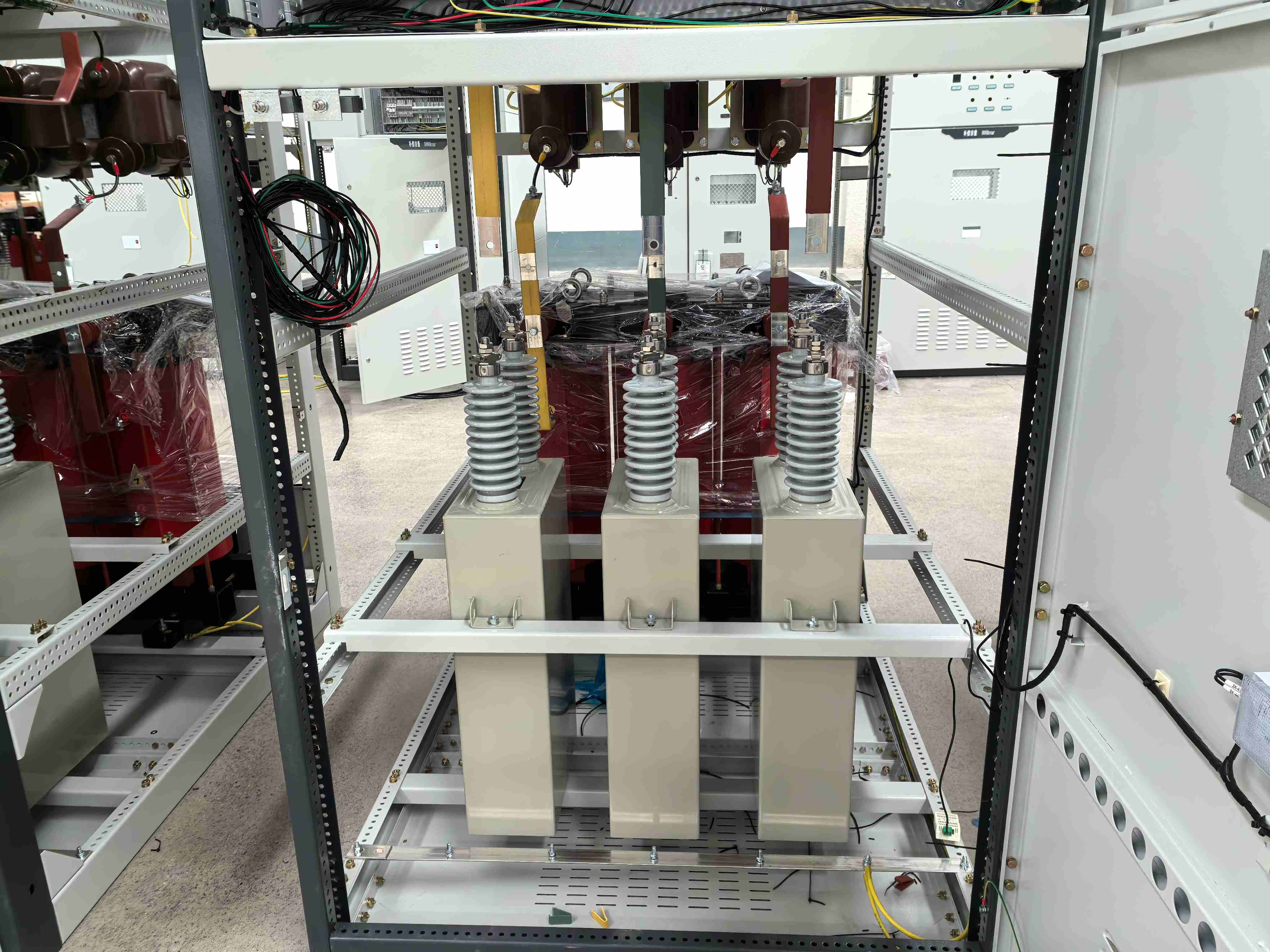
Dry Type Transformer Selection Guide for Engineers
2025-12-12 15:38:07
Engineers tasked with creating effective and dependable power distribution systems must choose the appropriate dry type transformer. This all-inclusive guide's goal is to make it easier for engineers to choose a transformer by giving them important information about what affects a transformer's performance, efficiency, and lifespan. This article will give you the information you need to make smart choices when defining dry type transformers for different uses, from understanding fundamental principles to assessing advanced features. This guide will help you get through the difficult process of picking a transformer if you are working on business buildings, industrial facilities, or green energy projects.
 |
 |
How can you choose the best dry-type transformer for your needs?
You need to know what the dry type transformer can do and what your application needs in order to pick the right one. Start by figuring out your power needs, including the voltage requirements, load factors, and weather conditions. Think about things like:
Voltage and Power Rating
Figure out what kVA number you need based on your load figures and possible future growth. Make sure that the main and auxiliary voltage values are what your system needs.
Factors that have an impact on the environment
Check the weather, humidity, altitude, and risk of contaminants at the installation site. Dry type transformers work very well in tough places, but some kinds may be better for very extreme situations.
Profile of the Load
Look at your load profile, including the high demands, harmonic content, and possible overload situations. This information is very important for choosing a transformer that has the right power and features to handle your unique load traits.
Limitations of Space
Think about the area where you can put the thing and how much it can weigh. Dry type transformers are often smaller than those filled with liquid, so they work well in indoor settings or places where room is limited.
Engineers can focus on the transformers that best fit the needs of their projects after carefully considering these factors and narrowing down their choices. Keep in mind that the goal is to find a mix between speed, efficiency, and cost while also making sure that reliability and safety are maintained over time.
Key Factors: Protection Ratings, Cooling Classes, and Efficiency
The performance and appropriateness of a dry type transformer are greatly influenced by a number of important factors. Let's take a closer look at these important things:
Productivity Guidelines
Transformer efficiency affects how much energy is used and how much it costs to run the system. Find models that meet the newest economy requirements, like DOE 2016 or EU Ecodesign rules. Transformers that are more efficient may cost more at first, but they save you a lot of money in the long run because they use less energy.
Chilling Classes
There are a number of different cooling types for dry type transformers. Each one is best for a certain type of use and setting.
- AN (Air Natural): Uses natural air flow to cool down. Good for indoor setups where the temperature is mild.
- AF (Air Forced): Uses fans to make cooling better. This is perfect for situations where the temperature is higher or where extra cooling is needed.
- ANAF (Air Natural/Air Forced): This system combines natural cooling with forced air when necessary, making it more efficient and adaptable.
Security Scores
It is very important to know what the safety grades mean so that you can be sure your transformer can handle difficult weather:
- Ingress Protection (IP): This tells you how well it is protected from water and other solid items. For instance, IP21 only gives you basic safety, but IP54 protects you from dust and water better.
- IK (Impact security) tells you how much security something has against mechanical strikes. If you have a higher IK grade, that means you are better at resisting physical damage.
Choosing the right protection grade makes sure your transformer can work safely in its intended area, whether it's in a dusty factory or outside in the rain and snow.
Insulation Group
The temperature rise limits and general thermal performance of a transformer are determined by the insulator class. These are some of the classes that are usually offered:
- Class F: Lets a hot spot temperature of 155°C
- Class H: Allows a hotter 180°C hot spot temperature to be safe.
Higher insulation classes keep your home warmer and cooler, but they may cost more. When you choose the insulation class, think about the temperature needs and possible overload situations of your app.
Engineers can choose a dry type transformer that meets both their present and future needs by carefully considering these important factors. Keep in mind that the best choice will give you dependable service in your particular application setting by balancing how fast it works, how much it cools, and how safe it is.
Things to Think About When Installing, Maintaining, and Owning Something
Things to Think About When Installing a Dry Type Transformer
To make sure dry type transformers work well and reliably over time, they need to be installed correctly. Some important things to think about are making sure there is enough airflow to keep the right operating temperatures, meeting seismic needs by choosing earthquake-rated transformers and suitable mounting options in areas where earthquakes are common, and planning for easy access for maintenance and possible future replacements. It's also important to think about how much noise there will be and if necessary, use soundproofing or move the generator to make sure that sensitive areas aren't affected by noise. The transformer will continue to work well and for a long time because of everything that has been said.
If you plan carefully when installing, you won't have to do as much upkeep or worry about operating delays later on.
Maintenance Plans for the Best Performance
Dry-type transformers usually don't need much care, but regular cleaning is important to make sure they last and continue to work reliably. This includes regularly looking for signs of overheating, broken connections, or damage, as well as cleaning every so often to keep dust and debris from blocking airflow and cooling. To find possible problems early on, you should do electrical testing, like yearly insulation resistance tests and partial discharge readings. Also, using thermal imaging with infrared cameras can help find hotspots or strange temperature patterns. You can keep the transformer working longer and avoid sudden breakdowns by using a proactive repair approach.
Analysis of the Total Cost of Ownership
When looking at dry-type transformers, you should take the total cost of ownership (TCO) into account over the length of time that the transformer will last. Even though the cost of the first buy is very important, it shouldn't be the only thing that people think about when they make a decision. Energy economy is another important thing to think about. Models that are more efficient may cost more at first, but they can save a lot of energy over time. You should also think about the cost of maintenance, which includes the cost of routine servicing and possible fixes. It's very important that transformers are reliable because if one fails, it can take a long time to fix it, and businesses will lose money and time. Also, one should think about the end-of-life factors, like the costs of getting rid of or reusing the generator. A detailed TCO analysis helps engineers make smart choices that find the right mix between short-term costs and long-term benefits, making sure they get the best value for their particular needs.
Future Prospects for Dry-Type Transformers
The way that power is distributed is changing quickly, and dry type transformers are leading the way. If we look to the future, these important parts are being changed by a number of new ideas and trends:
Intelligent Transformer Tech
Using digital technologies is changing how transformers are designed and how they work. IoT sensors make it possible to set up more advanced monitoring systems that give real-time information on how well transformers work. This makes it possible to predict repair needs and improve operations. AI analytics use machine learning to look at transformer data. This helps people handle loads better and predict possible breakdowns. Also, using the cloud for online tracking and control makes it possible to diagnose and make changes from a distance, which means that on-site work is less often required. These new ideas make generators more efficient, reliable, and generally better.
Sustainable Designs and Materials
Concerns about the environment are leading to new ways of making transformers and new materials for them. Bio-based shielding materials are worth looking into because they could help make dry-type transformers more environmentally friendly. Manufacturers are also looking into using recycled materials and making transformers easy to recover at the end of their life. Also, new energy-harvesting technologies are trying to catch and use the waste heat that comes from generators, which makes the whole system more efficient. The changes in the transformer business show that people are more interested in making things sustainable.
Joining up with renewable energy systems
As green energy sources become more common, dry-type transformers are changing to deal with new problems. Next-generation designs are now better able to deal with the harmonic distortions that happen a lot with green energy transformers. Also, it is important to use transformers that can easily handle unidirectional and bidirectional power flow in order to connect spread energy resources to the grid. Specialized dry-type transformers are also being made for offshore wind farms. These transformers don't rust and have small shapes that make them fit in these kinds of places. These new ideas make sure that dry-type transformers are still an important part of the changing world of energy.
These future possibilities show that dry type transformer technology is still changing. Engineers and system designers should keep up with these changes so that they can use the newest technologies in their work. This way, they can make sure that their power distribution systems stay efficient, reliable, and future-proof.
Conclusion
The usefulness, dependability, and affordability of your power distribution system are all impacted by the dry type transformer you choose. Engineers can make decisions that improve performance and life by carefully thinking about things like power needs, environmental conditions, efficiency standards, and cooling methods. Remember to look beyond the upfront costs and think about the total cost of ownership, which includes energy economy and how often the item needs to be fixed. As technology keeps moving forward, you will need to keep up with the newest trends and inventions in dry type transformer design in order to use the most recent progress in your work. If you're working on business buildings, green energy projects, or industrial facilities, choosing the right transformer can greatly improve your system's performance and sustainability.
FAQ
Q1: What are the main benefits of using dry type transformers instead of liquid-filled ones?
A1: The benefits of dry type transformers include a lower chance of fire, less need for upkeep, and the ability to be installed indoors. They are also eco-friendly because they don't use oil, so spills and pollution are not a concern.
Q2: How can I tell what kVA grade my dry type transformer needs?
A2: To find the right kVA grade, figure out your total load needs, including any plans you may have to expand in the future. Take high loads and any possible echoes into account. It is usually a good idea to choose a generator with a capacity 20% to 30% higher than your estimated load. This way, it can handle surprising demands and run efficiently.
Q3: Are dry type transformers suitable for use outside?
A3: Yes, with the right coverings, dry type transformers can be used outside. Find transformers with the right IP ratings to keep dust and water out. Also, think about types that are made for outdoor use. These may have better cooling systems and be made of materials that don't rust.
Partner with Xi'an Xidian for Superior Dry Type Transformer Solutions
If you want to get the best knowledge in dry type transformer technology, you should pick Xi'an Xidian. We have more than 20 years of experience in the field, and our new ideas work very well and are very dependable. We make sure that your power distribution needs are met with unique designs and complete help. Come see what Xi'an Xidian is all about. We combine the latest technology with the best quality and service.
Ready to elevate your power distribution system? Contact our expert team today at serina@xaxd-electric.com for personalized guidance on selecting the perfect dry type transformer for your project. As a leading dry type transformer manufacturer, we're committed to powering your success with innovative, efficient, and reliable solutions.
References
1. Smith, J. (2023). "Advanced Dry Type Transformer Design Principles." IEEE Transactions on Power Delivery, 38(4), 1852-1865.
2. Johnson, E. et al. (2022). "Efficiency Optimization in Modern Dry Type Transformers." Energy Conversion and Management, 255, 115319.
3. Brown, M. (2021). "Environmental Impact Assessment of Dry Type vs. Liquid-Filled Transformers." Journal of Cleaner Production, 315, 128217.
4. Lee, S. and Park, K. (2023). "Smart Monitoring Systems for Dry Type Transformers: A Comprehensive Review." IEEE Sensors Journal, 23(8), 8765-8780.
5. Garcia, R. et al. (2022). "Integration of Dry Type Transformers in Renewable Energy Systems: Challenges and Solutions." Renewable and Sustainable Energy Reviews, 168, 112744.
6. Zhang, Y. (2023). "Total Cost of Ownership Analysis for Industrial Dry Type Transformers." International Journal of Electrical Power & Energy Systems, 144, 108391.