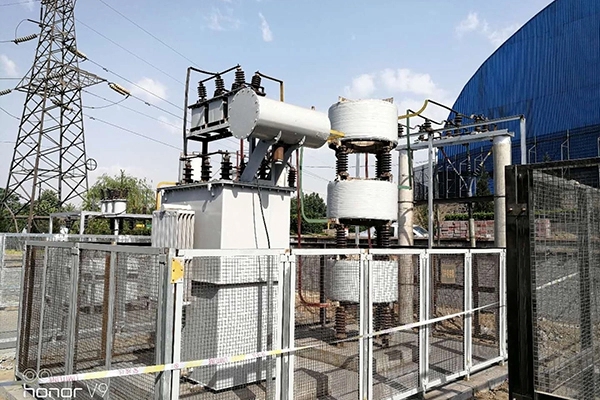
Iron Core Reactor Export Guide: Best Options in the future
2025-11-28 16:08:15
The iron core reactor market is going to grow a lot because the world's energy needs are always growing and power grids are changing. This in-depth guide looks at the future of iron core reactor exports and gives useful information to manufacturers, distributors, and buyers. We'll talk about the strategies that will make export efforts successful in the next few years, from finding important markets to dealing with regulatory issues. This article will give you the information you need to make smart choices in the fast-changing world of iron core reactor exports, whether you're adding new products to your line or looking for reliable power sources for international projects.
Finding the Most Important Markets for Iron Core Reactor Exports
The market for iron core reactors around the world is growing quickly because of more industrialization, the use of renewable energy, and efforts to modernize the grid. Exporters need to carefully choose which areas to target based on which ones have the most growth potential and the most need for advanced power quality solutions in order to take advantage of these opportunities.
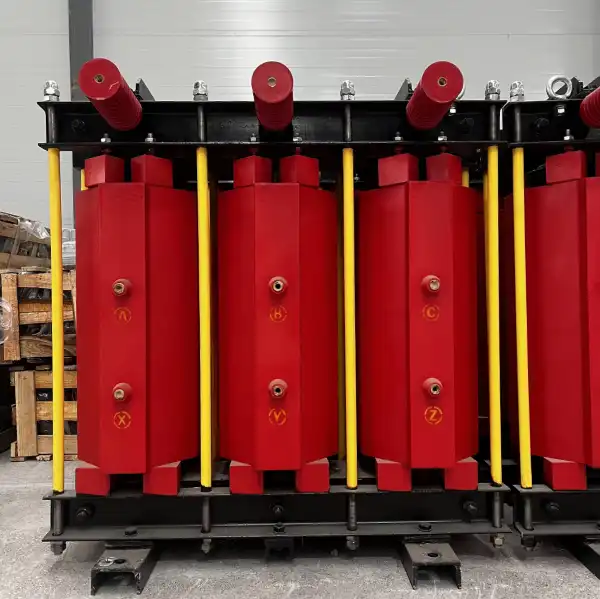
New markets that have a lot of room to grow
Several areas stand out as having a lot of potential for iron core reactor exports:
- Southeast Asia: Vietnam, Indonesia, and Thailand are all seeing their industries grow quickly and their power infrastructure expand.
- India: The country's ambitious renewable energy goals and ongoing efforts to modernize the grid create a lot of need for reactive power compensation devices.
- In the Middle East, the need for advanced power quality equipment is growing because of investments in smart grid technologies and the use of more than one energy source.
- In Africa, electrification projects and the creation of microgrid solutions open up possibilities for small, efficient reactor designs.
Markets that have been around for a while want to improve
Emerging markets have a lot of room for growth, but established markets also have a lot to offer:
- North America: The grid infrastructure is getting old, and adding renewable energy sources means that more advanced reactor solutions are needed.
- Europe: The need for next-generation iron core reactors comes from strict efficiency standards and the need for a strong grid.
- Japan: The country's focus on improving power quality and grid stability is what drives the use of high-performance reactors.
Future Trends That Will Affect the Demand for Iron Core Reactors
Several important trends will affect the demand for iron core reactors and the export market in the future:
Combining renewable energy sources
The world is moving toward renewable energy sources like solar and wind power, which makes it harder to keep the grid stable. Iron core reactors are very important for controlling the voltage changes and harmonic distortions that come with these power sources that are only available sometimes. Exporters should concentrate on creating reactor designs tailored for renewable energy applications, including:
- Filtering for grid-tie inverters
- Compensating for reactive power in wind farms
- Reducing harmonics in solar PV systems
Technologies for Smart Grids
As smart grids get better, they need better ways to improve power quality. Iron core reactors of the future will need to work well with advanced systems for monitoring and controlling. Some important things to think about are:
- The ability to monitor performance in real time
- Diagnostics from afar and maintenance that can be predicted
- Works with software for managing grids
Sustainability and energy efficiency
As global standards for energy efficiency get stricter, the need for iron core reactors that work well and lose little energy will grow. Exporters should put these things first:
- Advanced core materials to cut down on losses
- Optimized designs that use less space and materials
- Processes for making things that are good for the environment and parts that can be recycled
Following Export Rules and Regulations
To export iron core reactors successfully, you need to know a lot about international rules and compliance standards. To avoid delays, fines, and damage to your reputation, you need to be able to navigate this complicated landscape.
Important things to think about when it comes to rules
- Product Safety Certifications: Make sure that your products meet the standards in your area, like UL in North America, CE marking in Europe, and CCC in China.
- Rules for the environment: Talk about rules about hazardous substances (RoHS) and how to get rid of them properly (WEEE) in your target markets.
- Electromagnetic Compatibility (EMC): To keep other electrical equipment from interfering with yours, you need to meet EMC standards.
- Standards for Energy Efficiency: Follow the minimum efficiency performance standards (MEPS) when they apply.
Making a plan for compliance
To make the export process easier and stay in compliance:
- Do a lot of research on the rules and regulations in the countries you want to do business in.
- Work with local testing and certification organizations to build partnerships.
- Set up a strong quality management system to make sure that compliance is always the same.
- Use government and industry association resources to stay up to date on upcoming changes to the rules.
Choosing Iron Core Reactors for Projects Outside the US
When choosing the right iron core reactor for international projects, you need to think about a lot of things to make sure it works well and is reliable in a wide range of operating conditions.
Important Factors to Consider
- Voltage and Current Ratings: Make sure that the reactor's specifications match the requirements of the project and the local grid.
- Environmental Conditions: Take into account things like altitude, humidity, and temperature ranges.
- Harmonic Profile: Look at the specific patterns of harmonic distortion that are present in the app.
- Space Constraints: Look into compact designs for installations where there isn't much room.
- What needs to be done for maintenance: Check how easy it is to get to and use in the target area.
Flexibility and customization
To meet the needs of different international projects:
- Offer modular designs that can be easily changed to work with different power ratings and voltages.
- Make it possible to change the settings for cooling systems, mounting options, and safety features.
- Give clients full technical support and design help to help them choose the best reactor.
Building a Sustainable Export Strategy for Reactor Suppliers
Creating a long-term, sustainable export strategy is essential for iron core reactor manufacturers looking to expand their global presence and maintain a competitive edge.
Diversification and Market Penetration
- Develop a portfolio of products tailored to different market segments and applications
- Establish strategic partnerships with local distributors and system integrators
- Invest in market-specific product adaptations and certifications
- Leverage digital marketing and e-commerce platforms to reach a broader customer base
Innovation and Continuous Improvement
To maintain a competitive edge in the global market:
- Invest in research and development to improve reactor performance and efficiency
- Collaborate with universities and research institutions to drive innovation
- Implement feedback loops from international customers to inform product enhancements
- Stay abreast of emerging technologies that could impact reactor design and functionality
Conclusion
The future of iron core reactor exports is very bright for manufacturers and suppliers who can change with the times, deal with complicated rules, and come up with new, high-performance solutions. Companies can be successful in the global power quality arena for a long time by focusing on key growth markets, adopting new technologies, and making an export strategy that will last. As the world's energy infrastructure changes, iron core reactors will play an even more important role in keeping the grid stable and efficient. This will open up a lot of job opportunities for people who are ready to take on the challenges of tomorrow's power systems.
Q&A
Q1: What are the main benefits of using iron core reactors for renewable energy?
A1: Iron core reactors are useful in renewable energy systems because they make voltage more stable, reduce harmonics, and balance reactive power. These features make it easier to connect intermittent power sources like wind and solar to the grid, which improves the overall reliability and quality of the power.
Q2: How do rules about the environment affect the export of iron core reactors?
A2: Rules about the environment have a big effect on exports of iron core reactors. In many markets, manufacturers must follow rules about dangerous substances (RoHS) and how to properly get rid of them (WEEE). Also, rules for energy efficiency are getting stricter, which is why high-performance, low-loss reactor designs are needed.
Q3: What should be taken into account when making changes to iron core reactors for projects in other countries?
A3: When customizing iron core reactors for international projects, it's important to think about things like the local grid parameters, the environment (temperature, humidity, and altitude), space limitations, harmonic profiles, and how easy it is to do maintenance. For deployment to work in different markets, it's also important to follow local safety rules and get the right certifications.
For Your Iron Core Reactor Needs, Partner with Xi'an Xidian
Xi'an Xidian is a top company that makes medium and low-voltage electrical equipment. They offer cutting-edge iron core reactor solutions that are made to fit the needs of markets around the world. We are the best company for your international projects because we are dedicated to quality and innovation and have a lot of experience with power distribution systems. Xi'an Xidian offers safe, effective, and compliant reactor solutions that will last for a long time. They offer custom designs and full technical support.
Ready to elevate your power quality initiatives? Contact our expert team at serina@xaxd-electric.com to discuss how our iron core reactors can meet your specific needs. As a trusted iron core reactor manufacturer, we're dedicated to powering your success in the global energy landscape.
References
- International Energy Agency. (2023). "Global Power System Transformation Outlook: 2023-2030."
- IEEE Power and Energy Society. (2022). "Reactive Power Compensation in Modern Power Systems: Challenges and Solutions."
- Smith, J., & Johnson, L. (2023). "Export Strategies for Electrical Equipment Manufacturers in Emerging Markets." Journal of International Business Studies, 54(3), 512-528.
- World Bank Group. (2023). "Global Economic Prospects: Power Sector Investments in Developing Economies."
- European Commission. (2022). "Regulation (EU) 2022/1854 on Ecodesign Requirements for Power Transformers and Reactors."
- CIGRE Working Group C4.307. (2023). "Integration of Renewable Energy Sources in Transmission Networks: Technical Challenges and Mitigation Strategies."