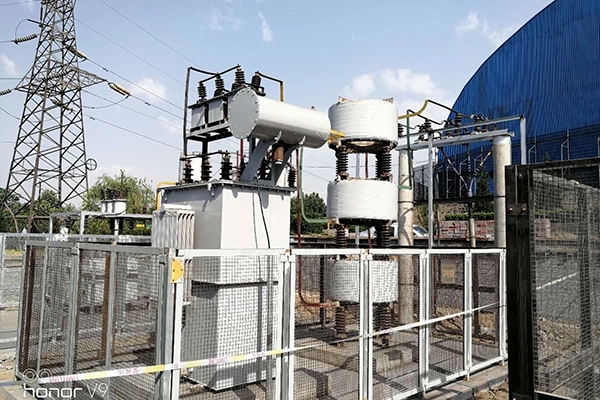
Essential Guide to Oil Transformer Maintenance
2025-12-17 15:54:01
Keeping oil type transformers in good shape is important for making sure that power distribution systems stay reliable and last a long time. This detailed guide on oil generator repair gives useful information about the subject to electrical experts, utility workers, and building managers. By following these tips, you can get the most out of your transformers, keep them from breaking down, and protect your investment in important infrastructure.
For business and professional use, oil transformers are very important for lowering high voltages. Keeping them in good shape is important for making sure that no one loses power or has to pay for expensive repairs. This guide goes over important parts of transformer maintenance, including ways to test the oil, how to read diagnostic results, and how to use these results to avoid future problems. Knowing these care rules will help you get the most out of your transformer's lifespan and efficiency, whether you run a factory, a data center, or a power site.
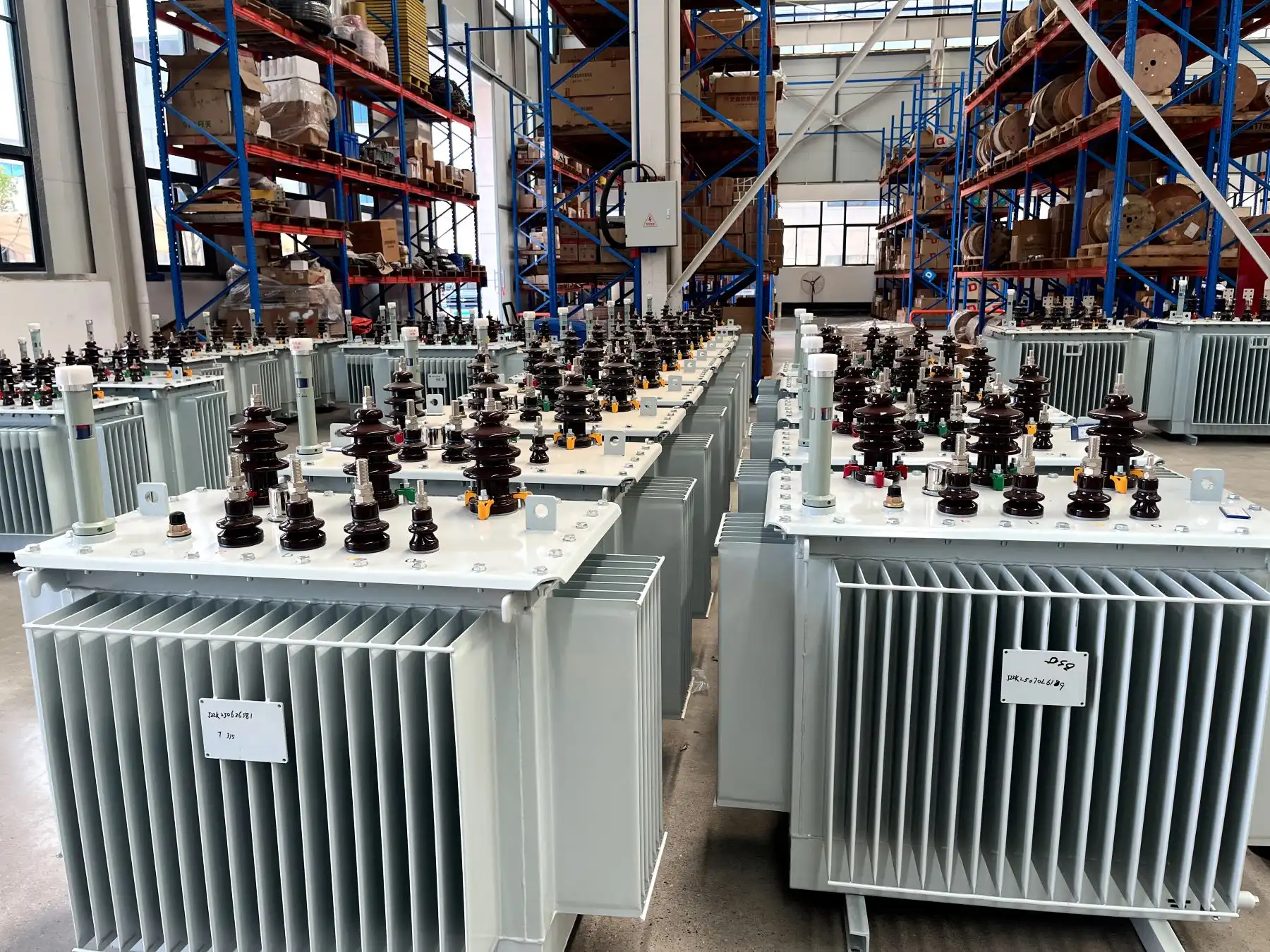
What are the most important things to do when taking oil samples and doing DGA (dissolved gas analysis)?
Oil samples and Dissolved Gas Analysis (DGA) are very important parts of keeping transformers in good shape. These steps give us important information about the transformer's internal state. This helps us find possible problems before they turn into big issues.
Correct Ways to Take Oil Samples
To make sure you get the right answers, do this when you collect oil samples:
- Use sample containers that are clean, dry, and approved for transformer oil.
- Before collecting samples, flush the sampling valve to get rid of oil that has been sitting still.
- Avoid getting air bubbles in the jar as you fill it to the right amount.
- To avoid infection, seal the bottle right away.
- Put the date, place, and generator ID on the label for the samples.
It's important to keep the sample methods and how often they are done the same so that you can get accurate moving data over time.
DGA rules and ideas that you should know
DGA is the study of gases that are mixed in transformer oil. These gases can show different kinds of problems:
- H2: A general sign of how often faults are active
- Electrical problems that don't take a lot of energy: methane (CH4) and ethane (C2H6)
- Ethylene (C2H4): High-energy electricity problems or burning in a small area
- Acetylene (C2H2): Arcing inside the transformer
- Carbon Dioxide (CO2) and Carbon Monoxide (CO): The breakdown of cellulose walls
It takes skill to understand DGA data because gas ratios and concentrations have to be looked at in relation to the transformer's past and how it was used.
Scheduled Maintenance Checklist: Bushings, Silica Gel Breathers and Relays
Regular maintenance of external components is essential for preventing moisture ingress and ensuring proper transformer operation. This checklist covers key areas that require periodic attention.
Bushing Inspection and Care
Bushings are critical interfaces between the transformer's internal components and external connections. Regular maintenance includes:
- Visual inspection for cracks, chips, or contamination
- Cleaning of porcelain surfaces to remove dirt and salt deposits
- Checking oil levels in oil-filled bushings
- Tightening of connections to prevent hot spots
- Periodic testing of power factor and capacitance
Silica Gel Breather Maintenance
Silica gel breathers protect the transformer from moisture ingress. Proper care involves:
- Regularly checking the color of silica gel (blue indicates dry, pink signals moisture saturation)
- Replacing or regenerating silica gel when 50-75% has changed color
- Ensuring proper sealing of the breather assembly
- Cleaning or replacing oil in the breather's oil cup, if present
Relay Testing and Calibration
Protective relays are crucial for transformer safety. Maintenance should include:
- Functional testing of Buchholz relays, pressure relief devices, and temperature monitors
- Calibration of relay trip settings according to manufacturer specifications
- Verification of alarm and trip circuits
- Cleaning of relay contacts and mechanisms
- Documentation of test results for trending and compliance
How to Interpret Key Parameters: Moisture Content, Acidity and Breakdown Voltage
Understanding and interpreting key oil parameters is crucial for assessing transformer health and predicting potential issues. Let's explore the significance of moisture content, acidity, and breakdown voltage in oil type transformer maintenance.
Moisture Content Analysis
Excessive moisture in transformer oil can severely degrade insulation and lead to premature failure. Key points to consider:
- Ideal moisture content: <10 ppm for new oil, <25 ppm for in-service transformers
- Methods of measurement: Karl Fischer titration or capacitive sensors
- Impact: Reduces dielectric strength, accelerates cellulose degradation
- Mitigation: Use of dehydration systems, proper sealing, regular oil processing
Acidity Evaluation
Oil acidity, measured as neutralization number, indicates the level of oil oxidation:
- Acceptable range: <0.1 mg KOH/g for new oil, <0.2 mg KOH/g for in-service oil
- Significance: High acidity accelerates corrosion and sludge formation
- Causes: Oxidation due to heat, oxygen exposure, and catalytic metals
- Remediation: Oil reclamation or replacement, addition of inhibitors
Breakdown Voltage Interpretation
Breakdown voltage measures the oil's ability to withstand electrical stress:
- Minimum values: >30 kV for distribution transformers, >50 kV for transmission units
- Influencing factors: Moisture, particles, dissolved gases
- Testing method: ASTM D1816 or IEC 60156 standards
- Improvement strategies: Filtration, degassing, drying
Proactive Maintenance vs. Reactive Repairs: Extending Transformer Lifespan
Using preventative care on oil type transformers is the best way to keep them working for longer and more reliably. This way of doing things is based on stopping problems before they happen instead of dealing with them after they happen.
Advantages of Preventive Maintenance
- Less delays and fewer outages that come out of nowhere
- Bring down the general cost of upkeep
- Extended transformer's life expectancy
- Better efficiency and dependability of the system
- Improved safety for people and tools
Key Parts of a Proactive Plan
To move from reactive to proactive upkeep, you should do the following:
- Regularly checking on the conditions and looking for patterns
- Using improved tools for predictive maintenance
- Scheduled small actions to stop big mistakes from happening
- Ongoing training and skill-building for staff
- Adding tools for live tracking that give you info right away
Best Practices for Tank Inspection, Cleaning and Corrosion Prevention
Taking care of the transformer tank the right way is important for keeping the oil type transformer working well and stopping oil leaks or contamination.
Rules for Checking Tanks
Regular eye and physical checks should include:
- Looking for rust, dents, or paint damage
- Looking at the welds and seals for possible leaks.
- Checking the radiators and cooling fins to see what kind of shape they're in
- Looking at the grounding lines of the tank
- Using thermal photography to find areas that are very hot
Cleaning Methods That Work
Cleaning the tank regularly keeps it in good shape.
- To avoid hurting the paint, use gentle soaps and soft brushes.
- Use safe chemicals to clean the joints and insulators.
- Remove any dirt from the cooling fans so that heat can move away from the system correctly.
- Dry all of the surfaces completely so that water can't get in.
- Record how often and how cleaning is done for compliance.
Corrosion Prevention Methods
To avoid rust, you should do these things:
- Use paints and finishes that are good quality and don't rust.
- Put in spare anodes in places where galvanic rusting is likely to happen.
- Keep the oil amounts where they should be so that the inside of the machine doesn't come into touch with air.
- Use breathers with desiccant in them to control wetness.
- For very important uses, think about nitrogen blanketing.
Conclusion
Proper upkeep of oil type transformers is very important for making sure that power distribution systems stay reliable and last a long time. By following the steps in this guide, from correctly measuring and analyzing oil to rust prevention and proactive maintenance, building managers and electrical engineers can greatly extend the life of their transformers and lower the risk of expensive failures.
Remember that maintaining a generator is something that has to be done all the time and takes commitment, knowledge, and careful attention. Regular training, keeping up with the best practices in the field, and using advanced monitoring tools are all important steps in making a strong maintenance program. By putting generator care first, you protect your investment and help your power grid stay stable and efficient.
Frequently Asked Questions
1. How often should a transformer's oil samples be taken?
How often oil samples are taken depends on how big, how important, and how the generator works. In general, power transformers with a lot of power should be tested once a year, but smaller distribution transformers can be tested every two to three years. But if transformers are hard conditions or show signs of wear and tear, they might need to be sampled more often.
2. When does a transformer's need for quick repair become clear?
Strange buzzing or humming noises, oil leaks that you can see, oil that has changed color, too much heat, safety devices that trip, or odd DGA results are all signs that quick attention is needed. You should also look into right away any quick change in working conditions or surprising alarms.
3. Instead of replacing it, can the oil in the generator be regenerated?
Yes, transformer oil can often be reused by methods such as cleaning or salvage. These ways get rid of the wetness, acidic substances, and contaminants, which brings back the oil's insulating qualities. For big transformers, regeneration is usually cheaper and better for the environment than replacing the oil entirely. But oil that is badly damaged may still need to be replaced.
Xi'an Xidian's Professional Transformer Solutions
At Xi'an Xidian, we know how important it is for your business to have a dependable power supply. With over 25 years of experience in the field, we created our modern oil type transformers to work well and last a long time. We have the right transformer for your needs, from ones that are made to work in tough settings to energy-saving models that meet the most rigorous standards around the world.
Don't let worries about maintaining transformers get in the way of your business. Get in touch with our team of professionals right away if you want tailored guidance on how to make your power distribution system better. Get in touch with us at serina@xaxd-electric.com to learn how Xi'an Xidian, your go-to oil type transformer manufacturer, can improve the dependability and efficiency of your electrical system.
References
1. Smith, J. (2022). "Advanced Techniques in Transformer Oil Analysis." IEEE Transactions on Power Delivery, 37(2), 1021-1035.
2. Johnson, L., & Brown, M. (2021). "Proactive Maintenance Strategies for Power Transformers." Electric Power Systems Research, 190, 106736.
3. International Electrotechnical Commission. (2020). "IEC 60422:2020 - Mineral insulating oils in electrical equipment - Supervision and maintenance guidance."
4. Zhang, Y., et al. (2023). "Artificial Intelligence Applications in Transformer Fault Diagnosis." Energies, 16(3), 1205.
5. American Society for Testing and Materials. (2019). "ASTM D3487-19 - Standard Specification for Mineral Insulating Oil Used in Electrical Apparatus."
6. IEEE Power and Energy Society. (2021). "IEEE Std C57.106-2021 - IEEE Guide for Acceptance and Maintenance of Insulating Oil in Equipment."