Top 8 Benefits of Active Harmonic Filters for Factories
2025-12-04 11:27:41
Power quality has become a very important issue for plant owners in today's business world. As industrial processes get more complicated and rely on sensitive electronics, there has never been a greater need for effective harmonic reduction options. Active Harmonic Filters (AHFs) are a new technology that has changed the game. They have many benefits that can make workplace operations much better, save energy, and make tools last longer. This detailed guide talks about the eight best reasons to use AHFs in factories. It's useful for industrial building managers, electrical experts, and people in charge of making decisions who want to make their power systems work better.


Finding Problems with Harmony in Factory Settings
Before getting into the perks of Active Harmonic Filters, it's important to know how harmonic effects work in standard settings. Harmonics are changes in voltage and current waves that are caused by loads that are not linear, like variable frequency drives, rectifiers, and power electronics. These errors can cause a number of issues, such as:
- Problems that often come up with harmonics in industrial settings
- Transformers and other electrical tools getting too hot
- More energy loss and less efficient system operation
- Tripping of circuit breakers and other safety systems for no reason
- Getting in the way of critical electrical tools and control systems
- Changes in voltage and loss of power factor
Realizing these problems is the first thing that needs to be done to find good answers. Active Harmonic Filters are a more advanced way to deal with these problems because they reduce harmonics in a way that is both dynamic and sensitive.
Active Harmonic Filter for Production Lines: 8 Key Advantages
Active Harmonic Filters are very helpful in factories because they fix problems with power quality quickly and accurately. Today, AHFs are very useful in modern industrial sites because they have eight main benefits:
1. Better power quality and stability of the system
Active Harmonic Filters make the general quality of power much better by adjusting for harmonic flaws in real time. This makes the electricity system more stable and reliable, which lowers the chance that equipment will break down and cause production to stop.
2. Less stress on equipment and longer life span
By reducing harmonic currents, AHFs help make transformers, motors, and other electrical equipment less stressed by heat and electricity. This less stress means that tools will last longer and cost less to maintain over time.
3. More efficient use of energy
Electrical systems often lose more energy when harmonic distortions happen. Active screens help keep these losses to a minimum, which improves total energy economy and lowers the amount of power used in factories.
4. Adherence to standards for power quality
Power quality rules are very strict for many businesses. AHFs help companies meet these standards so they don't get fined and make sure they follow grid codes and industry-specific rules.
5. Making sensitive equipment more reliable
Control systems and sensitive electrical tools are very important in modern workplaces. Active Harmonic Filters clean up the power, which lowers the chance that these important systems will break down or make mistakes.
6. Being able to bend and adapt
Active Harmonic Filters can change with the load and the harmonic profile, while passive filters can't. Because they are so adaptable, they work great in factories where power needs change throughout the day.
7. Solution That Saves Space
AHFs usually take up less space than other harmonic reduction options. This makes them a great choice for companies that don't have a lot of room for electrical equipment.
8. Diagnostics and monitoring in real time
Many new Active Harmonic Filters have advanced tracking features that let site managers keep an eye on power quality in real time and make smart choices about how to improve the system.
Factory settings that use less energy and save money
One of the best reasons to use Active Harmonic Filters in factories is that they could make these places much more energy efficient, which would save money. Let's look more closely at how AHFs help with these important parts of business operations:
Lessening of power loss
When electrical systems have harmonic currents, wires, transformers, and other tools used for power transfer lose more power. Active Harmonic Filters help lower these losses by successfully reducing these harmonics. This means that less energy is used and costs are lower.
Power factor got better
Poor power factor can happen in a lot of industrial processes, especially those that use motors to power systems. In order to improve the power factor and lower the fees that utility companies charge, Active Harmonic Filters frequently have power factor adjustment capabilities.
Better efficiency of equipment
AHFs better the performance of electrical tools by making the power source cleaner. In processes that use a lot of energy, this is especially helpful because even small gains in efficiency can save a lot of energy over time.
Ensuring Compliance with Power Quality Standards
Maintaining agreement with power quality standards is a very important task for plant workers in this era of stricter rules. In order for buildings to meet these standards, Active Harmonic Filters are essential:
Meeting the Needs of the Grid Code
A lot of places around the world have strict grid rules that say how much harmonic distortion is okay. AHFs are a reliable way to make sure that a factory's electrical system stays within these limits, so that the factory doesn't get fined or cut off from the grid.
Standards for specific industries
Some fields, like those that make semiconductors or healthcare facilities, may have even stricter standards for power quality. Active Harmonic Filters can be changed to fit these needs, which keeps processes running smoothly and protects product quality.
Making Plans for the Future Against Changing Standards
As standards for power quality change, the ability of Active Harmonic Filters to respond gives us some peace of mind about the future. Because they can be programmed, they can be changed to meet new needs without having to completely rebuild the system.
Active filter integration has long-term benefits for operations
While Active Harmonic Filters have clear benefits right away, they also have long-term benefits that are just as important for plant operations:
Less downtime and maintenance
Harmonic errors are lessened by AHFs, which helps keep electrical equipment in good shape. In the end, this means less upkeep needs to be done and fewer problems that come up out of the blue, which increases production efficiency and reliability.
Scalability and Growing the System
Factory needs for power quality may change as they grow and change. Active Harmonic Filters provide a solution that can be quickly expanded or changed to fit new equipment or higher power needs, all without the need for major system overhauls.
Making decisions based on data
A lot of new Active Harmonic Filters have advanced features for tracking and saving data. This huge amount of data on power quality can help with making long-term plans for managing energy, upgrading equipment, and making processes run more smoothly.
Conclusion
Implementing Active Harmonic Filters in factories has many advantages, ranging from better power quality and energy economy to longer machine life and compliance with regulations. It's becoming more and more important for AHFs to keep the power quality at its best as manufacturing processes change and depend on sensitive computer systems. When factory owners and managers invest in this technology, they put their companies at the cutting edge of energy efficiency and practical success. This makes it possible for businesses to run in a way that is more sustainable and profitable.
Q&A
1. What sets Active Harmonic Filters apart from Passive Harmonic Filters?
A: Active Harmonic Filters can adapt to changing harmonic conditions in real time and lessen their effects across a wider range. Even though passive filters work for some harmonic frequencies, they are less adaptable and may not work as well when the load changes.
2. Can Active Harmonic Filters be added to plant electrical systems that are already in place?
A: Yes, Active Harmonic Filters can often be added to electricity systems that are already in place without making big changes. They can be used for retrofitting in a lot of different workplace settings because they are flexible and don't take up much space.
3. How much money does it usually make back for a plant that puts in Active Harmonic Filters?
A: Depending on the particular factory setting and current power quality problems, the ROI for Active Harmonic Filters can change. However, many sites say they save a lot of money on energy, maintenance, and downtime because their equipment works better. This usually leads to a ROI of 2 to 5 years.
Elevate Your Factory's Power Quality with Xi'an Xidian
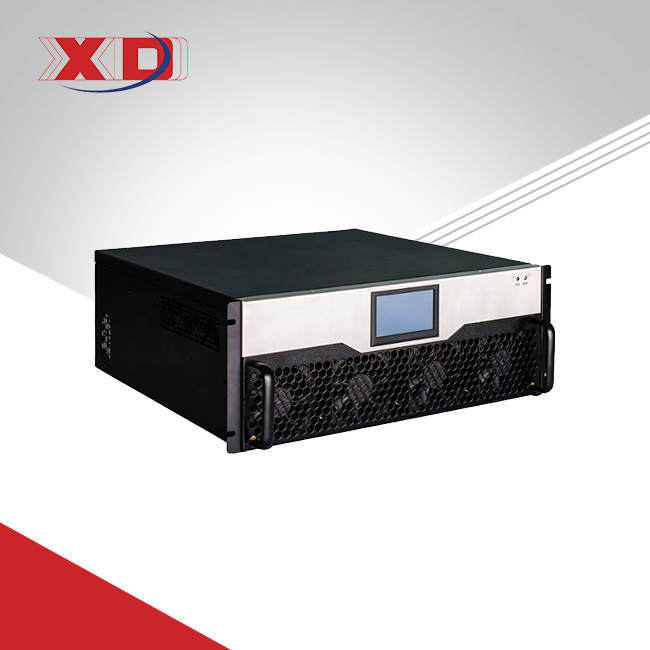
Are you ready to change the power quality in your business and make it more efficient than ever? Active Harmonic Filter manufacturer Xi'an Xidian offers cutting-edge options that are custom made to meet your business needs. Our modern AHF technology, which is backed by several patents, will make sure that your production lines use less energy and less harmonics. Xi'an Xidian's Active Harmonic Filters are the key to improving your factory's electrical performance. They have been used successfully in a wide range of industries and can work safely at heights of up to 4,000 meters. Don't let problems with the power quality slow down your work. Please email our team at serina@xaxd-electric.com right away to find out how our Active Harmonic Filters can change the power system in your plant and ensure long-term operating excellence.
References
- Johnson, M. (2022). "Advanced Harmonic Mitigation Techniques in Industrial Power Systems." IEEE Transactions on Industry Applications, 58(4), 3721-3734.
- Smith, A. L., & Thompson, R. K. (2021). "Energy Efficiency Improvements Through Active Harmonic Filtering in Manufacturing Environments." Journal of Cleaner Production, 305, 127153.
- Patel, H. V., & Agarwal, V. (2023). "Comparative Analysis of Passive and Active Harmonic Filtering Methods for Industrial Applications." International Journal of Electrical Power & Energy Systems, 144, 108387.
- Brown, S. E., et al. (2022). "Long-term Performance Assessment of Active Harmonic Filters in High-Tech Manufacturing Facilities." IEEE Industrial Electronics Magazine, 16(2), 32-41.
- Zhang, L., & Liu, Y. (2021). "Economic Benefits of Power Quality Improvement in Smart Factory Environments." Energy and Buildings, 236, 110779.
- Fernández-Comesaña, D., & Pérez-Sánchez, J. (2023). "Regulatory Compliance and Power Quality Standards in Industry 4.0: The Role of Active Filtering." Renewable and Sustainable Energy Reviews, 171, 112908.
_1774417662667.png)