Harmonic Mitigation Capacitor Selection Guide for Industrial Systems
2026-08-28 16:50:16
Selecting the right harmonic mitigation capacitor involves understanding how these specialized components address Total Harmonic Distortion (THD) in electrical networks. Unlike conventional power factor correction capacitors that fail under non-linear loads, a properly designed harmonic mitigation capacitor withstands elevated voltage stress and current overloads. When paired with detuned reactors, these capacitors form LC circuits that shift resonance frequencies away from dominant harmonics, preventing equipment damage and ensuring stable power quality in demanding industrial environments where Variable Frequency Drives (VFDs) and other non-linear devices create substantial distortions.


Understanding Harmonic Mitigation Capacitors: Principles and Benefits
When industrial sites have problems with power quality, they often use specialized filtering options. A harmonic mitigation capacitor is an important part that is designed to work reliably in places where regular equipment would break down quickly.
What Makes These Capacitors Different
The main difference is in how the building is built and how it works. Traditional power factor correction units work well with linear loads, but they have trouble in the harmonically rich settings that are common in modern industry. Heavy-duty filter capacitors use stronger dielectric materials, like segmented metalized polypropylene film with improved edge metallization, that can handle inrush currents up to 200 times the nominal ratings. This design takes into account the fact that harmonic currents put a lot of stress on both the electrical and heating systems, more than most designs can handle.
Core Operating Benefits
Using harmonic filtering correctly leads to measured gains in operations. As waveform distortion goes down, system efficiency goes up. In most cases, this means that transformers and motors produce 15–30% less heat. When voltage stress stays within the design limits, equipment lasts a lot longer. When factories use the right kind of filter capacitors, unexpected downtime goes down a lot less. This is especially true in areas that use extensive drive systems for process control.
One more real benefit is that energy costs go down. When reactive power adjustment works right and doesn't cause harmonic amplification, utility fees for low power factor go away. Putting money into good filters usually pays for itself in 18 to 24 months by saving money on energy costs and not having to buy new equipment.
Typical Industrial Applications
A lot of harmonic material is made in factories that use CNC machines, automated production lines, and robotic welding systems. Electrified railroad traction substations are especially tough places to work because single-phase loads cause uneven errors that need a special kind of filter design. Power quality standards must be met by strong filters in aluminum smelting plants, which have huge rectifier systems. For each use, it's important to choose the right parts by looking at the real harmonic spectra and system impedance.
Harmonic Mitigation Capacitor vs. Alternative Harmonic Solutions
When technical decision-makers look at ways to improve power quality, they have a number of technology options to choose from. Each has its own pros and cons.
Passive Filter Systems
By putting capacitors and series reactors together, passive filters can tune circuits to target specific harmonic orders. This method is easy to use and reliable, and it doesn't need any active control systems. When passive filters with heavy-duty capacitors are designed correctly, they can effectively reduce 5th and 7th harmonics, which are the most common industrial distortions. Fixed tuning frequencies that might not be able to adapt to changing load conditions are two problems. Another is that detuning could happen as capacitance values change over time. Maintenance needs are still very low, but checking the capacitance on a regular basis makes sure it keeps working.
Active Filtering Technologies
Power electronics are used in active harmonic filters to add corrective currents that get rid of harmonic distortions on the fly. These systems can handle more than one harmonic order at the same time and can change to changing load conditions. The technology works well in situations where harmonic profiles change quickly or where passive filters can't be installed because of lack of space. The capital costs are usually three to five times higher than with passive solutions, and because they are more complicated, they have more failure modes that need specialized expert support. Energy costs keep going up because of operating losses in circuits that changes power.
Tuned Filter Configurations
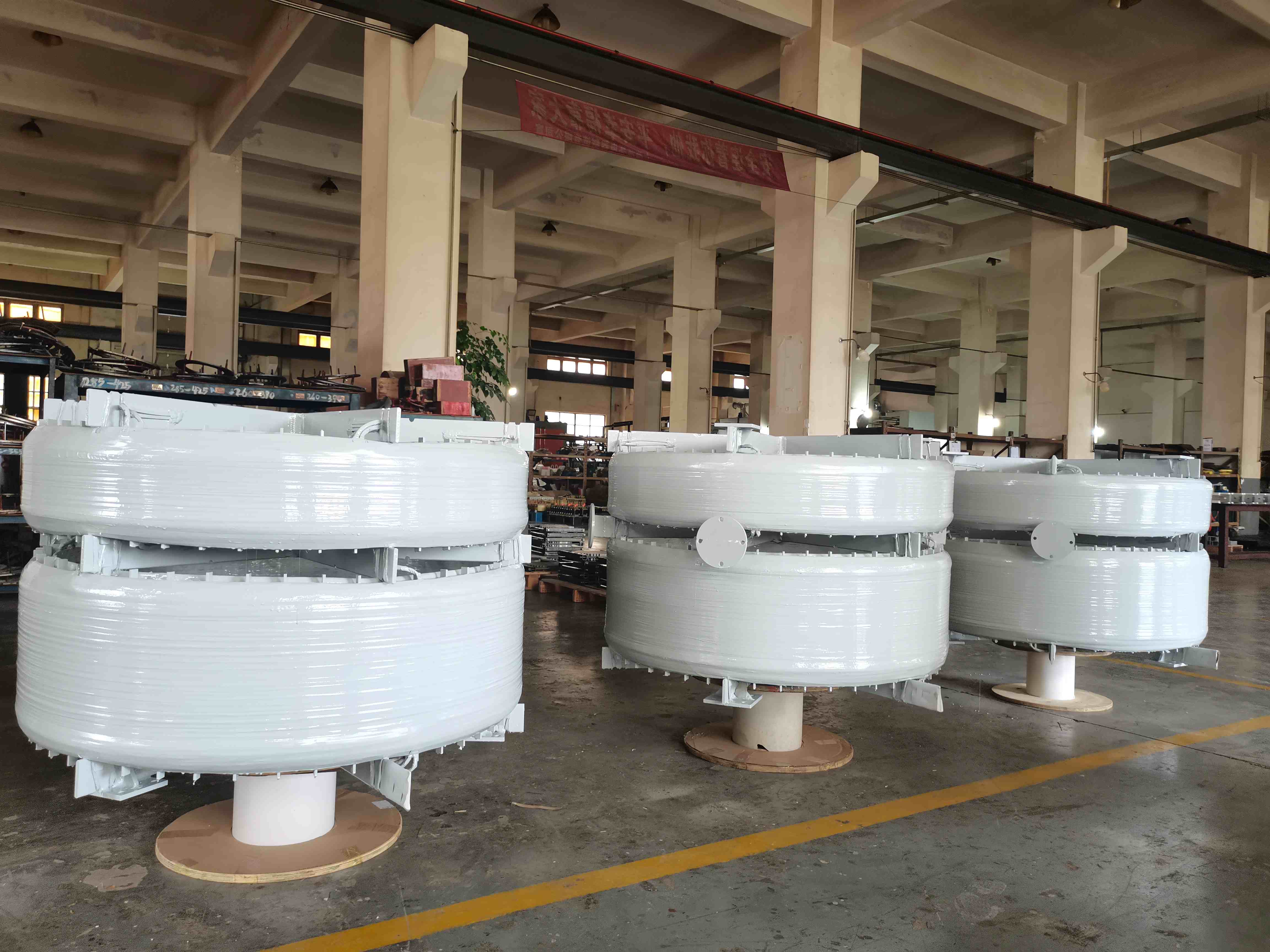
Tuned filters are a middle ground that combines series LC circuits that are best for certain harmonic frequencies. When designed with the right quality factors, they do a great job of reducing target harmonics while still correcting the power factor. This method needs careful component definition and a thorough harmonic analysis. Long-term dependability is ensured by using capacitors rated for harmonic duty and voltage gaps that take into account the rise in line reactor voltage. For big industrial sites where harmonic sources don't change much, this configuration works really well.
In the end, the choice is made based on the features of the system, the available cash, and the technical skills. Passive systems with heavy-duty filter capacitors usually work best in places where processes are stable and harmonic profiles can be predicted.
How to Select the Right Harmonic Mitigation Capacitor for Industrial Systems
To choose the correct harmonic mitigation capacitor, you need to know how these specific parts deal with Total Harmonic Distortion (THD) in electrical networks. A properly designed harmonic mitigation capacitor can handle high voltage stress and current overloads, while most power factor correction capacitors break down when non-linear loads are applied. These capacitors work with detuned reactors to create LC circuits that move resonance frequencies away from dominant harmonics. This keeps equipment from breaking and keeps power quality stable in harsh industrial settings where VFDs and other nonlinear devices cause big distortions.
When making a procurement choice, you have to weigh the technical performance standards against practical business concerns.
Assessing Technical Requirements
Start by doing a full harmonic analysis. Test the real THD values at the locations where the installation is going to happen under typical running conditions. Ratings for voltages must take into account both the basic voltage and the extra stress from connecting a series reactor. For 400V grid uses, capacitors usually need to be rated at 480V or 525V. Engineers who are new to detuned filter design are often surprised by the voltage rise across capacitors that are linked in series.
Pay close attention to the current handling capability. Figure out how much harmonic current you expect and make sure the capacitor's constant current value is higher than that by a sufficient amount. For most industrial uses, safety factors for devices rated for 1.5 times the nominal current (I₀) are fine. Surge current power is also important because switching transients and fault situations cause short-term overloads.
Standards Compliance and Certifications
International guidelines give us important direction. IEC 60831-1/2 talks about capacitors for AC power systems in detail, including the rules for harmonic duty. For shunt power capacitors, IEEE Standard 18 has specifications that go with them. A big risk is taken away when makers are shown to be testing types according to these standards. For systems that have to follow North American electrical rules, UL 810 certification is very important.
Temperature class scores show the safest working temperatures. Class D devices work effectively in temperatures up to 55°C, so they can be used in hot industrial settings without losing their grade. Designs that have been tested thru thermal shock and long temperature changes are better for places that are in harsh climates.
Evaluating Manufacturer Capabilities
The choice of supplier affects the long-term success of a project. Look at how the products are made—laser welding methods for airtight seals show a dedication to quality. Ask a lot of questions about the dielectric loss features; tangent delta (tan μ) numbers below 0.0005 show that the material was chosen and processed well. Protocols for partial discharge tests show if makers understand how things fail in high-voltage situations.
When normal goods can't meet certain needs, the ability to customize them is important. Engineering flexibility is shown by suppliers who offer different terminal configurations, custom capacitance values, or better cooling options. Custom orders usually have lead times of three to five weeks, so make sure your buying plans take that into account.
Commercial Considerations for OEM Buyers
Different providers have very different ways of setting prices. The price per unit is important, but the total cost of ownership also takes into account things like warranty terms, the quality of professional help, and a past of reliability. Manufacturers who back their warranties with performance data for 3 to 5 years show that they are sure their products will last.
Small and medium-sized producers are affected by minimum order amounts. Some providers can make prototypes, which lets you test the idea before committing to large-scale production. Setting up stocking plans with regional wholesalers can cut down on the time it takes to get new units, which means that production won't have to stop while maintenance is being done.
Real-World Performance: High Voltage Single Phase Filter Capacitors in Action
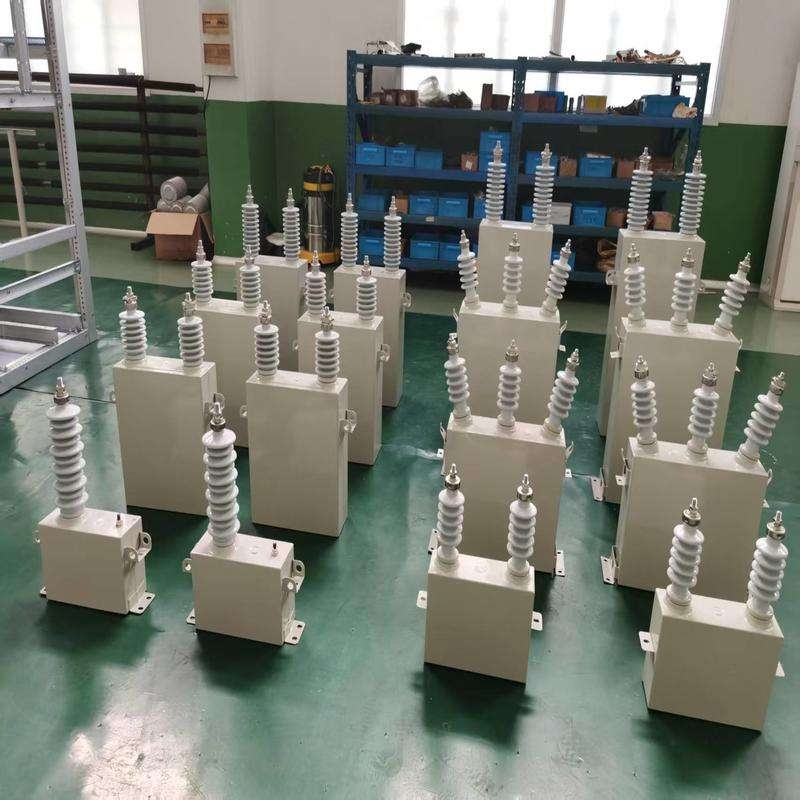
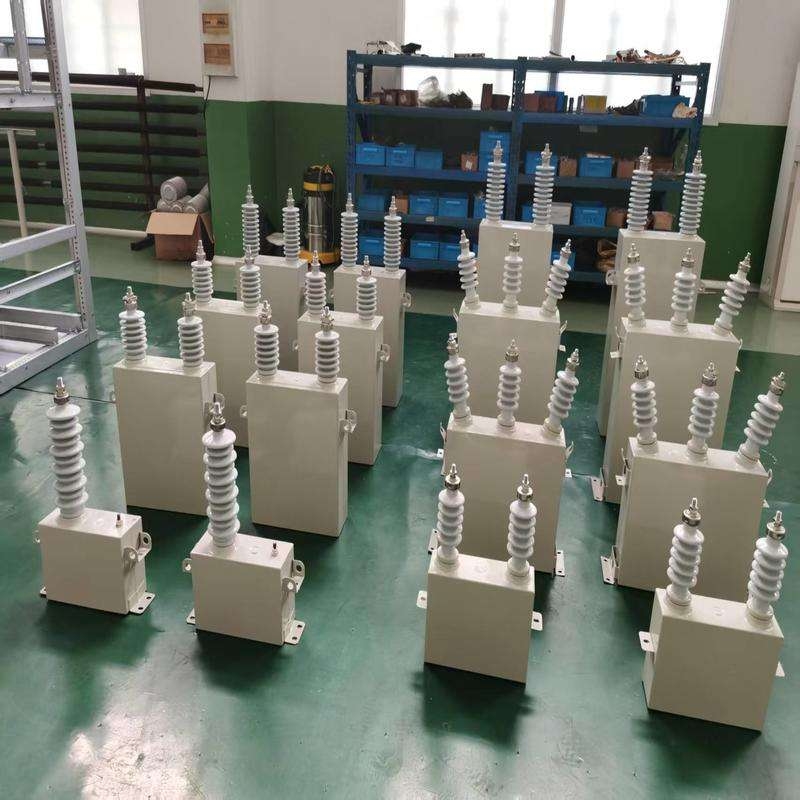
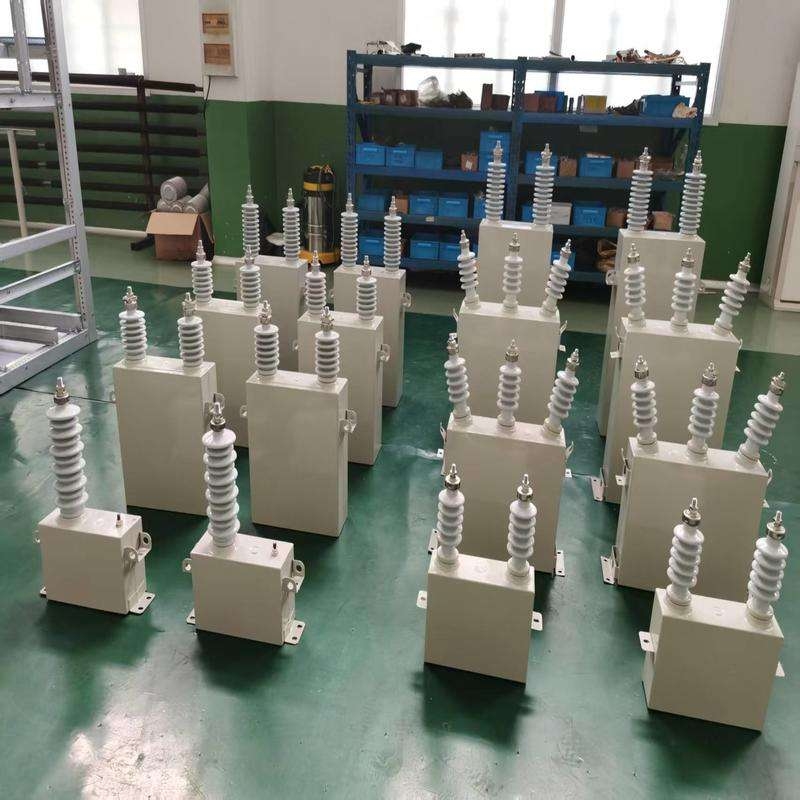
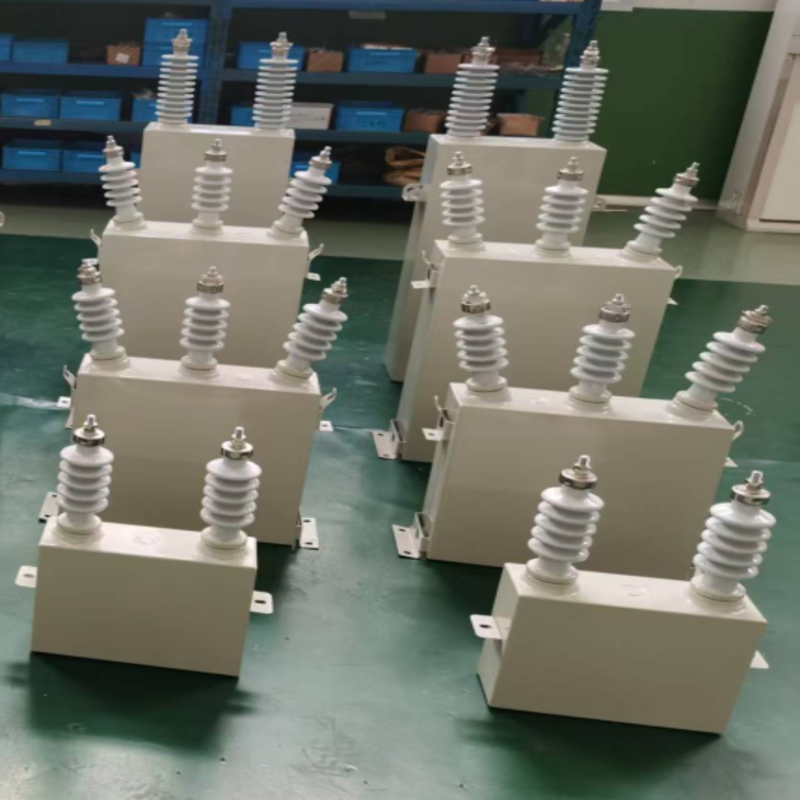
The High Voltage Single Phase Filter Capacitor from Xi'an Xikai is a great example of how modern design can be used to solve real-world problems in industry. This part is reliable enough for important uses because it was made by people with a lot of experience making power electronics. The gadget has discharge resistors that instantly lower any remaining voltage when the power is turned off. This fixes safety issues that existed with older designs. When dielectric stress goes over safe limits, internal fuse technology automatically cuts off faulty sections, keeping the tank from bursting in a huge way. Because it is made of a self-healing metalized film, the capacitor can rebound from short-term overvoltage events that would damage other technologies forever. The quality of the construction shows how strict the making standards are. Aluminum-alloy bodies and argon-arc-welded tanks make sure that the system doesn't leak, even when the temperature changes from -40°C to +55°C. This is very important for outdoor substation installations and buildings that are in harsh climates. Automated welding methods make sure that the quality is the same from one production run to the next, and ISO 9001-certified material screening gets rid of any parts that aren't up to par before they are put together.
- Harmonic Filtering Performance: Fine-tuned capacitance lowers voltage distortions by up to 70% in systems with a lot of 5th and 7th harmonics. This makes the technology very useful in railroad electrification and industrial drives applications where waveform quality directly affects the life of the equipment.
- Overload Resilience: The design can handle surge currents that are more than 100 times the maximum capacity. It does this by soaking the inrush current that comes with energizing the capacitor bank and giving extra room for error during short-term faults that would normally damage normal equipment beyond repair.
- Silent Operation: Sound levels stay below 45dB, which meets strict requirements for installation near occupied areas without the need for extra sound-reducing measures that raise costs and make electrical room design more difficult.
- Environmental Compliance: RoHS-compliant materials and reusable building are in line with companies' efforts to be more environmentally friendly, and they also meet the stricter rules about how to get rid of old electronics and their long-term effects on the environment.
These benefits can be used right away to solve problems in business. In manufacturing facilities, expensive utility fines for poor power factor are avoided, and the service life of transformers and motors is increased. Even tho single-phase traction loads have a lot of harmonic distortion, railroad workers are able to keep the voltage fixed. By stopping harmonic-induced neutral current overloads that used to cause unexpected breaker trips during peak computing loads, data centers can keep running without any problems. Field setups show that solutions can last in situations that didn't work with older solutions. A southeast aluminum smelter had to replace regular capacitors every 8 to 14 months because rectifier harmonics caused them to break. The facility has been running for over 36 months without replacing any of the properly rated filter capacitors that were put in detuned setups. This has cut down on maintenance costs by 65% and made the process more stable by better regulating voltage.
Technical Excellence Through Manufacturing Rigor
Every unit undergoes rigorous testing, including material screening, hermetic laser welding, 72-hour high-temperature load cycles, thermal shock, and impulse voltage tests. These processes identify early failures, verify insulation and temperature performance, and improve long-term reliability. Aluminum-alloy construction also enhances heat dissipation, maintaining dielectric properties across demanding environmental conditions with harmonic mitigation capacitor.
Supplier Selection: Building Partnerships for Power Quality Success
Choosing a supplier: forming partnerships for better power quality. It's not enough to just compare standard sheets and unit prices when looking for manufacturing partners.
Evaluating Supplier Qualifications
Certifications are a factual way to show that a quality control system works. With ISO 9001 certification, you can be sure that the manufacturing process is standardized and that quality controls have been recorded. ISO 14001 shows that environmental management is serious, which is becoming more and more important as business sustainability reporting grows. Patent portfolios show real innovation versus just repackaging common parts. Suppliers with their own technologies usually offer better technical support and product development. Referrals from clients in the same industry can be very helpful. Talking to technical staff at places that use the same equipment can give you information about how it really works that isn't usually included in marketing materials. Ask detailed questions about the number of failures, the experience with insurance claims, and how quickly technical questions are answered. Suppliers who have worked with major industrial clients for a long time are likely to provide consistent performance and dependability.
Technical Support Capabilities
True technology partners are different from commodity providers because they offer application engineering help. Suppliers who offer help with harmonic analysis, system modeling, and custom design can help make installations work best in a given facility. This support is especially helpful when adding on to existing systems, where limited room and problems with interaction call for creative solutions. When problems happen, being able to get help after the sale is important. Downtime during repair events is kept to a minimum by having local extra parts stocked at regional service centers. Some manufacturers offer remote diagnostics, which let technical staff fix problems with installations without sending out field staff to do a preliminary assessment.
Commercial Terms and Flexibility
Lead times for catalog items are usually between 4 and 8 weeks, but can be longer or shorter based on production plans and the availability of parts. Suppliers who keep finished goods in stock for popular rates can speed up orders for urgent needs. For engineering and prototype testing, custom configurations add two to four weeks to the lead time. Pricing based on volume rewards buyers who make bigger promises, but project-based buyers may not be a good fit. Minimum order quantities that are flexible can be used for both prototype development and pilot installations. Some sellers offer contract stocking plans for ongoing production needs, which lowers the need for working capital while still making sure that parts are available. The warranty terms show how confident the maker is. Standard warranties cover flaws in the manufacturing process for 24 to 36 months. Extended warranties of up to 60 months show that the company expects the product to be very reliable. Make it clear if warranties cover damage that happens after a capacitor fails or just replacement of broken units.

Conclusion
In conclusion, to choose the right harmonic mitigation capacitors, you need to carefully look at their technical specs, the quality of their construction, and their supplier's abilities. It's impossible to say enough about how different heavy-duty filter capacitors made for harmonic settings are from normal power factor correction capacitors. Facilities that spend money on properly rated parts with enough voltage margins, strong construction, and a history of reliability see improvements in power quality, equipment longevity, and operational costs. Working with experienced suppliers who offer full technical help and show that they are great at making things guaranties successful implementations that give long-term value in tough industry settings.
FAQ
1.What voltage rating should I specify for a 400V system?
When choosing capacitors for detuned filter uses, you need to take into account the voltage rise across the series LC circuit. Depending on the reactor detuning factor (7% or 14%), a 400V grid usually needs capacitors rated at 480V or 525V. The voltage rise is due to the series resonance circuit that the capacitor and reactor make, along with extra stress from harmonic content. Underrated capacitors fail early because the dielectric breaks down.
2.Can these capacitors function without series reactors?
Technical operation is possible without reactors, but the benefits of reducing harmonics are lost, and there are serious risks of resonance. At harmonic frequencies, the capacitor's low resistance can cause parallel resonance with the system's inductance, which makes harmonic currents much stronger instead of weaker. This defeats the purpose of using strong parts, and the extra current stress could hurt the capacitor.
3.How do I determine when replacement becomes necessary?
The most accurate sign is measured capacitance. As metalized film parts separate during overvoltage events, self-healing processes slowly lower capacitance. If the capacitance falls below 90% of the label value, the detuned circuit frequency changes, which could lead to dangerous resonance conditions. Physical signs include bulging casings from too much pressure inside, overpressure disconnectors going off, or strange working temperatures found during infrared scans.
Partner with Xi'an Xikai for Superior Harmonic Mitigation Solutions
Work with Xi'an Xikai to get the best solutions for reducing harmonics. Power quality solutions for tough industrial uses are what Xi'an Xikai Medium & Low Voltage Electric Co., Ltd. has been doing for decades. When it comes to railroad electrification, industrial manufacturing, and green energy projects where harmonic distortion is a problem, our High Voltage Single Phase Filter Capacitors have been shown to work reliably. As a top producer of harmonic mitigation capacitors, we offer full technical help, special engineering for unique uses, and support around the world thru regional service centers. Our plateau-rated equipment works reliably at heights above 4,000 meters, and our patented technologies solve the problems that come up in high-voltage filtering situations. You can talk to our expert team about your power quality needs at serina@xaxd-electric.com, amber@xaxd-electric.com, or luna@xaxd-electric.com. You can look at our full range of electrical solutions at xaxd-electric.com. They are backed by ISO standards and have been used successfully in State Grid systems, steel and mining operations, and rail transportation networks in Asia and beyond.

References
1. Institute of Electrical and Electronics Engineers. (2021). IEEE Standard 18-2020: Standard for Shunt Power Capacitors. IEEE Standards Association.
2. International Electrotechnical Commission. (2019). IEC 60831-1: Shunt Power Capacitors of the Self-Healing Type for AC Systems Having a Rated Voltage up to and Including 1000V – Part 1: General. IEC Publications.
3. Dugan, R.C., McGranaghan, M.F., & Beaty, H.W. (2022). Electrical Power Systems Quality, Fourth Edition. McGraw-Hill Education.
4. Arrillaga, J., & Watson, N.R. (2018). Power System Harmonics, Second Edition. John Wiley & Sons Ltd.
5. Das, J.C. (2020). Power System Harmonics and Passive Filter Designs. IEEE Press, Wiley Publications.
6. Sankaran, C. (2017). Power Quality Considerations for Industrial Electrical Systems. CRC Press, Taylor & Francis Group.