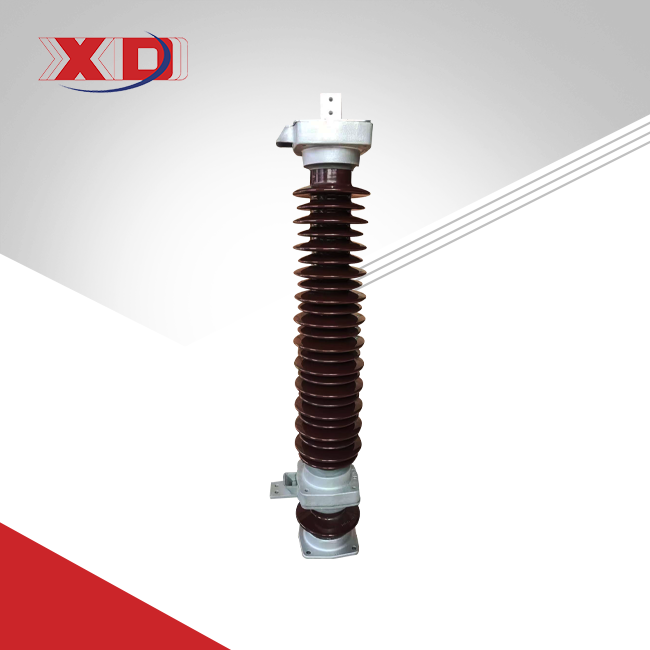
Y10W-216/562W Lightning Arrester Porcelain housed MOA for AC system
Why Dry-Type Shunt Reactor Design Matters for Harmonic Control
2026-08-27 15:10:57
Harmonic distortion poses significant challenges to modern power systems, degrading equipment performance and reducing grid stability. A properly designed dry-type shunt reactor addresses these issues by absorbing capacitive reactive power and filtering unwanted harmonic frequencies. Unlike oil-immersed alternatives, these reactors feature epoxy resin casting or air insulation, eliminating fire hazards and minimizing maintenance requirements. Their magnetic linearity and precise inductance control make them indispensable for capacitor banks, filter circuits, and reactive power compensation systems where harmonic control directly impacts operational efficiency and equipment longevity.


Understanding Dry-Type Shunt Reactors and Their Role in Harmonic Control
Variable frequency drives, power converters, and green energy inverters are polluting modern electricity networks with more and more harmonics. These non-linear loads add harmonic currents that change the shape of voltage waves. This makes transformers overheat, capacitors fail, and linked equipment age faster than it should.
Working Principle and Harmonic Mitigation Mechanism
Reactors function as inductive parts that work against capacitive reactive power and create impedance pathways for specific harmonic frequencies. They make resonant traps set to soak up 5th, 7th, 11th, and 13th harmonics, which are the most common industrial pollutants, when they are added to filter circuits. With precise air gaps around the iron core, the inductance stays the same even during voltage spikes. This keeps the filtering from becoming saturated, which would otherwise make it less effective. This magnetic uniformity makes sure that the system will work the same way even when the load changes, which is very important for systems that have to meet changing business needs.
Application Environments Demanding Harmonic Control
A lot of harmonic content is made by industries that use a lot of motor drives, welding equipment, or rectification systems. Chemical plants and factories with CNC machines can get a lot out of having reactors installed in their capacitor cabinets. To keep critical signaling equipment safe from electromagnetic radiation, metro systems need harmonic suppression. The CKSC dry-type shunt reactor series can handle a wide range of needs with its flexible configurations and ratings from 3kV to 35kV with Class F insulation. These units can handle surge currents up to 100 times their maximum capacity. They protect well during faults or switching transients.
Advantages Over Traditional Reactive Power Management
In the past, compensation systems only used capacitors, which made harmonics stronger instead of weaker. Passive compensation is changed into active filtering when capacitors and reactors with the right ratings are put together. The detuning effect stops resonance between the grid's inductance and the capacitor banks, which would otherwise cause terrible overvoltages. After using iron core reactor solutions, projects at State Grid installations and petrochemical complexes saw a 30–40% drop in total harmonic distortion. This improvement directly leads to lower power factor penalties, longer capacitor life, and compliance with the harmonic standards set by IEEE 519.
Design Features That Influence Harmonic Performance
How well a dry-type shunt reactor works for harmonic control rests a lot on how well it was built, what materials were used, and how well the heat was managed. When procurement workers understand these design aspects, they can find solutions that meet both short-term technical needs and long-term reliability standards.
Insulation Systems and Environmental Safety
Class F insulation made from epoxy resin casting has a dielectric strength greater than 1000MΩ and can stand up to humidity, dust, and chemicals. This way of building doesn't use any flammable oils, so there are no fire or explosion risks that come with designs that use liquids. Places that work with flammable materials, like factories, pharmaceutical production lines, and indoor substations, get a lot safer. The epoxy covering is also very strong mechanically; it can withstand short-circuit forces without deforming the winding. Operating temperature ranges from -40°C to +55°C handle harsh climates without affecting performance, which is important for outdoor installations or deployments up to 4,000 meters above sea level.
Core Construction and Magnetic Characteristics
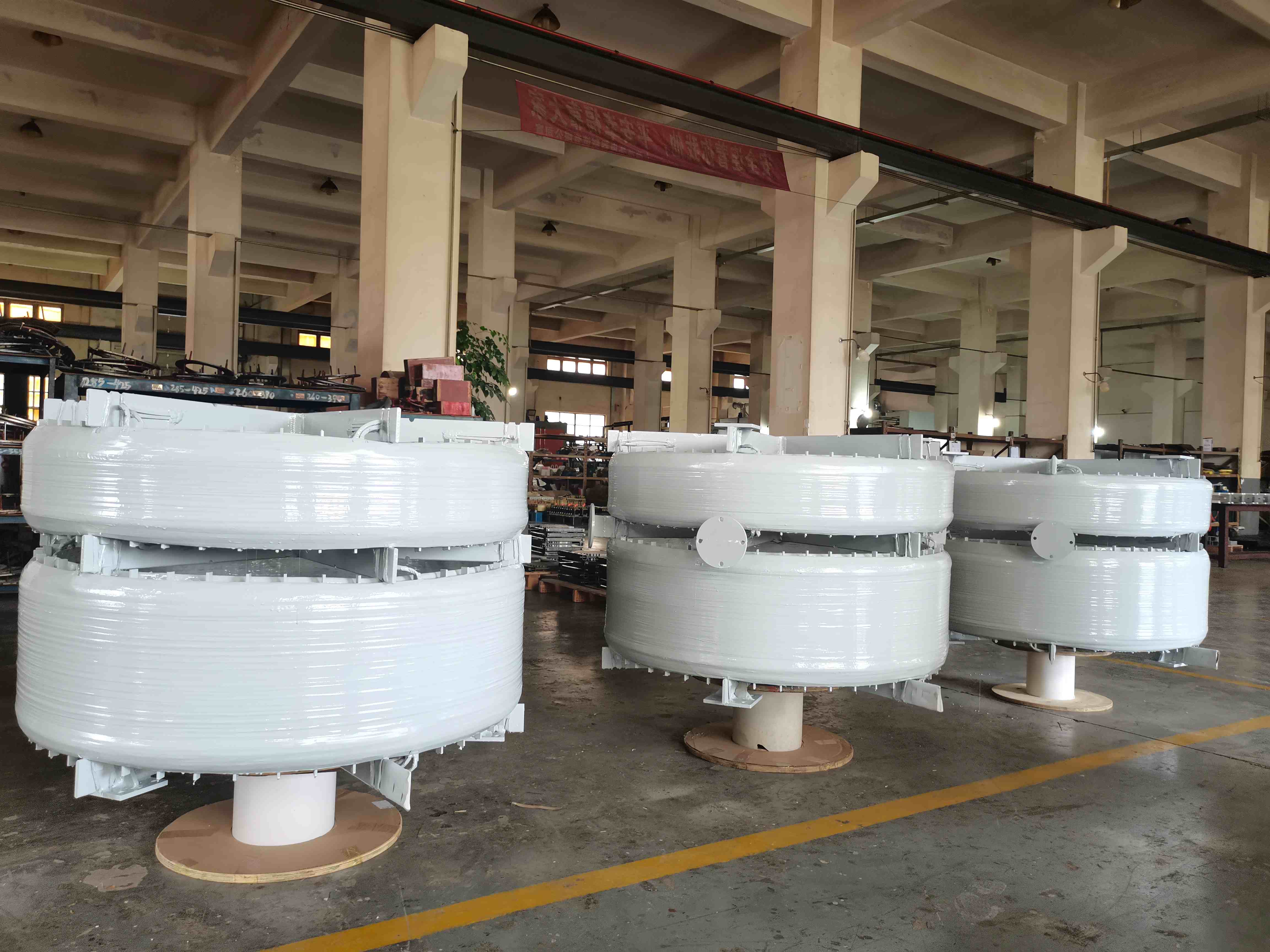
The magnetic circuit is made up of high-grade grain-oriented silicon steel laminations, and air gaps placed in key spots keep the core from getting too hot. This engineering method keeps the inductance stable at 1.2 to 1.35 times the rated voltage, which is very important when there is an overvoltage event and steady reactive power absorption is needed the most. The multi-gap structure concentrates magnetic flux, which lowers eddy current losses and electromagnetic interference with equipment nearby. If you compare iron core forms to air-core options, they use 25–30% less energy and take up less space. Manufacturing tolerances of ±3% make sure that the inductance values given match the real performance, which is a must for setting harmonic filters.
Noise and Vibration Control Engineering
During operation, magnetostriction inside the core makes sound waves. This shaking is stopped by advanced clamping mechanisms and elastomeric damping pads, which keep the noise level below 65 dB(A), which is good for business buildings and substations in cities. Following the manufacturer's instructions for proper fitting further lowers the amount of energy that is sent to mounting structures. Testing for temperature rise under full load makes sure that hot spots in the windings stay within Class F limits (155°C), which stops thermal degradation. Our ISO 9001-certified factories do tests to make sure that the partial discharge is less than 10 pC at 1.5 times the rated voltage. These tests prove that the casting is free of holes and that the insulation will stay strong over time.
Comparing Dry-Type Shunt Reactors with Oil-Filled Alternatives for Harmonic Control
When choosing between reactor technologies, buyers have to weigh the initial costs, ongoing costs, safety requirements, and the need to follow the rules. Both designs are used for reactive power control, but they are very different in how well they work in different situations.
Safety and Environmental Considerations
Reactors that are filled with oil need to have regular dielectric tests, leak checks, and the polluted oil has to be thrown away, which adds to the costs and environmental problems. Because of the risk of fire, regulations are making it harder to use oil-based equipment in populated areas. The dry-type shunt reactor design gets rid of all of these worries, so it can be installed in basements, caves, and production floors without any extra safety measures. This gives civil engineers more options, which lowers costs and speeds up project timelines. Facilities that want to get ISO 14001 environmental approval find that dry-type solutions easily fit with their sustainability goals because they use reusable materials and produce no emissions.
Maintenance Requirements and Lifecycle Costs
Every year, traditional oil reactors need to have their oil analyzed, their bushings inspected, and their pressure relief devices tested. For these solutions to work, they need skilled workers and more downtime. Dry-type units only need to have their surfaces inspected visually and their connection torques checked every one to two years. This is something that general maintenance staff can do. A 25-year projected lifespan with little maintenance results in a lower total cost of ownership, even tho the initial cost is higher. When labor, downtime, and dumping costs are taken into account, projects that look at 20-year net present value always choose dry-type technology. To take advantage of this economic benefit, big companies like ABB, Siemens, and Schneider Electric have added more dry-type products to their lines.
Harmonic Attenuation Performance Comparison
Modern dry-type systems are just as good at blocking harmonics as oil-filled reactors, if not better. Precision manufacturing keeps inductance tolerances that are important for filter tuning under control, and stable thermal properties keep performance from drifting. Since there is no oil, there is no risk of dielectric breakdown during harmonic voltage stress. Total demand distortion (TDD) reduction is the same between properly specified units of either type, according to measures taken in the field from industrial sites. Instead of harmonic performance itself, the installation setting, the ability to maintain, and the rules that must be followed become the decision factors.
How to Select the Right Dry-Type Shunt Reactor for Your Harmonic Control Needs
To choose the right dry-type shunt reactor, you need to match technical specs to system features while also taking into account the supplier's skills and the project's due date. This organized method lowers the risks of buying and guaranties long-term happiness.
Technical Parameter Assessment
The voltage value must match the average system voltage, with enough room for error for short-term overvoltages. The detuning factor (usually 5.67% or 7% for 5th or 7th harmonic filtering) is used to figure out the reactive power rating that is needed based on the size of the capacitor bank. Temperature, altitude, and pollution levels in the air affect the choice of shielding and the amount of cooling that is needed. The CKSC line can handle voltages between 3kV and 35kV, so it can be used in industrial distribution for medium-voltage tasks. Customizable port layouts, including top exit, side exit, or bottom cable entry, make it easy to add to capacitor cabinets that are already in use without making any changes. Installations that use non-standard frequencies (50Hz/60Hz mixed systems or converter-dominated grids) can benefit from trying the design in the mill before shipping.
Supplier Evaluation Criteria
Certifications like IEC 60076-6 compliance, ISO 9001 quality management, and regional approvals (BIS for India, EN 50588 for Europe) show that the company knows how to make things. When it comes to big orders, production capacity is important. Facilities with automated winding machines and vacuum casting systems can keep quality consistent across 20–200 unit batches. Lead times are usually between 8 and 12 weeks for standard configurations and between 10 and 14 weeks for custom designs. To avoid costly delays, procurement managers who are in charge of putting together capacitor cabinets should make sure that supply schedules for reactors are in line with overall project goals. Experienced sellers are different from component vendors because they offer technical support services like application engineering help, installation supervision, and quick service after the sale.
Total Cost of Ownership Analysis
Only 30–40% of lifetime costs are covered by the purchase price. Most of the costs come from energy losses over 25 years, maintenance work, and downtime. Optimized reactor core designs cut no-load losses by 15–20%, which saves a lot of energy in systems that run all the time. Warranty terms that cover flaws in the manufacturing process for two to five years protect your finances during the important early operation period. As a company that participates in national research and development programs and owns several protected technologies, Xi'an Xikai is always coming up with new ideas that have been tested in the field and proven to work. Performance in tough environments has been proven by projects in steel mills, water treatment plants, and renewable energy farms.
Future Trends and Innovations in Dry-Type Shunt Reactor Design for Harmonic Control
The next wave of reactive power equipment is shaped by changes in grid designs, digitalization, and progress in material science. Keeping up with these changes lets procurement decisions be made with the future in mind.
Smart Monitoring and Predictive Maintenance
Real-time health tracking is possible thanks to sensors that are built in and measure the temperature of the windings, the environment, and the patterns of shaking. Predictive maintenance, which replaces time-based service with condition-based actions, is made easier by data sent thru industrial IoT protocols to centralized management systems. A computer program called machine learning can find strange patterns that could mean that insulation is breaking down or links are becoming loose before they break. This feature cuts down on unplanned outages, which is especially helpful in businesses with ongoing processes where downtime costs more than $100,000 an hour. Integration with building management systems or SCADA platforms lets you see the state of all of your tools and the quality of the power.
Material Advancements Enhancing Performance
More loss decreases are expected from research into amorphous metal alloys compared to regular silicon steel. Nano-composite insulator materials have better dielectric strength in thinner layers, which lets designs be smaller. Coatings on surfaces that make them less water-repellent work better in polluted seaside or industrial areas. These new ideas gradually make things more efficient, reliable, and flexible in terms of installation. As shown by their patent portfolios and partnerships with universities, companies that spend in materials research show that they are dedicated to ongoing growth, which is good for their long-term customers.
Adapting to Renewable Energy Integration Challenges
Harmonic bands that are different from those produced by normal industrial loads are added by solar inverters and wind turbine converters. When output trends change, reactive power needs change too, and they need to be quickly compensated for. To meet these complicated needs, hybrid systems that include reactors, active filters, and static VAR compensators are used. As the use of renewable energy grows, modular dry-type shunt reactor designs let the capacity grow without having to replace old equipment. Harmonic emission limits and power factor standards are getting stricter around the world because of grid codes. This means that strong filtering infrastructure is now required instead of just a choice. When planning for the next 10 to 15 years, projects should choose reactors that can work with how the grid is expected to change and how regulations are likely to change.

Conclusion
Controlling harmonics with properly built dry-type shunt reactors leads to measured changes in power quality, equipment longevity, and costs of operation. These devices are necessary for modern industrial and utility uses because they are built to be fire-safe, don't need much maintenance, and filter out harmonics accurately. Procurement pros find the best solutions by using technical selection criteria that include voltage values, accurate inductance, thermal performance, and the supplier's abilities. New technologies, like smart monitoring and advanced materials, promise even better performance, making dry-type reactors long-term investments in infrastructure. Knowing the basics of design and the needs of an application lets you make smart choices that improve grid stability and business success.
FAQ
1.What maintenance intervals are required for optimal harmonic suppression?
Visual checks every 12 to 18 months are enough for most setups. These checks should look for surface tracking, dust buildup, and connections that are tight. Oil-filled units need dielectric testing every year, but dry-type shunt reactors only need thermal imaging every so often to find hotspots. In places with a lot of pollution, the surface may need to be cleaned every 24 months to keep the insulation in good shape.
2.How do lead times compare for standard versus customized configurations?
Within 8 to 10 weeks, standard voltage levels with standard terminal setups will be shipped. Custom specs, like non-standard frequencies, special mounting mounts, or unique wire entry points, make lead times 12 to 14 weeks longer so that the design can be tested and the tools can be made.
3.Can these reactors operate in high-altitude or extreme-temperature locations?
With Class F insulation and strengthened construction, it can be used at temperatures ranging from -40°C to +55°C and at heights of up to 4,000 meters. Installations above 1,000 meters or outside of normal temperature ranges should ask for better cooling or different insulation clearances during the buying process to make sure they work as well as they should.
Partner with Xi'an Xikai for Superior Harmonic Control Solutions
Xi'an Xikai Medium & Low Voltage Electric Co., Ltd. has been making electrical equipment for decades and can also fully integrate systems. They work on State Grid projects, industrial complexes, and green energy setups in a wide range of tough environments. Our CKSC dry-type iron core reactor line has Class F insulation and voltage ratings from 3kV to 35kV. It has been shown to reduce harmonics and work safely in fires, making it ideal for use in chemical plants, metro systems, and indoor substations. ISO 9001-certified factories make sure that the quality of all orders, from 20 to 200 units, is the same. Customizable terminal setups and fast prototyping can also be used to meet the specific needs of each project. Technical consultation teams help with application engineering, filter setting estimates, and installation advice, which ensures the business's long-term success. Talk to our experts at serina@xaxd-electric.com, amber@xaxd-electric.com, or luna@xaxd-electric.com about your harmonic control problems and look into dry-type shunt reactor solutions from a reputable company that is dedicated to delivering reliable power all over the world.

References
1. IEEE Standard 519-2014, "IEEE Recommended Practice and Requirements for Harmonic Control in Electric Power Systems," Institute of Electrical and Electronics Engineers, 2014.
2. Dugan, R.C., McGranaghan, M.F., and Beaty, H.W., "Electrical Power Systems Quality, Third Edition," McGraw-Hill Education, 2012.
3. IEC 60076-6:2007, "Power Transformers - Part 6: Reactors," International Electrotechnical Commission, 2007.
4. Arrillaga, J. and Watson, N.R., "Power System Harmonics, Second Edition," John Wiley & Sons, 2003.
5. Das, J.C., "Passive Filters - Potentialities and Limitations," IEEE Transactions on Industry Applications, Volume 40, Issue 1, 2004.
6. Zhang, L., Chen, W., and Liu, Y., "Design and Application of Dry-Type Iron Core Reactors in Harmonic Suppression Systems," Electric Power Systems Research, Volume 156, 2018.