High Voltage Disconnect Switch for Transmission Line Systems
2026-05-12 11:59:14
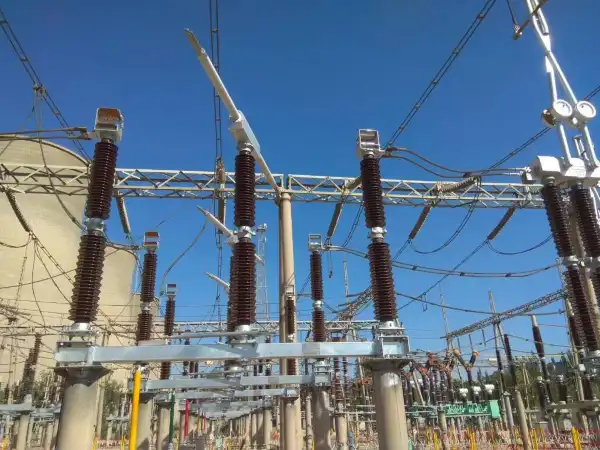
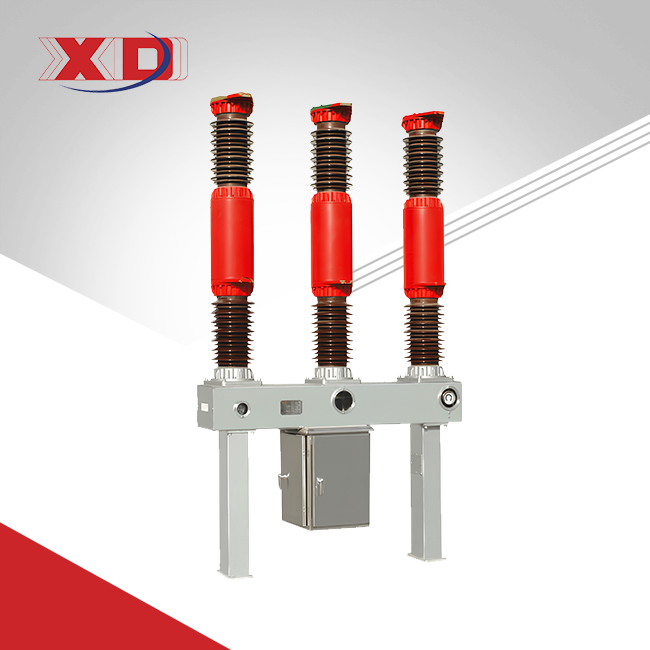
The High Voltage Disconnect Switch is an important safety High Voltage Disconnect Switch feature for handling important transmission infrastructure because it separates circuits during repair and emergencies. Across the United States, this important part makes a clear separation of places in powered systems to protect people and keep operations running smoothly in business complexes, utility networks, and industrial facilities.
 |
 |
Understanding High Voltage Disconnect Switches: Functions and Types
Isolating the electricity is a very important part of keeping the power source safe. A High Voltage Disconnect Switch physically splits parts of a circuit. This lets repair teams work safely on equipment that isn't connected to the grid while the rest of it keeps running. Instead of stopping fault currents like circuit breakers do, these switches leave intentional air gaps when the line doesn't have any load on it. This makes it clear that the circuit is isolated.
Core Operational Principles
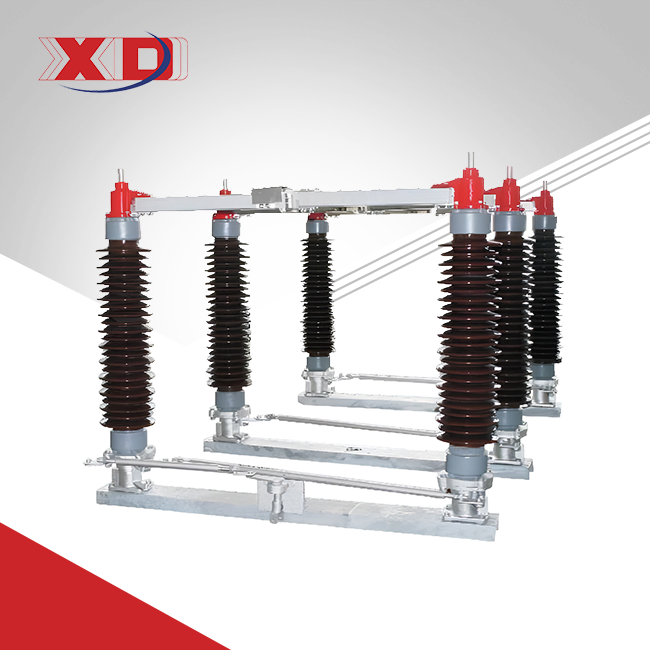
The pantograph device, which is popular in outdoor disconnectors, turns the conducting blades in carefully designed arcs. When turned on, the two blades make measurable gaps between them—usually a few inches to a few feet, based on the voltage class—that stop electricity from arcing across the gap. This physical break meets the lockout-tagout rules set by OSHA. It gives workers real peace of mind before they touch the equipment.
Classification by Insulation Medium
Outdoor uses mostly use air-insulated versions because they are easy to see and don't take up much space. When the room allows, manufacturing plants and substations like these units because workers can see that they are open from the ground. Modern air-insulated switches have an enclosed transmission system that keeps dust and other environmental contaminants from wearing down the contact surfaces. This means that repair times are much longer.SF6 gas-insulated versions reduce the size needed by using the better insulating qualities of sulfur hexafluoride. These small designs are good for data centers and urban substations that don't have a lot of space. However, environmental laws are now closely monitoring SF6 because it is a greenhouse gas. For indoor switchgear, vacuum technology provides an option by enclosing contacts in empty tanks that completely get rid of oxidation and arc leftovers.
Load Break Versus Non-Load Break Capabilities
Standard disconnect switches don't work until the circuit breakers clear the line, so they don't handle any power while they're moving. Load break switches have arc-extinguishing features that stop small magnetizing currents—usually high voltage disconnect switches less than 600 amperes—that happen when a transformer excites or a capacitor bank charges. Load break disconnectors let factories and hospitals change the way buses work during planned breakdowns without having to shut down whole substations.
Knowing these differences helps procurement teams match switch types to specific practical situations, weighing the costs of capital against the freedom of function.
Key Considerations for Choosing High Voltage Disconnect Switches
There are a lot of parameters on specification sheets, but only a few of them really affect the long-term performance and total cost of ownership. It seems clear to match voltage ratings to system needs, but basic impulse level (BIL) and continuous overvoltage tolerance are often not given enough thought during the initial decision process. Coastal sites and places with a lot of pollution need insulator surfaces with longer creepage distances to keep tracking from failing when it's wet. A High Voltage Disconnect Switch must be selected based on these environmental stressors.
Voltage and Current Rating Analysis
Rated voltage tells you the switch's highest steady system voltage, and BIL tells you how well it can handle transients caused by lightning. According to normal insulation coordination methods, a 363kV transmission line needs 1,425kV BIL protection. Before protective switches can work, current levels have to be able to handle both regular load flow and short-term thermal stresses during breakdowns. The GW7B-363 line can handle currents between 3,150 and 5,000 amps and has a loop resistance of less than 120 microohms, which means it loses very little heat through resistance.
Environmental Adaptation Requirements
The United States has a wide range of temperature differences, from the 120°F summers in Arizona to the subzero winters in Wyoming. In these conditions, hot-dip galvanized frames don't rust, so the structure stays strong for more than 30 years. Aluminum alloy conductors are 40% lighter than copper conductors, which makes installation on existing buildings easier and less expensive. Self-lubricating bushings don't need to be oiled or greased on a regular basis, which is especially helpful for sites that are far away and it's expensive to get an expert to visit.
Safety Compliance and Interlock Systems
Mechanical interlocks keep the main blades and earthing switches from closing at the same time, which could be a very bad mistake. When the main contacts are closed, the interlock device literally stops the earthing switch operating handle. This means that the switch has to be operated in a certain order. This way of thinking about design is in line with the IEC 62271 and IEEE C37.32 guidelines that govern the safety of switching devices around the world. These features are required by hospitals and data centers to keep people and secret electronic loads from being accidentally turned on. Using a systematic checklist to look over these things lowers the risks of buying while also helping choose the best tools for the High Voltage Disconnect Switch for each transmission setting.
Leading Brands and Market Solutions for High Voltage Disconnect Switches
There are both well-known foreign companies and specialized local sellers in the North American switchgear market. ABB's products focus on digital integration, and they have disconnect switches with built-in monitors for checking on their state. Siemens focuses on flexible platforms that make spare parts the same across all voltage classes. This makes them appealing to utilities that are in charge of wide ranges of fleets. Schneider Electric sells disconnectors, circuit breakers, and control systems in pre-engineered packages to businesses.
Performance and Value Comparison
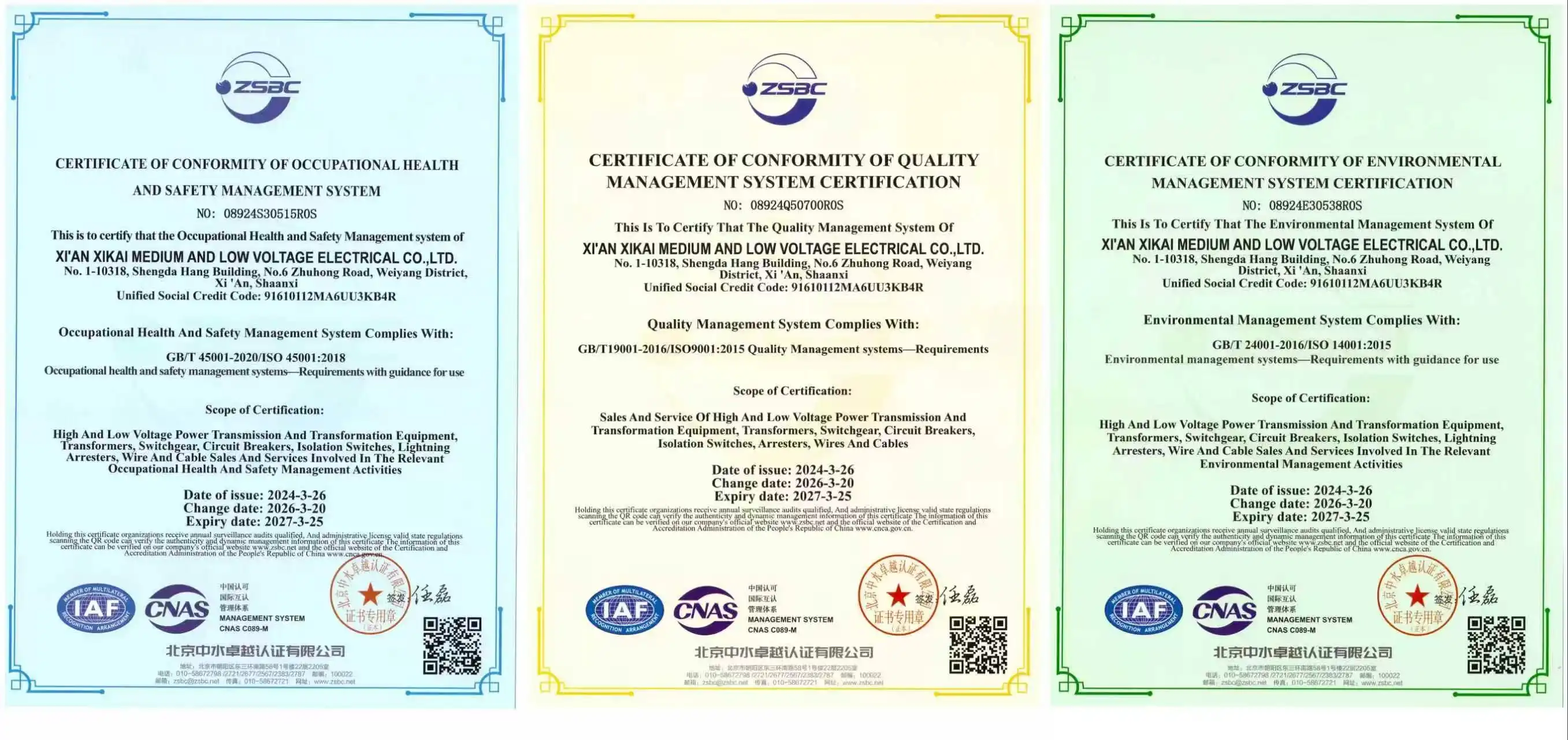
Warranty terms and the number of repair networks are linked to a brand's image. Premium makers often offer five-year warranties and expert help 24 hours a day, seven days a week. This shows that they are confident in the way they make their products. Systematic quality control is shown by ISO 9001 certification, and environmental responsibility is shown by ISO 14001 certification through the use of lead-free products and energy-efficient production methods. When it comes to B2B buying, Xi'an Xikai has 30 years of high-voltage experience. Over 1,200 sites around the world use our GW7B-363 three-pole horizontal spinning disconnect switches. These include State Grid projects, petrochemical plants, and rail transportation systems. Aluminum alloy wires that are light and enclosed transmission systems make installation faster and last longer—they can be used over 10,000 times without any upkeep. Meeting the requirements for GB/T 1985, CE, and RoHS certifications ensures that the product can be easily integrated into international projects that need to follow the same standards.
Supplier Relationship Considerations
Direct connections with manufacturers open up ways to customize that aren't possible through middlemen. If engineering teams work together during the planning phase, they can change the layout of blades to fit certain buswork geometries or add IoT devices for preventative maintenance. Our expert staff works closely with EPC firms to make sure that the specs of the High Voltage Disconnect Switch are the best they can be for the project's altitude, pollution level, and seismic needs. This is especially important for projects in coastal or hilly western states. Not only does the original cost of the product need to be considered when choosing a provider, but so do the availability of extra parts, help with setup, and long-term professional partnerships that make tools last longer.
Maintenance, Safety, and Operational Best Practices
Following the right maintenance steps has a direct effect on safety and dependability measures. In moderate conditions, routine checks should happen every six months. In high-pollution areas, where salt spray or industrial emissions speed up insulator contamination, inspections should happen every three months. Visual checks look for tracking lines on porcelain surfaces, rust on metal parts, and that the mechanical stops work correctly.
Inspection and Testing Schedules
Functional testing makes sure that the machine works mechanically when there is no load on it. It makes sure that the blade moves smoothly and that the latch works properly in both open and closed states. Contact resistance tests find wear and tear before they break. Readings that are 20% higher than what the maker recommends mean that the part needs to be cleaned or replaced. Precision-machined contact surfaces and controlled contact pressure in the GW7B-363 keep loop resistance below certain levels. This was proven during 72-hour load testing at our ISO-certified plant. During times of high load, thermographic scans find hotspots that mean links are loose or there isn't enough contact pressure. Infrared cameras can pick up differences in temperature as small as 5°C, which lets people take action before insulation damage happens. When annual surveys are part of larger substation repair plans, they make the best use of resources and keep the station available.
Safety Protocol Implementation
Lockout-tagout procedures make de-energization sequences official by needing visual confirmation of the open post before letting people work. Mechanical interlocks protect against human mistakes at the hardware level, and recorded switching orders add extra security through management controls. High Voltage Disconnect Switch units are different from circuit breakers, and training programs should stress this. Trying to open a disconnect while the circuit is loaded can cause dangerous arcing that can harm people and equipment. Pay close attention to ground switches; they keep workers safe from caused voltages on long transmission lines or inductive coupling from circuits that are already live nearby. Following NFPA 70E rules for proper grounding creates equipotential zones that get rid of potential step and touch hazards.These operational standards make reliable systems into reliable tools, which increases the return on investments in infrastructure.
Procurement Guide: How to Buy and Source High Voltage Disconnect Switches
For strategic buying choices, working directly with manufacturers is weighed High Voltage Disconnect Switch against working with distributor networks. For big projects that need customization or bulk prices, direct relationships work best. Distributors, on the other hand, make it easy to get standard replacements and emergency spares. Utilities that are in charge of a variety of substations often use a mix of strategies, making frame deals with makers for new builds and using distributor stocks for repair tasks. A High Voltage Disconnect Switch procurement strategy should prioritize long-term technical support.
Wholesale and Custom Order Pathways
When growing several substations at the same time, bulk buying agreements get you better prices. When you commit to buying more than 50 units, you can usually get tiered discounts that lower the cost per unit by 15 to 25 percent compared to buying on the spot. Custom designs that deal with installation problems like low clearances or seismic strengthening cost more, but they keep expensive changes from having to be made in the field during testing. The papers that ask for quotes should include information about the voltage class, the current rate, the insulation levels, the preferred working mechanism, and the environmental conditions. Detailed site conditions, including altitude, pollution severity per IEC 60815 classification, seismic zone, and temperature extremes, enable manufacturers to propose optimized solutions. The engineering team at Xi'an Xikai looks over these specs and suggests the best conductor materials, insulator creepage distances, and mechanism covers for each project.
Total Cost of Ownership Analysis
The buying price is only 30–40% of the total costs over the life of the item. Installation work, commissioning services, and user training all add to the costs right away. Over the course of decades, ongoing costs will depend on how often repairs are needed and how easy it is to get spare parts. Self-lubricating bushings and sealed working systems cut down on maintenance needs by 60%, saving a lot of money over the 30-year service life of the equipment. Warranty coverage changes how risks are shared; full warranties that pass on failure costs to makers are worth small price increases. Our global service relationships and five-year warranty give buying teams faith in the long-term predictability of their budgets. When parts need to be replaced, long power outages are avoided because replacement insulators, contact assemblies, and working mechanisms are easy to get through established supply lines. When negotiating with an OEM, you should talk about payment terms, delivery dates, facility acceptance testing methods, and promises of technical support. Making sure everyone knows what is expected of them during the contracting process stops disagreements and encourages teamwork that will help future projects.
Conclusion
To choose the right High Voltage Disconnect Switch, you have to weigh technical requirements, safety requirements, and the cost of ownership over time. Understanding practical principles, like how pantographs work and how insulation coordinates, helps buying teams think critically about what is being offered. Long-term risks can be reduced, and system reliability can be improved by working with makers that have ISO certification, thorough testing methods, and global service networks. When you use strategic buying methods that look at the total cost of ownership instead of just the original price, you get better value over many years of use, which protects your important infrastructure investments.
FAQ
1. How do high-voltage disconnect switches differ from circuit breakers?
Disconnect switches separate circuits when there is no load on them. This makes the split clear for repair safety. Using arc-extinguishing tanks, circuit breakers stop fault currents. This keeps equipment safe from short circuits. Both parts work together to fix problems; breakers fix problems automatically, and disconnectors separate wires by hand after the power is turned off.
2. What safety standards govern disconnect switch installations in the United States?
IEEE C37.32 lists the performance standards for devices that disconnect and ground high voltage. An international agreement is provided by IEC 62271-102 for projects involving more than one country. The ANSI guidelines cover tests for mechanical longevity and dielectric properties. Following these rules makes sure that everything works together and meets the requirements for connecting utilities across North American grids.
3. What maintenance intervals optimize disconnect switch reliability?
Visual checks every six months are enough for moderate settings, but checks every three months are needed in places with a lot of pollution or near the coast. Contact resistance readings and thermographic studies done once a year can find problems before they get worse. Validating mechanical operation and safety interlocks is done through functional testing during regular circuit maintenance, which usually happens every two to three years.
Partner With Xi'an Xikai for Reliable High Voltage Disconnect Switch Solutions
Xi'an Xikai sells tested transmission equipment that is backed by ISO 9001 and ISO 14001 standards. It works with utilities, industrial operators, and EPC companies all over North America. Our GW7B-363 High Voltage Disconnect Switch units are made of lightweight aluminum and have mechanisms that lubricate themselves. This lowers the cost of installation and increases the time between maintenance visits. As an expert maker of high-voltage disconnect switches, we can make designs that meet the needs of areas that are prone to earthquakes, heavy pollution, and high altitudes of up to 4,000 meters. Contact our technical team at serina@xaxd-electric.com, amber@xaxd-electric.com, or luna@xaxd-electric.com for project-specific engineering support and competitive quotations that optimize your transmission system investments.
References
1. IEEE Power & Energy Society. "IEEE Guide for Application of High-Voltage Circuit Breakers Rated on a Symmetrical Current Basis." IEEE Std C37.04-2018, Institute of Electrical and Electronics Engineers, 2018.
2. International Electrotechnical Commission. "High-Voltage Switchgear and Controlgear – Part 102: Alternating Current Disconnectors and Earthing Switches." IEC 62271-102:2018, International Electrotechnical Commission, 2018.
3. Flurscheim, Charles H. "Power Circuit Breaker Theory and Design." Institution of Electrical Engineers, London, 1982.
4. Kappenman, John G. "Geomagnetic Storms and Their Impacts on Power Systems." IEEE Power Engineering Review, Volume 16, Issue 5, May 1996.
5. National Fire Protection Association. "Standard for Electrical Safety in the Workplace." NFPA 70E-2021, National Fire Protection Association, Quincy, Massachusetts, 2020.
6. Greenwood, Allan. "Electrical Transients in Power Systems." Second Edition, John Wiley & Sons, New York, 1991.
_1774322334531.png)
_1774324496045.png)