What Is Metal-Clad Withdrawable Switchgear Explained
2026-05-12 11:59:13
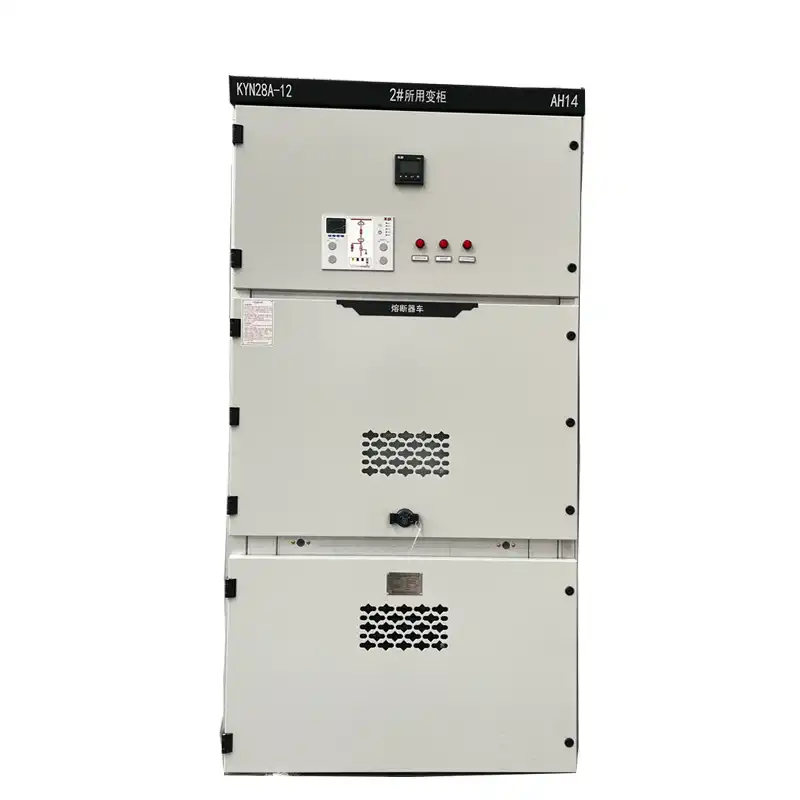
Metal-Clad Withdrawable Switchgear is a specific type of medium-voltage electrical distribution equipment designed for systems that work at voltages between 1kV and 38kV. Circuit breakers and other safety devices are placed on movable carriages inside metal-enclosed compartments on this equipment. This makes it possible to safely remove and enter components while neighboring circuits stay on. The removable design improves practical safety during maintenance, cuts down on system downtime by allowing hot-swappable parts, and boosts reliability by preventing failures that spread across electrical networks through segmented construction.
 |
 |
Understanding Metal-Clad Withdrawable Switchgear
Core Design and Functionality
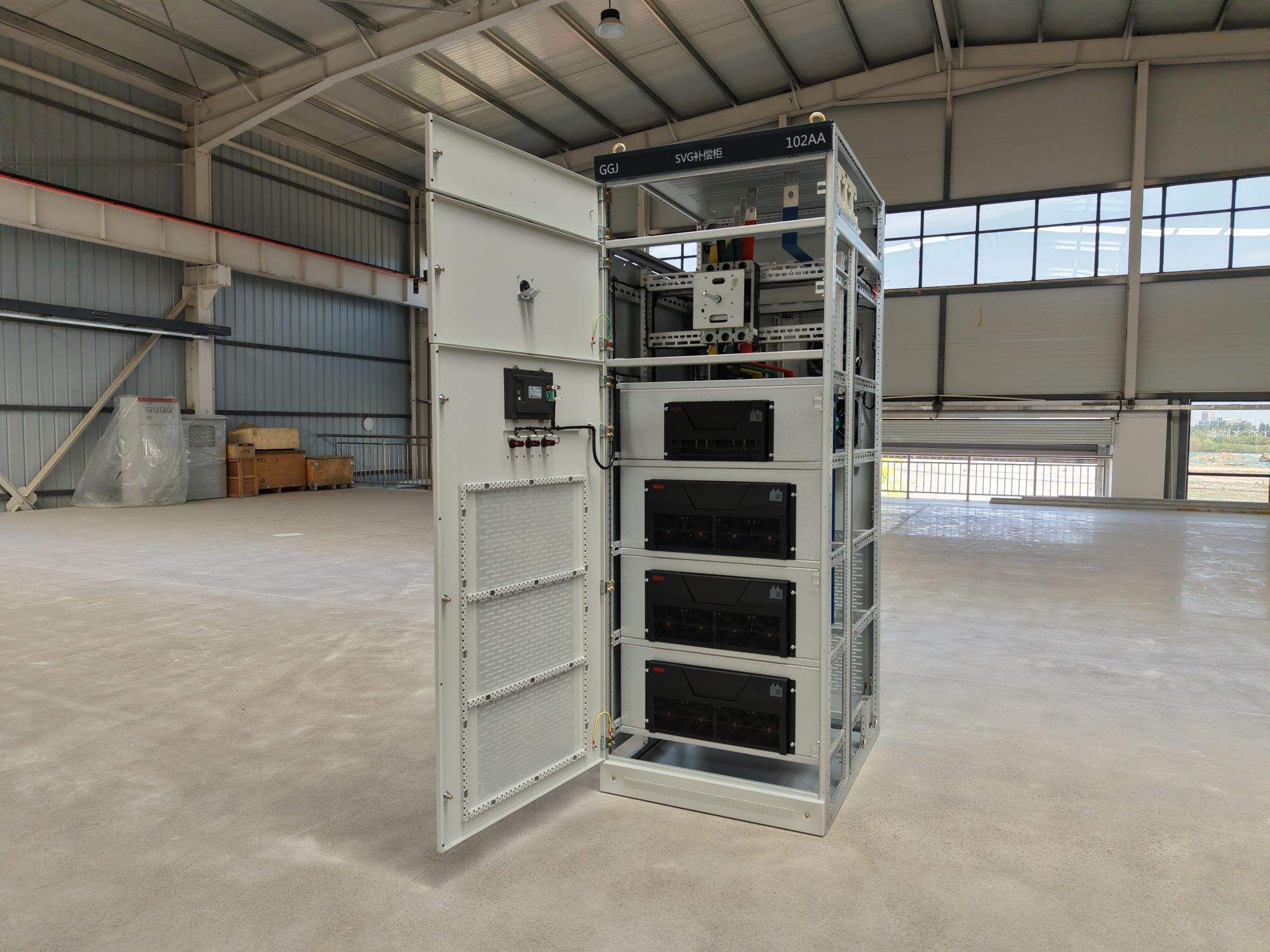
The basic structure of Metal-Clad Withdrawable Switchgear is made up of several important parts that all work together. The main way that current flows through equipment is through bus bars, which also make sure that the electricity stays connected. In most cases, these parts can handle constant currents between 1200A and 4000A, but it depends on the application and the load. Different types of insulation are used depending on the climate and the needs of the job. Designs that are insulated by air are cheaper and easier to maintain, but systems that are insulated by SF6 gas offer better dielectric performance in smaller packages. Vacuum interrupter technology has become popular because it is good for the climate and can reliably put out arcs during fault interruption cycles. The device that can be pulled out works on precisely guided tracks, and there are several safety interlocks that stop dangerous operations. The circuit breaker can be moved between the disconnected, test, and connected places without the operator coming into direct contact with live parts. This greatly lowers the risk of arc flash exposure.
International Standards and Compliance
Following strict international standards makes sure that equipment works well and that people are safe in a variety of installation settings. IEEE C37.20.2 sets out detailed rules for designing, testing, and making sure that metal-clad switchgear works properly. IEC 62271-200 specifies AC metal-enclosed switchgear and controlgear in a way that is known around the world. This makes it easier for equipment to work together across borders. In addition to these models, ANSI standards set specific testing procedures and performance standards that can be used in North American sites. Following these standards shows that a maker cares about quality control and practical safety, which are important factors for procurement teams to consider when choosing a provider.
Safety Features and Operator Protection
Modern systems of withdrawable switchgear are characterized by their high-tech safety interlocks. These mechanical and electrical safety features stop circuit breakers from being inserted while sections are still powered up, stop people from getting to live parts while the machine is running, and make sure proper grounding is done before maintenance starts. With its five-layer locking system, the KYN28-12 Removable Metal-Clad Switchgear is a great example of these safety rules. This equipment is rated at 12kV and works with frequencies up to 50Hz. It stops circuit breaker mistakes, stops people from getting into the live compartment when it's not safe to do so, and stops grounding problems through built-in safety features. Compatible with ABB VD4 and VS1 circuit breakers, isolator trucks, and transformers, the system can be set up in a variety of ways while still meeting strict safety standards. Arc-resistant designs, which have been proven through strict testing procedures, keep fault energy in their marked areas and direct pressure release away from where operators work. This containment feature keeps people safe during catastrophic failures, which lowers the chance of injuries and equipment harm across all electricity distribution networks.
Advantages and Typical Applications
Operational Benefits Over Traditional Designs
When compared to fixed-mounted options, Metal-Clad Withdrawable Switchgear has clear benefits. The biggest benefit is that it makes operators safer by letting them do repair work without turning off nearby circuits or putting people in danger from electricity. With this feature, outages will last less time, and system uptime measures will be better. Another strong benefit is that it makes maintenance easier. Withdrawable elements let techs take out circuit breakers to test, calibrate, or repair them without stopping power to important loads. Spare switches can be quickly put in, which cuts down on production stops and the money lost during long periods of downtime. Scalable installations that can handle future load growth and system extensions are made possible by modular design. Procurement teams can define initial setups that meet urgent needs while still leaving room for growth in case demand rises as planned. This scalability saves investments and lowers lifetime costs compared to replacing the whole system when capacity grows. When you look at metal-clad withdrawable designs next to gas-insulated switchgear or metal-enclosed fixed equipment, these practical advantages become very clear. Even though GIS saves space, it doesn't have the easy upkeep access that comes with withdrawable configurations. Fixed switchgear lowers the original costs, but it also comes with higher risks and longer downtimes when parts need to be serviced.
Industrial Manufacturing Environments
To keep up with production plans and avoid expensive breaks, factories need power that doesn't go out. Metal-clad switchgear is used in steel mills, chemical processing plants, and car assembly lines to control motor starting loads, keep process equipment safe, and separate problems so they don't affect other production lines. When used in these situations, the KYN28-12 switchgear works well because it is built to last and works well even in tough conditions. The equipment can handle surge currents and maintain safety coordination across distribution networks, which is useful for motor startup uses. Grid monitoring lets building managers keep an eye on power quality metrics and spot possible problems before they become big enough to cause service interruptions. In many industrial areas, problems arise because of high temperatures, corrosive atmospheres, and mechanical movements. When you mix equipment that can work in temperatures ranging from -25°C to +55°C with shelters that don't rust and seismic certifications, you get steady operation even in the harsh conditions that are common in heavy industry.
Utility Distribution Networks
Electric utility companies use this gear in their transmission and distribution systems to handle tasks like separating loads, protecting feeders, and changing the way the system is set up. The design that can be taken apart lets repairs be done on important feeders without affecting customers. This raises dependability scores and regulatory compliance scores. Having the ability to stabilize the grid is becoming more and more important as more green energy is added and voltage changes and harmonic distortions happen. These problems can be found quickly by modern switchgear that has smart tracking systems built in. This helps keep power quality standards across all service areas. Extreme weather conditions in outdoor sites require tools with high protection levels and standards for weatherproof buildings. Enclosures with an IP54 rating stop moisture and particulate pollution, which makes electronics last longer and requires less upkeep in remote substation sites.
Commercial and Institutional Facilities
Mission-critical buildings include hospitals, data centers, airports, and high-rise office buildings. Loss of power has a direct effect on how well they work and on people's safety. Metal-clad withdrawable switchgear controls incoming power lines, emergency generator connections, and the distribution of important loads. It does all of this while meeting strict safety standards and allowing for selective maintenance routines. Partitioned designs are great because they have multiple security systems and can quickly isolate faults. This is especially helpful for data centers. When arc fault containment is in place, problems don't spread and affect many users at once, which could damage server operations and cause data loss or service interruptions. Life-support systems, surgical tools, and drug storage places in healthcare buildings can't have power outages. Individual circuits can be serviced without affecting other building systems. This keeps important medical equipment running all the time, keeping patients safe and following the rules.
Selecting the Right Metal-Clad Withdrawable Switchgear for Your Business
Technical Evaluation Criteria
To pick the right Metal-Clad Withdrawable Switchgear, you need to look at a lot of things, like electrical parameters, mechanical specs, and environmental factors that are in line with your working goals. Ratings for voltage must match the needs of the system and include enough safety margins. In medium-voltage uses, these limits usually range from 4.16kV to 38kV. Current rates should be able to handle the highest continuous loads plus acceptable growth forecasts, so capacity limits don't happen too soon. The ability to stop short circuits is a very important safety factor. Depending on the system impedance and the main source capacity, fault currents must be stopped when they hit 63kA or more. When there is a fault, inadequate interruption rates in Metal-Clad Withdrawable Switchgear can cause catastrophic failures that put people in danger and destroy expensive equipment in distribution networks. When choosing tools, environmental factors need to be carefully thought through. Long-term dependability and upkeep needs are affected by operating temperature ranges, altitude derating factors, humidity tolerance, and seismic standards. Facilities above 1000 meters need derating formulas or equipment designed to work at high elevations, like Xi'an Xikai's plateau-type equipment that is approved for use at elevations up to 4000 meters.
Brand Comparison and Supplier Selection
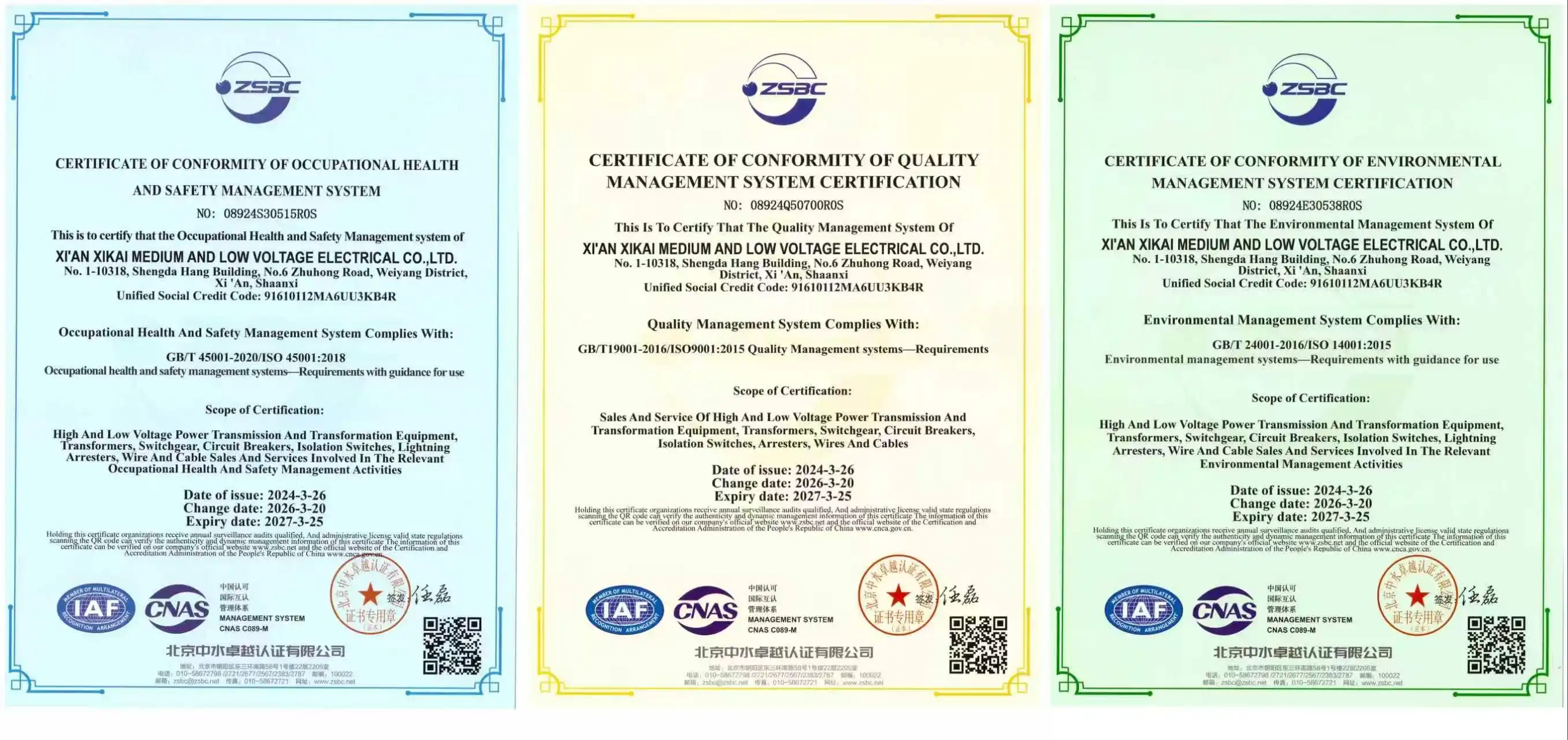
Leading companies like Siemens, ABB, Schneider Electric, Eaton, and Mitsubishi make a wide range of products that can be used in a variety of situations. Instead of just looking at the original buy price, evaluation criteria should include technical skills, infrastructure for after-sales assistance, availability of spare parts, and the total cost of ownership. Xi'an Xikai has unique benefits when it comes to the buying choice because it can make a wide range of products, including seven main product categories, 34 series, and over 100 versions. Manufacturing facilities that are approved to ISO 9001 quality standards make sure that the quality and dependability of the products are the same in all installation settings. Patented technologies that were created through national research programs meet international standards for performance and are cost-effective for projects that need to stick to a tight budget. Along with electrical ratings, other things that need to be thought about for compatibility are physical measurements, transmission methods for smart grid integration, and standardization with current infrastructure. Suppliers that offer multi-brand compatibility, like the KYN28-12's smooth interaction with ABB circuit breakers and related equipment, are good for facilities that use a mix of vendors.
Customization and Scalability Considerations
Many standard products work well for their intended purposes, but sometimes specific operating needs call for custom solutions that solve specific problems. Bus configurations, safety relay schemes, tracking systems, and changes to the enclosure can all be made to fit the plan of the building and the way it works. Using flexible designs to "future-proof" investments saves capital expenditures from becoming useless too soon. When loads increase, modular design lets you add more space in small steps, so you don't have to change the whole system and deal with the downtime that comes with it. Communication infrastructure that supports smart grid technologies lets them be monitored from afar, maintained proactively, and linked to building management systems. Xi'an Xikai's solutions are used in many fields, such as State Grid systems, steel and metallurgy, petrochemicals, rail transportation, and projects for green energy. This wide range of experience helps make customization options that solve problems unique to each industry while keeping standard parts, which lowers the cost of keeping extra parts on hand.
Installation, Maintenance, and Troubleshooting
Site Preparation and Installation Best Practices
The basis for effective long-term operation is set by following the right installation steps. Preparing the site starts with designing a base that meets the weight and seismic requirements set by the equipment makers. Before equipment is delivered, building drawings must be compared to make sure there are enough clearances for safety zones, ventilation, and repair access. Environmental factors that keep the temperature and humidity within certain ranges stop insulation from breaking down and parts from failing. Access and lights that are good enough make inspections and emergency responses easier when there are problems. Cable entry points need to be carefully sealed to keep the enclosure's structure and stop water from getting in and damaging the electrical insulation. Installation teams need to be fully trained on the safety rules and processes that apply to their unique equipment. For bolted connections, circuit breaker racking operations, and interlock verification tests, the torque specs must be followed exactly as written in the manufacturer's instructions. Not following the steps given can cancel warranties and create safety risks that put people and equipment at risk.
Preventive Maintenance Programs
Systematic repair plans make sure that equipment lasts as long as possible and that unplanned breakdowns don't stop activities. Visual checks find problems like wiring contamination, loose connections, and signs of burning before they get bad enough to cause service failures. Thermographic scans find developing hot spots that need to be fixed, which prevents catastrophic failures from happening during times of high demand. Depending on how often they are used and how often they are exposed to the environment, circuit breakers usually need to be serviced every one to three years. Checking the contacts, greasing the mechanism, and making sure the interlocks work right all make sure that the system works reliably when there is a fault. Dielectric testing makes sure that the insulation is still good and finds any damage that needs fixing before it breaks. The KYN28-12 switchgear has a mechanical longevity of more than 10,000 operation cycles, which shows that it is well-built and requires little upkeep. Stainless steel parts don't rust in tough settings, so they don't need to be inspected as often or replaced as often as parts made of other materials that are more likely to break down.
Common Issues and Troubleshooting Methods
Modern Metal-Clad Withdrawable Switchgear usually has fault detection built in, metal-clad withdrawable switchgear which makes it easy to find problems quickly. Protective switches keep an eye on factors like current, voltage, and power quality. If certain limits are crossed, they set off alarms or automatically cut off the power. By analyzing these signs, debugging efforts can be focused on specific system parts or components that need attention. When the working parts of a circuit breaker break down mechanically, the trip coil stops working, the spring stops charging, or the secondary switch is out of place. Systematic testing methods find these problems, which lets you make focused repairs that keep equipment running as much as possible. The supply of spare parts has a big effect on restoration times, which shows how important provider support infrastructure is when choosing equipment. Retrofitting an old system comes with its own problems that need to be looked at for compatibility and integration planning. To keep the system working, replacement parts must match the current communication methods, control voltage levels, and bus setups. Application engineering support from experienced providers helps with all of these issues and makes sure that update projects are successful.
Procurement and After-Sales Support for B2B Clients
Streamlined Ordering Processes
When purchase processes work well, they cut down on project timelines and administrative work. Online configurators make it easier to choose basic tools and get quotes, which speeds up budgeting and project development in the early stages. Distributor networks offer local help and stock for standard configurations, which speeds up shipping times for jobs that need to be done quickly. For lead time management to work, project plans and output capacity limits must be communicated clearly. Custom designs require longer production times than standard goods, which changes how you buy things and how you plan projects. When buying in bulk for installations at more than one place, you can get better prices and more consistent specs, which lowers the overall cost over the life of the product. The ability to ship goods all over the world helps foreign projects that need to get supplies to faraway places. Standards for packaging that protect equipment during transport, making sure that export paperwork is correct, and coordinating operations are all value-added services that set experienced sellers apart from transactional vendors.
Warranty and Long-Term Support
Standard guarantee policies usually cover problems with the way the product was made and parts that break too soon for one to three years. Extended warranty plans and service contracts offer ongoing help to keep assets working well throughout their operating lives. Knowing the warranty's terms, what it doesn't cover, and how to file a claim keeps disagreements from happening and makes sure that covered issues are fixed quickly. The availability of spare parts has a direct effect on the availability of tools and the cost of upkeep. Because suppliers keep a large inventory and can complete orders quickly, production pauses caused by broken parts are kept to a minimum. Obsolescence management plans for long-lifecycle installations make sure that parts will be available for decades after the equipment was first installed. Xi'an Xikai provides technical support through application planning, installation supervision, and user training, all of which help projects run smoothly. As part of quality assurance, dielectric tests at 42kV and full plant testing make sure that equipment works properly before it is shipped. Consultancy services that are focused on the client solve specific application problems and make sure that system designs meet operating goals and stay within budget.
Conclusion
Metal-Clad Withdrawable Switchgear is an important technology for business, utility, and industrial buildings that need to reliably distribute medium-voltage power. The mix of safety features, operational freedom, and easy upkeep meets important needs in a wide range of application settings. A full analysis of technical factors, supplier skills, and lifecycle costs helps buyers make choices about solutions that improve performance and protect investments. When you put equipment correctly, keep it in good shape, and make sure you have a fast support system, you can make sure that it works well for a long time.
FAQ
1. What is the typical operational lifespan of Metal-Clad Withdrawable Switchgear?
Under normal working conditions, equipment that is well taken care of usually lasts longer than 30 years. The real service duration is greatly affected by environmental factors, duty cycles, and the level of upkeep. Regular checks, replacing parts at set times, and quick attention to problems as they arise make tools last much longer than what was originally planned. Documenting maintenance tasks and working records helps with planning for retirement and replacement.
2. Can Metal-Clad Withdrawable Switchgear work with smart grid technologies?
Modern tools can talk to each other, which lets them work with smart grid infrastructure, building automation platforms, and remote control and data gathering systems. Ethernet connection, compliance with the IEC 61850 standard, and built-in tracking tools make it possible to collect data in real time, do remote diagnostics, and use predictive maintenance methods. These features improve operating insight and make proactive management strategies possible, which cuts down on unplanned downtime and improves the performance of assets.
3. In medium-voltage settings, how does the withdrawable design make things safer?
The detachable design keeps repair workers from coming into direct contact with live parts, which greatly lowers the risk of being exposed to an arc flash. Mechanical interlocks stop dangerous actions like inserting a circuit breaker while bus bars are still live or opening a room while they are live. Arc-resistant designs keep fault energy in check and protect workers during catastrophic failure events, achieving strict safety standards for protecting people.
Partner with Xi'an Xikai for Your Switchgear Requirements
Xi'an Xikai Medium & Low Voltage Electric Co., Ltd. is ready to help you with your metal-clad withdrawable switchgear projects with comprehensive engineering expertise and proven manufacturing capabilities. Our extensive product portfolio addresses applications across industrial manufacturing, utility distribution, and commercial infrastructure, backed by patented technologies and ISO-certified quality systems. Whether you require standard configurations or customized solutions meeting unique operational challenges, our technical team provides application-specific recommendations optimizing performance and cost-effectiveness. As a trusted Metal-Clad Withdrawable Switchgear manufacturer serving global markets, we deliver value through reliable products, responsive support, and competitive pricing structures. Our KYN28-12 switchgear exemplifies quality and innovation, meeting international standards while providing the safety and reliability demanded by mission-critical applications. Contact our experienced sales team at serina@xaxd-electric.com, amber@xaxd-electric.com, or luna@xaxd-electric.com to discuss your project requirements and receive detailed quotations tailored to your specifications.
References
1. IEEE Standard C37.20.2-2015, IEEE Standard for Metal-Clad Switchgear, Institute of Electrical and Electronics Engineers, New York, 2015.
2. IEC 62271-200:2021, High-voltage switchgear and controlgear - Part 200: AC metal-enclosed switchgear and controlgear for rated voltages above 1 kV and up to and including 52 kV, International Electrotechnical Commission, Geneva, 2021.
3. ANSI C37.06-2009, AC High-Voltage Circuit Breakers Rated on a Symmetrical Current Basis - Preferred Ratings and Related Required Capabilities for Voltages Above 1000 V, American National Standards Institute, Washington, 2009.
4. Garzon, R.D., High Voltage Circuit Breakers: Design and Applications, Second Edition, CRC Press, Boca Raton, 2002.
5. McDonald, J.D., Electric Power Substations Engineering, Third Edition, CRC Press, Boca Raton, 2012.
6. Das, J.C., Power System Analysis: Short-Circuit Load Flow and Harmonics, Second Edition, CRC Press, Boca Raton, 2011.