How Armored Metal-Enclosed Switchgear Prevents Electric Shock
2026-06-05 11:46:27
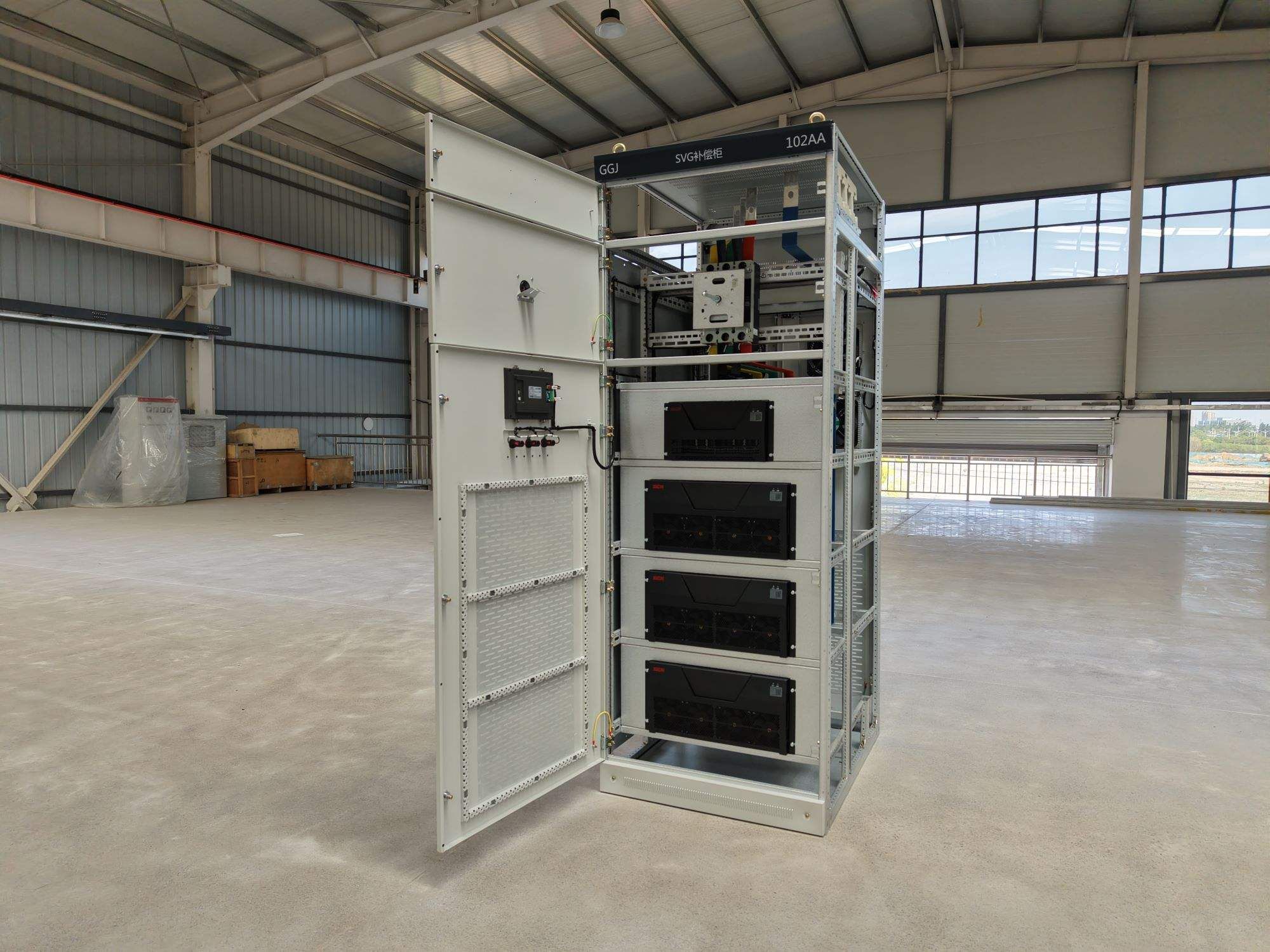
Electric shock accidents in industrial facilities continue to cause serious injuries, operational interruptions, and regulatory infractions. Armored Metal-Enclosed Switchgear's reinforced structure and compartmentalized design protect against these risks. Live conductors are physically separated from humans by the steel container, and integrated grounding mechanisms securely discharge fault currents into the soil. Advanced insulating materials prevent voltage leakage, and mechanical interlocks physically block maintenance access to energized components. This multi-layered protection makes metal-clad structures ideal for areas that must maintain human safety and operational continuity.
Understanding Armored Metal-Enclosed Switchgear and Its Role in Electric Shock Prevention
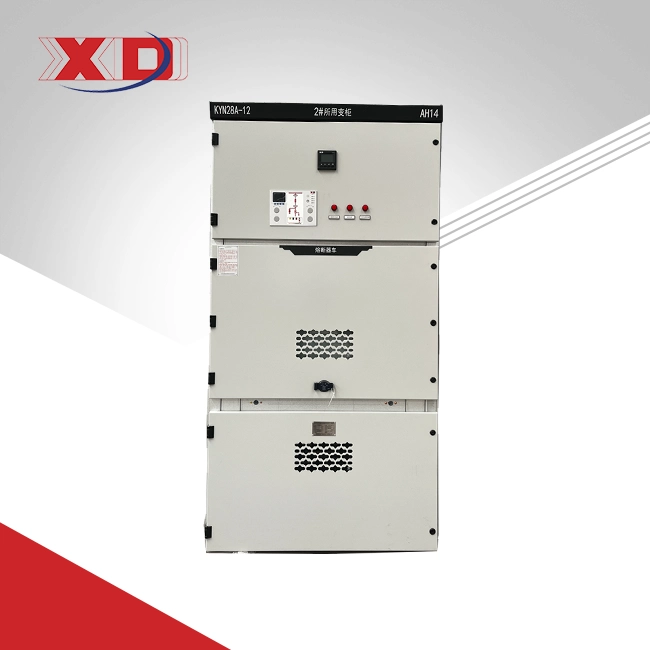
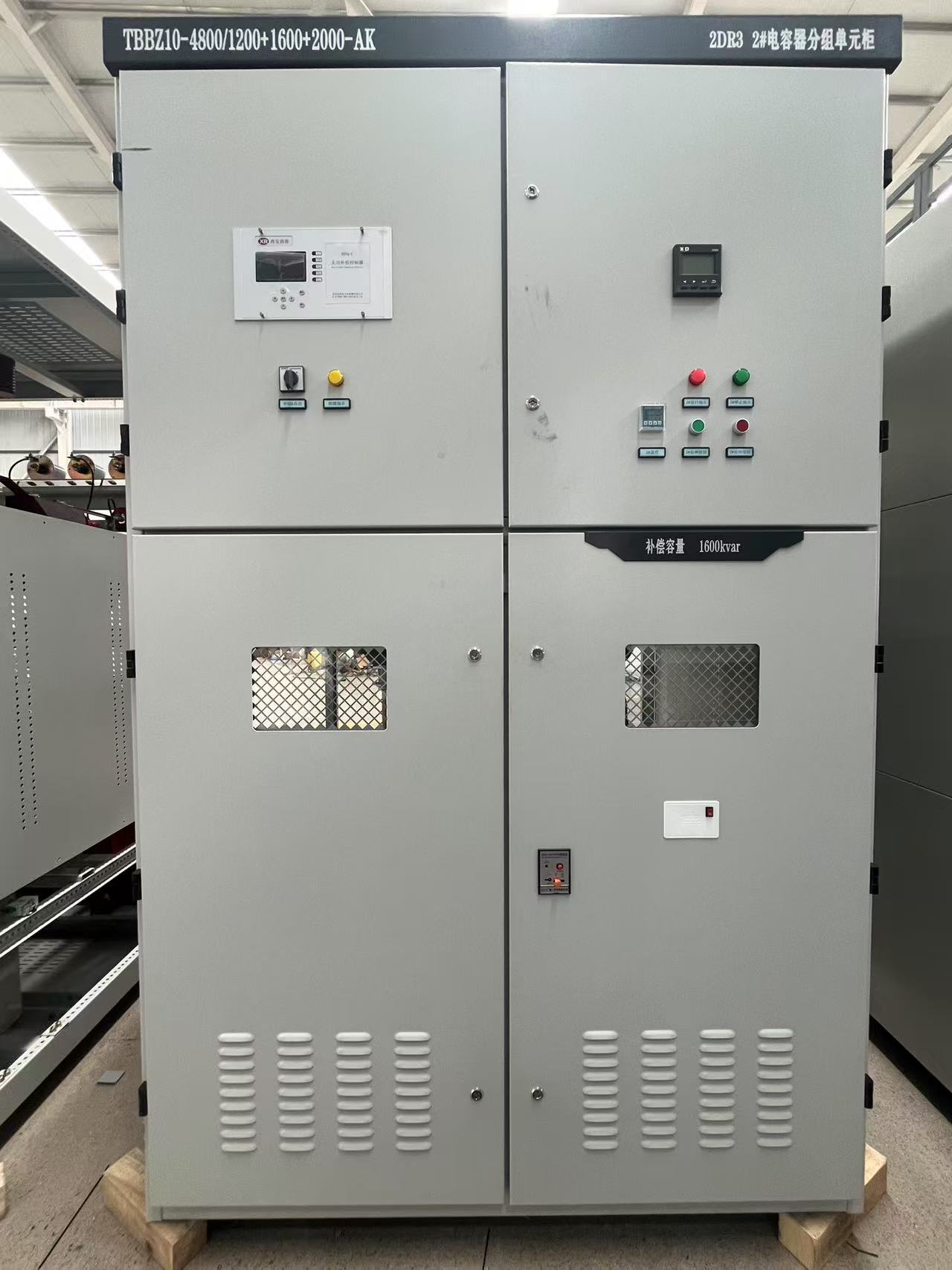
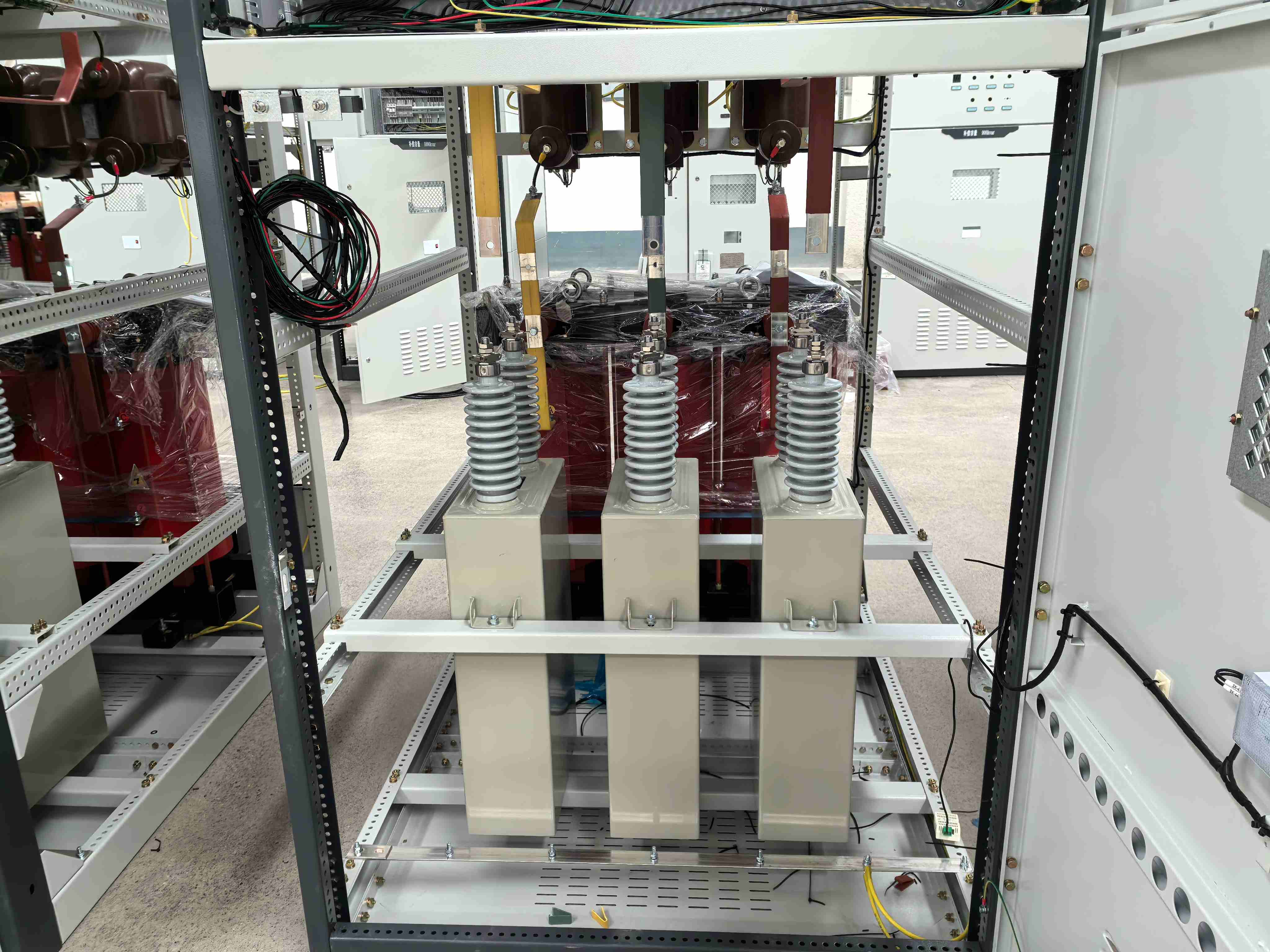
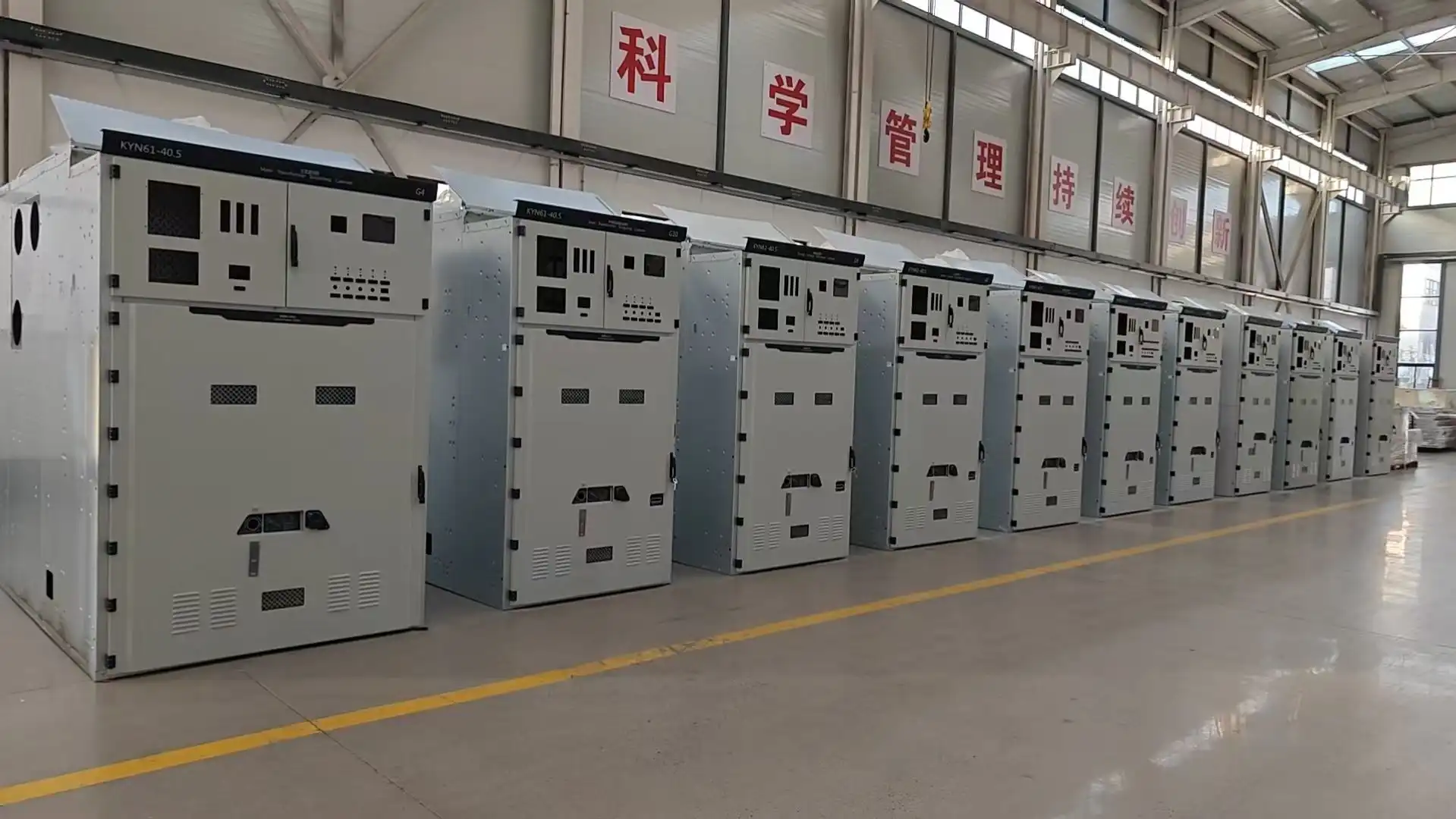
The switchgear cabinet is "armored" with sturdy metal partitions that separate busbars, circuit breakers, cable connections, and control devices. This construction eliminates internal arc faults and protects people from electrified parts, unlike open-air or partially enclosed versions.
Construction Features That Enhance Protection
Metal-clad switchgear has higher corrosion resistance and consistent grounding conductivity across all compartments due to aluminum-zinc coated steel sheets. The top busbar chamber is isolated from lower parts by grounded metal barriers rated for internal arc pressures over 50 kPa. Technicians may separate and remove circuit breaker units without de-energizing the main busbar using a retractable handcart. The design physically isolates maintenance staff from live cables while service. Bottom cable compartments include fire-resistant seals and explosion relief panels to deflect fault energy away from operators.
Vacuum circuit breakers replace oil or air-magnetic ones in modern equipment. Vacuum interrupters extinguish arcs in enclosed chambers, decreasing fire risk and maintenance. Without explosive gasses or flammable liquids, installation personnel and facility operators are safer.
Compliance With International Safety Standards
Procurement teams appropriately prioritize standard-compliant equipment. IEC 62271-200 specifies temperature rise limits, mechanical endurance testing, and internal arc classification for Armored Metal-Enclosed Switchgear. This certified equipment has been tested under real-world fault scenarios. Global export compatibility is ensured by GB/T 11022's parallel Chinese manufacturing norms. UL accreditation meets North American criteria, especially for NFPA 70 installations. These certifications are more than just checkboxes—they prove equipment will work safely under certain situations. Check supplier certification claims for power-frequency withstand voltage and partial discharge testing.
Common Causes of Electric Shock and How Armored Metal-Enclosed Switchgear Addresses Them?
Direct contact with electrified components, insulation deterioration, and protective enclosure mechanical damage cause most electrical mishaps.
Direct Contact Hazards and Physical Barriers
Technicians working on electrified equipment risk electrocution if safety measures fail. Lockout-tagout methods and safety gear are needed for open-frame switchgear's exposed busbars and connections. By physically separating, metal-clad designs avoid this exposure. The five-prevention interlock system mechanically prevents dangerous operations like closing breakers on faulted circuits, withdrawing breakers under load, closing grounding switches while energized, energizing equipment with grounding switches engaged, and accessing live compartments without isolation. Hardened steel links physically stop dangerous activities in these mechanical interlocks without operator discipline or technological controls.
Imagine maintaining a manufacturing plant's 40.5kV distribution center. A technician must replace a circuit breaker after standard diagnostics. The KYN61-40.5's metal-enclosed breaker handcart can only be removed when the breaker is open and the truck position interlock is deactivated. The separated breaker compartment facilitates safe handling of the removed unit, while the main busbar powers surrounding feeders. This compartmentalization protects staff and preserves plant operations, unlike non-armored alternatives.
Environmental Protection Against Moisture and Contamination
Electrical equipment in factories is exposed to dampness, conductive dust, and corrosives. Water infiltration causes conductive channels across insulating surfaces, diminishing dielectric strength and posing shock risks. Quality Armored Metal-Enclosed Switchgear has IP4X protection against solid objects larger than 1mm and water spilling from any direction. Access doors and cable entrance locations are protected throughout operation by sealed gaskets. Hygrostat-controlled space heaters avoid condensation during temperature swings, protecting insulation. In difficult locations like coastal facilities with salty air, chemical processing plants with corrosive atmospheres, or outdoor substations, enhanced sealing and corrosion-resistant coatings offer protection.
Ageing open-frame switchgear condensation caused nuisance tripping in a hospital campus power distribution system. Over three years, fault incidence reduced to zero after retrofitting with sealed metal-clad units with thermostatically regulated heaters. The enclosed construction kept moisture out and maintained operating temperatures, improving safety and lowering maintenance costs.
Impact Resistance and Structural Integrity
Vehicle crashes, fallen tools, and earthquake occurrences can destroy enclosures and expose live conductors. Reinforced steel is far more impact-resistant than fiberglass or thin sheet metal. Arc-resistant designs tested to IEC 62271-200 Annex A can tolerate 50 kA internal fault energy for one second and deflect explosive forces away from operators. Structural calculations protect cabinet frames against interior component movement during seismic occurrences up to 0.3g acceleration.
Key Safety Features and Maintenance Practices for Reliable Shock Prevention
Electric shock prevention involves adequate equipment design and disciplined operational techniques throughout the installation lifespan.
Advanced Safety Features in Modern Designs
Arc-resistant structure goes beyond compartmentalization. Pressure relief tubes send explosive gasses upward or backward through filtered vents, protecting operational people. Internal arc testing mimics worst-case fault scenarios with electrodes purposely activated inside sealed compartments, ensuring protected exterior surfaces and doors despite internal stresses. The segregated busbar chamber avoids cascade failures—a feeder bay defect cannot affect nearby circuits via the main bus.
Tulip-style main contacts in handcarts provide dependable electrical connection for hundreds of insertion cycles. Spring-loaded connections reduce resistance and avoid insulation failure by maintaining constant pressure across contact surfaces. Plug-and-socket assemblies for low-voltage circuits avoid power and control system cross-contamination in control and instrumentation circuit secondary disconnect mechanisms.
Establishing Effective Maintenance Protocols
Even high-quality equipment needs rigorous maintenance to maintain safety over decades. Annual visual inspections should evaluate enclosures for corrosion, mechanical deterioration, and moisture infiltration. Comprehensive maintenance should involve contact resistance measurements across all primary connections every three to five years to ensure values stay below limits. Rising resistance reveals hotspots that need rapid treatment. Mechanical operation testing confirms interlock performance by inserting and withdrawing all breaker handcarts without binding. Protection relay testing ensures overcurrent, ground fault, and arc flash protection systems respond effectively to simulated faults.
Under-load thermal imaging scans detect issues before failure. Connection points with temperature spikes above 10°C indicate deteriorated contacts that need cleaning or replacement. Partial discharge testing with ultrasonic or electromagnetic sensors reveals insulation deterioration that cannot be seen, allowing replacement before catastrophic failure.
All maintenance must be done by professionals. Technicians should know how to utilize PPE, lockout-tagout, and rated voltage detectors to de-energize medium-voltage systems. Documenting all maintenance tasks produces audit trails for regulatory compliance and reveals tendencies that need correction.
Comparative Analysis: Armored Metal-Enclosed Switchgear Versus Other Switchgear Types for Shock Safety
Identifying switchgear categories helps procurement teams match equipment capabilities to application needs and budgets.
Metal-Clad Versus Metal-Enclosed Configurations
These groups are sometimes confused in industry parlance, making specification development difficult. Metal "K" switchgear like KYN61-40.5 has enclosed main circuit elements, detachable breaker assemblies, and extensive interlocking. Fixed-mounted breakers without draw-out capability and less compartmentalization may be used in Armored Metal-Enclosed Switchgear. By permitting breaker service in controlled shop conditions rather than powered cabinets, the detachable design greatly decreases maintenance concerns. This difference is crucial for facilities emphasizing safety and reducing maintenance outages.
The total cost of ownership favors metal-clad designs despite higher upfront expenses. Low maintenance complexity reduces labor and exposure hours for workers near electrified equipment. Maintaining extra breaker handcarts provides near-instantaneous fault restoration, decreasing revenue losses during unplanned outages at data centers and continuous-process manufacturing plants.
Air-Insulated Switchgear Considerations
Air-insulated arrangements are larger than gas-insulated ones but easier to maintain and cheaper to buy. Air is the principal dielectric medium in compartments sized to preserve 40.5kV clearances in the KYN61-40.5. Operating voltages from 630A to 2500A meet industrial load requirements. Modular cabinets allow future expansion without replacing equipment, giving increasing facilities flexibility. Temperature tolerance from -10°C to +40°C and altitude capabilities to 2000 meters cover most installation scenarios without modification.
Gas-insulated switchgear is available for small footprints or great contamination resistance, but it is more expensive and harder to maintain. When choosing technology, procurement teams should consider space, environment, and upkeep.
Procurement Considerations for Armored Metal-Enclosed Switchgear in B2B Markets
Proper equipment and dependable suppliers affect project success, safety, and long-term operations expenses.
Evaluating Manufacturers and Certification Documentation
Reliable manufacturers give detailed technical documentation and test results verifying standards compliance. Request main circuit capability to 95kV for one minute and auxiliary circuit testing at 2kV power-frequency withstand voltage results. Data on lightning impulse withstand voltage should indicate 185kV basic insulation for 40.5kV systems. Uncontaminated insulation with partial discharge below 100 picocoulombs is good. Mechanical durability testing confirms interlock reliability and contact alignment accuracy during 50–100 operation cycles.
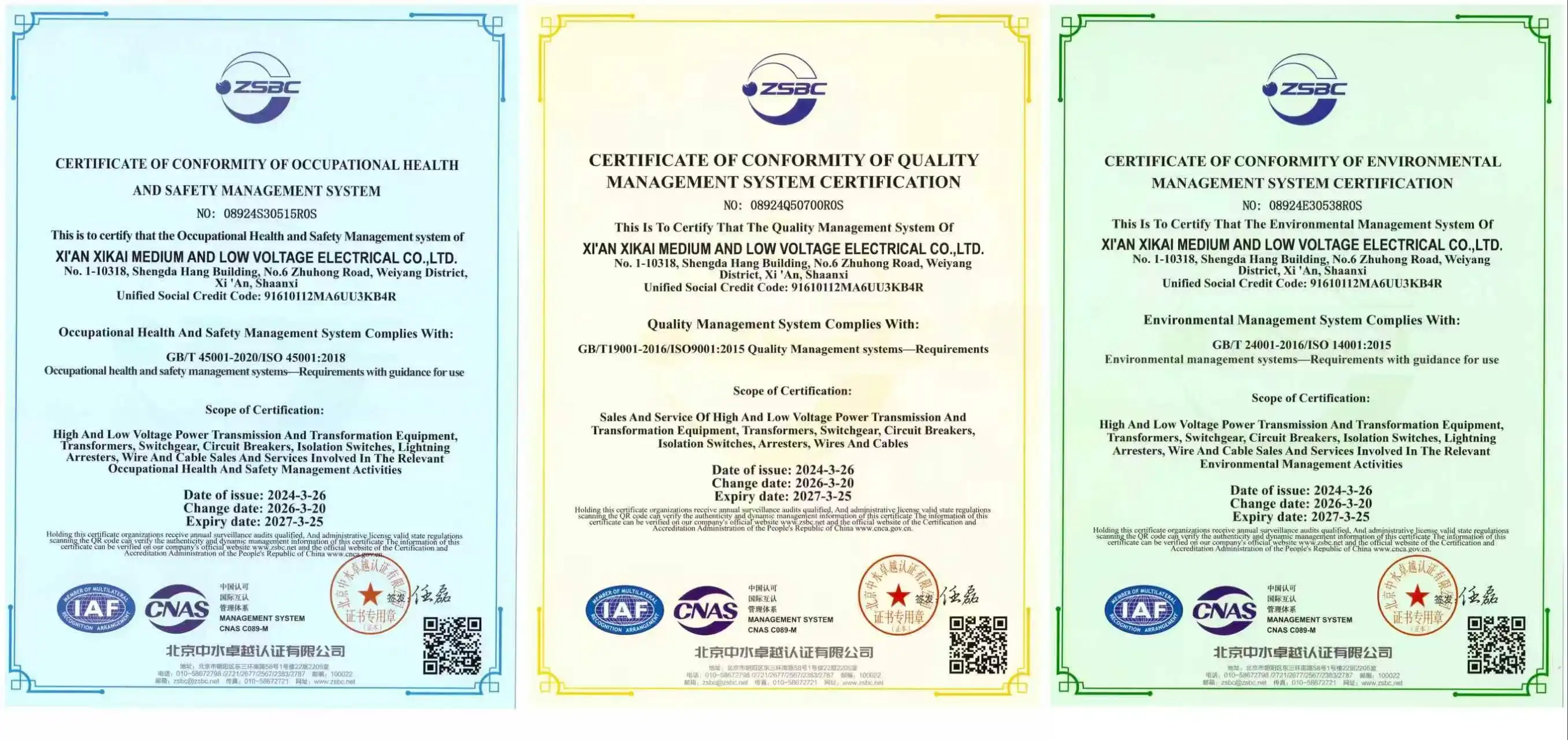
Quality control at production sites should include steel alloy, copper conductor, and epoxy insulation compound certifications. Supplier audits show quality commitment, not spot-checking finished items. ISO 9001 and ISO 14001 certifications imply quality management systems and environmental responsibility in industry.
Warranty Coverage and Technical Support
Comprehensive warranty plans show manufacturer confidence in product reliability. Structural and insulation systems should be covered for five years, but mechanical worn components replaced regularly should be covered for less. Make sure warranty conditions include coverage, response times, and part replacement. Rapid help for critical facility operations failures is guaranteed by a 72-hour response SLA.
Technical support beyond warranties separates excellent vendors. System integration, protection coordination, and sophisticated problem-solving are easier with application engineers. Facility maintenance staff get training on appropriate operation and maintenance. Replaceable parts throughout equipment lifespan minimize premature obsolescence, especially for 25–30-year installations.
Custom Configuration Capabilities
Customization is needed for particular site requirements, although catalog goods cover popular uses. Choice of copper or aluminum busbar influences performance and cost. Circuit breakers must match fault current and interrupting capacity. Communicating with supervisory control and data collection systems allows remote monitoring and automation for smart grid efforts that satisfy IEC 61850 standards. Additional design choices for earthquake-prone areas and coastal sites include seismic certification and increased corrosion protection.
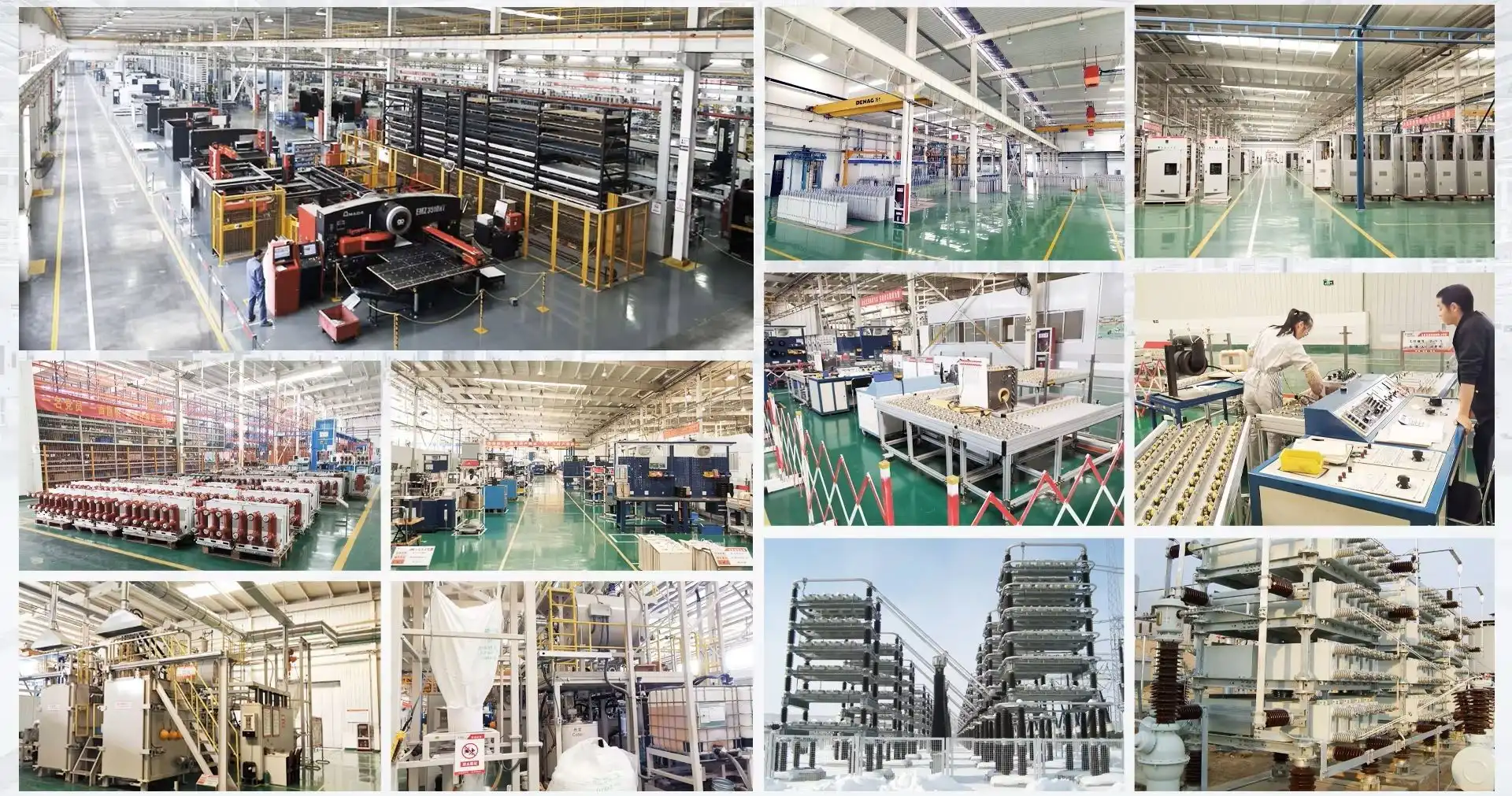
Engineering at Xi'an Xikai Electric supports unique configurations on standardized systems. The technique mixes customized flexibility with production efficiency, minimizing costs and satisfying exact application requirements.
Conclusion
A combination of physical barriers, segmented architecture, mechanical interlocks, and rigorous Armored Metal-Enclosed Switchgear maintenance is needed to prevent electric shock. These safeguards come from metal-clad switchgear designs confirmed by international standards and decades of field experience. This category includes vacuum circuit breaker technology, separated metal chambers, and extensive interlocking devices like the KYN61-40.5. Prioritize certified items from reputable manufacturers with documented quality control, complete technical support, and application-specific customisation when assessing equipment alternatives. Equipment that is properly designed and maintained protects people and provides operational reliability for industrial facility success.
FAQ
1. How often should metal-enclosed switchgear undergo maintenance inspections?
Visual checks reveal corrosion, mechanical deterioration, and moisture ingress annually. Contact resistance tests, mechanical operation testing of all interlocks, protective relay calibration verification, and thermal imaging under load are performed every three to five years. Facilities with extreme environmental conditions or frequent fault clearing operations may need more intensive maintenance. Always follow manufacturer instructions and keep comprehensive service records for regulatory compliance.
2. Can this equipment operate in high-altitude or extreme temperature environments?
Standard setups work consistently at 2000 meters and -10°C to +40°C. Because thinner air has lower dielectric strength, installations over 2000 meters need derating or increased insulating clearances. Improved lubricants and heating systems allow for extreme cold to -40°C, while high-temperature variations to +55°C use better cooling. Consult vendors on site conditions during procurement to guarantee accurate specs.
3. What distinguishes vacuum circuit breakers from older technologies in shock prevention?
In oil or air-magnetic systems, vacuum interrupters kill arcs in enclosed chambers, removing explosive gasses and flammable dielectric fluids. Fire danger and harmful decomposition products are reduced by this safer operation. Maintenance is reduced since contacts function in vacuum rather than polluted air, increasing service intervals and boosting dependability.
Partner With Xi'an Xikai for Superior Armored Metal-Enclosed Switchgear Solutions
Equipment designed for maximum safety is needed to protect facility staff and sustain operations. With 25 years of manufacturing experience, Xi'an Xikai Electric offers complete solutions in seven product categories and over 100 variations. Our metal-clad switchgear uses unique technology verified by power-frequency withstand, lightning impulse, and internal arc resistance tests. As a competent Armored Metal-Enclosed Switchgear manufacturer, we tailor configurations for voltage classes, current ratings, and environmental conditions for utility companies, industrial operators, and engineering firms worldwide.
Our technical staff at serina@xaxd-electric.com, amber@xaxd-electric.com, and luna@xaxd-electric.com can review your application needs, offer thorough specifications, and build optimum solutions that balance safety, dependability, and budget. Take advantage of our extensive warranty, fast technical assistance, and established quality control standards for decades of reliable service.
References
1. Institute of Electrical and Electronics Engineers, "IEEE Guide for Metal-Enclosed Switchgear Rated 1 kV to 52 kV," IEEE Standard C37.20.3-2019, Institute of Electrical and Electronics Engineers, New York, 2019.
2. International Electrotechnical Commission, "High-Voltage Switchgear and Controlgear – Part 200: AC Metal-Enclosed Switchgear and Controlgear for Rated Voltages Above 1 kV and Up to and Including 52 kV," IEC 62271-200 Edition 2.0, International Electrotechnical Commission, Geneva, 2011.
3. National Fire Protection Association, "NFPA 70E: Standard for Electrical Safety in the Workplace," 2021 Edition, National Fire Protection Association, Quincy, Massachusetts, 2020.
4. Das, J.C., "Arc Flash Hazard Analysis and Mitigation," IEEE Press Series on Power Engineering, John Wiley & Sons, Hoboken, New Jersey, 2012.
5. Helmut, G., "Switchgear Manual: Eleventh Revised and Extended Edition," Siemens AG and Publicis Publishing, Berlin, 2013.
6. Flurscheim, C.H., "Power Circuit Breaker Theory and Design," IET Power and Energy Series 1, Institution of Engineering and Technology, London, 2008.