Installing Armored Metal-Enclosed Switchgear: A Step-by-Step Guide
2026-06-05 11:46:25
To provide dependable power distribution in sensitive industrial situations, Armored Metal-Enclosed Switchgear installation requires accuracy, safety, and planning. This thorough handbook covers everything from comprehending key components and site preparation to mechanical installation, electrical connections, and post-commissioning maintenance. Proper metal-clad switchgear installation protects staff, enhances uptime, and improves operating efficiency in data centers, utility substations, and manufacturing facilities. Practical insights from real-world deployments, compliance requirements, and proven methods to mitigate risks and speed commissioning will be covered.
Understanding Armored Metal-Enclosed Switchgear Before Installation
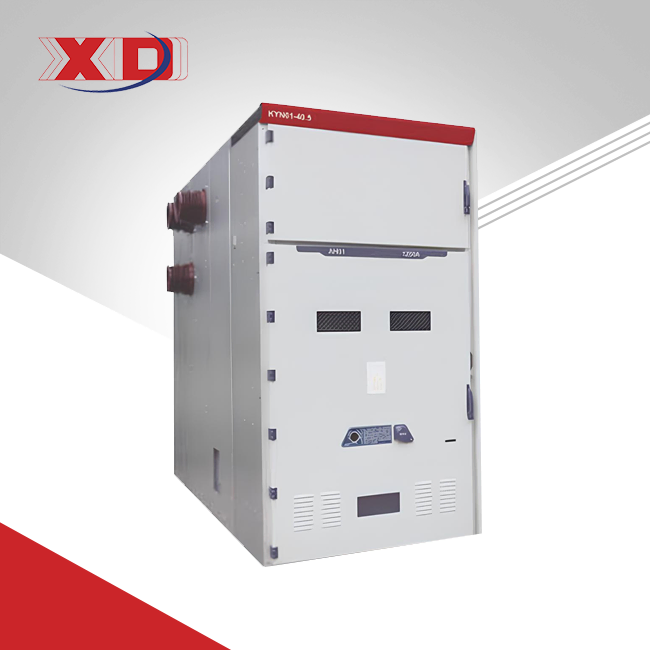
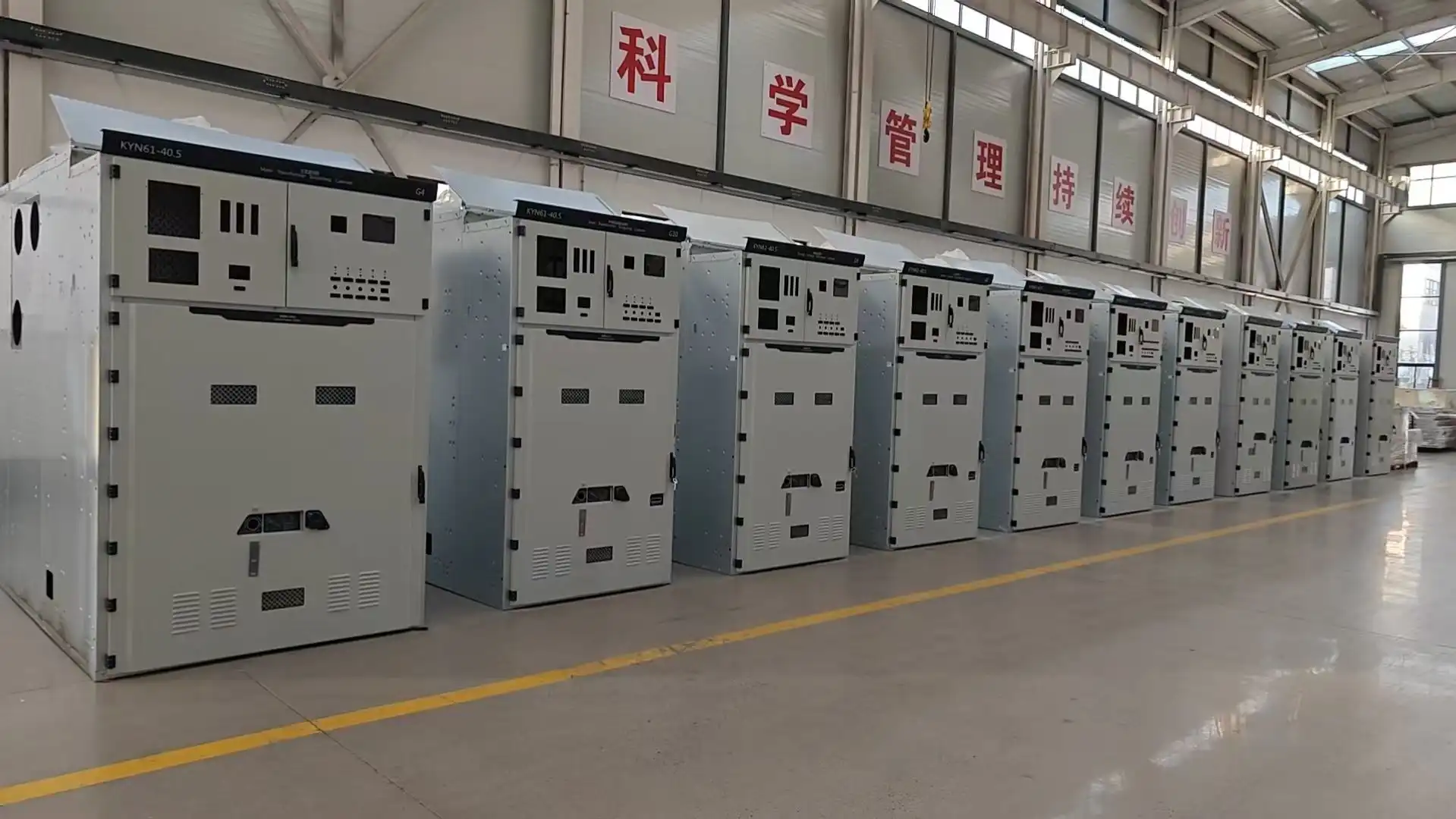
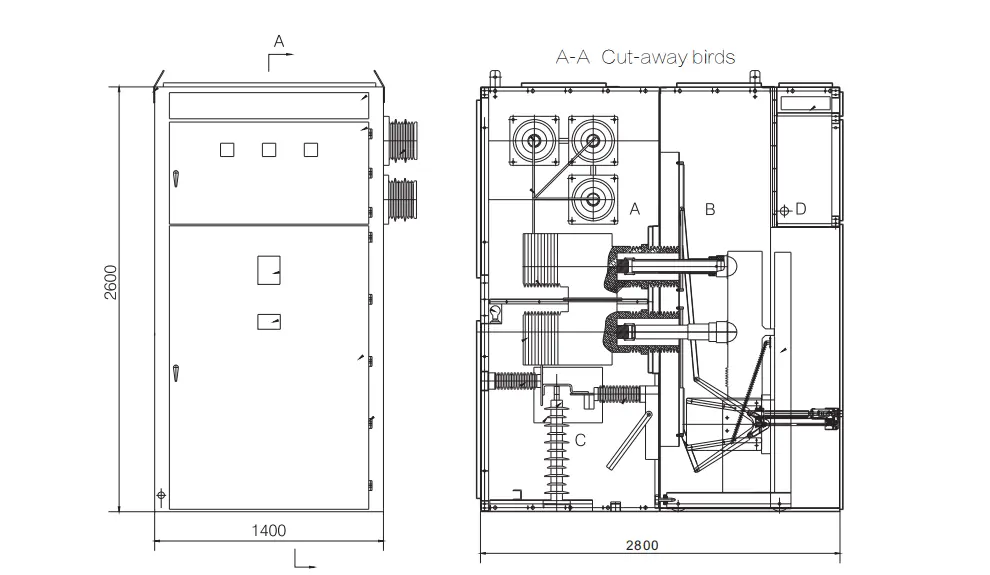
Before installing, you must understand what Armored Metal-Enclosed Switchgear provides. In this equipment category, vacuum circuit breakers are contained in metal enclosures. Steel "armored" structure protects internal components against external pollution, mechanical impacts, and internal arc faults. These devices include physical barriers between the busbar chamber, breaker compartment, cable termination zone, and control instrumentation area, unlike open-frame or non-armored variants.
Core Components and Construction
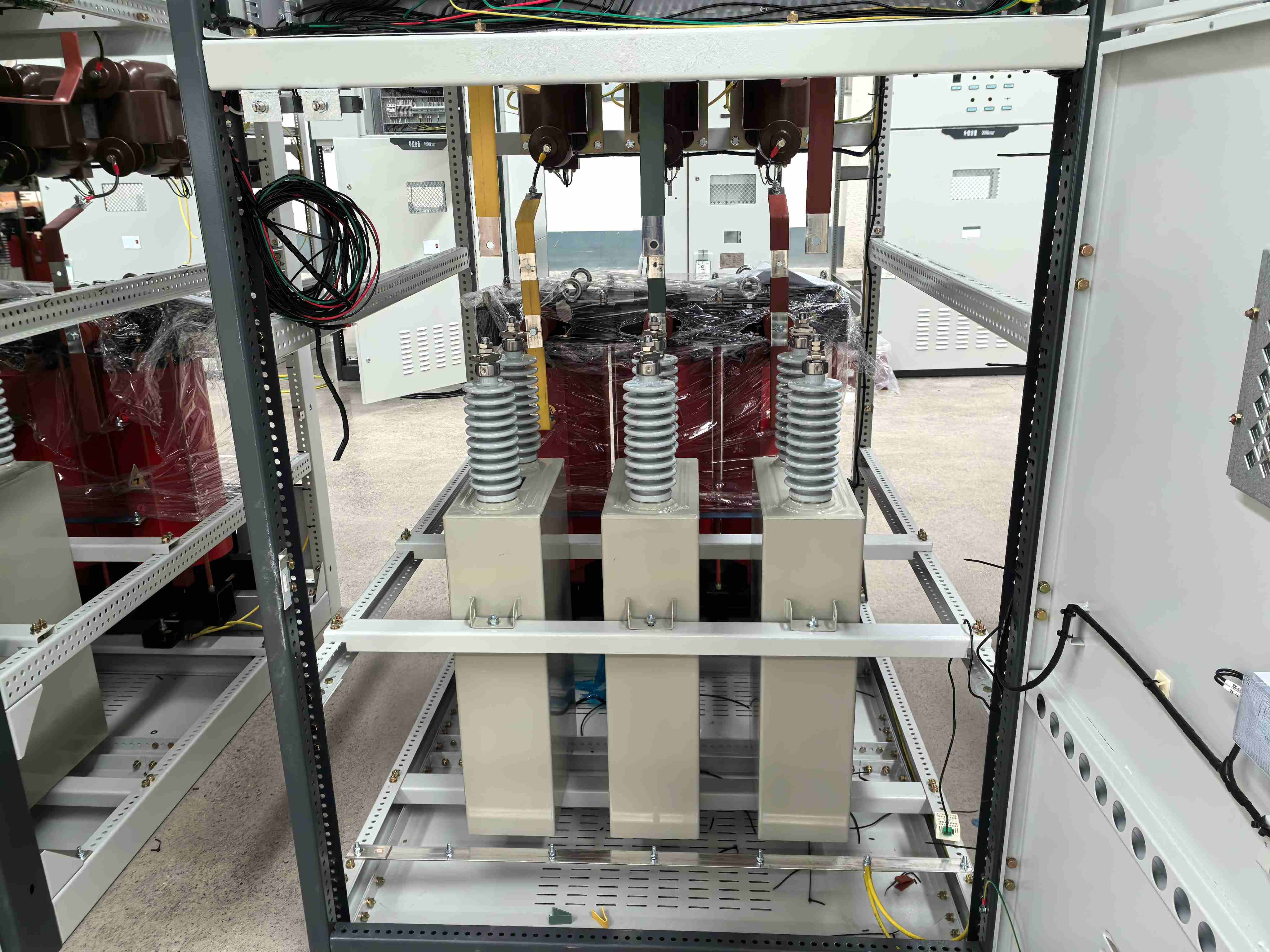
Multiple subsystems operate together in metal-clad switchgear. Multiple feeder circuits receive power from the major busbar, which runs horizontally or vertically via segregated compartments. Circuit breakers on detachable handcarts allow repair without de-energizing neighboring parts. Power cables enter and exit cable termination chambers, while low-voltage control sections hold protective relays, metering devices, and communication interfaces. High-grade steel panels with aluminum-zinc coatings resist corrosion and assure enclosure grounding.
Distinguishing Metal-Clad from Other Switchgear Types
You may encounter switchgear classes during procurement. GIS employs SF6 gas for insulation and has a small footprint but requires specific handling and environmental considerations. Fully armored designs defend against arc faults better than metal-enclosed designs without internal barriers. Understanding these contrasts helps procurement managers weigh space, safety, and budget when choosing utility substation or industrial plant equipment.
International Safety Standards and Certifications
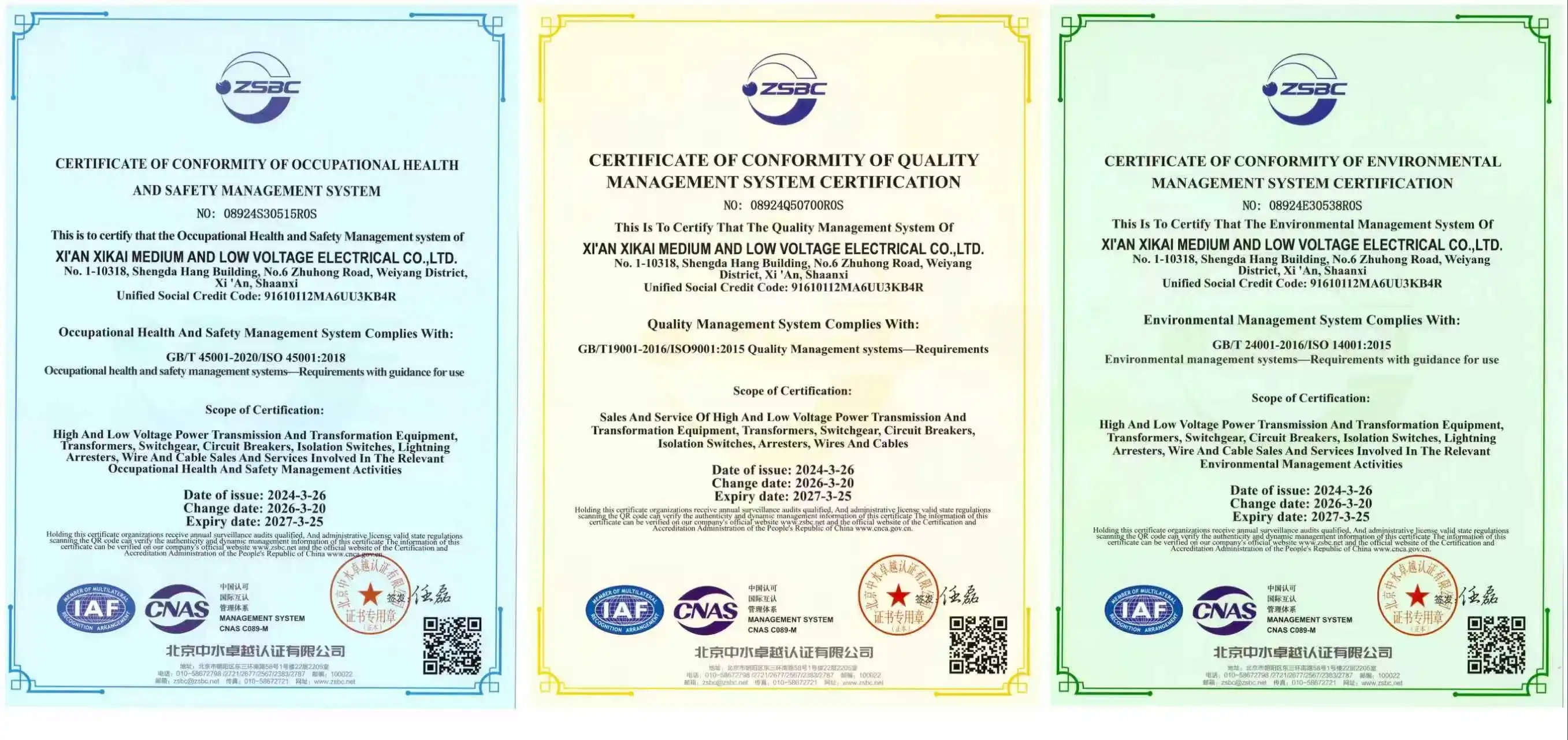
Compliance with standards protects your investment and meets regulations. IEC 62271-200 specifies power frequency withstand voltage, lightning impulse, and internal arc classification tests for metal-enclosed switchgear. North American installations use ANSI standards like IEEE C37.20.2. Xi'an Xikai's equipment is IEC and GB-compliant for global compatibility. ISO 9001 quality management and ISO 14001 environmental management certifications show production consistency and sustainability.
Pre-Installation Considerations and Preparation
Successful Armored Metal-Enclosed Switchgear installation begins before equipment arrives. Proper planning reduces delays, costs, and assures safe commissioning. Facility engineers, electrical contractors, and equipment suppliers must work together to match technical needs with site circumstances.
Site Assessment and Infrastructure Evaluation
Examine your installation environment first. Measure floor space, taking into consideration manufacturer maintenance clearances—1.2 meters in front and 0.8 meters on sides for metal-clad units. Compare ambient conditions to equipment ratings. The KYN61-40.5 Removable Metal-Clad Switchgear works well at altitudes up to 2000 meters and temperatures from -10°C to +40°C, however installations outside these limitations require derating calculations or environmental controls like HVAC systems or heating components.
Pay specific attention to foundation needs. To prevent detachable handcart misalignment and assure mechanical interlock performance, concrete pads must be level within 2mm over the equipment footprint. Check load-bearing capability against equipment weight and fault-related dynamic forces. Avoid electricity installation scheduling issues by coordinating civil works early.
Next, verify electrical system compatibility. Make sure voltage, short-circuit withstand, and current-carrying characteristics meet your power distribution demands. The KYN61-40.5 handles 40.5kV rated voltages and 630A, 1250A, 1600A, 2000A, or 2500A current. To avoid nuisance trips and inadequate fault clearance, match upstream protection coordination and downstream load requirements with device specifications.
Selecting Reputable Manufacturers and Distributors
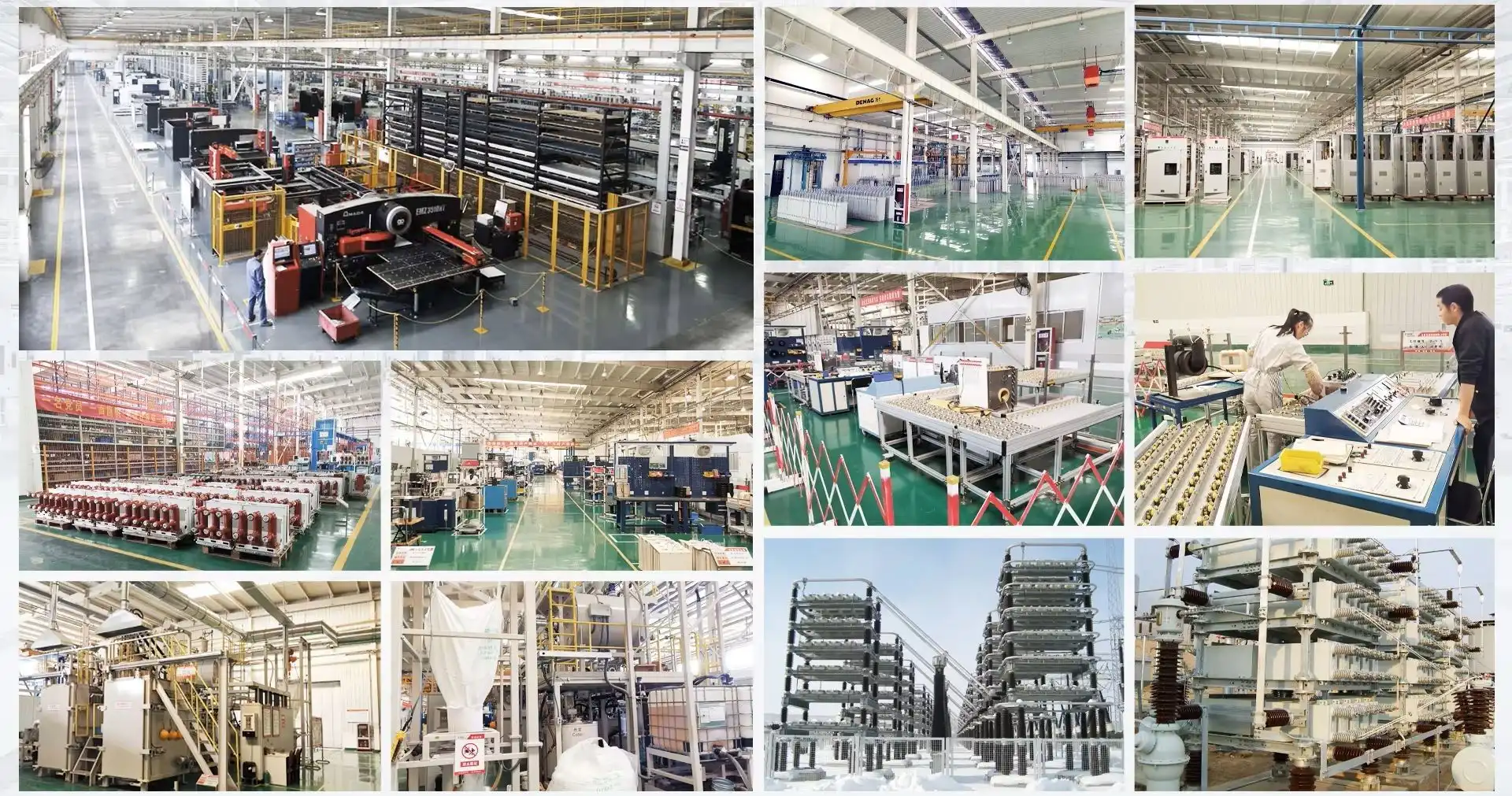
Reliable functioning starts with quality equipment. Assess manufacturers' engineering, production, and after-sales service. Xi'an Xikai has 18 switchgear patents and 25 years of expertise designing medium and high-voltage equipment. Each switchgear unit passes over 50 inspection checkpoints for power frequency withstand, partial discharge, mechanical operation cycles, and temperature increase verification.
Suppliers should include installation instructions, single-line schematics, dimensional drawings, and maintenance schedules. Important warranty terms: Xi'an Xikai offers a 5-year guarantee and technical help within 72 hours. This commitment eliminates operating risks and gives equipment lifecycle peace of mind.
Cost-Efficiency Analysis and Long-Term Value
Budget goes beyond buying price. Total cost of ownership for different equipment alternatives should include installation labor, commissioning costs, energy losses, and maintenance during a 25-year service life. Although more expensive, Armored Metal-Enclosed Switchgear offers larger safety margins, lower maintenance intervals, and better protection against catastrophic failures.
Operating costs are greatly affected by energy efficiency. Busbar joints with low resistance and improved contact designs reduce I²R losses, resulting in significant savings in facilities with high load factors. Arc-resistant architecture eliminates excessive downtime and equipment damage during internal fault occurrences, saving money on emergency repairs. Premium equipment is commonly used for hospitals, semiconductor fabs, and utility transmission substations due to these characteristics.
Step-by-Step Installation Process of Armored Metal-Enclosed Switchgear
The right installation ensures safety, compliance, and long-term performance. This section gives switchgear deployment installation teams full instructions.
Receiving, Inspection, and Verification
Immediately check new equipment at your facility. Check shipment containers for damage and packing lists for quantity. Photograph inconsistencies and notify the supplier immediately to address disputes. Remove packing carefully and save it until commissioning.
Systematically check health. Test enclosure panels for dents, scratches, and corrosion. Make sure door seals and hinges work. Busbar supports, insulator surfaces, and circuit breaker mounting rails should be checked for shipment damage. Verify nameplate voltage, current, and short-circuit capacity against purchase order specifications.
Examine documentation next. Get certified factory acceptance test records with power frequency withstand voltage, partial discharge, and mechanical operation counts. Check IEC 62271-200 and GB/T 11022 compliance certifications. Verify that equipment has dimensions drawings, wiring diagrams, and operating manuals. Missing paperwork delays commissioning and complicates maintenance.
Mechanical Installation Procedures
Position the switchgear lineup precisely according to layout drawings to start mechanical installation. Lifting equipment for the unit weight—40.5kV Armored Metal-Enclosed Switchgear sections weigh 1500-2500 kg depending on configuration—is recommended. Lift units only at specific positions to avoid panel or internal component stress. Check level with precise instruments when each segment is lowered onto foundation pads. Shim to specs, then attach anchor bolts per manufacturer torque.
Bolt portions together after precise alignment. Internal busbar connections are disrupted by misalignment, preventing handcart functioning. Install connector hardware according to detailed assembly instructions after verifying gap uniformity using feeler gauges. Use calibrated equipment to torque all fasteners to prescribed values and record completion on installation checklists.
Put replaceable circuit breaker handcarts next. Clean and lubricate guide rails using manufacturer-approved grease. Make that mechanical interlocks work—the "Five-Prevention" system must prevent breaker shutting with handcart in test position, withdrawal under load, grounding switch action on live equipment, and illegal entry to live compartments. Before activation, carefully test each interlock.
Electrical Installation and Integration
Cable termination demands precision. Pass power cables through entrance points with the smallest bending radius required by cable requirements. Strip insulation carefully to reveal termination lug-sized conductors. Remove oxidation from conductor surfaces and apply joint compound if needed. Crimp cable lugs with hydraulic crimping equipment and conductor-sized dies, checking crimp dimensions against approval requirements.
Manufacturer-specified torque cable connections attach to M12 hardware for medium-voltage applications, usually 40-60 Nm. Use calibrated torque wrenches and many passes to distribute pressure evenly. Label connections with single-line diagram-matching circuit identification labels.
Grounding is essential for safety. Connect all metal enclosure portions to the facility grounding grid with NEC Article 250 or local code conductors. Low-resistance ohmmeters should not exceed 10 milliohms across consecutive portions to verify ground continuity across bolted joints. Cable compartments should have ground bus bars and cable shields, armor, and conduits bonded.
Carefully wire control circuits per factory schematics. Use color-coded wiring and tidy wireways. Write circuit numbers on both ends of every wire to match documentation. Before powering, verify DC control circuit polarity. Terminate communication interfaces according to protocol—many recent SCADA and remote monitoring setups use IEC 61850-compliant Ethernet.
Testing and Commissioning Protocols
Before using equipment, thorough testing verifies installation. Start with 2500V megohmmeter insulation resistance testing. Check major circuits for phase-to-phase and phase-to-ground resistance, which should exceed 1000 MΩ for new equipment. Low values suggest contamination, dampness, or damage that needs inquiry.
Test high-potential next. Test 40.5kV equipment with 95kV power frequency voltage for one minute on main circuits and 2kV on auxiliary circuits following IEC specifications. Test under controlled conditions with strict safety protocols. Passing tests verify insulation integrity and energization readiness.
Conduct systematic functional testing. Test circuit breakers electrically and mechanically for smooth operation and timing. Test protection relays with secondary injection equipment to verify pickup levels, delays, and trip coordination. Simulate operational circumstances and faults to test control circuit logic. Compare indicator lights, alarms, and metering to references.
Test Armored Metal-Enclosed Switchgear primary current injection if project scope allows. Pass rated current via major circuits using portable test kits and monitor crucial connection point temperature rise using infrared cameras. High-resistance joints need rework before operational loading. Finalize energization with utility officials using authorized switching sequences and lockout-tagout processes.
Post-Installation Maintenance and Operation Best Practices
Equipment dependability and lifespan are greatly improved by proper maintenance. Structured maintenance plans reduce unexpected breakdowns and maximize TCO.
Routine Maintenance Practices
Conduct yearly visual checks of enclosure, door seal, and control device performance. Check for moisture, corrosion, and overheating. Clean insulator surfaces using manufacturer-approved solvents to eliminate dust and dielectric strength-reducing contaminants. Infrared thermography under load can detect hot spots in busbar joints and cable terminations indicating excessive resistance.
Complete full maintenance every three years. De-energize equipment using lockout-tagout, then check compartments. Micro-ohmmeters should measure busbar joint and circuit breaker primary contact resistance. Readings over baseline by 20% indicate signal degradation. Maintenance programs need handcart guide rail and working mechanism lubrication. Complete operating cycles to verify mechanical interlock function.
Protection relays should be tested every five years or after major faults. Secondary injection equipment ensures correct settings and coordination systems. Meters should be calibrated against traceable standards. Update firmware on smart devices when manufacturers fix bugs or add features.
Troubleshooting Common Operational Issues
Control circuit issues can cause circuit breaker failures. Systematically check auxiliary switch alignment, control fuse integrity, and relay contact. Make sure DC control voltage is within tolerances—low battery voltage causes unreliability. Lubricating or adjusting mechanical binding in functioning mechanisms needs skilled technicians following specific service instructions.
Overheating connections needs quick care. High temperatures imply loose hardware, oxidation, or low contact pressure for high resistance. Deactivate affected circuits and examine. Replace worn parts or torque connections per specifications. Infrared surveys during regular operation detect issues before they create outages or damage.
Nuisance tripping disturbs operations and reveals problems. To locate faults, analyze protective relay targets and oscillography recordings. Adjust parameters if load conditions altered since commissioning or evaluate insulation resistance-affecting equipment deterioration. Damage to cables, moisture ingress, or tracking across filthy insulators can cause ground faults.
Manufacturer Support and Service Contracts
Use manufacturer expertise to improve maintenance. Xi'an Xikai provides 24/7 technical support, on-site commissioning monitoring, and specialized facility staff training. For outdated installations, our engineering team provides application help, coordination studies, and retrofit planning.
Maintenance expenditures and emergency response are predictable with service contracts. Basic telephone assistance to full-service agreements with periodic inspections, testing, parts replacement, and performance guarantees are available. Facilities lacking high-voltage competence or personnel restrictions benefit from these initiatives.
Making the Right Choice: Buying and Customizing Armored Metal-Enclosed Switchgear
Technical needs, budget limits, and operational goals must be considered while choosing equipment. Understanding essential assessment criteria simplifies procurement.
Evaluating Key Performance Indicators
Certain applications require Armored Metal-Enclosed Switchgear equipment with short-circuit interruption ratings. Calculate available fault current at installation sites using system impedance data, then provide switchgear with interrupting capacity above estimated values by safety margins. When faults occur, the KYN61-40.5 protects downstream equipment and workers.
Service life is estimated using mechanical endurance ratings. Quality circuit breakers last thousands of normal operations and dozens of fault interruptions before needing extensive maintenance. Check that equipment fulfills your application's operating duty cycles—frequent switching loads require greater endurance ratings than feeder circuits.
Environmental ratings guarantee site-specific reliability. Standard indoor switchgear requires controlled settings, but specialist designs handle harsh temperatures, humidity, corrosion, and seismic activity. Xi'an Xikai's plateau-rated equipment works consistently at elevations up to 4000 meters, solving particular problems in hilly terrain.
Customization Options for Unique Applications
Custom configurations improve performance in particular applications, although standard catalog goods meet most needs. Customize busbar materials using copper for high-current conductivity or aluminum for weight savings. Select circuit breakers based on switching frequency, fault duty, and maintenance preferences—vacuum interrupters last longer and require less maintenance.
Control systems may be seamlessly integrated with customized communication protocols. Choose Modbus, DNP3, or IEC 61850 interfaces for SCADA. Add optional partial discharge sensors, gas density monitors, or temperature probes to detect issues early.
In dangerous areas, arc-resistant designs safeguard workers. Set Armored Metal-Enclosed Switchgear internal arc classification levels per IEC 62271-200 and deflect arc energy away from operators. These arrangements are useful in utility substations and industrial operations where workers often touch electrified equipment.
Procurement Strategy and Supplier Selection
Engage suppliers early in project planning. To get accurate bids and detect issues, provide single-line schematics, load studies, and site conditions. Request technical submittals including dimensions, weights, short-circuit calculations, and protection coordination data for engineering evaluation and approval.
Examine supplier credentials thoroughly. Assess manufacturing, quality, and project portfolios. Advanced manufacturing equipment and automated testing procedures ensure quality across huge production volumes at Xi'an Xikai. Our project experience includes utility transmission systems, industrial facilities, renewable energy installations, and commercial infrastructure in various applications and operating settings.
Delivery schedules greatly affect project deadlines. Standard configurations ship in 8-12 weeks, while sophisticated bespoke designs take 12-16 weeks. Order with enough lead time for shipment, customs processing, and on-site storage. Bulk orders may offer better cost and production schedule.
Conclusion
Armored Metal-Enclosed Switchgear installation demands careful design, professional execution, and excellent maintenance. This handbook stressed safety, compliance, and dependability from equipment comprehension to operational assistance. Professional installation safeguards large capital expenditures, staff safety, and operational continuity. Connect with experienced manufacturers like Xi'an Xikai to use established designs, technical skills, and support services to optimize equipment value across many decades.
FAQ
1. What safety advantages does armored switchgear provide over non-armored designs?
Armored Metal-Enclosed Switchgear has fully enclosed metal barriers separate compartments in construction. It prevents arc flash energy from escaping during internal fault occurrences, saving adjacent individuals from burns and blasts. Segregated design prevents fault propagation between sections, limiting damage to damaged areas while maintaining service on healthy circuits. Improved IP ratings protect insulation against environmental contamination, increasing its lifespan.
2. How long does typical armored switchgear installation require?
Installation time depends on project intricacy. Mechanical installation, electrical terminations, and basic functional testing take 2-3 days each lineup segment. Complete substations with several lines, control buildings, and full commissioning take 4-8 weeks, depending on equipment, site circumstances, and testing. Schedule efficiency is greatly improved by pre-planning and cooperation.
3. Can switchgear configurations be customized for unique operational requirements?
Absolutely. Manufacturers customize voltage, current, ambient conditions, and integration. Specific busbar materials, circuit breakers, communication protocols, seismic certification, arc-resistant construction, and plateau altitude derating are available. Engineering teams should be involved early to provide solutions that meet technical and budget criteria.
Partner with Xi'an Xikai for Reliable Switchgear Solutions
With 25 years of engineering and production experience, Xi'an Xikai provides reliable metal-clad switchgear. The KYN61-40.5 Removable Metal-Clad Switchgear serves the needs of utility substations, industrial sites, and essential infrastructure globally. We offer complete support from specification development to commissioning and lifecycle maintenance as a leading Armored Metal-Enclosed Switchgear manufacturer. For customized prices, precise specifications, and application help, email our technical team at serina@xaxd-electric.com, amber@xaxd-electric.com, or luna@xaxd-electric.com.
References
1. Anderson, P.M. (2019). Power System Protection and Switchgear. Technical Press International.
2. Das, J.C. (2021). Arc Flash Hazard Analysis and Mitigation. IEEE Press Series on Power Engineering.
3. Institute of Electrical and Electronics Engineers (2020). IEEE C37.20.2: Standard for Metal-Clad Switchgear. IEEE Standards Association.
4. International Electrotechnical Commission (2021). IEC 62271-200: High-Voltage Switchgear and Controlgear - AC Metal-Enclosed Switchgear for Rated Voltages Above 1 kV and Up to 52 kV. IEC Publications.
5. McDonald, J.D. (2022). Electric Power Substations Engineering. CRC Press, Fourth Edition.
6. Zhang, L. & Chen, W. (2020). Medium Voltage Switchgear: Design, Testing, and Applications in Modern Power Systems. China Electric Power Press.