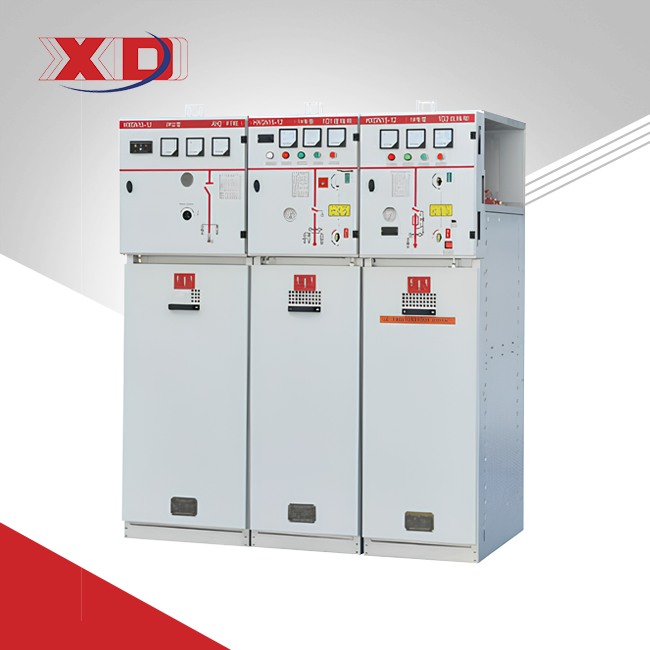
HXGN15-12SF6 Unit-Type AC Metal-Enclosed Ring Main Switchgear
How Do Submerged Arc Furnace Capacitors Improve Power Efficiency?
2026-05-07 16:40:50
Every day, running a submerged arc furnace means dealing with problems like bad power, high energy costs, and broken equipment. Power factor imbalances and reactive power losses are common in heavy industrial and metallurgical processes. Submerged Arc Furnace Capacitors fix these problems in a useful way. These special parts keep voltage levels stable, cut down on wasted energy, and make furnace systems last longer when they are under a lot of thermal and electrical stress. Power factor correction capacitors change how facilities handle energy use and business continuity by fixing inefficiencies where they start.
 |
 |
Understanding Submerged Arc Furnace Capacitors and Their Role in Power Efficiency
Today's factories need parts that can work in harsh conditions and improve performance in a way that can be measured. The special electrical properties of high-current arc loads are taken care of by Submerged Arc Furnace Capacitors made just for submerged arc furnace use.
What Makes These Capacitors Different from Standard Units
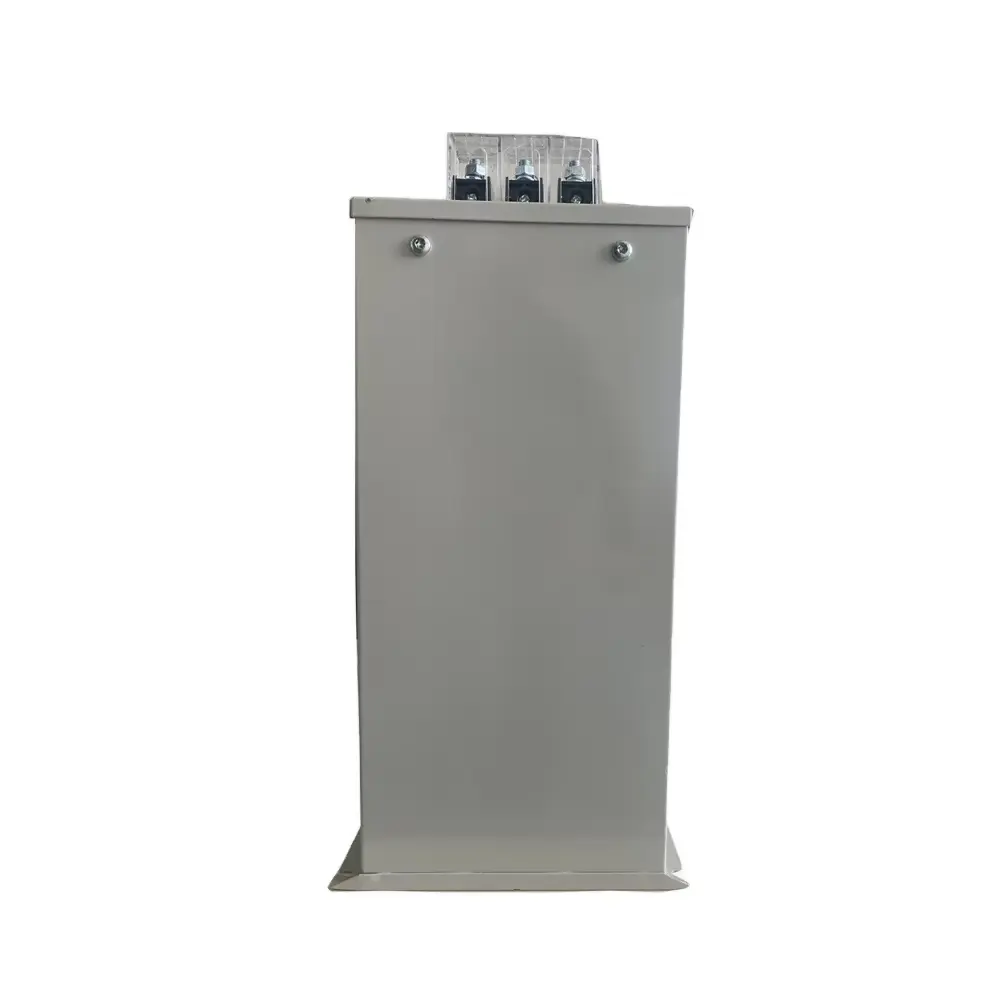
Submerged Arc Furnace Capacitors are designed specifically for harsh smelting conditions where standard capacitors fail due to voltage fluctuations, harmonics, and high temperatures. They typically use metallized polypropylene film with zinc-aluminum layers for stronger dielectric performance and feature a dry-type construction that eliminates oil leakage risks in high-temperature, flammable environments. They can operate reliably at ambient temperatures up to 60°C, far beyond normal capacitor limits. Their self-healing property repairs minor dielectric damage automatically, reducing breakdown risk and production interruptions. This improves operational reliability, lowers maintenance frequency, and reduces emergency replacement costs in furnace applications.
How Power Factor Correction Reduces Operational Costs
Arc furnaces usually operate at low power factors (0.6–0.7), which increases reactive power demand and causes higher energy losses and utility penalties. Submerged Arc Furnace Capacitors improve power factor to above 0.92, significantly reducing electricity costs and penalty charges. This also releases transformer capacity, allowing higher production without infrastructure upgrades. Reduced current flow in cables and busbars lowers I²R losses, decreasing heat generation and extending equipment lifespan. Overall, power factor correction improves system efficiency, reduces operational costs, and enhances the stability and capacity utilization of furnace electrical systems.
Technical Specifications That Drive Performance
The BKMJ0.4KV Submerged Arc Furnace Capacitor series is engineered for industrial furnace environments operating at 60Hz, with capacitance deviation controlled within -5% to +10% for stable performance under variable loads. It can withstand surge currents up to 2.5 times rated capacity during electrode adjustments or arc instability. Built-in discharge resistors safely release stored energy after shutdown, protecting maintenance personnel. Independent overvoltage protection disconnects the capacitor during spikes, preventing internal damage. With loss factors below 0.2W/kVar, these capacitors maintain high efficiency and contribute to overall system energy optimization.
Identifying and Overcoming Efficiency Bottlenecks in Submerged Arc Furnace Power Systems
Over time, even electrical systems that were well thought out become less efficient. By noticing patterns of failure, maintenance teams can take steps to stop problems before they get worse and cause costly outages.
Common Causes of Capacitor Underperformance
Incorrect sizing is a major cause of Submerged Arc Furnace Capacitor inefficiency. Oversized units create leading power factors and unstable voltage regulation, while undersized ones fail to provide sufficient reactive compensation, both resulting in energy waste and possible utility penalties. Harsh environments further degrade performance, as conductive dust from electrodes and metallic particles accumulate on insulation surfaces, increasing leakage risks. Excess furnace heat raises internal temperatures beyond design limits, accelerating dielectric aging and shortening capacitor lifespan. These combined factors lead to reduced efficiency and higher maintenance demands.
Harmonic Distortion and Resonance Risks
Non-linear arc furnace loads generate strong harmonic currents, especially 3rd, 5th, and 7th orders, which can interact with capacitors and cause resonance conditions. This resonance amplifies harmful frequencies, overheating capacitors, transformers, and cables, and may trigger protective shutdowns. Tuned filter banks using capacitors and series reactors (typically 6%, 7%, or 12% reactance) help suppress these harmonics by providing low impedance paths. Reactors also limit inrush currents during switching, reducing mechanical stress on components and improving overall system stability and protection.
Maintenance Protocols That Extend Equipment Life
Regular thermographic inspections help identify overheating caused by loose connections or internal degradation in Submerged Arc Furnace Capacitors. These checks should be performed every three months during heavy operation periods. Tightening terminals prevents resistive heating and insulation carbonization. Capacitance testing is essential; a drop of more than 10% from rated values indicates deterioration and replacement needs. Swelling of capacitor housings signals dielectric failure and requires immediate shutdown. Checking discharge resistors ensures safe energy release after shutdown, preventing shock hazards during maintenance operations.
Comparing Submerged Arc Furnace Capacitors with Conventional Alternatives
When making a purchase decision, you have to weigh the initial investment against the total cost of ownership. The best way to choose between specialized and general-purpose Submerged Arc Furnace Capacitors is to understand the technical and economic differences between them.
Engineering Differences That Matter in Harsh Environments
Standard capacitors are designed for environments below 40°C and ±5% voltage variation, making them unsuitable for submerged arc furnace conditions. In contrast, Submerged Arc Furnace Capacitors feature reinforced dielectric films, stronger edge insulation, and enhanced internal protection systems. High-temperature polypropylene materials maintain stability under extreme heat, while conventional materials degrade faster and lose efficiency. Improved film surface engineering enhances self-healing capability, allowing the capacitor to recover from frequent electrical stress events, ensuring long-term stability in harsh industrial applications.
Long-Term Cost Analysis and Return on Investment
Although Submerged Arc Furnace Capacitors cost 40–60% more initially, their total lifecycle cost is significantly lower due to higher durability. Standard capacitors typically last only 1–2 years in furnace conditions, while specialized units last 5–8 years. Frequent replacements increase material costs and cause production downtime, especially during peak demand periods. The improved reliability reduces unplanned outages and maintenance interruptions, improving overall productivity. Over time, the extended lifespan and reduced failure rate deliver a stronger return on investment despite higher upfront costs.
Compatibility with Existing Electrical Infrastructure
Upgrading to Submerged Arc Furnace Capacitors generally requires minimal system modification since mounting dimensions and terminal configurations are often compatible with existing setups. However, electrical ratings must match protective coordination schemes, including circuit breakers and fuses. In some cases, series reactors may be required to improve harmonic filtering and reduce heating in the distribution system. Proper engineering evaluation ensures correct reactor sizing and tuning frequency selection, maintaining system stability and optimizing performance within existing furnace electrical infrastructure.
Best Practices for Selecting and Procuring Submerged Arc Furnace Capacitors
Long-term operational success depends on strategic decisions about where to get supplies. By judging suppliers on a number of different factors, you can be sure that you will get reliable delivery of parts and ongoing technical support for Submerged Arc Furnace Capacitors.
Supplier Evaluation Criteria for Industrial Components
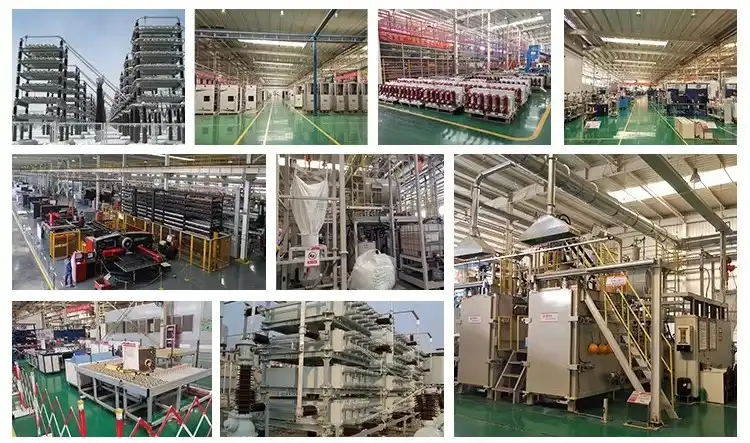
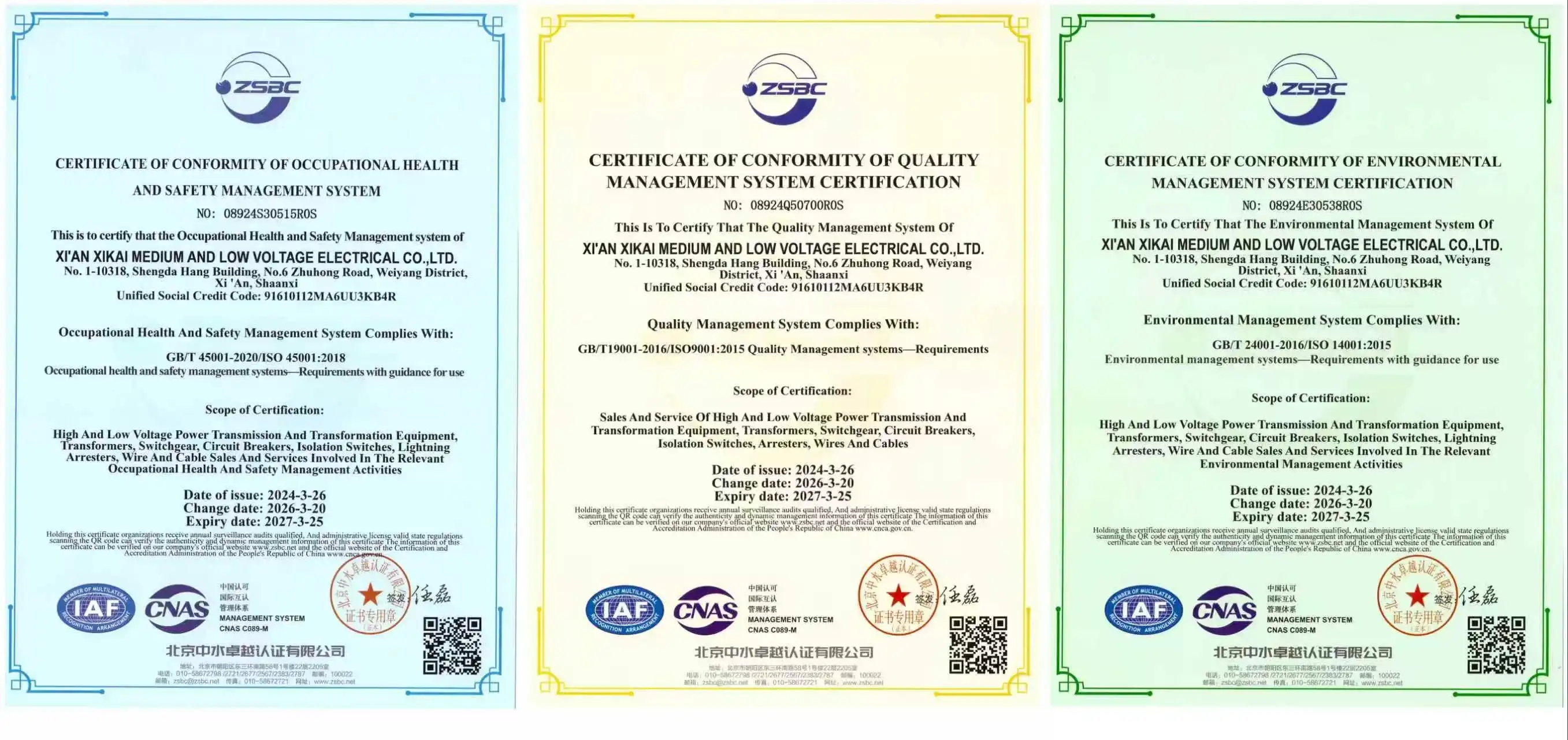
The ability to manufacture has a direct effect on the consistency of the product. Facilities with quality management systems that are ISO 9001-certified show that they are dedicated to controlling processes and making improvements all the time. Validation testing by a third party from separate laboratories gives an objective check of the electrical performance and safety compliance.Technical support responsiveness is what sets great partners apart from good suppliers. To choose the right capacitor, you need to know a lot about the furnace, like the short-circuit current levels, harmonic spectrum analysis, and voltage regulation parameters. Application engineering help from suppliers helps improve system design and avoids costly specification mistakes.
Warranty Terms and Long-Term Service Commitments
The standard warranty usually covers 12 to 24 months from the date of installation. Carefully read the exclusions—many warranties don't cover capacitors that work above certain voltage, current, or temperature limits. Full warranties come with the right to inspect the product at the customer's location. This lets the manufacturer make sure the product was used correctly and figure out what outside factors caused the failure.
Optimizing Procurement Through Strategic Ordering
When parts finally reach the end of their useful life, having replacement parts on hand ensures that there is little downtime. Suppliers who keep common capacitance values in stock in their regions can send replacements within days instead of weeks. This responsiveness is very important during unplanned outages, when hourly production losses add up.Buying in bulk takes advantage of economies of scale to lower costs per unit while making sure there is stock for programs that replace items before they break. Setting the same voltage and capacitance values for all installations makes managing spare parts easier and frees up capital that would have been used to buy different kinds of inventory. Supply chain disruptions are less likely to happen when you work with multiple qualified suppliers. Dual-sourcing strategies keep prices competitive while giving back-up options during allocation periods or when primary suppliers have quality problems. Long-term supply agreements keep prices stable and protect capital budgets from changes in the prices of aluminum, copper, and polypropylene.
Real-World Applications and Case Studies Demonstrating Efficiency Gains
Theoretical benefits become real when operational improvements are proven. Performance data from real installations backs up the technical claims and financial projections that are used to make investment decisions involving Submerged Arc Furnace Capacitors.
Ferrosilicon Production Facility Power Quality Improvements
Power factors between 0.62 and 0.68 caused a metallurgical plant with three 25 MVA submerged arc furnaces to struggle with monthly utility penalties of $47,000 on average. Voltage flickering happened when electrodes were being adjusted, which caused sensitive instruments and PLCs that controlled other systems to trip. The power factor went up to 0.94 when the 12 Mvar of tuned capacitor banks with 7% reactors were added to the 0.4kV secondary bus. The monthly fines for not paying your bills went down to $8,500, which is a savings of $462,000. The voltage stability got better, and the flicker amplitude went down by 60%, which stopped instrumentation problems. The project paid for itself in 14 months, which included the costs of engineering, equipment, and installation.
Calcium Carbide Furnace Energy Consumption Reduction
Energy costs were going up so fast that a chemical plant using old open-arc furnaces could not stay open. Power measurements showed that 18% of the transformer's capacity was being used to supply reactive power instead of productive furnace load. During peak production, cable temperatures in the secondary busbar system got close to the limits of the insulation. Adding water-cooled capacitor banks to the furnace transformers made 4.5 MVA of capacity that had been limited available. Transformer loading dropped by 12%, which cut down on the energy used by the cooling system and increased the life of the insulation. The total amount of energy saved each year was 6.8 GWh, which is equal to $544,000 at the current rate. Without upgrading the electrical infrastructure, production capacity went up by 8%, which saved $2.3 million in capital expenditures.
Emerging Technologies and Future Developments
Modern monitoring systems now combine diagnostics for capacitor health with platforms for managing all of a plant's assets. Tracking capacitance, dissipation factor, and internal temperature in real time lets maintenance plans be planned ahead of time. Machine learning algorithms find patterns of wear and tear and schedule replacements for planned downtimes instead of waiting for failures to happen. Capacitor banks can take part in demand response programs by changing their reactive power output based on signals from the utility companies. This two-way communication opens up new ways to make money and keeps the grid stable during times when renewable generation changes a lot.
Conclusion
Getting rid of power waste in submerged arc furnace operations can save money, make equipment more reliable, and make sure that production stays consistent. Specifically designed Submerged Arc Furnace Capacitors for harsh industrial environments work better than regular ones, which explains why they cost more. They do this by lasting longer and using less energy. To make the right choice, you need to know about the electrical properties of the furnace, harmonic conditions, and environmental factors that affect how long parts last. Strategic buying from qualified suppliers makes sure that you have access to technical knowledge, on-time delivery, and full warranty protection. Through properly set up reactive power compensation systems, real-life case studies show that big cost savings and capacity gains are possible.
FAQ
1. How often should Submerged Arc Furnace Capacitors undergo maintenance inspections?
Inspections happen every three months during busy production times. During these times, thermal imaging and visual checks are done on the terminal connections, bushing cleanliness, and case integrity. Every year, measurements of capacitance make sure that performance stays within acceptable limits. Monitoring once a month is helpful for places where voltage changes often or where temperatures are close to the limits for normal conditions. Submerged Arc Furnace Capacitors require consistent oversight to maintain peak efficiency.
2. Can existing power systems integrate specialized furnace capacitors without major modifications?
Most installations can handle direct replacement during routine maintenance, as long as the voltage ratings and mounting arrangements are the same as the old equipment. Adding harmonic filtering through series reactors might need some small changes to the busbar, but it makes the whole system work better and the capacitors last longer.
3. What indicators signal imminent capacitor failure requiring immediate replacement?
Case bulging or swelling that can be seen is a sign of internal over-pressure caused by dielectric breakdown, which is a very serious safety risk. When capacitance readings drop more than 10% below the nameplate values, it means the device is nearing the end of its useful life. High operating temperatures that are higher than what the manufacturer recommends or strange noise emissions should be looked into right away and possibly replaced.
Partner with Xi'an Xikai for Superior Power Factor Correction Solutions
Xi'an Xikai Medium & Low Voltage Electric Co., Ltd. has been a great engineering company for over 30 years and can help with power management problems in factories. Our Submerged Arc Furnace Capacitor supplier can provide custom voltage ratings, harmonic filter integration, and application engineering support that is made to fit the exact configuration of your furnace. We offer complete electrical solutions that are backed by ISO 9001 certification and meet IEC 60831, UL, and CE standards. Our products fall into 7 main categories and have more than 100 different versions. Our technical team is ready to look at your power system needs and give you advice on the best capacitor specifications. Get in touch with us at serina@xaxd-electric.com, amber@xaxd-electric.com, or luna@xaxd-electric.com to talk about how our tried-and-true solutions can help you save money on energy costs and make your heavy, chemical, and metallurgical equipment more reliable.
References
1. Institute of Electrical and Electronics Engineers, "IEEE Standard for Shunt Power Capacitors," IEEE Standard 18-2012, Revision of IEEE Standard 18-2002, Institute of Electrical and Electronics Engineers Power and Energy Society, New York, 2012.
2. International Electrotechnical Commission, "Shunt Capacitors for A.C. Power Systems Having a Rated Voltage Above 1000 V – Part 1: General," IEC 60871-1 Edition 4.0, International Electrotechnical Commission Technical Committee 33, Geneva, Switzerland, 2014.
3. National Electrical Manufacturers Association, "Shunt Capacitors for Alternating-Current Power Systems," NEMA CP1-2017, National Electrical Manufacturers Association Standards Publication, Rosslyn, Virginia, 2017.
4. Electrical Power Research Institute, "Power Factor Correction and Harmonic Filtering in Industrial Power Systems," EPRI Technical Report 1025657, Electric Power Research Institute, Palo Alto, California, 2012.
5. American Society for Testing and Materials, "Standard Test Methods for Electrical Performance of Non-Ceramic Insulating Materials Used in Electrical Apparatus," ASTM D2149-19, ASTM International Committee D09 on Electrical and Electronic Insulating Materials, West Conshohocken, Pennsylvania, 2019.
6. International Council on Large Electric Systems, "Capacitor Banks and Harmonic Filters on Networks with High Penetration of Non-Linear Loads," CIGRE Technical Brochure 766, CIGRE Working Group C4.35, Paris, France, 2019.