Why Are More Industries Switching to SVG Compensators?
2026-05-07 16:40:51
Industries all over the world are adopting SVG Compensator technology because it offers things that other reactive power solutions don't: a millisecond response to changes in voltage, smooth integration with renewable energy sources, and multi-mode operation that adjusts to different grid conditions. Instead of static capacitor banks that have trouble with harmonic distortion or mechanical compensators that need to be serviced often, SVG systems offer dynamic, stepless compensation while filtering harmonics and fixing voltage imbalance at the same time. Because they can lower energy costs, protect sensitive equipment, and make sure that stricter power quality standards are met, SVG Compensator units are the smart choice for facility operators and utilities that want to stay ahead of the curve.
Understanding SVG Compensators and Their Working Principle
The way that utility and industrial networks handle reactive power has changed a lot because of static voltaic generators. Voltage source converters built around high-quality IGBT modules are what these devices are all about. They add precise reactive currents to electrical systems. An SVG constantly checks the state of the grid using high-tech sensors and control algorithms. Within milliseconds, it changes the phase and amplitude of its output voltage, absorbing or producing reactive power depending on the situation.
Core Components and Architecture
The typical SVG system is made up of three important parts that work together. Multi-level inverter topologies are used in the power conversion stage to make clean AC voltage waveforms with little harmonic content. Real-time measurements from current transformers and voltage sensors are processed by control systems, which then run complex algorithms that figure out the right levels of compensation. Overcurrent, overvoltage, and thermal stress can all be avoided with protection circuitry. The integrated design of the compensator lets it work continuously even when the load changes, without mechanical switching or component wear.
Operational Mechanics in Practice
When heavy machinery in a factory starts up, inductive loads suddenly need reactive power, which makes the voltage drop. The SVG's feedback loop picks up on this change, so it immediately raises the capacitive output to make the voltage stable again. The system changes to inductive mode when there isn't much load, when capacitive effects are more important. This ability to work in both directions works smoothly in all four operating quadrants, keeping the power factor close to 1.0 and blocking low-order harmonics up to the 13th order. Since there are no mechanical contactors, there is no arcing, contact erosion, or switching delays that happen with other types of compensation methods.
Multi-Mode Flexibility
Modern SVG systems, like the XD-dSVG platform, can do a lot of different things that older technologies can't. The device can be set up so that it always has the same reactive current for linear compensation, constant reactive power for predictable loading situations, constant bus voltage to protect sensitive equipment, or constant power factor to get the best utility billing. In each mode, different grid problems are solved, and switching between modes can be done manually or automatically based on logic that has been programmed. This ability to change is very useful in buildings with mixed loads or changing operational profiles.
SVG Compensators vs. Traditional Compensation Technologies
When purchasing managers look at investments in power quality, they need to know how SVG systems perform differently from older compensation methods. Though capacitor banks are still common because they are cheap to set up, the fact that they can't respond quickly to changes in the environment creates operational risks. Static Var Compensators that use thyristor-switched reactors are a little better, but they have switching transients and can't respond very quickly. Harmonics can be fixed by active power filters, but they usually don't have enough reactive power to support voltage.
Performance Comparison Matrix
In many important ways, SVG Compensator systems work better than traditional solutions. The biggest difference might be the response time: SVG systems respond in less than 5 milliseconds, while SVC technology takes 20–40 milliseconds and mechanical contactors take 100 milliseconds or more. This speed keeps the voltage from flickering in arc furnaces and works with renewable energy systems that use the sun or wind that changes quickly. Another interesting thing to know is that maintenance needs to be done on a regular basis. For example, capacitor banks need to be checked for bulging units and replaced every 5 to 7 years. On the other hand, solid-state electronics in SVG systems can work for 15-20 years with only firmware updates.
Harmonic Handling Capabilities
Some harmonic frequencies get louder when traditional capacitors are used, which can make the power quality worse instead of better. Through its inverter control strategy, SVG technology actively reduces harmonics, working as both a reactive compensator and an active filter at the same time. In steel rolling mills that make a lot of 5th and 7th order harmonics, SVG installations have shown that total harmonic distortion drops from 12% to below 3%. This protects motor insulation and makes equipment last longer. Because it can do two things at once, it doesn't need two separate harmonic filter banks. This means that it takes up less space and costs less to install, even though the parts are more expensive.
Integration and Scalability
Modular SVG designs let you add more capacity without having to redesign the whole system. To make up for rising loads, you have to add more power modules in parallel, and the central controller will automatically spread reactive demand across the units. This is different from capacitor banks that need complicated coordination for protection when steps are added or SVC systems that need new transformers to raise their rating. Utilities that run transmission substations really like this scalability because it lets them handle new connections for renewable energy or heavy industrial loads.
Why Industries Are Choosing SVG Compensators: Case Studies and Market Trends
Adopting SVG has a business case that goes beyond technical superiority and includes measurable financial returns. After installation, manufacturing facilities say their utility demand charges go down by 15–30%. The payback period ranges from 18 to 36 months, depending on the local tariff structures. By stabilizing the voltage to server power supplies and lowering the cooling loads that come with harmonic heating, data centers can get better Power Usage Effectiveness ratios. By putting SVG systems at weak grid nodes and delaying the building of transmission lines with dynamic voltage support, utilities can avoid expensive infrastructure upgrades.
Renewable Energy Integration
When it comes to voltage regulation and low-voltage ride-through capability, the grid code is very strict for solar farms and wind installations. Compliance is made possible by SVG Compensator units, which quickly add reactive power to the grid when there are problems. This lets renewable energy plants stay online during short-term faults. A 50MW solar facility in California reported no curtailment events after SVG installation, compared to the monthly disconnections that were caused by voltage excursions before. This dependability has a direct effect on revenue because if generation is cut off, production is lost and can't be recovered.
Heavy Industrial Applications
Electric arc furnaces may be the most difficult to compensate for because the load can change by more than 100Mvar in a single cycle. Traditional solutions can't keep up with these changes, which causes flickering that bothers nearby facilities and breaks agreements between utilities that connect them. Operators of arc furnaces that use SVG technology say that flicker reductions of more than 70% have eliminated penalty charges and allowed for higher production rates. Industrial-grade SVG systems are different from lighter-duty reactive compensators because they can handle surge currents up to 200% of their rated capacity for long periods of time.
Market Landscape and Procurement Considerations
The need for advanced reactive compensation grows by about 8% every year around the world. This is because of renewable mandates and the need to replace old infrastructure. Managers in charge of buying things get their gear from well-known companies with good reputations and strong support networks. It is important to make sure that suppliers follow IEEE 519, IEC 61000, and regional grid codes when evaluating them. Premium suppliers are different from budget options because their warranties last longer than the standard one year, they keep spare parts on hand, and they offer technical support 24 hours a day, seven days a week. To make it easier to compare the true total cost of ownership, price quotes should list not only the hardware costs, but also the costs of setup, training, and extended maintenance agreements.
Choosing the Right SVG Compensator for Your Industry Needs
To choose the right reactive compensation equipment, you need to match the technical specs to the real-world operating conditions instead of just using the highest ratings. Oversized SVG systems waste money and might not work well when only partially loaded, while undersized units can't provide the support needed during peak demand. To get accurate sizing, you need to do detailed load studies and harmonic surveys. These show not only the steady-state needs but also the transient response needs during motor starting or ramps in renewable generation.
Critical Specification Parameters
The rated voltage of an SVG Compensator must match the facility’s distribution level, as mismatched insulation ratings can lead to failure. Capacity should include a 20–30% margin above calculated reactive demand to accommodate future expansion and operational variation. Dynamic response is critical: most industrial systems require <10ms response, while arc furnace applications may need <5ms. Temperature ratings are equally important; standard units operate at 40°C, but harsh environments such as deserts or poorly ventilated rooms require designs rated up to 50°C for stable performance.
Integration and Compatibility Assessment
An SVG Compensator must integrate seamlessly with existing SCADA systems using standard communication protocols. Modern substations typically use IEC 61850, while legacy systems rely on Modbus RTU or DNP3. Proper communication compatibility allows real-time monitoring of reactive power, mode control, and alarm handling without expensive custom software development. Physical installation factors such as footprint, ventilation space, and seismic reinforcement must also be evaluated early to avoid costly redesigns or structural modifications during deployment.
Service and Support Evaluation
Long-term reliability of an SVG Compensator depends heavily on supplier service capability. Factory acceptance testing ensures performance before shipment, reducing commissioning risks. On-site commissioning by trained engineers improves system integration and operator familiarity. Service agreements should clearly define response times for remote diagnostics and field repairs. Fast access to spare parts such as IGBT modules or control boards is essential, as delays can extend downtime from hours to days, significantly impacting industrial productivity and grid stability.
Enhancing Operational Efficiency and Future-Proofing with SVG Compensators
Optimizing an SVG Compensator requires continuous adjustment rather than static operation. Regular review of operating modes ensures alignment with evolving load profiles and utility tariffs. Strategic scheduling can reduce demand charges and penalties during peak pricing periods. Firmware updates often improve control algorithms, diagnostics, and communication functions, extending system value without hardware changes. These improvements help facilities maximize return on investment while maintaining long-term adaptability to changing grid and industrial requirements.
Predictive Maintenance and IoT Integration
Modern SVG Compensator systems include IoT-based monitoring that shifts maintenance from reactive to predictive models. Machine learning algorithms analyze temperature, voltage, and switching patterns to detect early signs of wear. Centralized dashboards allow multi-site operators to compare performance and identify anomalies. Remote updates reduce field visits and maintenance costs while improving response time. This predictive approach increases system reliability, reduces unexpected failures, and enhances overall operational efficiency across distributed power networks.
Smart Grid Readiness
A modern SVG Compensator plays an active role in smart grid environments beyond traditional reactive power compensation. Facilities can participate in grid service markets, earning revenue through voltage support and frequency regulation. This transforms reactive compensation from a cost center into a potential income source. Emerging grid protocols will further integrate distributed SVG assets with centralized control systems, enabling coordinated virtual power plants that optimize reactive power resources across wide geographic regions.
Future Technology Trajectories
Future SVG Compensator designs will benefit from advanced semiconductor materials such as silicon carbide and gallium nitride, enabling higher switching frequencies and smaller passive components. Modular multilevel converter structures will improve scalability across different voltage levels and applications. Hybrid systems combining energy storage with SVG functionality will provide both reactive and active power support. These innovations will enhance efficiency, reduce system size, and ensure long-term compatibility with evolving power grid technologies.
Conclusion
The move in industry toward SVG Compensator technology shows big changes in the needs of power systems and the technologies that can meet them. The voltage variations permitted by sensitive electronic load facilities are too much for older voltage compensation systems. Utility variable renewable energy need dynamic reactive assistance sooner than mechanical systems. Strong operational data: reduced energy costs, no power quality penalties, longer equipment lifespans, and more dependable production. SVG technology becomes vital as power quality regulations tighten and grids modernize. SVG Compensator systems with a track record of success, complete support, and upgrade pathways that safeguard capital investments from new technology should be considered by purchasing managers for reactive compensation investments.
FAQ
1. What industries benefit most from SVG compensator installation?
Heavy manufacturing plants with arc furnaces or motors that use a lot of power see flickering go away right away and power factor go up. SVG harmonic filtering provides very clean power that is needed by data centers and plants that make semiconductors. Installations of renewable energy must meet grid code requirements that can only be met by dynamic compensation. Demand charges are lowered for commercial buildings that have variable loads like elevators, HVAC systems, and lighting. Any building that has to pay power factor penalties or has equipment failures because of voltage should look into SVG Compensator technology.
2. How do maintenance requirements compare with capacitor banks?
As dielectric materials break down over time, capacitor banks need to be inspected every three months, thermally imaged once a year, and replaced every five to seven years. Contactors need to be cleaned and set up correctly. These mechanical maintenance tasks are not needed for SVG systems that use solid-state electronics. Once a year, the control system is checked to make sure it works and the cooling air filters are cleaned. When SVG installations are set up correctly, they work for 15 to 20 years before major parts need to be replaced. This lowers lifecycle maintenance costs by a huge amount and stops unplanned power outages caused by failed capacitor units.
3. Can SVG systems be customized for unique applications?
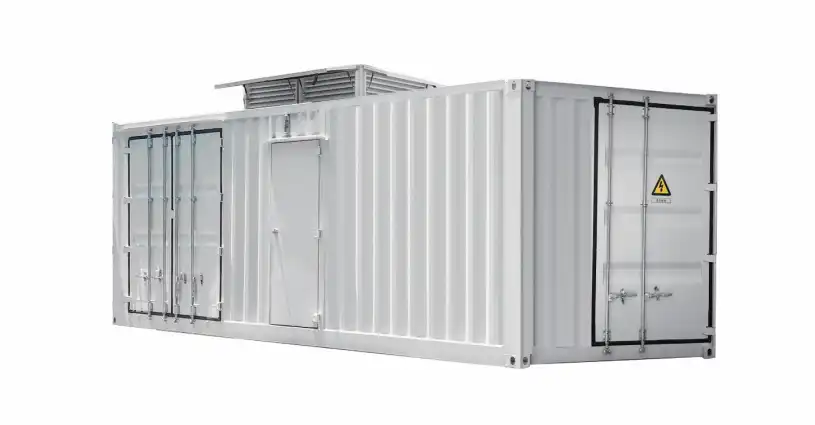
Voltage ratings range from 6kV to 35kV, compensation capacities from 0.3Mvar to 50Mvar, and enclosure options include wall-mounted units and outdoor walk-in shelters. Manufacturers offer a lot of flexibility in how their products are made. Different operating modes can be set up to meet different needs, such as a constant power factor for better utility billing, a constant voltage for protecting sensitive equipment, or a hybrid mode that combines more than one goal. Communication protocols, protective relay settings, and control interfaces can be easily added to an existing plant infrastructure, making it work without any problems, no matter how old or how the facility is set up.
Partner with Xi'an Xikai for Advanced SVG Compensator Solutions
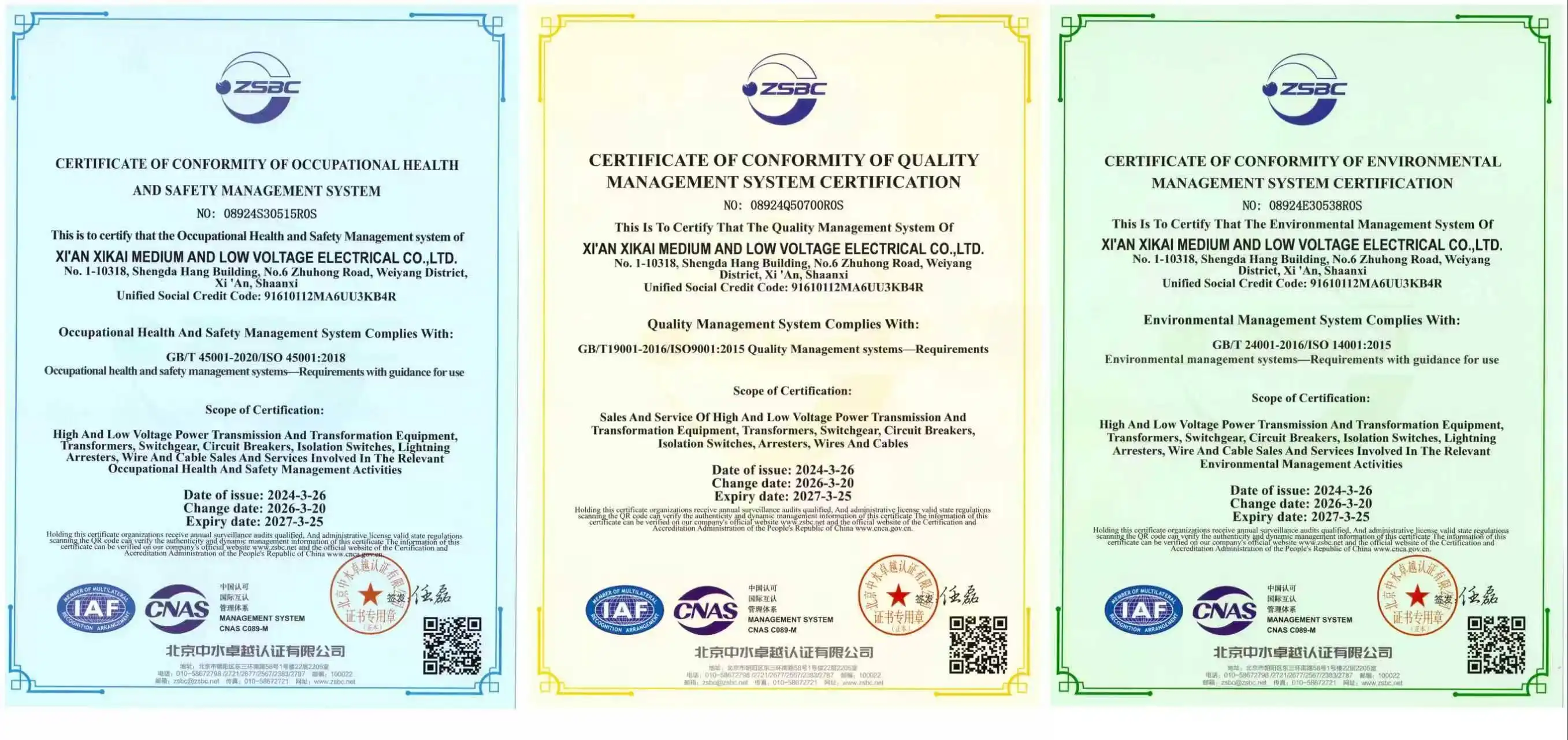
Xi'an Xikai offers complete reactive power compensation systems that are designed to work in harsh industrial settings and for utility purposes. With a compensation range of 0.3Mvar to 50Mvar, our XD-dSVG platform can work with voltages from 6kV to 35kV and can be set up exactly to meet your needs. Before being shipped, every system goes through strict 72-hour load simulation testing in our ISO-certified factories to make sure it works well under the toughest grid conditions. As a well-known SVG Compensator manufacturer, we offer full support, from feasibility studies to commissioning and ongoing technical support. Talk to our engineering team at serina@xaxd-electric.com, amber@xaxd-electric.com, or luna@xaxd-electric.com about your power quality problems and get custom solutions backed by more than 15 years of experience and several patented technologies.
References
1. IEEE Standard 1031-2011, "IEEE Guide for the Functional Specification of Transmission Static Var Compensators," Institute of Electrical and Electronics Engineers, New York, 2011.
2. Hingorani, N.G. and Gyugyi, L., "Understanding FACTS: Concepts and Technology of Flexible AC Transmission Systems," IEEE Press, New York, 2000.
3. Akagi, H., Watanabe, E.H., and Aredes, M., "Instantaneous Power Theory and Applications to Power Conditioning," John Wiley & Sons, New Jersey, 2017.
4. Electric Power Research Institute, "Application Guide for Distributed Static Compensators," EPRI Technical Report 1020736, Palo Alto, California, 2010.
5. International Electrotechnical Commission, "IEC 61000-4-30: Electromagnetic Compatibility - Testing and Measurement Techniques - Power Quality Measurement Methods," Geneva, Switzerland, 2015.
6. Dixon, J., Moran, L., Rodriguez, J., and Domke, R., "Reactive Power Compensation Technologies: State-of-the-Art Review," Proceedings of the IEEE, Volume 93, Issue 12, December 2005.
_1774416563318.png)