How does an air core shunt reactor work?
2026-07-07 15:55:54
An Air Core Shunt Reactor works by adding controlled inductive reactance to electrical networks. This successfully absorbs any extra capacitive reactive power that is made when the load is low or when there are a lot of cables installed. In contrast to iron-core options, this device uses electromagnetic induction through air-insulated windings to keep linear inductance features that keep magnetic saturation from happening while keeping voltage levels stable across transmission and distribution infrastructure.
 |
 |
Understanding the Air Core Shunt Reactor: Principles and Working Mechanism
What Makes Air Core Technology Different?
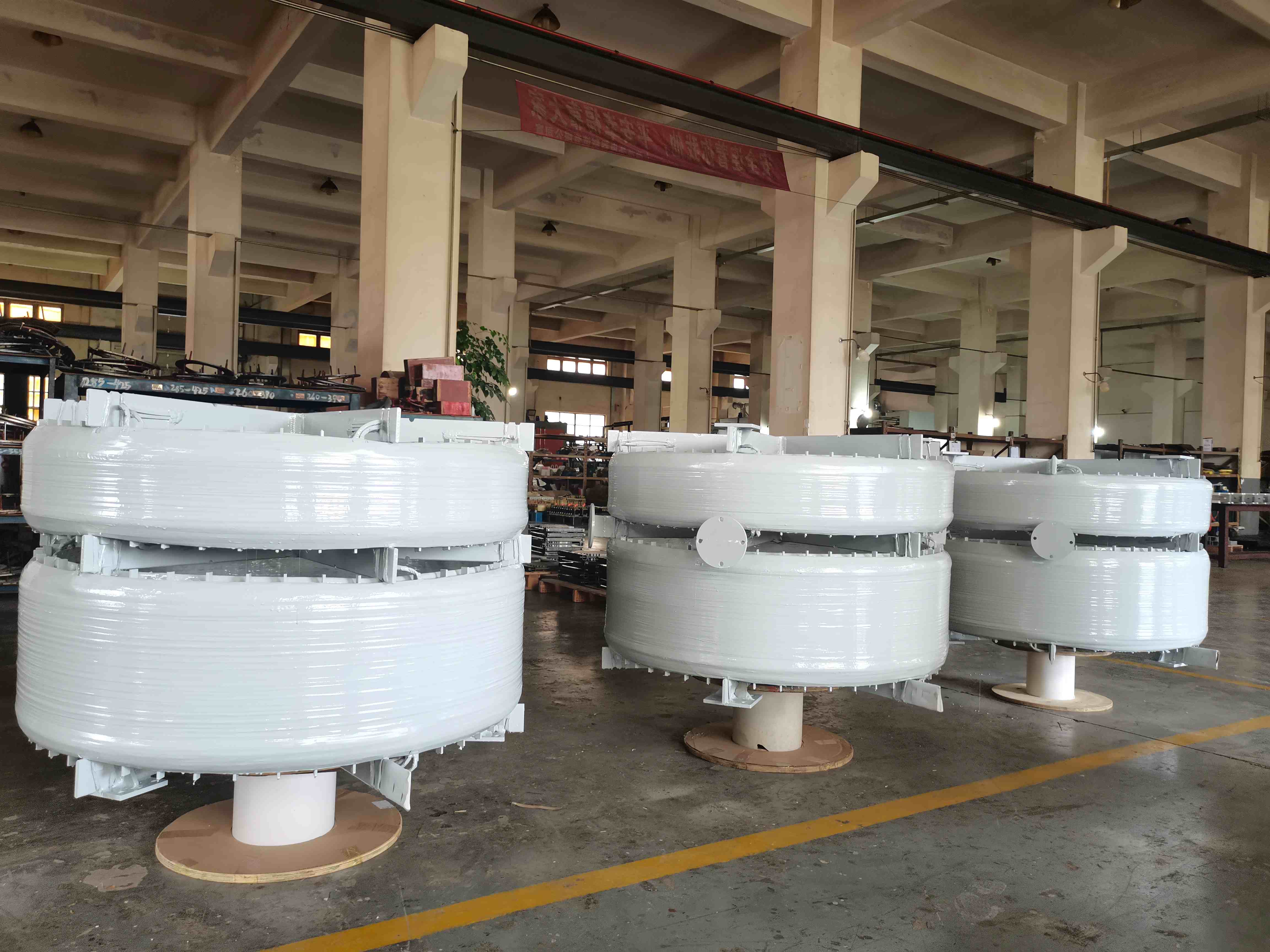
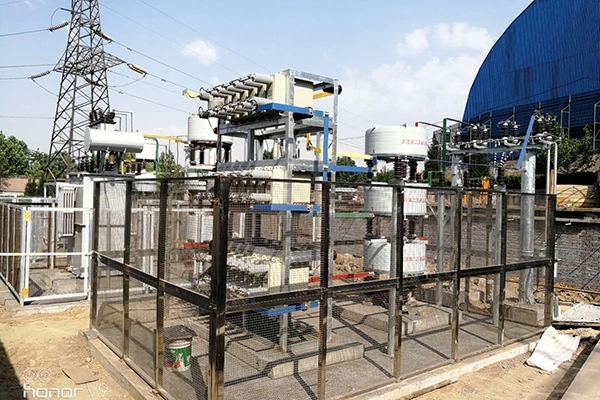
As you walk through substations around the world, you'll see these cylinder-shaped buildings standing outside. They are quiet guardians of the stability of the grid. Their building mindset is what makes them different. Usually, ferromagnetic cores are used to focus the magnetic flux in traditional reactors. However, this method has limits when there is a fault. Our Air Core Shunt Reactor system completely gets rid of this weakness.
Faraday's law of electromagnetic induction is at the heart of how it works. A magnetic field is created through the air gap between the layers of concentrically wound aluminium or copper wires when alternating current runs through them. This field fights against changes in the flow of current, making inductive reactance that fights against the capacitive charging currents that happen in long transmission lines.
Core Components and Construction Architecture
The physical system is made up of several carefully designed parts that work together:
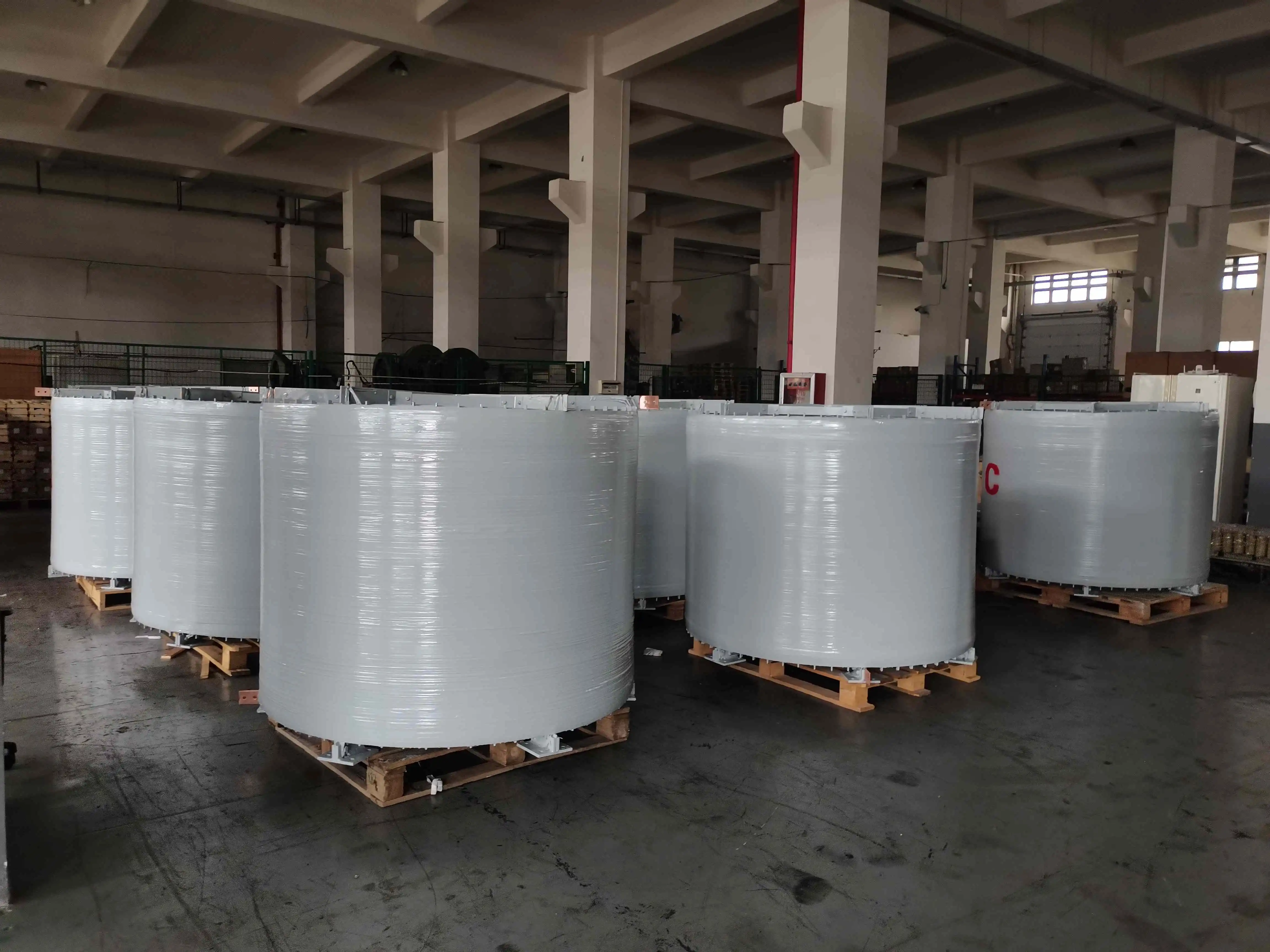
1. Winding Structure: Multi-layer wires are wound concentrically, usually with high-purity aluminium and cross-sectional areas that are estimated to handle both steady currents and short-lived spikes. Spacers made of fibreglass that has been coated with epoxy are between each layer and make vertical cooling tubes. This shape makes sure that natural air flow gets rid of heat effectively without the need for forced cooling systems.
2. Encapsulation System: High-quality epoxy glue is injected under vacuum pressure into the whole winding system. This process fills in tiny holes, which makes the material stronger and more hard. Short-circuit electromagnetic forces stronger than 100 times standard working stress can't hurt the cured composite.
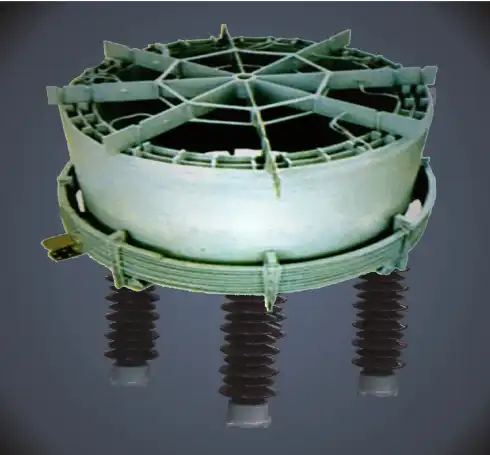
3. Support Framework: Structures made of nonmagnetic stainless steel hold the reactor in place on base pads that are made to withstand earthquakes. Insulators made of porcelain or polymers keep electricity away from ground potential and are rated for shock voltages that fit the patterns of lightning activity in the area.
Technical Specifications That Matter for Procurement
The voltage ratings range from 110 kV to 500 kV, and the reactive power capacities range from less than 10 MVAr units for secondary uses to more than 100 MVAr setups for straight line compensation. The inductance number stays the same no matter how much current is flowing—this is a key feature that sets air-core performance apart. This linearity is checked by measuring the resistance at 10%, 50%, and 100% of the maximum current. Tolerances are usually kept within ±3%.
The working stability is affected by temperature factors. By carefully choosing the materials and modelling the heat, good designs keep the change in inductance below 0.5% for every 10°C change in the outdoor temperature. We've seen buying teams forget about this parameter, only to find that performance dropped in desert or arctic regions.
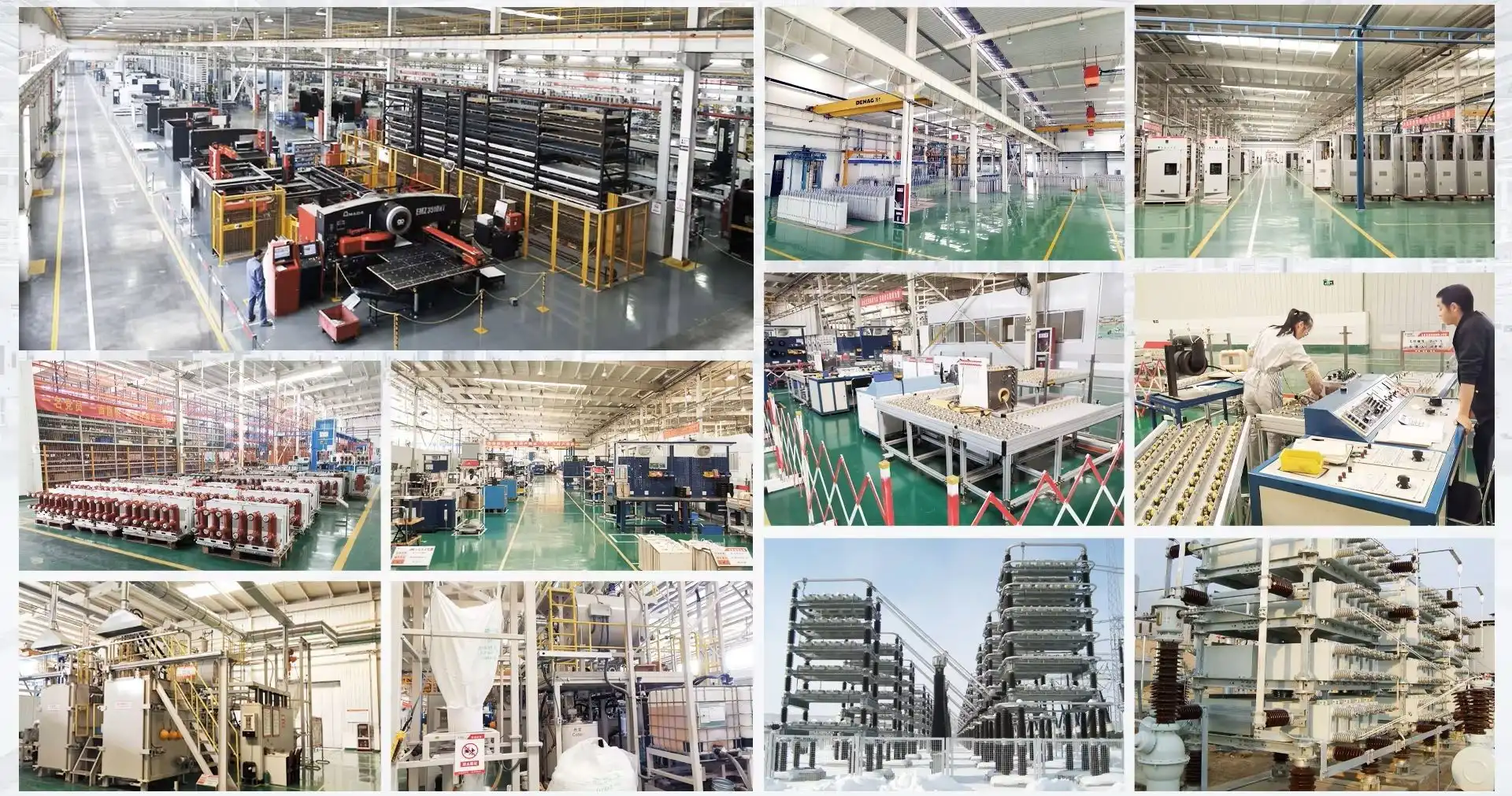
Pay close attention to the power loss trait. Total losses include both resistive heating (I²R losses) and the effects of eddy currents in wires. Loss factors below 0.3% of rated reactive power are achieved by efficient designs. This means that over 25-year service lives, significant energy saves are made. We check each unit's temperature rise under constant rated load during plant acceptance testing at the Xi'an Xikai facilities. This makes sure that hotspot temperatures stay within the limits of the insulation class.
Advantages and Applications of Air Core Shunt Reactors
Environmental and Operational Benefits
Long-standing worries about environmental risk are eased by the oil-free dry-type building. There is no chance that leaked dielectric fluids will pollute the earth or groundwater. This benefit is very important for sites near water sources, areas that are good for the environment, or places like hospitals and data centers that have strict rules about being environmentally friendly.
Compared to oil-filled options, they are much easier to maintain. You don't have to pay for regular oil samples, maintenance on the filtration system, or refilling of the oil in the generator. Visual checks of the integrity of the encapsulation, the strength of the terminal connections, and the cleanliness of the ceramic insulator are what routine inspections are mostly about. These checks can be done during planned substation downtime without the need for any special tools.
Acoustic performance is good for your health at work. At a distance of one metre, noise levels are below 45 dB because the magnetostrictive core is not vibrating. We've put units next to office buildings and residential areas without getting noise complaints, which isn't usually possible with regular reactors.
Comparing Reactor Technologies
Understanding performance trade-offs helps you make better choices when weighing your options:
1. Magnetic Saturation Behavior: When there are voltage spikes or faults, iron-core reactors have nonlinear inductance, which can make transients stronger. Air Core Shunt Reactor designs keep the inductance constant up to 10 times the maximum voltage. This makes the system respond predictably to shocks.
2. Physical Footprint: Because air-core units have less magnetic flux density, they need bigger placement areas. A 50 MVAr Air Core Shunt Reactor takes up about 40% more room on the ground than a similar iron-core type. But less complicated base standards and the lack of oil containment systems often make up for this drawback in terms of total project costs.
3. Life Cycle Economics: The initial costs of buying air-core technology are 15–25% higher. But over the life of a business, maintenance saves add up to a lot. We've done detailed total cost of ownership studies for utility clients that always show break-even points between 8 and 12 years, with big savings after that.
Real-World Applications Across Industries
Power factor correction gets rid of energy fines, which is helpful for factories with a lot of motors and CNC machines. The BKGKL Dry-type Air Core Shunt Reactor can handle surge currents of up to 100 times its rated capacity when starting up equipment. It keeps the voltage stable, which saves sensitive programmable logic controls and variable frequency drives.
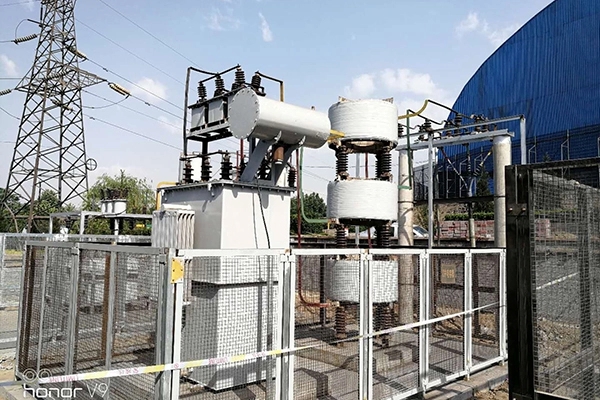
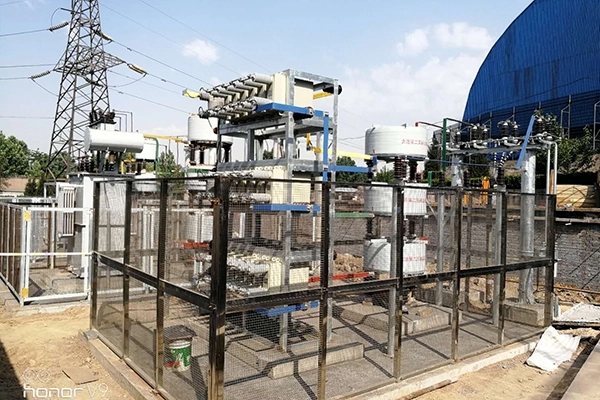
People who work in the transmission system connect these reactors to the secondary windings of 500 kV, 200 kV and 110 kV main power transformers. Long transmission lines produce too much capacitive reactive power at night when there isn't much demand, which causes the voltage to rise. This extra voltage is taken in by the reactor, which automatically keeps busbar voltages within the limits of ANSI C84.1 Range A.
Using renewable energy brings its own set of problems. A lot of underground collector wire networks with a high capacitance per mile are used in wind farms. Grid link points have leading power factors that break interconnection deals when they are not compensated. Our systems at solar and wind farms in western states provide constant reactive absorption. This helps make sure that the facilities follow utility grid rules and maintain voltage when generation trends change.
For harmonic filtering and voltage stabilisation, data centers are asking for dry-type reactors more and more. The building's lack of SF6 is in line with the company's environmental goals, and IoT-enabled tracking choices let building management systems use real-time performance data. The NFPA 70 fire rule allows placement in occupied places as long as the noise level is less than 45 decibels.
How to Install and Maintain an Air Core Shunt Reactor
Site Preparation and Safety Protocols
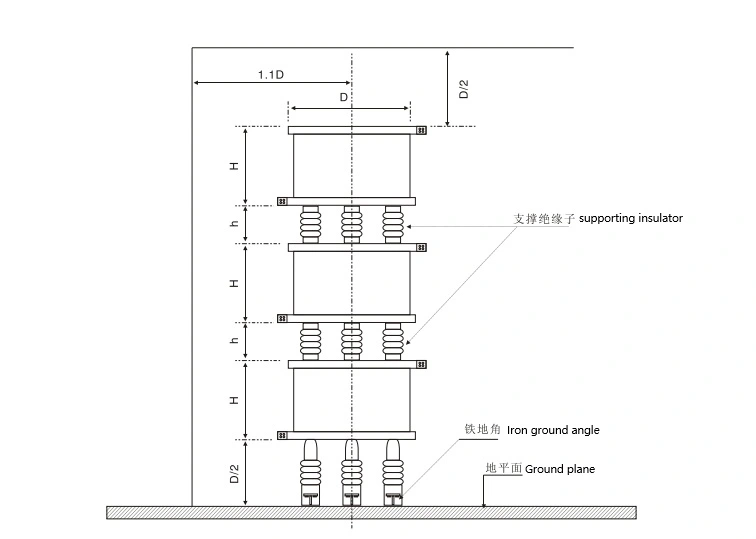
The right way to put something starts months before the equipment arrives. Civil engineers make reinforced concrete pads with grounding lines inserted in them. They make sure that the pads are the right size to allow for thermal expansion and clearances for repair workers. Soil compaction testing makes sure that the soil can hold the weight of the Air Core Shunt Reactor system plus the ice that builds up in northern climates.
Flashover risks are avoided by checking electrical clearance against IEEE 1427 standards. Maintain the smallest distance between phases based on the highest power that can be used and the amount of pollution that is predicted. Because salt can damage insulators, sites near the coast need longer creepage distances. We give you thorough clearance plans that show how far you need to be from fences, buildings, and equipment that is close by.
For rigging jobs, you need approved pulling gear that can hold 150% of the weight of the reactor. Spreader bars with special features spread the lifting forces to specific lift places without putting stress on the support structures' rotational rigidity. Transport vibration monitoring while moving from staging areas protects the integrity of the covering. Too much shock can cause internal delamination that can't be seen from the outside.
Step-by-Step Installation Procedures
1. Foundation Mounting: Use survey-grade laser positioning tools to exactly place the reactor. Torque anchor bolts to the manufacturer's specs. For big units, this is usually between 450 and 600 ft-lbs. When required for earthquake zones, put anti-vibration pads between the base plates and the floor.
2. Electrical Connections: Flexible aluminium bus bars or wire terminations can fit in high-voltage connections. During thermal cycles, connection devices must keep the contact pressure constant. We suggest using conductive joint cement and tightening terminal bolts in two steps: first, do a snug-tight fit, and then do the final torque after 24 hours.
3. Grounding Integration: Use at least 4/0 AWG bare copper wires to connect the reactor frame to the substation ground grid. Before turning on the power, ground resistance readings make sure the way is complete. For successful fault clearing, test using the fall-of-potential method and aim for numbers below 1 ohm.
Routine Maintenance and Troubleshooting
On annual inspection reports, the epoxy coating must be looked at visually for cracks or discolouration that could mean it has been heated too much. Hotspots found by infrared thermography scans suggest that links are loose or that the structure is breaking down inside. Compare the temperature patterns to the standard readings that were taken during commissioning.
Every five years, partial discharge testing can find insulation problems before they get too bad. Portable PD monitors check the amount of activity when the device is turned on. Readings higher than 10 picocoulombs should be looked into. Modern acoustic emission methods accurately locate discharge points inside winding structures, allowing focused fixes to be made before a catastrophic failure.
Retorquing a terminal connection is done on a plan set by the maker, usually every 12 and 60 months. Because of different thermal growth, aluminum-to-copper surfaces need extra care. Use penetrating dye analysis to look for rust, and replace any metal that has pitting or discolouration.
Systematic methods are needed to figure out what's wrong with abnormal situations. If the relay trips without warning, it could be because of too much power or a ground problem. Check that the settings fit the reactor's impedance characteristics. Noise levels that are getting louder could mean that machinery is becoming less stable because of earthquakes or damage to transportation. Using accelerometers for vibration research helps find specific frequencies that match to structural resonances that need to be fixed by changing the damping.
 |
 |
Procurement Considerations for Air Core Shunt Reactors
Technical Selection Criteria
Misusing an Air Core Shunt Reactor in the wrong way can be avoided by matching its specs to the needs of the system. According to IEEE C62.82.1 standards, the voltage value must be higher than the highest constant working voltage plus temporary overvoltage situations. To figure out reactive power capacity, you need accurate line charging current data. Measurements taken during installation are more accurate than theoretical numbers for cable capacitance.
Compensation precision is affected by the margin for inductance. Standard manufacturing limits of ±5% might not be enough for uses that need precise var absorption. Costs go up by about 8–12% when standards get tighter, but performance meets regulatory power factor requirements without any changes being made in the field.
Mechanical resilience is based on its short-circuit withstand power. Check that the reactor can handle fault currents at the link point for a certain amount of time, usually one second for transfer and three seconds for distribution. Dynamic stress estimates take into account the fact that the offset wave peak imbalance doubles electromagnetic forces when a fault starts.
Navigating Commercial Aspects
Navigating commercial aspects involves material price volatility, especially copper and aluminium, which can shift 10–15% annually, making forward contracts useful for multi-year budget stability. Early supplier involvement is essential due to long 16–24 week lead times. Logistics add complexity through heavy-haul transport, route studies, and customs (HS 8504.50). Warranty terms vary from 24–36 months to 5–10 years, balancing cost, risk, and coverage scope.
Working With Trusted Manufacturers
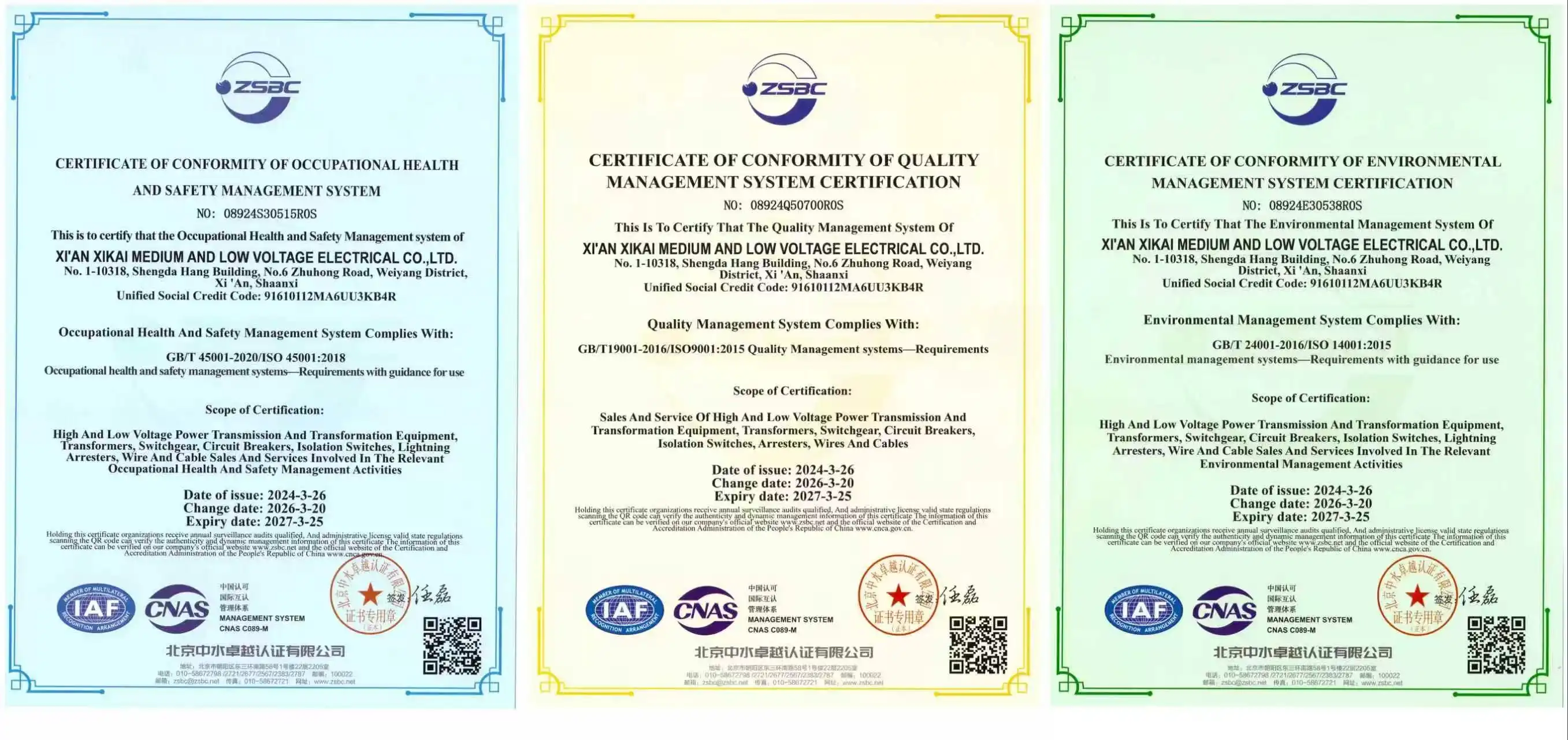
Working with trusted manufacturers is supported by strong certification portfolios, including ISO 9001 and ISO 14001, plus UL/cUL, CE, and CCC approvals, ensuring consistent quality and compliance across markets. Expert technical support helps optimise specifications, reduce costs, and ensure smooth commissioning. Long-term reliability is reinforced through local spare parts availability, fast-response service centres, and factory-trained field engineers for rapid troubleshooting and minimal downtime.
Air Core Shunt Reactor Market Trends and Future Outlook
Technology Innovation Driving Performance
Advances in materials science improve thermal and electrical performance, with modern epoxy resins enhancing UV and thermal ageing resistance for 40+ year lifespans and nanotechnology increasing dielectric strength by 15–20%, enabling smaller, lighter designs. IoT-enabled smart grid integration allows real-time monitoring of temperature, environment, and partial discharge, while machine learning enables predictive maintenance. Modular construction improves scalability, reduces lead times, and supports flexible capacity expansion.
Market Growth Drivers
The use of renewable energy increases the need for long-term response compensation options. Synchronous generators have built-in inertia and voltage support that wind and sun power don't have. Grid operators put Air Core Shunt Reactors at places where renewable energy sources connect to the grid to control voltage changes and provide dynamic reactive backups for when clouds move or wind slows down. Forecasts for the industry say that it will grow at a rate of more than 6% per year until 2030, mainly because of the need to integrate green energy.
Regulatory focus on environmental sustainability speeds up the move away from equipment that uses oil. California has strict rules about pollution of sulphur hexafluoride and dielectrics made from petroleum, which makes dry-type technologies more suitable. European Union rules that require equipment to be recyclable at the end of its useful life encourage air-core designs made from easily separated materials.
Infrastructure law pays for grid modernisation projects that replace old assets with newer, more efficient ones that can handle more power. Utilities look at substation updates as a whole, and they often find that changes to reactive compensation give better voltage stability than standard transformer capacity adds. According to economic studies, installing shunt reactors has good benefits compared to costs, especially in systems with large underground wire networks.
Strategic Sourcing Approaches
Strategic sourcing focuses on supply chain resilience, early supplier involvement, and performance-based contracts. Multi-region supplier networks reduce risks from geopolitical disruptions and trade changes. Early collaboration enables value engineering and cost optimization without performance loss, as seen with Xi’an Xikai’s design support. Performance-based contracting shifts risk to suppliers, linking payments to verified operational performance rather than compliance documentation, ensuring real reliability and accountability.
Conclusion
Shunt reactors that don't have magnetic cores work by using basic electromagnetic physics to keep the voltage stable, which is an important part of current power infrastructure. These gadgets solve important problems, like integrating green energy and protecting the environment, while also providing operational benefits that lower the total cost of ownership. To make the right technical choice, you need to carefully compare the specs to the needs of the application. This can be helped by working together with makers who have quality systems that have been proven to work and full support services. Grid modernisation and sustainability goals are changing the market, which means that this technology will continue to be useful in the utility, industry, and business sectors. Understanding working principles, repair needs, and purchasing factors helps people make smart choices that improve system efficiency while making the best use of capital.
FAQ
1.What voltage levels can air core shunt reactors handle?
Modern systems can handle voltage levels from 110 kV to 800 kV, which is considered ultra-high voltage. The BKGKL line is designed to work with 110 kV, 200 kV, and 500 kV substations that are popular in North American transmission systems. To keep electrical clearances, insulation spaces and physical sizes need to be relatively bigger for higher voltage rates.
2.How do these reactors compare to capacitor banks?
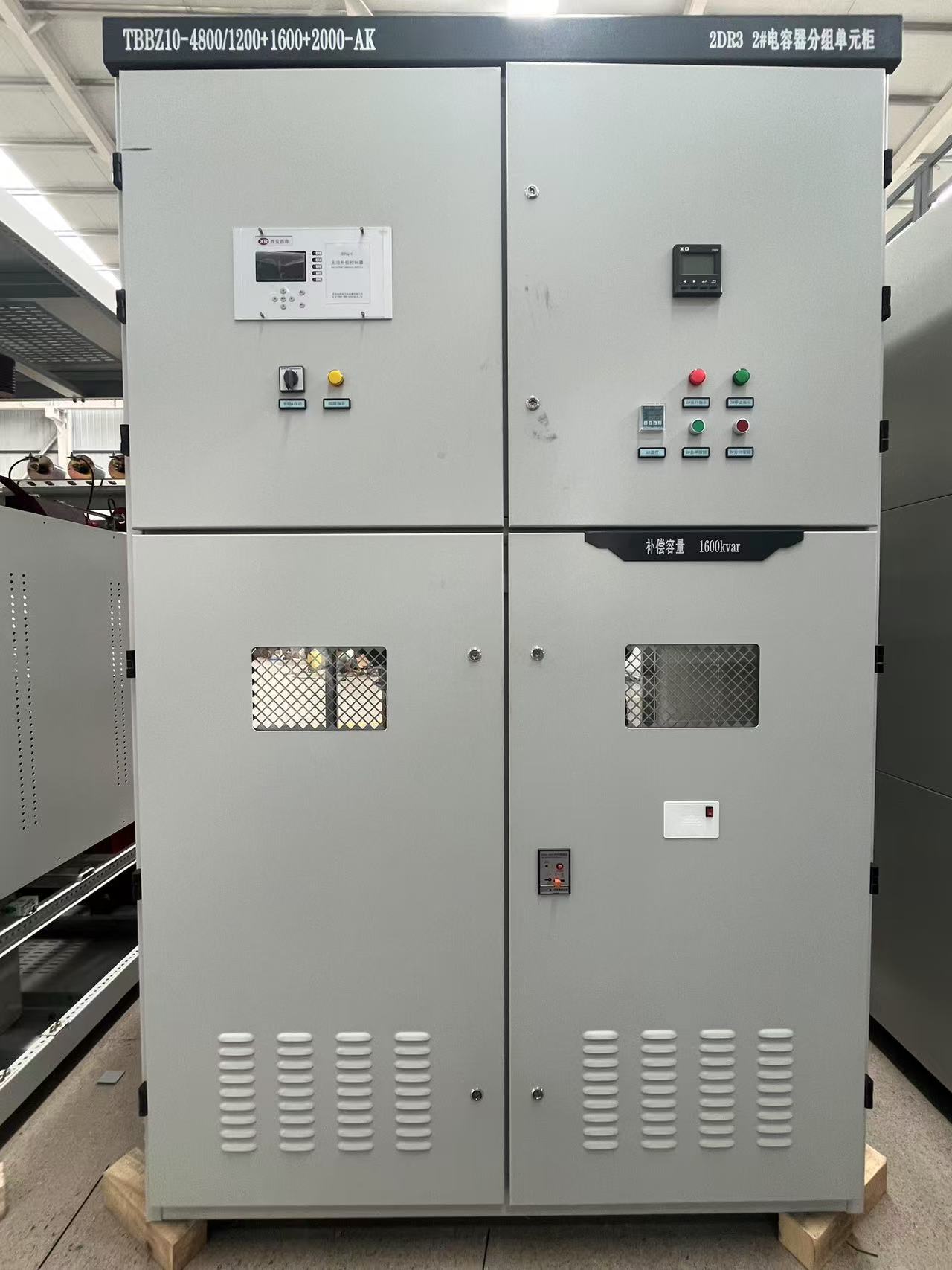
When magnetic loads cause the power factor to drop, capacitor banks provide reactive power. Reactors take in reactive power, which fixes the leading power factor caused by electrical line charge. Both technologies work hand-in-hand as part of larger methods for managing reactive power. When switched capacitors and fixed reactors are used together in a system, the dynamic range covers a wide range of working conditions over the course of a day's load cycles.
3.Can existing substations retrofit air core reactors?
Retrofits work when there is enough room for the installation footprints and the electrical gaps are up to code. Structural tests make sure the base can hold the extra weight of the tools. Electrical tests show that safety coordination and short-circuit ratings are still valid after reactive parts are added. Before submitting ideas, our applications engineering team does site visits to check the viability of retrofits. This makes sure that the suggestions work in real life.
Partner With Xi'an Xikai for Reliable Reactive Power Solutions
Xi'an Xikai stands ready to support your next substation upgrade or new construction project with proven BKGKL Dry-type Air Core Shunt Reactor technology. Our production skills cover all voltage classes, and we can make changes to meet specific operating and environmental needs. Before being shipped, every unit goes through a lot of tests in the plant, such as impulse withstand proof and partial discharge measurement. This makes sure that the units will work reliably in the field from the first time they are turned on. Global compliance licenses like UL/cUL, CE, and GOST-R make it easier for projects to go to international markets without having to wait for governmental delays. Our team can be reached at serina@xaxd-electric.com, amber@xaxd-electric.com, or luna@xaxd-electric.com if you need an Air Core Shunt Reactor source with both professional know-how and quick service. We offer full support from developing specifications to completion and beyond, with sites in over 30 countries that serve demanding uses.
References
1. IEEE Standard C57.21-2008, IEEE Standard Requirements, Terminology, and Test Code for Shunt Reactors Rated Over 500 kVA, Institute of Electrical and Electronics Engineers, New York, 2008.
2. Mohan, N., Undeland, T., and Robbins, W., Power Electronics: Converters, Applications, and Design, Third Edition, John Wiley & Sons, Hoboken, 2003.
3. Greenwood, A., Electrical Transients in Power Systems, Second Edition, John Wiley & Sons, New York, 1991.
4. CIGRE Working Group A3.22, Technical Brochure on Dry-Type Air-Core Smoothing Reactors for HVDC Applications, International Council on Large Electric Systems, Paris, 2013.
5. Wadhwa, C.L., Electrical Power Systems, Sixth Edition, New Age International Publishers, New Delhi, 2012.
6. Das, J.C., Power System Analysis: Short-Circuit Load Flow and Harmonics, Second Edition, CRC Press, Boca Raton, 2011.