Best air core shunt reactors for industrial power systems
2026-07-07 15:55:52
To choose the best Air Core Shunt Reactor for industrial power systems, you need to carefully look at its technical specs, how reliable it is in operation, and how much it will cost in the long run. These devices are very important because they balance out the capacitive reactive power that is made during long-distance transfer, keep voltage levels stable across substations, and keep sensitive equipment safe from changes in the power quality. Operators of industrial facilities, utility companies, and engineering firms must prioritise reactors that provide consistent performance, require little upkeep, and meet regional electrical standards to make sure that activities don't stop and the grid stays stable.
 |
 |
Understanding Air Core Shunt Reactors: Principles and Advantages
The main thing that keeps industrial power distribution steady is reactive power correction. Capacitive charging currents build up when transmission lines are stretched over long lengths. This causes voltage to rise, which is dangerous for both devices and the grid's balance. This effect is cancelled out by shunt reactors, which take in extra reactive power and keep the voltage within safe operating limits.
How Air Core Technology Operates
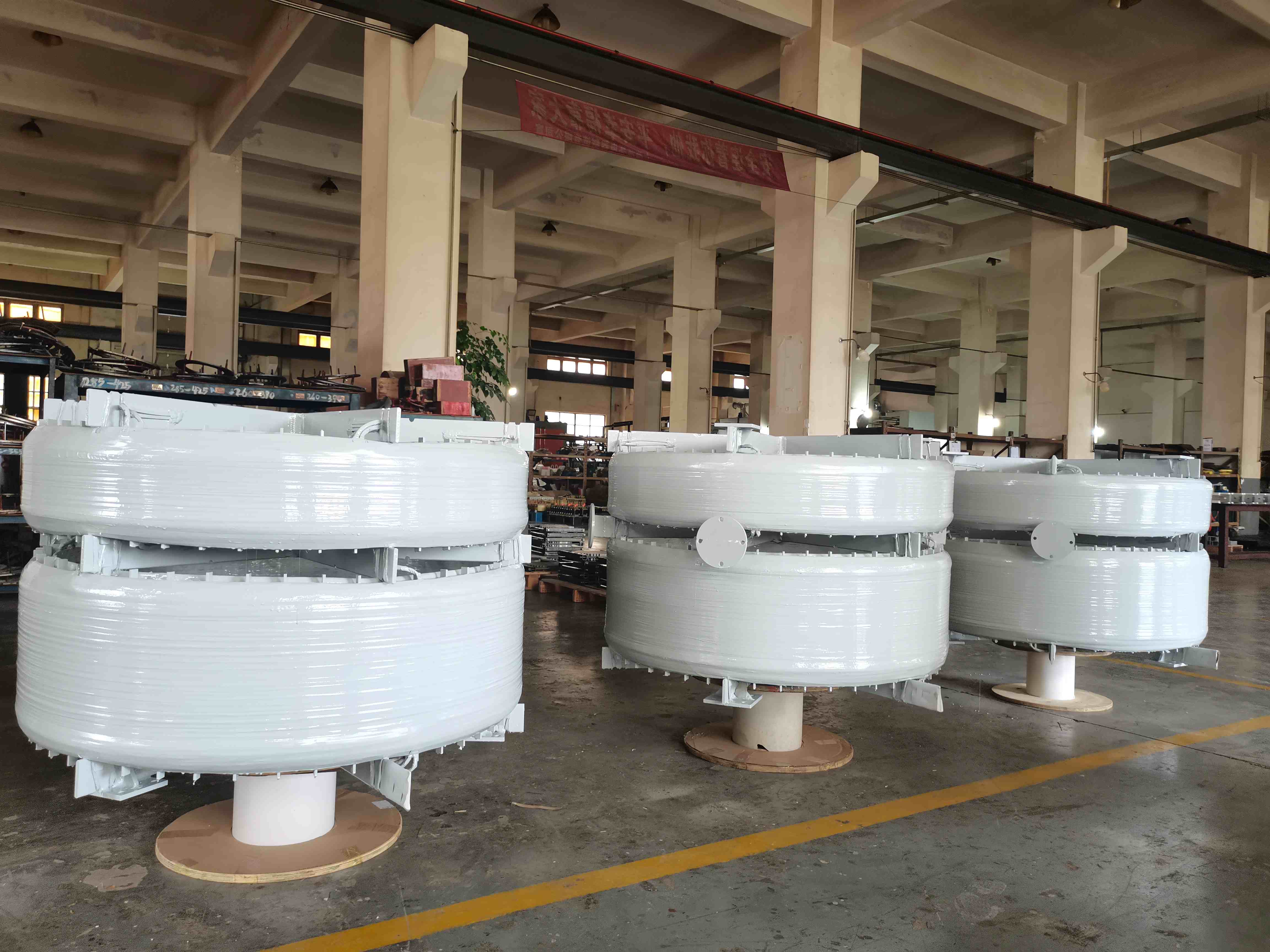
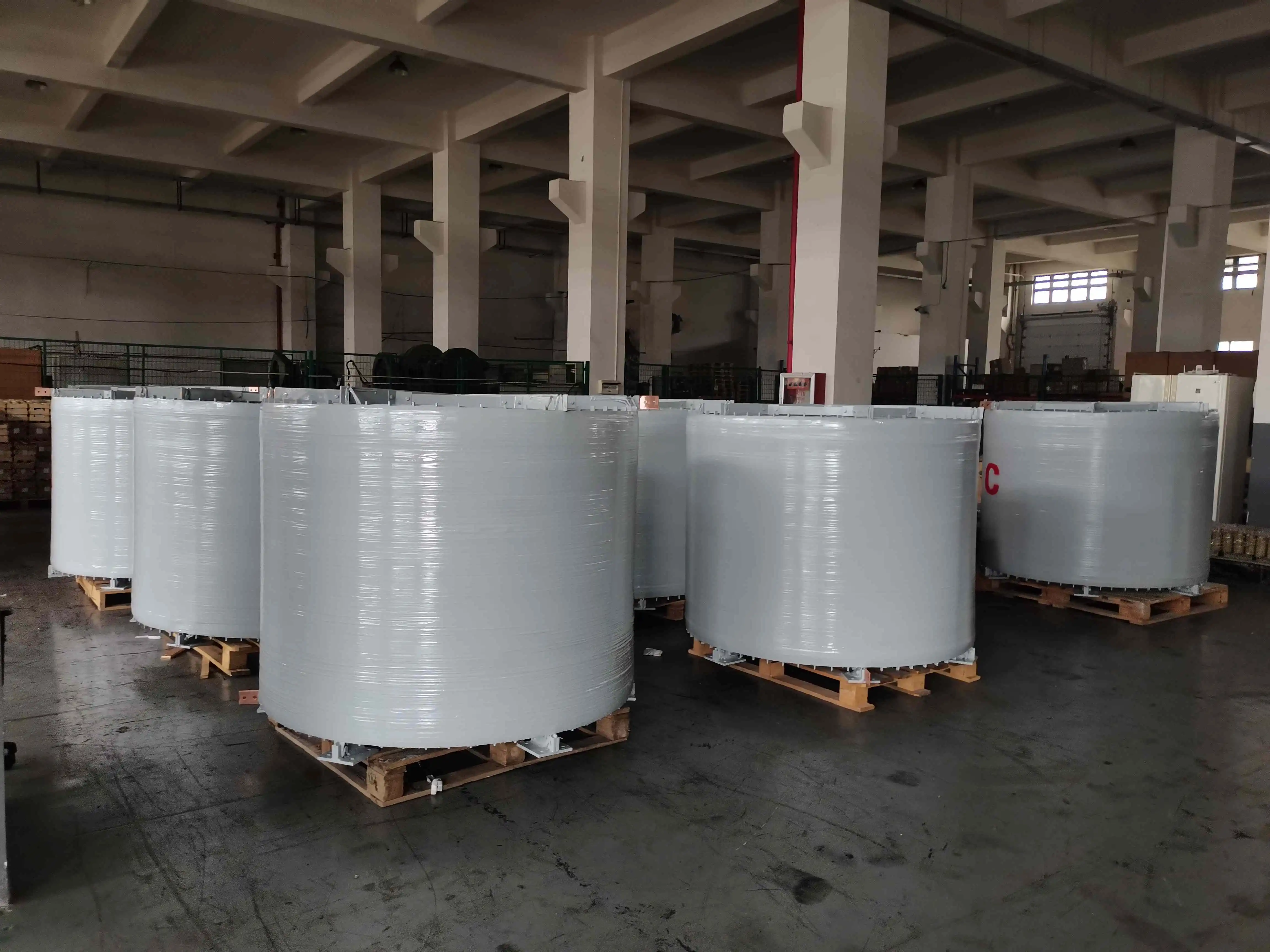
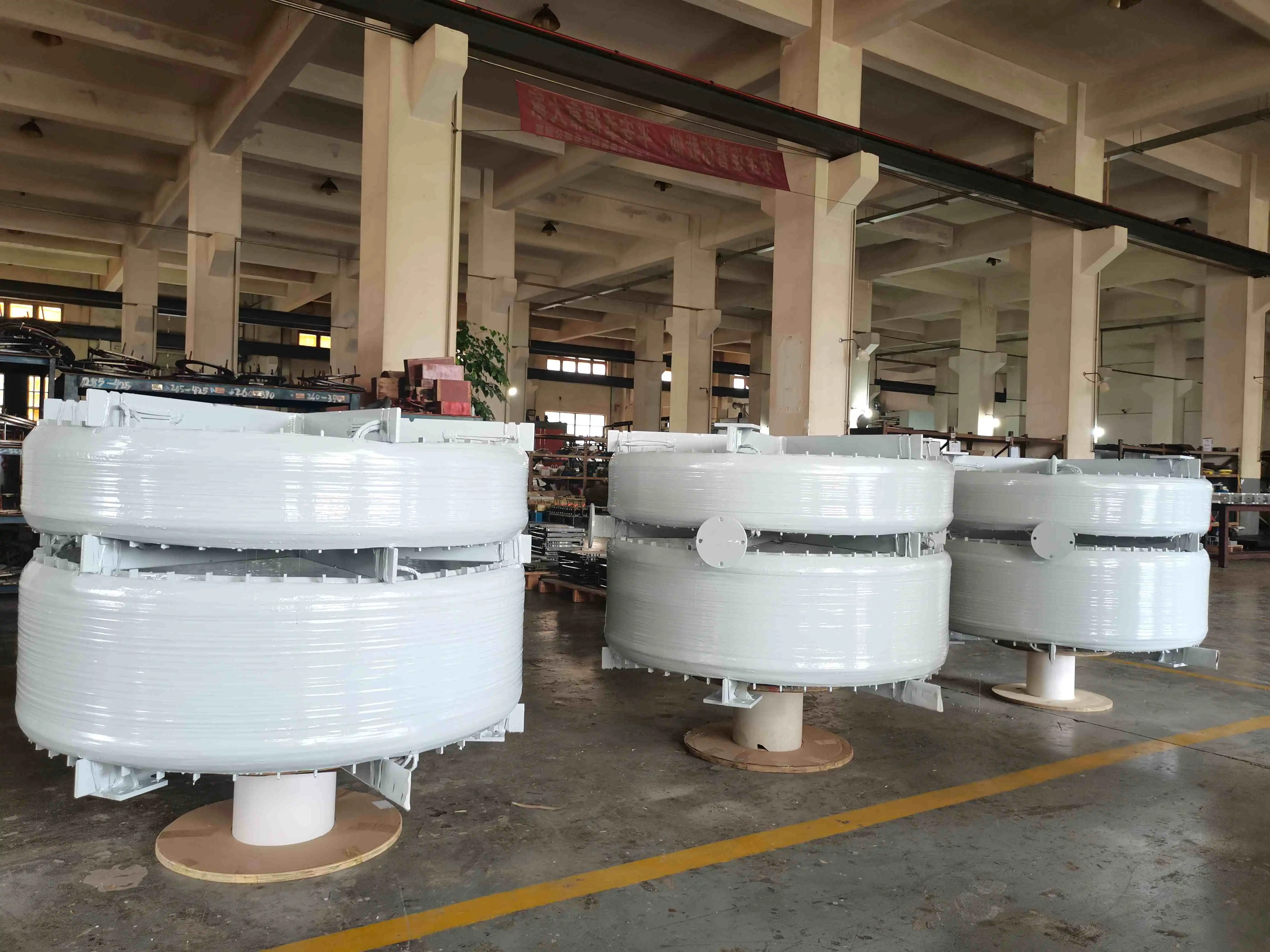
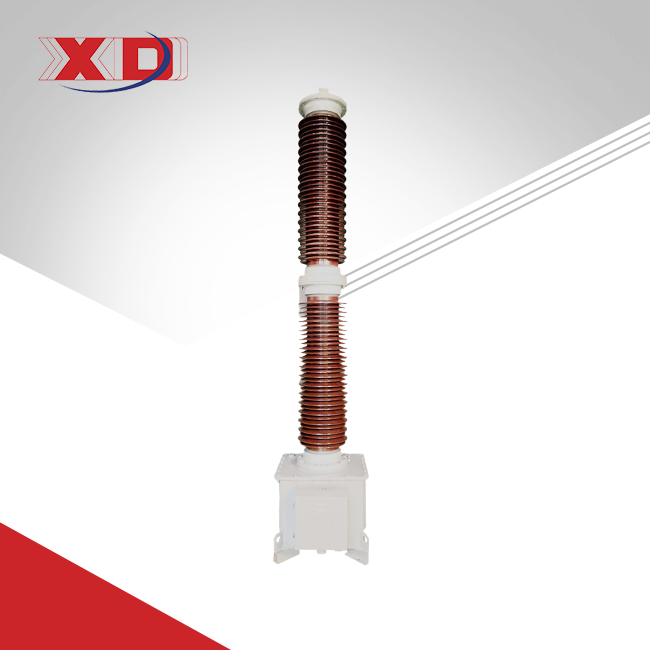
Inductive reactance is added to the electrical network, which is the basic idea behind these devices. In contrast to iron core designs, which use ferromagnetic materials to focus the magnetic flux, air core designs use air itself as the magnetic route. This choice in design completely removes the risk of magnetic saturation, guaranteeing constant inductance characteristics no matter how big the current is. This method is shown by the BKGKL Dry-type Air Core Shunt Reactor, which connects in parallel to 500 kV, 200 kV and 110 kV substation connections to provide accurate capacitance reactive correction across transmission and distribution networks.
The core structure is made up of aluminium wire windings that are insulated with polyester film. These windings are surrounded by continuous strand fibreglass roving that has been soaked in Class F epoxy glue. This makes a single cylinder that can withstand mechanical stress during short-circuit events. The epoxy finish has two benefits: it protects against corrosion in tough industrial settings, and it also betters heat transfer during continuous use.
Technical Advantages Over Traditional Designs
When considering reactor systems, air core models and iron core models are different in a number of ways that affect how well they work. Since there is no magnetic saturation, inductance stays the same even when there is a fault. This makes behaviour predictable, which makes security cooperation easier. Thermal stability gets a lot better because air cooling stops hotspots from forming, which happens a lot in layered steel cores.
With dry-type structure, you don't have to do as much maintenance. Reactors that are filled with oil need to have their dielectric fluid, leaks, and control systems inspected on a regular basis. For air core units, all that needs to be done is an eye check of the surface coatings for UV damage and regular torque checks on the electrical connections. This maintenance-free lifetime, which usually lasts longer than 30 years if the right installation instructions are followed, is especially helpful for facilities that are in rural areas or substations that are not manned.
Getting rid of extra weight is another useful benefit. Transportation costs go down and base standards become easier when heavy iron cores and insulating oil are not used. The hard fibreglass cylinder keeps its shape during ground acceleration events up to 0.5g horizontal force, meeting IEEE 693 High Performance standards without the need for extra damper systems. This makes the seismic performance better.
Air Core Shunt Reactors vs Alternatives: Making the Right Choice
To make a purchase choice, you need to know how the different reactive compensation methods fit with the needs of the business. The electrical properties, cost structures, and suitability for use of the different choices change a lot.
Iron Core Reactor Comparison
When compared to Air Core Shunt Reactors of the same power level, iron core reactors are smaller because they contain magnetic flux within laminated steel structures. This small size is good for setups with limited room where footprint restrictions are more important than other factors. But the ferromagnetic material makes the behaviour not follow a straight line. Core saturation lowers effective inductance as current rises during sudden conditions. This happens just at the time when maximum reactive support is needed the most.
Losses are another thing that sets them apart. Losses due to hysteresis and eddy currents in steel bodies make heat that needs strong cooling systems, which raises the cost of doing business. When air core designs are used, they only experience resistance losses in the wire windings. This means that they are 15-20% more efficient across a wide range of load profiles. These energy saves over many years must be taken into account when figuring out the total cost of buying.
Power Factor Correction Capacitors and Hybrid Systems
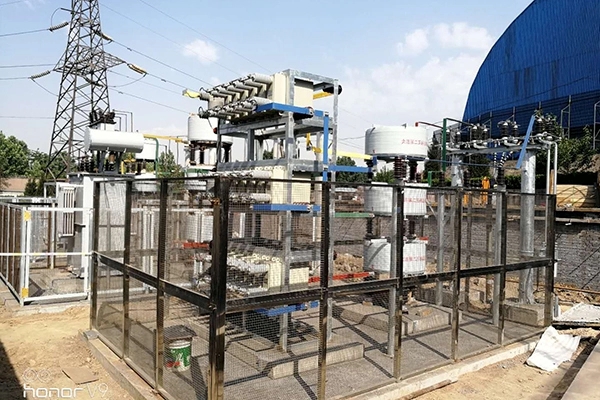
To make up for the lagged loads that come from induction motors and transformers, capacitor banks provide leading reactive power. Even though they work to improve power factor in certain areas, they make voltage rise problems worse on transmission lines that aren't heavily busy. Static Var Compensators are made up of thyristor-controlled reactors and capacitor banks. They can respond dynamically to changing needs for reactive power. Air core reactors are the inductive part of these SVC systems. They can handle high harmonic currents and fast switching transients without losing any performance because of how linearly they induct.
Specialised product lines help big companies reach a wide range of market groups. ABB works on transmission systems for utilities that need ratings above 100 MVAr. Siemens puts a lot of emphasis on flexible designs for integrating green energy. GE Grid Solutions focuses on repair projects that need to work with old systems. Schneider Electric helps businesses that need to distribute medium-voltage electricity. Learning about the engineering theory behind each brand helps procurement teams choose equipment that fits with business goals and current system architectures.
 |
 |
Key Design and Maintenance Considerations for Industrial Use
Reliable long-term success rests on how well the product is specified, installed, and maintained. Before making a final purchase choice, technical buyers have to look at a number of design factors.
Critical Winding and Insulation Specifications
The choice of conductor material affects both how well it conducts electricity and how long it lasts mechanically. For most uses, electrical-grade aluminium is the best choice because it is the right mix of conductivity, weight, and cost. Rectangular cross-sections make the best use of room inside the turning cylinder, while circular shapes make it easier to make smaller units. The thickness of the insulation has to be able to handle the voltage stress levels set by the system's baseline voltage and the expected overvoltage transients.
Environmental protection is based on the epoxy encapsulation method. Vacuum pressure impregnation makes sure that all of the resin gets into the material, filling up any gaps that could cause partial discharge to happen. UV-resistant coatings on the surface of the outdoor objects protect them from damage caused by UV rays. In desert-rated setups, IP55 ingress protection against dust infiltration is built in. Coastal settings, on the other hand, need better salt fog resistance, which can be proven by cyclic rust chamber testing.
How the power is cooled has a direct effect on the operating limits and power output. By aligning the vertical windings in a way that forms a chimney effect, natural air circulation pulls air upward through the coil structure. This passive cooling method gets thermal class values of 155°C for Class F insulation systems without the need for fan upkeep. During plant acceptance tests, temperature rise checks make sure that hotspot temperatures stay within the design limits when the rating current is kept constant.
Preventive Maintenance Protocols
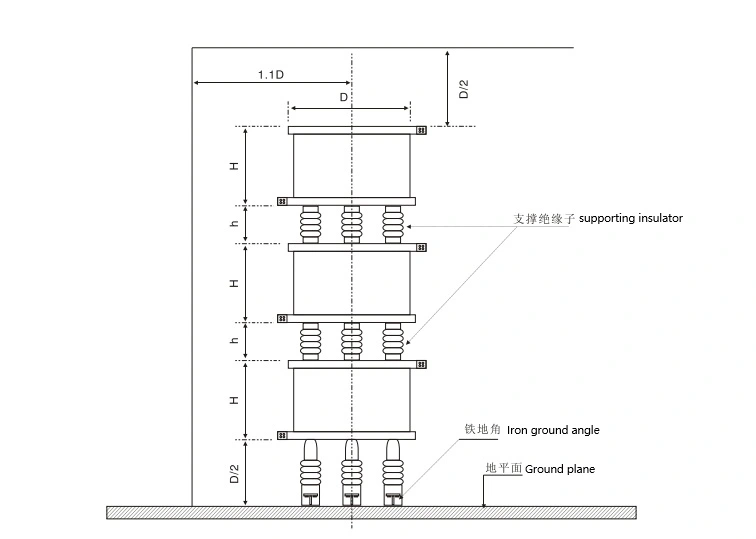
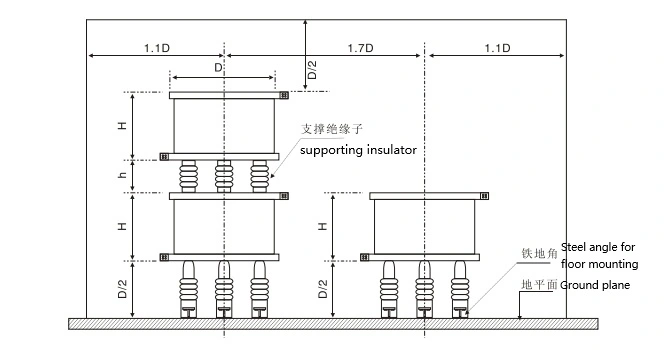
The time between inspections is usually every year for outdoor setups and every two years for indoor ones. A visual study looks for surface tracking that can be caused by pollution building up and mixing with water. Checking the soundness of the support insulation means looking for cracks or other mechanical damage that could weaken the structure. Electrical connection torque readings pick up on loosening caused by thermal cycles, which stops hotspots from forming at the end contacts.
Monitoring partial flow lets you know early on when insulation is breaking down. Online monitors can find activity as low as 10 picocoulombs, which lets condition-based maintenance happen instead of fixed-interval repairs. A magnetic field picture of the area around the placement makes sure that it is not too close to any metal buildings. This keeps induced eddy currents from heating up nearby fences or reinforcing steel.
Standards Compliance and Technical Specifications
Validating designs and checking their efficiency are governed by international standards. IEC 60076-6 sets limits for electrical factors like temperature rise, losses, and the amount of inductance that can be changed (usually ±3%). IEEE C57.21 lists the standards for material strength and short-circuit resistance. According to these guidelines, testing for lightning impulses makes sure that the dielectric is strong enough to withstand atmospheric overvoltages. This is especially important for sites outside that could be hit by lightning.
The rated voltage, inductance value, steady current rating, and short-time current power must all be made clear in the procurement specs. Environmental factors like height, temperature range, earthquake zone, and pollution level decide what changes need to be made to the design. Through changes to the insulation coordination and cooling design, the BKGKL Air Core Shunt Reactor line can work at elevations of up to 4,000 meters, meeting operating needs in a wide range of regional deployments.
Procurement Guide: How to Buy the Best Air Core Shunt Reactor
Strategic sourcing techniques raise the worth of tools while lowering the risk of the project. Technical buyers should buy Air Core Shunt Reactors by carefully examining the skills of suppliers, the details of the products they offer, and the terms of the contract.
Matching Specifications to System Requirements
A correct load flow study shows how much reactive power is needed in different working conditions. Peak load states, minimum load states, and backup setups all affect how much nuclear capability is needed. To avoid becoming obsolete too soon, decisions about system size must take into account plans for future system growth. As the structure of the network changes, modular reactor designs let you add more capacity by installing units in parallel. This gives you freedom.
Voltage level compatibility is more than just theoretical values; it also includes making sure that insulation works with system safety plans. The ability of the lightning arrester to handle voltage and switching surges must match the features of the arrester and the clearance lengths in the substation plan. The type of connection—delta, wye grounded, or wye ungrounded—affects the neutral grounding approach and the harmonic filtering performance.
Supplier Evaluation Criteria
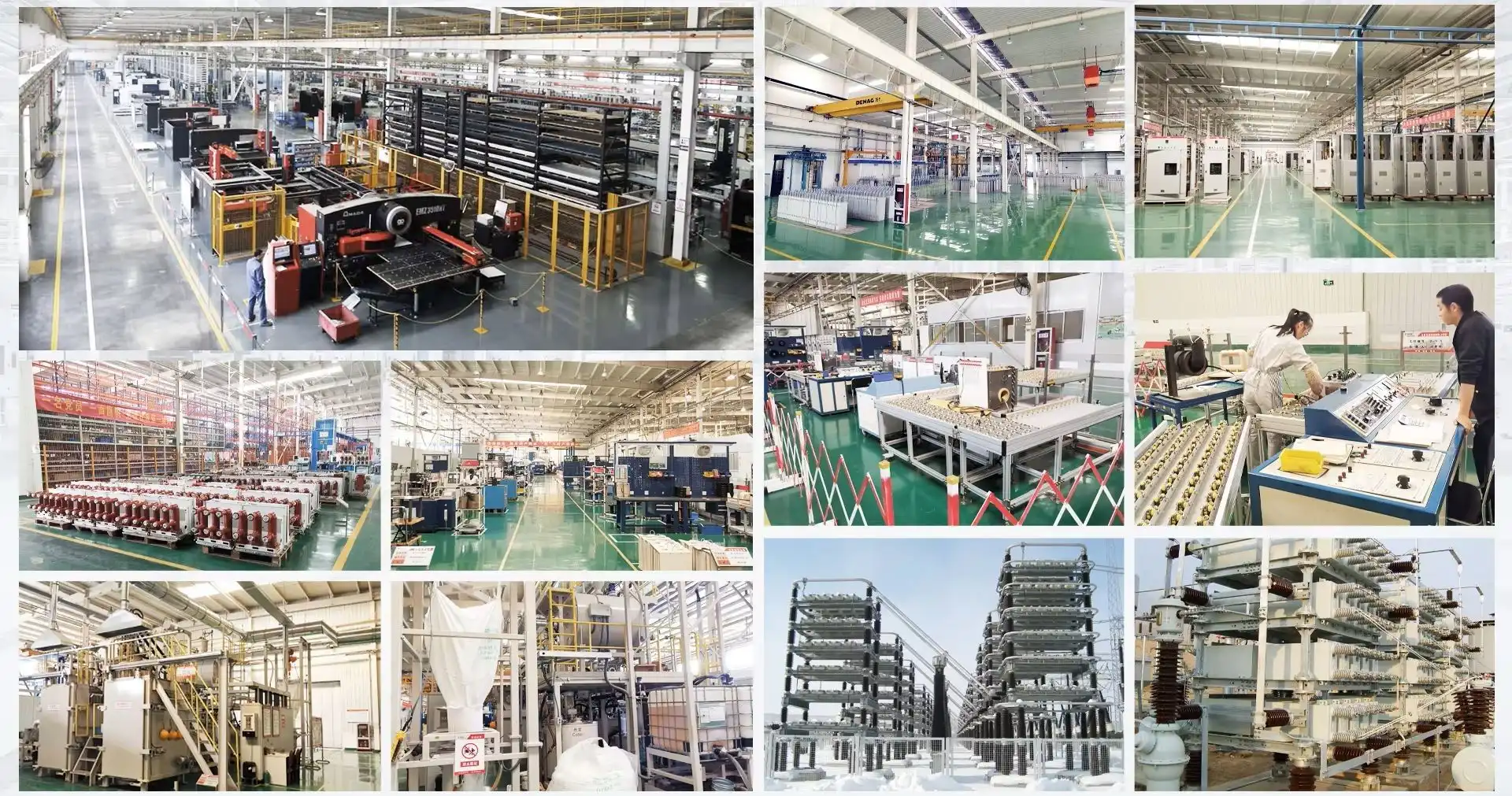
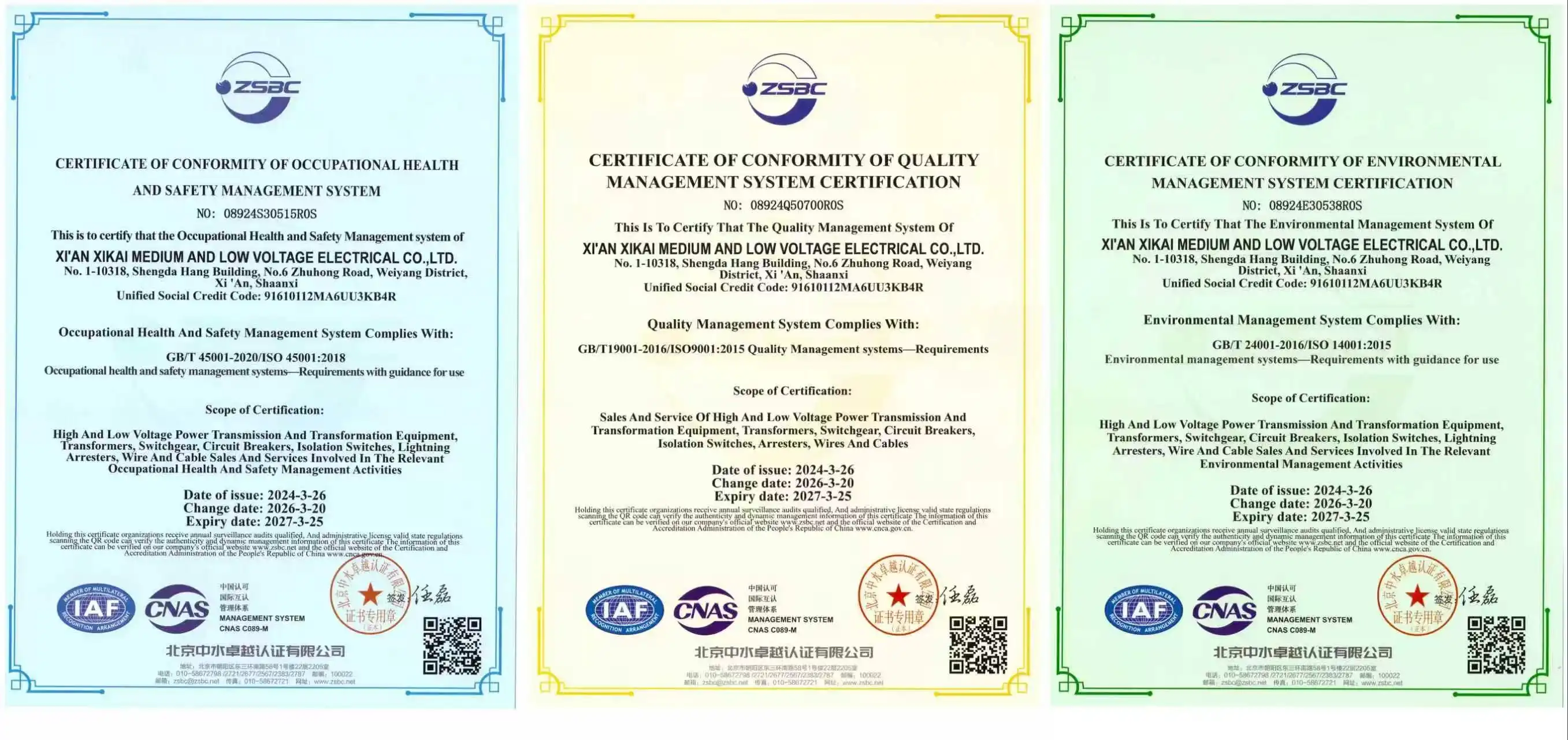
Supplier evaluation includes facility audits assessing production equipment, quality control processes, and testing infrastructure. Manufacturing capability is verified through automated winding for consistent insulation and high-voltage testing with impulse, partial discharge, and thermal monitoring systems. Certifications such as CE, UL/cUL, and GOST-R confirm regional compliance, while ISO 9001 and ISO 14001 indicate structured quality and environmental management. After-sales support, spare parts availability, and training ensure long-term operational reliability.
Lead Times and Custom Configuration Options
Standard products typically ship within 12–16 weeks, while custom configurations—such as seismic reinforcement, IoT tracking, or enhanced environmental protection—require 20–24 weeks or longer. Early supplier involvement is essential to avoid capacity-related delays. Larger, multi-unit phased orders improve production efficiency and reduce unit costs by 8–12%, while structured payment terms, performance guarantees, and liquidated damages clauses help balance risk and ensure timely, compliant delivery.
Real-World Applications in Industrial Power Systems
Real-world examples of application show the practical benefits that can be gained by deploying a reactor correctly. These case studies show how reactive compensation is used in different fields to deal with specific power quality issues.
Utility Transmission System Stabilization
A regional transmission company that was in charge of 500 kV lines that ran for 300 kilometres had to deal with chronic overvoltage conditions overnight when the lines weren't being used. Busbar voltages rose to 1.08 per unit because of capacitive charging currents from the empty lines. This put transformer insulation at risk and created harmonic resonance risks. Putting in three 60 MVAr BKGKL Air Core Shunt Reactors at key intermediate substations lowered the voltage rise to 1.02 per unit and raised the power factor from 0.88 to 0.95. Every year, system losses went down by 18%, which saved more than $2.3 million in energy costs and made transformers last longer by reducing electrical stress.
Manufacturing Facility Power Quality Enhancement
Changes in voltage during resistance welding caused servo drive problems to happen a lot in a company that put together cars. During welding rounds, the 13.8 kV distribution system had 6% voltage sag, which messed up the CNC standards on production lines next to it. Installing a 10 MVAr reactor at the main service door gave reactive buffering that kept voltage deviation to 2.1%. This stopped annoying trips and made the equipment work 7% better overall. The building dodged yearly power factor penalties worth $120,000 and cut down on maintenance costs related to contactors breaking down too soon.
Data Center Renewable Energy Integration
A very large data center with 50 MW of solar panels on the roof needed reactive help to deal with harmonics caused by the inverter and meet the power quality standards for the utility interface. During peak production, the solar system produced a lot of capacitive vars, which caused the voltage to rise and set off anti-islanding protection. Putting in four reactors with a combined output of 25 MVAr at the point of common connection kept the voltage stable within a ±2% range and filtered fifth and seventh harmonic currents below the limits set by IEEE 519. The answer let all of the renewable capacity be used without any cuts, which helped the company meet its environmental goals.
These implementations all have a few things in common that made them work: a complete system analysis that found the root causes; the right equipment size that took practical variability into account; and the ability to work with current protection and control systems. By working together to solve problems, procurement teams get the best results when they work closely with engineering experts and equipment providers.
Conclusion
To choose the best reactive compensation tools, you have to find a balance between professional ability, economic value, and ease of use. Air core technology is more reliable because it doesn't allow magnetic saturation to happen. It also requires less upkeep because it's built dry, and it lasts longer than thirty years. Better power quality and lower energy costs are good for industrial sites. Utilities improve the safety of the grid across transport networks. EPC companies can use tried-and-true options that come with full technical help.
The BKGKL Dry-type Air Core Shunt Reactor is a high-tech device made for high-voltage uses that need to be very reliable. This line of products is a reliable choice for mission-critical power systems because it has global safety certifications, flexible setup options, and strong quality assurance processes. When buying reactors, people in charge of procurement should give more weight to companies that can show they have a lot of scientific knowledge, a lot of experience deploying their products, and a dedication to customer success throughout the entire lifetime of the equipment.
FAQ
1.What are the primary benefits of choosing air core over iron core designs?
Magnetic saturation is avoided with Air Core Shunt Reactor configurations, which keep the inductance constant in all working situations, even when there are short-circuit transients. The dry-type building doesn't need to handle oil, which cuts down on upkeep labour and costs related to environmental compliance by a huge amount. Without forced air systems, natural airflow cooling makes thermal efficiency better. When compared to iron core options, these factors bring down the total cost of ownership by 25–30% over 30 years of service.
2.How long does custom reactor fabrication typically require?
Standard setups ship 12 to 16 weeks after the order is confirmed and approved by engineers. Lead times are extended to 20–24 weeks for custom units with features like better resistance to earthquakes, built-in tracking systems, or extreme environmental protection. Manufacturers stay in touch with each other during production, sending reports on milestones and test results to make sure the project plan stays on track.
3.Can reactors operate reliably in harsh environmental conditions?
Modern designs can handle temperatures ranging from -40°C to +50°C, heights of up to 4,000 meters, and amounts of pollution that need longer leaking distances. Enclosures that are rated for deserts and have IP55 protection keep dust out, and finishes that are resistant to UV light last for decades in direct sunlight. Coastal installations use special surface treatments that have been proven to work through rapid salt fog tests. This makes sure that the installations will last for a long time in corrosive environments without breaking down.
Partner with Xi'an Xikai for Superior Reactive Power Solutions
The Xi'an Xikai Medium & Low Voltage Electric Co., Ltd. has been working with power systems for more than 25 years and brings that experience to every job. We are one of the biggest companies in China that makes Air Core Shunt Reactors, and we offer complete solutions that include seven main product groups and more than 100 different types of equipment. Our BKGKL reactor line has improved dry-type construction, global compliance certifications, and the ability to be configured in any way needed for specific operations.
Our specialised technical changes help facilities that work at heights of up to 4,000 meters, in places with very high or very low temperatures, or in areas that are prone to earthquakes. Every unit meets strict performance standards thanks to patented technologies and ISO-certified quality systems. In 30 countries around the world, our products are used by State Grid installations, petrochemical plants, rail transportation systems, and green energy projects.
Send an email to serina@xaxd-electric.com, amber@xaxd-electric.com, or luna@xaxd-electric.com right now to talk about your specific reactive compensation needs. As an experienced Air Core Shunt Reactor provider, we offer affordable quotes, thorough application analysis, and continued support to ensure the best system performance throughout the duration of the equipment.
References
1. International Electrotechnical Commission. "Power Transformers - Part 6: Reactors." IEC 60076-6:2007+AMD1:2018, Geneva, Switzerland, 2018.
2. Institute of Electrical and Electronics Engineers. "Standard Requirements, Terminology, and Test Code for Shunt Reactors Rated Over 500 kVA." IEEE Std C57.21-2008, New York, NY, 2008.
3. Heathcote, Martin J. "The J&P Transformer Book: A Practical Technology of the Power Transformer." 13th Edition, Newnes Publishing, Oxford, United Kingdom, 2007.
4. Copper Development Association. "Reactive Power Compensation in AC Power Systems and the Role of Shunt Reactors." Publication No. 195, London, United Kingdom, 2015.
5. Electric Power Research Institute. "Application Guide for Shunt Reactors in Transmission Systems." Technical Report 1020656, Palo Alto, California, 2010.
6. Cigré Working Group A3.23. "Technical Brochure on Controlled Switching of HVAC Circuit Breakers: Benefits and Economic Aspects." Publication 706, Paris, France, 2017.
_1776665574080.png)