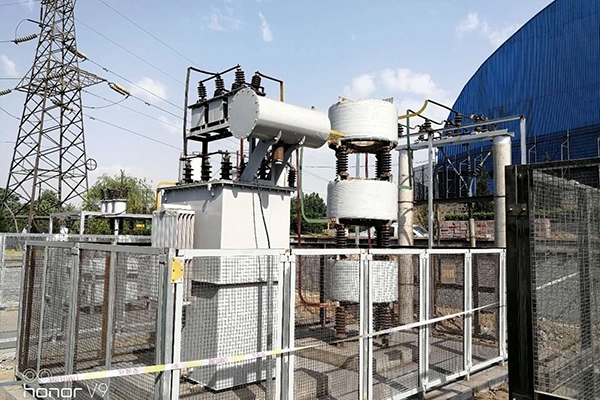
How Does an Iron Core Reactor Limit Inrush Current?
2025-11-24 16:44:05
An iron core reactor plays a crucial role in limiting inrush current, providing essential protection for electrical systems during power-up sequences. When large electrical equipment or transformers are energized, they can draw a massive initial surge of current—up to 20 times their rated current. This phenomenon, known as inrush current, can cause severe damage to equipment and disrupt power systems. Iron core reactors mitigate this risk by introducing a controlled impedance into the circuit, effectively smoothing out the current surge and protecting sensitive components.
The iron core reactor's unique design, featuring a magnetic core surrounded by conductive windings, allows it to store energy in its magnetic field during the inrush event. As current flow increases, the reactor's inductance rises, creating a counter-electromotive force that opposes the rapid change in current. This dynamic response characteristic is what makes iron core reactors particularly effective at inrush current limitation, ensuring a gradual and controlled energization of electrical systems.


The Fundamentals of Inrush Current
Inrush current, also known as input surge current or switch-on surge, is a transient phenomenon that occurs when electrical devices are first powered on. This surge can be particularly problematic in large industrial settings, where high-power equipment and transformers are commonplace. Understanding the nature of inrush current is crucial for designing effective protection mechanisms.
Causes of Inrush Current
Several factors contribute to the occurrence of inrush current:
- Magnetization of transformer cores
- Charging of capacitor banks
- Starting of large motors
- Energization of power lines
In each case, the sudden application of voltage to an uncharged or demagnetized system results in a momentary high-current draw. This surge can stress electrical components, trigger protective devices, and even cause power quality issues across the grid.
Iron Core Reactor: Design and Functionality
The iron core reactor is engineered specifically to address the challenges posed by inrush current. Its design incorporates key elements that enable it to effectively manage and limit these transient surges.
Core Construction
An iron core reactor's magnetic core, which is normally constructed from high-grade electrical steel laminations, is the reactor's most important component. The reactor's capacity to store and release energy in an effective manner is improved by the presence of this core, which offers a channel for magnetic flux that has a low resistance. By reducing the amount of eddy current losses, the laminated structure contributes to an improvement in overall performance.
Winding Configuration
The iron core is surrounded by windings made of copper or aluminum that are coiled with great care. In order to obtain the appropriate inductance and current-carrying capacity, the number of turns, wire gauge, and winding pattern are all meticulously determined. Additional winding layers or taps are included into certain more complex systems in order to provide changeable reactance.
Mechanism of Inrush Current Limitation
The iron core reactor's ability to limit inrush current stems from its fundamental electromagnetic properties and how they interact with the electrical system during energization.
Inductance and Impedance
The magnetic field that is created inside the iron core of the reactor is caused by the current that is beginning to flow through the reactor. In turn, this field causes a voltage to be induced across the windings, which is in opposition to the change in current direction. The inductance of the reactor, which is measured in henries (H), is what determines the pace at which it can build up this opposing field.
The impedance of the reactor, which is a combination of its inductive reactance and resistance, acts as a barrier to the fast rise in current. The dynamic nature of this impedance, which increases in proportion to the rate at which the current is changing, results in a natural damping effect on inrush surges.
Storage and Release of Energy sources
During the inrush event, the magnetic field of the iron core reactor is used to temporarily store energy. Because it has the potential to store energy, it is able to effectively absorb the first spike and then release it into the system in a more steady manner. The end result is a current profile that is much smoother and has a lower peak magnitude.
Benefits of Using Iron Core Reactors for Inrush Current Limitation
Incorporating iron core reactors into electrical systems offers numerous advantages beyond just inrush current limitation. These benefits contribute to improved system reliability, efficiency, and longevity.
Equipment Protection
By lowering the peak inrush current, iron core reactors contribute to the protection of sensitive equipment from the effects of electrical stress. In particular, this is of utmost significance for components like as semiconductors, capacitors, and insulation systems, which are susceptible to high-current transients.
Improved Power Quality Levels
Electricity quality may be negatively impacted throughout the whole electrical network as a result of inrush currents, which can create voltage dips and harmonics. Additionally, iron core reactors contribute to the maintenance of steady voltage levels during the start-up of equipment, which results in a more seamless functioning for all linked devices.
Elevated Levels of System Stability
The cumulative impact of several inrush occurrences may provide a challenge to the stability of the grid in large-scale applications, such as those used in industrial or utility settings. Due to their ability to dampen transients and reduce the chance of cascade failures, iron core reactors provide a significant contribution to the overall resilience of the system.
Applications and Considerations
The versatility of iron core reactors makes them suitable for a wide range of applications where inrush current limitation is critical. Understanding where and how to apply these devices is essential for maximizing their benefits.
Common Applications
- Transformer inrush current limitation
- Motor soft-starting circuits
- Capacitor bank switching
- Renewable energy integration (wind farms, solar installations)
- HVDC transmission systems
Sizing and Selection
Proper sizing of an iron core reactor is crucial for effective inrush current limitation. Factors to consider include:
- System voltage and frequency
- Expected inrush current magnitude and duration
- Continuous current rating
- Environmental conditions (temperature, altitude, humidity)
- Space constraints and installation requirements
Engineers must carefully analyze these parameters to select a reactor that provides optimal performance without introducing excessive voltage drop or power losses during normal operation.
Conclusion
Iron core reactors serve as indispensable components in modern electrical systems, offering a reliable and efficient solution for inrush current limitation. Their ability to dynamically respond to current surges, coupled with their robust construction and versatile applications, makes them a preferred choice for engineers and system designers across various industries.
As power systems continue to evolve, with increasing integration of renewable energy sources and smart grid technologies, the role of iron core reactors in maintaining system stability and protecting valuable equipment will only grow in importance. By understanding the principles behind their operation and carefully considering their application, engineers can harness the full potential of iron core reactors to build more resilient and efficient electrical infrastructure.
FAQ
1. What is the difference between an iron core reactor and an air core reactor when it comes to limiting inrush current?
A: Compared to air core reactors, iron core reactors usually have higher inductance and better energy storage. This makes them better at limiting inrush current, especially when used with high-power devices. Iron core reactors, on the other hand, may reach core saturation at very high currents. Air core reactors, on the other hand, stay linear throughout a wider range of currents.
2. Can iron core reactors work with other technologies that limit inrush current?
A: Yes, iron core reactors can be utilized with other safety devices like soft starters, current-limiting fuses, or controllers that use thyristors. This multi-layered method can fully defend against inrush currents and other problems with power quality.
3. Do iron core reactors need any upkeep?
A: Iron core reactors don't need much maintenance because they are built simply and strongly. However, it is a good idea to check for signs of overheating, insulation damage, or loose connections every so often. In places where the weather is bad, you may need to take extra steps to keep things from rusting or getting dirty.
Optimize Your Power Systems with Xi'an Xidian's Iron Core Reactors
We at Xi'an Xidian know how important it is for your business to have reliable electricity distribution. Our innovative iron core reactors are designed to reduce inrush current better than other types, which keeps your electrical systems safe and working for a long time. Xi'an Xidian is your trusted partner for improving power quality. They have the best efficiency in the business, personalized solutions, and a commitment to innovation.
Are you looking for a iron core reactor manufacturer? Email our team at serina@xaxd-electric.com to talk about how our iron core reactors can improve your power infrastructure and help your business grow. Don't let inrush currents damage your equipment—choose Xi'an Xidian for the best protection and performance.
References
- Johnson, M. (2022). "Principles of Power System Protection: Inrush Current Mitigation Techniques." IEEE Transactions on Power Systems, 37(4), 3215-3228.
- Smith, A., & Brown, R. (2021). "Comparative Analysis of Iron Core and Air Core Reactors in High Voltage Applications." International Journal of Electrical Power & Energy Systems, 128, 106736.
- Zhang, L., et al. (2023). "Advanced Design Methodologies for Iron Core Reactors in Smart Grid Environments." Electric Power Systems Research, 215, 108715.
- Patel, K. (2020). "Inrush Current Limitation Strategies for Large Power Transformers: A Comprehensive Review." IET Generation, Transmission & Distribution, 14(21), 4812-4825.
- Martinez-Velasco, J. A. (Ed.). (2021). "Transient Analysis of Power Systems: Solution Techniques, Tools and Applications." Wiley-IEEE Press.
- Wang, X., & Liu, Y. (2022). "Optimization of Iron Core Reactor Design for Harmonic Mitigation in Renewable Energy Systems." Renewable Energy, 184, 131-142.