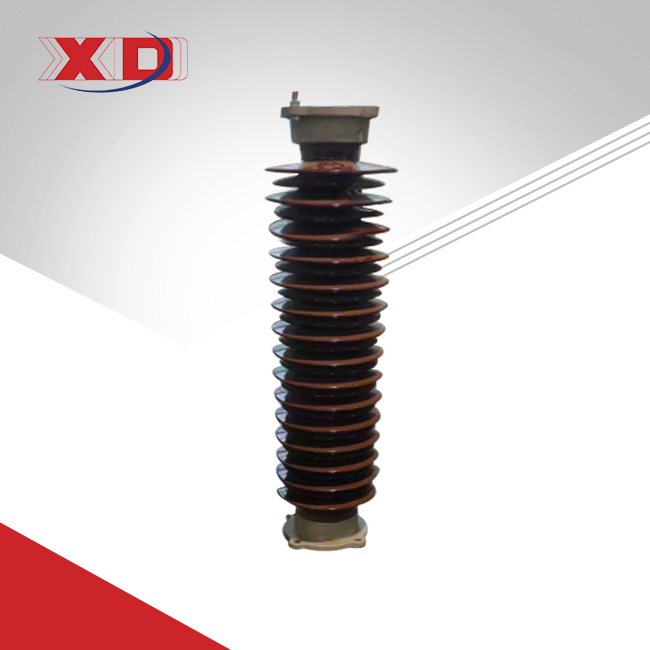
Y10W-102/266W Lightning Arrester Porcelain housed MOA for AC system
How Does an Oil-immersed Distribution Transformer Work?
2026-05-26 15:59:17
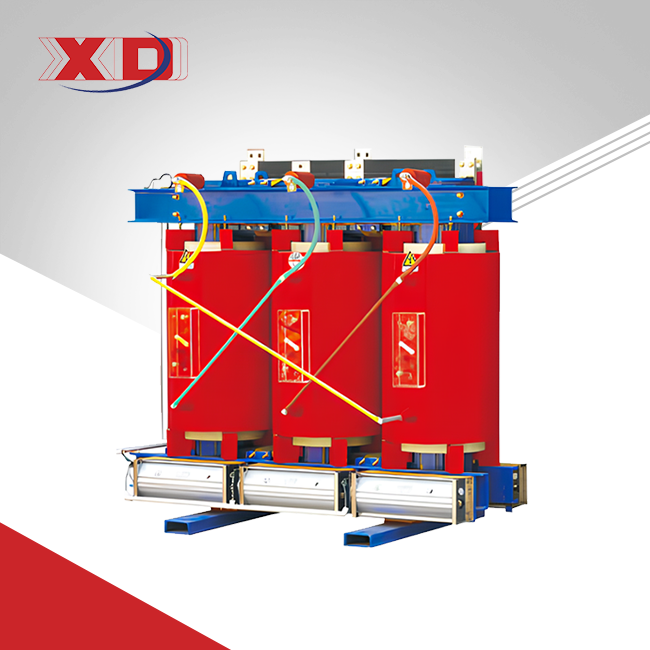
Large metal tanks humming silently at utility substations and manufacturing facility electrical rooms contain sophisticated power distribution technology. An Oil-immersed Distribution Transformer steps voltage levels up or down using electromagnetic induction to maintain system efficiency and dependability. A laminated steel core and precisely wound copper or aluminum coils are immersed in insulating fluid to cool the active components and avoid electrical breakdown. For decades, this dual-function architecture has powered grids worldwide, especially in difficult conditions where temperature control directly affects equipment lifetime.
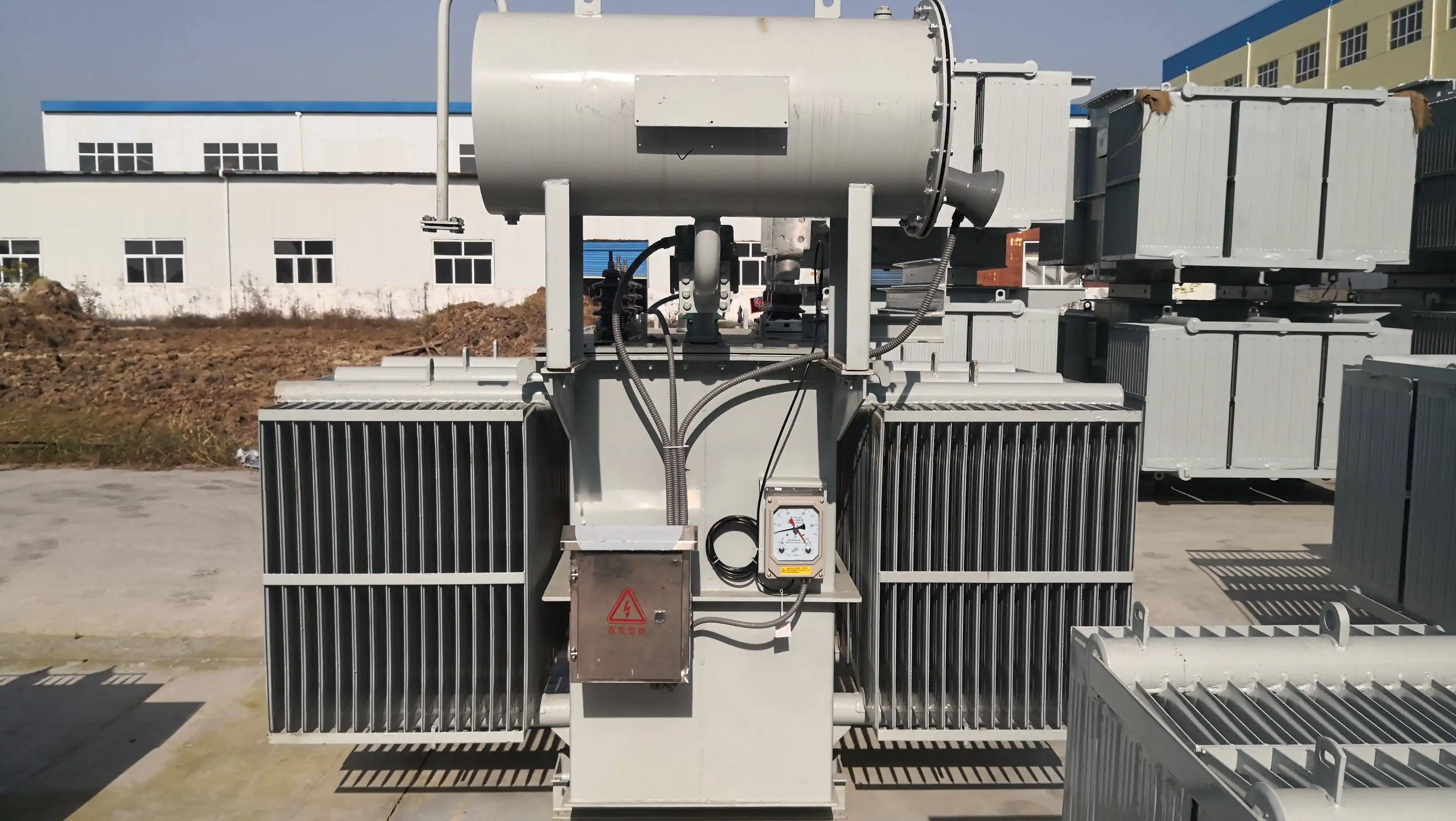
Understanding the Working Principle of Oil-Immersed Distribution Transformers
The Core Components That Make It Work
The heart of any transformer is electromagnetic induction, discovered by Michael Faraday in 1831. Alternating current via the primary winding changes the laminated steel core's magnetic field. This oscillating field causes secondary winding voltage, stepping electricity from 35kV transmission voltages to 10kV distribution voltages or end-user voltages. Precision-stacked grain-oriented silicon steel sheets reduce eddy current losses that waste energy and heat in the transformer core.
Insulated copper conductors in specified turn ratios form primary and secondary windings around this core. A transformer with 1000 primary turns and 100 secondary turns reduces voltage by ten while increasing current correspondingly, minimizing power loss. This clever physics lets utilities efficiently carry high-voltage power across vast distances and distribute it safely at lower voltages.
How Insulating Oil Enhances Performance?
Mineral oil or synthetic ester fluid in the tank is important for more than immersion. As load current passes via windings, resistive losses produce heat. Hot oil naturally circulates by convection, rising to radiators or corrugated tank walls to release heat to ambient air and then descending to collect additional heat. No pumps or fans are needed for ONAN (Oil Natural Air Natural) cooling, boosting dependability.
Dielectric insulation between windings and grounded tank walls is also crucial. Quality transformer oil prevents arcing during voltage surges with breakdown strength above 30kV per standard tests. The sealed construction with silica gel breathers prevents moisture from degrading oil and paper insulation, prolonging service life beyond 30 years in properly maintained units. Modern biodegradable ester fluids have flash points of 300°C, unlike mineral oil's 140°C.
Why Oil-Immersed Designs Excel in Durability?
Oil-immersed Distribution Transformers tolerate overload better than dry-type or cast resin units. When demand rises, hundreds of gallons of oil absorb temperature spikes. Field data shows these transformers can withstand 150% rated load for two hours without damage, essential for mining or industrial sites with intermittent heavy gear. Oil self-heals small insulation deficiencies, but dry unit solid insulation degrades permanently under stress.
Key Advantages and Operational Benefits for Power Distribution
Superior Thermal Management for Stable Performance
Managing variable electrical loads without voltage sag demands strong cooling. Our IP55 devices handle ambient temperatures from -40°C to 55°C while limiting winding hot-spot temperatures. Even during persistent overloads, natural convection removes heat from the corrugated tank's increased surface area. In data centers where server load changes throughout the day or hospitals where life-safety systems tolerate zero downtime, heat resilience is important.
Temperature rise testing confirms IEC 60076 temperature regulations for top oil temperature at 55K above ambient and average winding temperature below 65K at specified load. This margin allows transformers to transmit electricity during summer peak demand without forced load reductions like dry-type units, which utilities running transmission lines enjoy.
Environmental and Safety Considerations
Modern insulating fluids overcome older fire and environmental problems. High-flash-point ester liquids fulfill strict indoor installation safety regulations near populated spaces. These biodegradable formulations reduce soil pollution from previous mineral oils by breaking down spontaneously if spilled. Our designs meet noise emissions regulations by lowering sound levels to 65dB, making them acceptable for schools and residential communities where community acceptability is important.
Sealing the tank with pressure relief valves and nitrogen blanketing avoids oil oxidation and maintains dielectric characteristics. Hermetic design removes the need to replace oxidized oil, saving operational costs. Insulation breakdown accelerates beyond 20ppm, hence conservator systems' silica gel breathers dry entering air during thermal expansion cycles.
Cost Efficiency Through Optimized Maintenance
Proper lifetime expenditure analysis favors Oil-immersed Distribution Transformer technology in total cost of ownership estimates. Improved core designs lower no-load losses by 30% compared to prior transformer generations, saving energy even during modest loads. This efficiency boost saves thousands of dollars in power use for a 1000kVA machine running constantly.
Maintenance is simple and predictable. Annual oil sampling for dielectric strength, moisture, and dissolved gas analysis detects problems before they fail. Scheduled oil filtering eliminates impurities, restoring insulating performance at a fraction of the expense. Oil systems may be repaired, extending service life and protecting capital expenditures, unlike dry-type units that need total winding replacement following insulation damage.
Common Faults and How to Prevent Them in Oil-Immersed Distribution Transformers?
Oil Degradation and Contamination Issues
As it runs, insulating oil collects moisture, dissolved gasses, and particulates. Above 30ppm moisture affects dielectric strength, increasing internal flashover danger. Hydrogen shows partial discharge, acetylene arcing, and ethylene overheating in dissolved gas analysis. Quarterly DGA testing on important transformers trends these indicators, detecting deterioration months before breakdown.
IEC 60422 acidity testing detects oxidation byproducts that damage windings and destroy cellulose insulation. Oil must be filtered or replaced often to keep acidity below 0.03mg KOH/g. Restoring additive packages and removing moisture and particulates with modern oil reclamation technology extends oil life forever. Our 24-hour pressure leak testing on welded tanks assures hermetic integrity that prevents contamination over decades.
Detecting Winding and Connection Failures
Winding resistance measures check manufacturing accuracy and hot areas from loose connections. Phase resistance levels above 2% indicate abnormalities that require study. Turns ratio testing validates ±0.5% voltage transformation accuracy across all tap locations, ensuring accurate engagement of tap changer contacts.
Temperature monitoring detects problems before they harm. Fiber optic sensors in winding hot spots give real-time heat data. Temperatures over design limits suggest clogged cooling channels, polluted oil with poor heat transmission, or internal problems drawing excessive current. Online monitoring systems that trend temperature, dissolved gasses, and load current allow operators to arrange maintenance during scheduled outages rather than emergency breakdowns.
Proactive Maintenance Reduces Downtime
Rugged inspection schedules ensure reliability. When internal problems create gas pressure, pressure relief valve testing every five years assures mechanical operation. Bushing power factor testing finds moisture in crucial insulators before catastrophic failure. Load tap changer maintenance every 100,000 operations or five years comprises contact resistance assessment and oil sample to prevent Oil-immersed Distribution Transformer failures caused by arcing.
Asset management techniques based on IEEE C57.91 loading guides and manufacturer recommendations enhance equipment life and reduce risk. Increased testing frequency informs replacement decisions for equipment above 80% of estimated service life. This predictive strategy reduces unexpected downtime and emergency procurement expenses.
Comparing Oil-Immersed and Dry-Type Distribution Transformers: Which One to Choose?
Performance and Efficiency Differences
Oil-immersed Distribution Transformers are more efficient across loading. Low-loss designs maximize renewable energy collection in intermittent solar and wind installations with variable loading by maintaining efficiency below 3% losses at 30% load. These transformers can withstand 125% intermittent loads from inverters without derating due to their improved cooling, which is crucial for projects where power conversion directly affects ROI.
Dry-type transformers work well inside when fire standards prohibit combustible liquids. Their cast resin or varnish-impregnated windings prevent fire spread, making them ideal for high-rise structures, subterranean facilities, and explosive industrial situations. Dry units risk irreversible insulation damage if operated beyond 110% rated capacity, whereas oil-filled equipment can handle such conditions. These units cost 20-40% more initially and have lesser overload capacity.
Application Suitability Considerations
Environmental considerations strongly impact technology choice. Outdoor utility applications usually use Oil-immersed Distribution Transformers due to weather, dust, and temperature fluctuations. IP55 ingress protection and corrosion-resistant tanks prevent coastal salt spray, mining dust, and industrial chemicals that degrade dry enclosures. Investments in seismically active areas are protected by Zone 4 earthquake-resistant mounting.
Indoor business installations choose dry-type units with oil leakage prevention to protect completed areas and save insurance prices. Hospitals, labs, and food processors prevent oil leaks. Dry-type compactness benefits space-constrained urban substations, although newer oil-filled pad-mount designs have comparable footprints due to tank shape optimization.
Lifecycle Cost Analysis
A thorough economic study analyzes acquisition price, installation costs, energy losses, maintenance costs, and longevity. Oil-immersed Distribution Transformers cost 15-25% less for equal capacity. Installation costs are comparable when foundation requirements and environmental containment are considered—modern sealed designs eliminate oil containment structures.
Energy efficiency disparities accumulate over decades. Core and copper losses waste 50,000 kWh for a 1000kVA transformer running 8760 hours at 60% load. By reducing losses 20% through high-efficiency Oil-immersed Distribution Transformer design, 10,000 kWh may be saved annually at $0.10/kWh, saving $1,000 annually and $30,000 over 30 years. When adequate testing prevents failures, oil units are cheaper to maintain than dry-type windings, which require replacement after insulation failure.
Procurement Guide for Oil-Immersed Distribution Transformers
Defining Technical Requirements
Set voltage ratings that match your distribution architecture, such as 35kV to 10kV for utility substations, 10kV to 0.4kV for industrial facilities, and customized ratios for renewable energy applications. Consider predicted load growth when choosing capacity; providing 30-40% surplus capacity prevents premature replacement as facility demand rises. Cooling technique selection balances efficiency and operational complexity. ONAN natural cooling works for most applications, while ONAF with fans manages heavy loads in compact installations.
Accurate voltage regulation impacts sensitive equipment performance. Automatic tap changers with ±0.5% control ensure steady secondary voltage despite source voltage changes and load circumstances. Data centers with server farms with tight voltage tolerances and industrial facilities with computer-controlled machinery need this accuracy. For fault current coordination with upstream protective devices, provide impedance values of 4-6% for short-circuit protection without excessive voltage loss during big motor starting.
Evaluating Manufacturers and Certifications
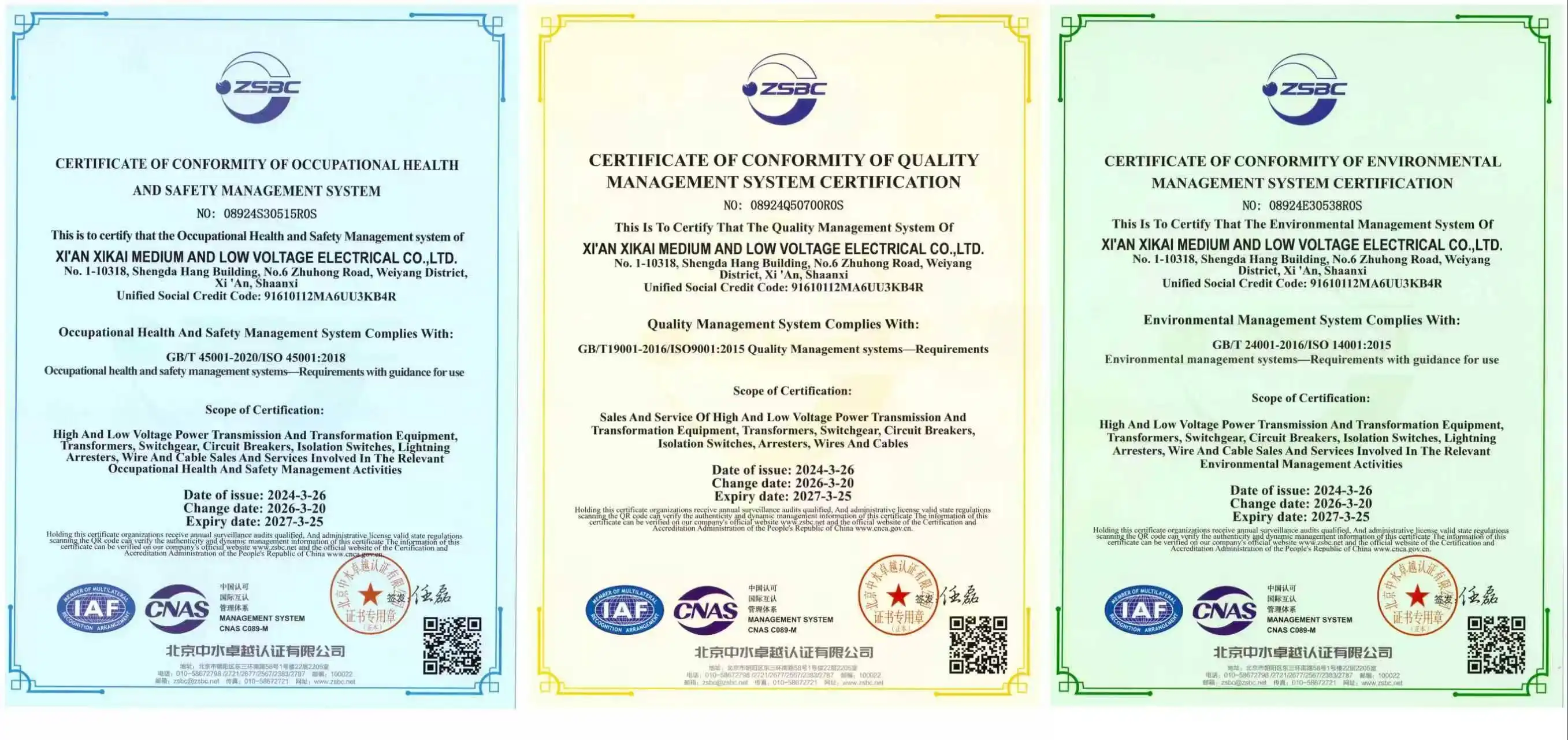
Quality assurance starts with worldwide standard compliance. Temperature increase limitations, insulation coordination, and test methodologies are IEC 60076 performance criteria. The ISO 9001 accreditation shows factory quality management. CE marking in Europe, UL listing in North America, and GOST-R conformity in Russia secure regulatory acceptability and facilitate permits.
Schneider, ABB, Siemens, Eaton, and GE have reliable products and large installed bases. Reputable providers evaluate insulation coordination against lightning strikes and switching transients using impulse voltage testing per IEC 60076-3. Insulation integrity is confirmed by partial discharge testing below 10pC at rated voltage. Request magnetic circuit quality documents such core loss measurements and no-load current standards.
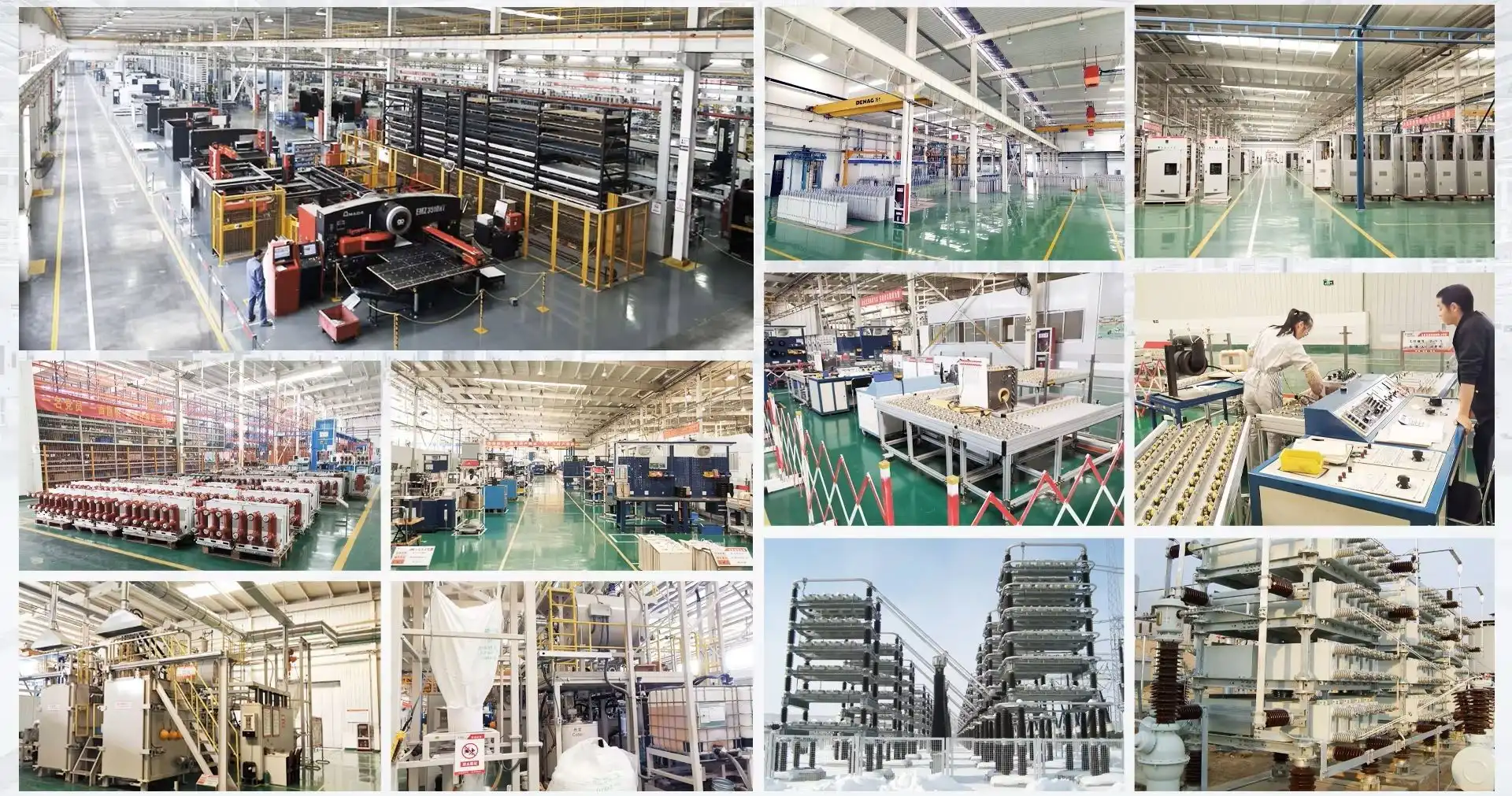
Xi'an Xikai Medium & Low Voltage Electric Co., Ltd. customizes Oil-immersed Distribution Transformers for 10kV to 110kV voltage ratings to suit these strict specifications. We offer ATEX-certified designs for explosive petrochemical operations and grain-oriented steel cores to prevent hysteresis losses. With 25 years of design experience and unique cooling solutions, we supply equipment proven in State Grid, mining, and renewable energy installations. For sustainable projects, our amorphous core solutions approach 99% efficiency, while modular designs allow grid extension without stranded investment.
Streamlining the Ordering Process
Multiple-project procurement teams benefit from preferred supplier agreements that give predictable lead times and bulk discounts. Bulk purchase agreements for uniform ratings cut unit costs 10-15% and simplify spare inventories by standardizing parts. Site-specific customization options include compact footprints for urban spaces, enhanced corrosion protection for marine environments, and specialized bushings for high-altitude installations above 1000 meters where reduced air density affects cooling and dielectric strength.
Coordinating export logistics is important. Shipping several-ton transformers requires particular planning and barriers to avoid damage. Make sure vendors offer test results, instruction manuals, and replacement parts lists. Schedule payments according to project milestones: 30% deposit with purchase order, 60% following factory acceptance testing, and 10% retention after commissioning. Building partnerships with skilled vendors speeds up project deadlines and reduces field difficulties by providing technical help throughout installation and commissioning.
Conclusion
Understanding Oil-immersed Distribution Transformer operation and selection allows engineering teams and procurement managers to pick equipment that will last for decades. The electromagnetic induction mechanics of voltage translation and advanced thermal control through insulating oil circulation produce strong solutions for industrial, utility, and renewable energy applications with variable loading situations. Active maintenance using oil analysis and predictive monitoring maximizes operational uptime and preserves capital expenditures. Lifecycle costs, not initial purchase price, help facility operators maximize overall expenditures while fulfilling environmental and safety standards. Thorough supplier certification and explicit technical standards expedite procurement, building long-term operational relationships.
FAQ
1. What voltage ratings are available for oil-immersed distribution transformers?
What are Oil-immersed Distribution Transformer voltage ratings? Typical setups scale down from 10kV, 35kV, and 110kV primary voltages to application-specific distribution or usage voltages. Custom voltage ratios meet renewable energy connectivity and industrial process power system needs. Distribution class equipment normally has 30kVA to 2500kVA capacity, whereas utility substations have bigger power transformers.
2. How often should transformer oil testing occur?
For most systems, annual dissolved gas analysis is sufficient. Biennial testing is recommended for units above 10MVA or supplying critical loads, with extra sampling following through-fault incidents or prolonged overload situations over 130% for 24 hours. DGA should be used with moisture, acidity, and dielectric breakdown strength tests to evaluate oil condition and decide filtering or replacement.
3. Can these transformers operate in harsh environmental conditions?
Absolutely. IP55 enclosures keep dust and water out, and corrosion-resistant tank coatings and stainless steel hardware withstand coastal salt spray and industrial chemicals. Operating temperatures for Arctic and desert sites are -40°C to 55°C. In seismically active areas, Zone 4 earthquake mounting provisions safeguard equipment, and specialist designs serve offshore platforms and mining sites with significant vibration and shock loads.
Partner With Xi'an Xikai for Proven Transformer Solutions
Xi'an Xikai offers international-standard Oil-immersed Distribution Transformer solutions for electricity distribution projects. Our 10kV to 110kV manufacturing capabilities include tailored designs for harsh situations from -40°C Arctic to 4,000 meters high. We are a prominent Chinese electrical equipment provider with revolutionary core materials that reduce no-load losses by 30% and sealed tank designs that eliminate maintenance. Our 24/7 technical assistance and 10-year guarantees ensure your vital infrastructure runs smoothly. Talk to our experts at serina@xaxd-electric.com, amber@xaxd-electric.com, or luna@xaxd-electric.com to get precise quotes for your procurement needs.
References
1. IEEE Standard C57.91-2011, IEEE Guide for Loading Mineral-Oil-Immersed Transformers and Step-Voltage Regulators, Institute of Electrical and Electronics Engineers, 2011.
2. IEC 60076-1:2011, Power Transformers – Part 1: General, International Electrotechnical Commission, Geneva, Switzerland, 2011.
3. Harlow, James H., Electric Power Transformer Engineering, Third Edition, CRC Press, Boca Raton, Florida, 2012.
4. Kulkarni, S.V. and Khaparde, S.A., Transformer Engineering: Design, Technology, and Diagnostics, Second Edition, CRC Press, Boca Raton, Florida, 2013.
5. IEEE Standard C57.106-2015, IEEE Guide for Acceptance and Maintenance of Insulating Mineral Oil in Electrical Equipment, Institute of Electrical and Electronics Engineers, 2015.
6. Heathcote, Martin J., J&P Transformer Book: A Practical Technology of the Power Transformer, Thirteenth Edition, Newnes Press, Oxford, United Kingdom, 2007.