How Does an Oil Immersed Transformer Work?
2026-07-06 16:15:37
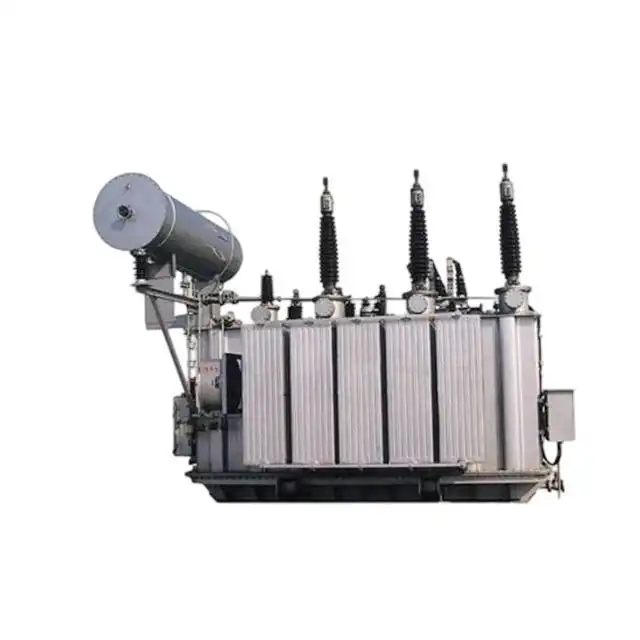
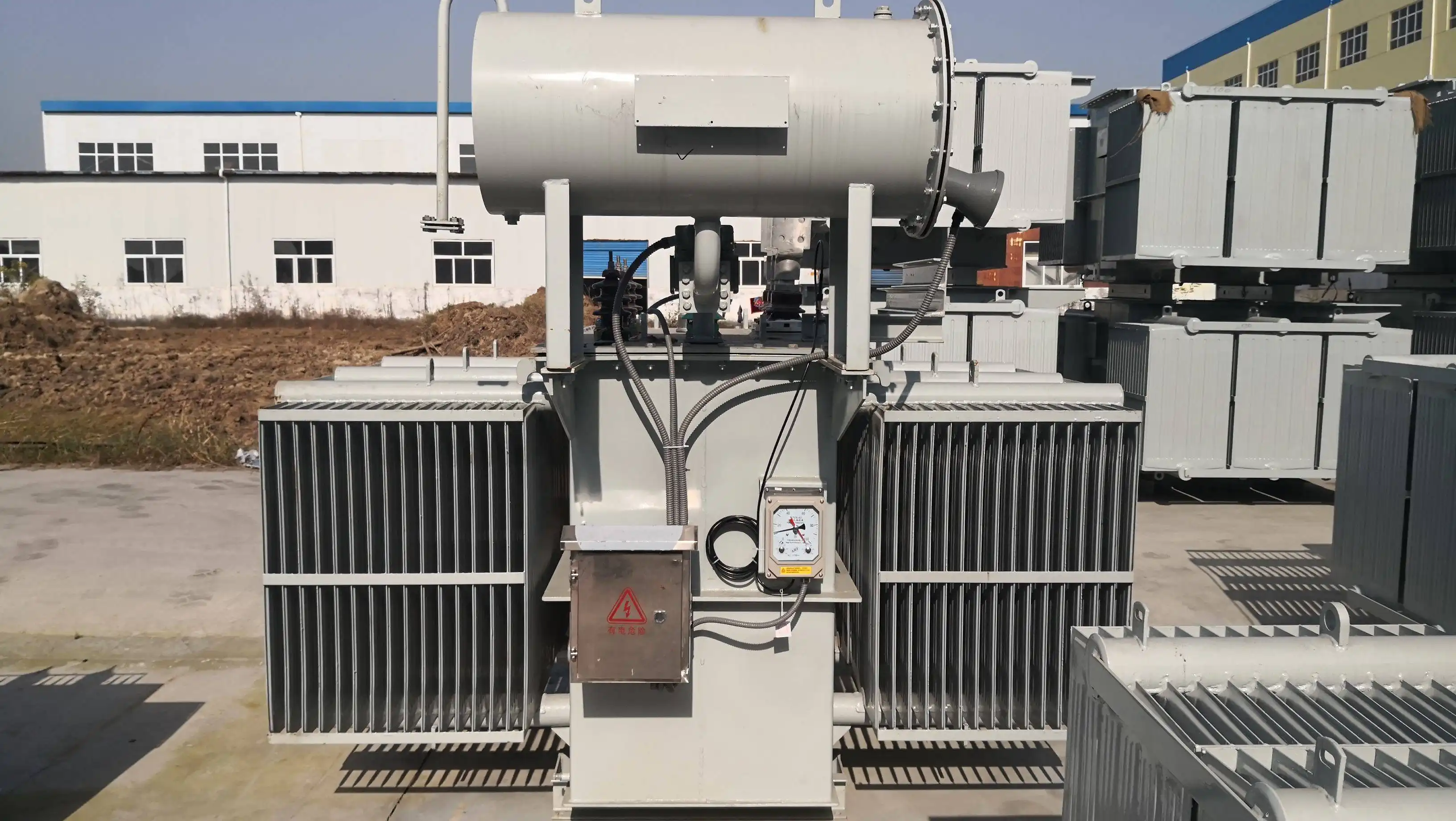
An Oil-immersed Transformer works by electromagnetic induction. An alternating current in the primary winding forms a magnetic field in the layered core, which causes voltage to be induced in the secondary winding. The mineral oil is very important because it protects the high-voltage parts from electrical arcing and gets rid of the heat that is made during operation by allowing natural or forced circulation. Tap switches change voltage ratios on the fly to keep the output fixed even when the load changes. This mix of electromagnetic principles and temperature management makes voltage changes stable in a wide range of industrial settings, from 10kV transmission systems to 110kV distribution networks.
 |
 |
Understanding Oil-Immersed Transformers: Core Concepts
Power goes through several voltage changes on its way from power plants to your building. If you know how these changes work, you can make better decisions about what to buy, which will have a direct effect on your working efficiency and bottom line.
The Fundamental Design and Purpose
Transformers made for industrial use bridge the gap between the volts used for transport and the power levels your equipment can handle. Oil-immersed Transformers, on the other hand, immerse the whole core-and-coil system in a shielding fluid. This design choice wasn't made at random; it solves three important engineering problems at once: dielectric strength, temperature management, and durability under constant load. Manufacturing plants that are open 24 hours a day, seven days a week need tools that can handle long-term stress without breaking down. According to IEEE guidelines, 60% of early insulation failures in electrical equipment are caused by moisture getting in. The sealed tank design stops this from happening. Our S13-35kV line uses perforated tanks that get bigger and smaller as the temperature changes. This gets rid of the need for conservatory systems that can leak.
Electromagnetic Induction Principles
The working concept starts with alternating current powering the main winding, which goes around a silicon steel core that is oriented along its grain. Most buyers don't understand how important this core material is—good laminations cut eddy current losses by 40% compared to regular electrical steel. Based on the turns ratio, the magnetic energy moves through the center and creates voltage in the secondary winding. A 3.5:1 unit that goes from 35kV to 10kV steps down the transfer voltage to the amount needed for distribution. We improved the S18 series core shape to reduce magnetostriction noise. The result is sound levels below 45dB, which is quieter than a refrigerator running. This is important when substations are located near neighborhoods or hospital grounds.
The Critical Role of Transformer Oil
Mineral oil does a lot more than stop fires in these units. It moves through the windings and soaks up heat from the copper wires that carry hundreds of amps. The hot oil naturally climbs to vents or cooling fins, where air pulls away heat. Once the oil is cool, it falls back into the tank. The constant loop keeps the temperature of the windings below 105°C, which is the safe limit for Class A insulation. Our quality control tests show that the dielectric breakdown voltage is higher than 30kV, which is required by IEC 60422 standards. This means that the oil keeps its insulation integrity even when there are short-lived overvoltages. Some clients who work in harsh environments ask us to make synthetic ester fluids with higher flash points. We can change the formulas based on your location without affecting the thermal performance.
Insulation Systems and Cooling Methods
For each use, a different cooling strategy is needed. The ONAN (Oil Natural Air Natural) design only uses passive convection and is good for steady loads up to 2500kVA. ONAF (Oil Natural Air Forced) systems add fans that turn on above set temperatures, which increases heat loss by 33% when your data center or hospital needs more space. We've sold OFAF units to mining companies in Nevada, where the temperature can hit 55°C. Even during the busiest summer months, safe working margins are kept by forcing oil through external heat exchangers. The choice of cooling method affects the total cost of ownership. Passive systems don't need fan upkeep but have bigger tanks, while forced cooling has smaller areas but uses a little more energy. The best setup is found by looking at your load profile and the amount of room you have available. To figure out if a certain model meets your technology needs, you can start by looking at these basic ideas. After learning the mechanism, the next thing to think about is the real-world operational rewards.
Key Advantages and Industrial Benefits of Oil-Immersed Transformers
There is always pressure on procurement managers to cut costs while keeping dependability high. This type of equipment gives you measurable benefits that have a direct effect on your operational measures and financial success.
Superior Thermal Management and Efficiency
Transformer life is highly temperature-dependent, with insulation life halving for every 8°C rise above rated limits. Fluid-filled designs offer better thermal performance than dry-type units due to oil’s higher heat capacity (1.67× air), enabling stronger overload capability. The S9 series sustains 150% load for two hours without exceeding temperature limits, ensuring reliability during peak demand. Improved core design reduces no-load losses by 30% versus S11 models, meeting EU EcoDesign standards. A 1000 kVA unit at 50% load saves about 4,200 kWh annually, significantly reducing operating costs and supporting large-scale grid efficiency gains.
Extended Service Life and Load Capacity
Dry-type transformers usually last between 20 and 25 years before they need to be replaced because the insulation is wearing down. When properly kept, Oil-immersed Transformers usually last longer than 35 years, and some setups have even lasted longer than 50 years. This long life is due to the oil's dual function: it keeps the cellulose insulation from oxidizing and constantly removes moisture that speeds up aging. The sealed tank designs we use keep oil pure for decades of use by keeping out airborne contaminants. It matters for your finances because capital equipment that lasts 40% longer lowers your yearly depreciation costs and delays the time when you have to buy new capital equipment. Load capacity flexibility lets you keep running during busy times. When a factory adds more production lines, it doesn't always have the money or time to upgrade its electricity systems right away. It is safe for units that are rated for constant duty at 100% load to handle 125% irregular loads from renewable energy inverters or variable-frequency drives. Our low-loss models handle the changing power output that comes from green sources, which is used in solar farms in Arizona and wind sites in Wyoming. The voltage regulation stays within ±0.5% even when the load changes. This keeps sensitive electronics safe and keeps safety switches from tripping for no reason.
Comparative Analysis: Oil-Filled vs. Alternatives
Buying decisions depend on cost-performance tradeoffs. Dry-type transformers are 15–20% cheaper upfront and safer for indoor use, but require derating in high temperature or altitude conditions; a 1000 kVA unit at sea level may drop to 850 kVA at 2000 m. Plateau-rated designs maintain full capacity up to 4000 m. Major brands like Schneider, ABB, and Siemens offer strong reliability and service but at higher cost, while certified local manufacturers provide competitive alternatives meeting IEC 60076, ISO 9001, CE, and UL. Total ownership cost should include installation, maintenance, efficiency, and lifecycle energy use, as higher-efficiency models often reduce long-term expenses despite higher initial price.
Maintenance and Safety: Ensuring Reliable Transformer Operation
Preventative upkeep, not emergency fixes, is what makes equipment reliable. Setting up regular check schedules can stop 80% of the surprise breakdowns that slow down operations and put a strain on emergency budgets.
Routine Inspection Best Practices
Routine predictive maintenance focuses on oil condition monitoring. Dissolved Gas Analysis (DGA) detects early faults: hydrogen indicates partial discharge, while acetylene signals arcing. Testing is recommended annually for stable loads and quarterly for overloaded or harsh environments. Moisture should remain below 20 ppm, and acidity above 0.03 mg KOH/g requires oil reconditioning or replacement. Insulation health is verified through power factor (<2%) and winding resistance checks (>2% deviation). Temperature monitoring identifies cooling issues, with S13 sensors providing real-time SCADA data from top-oil and winding hotspots.
Common Faults and Preventive Recommendations
Overheating causes about 35% of transformer failures for Oil-immersed Transformer, often due to dust accumulation on cooling fins. Quarterly cleaning and verifying fan operation are essential, as fan failure can raise temperatures by up to 15°C under load. Infrared thermography helps detect hidden hotspots early. Moisture or oil contamination from leaks or saturated breathers degrades insulation; filters or oil replacement may be required. Electrical issues such as loose connections cause arcing and resistance increase, so torque checks are critical. Online monitoring and partial discharge detection help prevent severe internal faults and unplanned outages.
Safety Considerations and Compliance Standards
Transformer safety requires strict environmental and fire-risk controls. Oil spill containment must meet EPA 110% capacity requirements using catchment basins and oil-water separators, while PCBs-free mineral oils still require regulated disposal and trained handling per MSDS. Fire protection includes barriers, suppression systems, or high-flash-point alternatives such as ester fluids (>300°C). Seismic-resistant designs (Zone 4) prevent leakage in high-risk regions. Compliance follows IEC 60076 globally, with ANSI/IEEE variations in North America and CE/UL certification ensuring regional regulatory approval and documentation for safety and insurance compliance.
How to Choose and Procure the Right Oil-Immersed Transformer
To choose the right tools, you have to make sure that the technical specs match the needs of your application while also taking into account business issues that can affect project timelines and budgets.
Evaluating Technical Specifications
Power rating (kVA/MVA) defines continuous load capacity and must be correctly sized to avoid overheating or oversizing. For example, 800 kW at 0.85 PF requires at least 940 kVA, typically rounded to 1000–1250 kVA. Renewable systems require adjustments for inverter surges and harmonics, reducing usable capacity by 15–20%. Voltage class depends on grid connection (e.g., 35/10 kV, 10/0.4 kV, 110/35 kV). Impedance (4–6%) balances fault current limitation and voltage regulation. Environmental conditions determine enclosure, coating, and cooling design, with operation from -40°C to +55°C for global applicability.
Cost Factors and Procurement Strategies
Transformer cost is driven by materials, manufacturing complexity, and certification requirements. Standard models benefit from economies of scale, while customized designs cost 15–30% more. Core material significantly impacts pricing: amorphous metal cores (~99% efficiency) cost about twice silicon steel but reduce no-load losses, while copper windings reduce load losses by ~10% but increase material cost by ~25%. Bulk purchasing can reduce unit price by ~8%, and off-peak ordering (Q1/Q3) may improve pricing and lead times. Supplier evaluation should include ISO 9001 audits and verified testing such as 24-hour tank pressure tests, core grain validation, and <10 pC partial discharge testing to ensure reliability.
Streamlining the Inquiry and Ordering Process
Clear and structured technical documentation speeds up the quotation process. Single-line diagrams should define voltage levels, load characteristics (steady or variable), environmental conditions, and applicable standards. Required certifications and tests, such as witnessed FAT or third-party verification, must be identified early, as they may add 3–4 weeks to lead time. Standard units typically ship in 8–12 weeks, while custom designs require 14–18 weeks depending on complexity. Delivery planning must consider transport access, permits, and route studies for heavy equipment. Installation schedules should align with civil works, and suppliers should provide rigging data, wiring diagrams, and commissioning checklists. Utility approval requirements must also be confirmed early to avoid procurement delays.
Testing, Performance Verification, and Future Trends
Quality assurance testing makes sure that the equipment works safely and meets the requirements for its service life. Knowing the test procedures helps you figure out what the supplier can do and what the right acceptance factors are.
Essential Testing Procedures
Essential testing ensures transformer reliability before commissioning of Oil-immersed Transformer. Dielectric breakdown tests measure oil insulation strength per IEC 60156, requiring >30 kV after vacuum degassing to remove moisture and gases. Winding resistance tests with 0.1% accuracy detect deviations >2% indicating faults. Turn ratio tests verify ±0.5% accuracy across taps for correct voltage regulation. Thermal tests under load confirm temperature rise limits per IEEE C57.12.00 (≤60°C top-oil, ≤65°C windings). IEC 60076-3 impulse testing simulates lightning and switching surges to validate insulation integrity and overvoltage resistance.
Emerging Technologies and Future Outlook
Predictive maintenance is shifting asset management from reactive to proactive through continuous monitoring of dissolved gases, moisture, partial discharge, and thermal behavior. Machine learning detects early anomalies, triggering alerts months in advance and reducing unplanned outages by around 40%, with wider adoption now extending to distribution systems. Eco-friendly ester fluids offer higher fire safety and biodegradability, though with trade-offs in cold climates; synthetic esters improve moisture resistance and extend insulation life by up to 50%. Smart transformers with IoT, remote tap changing, and real-time load data enable predictive analytics and grid optimization, transforming transformers into active grid assets.
Conclusion
Knowing how a transformer works helps you make better purchasing choices that meet the technical needs and financial goals of your building. When electromagnetic principles, thermal management, and insulation systems work together, they make voltage change stable for a wide range of industry uses. The best way to choose tools is to compare the specs to your load characteristics, the surroundings, and your long-term operating strategy. Preventative repair that makes equipment last longer and new technologies that make it work better are always ways to get the most out of your investments in electricity infrastructure. Clear technical communication, careful seller evaluation, and smart timing that combines cost concerns with practical needs all help the procurement process go more smoothly.
FAQ
1.How often should oil quality testing be performed?
Units that work in stable situations and clean surroundings only need to be tested once a year. For big industrial settings where equipment is often overloaded, exposed to high temperatures, or contaminated air, checking it every three months makes sense. Because unexpected breakdowns can have big effects on operations, critical apps like hospitals and data centers need to be checked on more often. The best early warning of growing faults comes from dissolved gas research.
2.What is the typical lifespan of these transformers?
When properly kept, units usually last between 35 and 40 years, and some systems last longer than 50 years. Service life varies a lot on how the equipment is used. For example, units that are constantly going at 80–90% of their rated power in moderate areas last longer than equipment that is often overloaded or exposed to extreme temperatures. Regular oil maintenance and quick problem repair greatly increase operating life compared to units that aren't taken care of and need to be replaced early.
3.Can these units operate in extreme environmental conditions?
Yes, as long as the right conditions are met. Standard versions can work in temperatures ranging from -25°C to +40°C. For Arctic systems, special oils for cold weather keep the viscosity at -40°C. Better cooling systems can handle temperatures of +55°C, which are typical in hot areas. If you go above 1000 meters, you need to lower the model's altitude rating. Our plateau-rated models stay at full capacity up to 4000 meters. Coastal sites need coats that don't rust and protect against salt spray.
Partner with Xi'an Xikai for Reliable Power Transformation Solutions
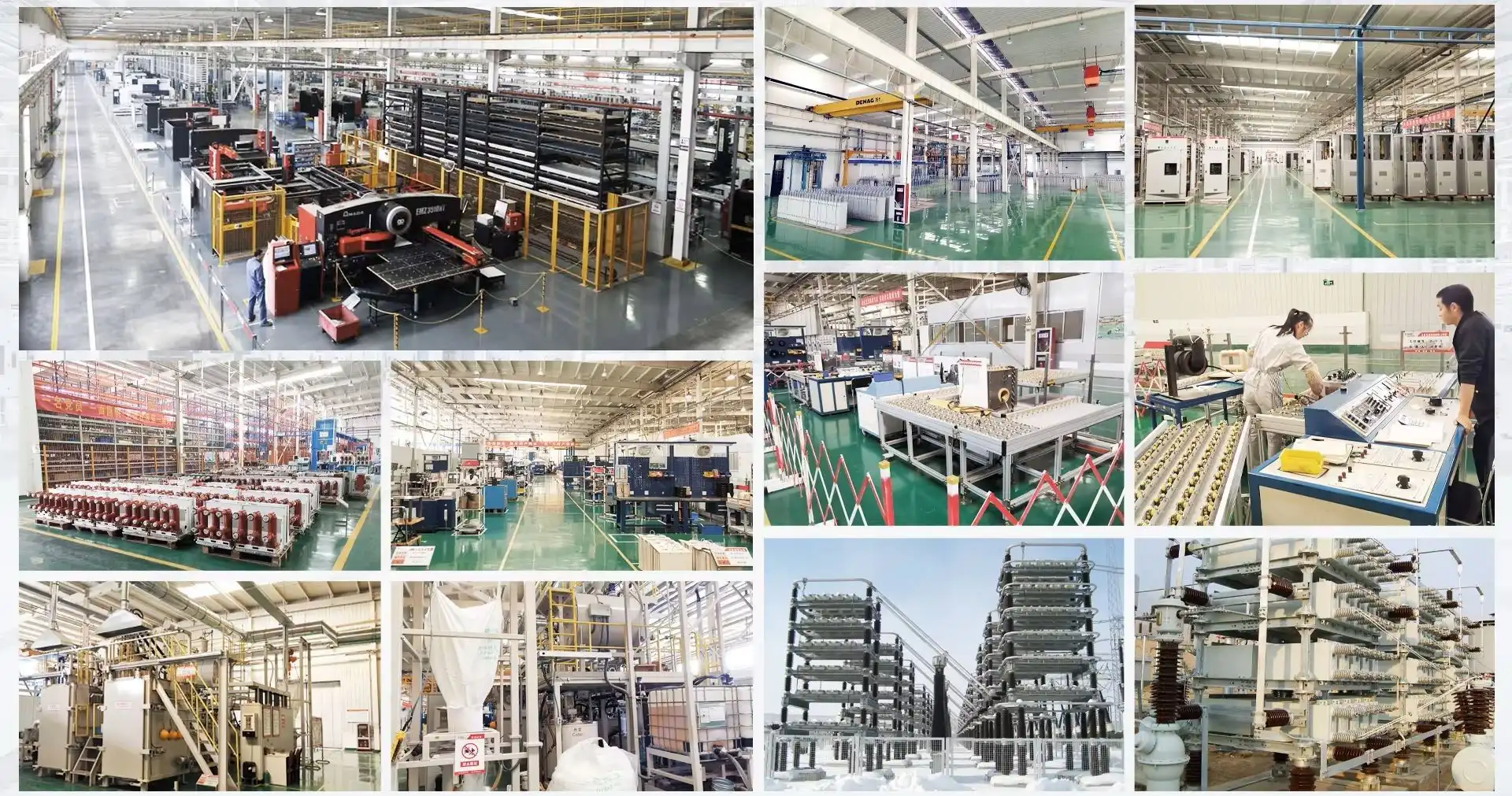
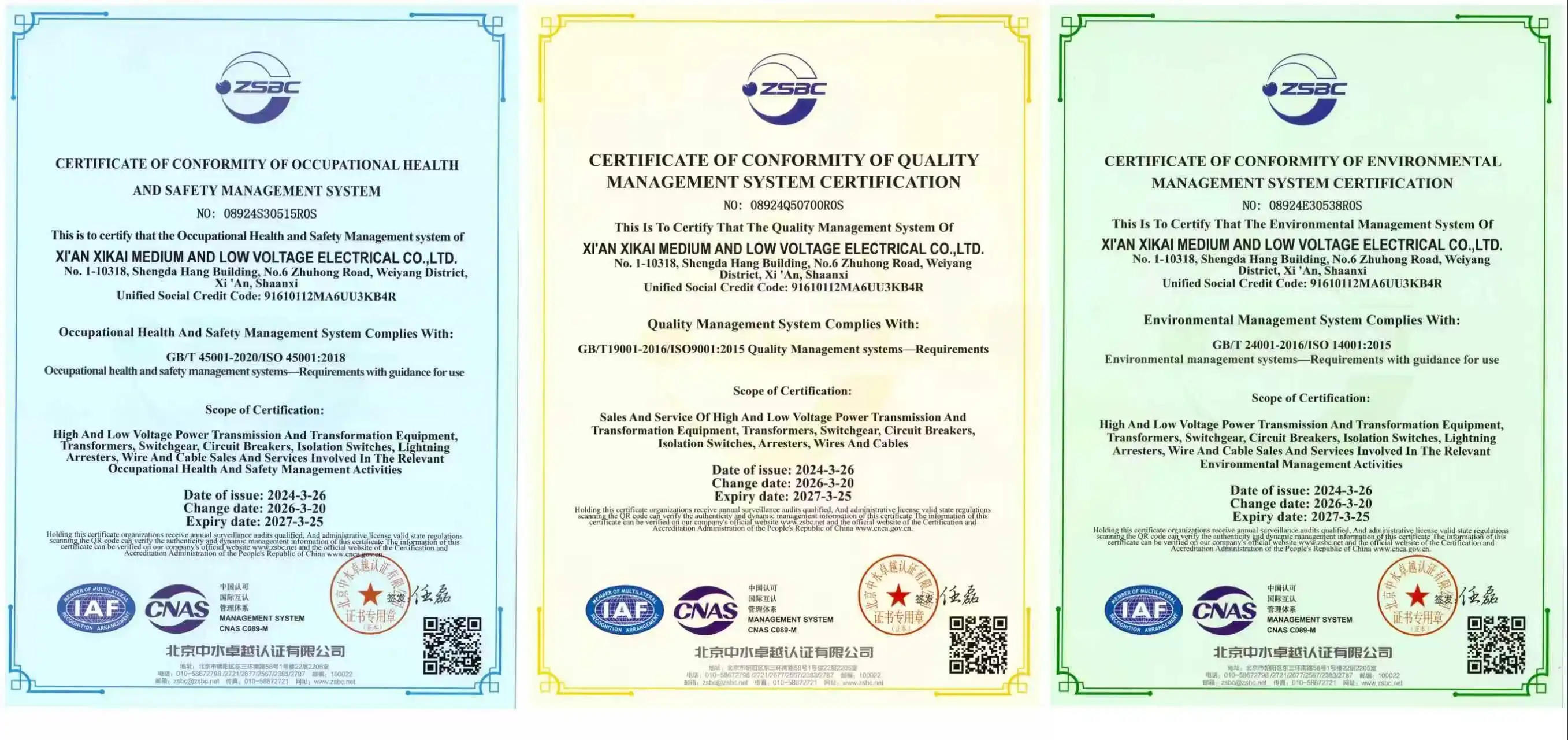
Xi'an Xikai offers engineered transformer options that are backed by more than 25 years of excellent making and performance in tough industrial settings. With voltage ratings from 10kV to 110kV, our S9, S13, and S18 series Oil-immersed Transformers are used in industrial plants, utility networks, green energy installations, and important structures throughout North America. We make sure that the winding configurations, cooling systems, and casings we provide meet your exact technical needs. At the same time, we keep our prices low by using efficient production methods. Every unit goes through a lot of tests, such as dielectric breakdown verification, thermal performance validation, and 24-hour pressure leak checks. These tests make sure that the units work reliably from the time they are installed until they are retired after decades of service. Our expert team helps with application building by letting you choose the best configurations that meet your performance needs and your budget. You can email our experienced professionals at serina@xaxd-electric.com, amber@xaxd-electric.com, or luna@xaxd-electric.com to talk about your project needs and get specific quotes. We provide the quality, support, and value your operations expect as a reputable Oil-immersed Transformer maker.
References
1. IEEE Standard C57.12.00-2015, IEEE Standard for Liquid-Immersed Distribution, Power, and Regulating Transformers, Institute of Electrical and Electronics Engineers, 2015.
2. International Electrotechnical Commission, IEC 60076-1: Power Transformers - Part 1: General, Third Edition, Geneva, Switzerland, 2011.
3. Heathcote, Martin J., The J&P Transformer Book: A Practical Technology of the Power Transformer, Thirteenth Edition, Elsevier Science & Technology, 2007.
4. Harlow, James H., Electric Power Transformer Engineering, Third Edition, CRC Press, Boca Raton, Florida, 2012.
5. McNutt, W. J., and Johnson, W. C., "Transformer Insulation Life Considerations Under Normal and Abnormal Operating Conditions," IEEE Transactions on Power Apparatus and Systems, Vol. 95, No. 4, 1976.
6. ASTM International, ASTM D3487-16: Standard Specification for Mineral Insulating Oil Used in Electrical Apparatus, West Conshohocken, Pennsylvania, 2016.
_1776665574080.png)