Where can I buy high-quality self-healing capacitors?
2026-07-06 16:15:35
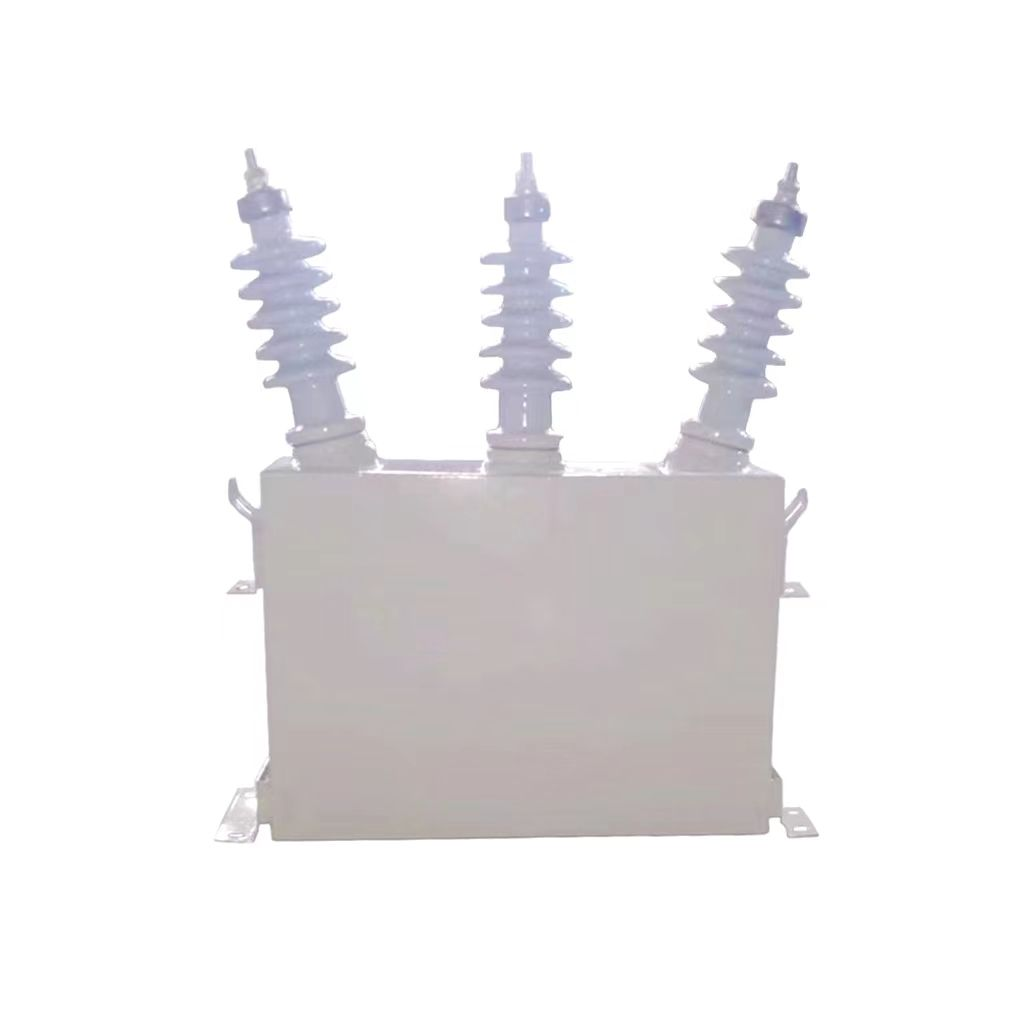
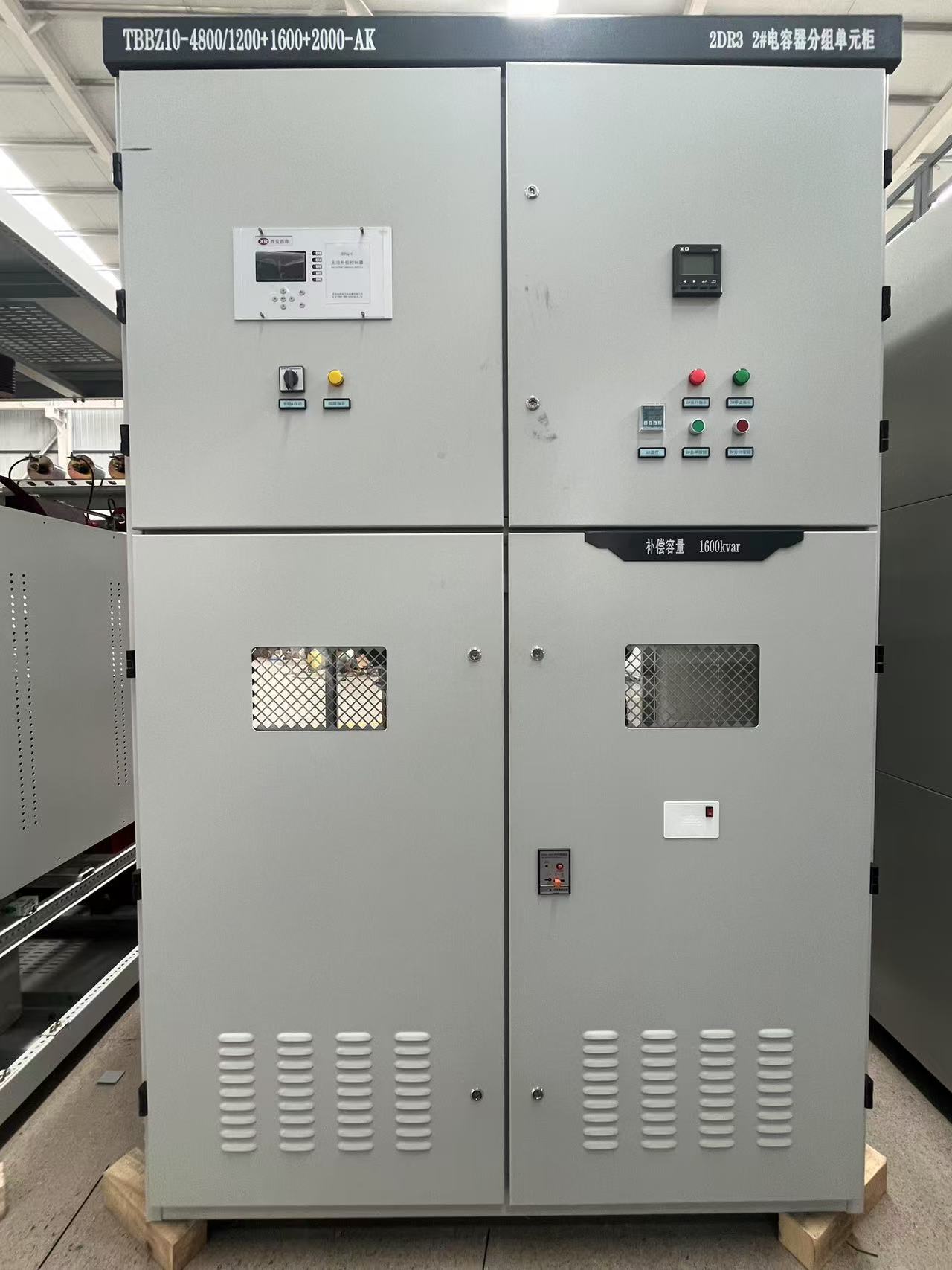
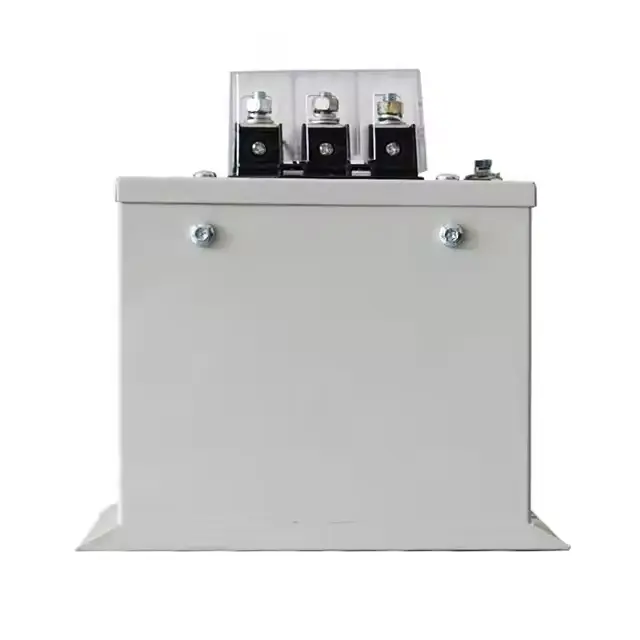
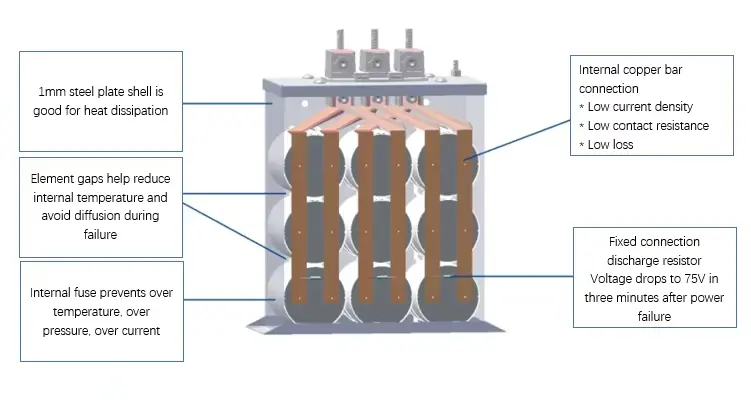
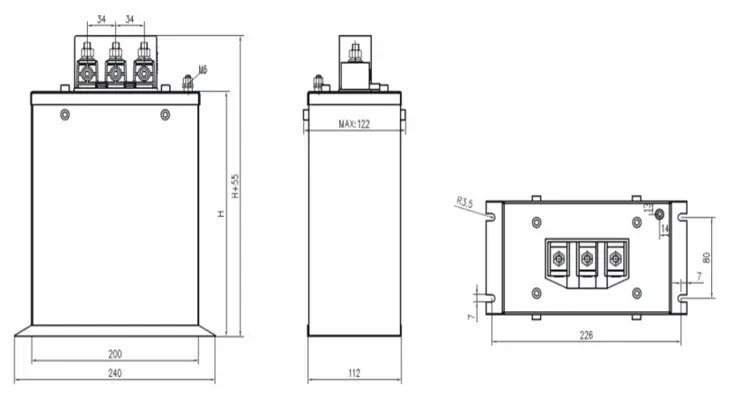
Finding makers who have both technical know-how and real-world experience using their products in industrial settings is the first step in obtaining solid power quality components, and this is especially true for Self-healing Capacitors. Suppliers with a good reputation, like Xi'an Xikai Medium & Low Voltage Electric Co., Ltd., give complete solutions based on decades of experience in building low-voltage power systems. Their 400V Self-healing Capacitor-cylindrical BKMJ0.46-30-3 model is an example of the modern metallised film technology needed for harsh settings. It has built-in fault recovery systems and meets all international standards. Working directly with well-known makers guarantees access to customised configurations, strict quality certifications, and quick technical help that are necessary for large-scale deployment.
 |
 |
Understanding B2B Procurement in the Power Equipment Sector
Why Industrial Capacitor Sourcing Differs from Standard Purchasing
Standard buying routes aren't good at getting power factor correction parts for factories, data centers, or utility substations because they are complicated. Industrial capacitor selection is different from buying consumer electronics because it requires exact voltage rating alignment, harmonic distortion tolerance verification, and compatibility with current switchgear setups. It's hard for procurement managers to find the right balance between upfront capital costs and total lifetime costs. This figure is heavily affected by how long parts last, how long warranties last, and how quickly suppliers can replace parts that break down.
These days, industrial buyers depend more and more on sellers who offer more than just goods. The move to digitalised procurement tools has made it possible to track inventory in real time and receive tips for preventative maintenance, but the basic need hasn't changed: working with makers who understand the needs of each application. Xi'an Xikai solves this problem by providing flexible capacitor banks made for working in a wide range of conditions, from humid seaside areas to high-altitude settings up to 4,000 meters.
The Role of Technical Documentation in Vendor Evaluation
Failure mode analysis reports, temperature performance graphs, and detailed specification sheets are all very useful for making important decisions. Professional sellers give full paperwork with measures of the dissipation factor, metallisation thickness (usually 200–500 angstroms for Self-healing models), and IEC 60252-1 compliance documents. These technical details help engineering teams do accurate estimates of the load and make sure that they work with automatic power factor correction (APFC) relay systems.
Critical Challenges in Sourcing Power Quality Components
Navigating Supplier Reliability and Quality Assurance
There are a lot of risks when buying Self-healing Capacitor capacitors on the global market, especially when it comes to fake parts and poor metallisation methods. Industry checks show that about 12% of capacitors bought from distributors who can't be trusted fail early because the potting materials aren't good enough or the winding tension isn't uniform during production. When these kinds of things happen in data centers or hospitals, the vital power systems, they damage equipment and cause hours of costly downtime that costs thousands of dollars every minute.
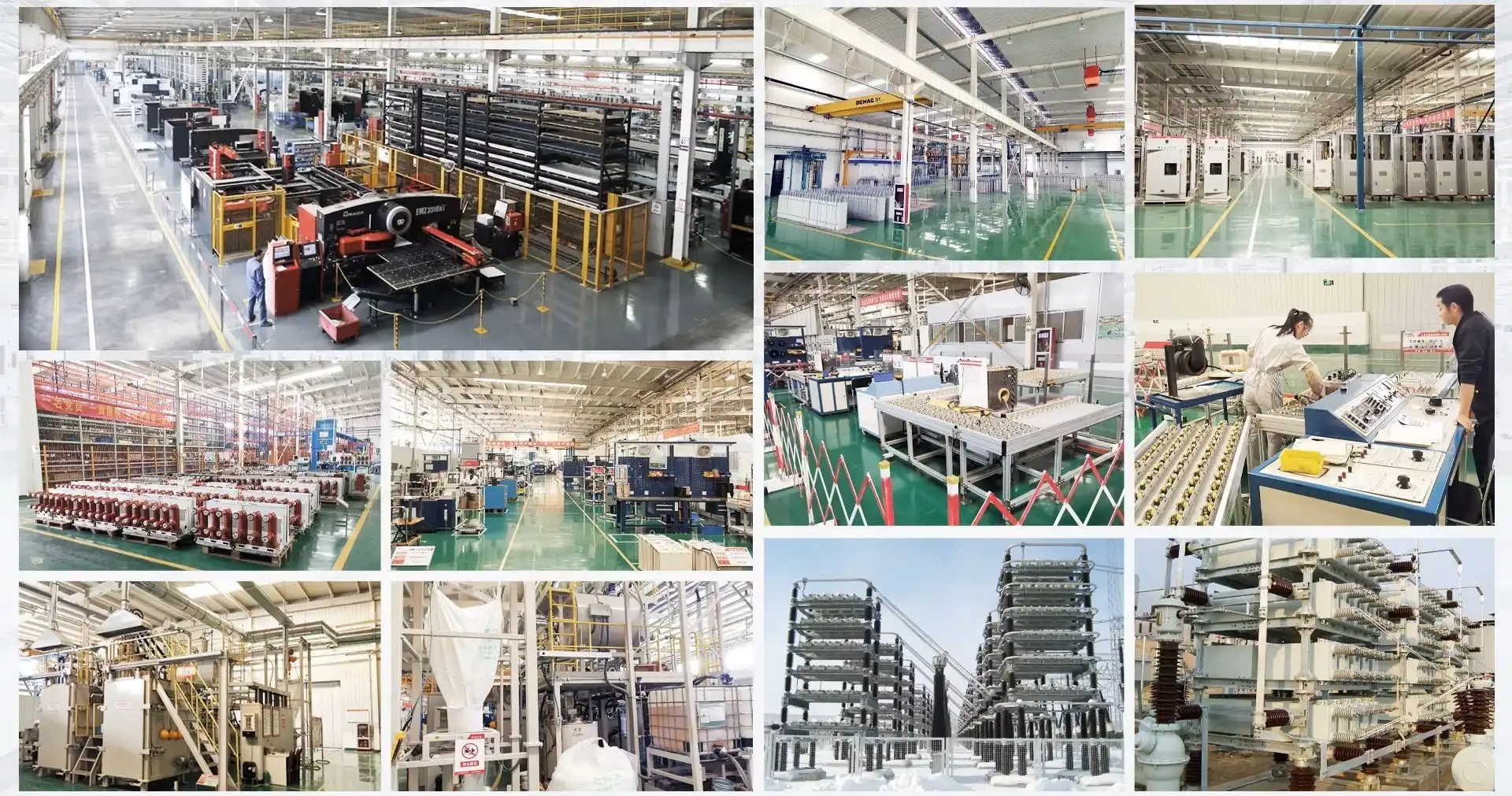
Since 2020, problems in the supply chain have gotten worse. During peak demand times, wait times for specialised power electronics can go from 6 to 8 weeks to 14 to 16 weeks. EPC companies' procurement teams say that getting capacitors with certain voltage grades (like 525V for green energy inverters) often needs planning ahead and managing buffer stocks. Manufacturers like Xi'an Xikai reduce these risks by having established production capacity across 7 main product categories and over 100 types. This makes it possible for large orders to be filled faster, in about 4 weeks.
Compliance with Evolving International Standards
Utility companies and system developers have to deal with rules that are getting harder to understand. Power factor correction capacitors used in businesses must meet the NFPA 70 National Electrical Code's standards, which include flame resistance grades and ground fault protection rules. At the same time, goods that are sold in Europe need to have the CE mark and meet the EN 50530 standards for photovoltaic uses. Purchasing resources are used up quickly when multiple area certifications need to be checked. This makes pre-certified suppliers very useful.
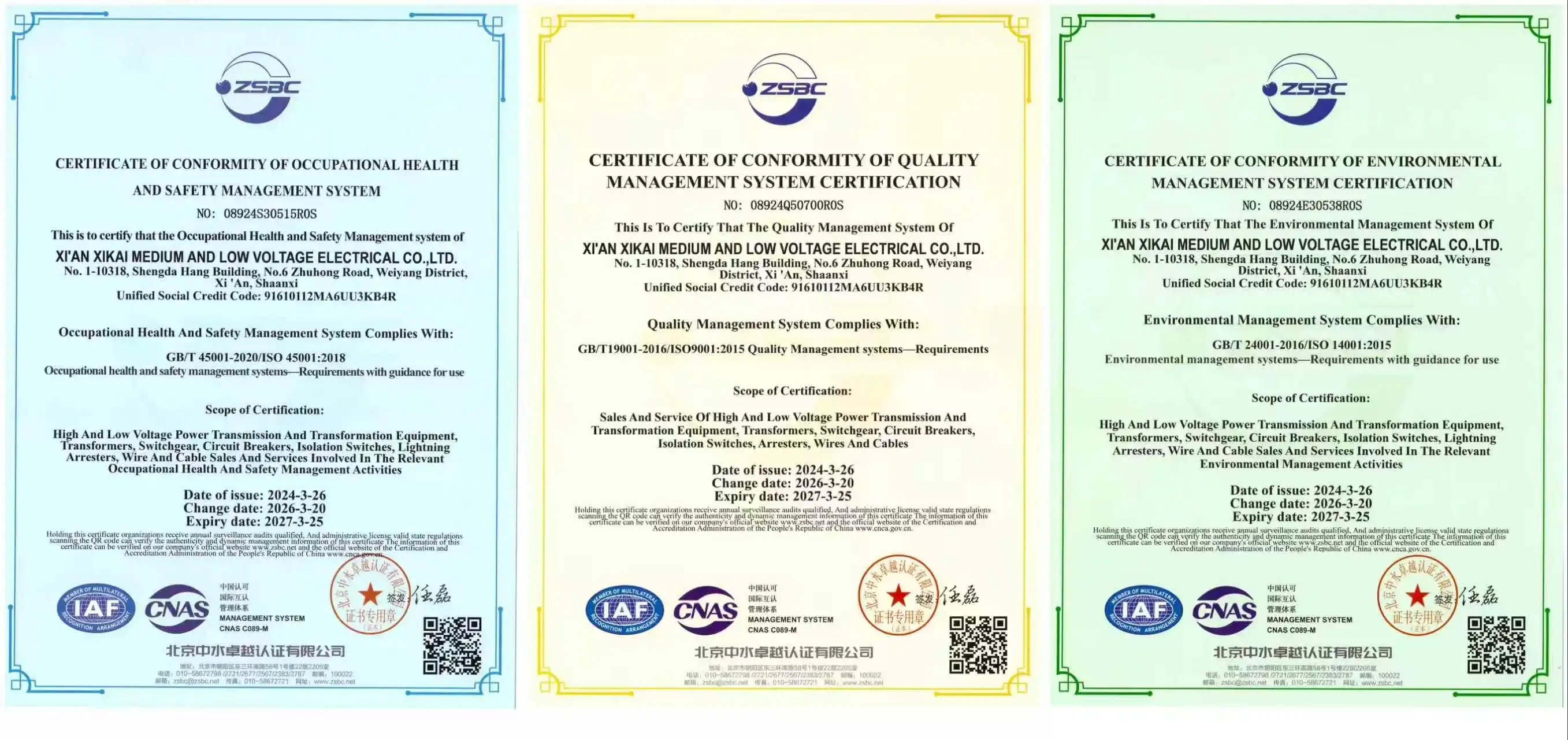
Rules about the environment make things even more complicated. The RoHS guidelines in the EU limit the use of dangerous materials in electronics, and California's Title 24 energy codes require reactive power compensation equipment to meet certain efficiency levels. Buying from companies whose factories are ISO 14001-certified makes sure that environmental rules are followed all along the supply chain. This lowers the risk of getting sued and supports companies' efforts to be more environmentally friendly.
Strategic Procurement Approaches for Power Capacitors
Implementing Supplier Relationship Management Frameworks
Forming long-term relationships with capacitor makers has benefits that can be measured that go beyond lowering unit costs. Working together gives people early access to product development processes, which lets big facility owners have a say in how new generations of tools are designed. A data center provider in the Midwest said that emergency procurement costs went down by 23% after switching from transactional buying to strategic partnership agreements with two main suppliers. These agreements included agreed priority allocation during component shortages.
Regular performance reports of delivery reliability, expert help responsiveness, and warranty claim handling efficiency are all parts of good supplier relationship management. The 400V Self-healing Capacitor-cylindrical BKMJ0.46-30-3 from Xi'an Xikai is an example of a product that was made with user feedback in mind. It has PU resin potting, which was created because customers asked for better moisture protection in installations in warm climates. Such incremental gains show how important it is for buyers and sellers to keep talking to each other.
Leveraging Total Cost of Ownership Analysis
Smart procurement teams compare capacitor choices by using total cost of ownership (TCO) models that include more than just the price of the capacitor itself. These models take into account things like installation labour, estimated maintenance cycles, and how often the capacitor needs to be replaced. Even though it costs more at first, a Self-healing Capacitor with 100,000+ operational hours and a design that doesn't need any upkeep has a lower total cost of ownership (TCO) than cheaper options that need to be replaced every two years. Energy economy measures are also very important. Capacitors with dissipation factors below 0.2W/kvar cut down on electrical losses, which saves money on utility costs over many years of use.
Spend analysis tools now connect building energy management systems with data on how well capacitors work. This lets procurement managers see in real time how well reactive power compensation is working. This data-driven method backs up what vendors say about improving the power factor and lets you negotiate an extension based on facts. When factories use these kinds of analytics, the return on investment (ROI) for buying capacitors goes up by 15 to 18% because of better sizing and planning for when to replace them.
Advanced Technologies Transforming Capacitor Procurement
Digital Platforms for Component Specification and Comparison
The way engineering teams look at and buy power quality tools has changed a lot since cloud-based buying systems came along. Modern platforms let users enter facility-specific details like grid voltage stability, harmonic distortion levels, and outdoor temperature ranges, and then they get a list of ranked suggestions for good capacitor models. These systems get information from maker databases that have full electrical traits, dimensional specs, and compatibility matrices. This speeds up the specification process, which used to take weeks of engineering analysis.
IoT-enabled capacitors with built-in sensors are the next big thing in managing power transfer. These smart parts send real-time information to central tracking systems about the internal temperature, capacitance drift, and the number of Self-healing events. Procurement managers get a whole new level of information about the health of their fleet, which lets them plan replacements before they go wrong in terrible ways. Xi'an Xikai's goods can be used in Industry 4.0 infrastructure designs because they can be integrated with such advanced monitoring environments.
Utilising AI in the evaluation of supplier risk
Machine learning algorithms now look at seller performance patterns across a number of variables, such as on-time deliveries, defect rates, and how quickly they respond to technical questions. They then create risk scores that are used to make buying choices. In the southwestern United States, a utility company used AI to evaluate suppliers. This cut grid failures caused by capacitors by 31% by proactively finding signs of falling vendor quality. These systems connect data points that don't seem to be linked, like problems getting raw materials in certain areas, to predict possible delivery delays months in advance.
Blockchain technology appears as a way to show where parts came from and the truth of certifications. Capacitors with blockchain-verified compliance records give purchasing teams permanent proof that quality control and testing procedures were followed during production. The problem of fake parts getting into supply lines through unauthorised distributors is still there, but this openness helps solve it.
Cultivating Reliable Supplier Partnerships
Establishing Performance Metrics and Audit Protocols
Long-term agreements that work well with capacitor manufacturers depend on clear performance standards and regular ways to check that they are being met. Leading procurement organisations do checks every three months that look at certificates for production facilities, records of calibrated testing equipment, and proof of employee training. This level of care makes sure that makers keep the quality standards they promised during the initial seller qualification processes.
Before it is shipped, the 400V Self-healing Capacitor-cylindrical BKMJ0.46-30-3 goes through strict production quality control tests, such as 72-hour load cycling tests, impulse voltage verification, and thermal shock trials. These rules, which are normal at Xi'an Xikai's ISO 9001-certified factories, give purchasing managers peace of mind that the quality of the goods will be the same for big orders that come from different production batches. Professional sellers are different from casual vendors who only focus on transactional sales because they are open about their internal quality processes.
Thoughts on Sustainability and Ethical Sourcing
Corporate responsibility programs are having a bigger effect on B2B buying choices in the electricity equipment sector. Facility managers with ESG (Environmental, Social, and Governance) goals give more weight to providers who can show they are reducing their carbon output and treating workers fairly. Companies that make capacitors that use reclaimed aluminium electrodes and green energy in their factories are in line with these values and can often save money by coming up with new ways to use materials more efficiently.
Ethical sourcing proof includes rules on conflict minerals and openness in the supply chain. Buying groups that work with government contractors or public companies are required by law to keep records of the responsible sourcing practices used by all of their suppliers. Manufacturers who provide full supply chain paperwork, such as origin certificates for raw materials and third-party audit reports, make it easier to comply with regulations and ease the administrative burdens of buying.
Conclusion
To find high-quality power factor correction capacitors, technical requirements and source skills need to be carefully aligned. As buying has changed from one-time transactions to working together, procurement teams at factories, utilities, and EPC companies can now get reliable parts while lowering costs over their whole life. Advanced technologies, like AI-powered risk assessment and IoT-enabled tracking, go along with basic methods like fully evaluating vendors and figuring out the total cost of ownership. Manufacturers that offer complete solutions, such as voltage levels that can be changed and strict quality certifications, provide the dependability needed for important infrastructure applications where capacitor failures have big practical and financial effects.
FAQ
1.How do I verify a capacitor manufacturer's quality certifications?
Get copies of the ISO 9001 certificates, the IEC compliance test results, and the audit paperwork from a third party. Genuine makers quickly give these papers to you along with records of building inspections. Check the truth of certification numbers by comparing them to the online records of the organisations that issued them. Manufacturers like Xi'an Xikai keep certification files that are open to the public and show that they follow foreign quality management standards.
2.What voltage rating should I specify for a 400V grid application?
To account for voltage changes and harmonic distortion, capacitors should be rated 10-15% above the standard grid voltage. A 440V or 450V capacitor on a 400V system makes it last longer by putting less stress on the insulating materials. Use the formula: Output ∝ V_actual²/V_rated² to find the effective output. This practice of derating is in line with what the IEEE says about tools used in industrial settings to compensate for unstable power.
3.Can self-healing capacitors operate in high-humidity coastal environments?
Yes, when it's clearly stated. Look for shelters with an IP54 rating and PU plastic pots that keep water out. The Self-healing Capacitors system still works in damp conditions, but the long-term dependability depends on how well the box is sealed. Manufacturers who make versions for warm climates use better sealing and connections that don't rust. Based on specific weather factors, Xi'an Xikai customises shelters for use in Southeast Asia and the Middle East, where humidity levels are high.
Partner with Xi'an Xikai for Superior Power Quality Solutions
Xi'an Xikai Medium & Low Voltage Electric Co., Ltd. is ready to be your sole source of Self-healing Capacitors. They have been making high-quality products for over 20 years and offer full tech support. Our 400V Self-healing Capacitor-cylindrical BKMJ0.46-30-3 has been used successfully in a wide range of settings, from data centers that need to keep vital information running smoothly to projects that use renewable energy. We give your operations the dependability they need with more than 15 patented technologies, ISO 9001 approval, and the ability to make changes for harsh conditions. Get in touch with our expert team at serina@xaxd-electric.com, amber@xaxd-electric.com, or luna@xaxd-electric.com to talk about your power factor correction needs and get custom solutions that come with a 10-year guarantee.
References
1. Institute of Electrical and Electronics Engineers. "IEEE Standard 18-2012: Standard for Shunt Power Capacitors." IEEE Standards Association, 2012.
2. International Electrotechnical Commission. "IEC 60252-1: AC Motor Capacitors - Part 1: General Performance, Testing and Rating." IEC Publications, 2019.
3. National Fire Protection Association. "NFPA 70: National Electrical Code - Article 460: Capacitors." NFPA Standards, 2023 Edition.
4. Zhang, Haoran, et al. "Reliability Analysis of Metallized Film Capacitors in Power Electronics Applications." IEEE Transactions on Power Electronics, Volume 34, Issue 8, 2019.
5. European Committee for Electrotechnical Standardization. "EN 50530: Overall Efficiency of Grid-Connected Photovoltaic Inverters." CENELEC Standards, 2021.
6. American Society of Heating, Refrigerating and Air-Conditioning Engineers. "ASHRAE Guideline 32: Selecting Power Factor Correction Equipment for HVAC Systems." ASHRAE Publications, 2020.