How does reactive power compensation affect the operation of a power transformer?
2026-06-04 15:57:59
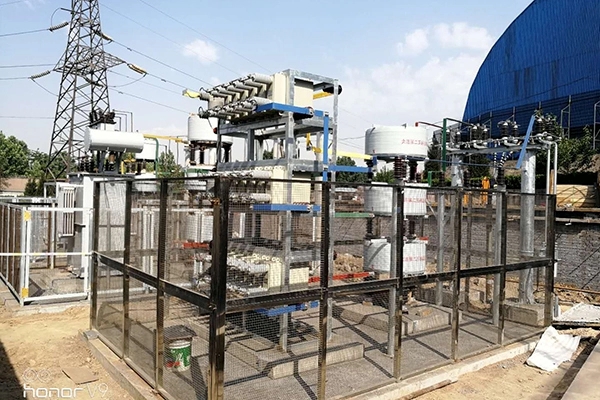
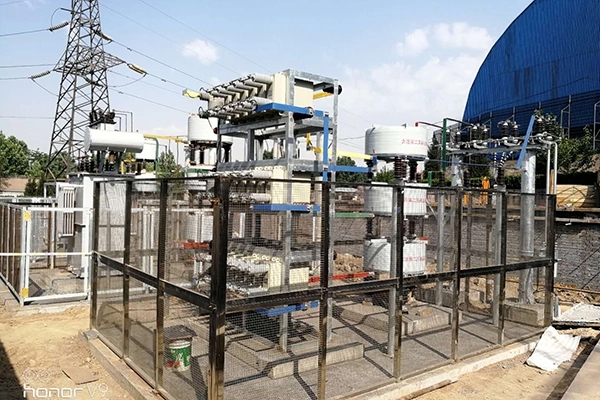
Reactive power compensation improves transformer operation by lowering current flow, thermal stress, and distribution network voltage. Motors and transformers pull reactive power from the grid, causing inefficiencies that increase losses and decline equipment performance. The AKW Outdoor Frame-type Reactive Power Compensation Device injects capacitive reactive power locally, improves power factor, extends transformer service life, and lowers operational costs for industrial facilities and utilities.
 |
 |
Understanding Reactive Power Compensation and Its Impact on Power Transformers
Power transformers power electrical distribution systems, but reactive power management in the network affects their efficiency and lifespan. Reactive power maintains magnetic fields for inductive devices, but doesn't operate. Transformers without sufficient compensation have higher current loads, copper and core losses, and insulation deterioration.
The Fundamentals of Reactive Power in Transformer Operations
Due to its induction, transformers need reactive power. When motors, arc furnaces, and other industrial equipment require reactive power, the transformer must supply it alongside active power. This dual load pushes the transformer to run at greater current levels than necessary, creating heat and limiting productive capacity. Critical performance indicators include power factor, the ratio of active to perceived power. A power factor below 0.85 indicates inadequate reactive power management, affecting transformer loads and thermal performance.
Modern compensating devices supply reactive power locally rather than through the distribution chain to overcome these inefficiencies. Inductive loads are neutralized using capacitor banks, allowing transformers to run closer to their rated capacity without thermal overload. Measureable results include decreased I²R losses in windings, lower operating temperatures, and enhanced voltage control in the distribution network.
How Compensation Devices Reduce Transformer Stress and Extend Lifespan?
Thermal stress is a major power transformer failure mechanism. Insulation materials last half as long for every 8°C operational temperature rise. Power factor correction using reactive compensation lowers transformer current flow for the same active power delivery, lowering winding temperatures. Thermal relief prolongs insulation life, reduces emergency failures, and reduces maintenance.
Beyond thermal benefits, voltage stability increases greatly. Transformers providing lengthy distribution lines or high industrial loads sometimes have voltage drop difficulties, especially during peak demand. Reactive power compensation stabilizes load point voltage, preventing transformers from operating outside their ideal tap settings due to undervoltage. This stability prevents voltage variations from stressing the transformer and related equipment.
Outdoor equipment running from 6kV and higher with capacity ranging from 300 kvar to 240 Mvar offers versatile options for utilities and industrial operations. These systems work well in substations and outdoor applications from -25°C to +45°C.
Common Compensation Technologies and Their Transformer Protection Role
Different reactive power compensation solutions suit power distribution network operating demands. For steady loads, fixed capacitor banks provide continual reactive power injection at low cost. Intelligent automatic switching capacitor banks change compensation levels depending on real-time load situations to ensure optimal power factor during daily demand cycles.
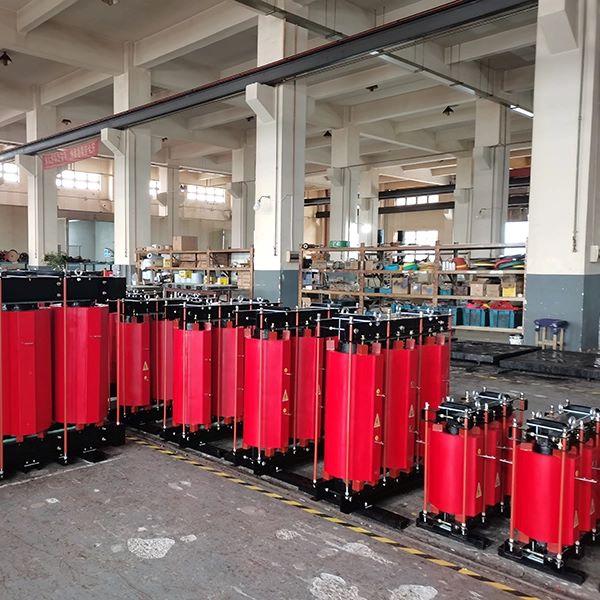
Advanced methods use series reactors to detune capacitor circuits, reducing harmonic resonance that can damage transformers and other sensitive equipment. These reactor-equipped systems filter harmonics from variable frequency drives and rectifiers, preventing transformer harmonic heating and mechanical vibration. Reactor inductance and capacitor banks form a series LC circuit tuned below the lowest significant harmonic frequency, usually 5th or 7th order.
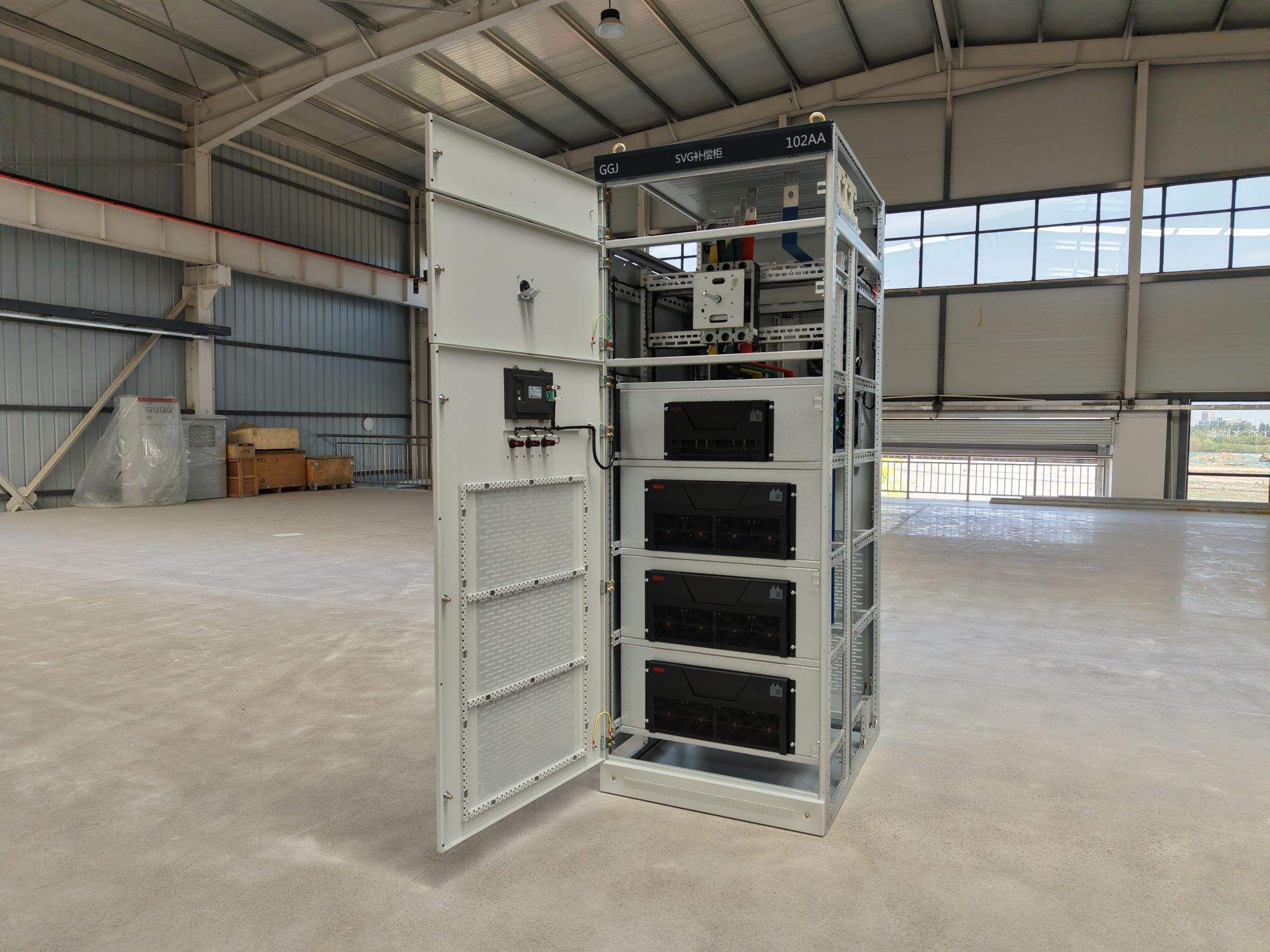
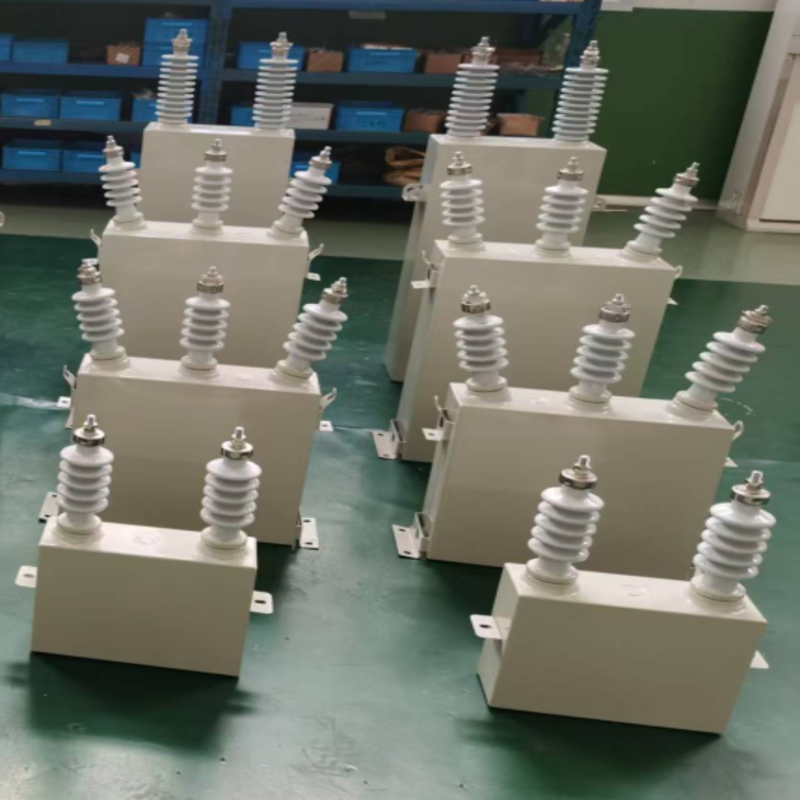
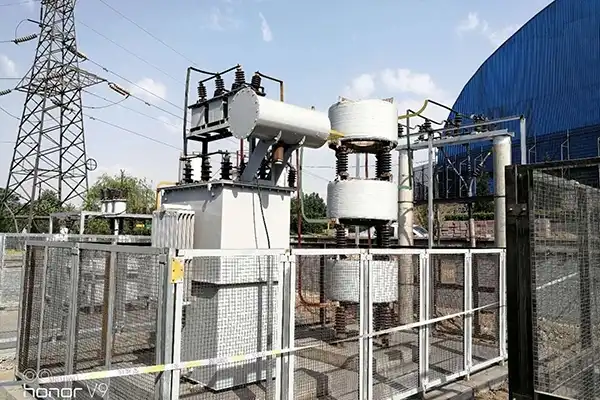
In a sturdy substation-designed framework, frame-type outdoor compensating devices house capacitors, reactors, discharge coils, and surge arresters. Their open-frame construction allows natural convection cooling, eliminating mechanical cooling, and providing reliable operation in dusty, humid, or high-altitude situations up to 1,000 meters and beyond with suitable derating.
Core Features and Benefits of the AKW Outdoor Frame-type Reactive Power Compensation Device
Xi'an Xikai's outside frame solution meets utility substation, heavy industrial, and renewable energy installation requirements. Power engineers and procurement managers may determine if this equipment meets their operational needs by understanding the technical specs and practical benefits.
Technical Specifications and Standards Compliance
Starting at 6kV, the AKW Outdoor Frame-type Reactive Power Compensation Device functions in medium and high voltage systems with capacities from 300 kvar for local distribution applications to 240 Mvar for big substation installations. This flexibility lets system integrators tailor compensating capacity to reactive power needs without overinvesting in equipment.
Its hallmark is environmental resiliency. The gadget works successfully from -25°C to +45°C, withstands harsh northern cold and desert heat. Airborne pollutants on equipment surfaces in coastal, industrial, and agricultural areas cause flashover failures, although insulators with large creepage distances withstand contamination. Infrastructure planners must address earthquake-prone locations' operational continuity because to high mechanical strength and seismic performance.
International standards like IEC 60831 and IEEE 18 simplify device certification and grid code compatibility. Standardization decreases procurement risk and enables multi-site installations across regulatory jurisdictions.
Operational Benefits for Industrial and Commercial Clients
Energy efficiency improves shortly after commissioning. By increasing power factor above 0.95, facilities avoid utility penalties and require less grid power. This decrease in current flow reduces distribution system resistive losses, lowering monthly power expenditures. Data centers, factories, and hospitals with continuous processes have high ROIs.
Transformer lifespan is greatly increased by thermal stress reduction. Lower operating temperatures protect insulation, decreasing catastrophic failures that cause costly emergency repairs and production downtime. Predictable maintenance scheduling lets facilities plan interventions during scheduled downtime rather than responding to unforeseen problems.
Modern industrial electronics are protected by voltage quality enhancements. Computer numerical control machines, programmable logic controllers, and precision instruments work better with stable, consistent voltage. The compensating device's dynamic voltage regulation eliminates digital system and process disruptions from sags and swells.
Integration with Existing Transformer Infrastructure
Retrofit substations with limited space and downtime windows require simple installation. Compact frames are ideal for space-constrained urban substations because they require less room than cabinet-based systems. Clear wiring and component layout facilitate installation and maintenance, decreasing labor costs throughout the device lifespan.
Remote monitoring and real-time grid adjustment are possible with supervisory control and data collecting systems. Power engineers can monitor power factor trends, spot concerns before they increase, and adjust compensation without field staff. Smart grid efforts and predictive maintenance plans benefit from this interconnectedness.
Modular design facilitates capacity extension as facility loads increase. Additional capacitor banks and components can be added into the frame structure to safeguard the initial investment and accommodate company growth or process intensification.
Comparing AKW Outdoor Frame vs Indoor Reactive Power Compensation Devices
Environmental Resilience and Performance Metrics
Outdoor frame devices thrive in severe environments that challenge enclosed equipment. Open construction improves heat dissipation through natural air circulation, minimizing hot spots that accelerate component deterioration in sealed cabinets. This passive cooling advantage is substantial when ambient temperatures surpass 35°C, frequent in industrial settings. Sealed performance qualities protect electrical integrity in demanding outdoor substations from moisture and dust.
Indoor cabinet systems need temperature control to work properly. This protects against harsh weather, but it requires building infrastructure, HVAC systems, and higher civil construction expenditures. Facilities must provide indoor space—rare in urban areas—and ventilation to eliminate capacitor bank and reactor heat.
Utility deployment performance data shows the outside frame's dependability benefit. Mining installations, where dust concentrations are high, have continued operations for over a decade with minimum intervention. Hot-dip galvanized steel frame structure and substantial creepage distance design prevent corrosion and insulation deterioration in coastal substations exposed to sea spray.
Lifecycle Cost Comparison and Total Ownership
Initial capital investment is only portion of procurement. Outdoor frame solutions save project investment by 15-25% compared to interior options needing dedicated structures. The simple civil work—usually a concrete foundation pad and cable trenches—speeds up project completion and lowers site preparation costs.
Equipment maintenance expenses vary greatly over time. AKW Outdoor Frame-type Reactive Power Compensation Device outdoor units need just yearly visibility checks for insulator contamination and biannual connection tightening, unlike inside cabinets that need quarterly filter cleaning and forced-air cooling system maintenance. Open frame component accessibility minimizes mean time to repair whenever interventions are needed, reducing downtime costs.
Energy efficiency favors outdoor methods. Outdoor frames use passive cooling, but inside installations use more electricity for HVAC systems to maintain appropriate temperatures. During a normal 15-year service life, auxiliary power savings increase, enhancing ROI.
Downtime risk should be considered in TCO calculations by procurement managers. The outdoor frame's reliability in harsh environments increases availability, which is important for critical infrastructure like hospital emergency systems and continuous process manufacturing, where even brief interruptions can have significant financial consequences.
Installation, Maintenance, and Practical Application of AKW Outdoor Frame Reactive Power Devices
Installation Guidelines and Site Preparation
Planning, execution, and equipment maintenance are essential for deployment success. Engineering teams improve equipment performance and lifetime by understanding best practices. The site must be accessible for installation and maintenance and have electrical safety clearances. According to local construction requirements, the concrete foundation must be level and solid enough to sustain equipment and seismic loads. Grounding system design must create low-impedance connections to the substation ground grid for surge arrester functioning and worker safety.
Electrical and mechanical factors must be considered while sizing and routing cables. Conductors must withstand rated currents without voltage loss and give enough mechanical strength and flexibility for thermal expansion. Foundation entry ports should be sealed against water penetration and allow future cable additions as system capacity grows.
Selective fault operation is achieved by protection cooperation with upstream and downstream devices. Overcurrent, undervoltage, and unbalance protection must work with transformer protection relays and feeder breakers to isolate issues without system disturbance. Commissioning checks ensure all protective features work before energization.
Routine Maintenance and Diagnostic Procedures
Preventive maintenance methods improve equipment life and detect flaws before they fail. Insulators are visually inspected for contaminants, fractures, and tracking damage that might impair electrical integrity. In planned downtime, infrared thermography identifies hot connections suggesting loose hardware or internal component deterioration for repair action.
Electrical testing evaluates capacitor health by measuring capacitance and dissipation factor. Nameplate deviations or dissipation factor increases indicate internal deterioration, requiring replacement before catastrophic failure. Reactor inductance testing shows no turn-to-turn defects, guaranteeing harmonic filtering performance meets design requirements.
Automatic switching logic, voltage and current sensing circuits, and communication interfaces are tested via control system diagnostics. Simulation of various load scenarios during maintenance periods verifies the compensating device responds effectively over its operational range, ensuring system dependability.
Industry Applications Across Diverse Sectors
Manufacturing plants with large motor loads benefit greatly from reactive compensation. In electric arc furnace steel mills, reactive power swings stress transformers and produce voltage flicker impacting nearby loads. Compensation devices lower utility demand and stabilize voltage, making cost-sensitive markets more competitive.
Wind and solar farms have reactive power issues. Inverter-based generating generates harmonics that require filtering and yield little reactive power. Substation-level compensation protects step-up transformers from harmonic heating and delivers reactive assistance for grid code compliance.
As power quality awareness rises, hospitals, data centers, and shopping malls install compensating devices. Advanced electronic equipment in these facilities is vulnerable to voltage fluctuations and power outages. Maintaining high power factor and constant voltage protects essential systems and lowers electricity expenditures.
Why Choose AKW Outdoor Frame Reactive Power Compensation Devices?
Market Position and Technical Leadership
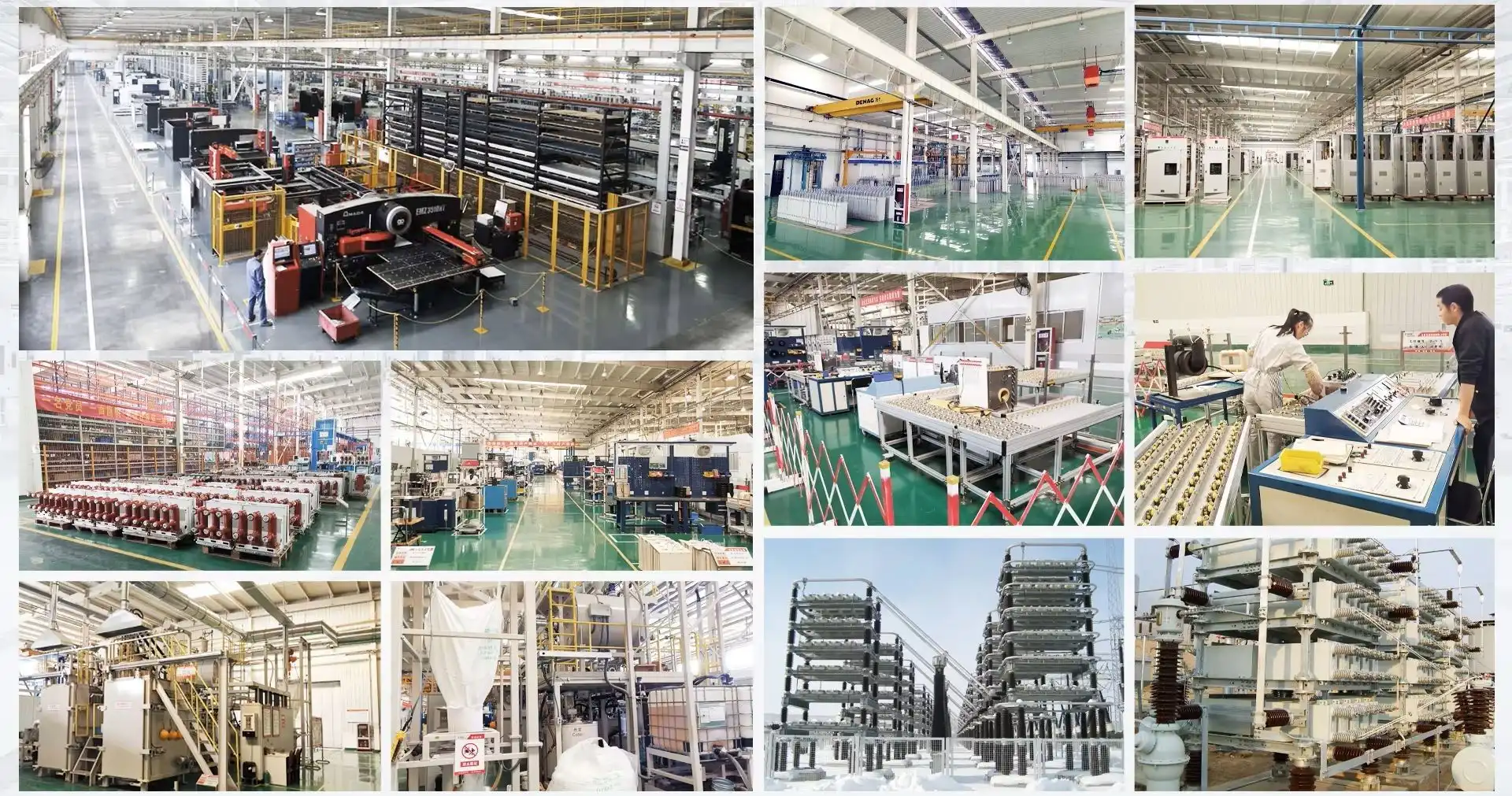
One of China's top medium and low-voltage electrical equipment manufacturers, Xi'an Xikai produces AKW Outdoor Frame-type Reactive Power Compensation Device seven key product categories and over 100 varieties. These skills allow reactive compensation devices to work smoothly with switchgear, transformers, and other distribution equipment, easing system design and interface issues.
Our plateau-type equipment adaptations can operate at elevations up to 4,000 meters for hydropower installations, mining activities, and infrastructure projects in hilly places where traditional equipment has insulation coordination issues. This expertise shows our dedication to tackling real-world application problems rather than providing generic answers.
Multiple unique innovations in our compensating devices improve performance and operations. Many years of study have gone into advanced harmonic filtering algorithms, sophisticated switching logic, and efficient thermal management systems for customer success.
Customization Capabilities and Technical Support
Each installation has distinct voltage levels, harmonic profiles, space limits, and climatic conditions. Our engineers collaborate with clients to customize equipment to application specifications. Special voltage ratings, reactor calibration, and SCADA integration enable maximum performance without sacrifice.
Application engineering during specification begins technical support throughout equipment lifespan. Our power system experts examine load profiles, harmonic studies, and operational and budget-friendly compensation techniques. Customers avoid over-specification and excessive expenditure while assuring expansion capacity with this collaborative approach.
Assistance with installation and commissioning speeds up projects and ensures effective deployment. Field service engineers evaluate installation, perform functional testing, and educate facility staff on operation and maintenance during important project phases. This hands-on approach decreases commissioning risk and boosts client confidence.
Service Excellence and Long-term Partnership
After-sales service differentiates outstanding from commodity suppliers. Our extensive spare parts inventory ensures fast component replacement. Local help in important markets reduces response time for urgent assistance through our global service network.
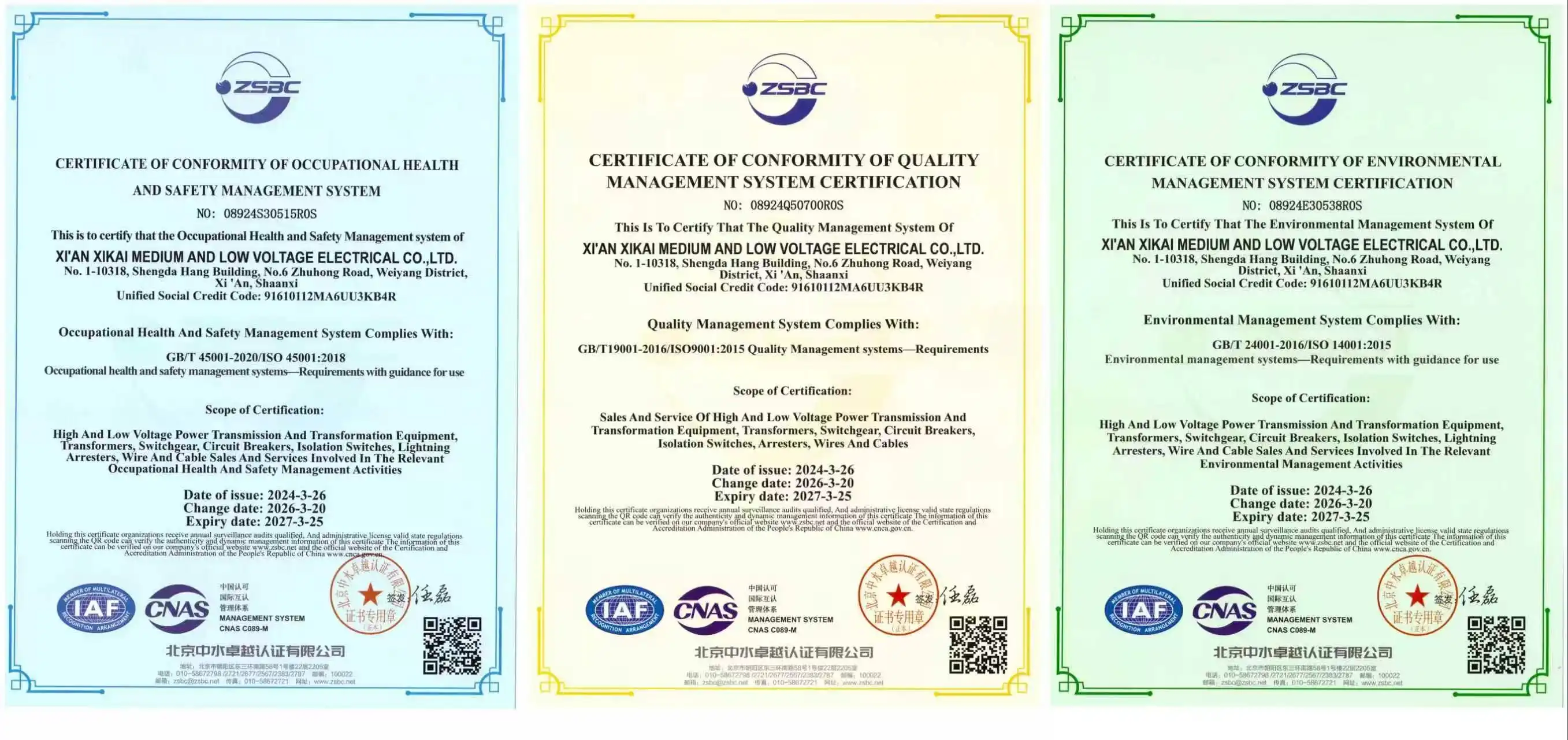
Warranty coverage shows our trust in product and production quality. Every unit is tested at 23 quality checkpoints, from raw material inspection to functional verification. ISO 9001 accreditation and a thorough quality assurance procedure ensuring equipment arrives at customer sites ready for dependable service.
Long-term partnerships form when suppliers consistently support client success. Our application engineering team supports capacity expansions, system updates, and performance optimization throughout equipment life. Beyond the transaction, this connection supports clients' increasing operational demands.
Conclusion
Reduced current flow, thermal stress, and distribution network voltage stabilization enhance AKW Outdoor Frame-type Reactive Power Compensation Device transformer operation with reactive power compensation. Industrial facilities, utilities, and commercial operations gain competitive advantages from increased equipment lifespan, lower energy costs, and better power quality. Outdoor frame compensating systems provide superior environmental resilience, easier installation, and lower lifespan costs than interior options. Successful installation and long-term satisfaction are assured by choosing equipment from reputable manufacturers with strong technical skills, extensive support infrastructure, and customer cooperation.
FAQ
1. How quickly can reactive compensation improve transformer efficiency?
Energization brings instant benefits. Power factor correction decreases transformer current flow in milliseconds, reducing resistive losses and thermal stress in the first operating cycle. The following utility billing cycle shows energy cost improvements as demand charges decline and efficiency savings accumulate.
2. What environmental conditions limit outdoor frame device operation?
The gadget works consistently in most worldwide climatic zones from -25°C to +45°C. Insulation changes may be needed above 1,000 meters to prevent flashover in low air density. Coastal facilities provide better corrosion protection, but excessive pollution may require more regular insulator cleaning to preserve electrical clearances.
3. How does compensation equipment integrate with renewable energy systems?
Intermittent generation and inverter-produced harmonics make renewable installations difficult. Compensation devices with appropriately tuned reactors filter harmonics and provide reactive assistance that inverters cannot, assuring grid code compliance and transformer protection from harmonic heating and mechanical stress.
Partner with Xi'an Xikai for Superior Reactive Power Compensation Solutions
Xi'an Xikai can help you meet your power quality goals with designed compensating solutions. The AKW Outdoor Frame-type Reactive Power Compensation Device operates well in harsh industrial situations and comes with extensive technical support and fast servicing. Our equipment satisfies stringent international standards and offers outstanding value throughout its operating lifespan, so procurement managers and power engineers may confidently specify it. We serve urgent retrofit projects and planned new construction with a broad inventory and flexible delivery dates as a reliable AKW Outdoor Frame-type Reactive Power Compensation Device provider. Discuss reactive power issues with our application engineering team at serina@xaxd-electric.com, amber@xaxd-electric.com, or luna@xaxd-electric.com.
References
1. Smith, J.R. & Anderson, M.K. (2021). "Reactive Power Management in Industrial Distribution Systems: Transformer Impact Analysis." IEEE Transactions on Industry Applications, 57(4), 3342-3351.
2. Chen, W. & Roberts, D.L. (2020). "Thermal Life Assessment of Power Transformers Under Variable Power Factor Conditions." International Journal of Electrical Power & Energy Systems, 118, 105-118.
3. National Electrical Manufacturers Association. (2022). "NEMA Standards Publication for Shunt Capacitors and Reactive Power Controllers." NEMA CP1-2022, Rosslyn, VA.
4. Wilson, T.G., Kumar, S., & Zhang, Y. (2019). "Harmonic Mitigation Techniques for Modern Industrial Power Systems." Power Engineering Society Technical Report PES-TR88, Institute of Electrical and Electronics Engineers.
5. European Copper Institute. (2023). "Energy Efficiency in Electrical Distribution: The Role of Power Factor Correction." Technical Guidance Document TGD-2023-07, Brussels, Belgium.
6. Lopez, R.A. & Thompson, K.J. (2020). "Lifecycle Cost Analysis of Indoor versus Outdoor Substation Equipment in Variable Climate Zones." Journal of Power System Economics, 12(3), 67-84.