Reactive Power Compensation in Substation & Distribution Systems
2026-06-04 15:58:03
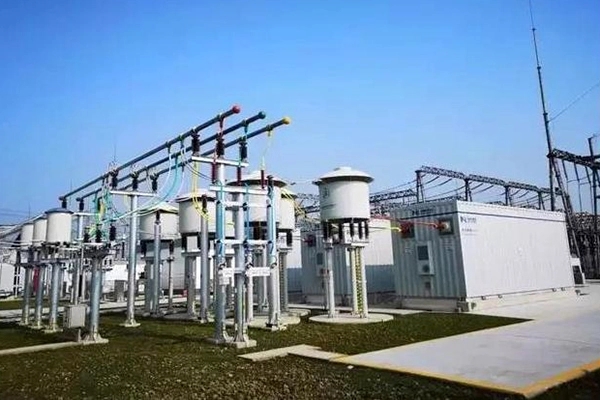
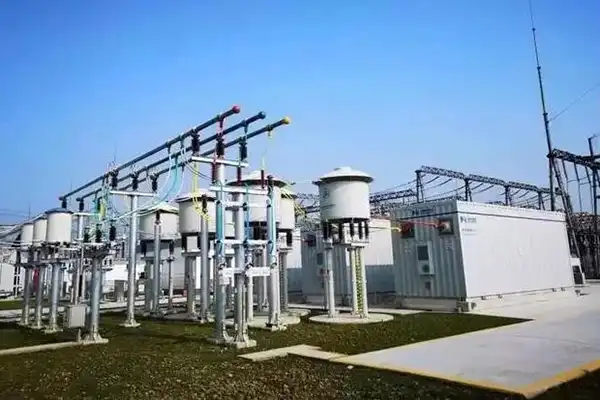
Substation and distribution reactive power compensation solves voltage stability and power quality concerns that affect operational efficiency. Capacitive compensation balances inductive loads to optimize power factors and reduce energy losses. The AKW Outdoor Frame-type Reactive Power Compensation Device is a proven solution for medium-to-high voltage networks, with scalable capacity from 300 kvar to 240 Mvar and remarkable environmental resilience across temperature extremes.
 |
 |
Understanding Reactive Power Compensation in Power Systems
The Fundamentals of Active and Reactive Power
Power systems use two energy sources. Active power powers motors, lights, and equipment. Although reactive power does not produce work, it maintains magnetic fields for inductive devices. Without reactive compensation, voltage sags, equipment overheats, and utility fines mount.
Poor power factors from transformers, motors, and welding equipment plague industrial operations. Inductive loads need reactive current across distribution lines, causing resistive losses and transmission capacity use. Compensation devices neutralize inductive effects locally by injecting capacitive current at key spots instead of pulling reactive power from distant generating sources.
How Frame-Type Compensation Technology Works?
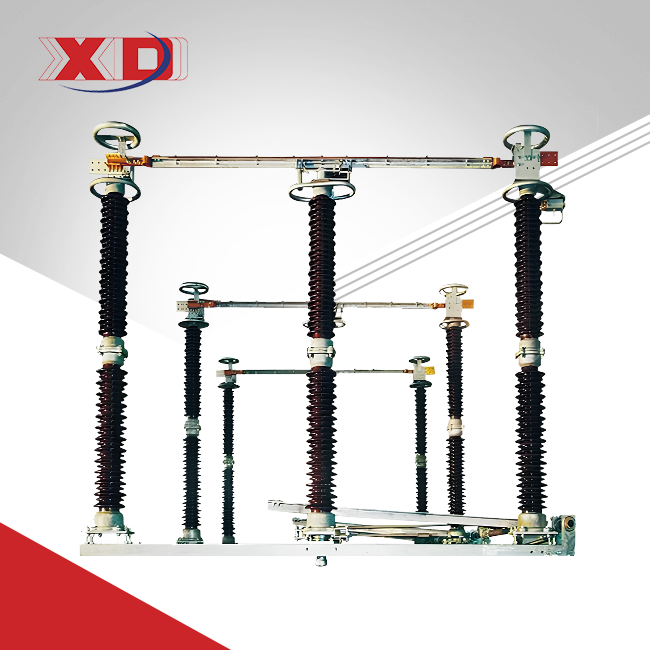
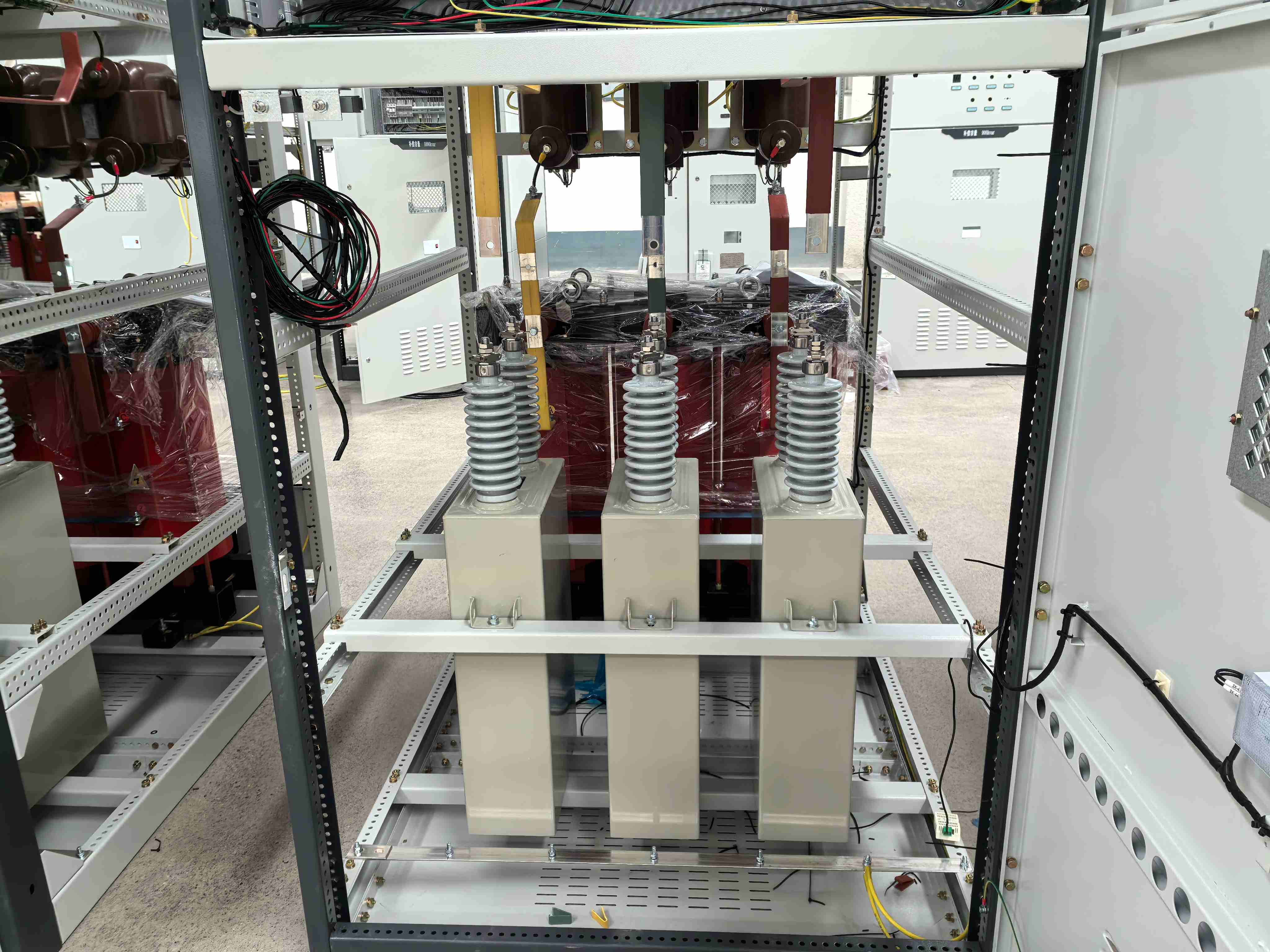
AKW Outdoor Frame-type Reactive Power Compensation Devices use open-structure architecture. Frame-mounted equipment uses natural convection for temperature management, unlike enclosed cabinets. High-voltage capacitor banks use series reactors to prevent harmonic resonance and compensate stagedly.
Discharge coils, surge arresters, and imbalance sensors are included into the galvanized steel exterior frame. With this modular architecture, technicians may service individual banks without system-wide shutdowns. Intelligent controllers adjust capacitor stages to reactive demand based on voltage, current, and power factor.
Technical Specifications Aligned with Industry Standards
Xi'an Xikai's engineering team created our frame-type solution for tough utility and industrial applications. The voltage rating supports 6kV networks through 35kV transmission systems for distribution substations and industrial plants. Scalable capacity arrangements provide exact facility reactive load matching.
Our concept protects coastal, desert, and industrial settings against contamination-induced flashovers with Pollution Class IV creepage distances. Reinforced busbar connections and flexible conductor layouts absorb ground motion without compromising electrical integrity, making the mechanical construction seismically resistant. Wide temperature range of -25°C to +45°C ensures stable operation in continental climates.
Compliance with IEC 60831 capacitor and IEEE 18 shunt capacitor standards is verified. The quality assurance process comprises power frequency withstand voltage testing, lightning impulse verification, and full-load temperature increase measurements. These certificates give procurement teams proof of regulatory and insurance compliance.
Benefits and Performance of Outdoor Frame-Type Reactive Power Compensation Devices
Energy Savings Through Power Factor Optimization
Poor power factor increases electricity costs for factories and data centers. Facilities that draw excessive reactive current incur demand penalties, which can increase monthly costs by 15-30%. Compensation systems raise power factor above 0.95, eliminating fines and lowering internal distribution network line losses.
After installing our AKW Outdoor Frame-type Reactive Power Compensation Device at their main 13.8kV substation, a Midwest steel production factory chronicled their experience. With measured line losses reducing 22% throughout their 2-mile internal distribution loop, monthly energy bills dropped $43,000 yearly. After equipment and installation charges, the payback period was 18 months.
Improved power factor boosts transformer and cable capacity and saves money. When reactive components decrease, apparent power (kVA) distribution equipment transmits more active power (kW). Expanding facilities sometimes find old infrastructure can handle increased loads following compensation installation, delaying costly equipment improvements.
Enhanced Operational Reliability and Equipment Protection
Voltage instability shortens equipment life, damages sensitive electronics, and trips protective relays. Local reactive support from reactive compensation stabilizes voltage profiles, especially during motor starting transients and load changeover. Hospitals need this protection to maintain life-safety systems and data centers for uptime.
Our outdoor frame devices use tuned reactor selection for harmonic filtering. Series reactors detuned to 6% or 12% reactance avoid background harmonic resonance from variable frequency motors and power electronic converters. Transformer insulation, capacitor failure, and nuisance breaker tripping are protected by reactive compensation and harmonic suppression.
Sealed construction and corrosion-resistant materials offer long-term endurance in tough outdoor situations. Hot-dip galvanized frames prevent corrosion in humid coastal locations, and high-grade porcelain insulators withstand pollution. We've verified 15+ years of reliable installations in Gulf Coast refineries and Great Plains electrical substations subjected to severe temperatures, humidity, and airborne pollutants.
Maintenance Advantages and Total Cost of Ownership
Conventional indoor compensating systems need ventilation, lighting, and access infrastructure in specialized buildings. Civil engineering costs are eliminated and maintenance access is simplified with our frame-type method. Technicians do visual inspections, thermographic surveys, and capacitance measurements without accessing tight places or complex cabinet layouts.
The modular architecture allows gradual improvements as facility loads grow. Adding compensating capacity requires adding capacitor banks to the frame structure, not changing systems. Scalability preserves capital expenditures and supports corporate development, especially in industrial parks and manufacturing expansion.
Downtime reduction translates directly to productivity gains. Compact wiring and identified connection points save maintenance by 40% compared to typical installations. After years of use, technicians replace capacitors during scheduled outages rather than emergency shutdowns that impede production.
Comparison and Market Positioning of Reactive Power Compensation Devices
Outdoor Frame-Type Versus Indoor Cabinet Solutions
Facility planners choose compensation technology based on several variables. Urban substations with limited space and architectural concerns prefer inside cabinets for aesthetics and weather protection. The enclosed architecture necessitates energy-intensive forced-air cooling equipment.
AKW Outdoor Frame-type Reactive Power Compensation Device layouts work well in utility substations, industrial operations, and distant places where building costs are high. Open construction improves heat dissipation, allowing components to function at lower temperatures and lengthen service life. Fan failures, filter cleaning, and mechanical ventilation noise are eliminated with natural cooling.
Economic analysis always supports frame-type medium-voltage solutions. Due to reduced building costs, site preparation, and foundation requirements, installation costs are 30-40% cheaper. Reduced cooling power use and maintenance labor lower operating costs, improving 20-year lifespan cost comparisons.
Efficiency and Lifespan Performance Metrics
Compensation system efficiency and durability depend on capacitor quality. Our vacuum-impregnated capacitors have minimal dielectric loss (tan δ ≤ 0.05%), reducing self-heating and energy waste. High-purity aluminum foil resists voltage stress and temperature cycling, preserving capacitance throughout time.
Our performance claims are verified by independent labs using accelerated life testing. At typical operating settings, capacitor banks at 150% voltage stress at extreme temperatures have service lifetimes beyond 100,000 hours. This durability ensures 15+ years of reliable utility and industrial duty cycles.
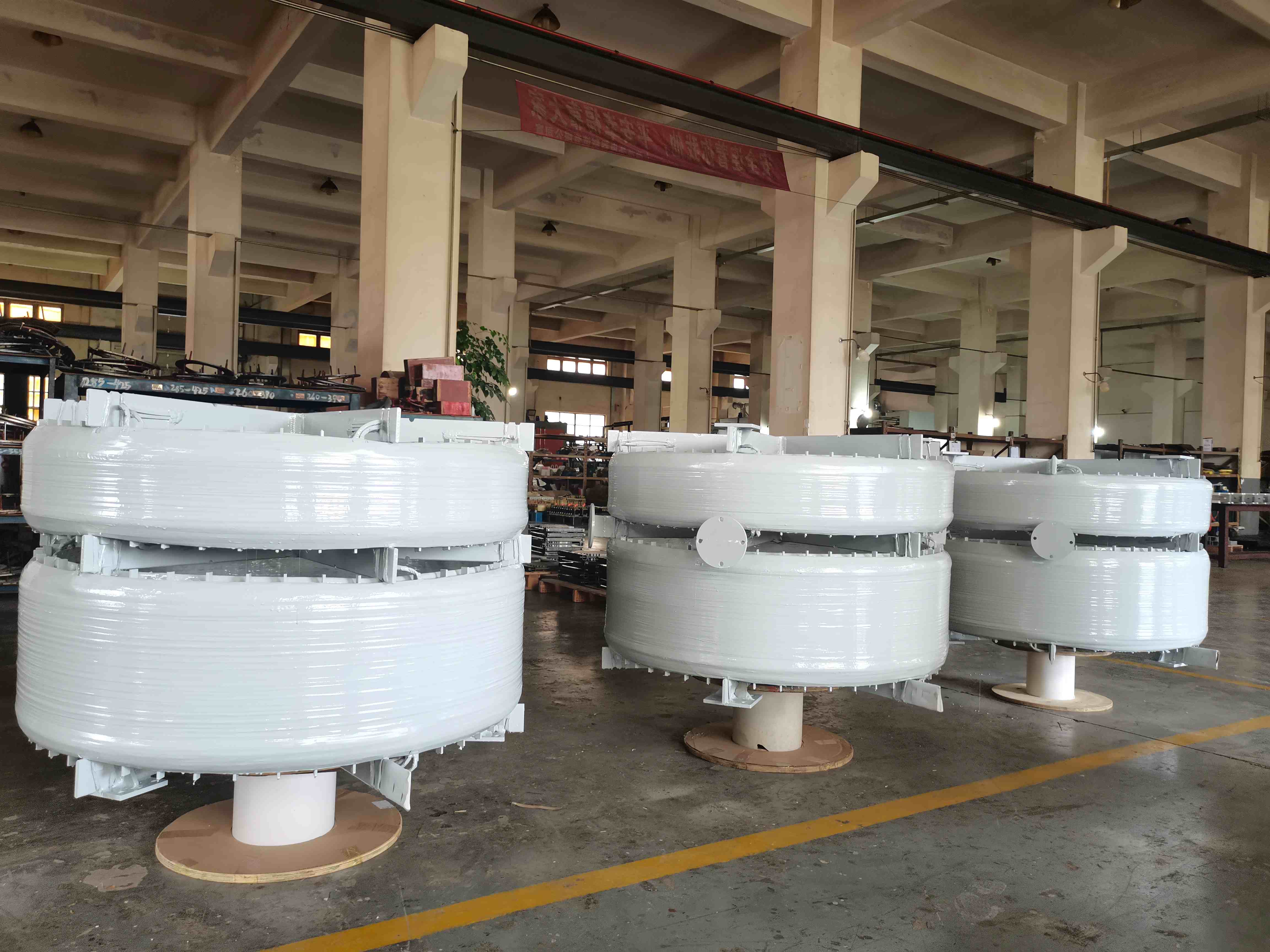
System performance is greatly affected by series reactor choices. Iron-core reactors are small yet have core losses and saturation concerns. Our air-core reactor overcomes these issues and improves linearity across current ranges, but it takes up more space. Engineering teams advise clients on site limits and performance goals.
Certification and Brand Reputation
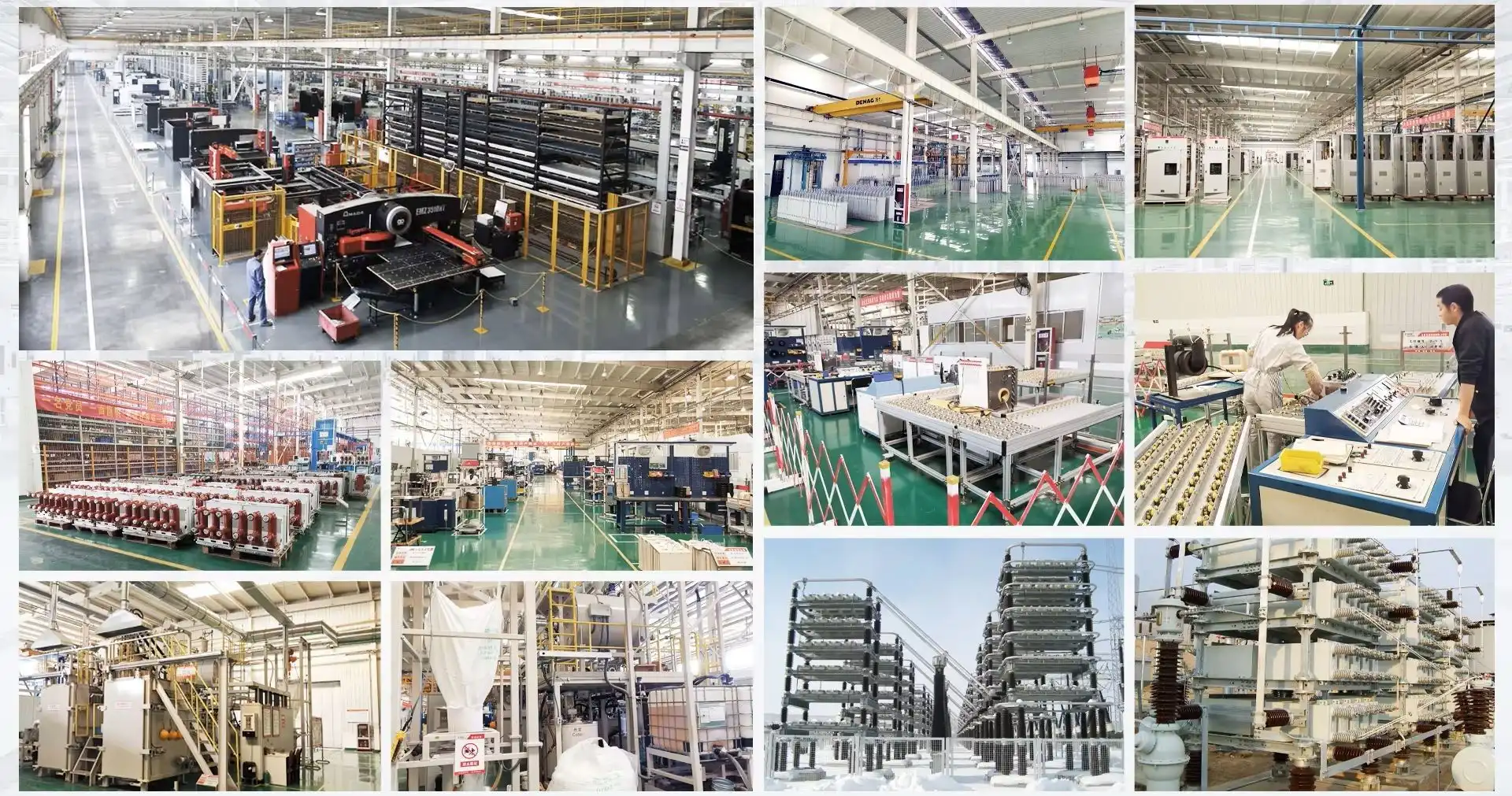
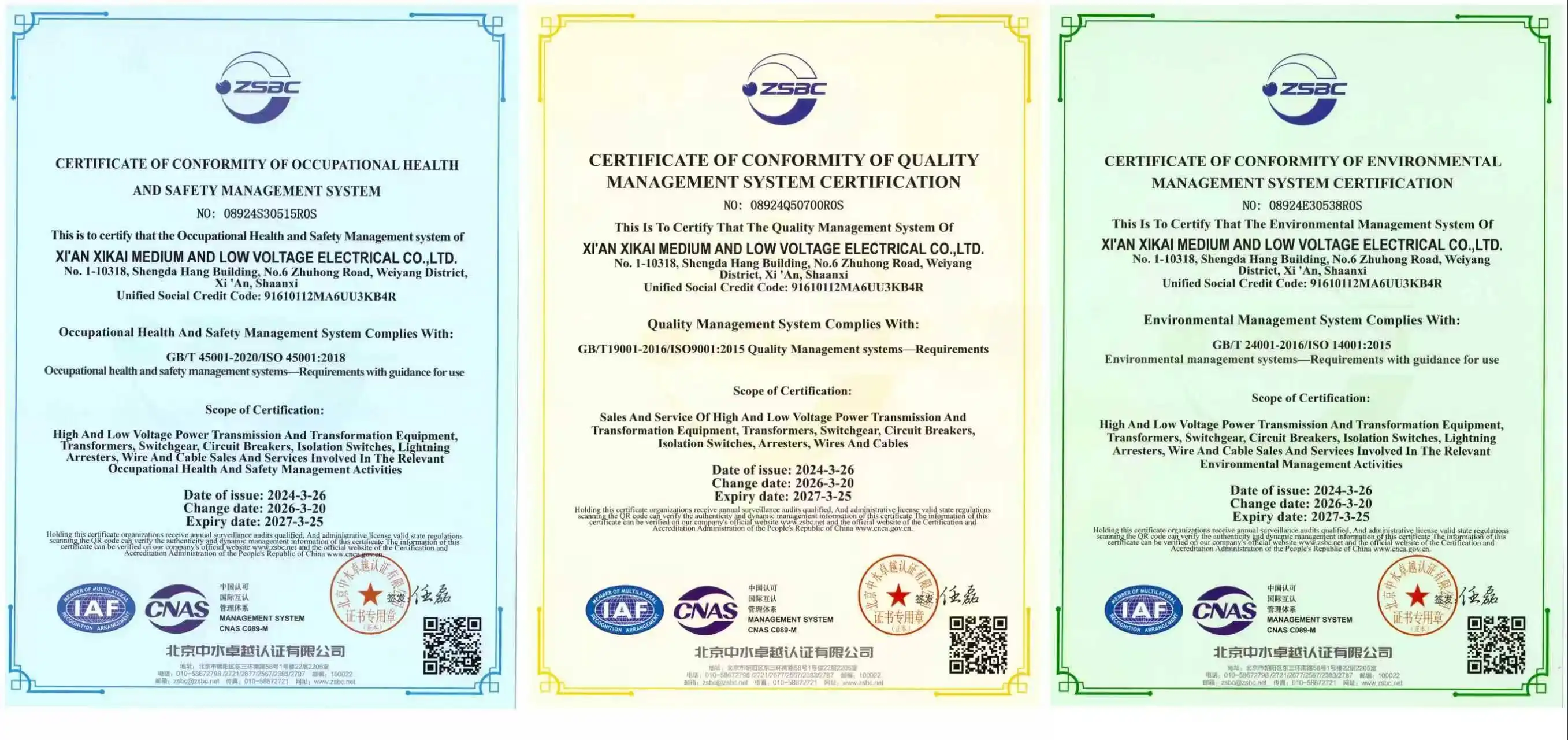
Xi'an Xikai's production process, from raw material inspection to final testing, is ISO 9001 certified. Every compensation device conducts 23+ quality checks, including capacitance, high-voltage withstand, discharge coil, and protection system calibration. This thorough quality assurance supports warranty claims and regulatory compliance.
Our engineering goes beyond product manufacture. Technical committees received real field experience from team members establishing reactive compensation equipment national standards. We have many patents for capacitor bank protection, outside insulation coordination, and modular frame designs that facilitate installation and maintenance.
Utility, industrial, and infrastructure customers use our mission-critical equipment. State Grid substations, steel mill distribution systems, and renewable energy facilities use our compensating devices in varied locales. Prospective purchasers can evaluate real-world performance under their intended settings at this installed base.
Procurement Guide for Outdoor Frame-Type Reactive Power Compensation Devices
Defining System Requirements and Specifications
Accurate load analysis starts compensation projects. Power quality monitoring helps engineers determine facility power factor, reactive power consumption, and harmonic content. Dynamic load compensation capacity, harmonic filtering, and switching configurations depend on this data.
Facility distribution architecture must match system voltage ratings. Our standard AKW Outdoor Frame-type Reactive Power Compensation Device products support 6kV, 10kV, and higher voltage classes, with bespoke configurations for unique applications. Large manufacturing complexes and utility substations require multi-Mvar capacity, whereas smaller industrial facilities need 300 kvar.
Environmental factors affect equipment design. Coastal installations need corrosion protection, high-altitude locations need insulation coordination changes, and severe temperatures may need component derating. Our technical team examines site circumstances throughout quotation creation to ensure suggested equipment meets application needs without over-engineering and increasing expenses.
Ordering Process and Commercial Terms
B2B procurement starts with tech advice. Customers submit facility single-line diagrams, load profiles, and site environmental data via xaxd-electric.com or our technical sales team. Within 5-7 business days, engineers assess requirements, propose configurations, and provide official bids.
Standard payment terms support global procurement. We accept letters of credit, wire transfers, and project-phased payments for major installations. Pricing covers equipment production, factory testing, technical documentation, and basic commissioning. Numerous-unit orders and supply agreements for numerous project sites receive volume savings.
Complexity of configuration and production queue affect lead times. Following order confirmation, standard voltage ratings with common capacity combinations ship within 8-12 weeks. Custom designs needing non-standard components or testing might take 14-16 weeks. We update production status and schedule deliveries according to project requirements.
Warranty Coverage and Post-Sale Support
A comprehensive warranty covers manufacturing flaws and premature component breakdowns. Standard warranty is two years from commissioning or 30 months from shipment, whichever comes first. Due to their importance, capacitor banks have extended warranty and prorated replacement provisions to safeguard purchasers from early deterioration.
Technical assistance after sales assures installation and continuous use. Our remote commissioning team reviews test methods and starting sequences with site staff. Technical specialists use thorough troubleshooting techniques to resolve issues quickly and minimize downtime.
Maintenance planning and emergency repairs benefit from spare parts. We stock capacitor elements, discharge coils, and protective relays for quick distribution should problems occur. Long-term parts support protects consumers from obsolescence issues that affect equipment maintenance years after installation.
Installation, Maintenance, and Troubleshooting of Outdoor Devices
Best Practices for Safe and Compliant Installation
Site pretreatment affects system lifespan and performance. Foundations must support equipment, endure earthquake effects, and allow cable access. Foundation designs include concrete strength requirements, anchor bolt arrangements, and drainage systems to minimize water gathering around equipment bases.
Electrical installation is safety-controlled. Before energization, technicians check upstream isolation, insulation resistance, and phase rotation. In our installation guides, torque criteria for busbar connections, minimum approach distances for active work, and national electrical code grounding requirements are listed.
Commissioning checks system operation before powering up. Capacitance measurement compares nameplate ratings to actual values, power factor testing confirms predicted correction, and protection system tests ensure simulated failure reaction. Commissioning documentation sets performance indicators for future maintenance choices.
Maintenance Strategies for Maximum Uptime
Preventing unexpected breakdowns with proactive maintenance improves equipment life. Visual inspections for insulator contamination, thermographic scans for loose connections, and capacitance tests for damaged elements are performed annually. Non-invasive tests are performed during planned maintenance interruptions around 4-6 hours.
AKW Outdoor Frame-type Reactive Power Compensation Devices suffer environmental stressors not seen indoors. In coastal and industrial areas, insulator cleaning decreases flashover voltage by removing pollutants. Busbar connectors have anti-corrosion coatings to reduce contact resistance, heat, and connection failure.
Predictive maintenance technologies spot issues before they fail. Capacitance monitoring indicates element degeneration, allowing replacement during scheduled outages rather than emergencies. Harmonic analysis indicates resonance circumstances that require reactor modification or system reconfiguration, while temperature trends shows cooling or connection concerns.
Common Issues and Troubleshooting Methods
Overvoltage stress, harmonic overload, and manufacturing faults cause capacitor failures. Unbalance prevention trips banks with single-element failures using neutral displacement monitoring. Replacement requires separating the bank, checking de-energization, discharging residual voltage, and inserting matching capacitance.
Nuisance tripping typically signals harmonic resonance. By changing harmonic spectra, load increases, drive installations, and transformer changes can cause resonance at capacitor natural frequencies. Troubleshooting involves harmonic analysis to detect troublesome frequencies and reactor or filter adjustments to eliminate resonance.
Failures in control systems prevent automated switching, leaving compensatory capacity offline or activated. Diagnostics check voltage, current, control logic, and switching mechanism function. Our remote technical support staff analyzes trouble codes, interprets operational data, and recommends remedial steps to restore normal operation.
Conclusion
Strategically investing in reactive power compensation protects equipment, lowers operating costs, and improves power quality in substations and distribution systems. These benefits come from AKW Outdoor Frame-type Reactive Power Compensation Devices that reduce civil infrastructure and ease maintenance. The technical knowledge, manufacturing quality, and extensive support services of Xi'an Xikai make our outdoor frame compensating devices suitable partners for utility, industrial, and infrastructure applications. We create systems that fulfill challenging technical requirements and provide outstanding value throughout long service lifetimes, as shown by documented performance across different operational conditions.
FAQ
1. What capacity range do I need for my facility?
Target power factor and load variables determine capacity. Facilities with mostly motor loads need 30-40% transformer capacity correction. Data centers and hospitals with sensitive electronics gain from 25-35% compensation. Our technical staff analyzes your electricity bills and equipment inventories to calculate ideal capacity that reduces demand fines without endangering leading power factor values during light-load times.
2. How do outdoor frame devices perform in extreme weather?
Our AKW Outdoor Frame-type Reactive Power Compensation Devices work successfully in most continental conditions from -25°C to +45°C. Extended creepage distances avoid flashovers in polluted conditions, and galvanized steel resists corrosion up to 100% humidity. Temperature fluctuations, sea fog, and airborne toxins hamper traditional equipment, but Gulf Coast refineries, mountain substations, and desert solar farms work consistently.
3. What distinguishes your compensation devices from competitors?
Our products use established capacitor technology, clever control systems, and durable exterior construction. Compressed frame installations are 35% smaller than usual layouts, reducing site preparation expenses. High-quality components, full warranties, and prompt technical support provide 15+ year service life. ISO 9001-certified manufacturing and thorough quality testing ensure critical infrastructure procurement compliance.
Discover How Xi'an Xikai Can Optimize Your Power Distribution System
Xi'an Xikai invites facility managers, utility engineers, and EPC contractors to learn how our AKW Outdoor Frame-type Reactive Power Compensation Device solutions solve power quality issues. Our engineers have decades of expertise creating energy-saving, voltage-stabilizing, and equipment-protecting solutions. Contact our technical sales professionals at serina@xaxd-electric.com, amber@xaxd-electric.com, or luna@xaxd-electric.com for project consultation and personalized recommendations. We match industrial buyers looking for dependable reactive power compensation device manufacturers with proven solutions and extensive technical assistance to ensure performance increases and long-term operational reliability.
References
1. Acharya, Naresh, and Narain G. Hingorani. Understanding FACTS: Concepts and Technology of Flexible AC Transmission Systems. Wiley-IEEE Press, 2000.
2. Dugan, Roger C., Mark F. McGranaghan, Surya Santoso, and H. Wayne Beaty. Electrical Power Systems Quality, Third Edition. McGraw-Hill Education, 2012.
3. Ekanayake, J., N. Jenkins, K. Liyanage, J. Wu, and A. Yokoyama. Smart Grid: Technology and Applications. John Wiley & Sons, 2012.
4. Institute of Electrical and Electronics Engineers. IEEE Standard 18-2012: Standard for Shunt Power Capacitors. IEEE Standards Association, 2012.
5. Schlabbach, Jürgen. Reactive Power Compensation: A Practical Guide. John Wiley & Sons, 2013.
6. Walling, Reigh A., and Thomas N. Kluge. "Shunt Capacitor Application and Transient Stability in Modern Power Systems." IEEE Transactions on Power Systems, vol. 16, no. 3, 2001, pp. 392-398.