What Is a Disconnect Switch and Why Is It Essential for Safety?
2026-06-04 15:57:54
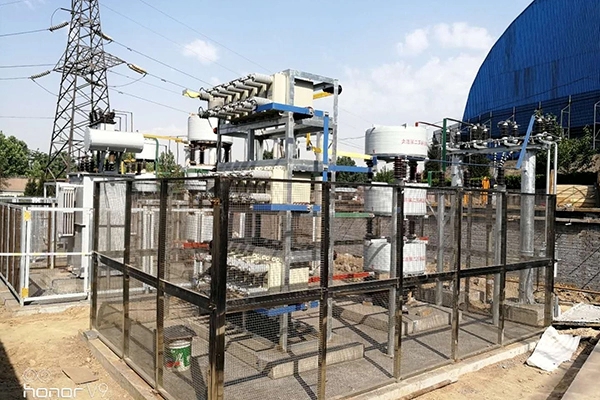
A disconnect switch, also known as an isolation switch, physically cuts a circuit's current flow to protect workers during maintenance or emergency shutdowns. The Indoor disconnect switch protects professionals from electric shock and arc flash when servicing machinery, transformers, and control panels in industrial environments. Manufacturing companies, data centers, hospitals, and substations need these switches for power quality and regulatory compliance.
 |
 |
What Is an Indoor Disconnect Switch and How Does It Work?
Understanding the Basic Function
A basic yet dependable Indoor disconnect switch mechanically isolates electrical connections to halt current flow under no-load situations. To ensure workplace safety, disconnect switches are manually actuated. Circuit breakers respond to overloads or malfunctions. Switch blades spin away from fixed contacts, creating an isolation gap that avoids inadvertent re-energization during maintenance.
Core Electrical Ratings to Consider
A switch's voltage and current ratings influence its system suitability. Industrial versions can handle 600V to 40.5kV and 400A to 3150A. Operating with contact resistance below 50 micro-ohms prevents thermal breakdowns that shorten device life. Short-time and peak withstand current ratings demonstrate the switch's structural integrity during faults.
Manual vs. Motorized Operation
Lever-operated manual switches are cost-effective and simple for smaller businesses. Substations that switch often or integrate with SCADA systems benefit from motorized actuators with remote control. Mechanical interlocks prevent earthing switches and main contacts from closing simultaneously, reducing switching sequence errors.
Leading Manufacturers and Models
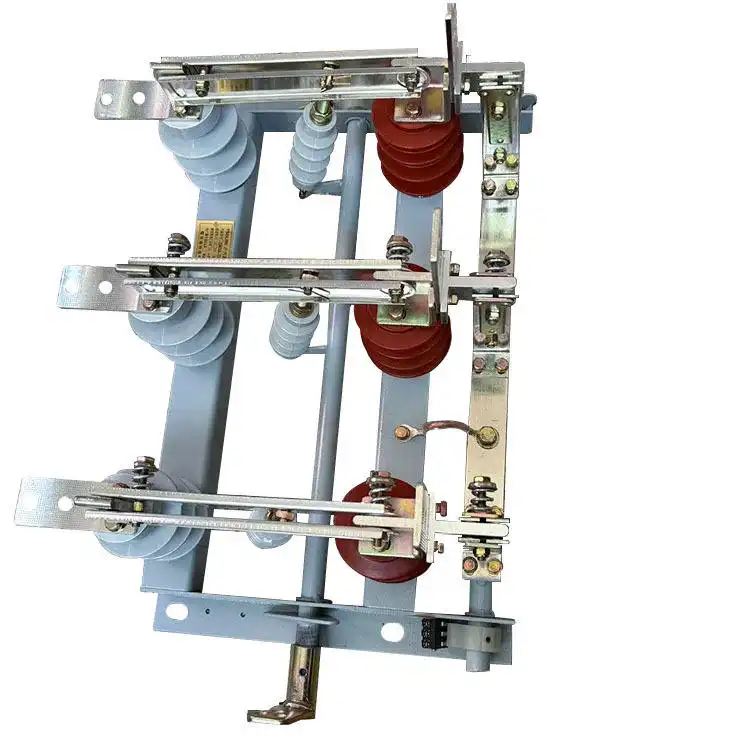
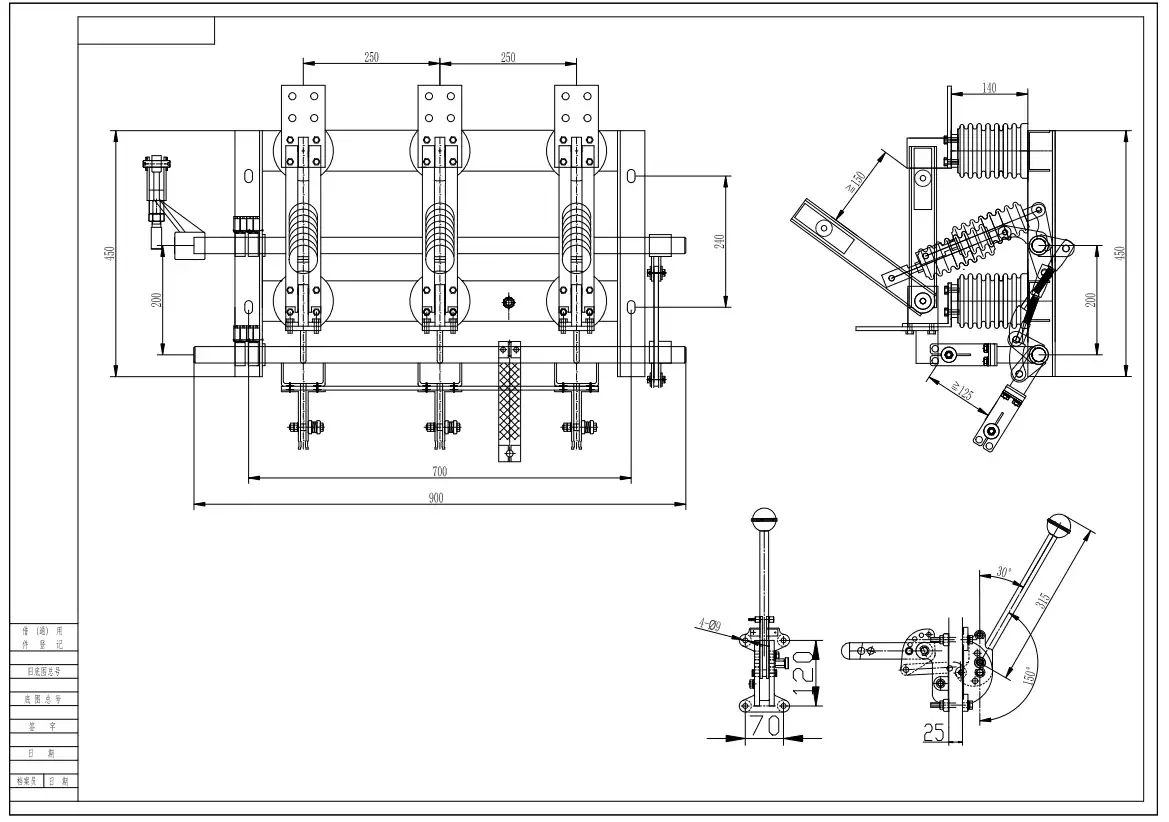
Siemens, ABB, Schneider Electric, and Eaton lead the worldwide market with decades of engineering innovation. These manufacturers have fused and non-fused versions for different protection measures. Xi'an Xikai's GN24 High-Voltage Disconnect Switch shows its engineering prowess with a 12kV rated voltage and 400A, 630A, 1000A, and 1250A current choices. The horizontal pantograph mechanism and dual-break insulation produce two apparent isolation gaps, allowing maintenance staff to verify de-energization before starting work.
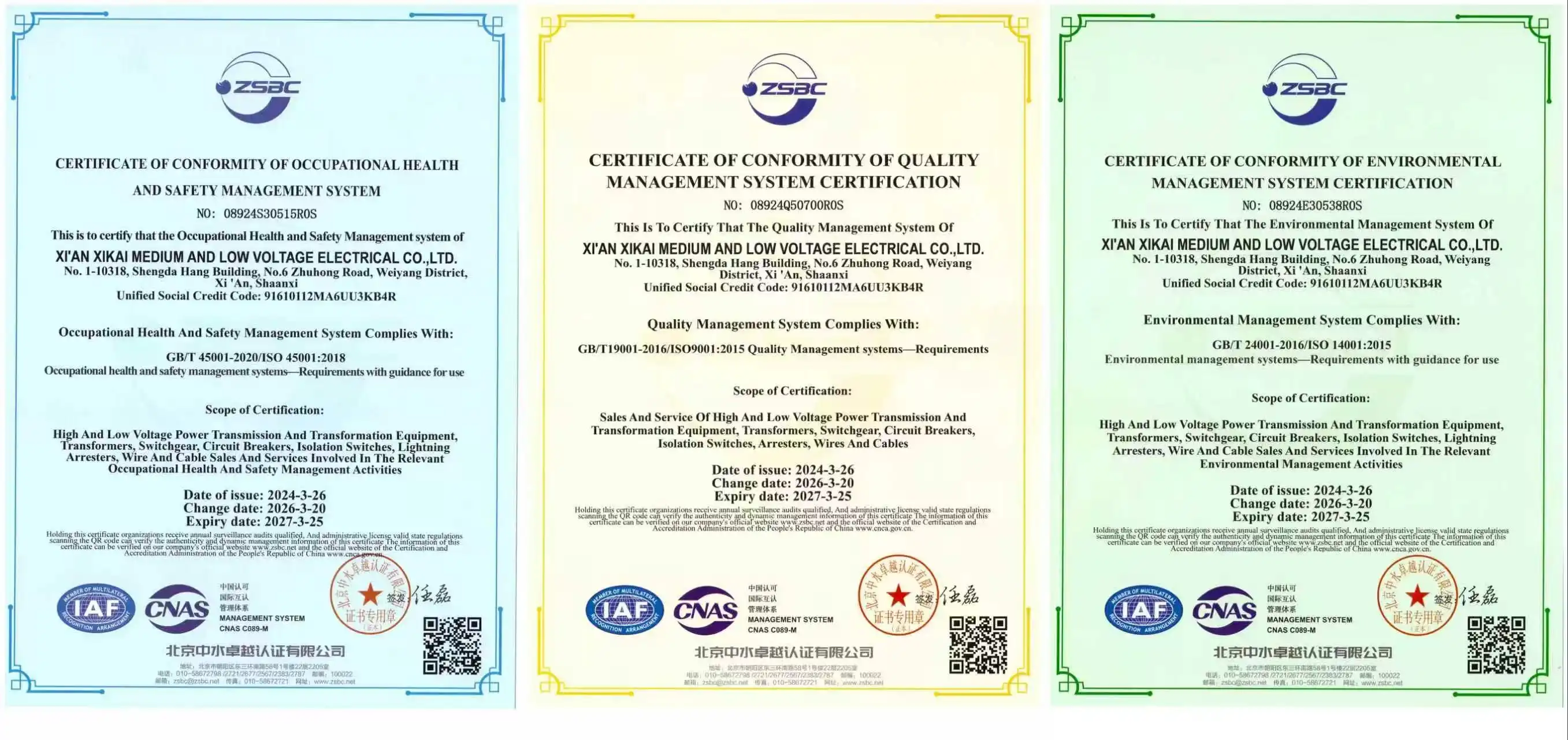
The GN24's integrated earthing switch secures residual current discharge, and its through-wall installation permits smooth integration into fixed metal-enclosed switchgear. This ISO 9001-certified switch meets IEC 62271-1/3 specifications and endures 36kV power frequency withstand voltage and 10,000 mechanical cycle endurance tests.
Typical Industrial Applications
Manufacturers use disconnect switches at motor control centers to isolate conveyor systems and CNC machines during shift maintenance. UPS systems and generator tie-ins need dependable isolation in data centers, where millisecond interruptions cost income. Hospital electrical rooms employ these switches to securely maintain life-support systems without disturbing patient care. These applications emphasize between operational uptime and worker safety.
Why Is an Indoor Disconnect Switch Essential for Safety?
Arc Flash Prevention Mechanisms
Arc flashes generate heat and pressure waves that may kill or burn. Indoor disconnect switches' design prevents switching under load, reducing danger. Mechanical interlocks directly stop blade movement while electricity flows, whereas visible break construction lets technicians validate isolation. Modern switches' low leakage current standards, sometimes below 1μA at rated voltage, reduce arc initiation dangers during normal operation.
Compliance with International Standards
The NEC, IEC 62271-102, and UL 98 require disconnect switch performance. Minimum clearing distances, temperature increase limitations, and endurance cycles are defined by these standards. Without complying equipment, facilities risk legal liability, insurance issues, and OSHA fines after workplace events. Procurement managers must check that switches have jurisdiction and industry-specific certifications.
Reducing Electric Shock Hazards
A disconnect switch's evident isolation gap proves circuits are de-energized. Visual validation and lockout-tagout processes underpin electrical safety. Contact deterioration can cause unexpected current pathways, yet silver-plated contacts operate consistently over thousands of operations. Annual micro-ohm meter testing confirms that well-maintained switches have contact loop resistance below manufacturer requirements.
Maintenance Requirements for Sustained Safety
Contact surface conditions, insulator cleanliness, mechanical linkage alignment, and terminal tightness must be checked regularly. Environmental variables including dust, humidity, and temperature extremes promote wear. Facilities tracking mechanical activities should examine thoroughly every 100 cycles or yearly, whichever comes first. Power frequency withstand voltage, lightning impulse, and rated current temperature increase tests are performed.
How to Choose the Best Indoor Disconnect Switch for Your Industrial Needs?
Matching Technical Specifications to System Requirements
Record your system's voltage class and maximum continuous current to start selection. Short-circuit withstand ratings should exceed estimated fault levels at the installation location by safety margins. The highest asymmetrical fault current your system may generate must be accommodated by dynamic stability ratings (peak withstand current). Altitude installations over 1000 meters require de-rated specs or modified models to compensate for lower air density impacting insulation performance.
Evaluating Safety Features and Certifications
Choose switches with dual-break insulation, which generates two series isolation points for safety. Integrated earthing switches save installation costs and space by eliminating grounding equipment. Check that mechanical interlock mechanisms avoid dangerous operation sequences beyond NEC guidelines. Third-party certification designations like UL, CSA, or TÜV verify performance claims.
Comparing Disconnect Switches with Alternative Solutions
For similar ratings, circuit breakers cost more than disconnect switches for overcurrent protection. For motor feeders that need isolation and short-circuit protection, fused disconnect switches work. Non-fused isolators are safety devices that need separately protected upstream equipment. Initial equipment prices, installation difficulty, maintenance, and operating flexibility should be included in the choice matrix.
Examine warranty term, replacement parts availability, and technical support response while assessing manufacturers. System integration services from specification development to commissioning set Xi'an Xikai apart. Engineering provides 24/7 technical support to resolve field installation issues quickly. Over 100 product variants across 34 series allow us to create solutions for plateau activities up to 4000 meters altitude.
Industry-Specific Selection Criteria
Data center operators need small, quiet Indoor disconnect switch to minimize electromagnetic interference with critical IT equipment. Chemical processing plants need corrosion-resistant materials and IP-rated enclosures for airborne pollutants. Mining requires sturdy structure that can tolerate vibration and stress. Each industry has specific limits that generic products may not meet.
Installation and Maintenance Guide for Indoor Disconnect Switches
Pre-Installation Assessment
Conduct a detailed site assessment to document clearances, mounting surface characteristics, and climatic parameters including temperature and humidity. Make that structural supports can handle the switch's mechanical stresses, especially for bigger ampere-rated variants. Check electrical designs to ensure switch terminal layouts match bus bar or cable entrance arrangements. The disconnect switch fits easily into the safety architecture by coordinating with current protective mechanisms.
Safe Installation Practices
Installation crews must strictly observe NEC Article 110 working clearance and equipment accessibility standards. Mounting hardware must use anti-vibration fasteners to avoid loosening during operation. Under-tightened terminals cause high-resistance joints and overheating, while over-tightening destroys contact surfaces. Used calibrated torque wrenches and recorded values throughout commissioning.
Wiring should decrease conductor length while retaining code-required bending radii. Switching operations are safer with color-coded phase identification and detailed labeling. Ground connections must be verified for continuity and resistance to ensure fault current routes under all operational situations.
Routine Inspection and Cleaning Protocols
Quarterly visual inspections should detect insulator surface contamination, which reduces flashover voltage margins with conductive deposits. Avoid abrasive items that harm epoxy or porcelain surfaces by cleaning with lint-free towels and certified solvents. Light lubrication at pivot points using manufacturer-specified chemicals prevents binding and unsafe operating forces.
Troubleshooting Common Issues
Oxidation or spring fatigue lower contact pressure, causing contact overheating. Temperature monitoring during load operations detects issues before they fail. Visual inspections miss hotspots, but yearly thermal imaging assessments do. Contact resistance deterioration needs industrial solvent cleaning and conductive contact grease to restore thermal properties.
Misalignment between moving and stationary parts causes mechanical binding. Blade travel routes are realigned to provide smooth performance throughout the stroke. Continued operation threatens catastrophic failure during switching occurrences, therefore unusual operating forces require quick inquiry.
Indoor Disconnect Switch vs Outdoor Disconnect Switch: Which One Should You Choose?
Environmental Protection Requirements
Indoor disconnect switch models are temperature-controlled and protected from precipitation, UV radiation, and airborne pollutants. Weatherproof IP54 or higher enclosures with hot-dip galvanized steel structure and silicone rubber insulation tolerate temperature changes from -40°C to +55°C. Coastal installations need corrosion protection from coatings or stainless steel hardware to withstand salty air.
Technical Performance Differences
Outdoor switches have increased insulator creepage distances to accommodate pollution without affecting dielectric strength. Sealed bearings and self-lubricating joints keep their mechanical parts reliable in severe environments. Compact size and easy mounting reduce installation costs and switchgear lineup area for indoor installations.
Application-Specific Selection Guidance
Indoor switches optimize electrical equipment performance in climate-controlled manufacturing operations, saving money on weatherproofing. Utility substations servicing transmission networks need outdoor-rated equipment for decades of adverse weather service. Commercial buildings request interior distribution panels and transfer switches, whereas roof-mounted solar disconnect applications require outdoor versions.
Cost Considerations and Procurement Strategy
Outdoor switches are 25-40% more expensive than Indoor disconnect switches due to their materials and manufacturing complexity. Procurement managers should consider overall installed costs, including enclosures—outdoor switches may decrease housing demands, balancing higher equipment costs. Indoor installations require little weatherproofing maintenance, but outdoor devices need frequent seal, gasket, and drain hole inspections to avoid moisture penetration.
Conclusion
Industrial, utility, and commercial electrical systems require an indoor disconnect switch for safety. Proper selection requires careful consideration of voltage ratings, current capacity, ambient circumstances, and regulatory compliance. Installation quality affects long-term dependability; therefore, follow electrical regulations and manufacturer requirements. Routine maintenance extends equipment lifespan and protects workers and capital. Buyers should select reputable suppliers with extensive technical assistance and validated performance parameters for indoor and outdoor variations.
FAQ
1. Can an indoor disconnect switch be used in outdoor applications?
Indoor switches lack exterior weatherproof casings and corrosion-resistant materials. Moisture, UV deterioration, and temperature cycling make outside deployment unsafe and invalidate manufacturer warranties. Outdoor switches need IP54-rated sealed enclosures and extreme-weather materials.
2. What certifications should I verify before purchasing?
UL 98, IEC 62271-102, or similar certifications for switches should meet regional criteria. US installations must comply with NEC. CE, CCC, or CSA certifications may be needed based on project region and client requirements. Third-party testing verifies electrical and safety ratings.
3. How frequently should disconnect switches undergo inspection?
Find visible degradation or contamination with quarterly visual checks. Electrical testing, including contact resistance measurement and insulation verification, should be done annually or every 100 mechanical operations. Heavy-duty cycles or harsh conditions may require more regular examination. Keep complete inspection and corrective action records.
Partner with Xi'an Xikai for Reliable Indoor Disconnect Switch Solutions
Xi'an Xikai Medium & Low Voltage Electric Co., Ltd. provides electrical infrastructure solutions supported by decades of manufacturing expertise and industry-leading innovation. Our GN24 High-Voltage Disconnect Switch meets the dependability needs of industrial operators, utility companies, and EPC businesses with IEC-compliant engineering, integrated safety measures, and customized configurations. We provide specification development, commissioning, and lifecycle maintenance as a reliable Indoor disconnect switch supplier.
Our engineering team works with procurement managers to provide solutions that balance technical performance, regulatory compliance, and budget. Our broad inventory supports fast delivery, reducing project timetable concerns. Discuss your needs with our professionals at serina@xaxd-electric.com, amber@xaxd-electric.com, or luna@xaxd-electric.com.
References
1. Institute of Electrical and Electronics Engineers, "IEEE Guide for Specifications of High-Voltage Circuit Breakers (over 1000 V)," IEEE Standard C37.04-2018, 2018.
2. National Fire Protection Association, "National Electrical Code (NEC)," NFPA 70, 2023 Edition.
3. International Electrotechnical Commission, "High-voltage switchgear and controlgear - Part 102: Alternating current disconnectors and earthing switches," IEC 62271-102:2018.
4. Occupational Safety and Health Administration, "Electrical Protective Devices: Safety Requirements for Working on or Near Exposed Energized Parts," OSHA Publication 3075, 2021.
5. Beaty, H. Wayne and Fink, Donald G., "Standard Handbook for Electrical Engineers," 17th Edition, McGraw-Hill Education, 2018.
6. Das, J.C., "Power System Analysis: Short-Circuit Load Flow and Harmonics," 2nd Edition, CRC Press, 2017.