How Hybrid Dynamic Compensation Device Improves Power Factor and Energy Efficiency
2026-06-29 16:26:26
By combining active power electronics with passive compensation parts in a smooth way, a Hybrid Dynamic Compensation Device makes big improvements in power factor and energy savings. This method works together to make sure accurate, continuous reactive power correction that changes based on changes in load. This stops energy from being wasted and lowers electric penalties. By bringing the power factor back to values close to unity and blocking harmonics, this technology changes how power quality is managed and makes it much cheaper for businesses and factories to run.
 |
 |
Introduction
Stringent rules, more complex demand patterns, and the effort to be greener are stressing modern power networks. Stable voltage powers delicate CNC equipment in manufacturing. Data centers require dependable electricity, and hospitals can't tolerate brief power outages that threaten life-support systems. Traditional reactive power compensation systems struggle with these demanding constraints. Facilities are vulnerable to power factor penalties, equipment malfunctions, and energy waste.Hybrid Dynamic Compensation Devices advance power quality management. These high-tech devices combine the inexpensive cost of passive capacitor banks with the exact reaction time of active Static Var Generators to operate well in many scenarios. When procurement professionals, system integrators, and facility operators understand how this technology improves power factor and energy efficiency, they can make smart investments that lower energy costs, extend equipment life, and make operations more resilient.
Understanding Hybrid Dynamic Compensation Devices
Core Architecture and Operating Principles
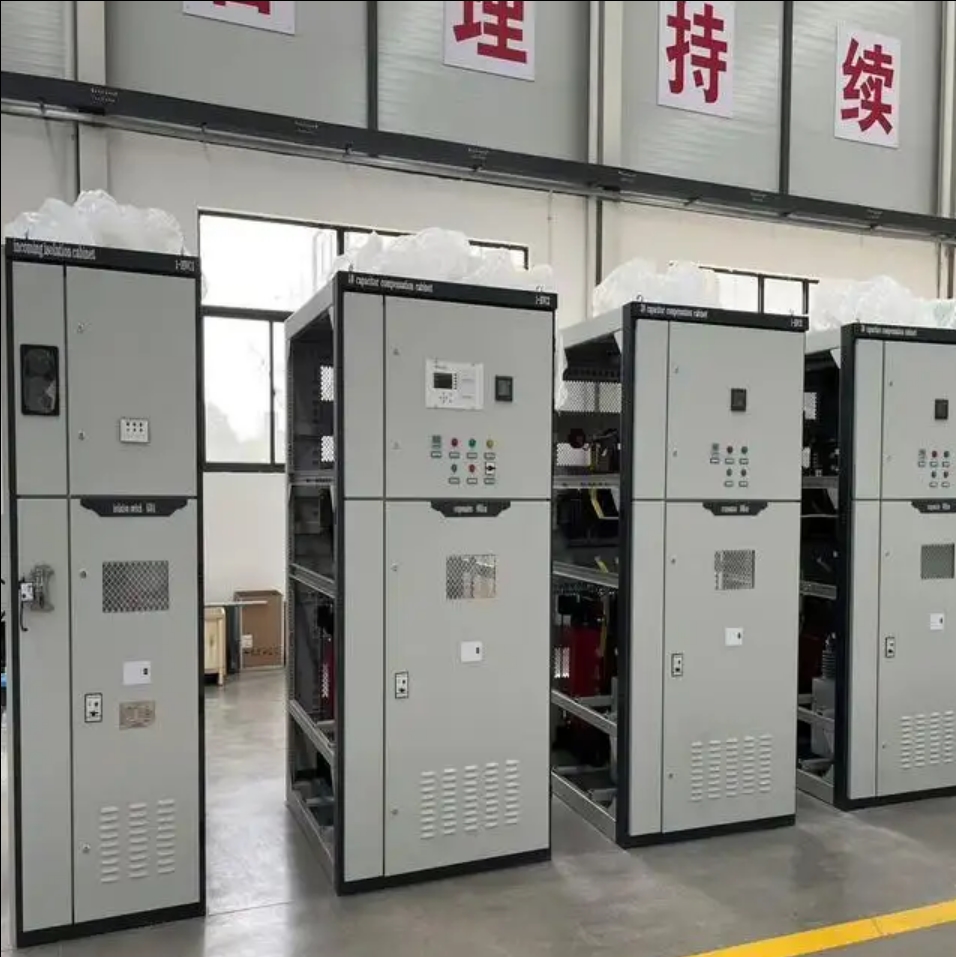
Hybrid Dynamic Compensation Devices use TSCs and active power electronics. This generates two-tier compensation. The active SVG module offers stepless fine-tuning with reaction times of less than 50 microseconds, while the passive capacitor banks manage enormous volumes of reactive power at a reduced cost per kVAR. This arrangement eliminates passive system issues such stepped switching delays and resonance weakness while keeping costs low enough to prevent full-capacity active solutions.Modern hybrid systems utilize powerful digital signal processors and IoT-enabled sensors to monitor voltage and current. These controllers organize thyristor firing angles and IGBT switching patterns in real time to preserve the target power factor between 0.99 leading and 0.99 lagging. The active module detects and stops grid resonances via active dampening. This prevents harmonic amplification from harming capacitors and associated devices.
Application Diversity Across Industrial Sectors
Many firms perform mission-critical jobs using Hybrid Dynamic Compensation. Car manufacturers that spot weld may profit from the quick dynamic response that stabilizes voltage under heavy load impacts. The method prevents flicker, which reduces robotic accuracy, and maintains power factor stability even when demand varies milliseconds quickly, which would overwhelm capacitor banks.Data centers contain reactive power from UPS systems and harmonic loads from computer power sources, which causes specific challenges. Hybrid systems' active sections can absorb capacitive VARs and reduce harmonics, unlike traditional capacitor banks, which can't solve leading power factors. This two-in-one function boosts PUE and ensures backup generators run without reverse power.Chemical and water treatment facilities employ large harmonically distorting VFDs. These harmonics are reduced to THDi values below 5% using the hybrid method, per IEEE 519. This prevents motor insulation from wearing out rapidly and circuit breakers from tripping during critical procedures.
How Hybrid Dynamic Compensation Device Improves Power Factor and Energy Efficiency
Eliminating Reactive Power Penalties and Reducing Demand Charges
Hybrid compensation technology reduces costs primarily by correcting power factor and avoiding utility penalties, which are typically applied when power factor drops below contracted levels (often 0.95). At a power factor of 0.75, a 2 MW load imposes about 2.67 MVA on the grid, requiring an additional 1.75 MVAR of reactive power, and medium-sized facilities may face penalties exceeding $15,000 per month.Hybrid Dynamic Compensation Devices improve accuracy by combining stepped capacitor banks with active SVG control. The active module fills the gaps between capacitor steps, ensuring continuous and precise compensation under varying load conditions. For example, when reactive demand shifts from 800 kVAR to 850 kVAR, the SVG instantly supplies the missing 50 kVAR, preventing power factor oscillations and eliminating penalty risk.Beyond penalty avoidance, efficiency gains are significant. Reducing reactive power flow through transformers and distribution lines lowers I²R losses proportionally to current reduction. Improving power factor from 0.80 to 0.99 reduces current by about 20% and cuts resistive losses by approximately 36%. Depending on facility scale and energy costs, this can translate into annual savings of $50,000 to $200,000 for large industrial users.
Extending Equipment Lifespan Through Voltage Stabilization
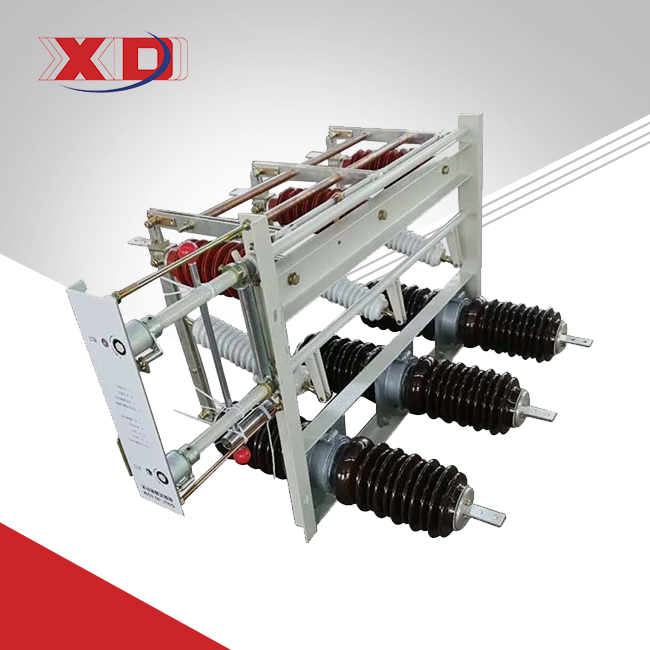
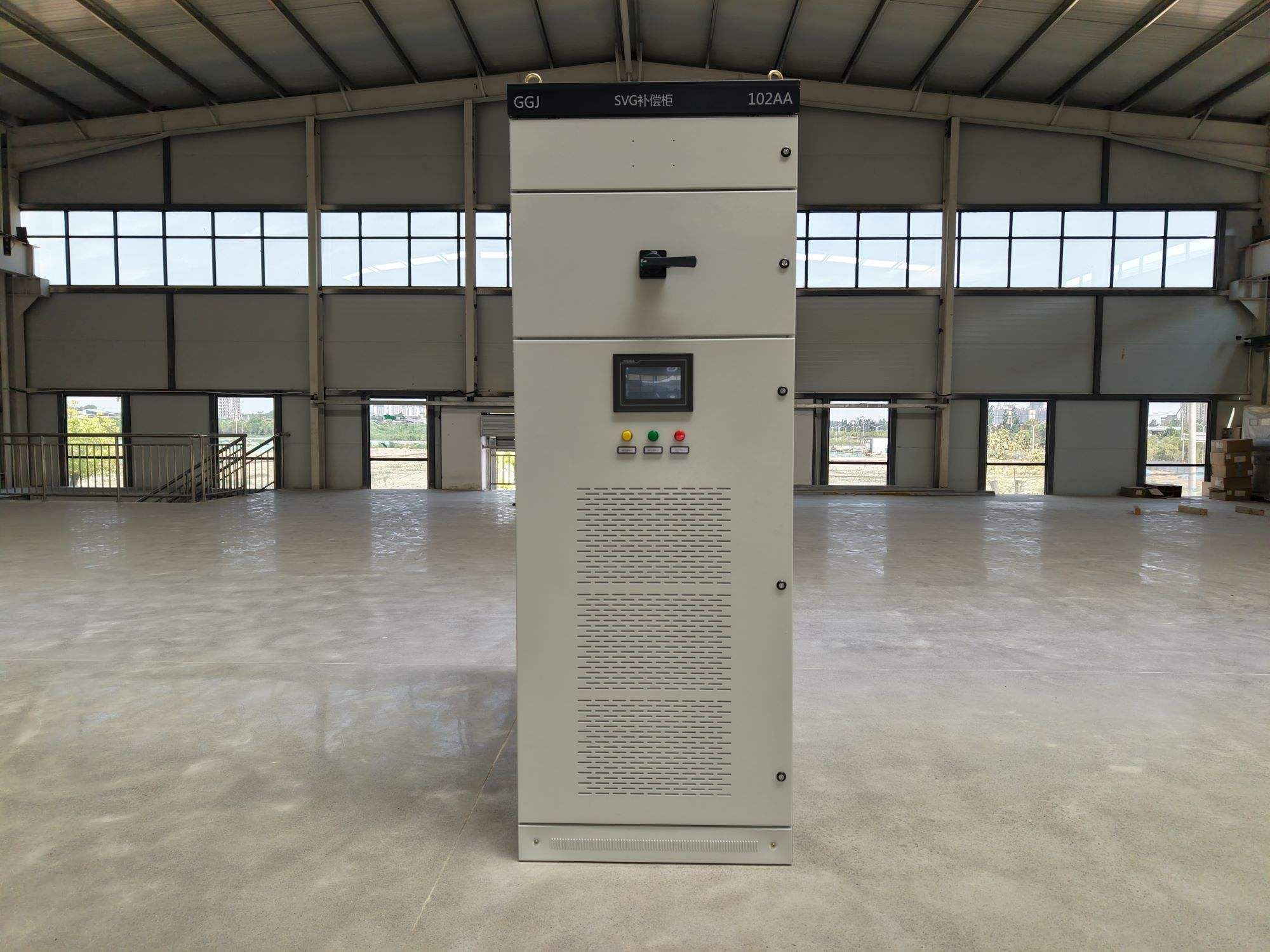
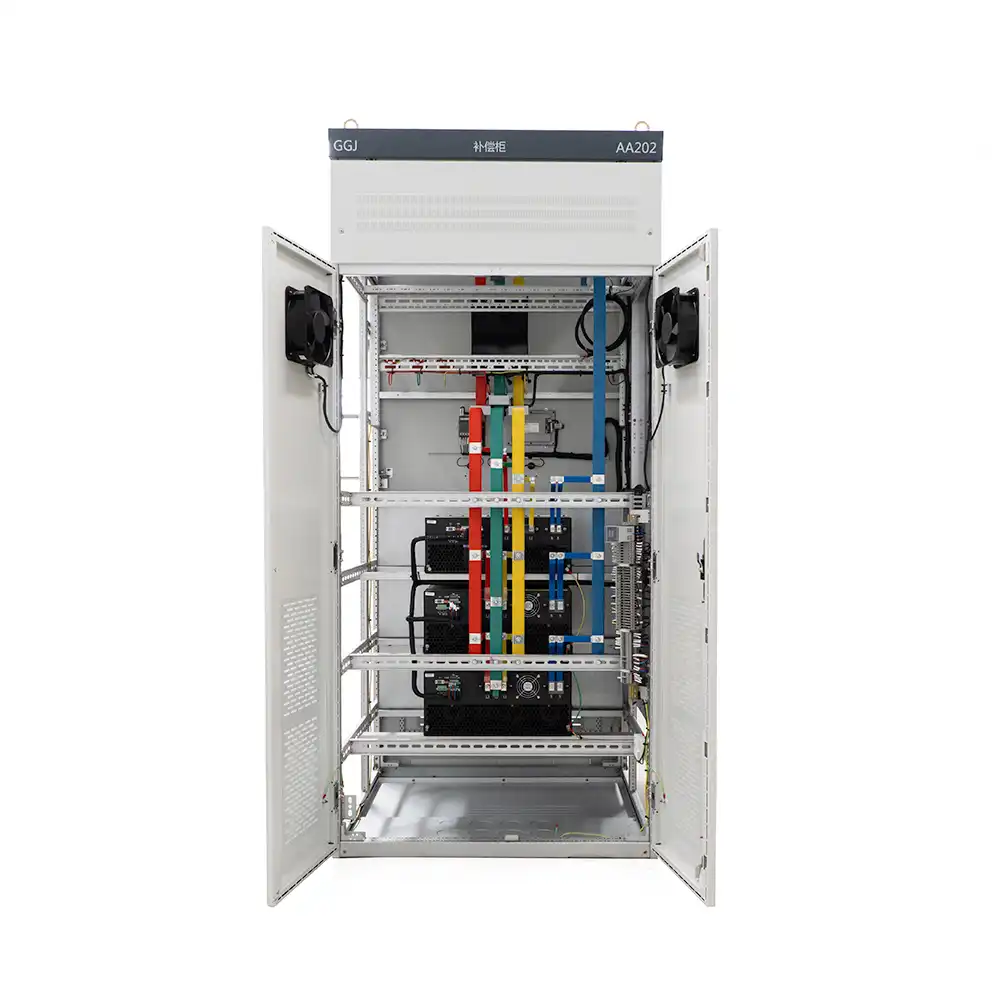
The quality of the voltage has a direct effect on how long equipment lasts and how reliably it works. Voltage fluctuations and harmonic distortion all speed up the wear and tear on motors, transformers, and electrical controls. Voltage ripples that cause motor windings and transformer cores to boil can be stopped by hybrid compensation systems' active filtering features. Test results show that lowering Total Harmonic Distortion in voltage (THDv) from 8% to below 3% can add 15 to 25 years to the life of a transformer.The GGJ Low Voltage Reactive Power Intelligent Compensation Device shows this kind of safety feature. When the system voltage is less than 450V, this smart adjustment solution changes the reactive power automatically to keep the best voltage profiles across the facility's distribution networks. The device reduces the losses in the power lines and transformers while improving the quality of the electricity. This directly leads to a more reliable power source. As long as the GGJ device is compatible with global cabinet systems in MNS, GCK, and GGD configurations, it can be easily added to current infrastructure without needing major changes.
Here are the core advantages that distinguish advanced hybrid compensation technology:
1. Smart Reactive Power Compensation: The GGJ device has AI-driven algorithms that watch the electricity factors and change the compensation methods right away. This smart method makes sure that the power factor correction is at its best and reacts to changing load conditions. This keeps utility fees to a minimum and cuts energy bills by up to 30% compared to facilities that don't use active compensation.
2. Enhanced Grid Stability: New harmonic filters and inrush current reduction stop voltage changes that hurt sensitive equipment. The gadget shields motors, HVAC systems, and electronic controls from the stress that builds up from power quality problems. This cuts down on unexpected repair and makes service intervals longer.
3. Rugged Low-Maintenance Design: These systems are built to IP65 environmental protection standards, so they can handle dust, wetness, and temperature changes that are common in the workplace. Modular component design lets you quickly change or improve parts without having to wait for long periods of time, which keeps your production plans on track.
4. Energy Efficiency Compliance: By lowering CO2 emissions in a way that can be measured, the technology supports LEED certification, ISO 50001 energy management standards, and other sustainable guidelines. Facilities that want to get green certifications can show proof of their efforts to save energy by using integrated tracking systems that keep track of performance success.
Real-Time Adaptation to Dynamic Load Profiles
The benefits of hybrid compensation are most clear in places where power loads change quickly. Normal capacitor banks that switch every 30 seconds can't keep up with changes in load that happen every millisecond. Because of this delay, there are times when facilities are under-compensated and vulnerable to power factor fines, and times when they are over-compensated and leading power factor and potential resonance conditions are created.The GGJ intelligent compensation device constantly checks voltage and current data. Its controller figures out what kind of compensation is needed and switches capacitor banks on and off to keep reactive power in balance. Integrated reactors block harmonics and zinc oxide arresters stop voltage spikes, making a complete answer for power regulation. This real-time response is very helpful in places where high-power loads come and go, like electric arc furnaces, lift systems, or big presses.
Comparison: Hybrid Dynamic Compensation Device vs Traditional Solutions
Performance Benchmarking Against Legacy Technologies
Static Var Compensators (SVCs), based on thyristor-controlled reactors and switched capacitors, offer variable reactive power but have slower response times of 20–40 ms and generate switching harmonics requiring additional filtering. STATCOMs provide fast voltage-source converter performance similar to hybrid systems, but cost 40–60% more at 5 MVAR ratings, significantly increasing capital expenditure. Synchronous condensers deliver grid stability but suffer from bulky installation, high noise (>80 dB), intensive maintenance, and sub-90% efficiency. Hybrid systems combine fast response (<10 ms), high efficiency (>97%), and lower system cost.
Lifecycle Cost Analysis
The total cost of ownership is much higher than the price of the device itself. When procurement professionals look at different compensation options, they need to think about how hard they are to install, how much upkeep they will need, how much energy the compensation device itself will use, and how long they expect it to last. In every one of these areas, Hybrid Dynamic Compensation Devices show strong benefits.The cost of installation is still low because hybrid systems work with existing electricity systems and don't need any special supports, cooling systems, or soundproofing. The GGJ device works with global cabinet systems, which makes integration easier and cuts down on engineering hours and testing time. This standardization is very different from synchronous condensers, which need special foundations, or high-capacity STATCOM systems, which need a lot of new cables.When you take care of a hybrid system, you mostly need to check the capacitance of the passive capacitor banks once a year and change them every 5 to 7 years because the parts wear out naturally. The working electronics are still mostly solid-state devices that don't need much upkeep. Premium capacitors and corrosion-resistant casings make sure that the devices will work for more than 20 years, and planned repairs of parts will extend their useful life even more. Before it is shipped, each unit goes through strict 72-hour load modeling and harmonic stress tests to make sure it is reliable.
Procurement Guide for Hybrid Dynamic Compensation Devices
Critical Technical Specifications for B2B Buyers
Critical B2B specifications require matching system design with facility needs. Standard solutions support 400V, 480V, and 690V low-voltage grids, with ±10% voltage tolerance to handle grid fluctuations. Reactive power capacity should be based on measured kVAR demand, including startup and peak loads, with 20–30% oversizing for future expansion. Active response time should be under 50 μs and total system response under 10 ms for fast load changes. Harmonic filtering should reach at least the 50th order, reducing THDi from >20% to <5% in nonlinear load environments.
Supplier Evaluation and Quality Assurance
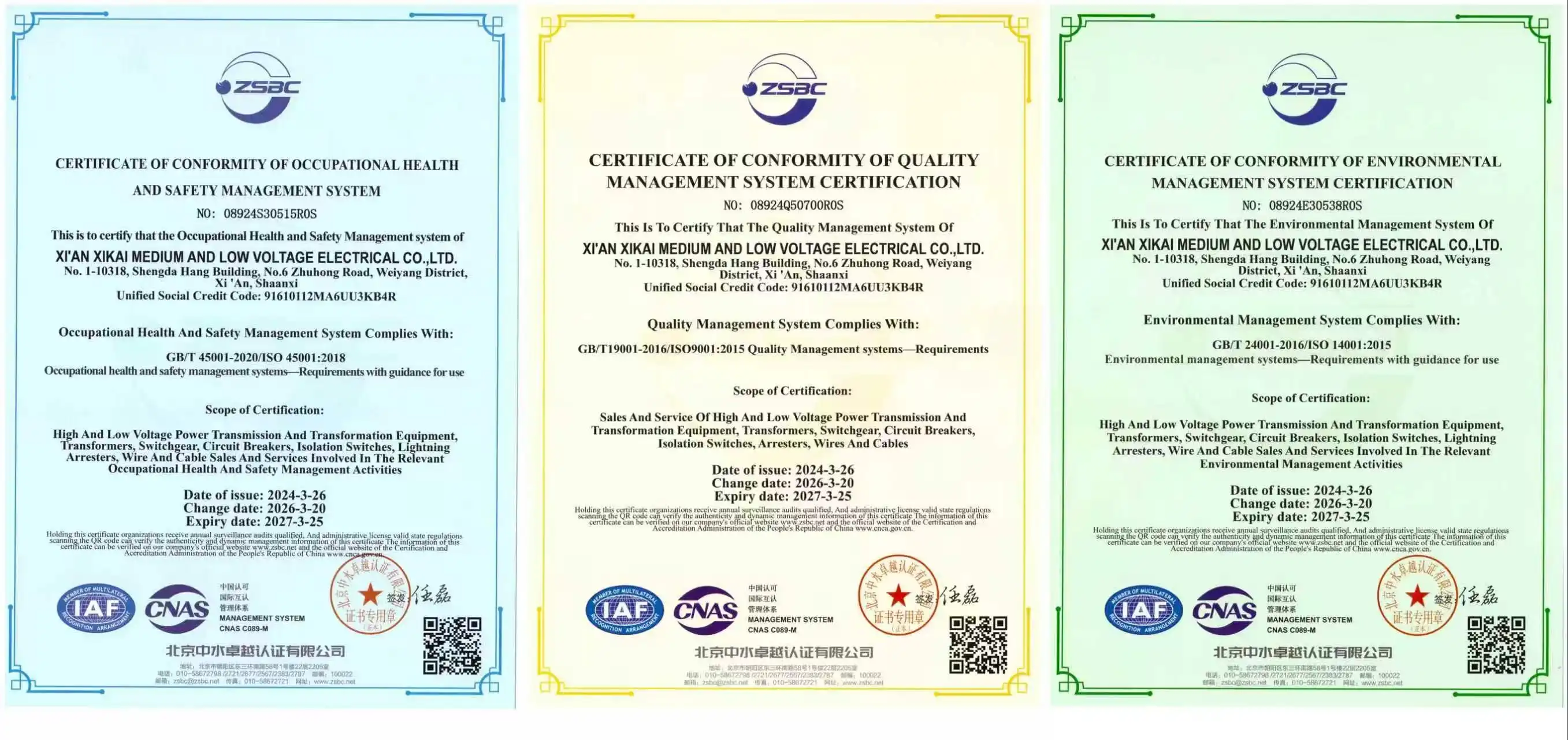
Supplier evaluation requires assessing technical expertise, quality systems, and after-sales infrastructure. Reliable manufacturers typically hold ISO 9001, ISO 14001, and ISO 45001 certifications, demonstrating consistent quality, environmental, and safety management. Product compliance should include UL or CSA approval for North America, CE marking for Europe under Low Voltage and EMC directives, and CCC certification for China. Quality assurance is verified through rigorous testing, including 2.5 kV high-voltage dielectric tests and 24–48 hour full-load heat runs ensuring IGBT junction temperatures remain below 125°C.
After-Sales Support and Service Agreements
Long-term satisfaction depends on strong technical support, with manufacturers offering 24/7 assistance via phone, email, and remote diagnostics. IoT-enabled monitoring platforms enable real-time performance tracking, predictive maintenance, and rapid fault resolution. Hybrid compensation systems typically include a 5-year warranty covering both parts and labor, with clear on-site service commitments and defined response times to minimize production disruption. Training and commissioning support, including troubleshooting, interface operation, and routine inspection guidance, helps facility staff operate systems efficiently and reduce reliance on external service providers.
Future Trends and Innovations in Hybrid Dynamic Compensation Technology
Integration with Smart Grid and Digital Energy Management
Smart grids need Hybrid Dynamic Compensation Devices because power electronics and digital transmission technologies are merging. More sophisticated systems use Modbus, DNP3, and IEC 61850. This allows them to integrate with BMS, SCADA, and utility demand response systems.This link expands usefulness beyond power factor correction. Real-time tracking provides extensive data on energy usage, power quality, and compensation system performance. Analytics systems utilize this data to improve things, predict repairs, and automatically report compliance. Demand response facilities utilize this information to adjust their remuneration during high prices, turning load flexibility into revenue.Using machine learning on old data improves prediction. These systems track the building's loads and estimate reactive power demands. Proactive adjustment reduces response latency and transient power quality issues. Voltage-sensitive processes benefit from this.
Renewable Energy Integration Challenges
High penetration of distributed solar PV and battery systems introduces power quality challenges addressed by Hybrid Dynamic Compensation technology. Solar inverters can generate capacitive reactive power and variable harmonics depending on irradiance, while bidirectional battery inverters add fast-changing charge/discharge dynamics. Hybrid devices provide bidirectional reactive power support: absorbing VARs during excess generation and supplying inductive VARs during sudden drops in solar output to stabilize voltage. They also help meet strict grid codes and power quality regulations such as California Rule 21.
Emerging Materials and Component Technologies
Wide-bandgap semiconductors such as SiC and GaN enable hybrid compensation devices with switching frequencies 5–10× higher than silicon IGBTs and reduce conduction losses by 50–70%. This improves harmonic filter performance and shrinks passive components, lowering overall system size. Advanced thermal management, including additively manufactured heat sinks and phase-change cooling, enhances reliability under overloads and high ambient temperatures. Meanwhile, improved dielectric and metallized film technologies increase capacitor reliability through self-healing behavior, avoiding shorts, reducing maintenance, and lowering total cost of ownership.
Conclusion
Through the creative fusion of passive and active compensation technologies, Hybrid Dynamic Compensation Devices offer revolutionary gains in power factor and energy economy. For industrial and business buildings, the big financial gains from getting rid of utility penalties, using less energy, and making tools last longer make for strong return on investment cases. In addition to saving money right away, these systems make operations more reliable, help with sustainability efforts, and put sites in a good position to take advantage of new smart grid possibilities. As trends like using more electricity and green energy make power systems more complicated, hybrid compensation technology gives companies the flexibility and performance they need to stay competitive in the long run.
FAQ
1.What distinguishes a Hybrid Dynamic Compensation Device from standard capacitor banks?
Traditional capacitor banks use mechanical or thyristor-switched discrete capacitor stages to provide stepped reactive power correction. This leaves gaps in coverage and reaction times of several seconds. In hybrid systems, these capacitor banks are put together with active SVG modules that offer constant, stepless correction with response times of less than 10 milliseconds. This design combines the cost-effectiveness of a capacitor bank for large amounts of reactive power with the accuracy of active fine-tuning, preventing over-compensation and under-compensation situations and blocking vibrations that damage equipment.
2.How does compensation technology handle both leading and lagging power factor conditions?
By adding capacitive reactive power, passive capacitor banks can only fix a power factor that is too low (inductive). Leading (capacitive) power factor is seen in modern buildings with LED lights, UPS systems, and some electrical loads. This is made worse by capacitors. In hybrid systems, the active section can either give reactive power or take it in, depending on what is needed. In sites with mixed loads and renewable energy sources where power factor changes throughout the day, this feature is very important.
3.What maintenance requirements should facilities anticipate?
The solid-state active electronics don't need much upkeep other than being cleaned every so often to keep dust from building up on the cooling surfaces. More care needs to be taken with capacitor banks, and annual capacitance tests are suggested to find problems before they get worse. Usually, parts need to be replaced every 5 to 7 years. Manufacturers provide upkeep routines that include detailed instructions on how to check, measure, and replace parts. Premium systems have self-diagnostic features that let workers know about new problems before they affect the performance of compensation.
Partner with Xi'an Xikai for Advanced Power Quality Solutions
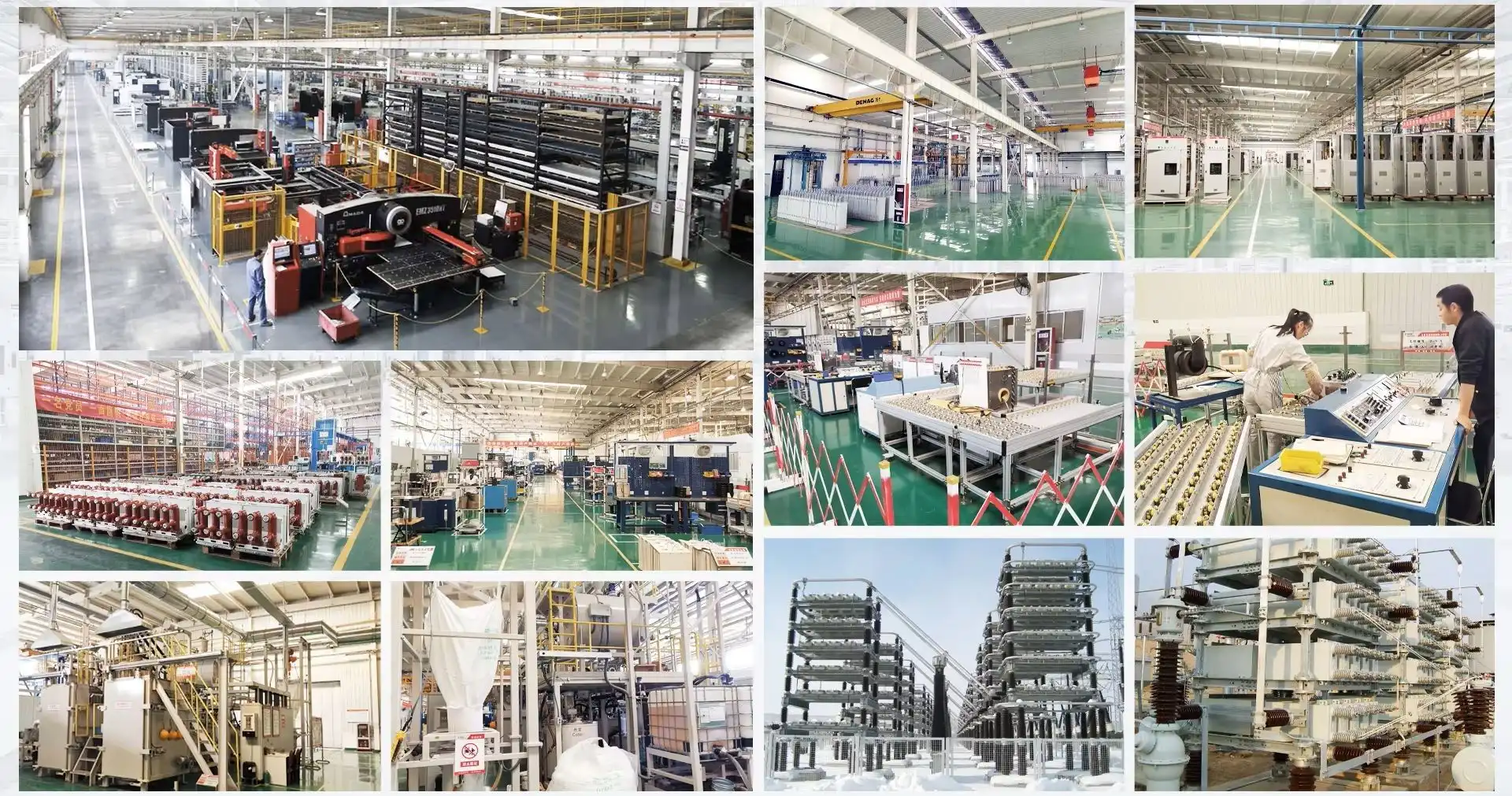
Xi'an Xikai Medium & Low Voltage Electric Co., Ltd. is one of the best companies that makes Hybrid Dynamic Compensation Devices and knows a lot about how to make power distribution systems work better. After a lot of study and testing, we're proud to present our GGJ Low Voltage Reactive Power Intelligent Compensation Device. It has been used successfully in factories, data centers, hospitals, and business buildings in harsh industrial settings. We can help you with your power quality problems because our plateau-type equipment can work at heights of up to 4,000 meters and our unique technologies are always improving reactive power correction.Our technical team works closely with EPC companies, system integrators, and site owners to come up with compensation plans that meet the needs of operations and stay within the budget. Our solutions get you real results by lowering energy costs and making tools more reliable, whether you're updating old infrastructure, increasing production capacity, or trying to get energy efficiency certifications. Get in touch with our experts at serina@xaxd-electric.com, amber@xaxd-electric.com, or luna@xaxd-electric.com to talk about your power factor correction needs and get personalized advice based on decades of engineering excellence.
References
1. Chen, W., & Liu, H. (2021). Advanced Control Strategies for Hybrid Reactive Power Compensation in Industrial Distribution Systems. Journal of Electrical Engineering & Technology, 16(4), 1847-1859.
2. International Electrotechnical Commission. (2020). Power Electronics Systems and Equipment - Operation Conditions and Characteristics of Active Power Filters. IEC 61921-2020 Standard.
3. Rashid, M. H. (2022). Power Electronics Handbook: Devices, Circuits, and Applications Engineering (5th Edition). Oxford: Butterworth-Heinemann.
4. Singh, B., & Verma, V. (2021). Hybrid Filters for Power Quality Improvement in Industrial Distribution Systems. IEEE Transactions on Industrial Electronics, 68(9), 8142-8153.
5. Wang, F., Duarte, J. L., & Hendrix, M. A. (2020). Design and Analysis of Active Power Filters with Enhanced Dynamic Performance. IEEE Transactions on Power Electronics, 35(11), 11764-11775.
6. Zhou, L., Zhang, Y., & Li, P. (2022). Integration of Dynamic Compensation Devices in Smart Grid Infrastructure: Technical and Economic Perspectives. Renewable and Sustainable Energy Reviews, 158, Article 112156.