What Are The Key Advantages Of Static Var Generator In Power Systems?
2026-06-29 16:26:27
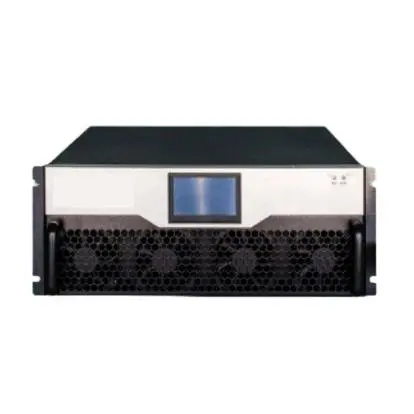
The SVG-Static Var Generator delivers transformative advantages in modern power systems through its ability to provide instantaneous reactive power compensation with exceptional precision. Unlike traditional solutions, this advanced device maintains power factor at 0.99 while responding to grid disturbances in under 15 milliseconds, preventing costly equipment damage and production interruptions. Its bi-directional compensation eliminates over-compensation risks, reduces energy losses by up to 40%, and requires 20-30% less physical space than conventional Static Var Compensators—making it an essential investment for facilities prioritizing operational continuity and cost efficiency.
 |
 |
Understanding SVG Static Var Generators in Power Systems
Changing loads, adding green energy, and equipment that is becoming more sensitive are all putting more stress on modern electricity grids. Reactive power correction has gone from being less important to being a must-have for operations. SVG-Static Var Generators are the newest way that power electronics technology is being used to solve these problems.
What Is a Static Var Generator?
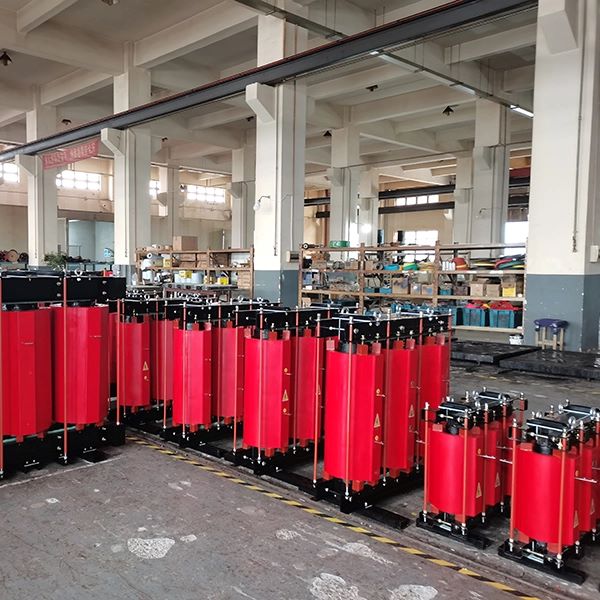
Voltage source converters based on Insulated Gate Bipolar Transistor (IGBT) technology are used by a SVG-Static Var Generator to add precise reactive currents to electrical networks. The device is connected to the power grid by a coupling reactor or transformer, and the voltage and current levels are constantly checked. When the system finds uneven reactive power, the converter quickly changes the amplitude and phase angle of its output voltage, taking or providing reactive power as needed.The XR-dSVG line works with instantaneous reactive power theory and combines computing control systems with photoelectric triggers. The modular cascade chain structure makes it possible to scale up from small industrial uses to utility-grade installations. Each power unit has DC support capacitors and IGBT-based conversion circuits that work together.
Core Components and Operating Principles
The design is made up of three main subsystems: the receiving line cabinet has vacuum contactors and isolation switches; the starter cabinet has connection reactors and pre-charging circuits; and the power cabinet has cascaded converter cells. The human-machine interface lets you change parameters and check the health of the system in real time, and fiber-optic communication lines let control units send and receive data quickly.The device checks three-phase voltages and currents at the point of common connection while it is working. Within 50 microseconds, advanced computers figure out the reactive compensation that is needed and start IGBT switching processes that make compensating currents. The system can fully respond in less than 15 milliseconds, which is quick enough to counter voltage drops caused by starting a motor, welding, or sudden changes in load before they affect sensitive equipment.
Practical Applications Across Industries
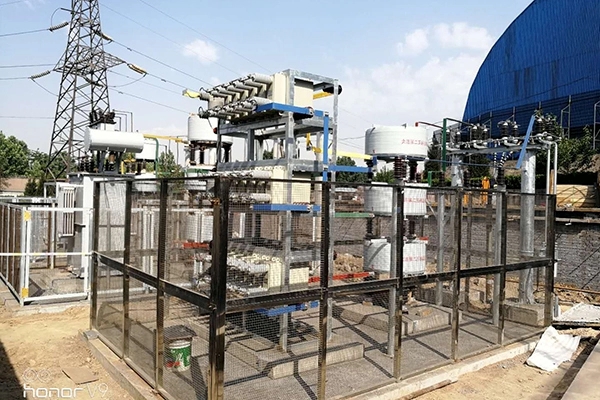
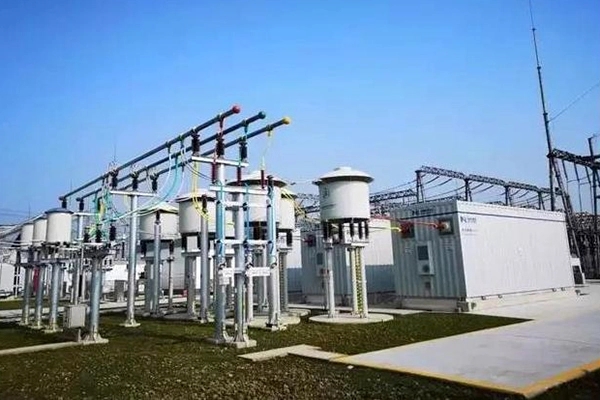
To fix the power factor problems and voltage issues that come from variable frequency drives, induction furnaces, and robotic assembly lines, factories use reactive power correction. To keep servers from crashing and data from getting lost, data centers need power that doesn't go out. Voltage changes that could harm life-support systems or medical imaging tools are not something that hospitals can handle.Putting in renewable energy sources comes with its own set of problems. Power is sometimes added by solar inverters and wind turbines, which causes voltage changes quickly and harmonic distortion. Installing SVG-Static Var Generators at substations smooths out these changes, which lets grid workers use more green energy without affecting the stability. Our systems have worked well in metallurgy plants with arc furnace loads, cement plants with grinding mill transients, and chemical plants with rectifier systems.
Key Advantages of SVG Static Var Generators
Choosing the right reactive compensation technology has a direct effect on the costs of running a business, the life of the tools, and the regularity of production. The following features set SVG-Static Var Generators apart from older methods.
Superior Dynamic Response and Precision Control
Traditional capacitor banks move in separate steps, which means they often do too much when the load is light and not enough when the load is high. This causes secondary voltage changes and shortens the life of equipment by putting it through repeated stress cycles. When the load changes, SVG-Static Var Generators change the adjustment levels in real time so that the output can be changed indefinitely across their full capacity range.The ability to respond in less than a millisecond handles sudden events that mechanical switches can't handle. When a big motor starts up and draws six to eight times its rated current, the device notices the drop in voltage and adds reactive power to make up for it before safety switches trip or process equipment turns off. This safety feature keeps the voltage within ±5% of its standard value, which stops annoying trips that cost a lot of money in lost output each time they happen.Our systems keep the power factor at 0.99 no matter how much the load changes. This means that you don't have to pay penalty charges from the utility company, which can make up 5–15% of your regular energy bills. The exact control also stops over-compensation situations where too much capacitive reactive power raises the voltage and stresses the insulation.
Enhanced Energy Efficiency and Cost Reduction
When reactive power flows through transformers and distribution lines, it causes resistance losses that are equal to the square of the current. SVG-Static Var Generators lower the flow of current through upstream structures by balancing reactive loads in one area. After installation, facilities usually see their total energy use drop by 3–8%, which adds up to big saves every year.When compared to thyristor-controlled reactors or synchronous condensers of the same capacity, the small form takes up 20–30% less floor room. This use of room effectively is useful during retrofits, where space is limited. Cabinet-integrated designs make installation easier, require less civil work, and shorten the time it takes to finish a job.The operating efficiency is more than 98% across the whole load range. Rotating machines use energy even when they're not working, but static systems only use power when they're actively adjusting. Since there are no mechanical wear parts, there is no need for lubrication, repair of bearings, or the upkeep costs that come with them.
Comprehensive Power Quality Management
In addition to dynamic correction, these devices fix a number of power quality problems at the same time. Total harmonic distortion can be kept below the 5% limits set by IEEE 519 standards by the control methods, which can target harmonic currents at certain frequencies. This feature keeps delicate electronics from breaking down and makes tools last longer.The phase balancing feature changes the load currents in three-phase systems to fix mismatches that lead to neutral current flow, transformer warming, and motor efficiency losses. This function is very helpful for mining activities, rail transit systems, and buildings that only use one phase of electricity.Voltage control mode keeps bus voltages steady even if the load or source supply changes. This is very important in places where the grid link is weak or when demand is high and levels drop. Consistent power levels make motors work better, stop lights from flickering, and keep computers from having to be restarted.
SVG Static Var Generator Versus Other Reactive Power Solutions
To make a procurement choice, you need to carefully compare different technologies based on specific application needs and long-term practical factors.
Comparison With Capacitor Banks
Fixed or flipped capacitor banks are cheap to set up but don't give you much freedom. They make up for losses in set amounts, which causes reaction power to change in steps instead of smoothly. Because capacitor banks can't take in reactive power, they can't work as well in systems with leading power factor situations.When capacitors interact with system inductances, harmonic resonance can happen, which can increase distortion to levels that are harmful. Controlling the resistance of SVG-Static Var Generators stops resonances from happening. The solid-state design gets rid of capacitor failures caused by dielectric breakdown, which is a typical problem with traditional banks that are hit by voltage spikes and changes in switching frequency.
Comparison With Synchronous Condensers
It is possible for rotating synchronous condensers to handle large amounts of power and faults without breaking down. They work great for transmission-level tasks that need a lot of immediate help. The technology needs a lot of money, a lot of work on the foundations, and regular upkeep for the bearings, cooling systems, and excitation equipment.Dynamic performance is about the same with SVG-Static Var Generators, but they don't have spinning inertia, mechanical wear, or noise. Installation times shorten from months to weeks. Operating life is more than 100,000 hours with little maintenance. Synchronous machines usually need major repairs every 5 to 7 years.
Comparison With STATCOM Technology
SVG-Static Var Generators and STATCOM devices share basic converter designs, and the terms are sometimes used to refer to the same thing. For high-voltage transmission tasks, STATCOM setups with various converter designs work best. The modular cascade method used in our XR-dSVG line is better for industrial and distribution-level applications because it allows for better growth and resilience.The multilayer converter design lowers harmonic content without using big filter parts, which makes it more efficient and takes up less space. Unit-level tests allow operation to continue at a lower capacity if individual units fail. Usually, rotating machines and thyristor systems need to be shut down completely for repairs.
Procurement Considerations for SVG Static Var Generators
Deployments that go well start with careful technical review and supplier selection methods that are in line with operational needs.
Technical Specifications and Compatibility
The voltage values must match the current infrastructure. Our basic setups can handle inputs from 400V to 35kV, and we can also make custom solutions for specific needs. The ±20% voltage limit makes sure that the SVG-Static Var Generator will still work properly when the power grid is interrupted and source voltages go outside of their normal ranges.Facilities that use both 50Hz and 60Hz equipment or those close to the frequency change boundaries need to make sure their equipment is frequency compatible. Ambient factors should be taken into account in thermal ratings, especially in deserts, hot areas, or equipment rooms that don't have enough air flow. Our devices work perfectly at temperatures up to 50°C, making them ideal for steel mills, glass factories, and other high-temperature work environments.Communication methods need to be tested so that they can be used with current systems for data collection and supervisory control. Modbus RTU, Modbus TCP, IEC 61850, and custom interfaces let you watch and log data from afar and handle other power quality equipment at the same time.
Supplier Evaluation Criteria
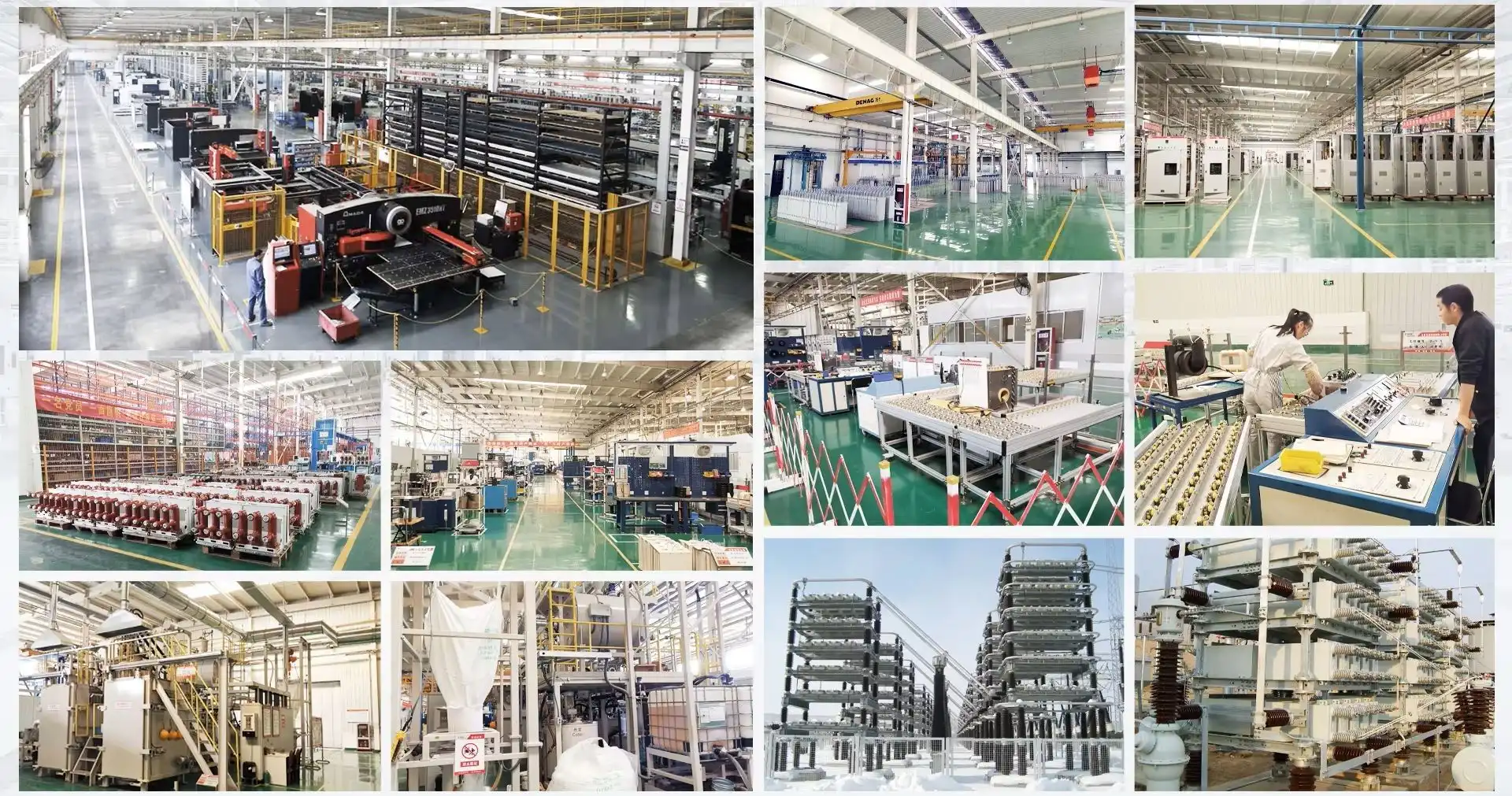
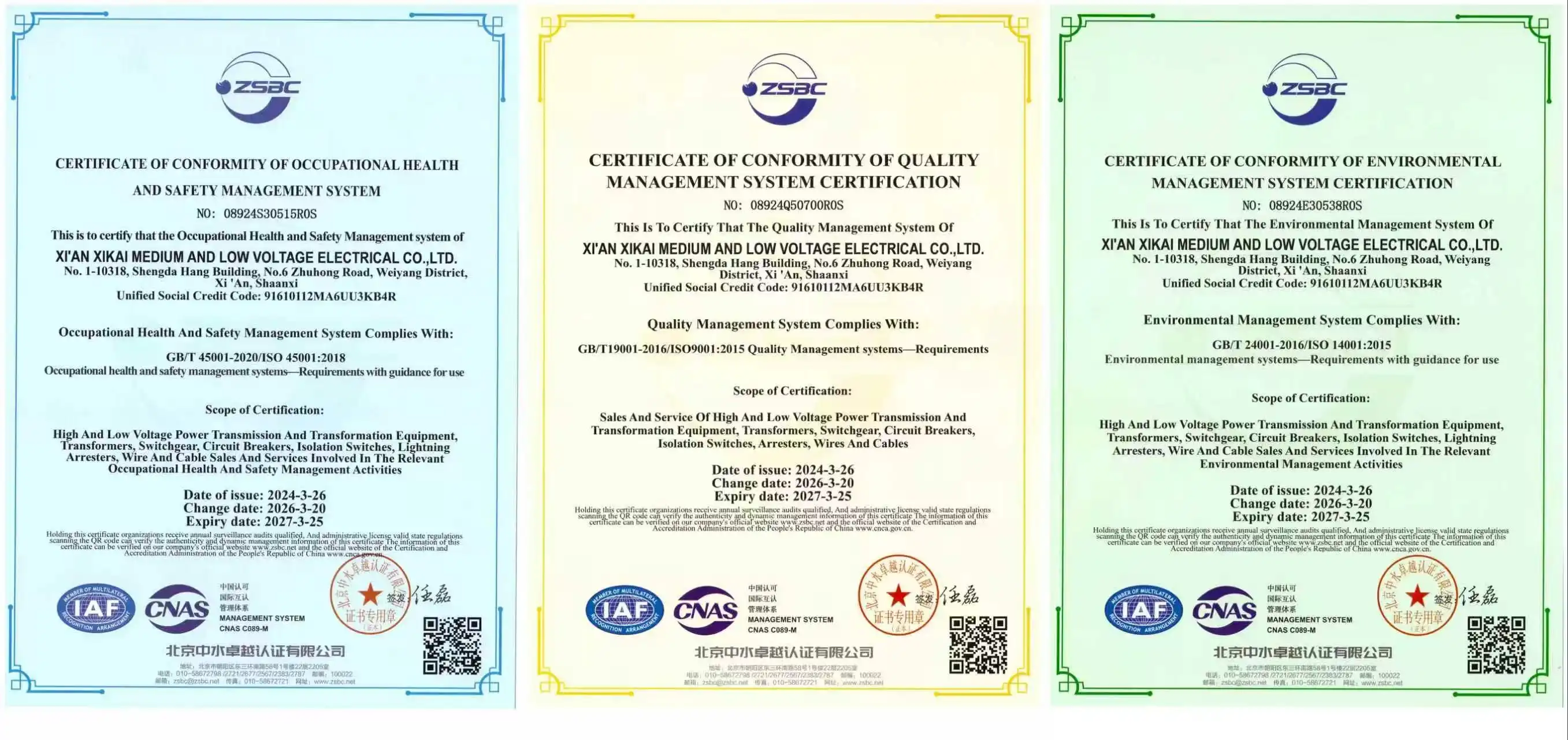
How well something is made has a direct effect on how reliable it is in the long run. ISO 9001 certification shows that you handle quality in an organized way, and ISO 14001 certification shows that you care about the environment. Product clearances, such as IEC 61000 electromagnetic compatibility standards, IEEE 1547 grid interface requirements, and regional safety approvals, cut down on the time it takes to set up and the risk of being sued.Having intellectual property suggests that you can come up with new technologies. Our involvement in China's National 863 Program and collection of 15 or more patents in power electronics show that we have been investing in research and engineering for a long time. This new idea leads to features like automatic restart after short-term faults, parallel operation coordination for setups with more than one unit, and tests that can guess when a capacitor will start to age.Infrastructure for after-sales help should be carefully looked at. Suppliers should offer thorough setup services, programs to train operators, and quick expert support. Support available 24 hours a day, seven days a week cuts down on downtime when problems happen. Maintenance planning is affected by the availability of spare parts and the time it takes to get new ones. Module designs with parts that can be swapped out make operations easier.
Cost Considerations and Financial Planning
One part of total ownership costs is the initial cash costs. Labor for installation, base work, and wiring add 15 to 25 percent to the cost of tools. Operating costs include very little energy use during compensation (usually less than 2% of adjusted reactive power) and almost no upkeep needs.Savings happen in several ways: no more fines from the power company, less energy use because of less loss, less upkeep on equipment upstream that is under less voltage stress, and no more production interruptions. The time it takes to get your money back depends on things like electricity rates, the type of load, and any power quality problems that are already happening.When looking at finances, you should think about how long the equipment will last. If you take good care of it, systems will last between 15 and 20 years. Options for longer warranties pass risk and make budgeting easier. Some utilities have reward plans for installing power factor correction equipment, which makes the job more profitable.
Maintenance and Long-Term Reliability of SVG
To get the best return on investment, you need to be cautious about maintenance and know how to run your tools throughout its entire lifecycle.
Preventive Maintenance Best Practices
Visual checks every three months find problems like broken connections, dust buildup, and blocked cooling systems before they get worse and break down. Thermal imaging finds peaks that show worn-out parts or uneven phase loads. Electrical checking once a year checks the resistance of the insulation, the stability of the grounding, and the calibration of the safety relays.Our capacitor age tracking technology watches how charges and discharges, so it can tell months in advance when a capacitor is about to fail. This lets planned replacements happen during planned outages instead of fixes being done in an emergency. Firmware changes fix edge cases that were just found and make control methods work better based on what has been learned from thousands of setups in the field.In sealed boxes, cooling fans are the main part that wears out. Bearings usually last more than 50,000 hours, and a new one costs less than $200. How often filters need to be cleaned depends on the surroundings. For example, messy places may need cleaning once a month, while clean rooms can go months without cleaning.
Troubleshooting Common Challenges
Sometimes, annoying alarms happen because of problems with communication instead of real problems. Most problems can be fixed without taking down any equipment by verifying the fiber-optic link and diagnosing the network. Overcurrent safety trips could mean that there is a problem upstream, that harmonic resonances are increasing the current draw, or that the parameters were set wrong during setup.Unit DC voltage tracking finds power units that aren't working right, so they can be replaced without having to shut down the whole system. When individual cells fail, the cascade design keeps working at a lower capacity. For example, a 10-module system keeps 90% of its capacity when one module is missing. This kind of slow decline is useful in industries that use continuous processes and where unexpected shutdowns cause a lot of production loss.Harmonic interaction with current devices for correcting power factor needs to be planned for during the planning stages. Detuned reactor setups or sequential control logic stop operations from happening at the same time, which could lead to resonance conditions. Our tech teams do site surveys to look at the current infrastructure and suggest the best ways to integrate it with the SVG-Static Var Generator.
Conclusion
SVG-Static Var Generators provide the best reactive power compensation thanks to their quick reaction, exact control, and full power quality management features. Facilities that use these methods see changes in how much energy they use, how reliable their equipment is, and how long they can keep running. The technology gets around the problems that come with mechanical switching devices and rotating machines while also making setups that are small enough to fit in places with limited room. These systems have great total cost of ownership benefits because they don't need much upkeep and last a long time. When procurement teams look at investments in power quality, they should give more weight to providers that can show they are good at manufacturing, coming up with new technologies, and offering full support to make sure long-term projects go well.
FAQ
1.How Does Static Var Generator Technology Improve Power System Stability?
SVG-Static Var Generators keep power systems stable by adding or taking away reactive power instantly in reaction to changes in voltage. The reaction time of less than one millisecond fixes problems before they spread through the network. This stops voltage breakdown and keeps the grid in sync. This feature comes in very handy during fault recovery, green energy ramp events, and quick changes in load.
2.Which Industries Benefit Most From SVG Deployment?
Manufacturing plants that use a lot of motors, data centers that need power all the time, hospitals that use life-critical equipment, and green energy sites that have fluctuating generation all get big benefits. Metal processing, car assembly, semiconductor manufacture, and train transit systems are some of the main areas where power quality has a direct effect on output and equipment life.
3.Can Static Var Generators Be Retrofitted Into Existing Power Infrastructure?
Most setups go smoothly with retrofitting. Standard electrical connections let the devices join in parallel with current distribution systems, so upstream equipment doesn't need to be changed. The small size makes it easy to store in tight spaces, and the mounting choices let you put it on the wall, in a rack, or in a closet. Before putting something into action, engineering tests make sure it works with safety coordination and grounding methods.
Partner With Xi'an Xikai for Advanced SVG-Static Var Generator Solutions
We at Xi'an Xikai Medium & Low Voltage Electric Co., Ltd. are ready to help you turn your power quality problems into competitive benefits. As one of the biggest places in China to make electrical equipment, we offer complete reactive compensation systems that are backed by strict ISO 9001 and ISO 14001 standards. Our XR-dSVG line uses patented technologies that were created through the National 863 Program. These technologies give our products better performance in a wide range of industrial, utility, and business settings. Get in touch with our technical experts at serina@xaxd-electric.com, amber@xaxd-electric.com, or luna@xaxd-electric.com to talk about your needs. We offer affordable quotes, thorough application engineering, and full implementation support, from the original assessment to training and commissioning. Visit xaxd-electric.com to see our full line of power quality goods and learn why buying teams in the industrial, renewable energy, and metallurgy industries choose Xi'an Xikai as their top SVG-Static Var Generator provider.
References
1. Zhang, L. & Wang, H. (2021). "Advanced Control Strategies for Cascade Multilevel Static Var Generators in Industrial Power Systems." IEEE Transactions on Industrial Electronics, Vol. 68, No. 4, pp. 3241-3252.
2. Ramirez, J.M. & Martinez, P. (2020). "Comparative Analysis of Reactive Power Compensation Technologies for Grid-Connected Renewable Energy Systems." International Journal of Electrical Power & Energy Systems, Vol. 122, Article 106187.
3. Chen, Y., Liu, X. & Zhou, K. (2022). "Reliability Assessment and Predictive Maintenance of IGBT-Based Power Electronics in Utility Applications." Electric Power Systems Research, Vol. 208, Article 107891.
4. Anderson, R. & Thompson, D. (2019). "Economic Evaluation of Static Var Compensators Versus Synchronous Condensers in Modern Distribution Networks." IEEE Power Engineering Society General Meeting, Conference Proceedings, pp. 1-8.
5. Patel, S., Kumar, A. & Singh, B. (2023). "Harmonic Mitigation and Power Factor Correction Using Advanced Static Var Generator Control Algorithms." Renewable and Sustainable Energy Reviews, Vol. 175, Article 113156.
6. Williams, M.J. & Roberts, C.E. (2020). "Installation Best Practices and Performance Optimization of Static Var Generators in Heavy Industrial Facilities." IEEE Transactions on Industry Applications, Vol. 56, No. 3, pp. 2847-2856.