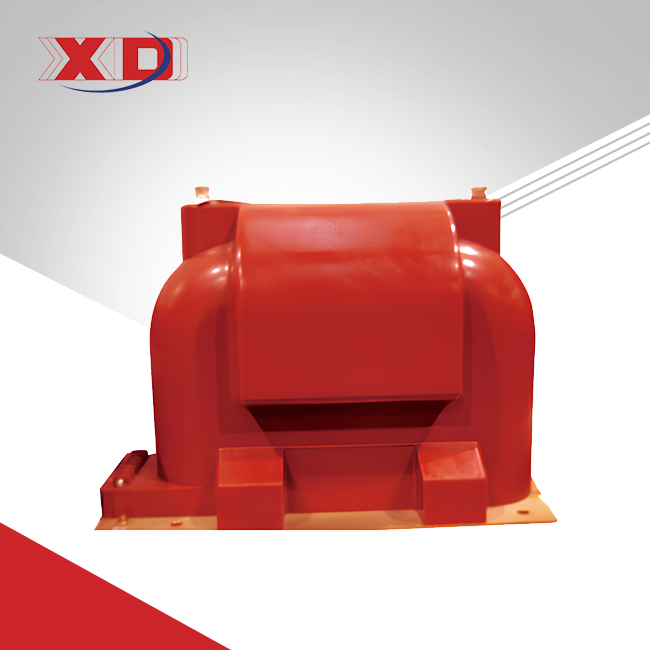
10kV Outdoor/Indoor Voltage Transformer(Potential transformer)
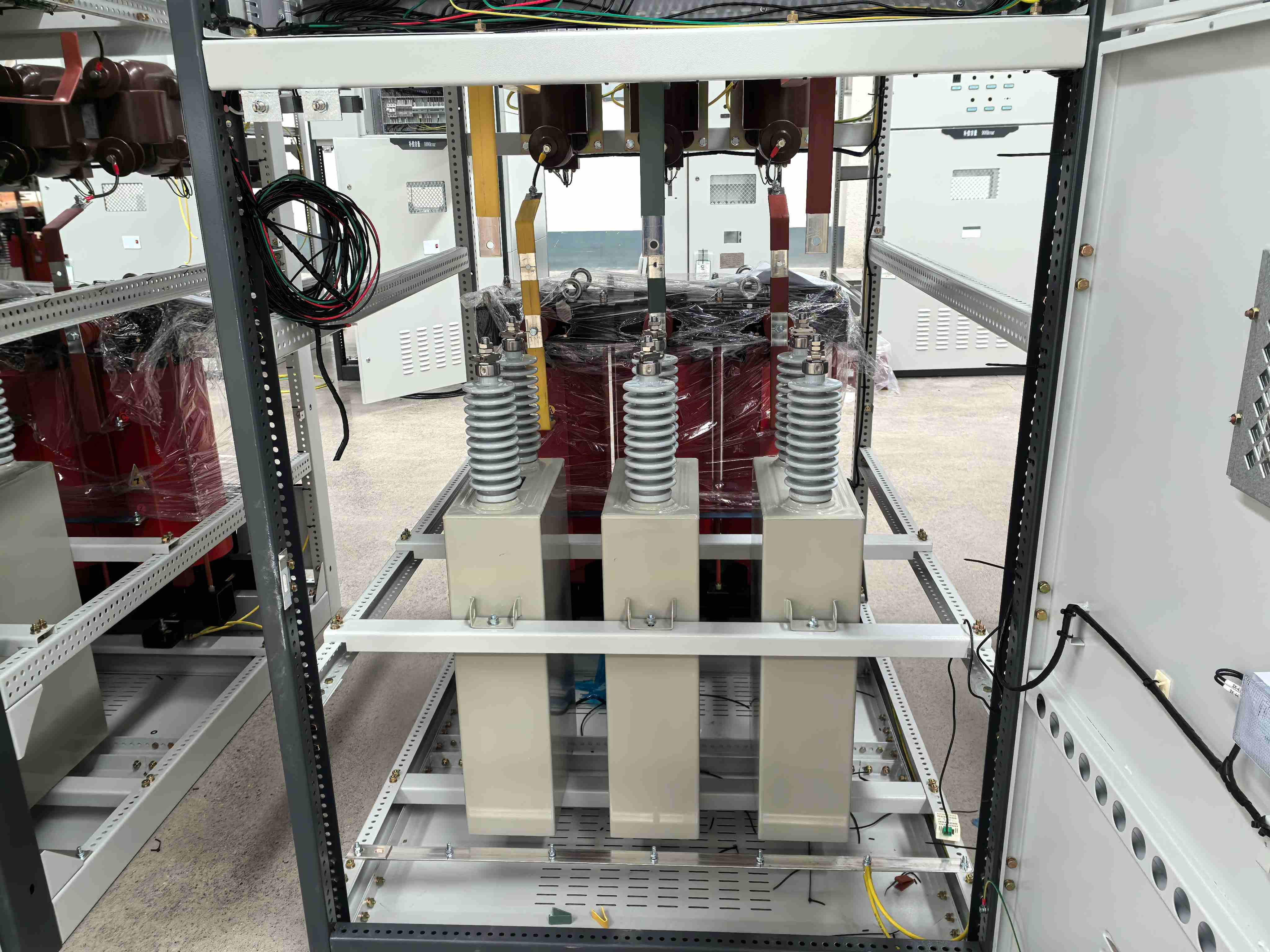
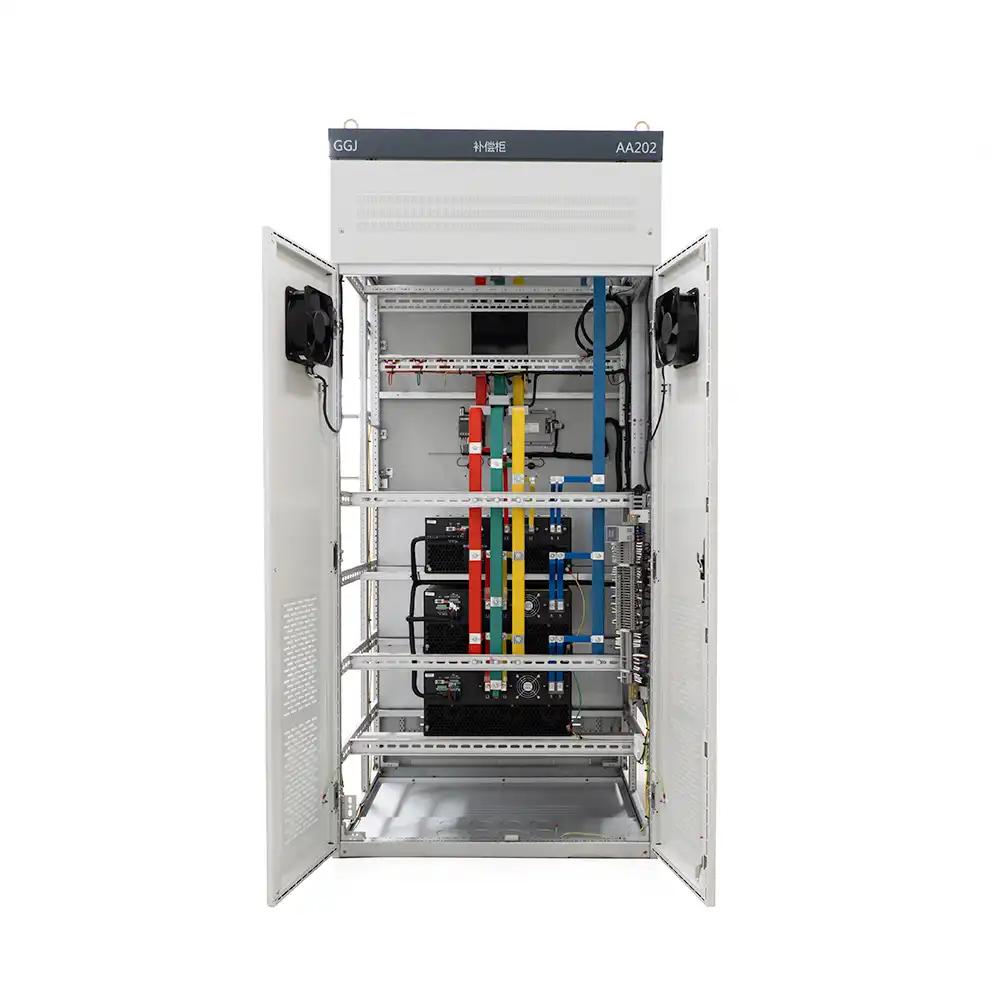
Hybrid Dynamic Compensation Device in GGJ Reactive Power Compensation Systems
2026-06-29 16:26:24
It's likely that reactive power imbalances are to blame when your facility has sudden drops in voltage, machine failures, or rising energy fees. These problems can be solved by a Hybrid Dynamic Compensation Device in GGJ reactive power compensation systems. It combines the accuracy of active power electronics with the low cost of passive capacitor banks. This combination gets rid of over-compensation gaps, reduces grid harmonics, and makes real-time changes to reactive power within milliseconds. This makes sure that your operations keep the best power quality without having to spend a lot of money on new equipment. This technology meets the needs for performance and affordability in industrial, utility, and business settings by combining Static Var Generators (SVG) with Thyristor Switched Capacitors (TSC).
 |
 |
Understanding Hybrid Dynamic Compensation Devices in GGJ Systems
Core Operating Principles and Architecture
The dual-modality design of a Hybrid Dynamic Compensation Device is what makes it work. For steady-state reactive power needs, passive capacitor banks take care of most of it, and an active SVG module does fine-tuning that is stepless and continuous. When the load changes, standard fixed-step capacitors make too much or too little compensation, which causes power factor shifts and energy fees. This setup fixes a major problem in the industry. The active part fills in these gaps and keeps the goal power factor between 0.99 lagging and 0.99 leading, even if the load changes.In GGJ systems that work below 450V AC, the device constantly checks voltage and current data using IoT-enabled instruments. Its smart controller figures out how much reaction power is needed right now and turns on the right adjustment mix. Thyristors allow zero-crossing switching to lower inrush current, which normally makes capacitors last longer than 20 years. Harmonic resonance is a frequent way for pure inactive systems to fail, where grid frequencies damage capacitor banks. Integrated reactors stop this from happening.
Key Performance Characteristics
Response time shows how well a gadget can handle sudden changes in load. The active module responds in 50 microseconds, and the whole system stabilizes in 10 milliseconds. This is very important in places like car making, where spot welding causes big drops in voltage. The ability to compensate includes both inductive and capacitive reactive power, as well as harmonic filters up to the 50th order. This takes into account distortion caused by variable frequency drives and UPS systems that are popular in data centers.The system's efficiency is higher than 97%, which is a lot better than pure active systems that need big converters for high-capacity uses. This efficiency gain comes from only giving 30–50% of the total power to the pricey IGBT-based active module. Passive capacitors handle the base loads at very low cost. The modular redundancy design makes sure that even if the active part needs to be serviced, the passive banks will keep correcting the basic power factor. This keeps the whole system from failing during maintenance windows.
Comparing Hybrid Dynamic Compensation Devices: Making the Right Choice
Performance Trade-Offs Across Technologies
To choose the best reactive power option, you need to know how the different designs deal with different operational issues. Still, pure passive systems with set capacitor banks are the cheapest option. However, they have stepped output, mechanical contactor switching that takes 300–500ms, and can be affected by harmonic resonance. Because of these problems, they can't be used in modern buildings that have loads that don't follow a straight line, like those from LED lights, server farms, or arc furnaces.Active power filters and stand-alone SVG units offer better dynamic reaction and correction in both directions, for both leading and lagging power factors. However, their prices go up directly with capacity—an system of 1 MVAr SVG can cost more than $200,000, which makes large-scale use impossible. In the center are Hybrid Dynamic Compensation Devices, which are cheaper than full active options by 30 to 50 percent while still providing nearly the same performance. The passive banks take in most of the reactive demand, and the active section stops resonance by injecting countercurrents at frequencies that cause problems through computational active damping.
Application Suitability Analysis
The best places for hybrid systems are factories that use a lot of motors. CNC machine centers and robotic assembly lines cause sudden changes in load that are too much for passive-only solutions, but full active systems cost too much money to be worth it. When the motor starts, the hybrid method can handle surge currents of up to 100 times the maximum capacity, while keeping the voltage stable during steady-state operation.There are some problems that are only found in data centers. For example, server power sources and UPS systems create inductive reactive power and a lot of harmonic distortion. Power factor problems are made worse by traditional inductive correction. In this case, the active part of a hybrid system takes in leading VARs and filters out harmonics. This improves Power Usage Effectiveness (PUE) measures and stops reverse power problems that shut down backup generators. Large VFDs are used to run pumps and compressors in chemical processing plants, which causes harmonic distortion of more than 20%. According to IEEE 519 standards, hybrid devices lower THDi below 5%. This protects motor insulation and stops annoying breaker trips that stop ongoing processes.
Designing and Maintaining Hybrid Dynamic Compensation Devices for Optimal GGJ System Performance
Customization Parameters for Specific Applications
The procurement teams must ensure that device specifications fit real-world load patterns, not ideal maximum demand. Our GGJ Low Voltage Reactive Power Intelligent Compensation Device can handle 400V, 480V, and 690V installations found in North American industrial infrastructure below 450V AC. AI-driven algorithms automatically adjust reactive power compensation in real time, reducing energy usage by 30% and electricity prices.Compatibility matters while purchasing. The GGJ platform works well with MNS, GCK, and GGD global cabinet systems. This enables adding new features to existing electrical rooms simpler without large structural adjustments. When practical demands change, modular component architecture allows field updates like adding capacitor banks or boosting active module capacity without replacing the system. This flexibility protects investment values while enabling corporate development or manufacturing line enhancements.
Installation Best Practices and Maintenance Strategies
System reliability and warranty coverage rely on installation. Heat management is crucial; forced air cooling systems must maintain IGBT junction temperatures below 125°C even when fully loaded. Our products undergo 72 hours of load modeling and harmonic stress testing before shipping to ensure they will operate in the toughest conditions. The IP65 shell can withstand chemical plant corrosives and outside substation heat.Part type determines maintenance time. Active solid-state modules last decades without maintenance, whereas inactive capacitors degrade owing to dielectric stress and heat cycling. Annual capacitance checks prevent detuning, which reduces harmonic filter performance. We recommend changing capacitors every 5–7 years to maintain performance. Our premium-grade film capacitors in GGJ systems sometimes live more than 20 years. NFPA 70 fire regulations demand flame-retardant materials in filled commercial facilities to protect humans. Hospital and business acoustic insulation maintains noise at 45 dB.Monitoring critical performance variables allows predictive repair. Building management solutions get real-time power factor, THD, and component temperature data via IoT. Trending study indicates capacitors degrade slowly before breaking. This allows modifications during scheduled downtime rather than when something breaks. This proactive approach reduces downtime, extends system life, and minimizes maintenance costs.
Procurement Guide: Sourcing Hybrid Dynamic Compensation Devices for B2B Needs
Evaluating Supplier Credibility and Technical Support
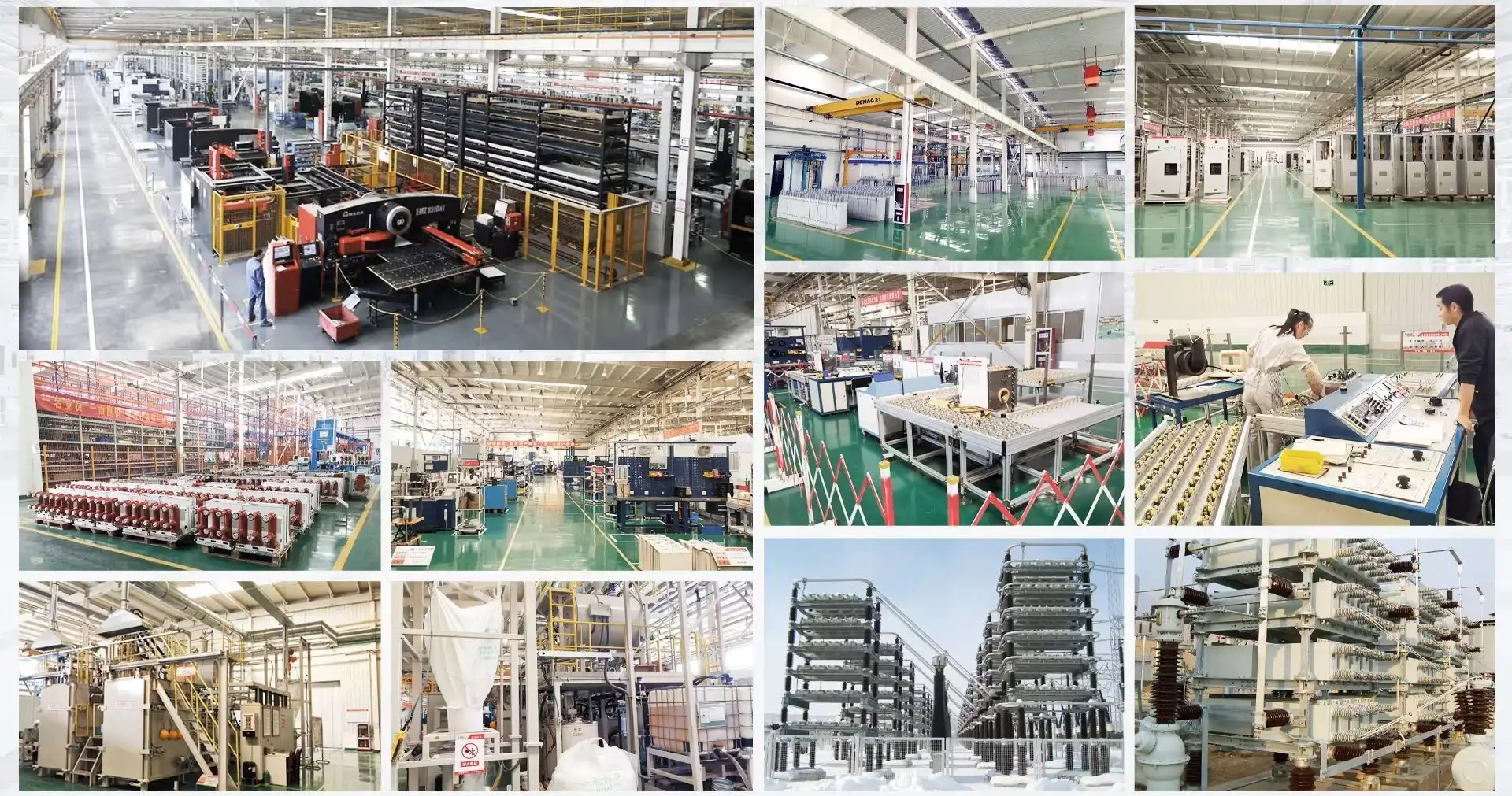
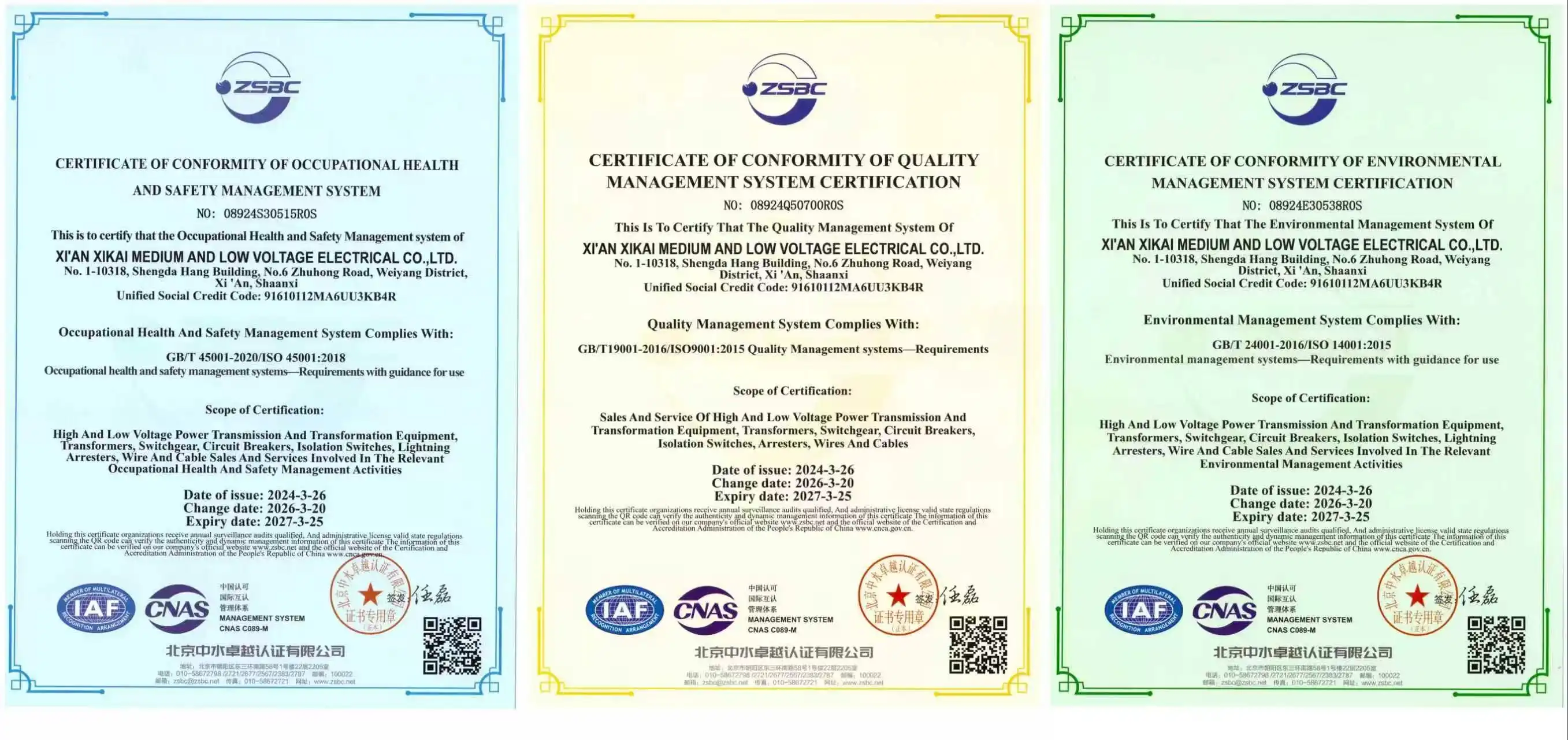
The first step in strategic buying is to check the manufacturer's credentials and testing procedures. Xi'an Xikai Medium & Low Voltage Electric Co., Ltd. has ISO 9001, ISO 14001, ISO 45001, and CCC licenses, which show that they follow international standards for quality management, environmental duty, and worker health. Our factory is one of the biggest in China when it comes to making medium- and low-voltage electrical equipment. We can make enough to support projects ranging from small setups of a single unit to large grid deployments for utilities.Technical knowledge is also very important. Our research and development team has more than 15 years of experience in power electronics. They have worked on national grid infrastructure projects that affect millions of end users directly through stability. Because of this background, strong design margins, modest component rates, and failure mode analysis that stops problems in the field are all possible. When looking at different suppliers, make sure they give you full test results that show the temperature rise, harmonic injection reaction, dynamic load step testing, and oscilloscope waveforms that show sub-20ms stabilization.
Ordering Workflows and After-Sales Commitments
For customized hybrid systems to work, the specifications need to be worked on together. Share real load data, such as power factor profiles, harmonic bands from VFDs or other nonlinear equipment, and needs for voltage stability for sensitive processes. With this knowledge, our engineering team can set up the best mix of passive capacitance and active capacity, so we don't over-specify and raise prices or under-specify and fail to meet performance expectations.Standard wait times for engineered-to-order systems are 8 to 12 weeks, but faster production is possible for projects that need to be finished quickly. Our 5-year warranty covers flaws in the way the product was made and failed parts under normal use. We offer 24/7 expert help around the world to make sure problems are fixed quickly no matter what time it is. Spare parts stocking programs cut down on the average time it takes to fix something, so you can keep your promises to downstream customers about operating efficiency.Pricing transparency matters in B2B procurement cycles. Hybrid architectures always have a lower total cost of ownership than pure active solutions, but exact quotes rely on capability and customization. When you add in the energy savings from better power factor, sites usually see a return on investment (ROI) in 18 to 36 months, thanks to lower utility fines and less transformer loss. Ask a reliable Hybrid Dynamic Compensation Device maker for a lifecycle cost study that includes upkeep schedules, the cost of spare parts, and upgrade plans to help with long-term capital planning.
Future Trends and Innovations in Hybrid Dynamic Compensation Technology
Emerging Technologies Reshaping Power Quality Management
New technologies are changing how power quality management is done. The next step forward in reactive power correction is advanced sensor integration. Silicon carbide (SiC) wide-bandgap semiconductors allow higher switching frequencies with lower losses. This makes active module sizes smaller while improving harmonic filtering performance. These parts can handle junction temperatures above 175°C, which means they don't need to be cooled as much and last longer in harsh settings like steel mills or desert solar farms.The next step for artificial intelligence programs is to move beyond reflexive control and into predictive compensation. To put capacitor banks in place before demand spikes happen, machine learning models look at past load patterns, weather data, and production plans. This predictive method gets rid of even the 10ms reaction lag that is common in current systems, giving the most sensitive processes power quality that can't be felt. Cloud-connected platforms collect data from multiple sites and find ways to improve things that can't be seen by watching just one site.
Strategic Planning for Evolving Grid Requirements
As the use of green energy grows, utility connectivity standards keep enforcing stricter harmonic limits and power factor requirements. Inverters for wind and solar power affect the grid in ways that older adjustment methods can't handle. When distributed production is higher than local demand, which is happening more often in modern energy markets, hybrid devices that can work in both directions help keep the grid stable during reverse power flow situations.Sustainability approvals are becoming more and more important in deciding what to buy. Because they are more efficient, our GGJ systems help meet LEED, ISO 50001, and other green building standards by lowering CO2 emissions. Cutting down on transformer heating and distribution line losses directly lowers the need for upstream production, which helps companies reach their decarbonization goals. As ways to price carbon get more complex, energy efficiency becomes more valuable financially, which speeds up the return on investments in power quality.Procurement professionals should give more weight to producers who show a commitment to constant innovation. Our work on national standards and ongoing investments in research and development make sure that product roadmaps are in line with new grid codes and technology trends. This keeps your infrastructure investment from becoming outdated too soon.
Conclusion
Hybrid Dynamic Compensation Devices are the best choice for managing power quality in current GGJ reactive power compensation systems because they are reliable, cost-effective, and work well. These systems offer better power factor adjustment, harmonic mitigation, and voltage stability in a wide range of industrial and business settings by mixing the cost-effectiveness of inactive capacitors with the precise control of active electronics. To make sure your investment gives you long-term business benefits and can adapt to changing grid needs, you need to carefully consider the knowledge of the suppliers, their ability to customize, and their long-term support promises.
FAQ
1.What distinguishes hybrid systems from traditional capacitor banks?
Usually, mechanical contactors are used to switch set capacitor banks in discrete steps. This leaves gaps for correction and causes reaction times to be slower than 300ms. Hybrid Dynamic Compensation Devices include an active module that allows fine-tuning without steps between capacitor steps. This helps reach the goal power factor within 10ms and stops harmonic resonance through active dampening algorithms.
2.Can these devices handle both leading and lagging power factor?
Of course. Passive capacitors can only fix loads that are inductive (lagging), but the active SVG part creates inductive reactive power to counteract capacitive (leading) situations that are common in buildings with a lot of UPS systems, LED lights, or power factor-corrected VFDs. Because they can work in both directions, hybrid devices can be used in current mixed-load settings.
3.What happens if the active module fails?
When the main section needs service, premium hybrid designs have fallback modes where capacitor banks keep working through thyristor switching. This backup keeps power factor correction from going away completely, but fine-tuning and harmonic filtering will work less well until the repairs are done. Parts can be quickly replaced in modular systems, usually in 4 to 8 hours.
Partner with Xi'an Xikai for Superior Power Quality Solutions
As a top Hybrid Dynamic Compensation Device provider, Xi'an Xikai offers designed solutions backed by more than 15 years of experience in power electronics and top-notch production across 7 product categories with more than 100 different models. Our GGJ Low Voltage Reactive Power Intelligent Compensation Device lowers energy costs by up to 30% and makes sure they meet LEED and ISO 50001 standards by improving voltage quality and lowering distribution losses. We offer the dependability your business needs with ISO 9001, ISO 14001, and CCC certifications, as well as 24/7 global expert help and a 5-year warranty. Send an email to serina@xaxd-electric.com, amber@xaxd-electric.com, or luna@xaxd-electric.com to talk about special designs for your building. You can look at all of our power transfer options at xaxd-electric.com.
References
1. Institute of Electrical and Electronics Engineers, "IEEE Standard 519-2014: Recommended Practice and Requirements for Harmonic Control in Electric Power Systems," IEEE Standards Association, 2014.
2. International Electrotechnical Commission, "IEC 61921: Power Capacitors - Low-Voltage Power Factor Correction Banks," IEC Technical Committee 33, 2017.
3. American Society of Heating, Refrigerating and Air-Conditioning Engineers, "ASHRAE Standard 90.1: Energy Standard for Buildings Except Low-Rise Residential Buildings," ASHRAE Publications, 2019.
4. Electric Power Research Institute, "Hybrid VAR Compensation Systems: Technology Assessment and Application Guidelines," EPRI Technical Report 3002015895, 2019.
5. National Fire Protection Association, "NFPA 70: National Electrical Code - Article 460: Capacitors," NFPA Standards Council, 2020.
6. International Organization for Standardization, "ISO 50001:2018 Energy Management Systems - Requirements with Guidance for Use," ISO Technical Committee 301, 2018.