How Iron Core Reactors Enhance Energy Efficiency in Power Plants?
2026-03-09 14:21:19
Iron Core Reactor technology represents a significant advancement in power system efficiency, utilizing laminated silicon steel cores with precision air gaps to maintain magnetic linearity. These specialized magnetic components reduce energy losses by up to 30% compared to traditional reactors through optimized magnetic flux control and minimized hysteresis losses. Their epoxy-encased windings and fire-safe design make them ideal for industrial plants, data centers, and renewable energy facilities where operational uptime and power quality are paramount for protecting sensitive machinery and reducing energy costs.
 |
 |
Understanding Iron Core Reactors in Power Plants
Modern power plants face increasing demands for efficiency, reliability, and power quality. Iron core reactors have emerged as essential magnetic components that address these challenges through advanced engineering principles. Unlike air core or ferrite core alternatives, these devices utilize laminated silicon steel cores that enhance magnetic flux control while significantly reducing operational losses.
Technical Foundation and Design Principles
The complex magnetic circuit design of iron core reactor design is the primary benefit of this particular generation of reactor technology. The architecture of the core makes use of laminated silicon steel, which helps to reduce eddy current losses. Additionally, the precise air gaps prevent a magnetic saturation even when voltage spikes are present. Due to the fact that this engineering method guarantees constant performance regardless of the load circumstances, these reactors are especially useful for establishments that need reliable power quality.
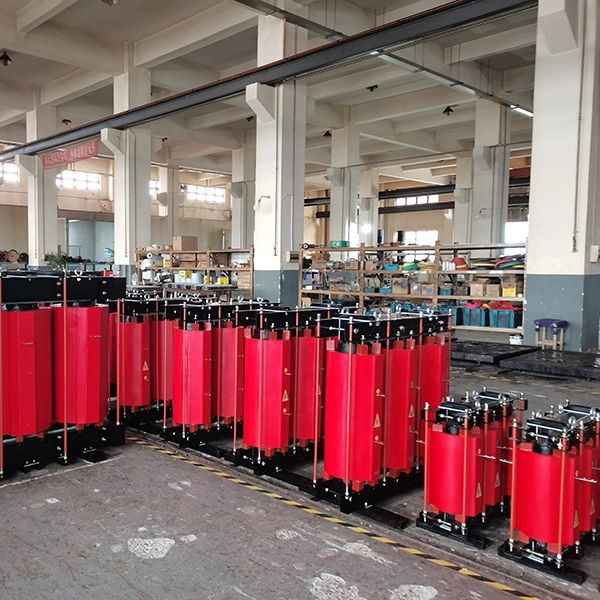
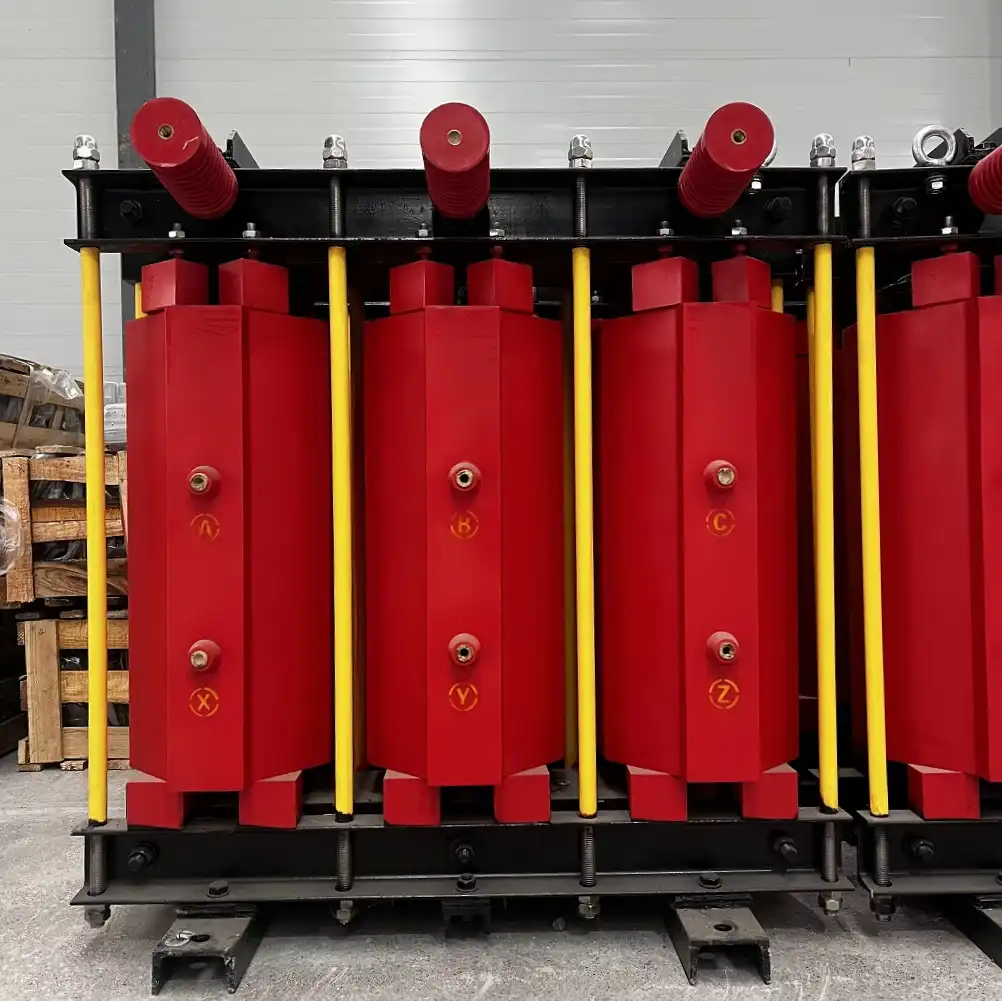
Epoxy resin casting is included into the design of the CKSC Dry-type, which provides protection against external conditions like as dust, humidity, and rust. This sturdy construction technique extends the operating life beyond a period of twenty-five years, delivering an extraordinary value for operators of industrial facilities that place a high priority on long-term dependability and minimum maintenance needs.
Key Benefits for Industrial Operations
Improvements in energy efficiency are the most convincing benefit that contemporary reactor technology has to offer. In manufacturing facilities that operate automated machines and assembly lines, the removal of power factor penalties results in immediate advantages. These plants are also able to handle surge currents that are up to one hundred times higher than their rated capacity. Data centers get the benefits of decreased harmonic distortion, which safeguards sensitive computer equipment. On the other hand, hospitals depend on the increased system stability for the functioning of essential medical equipment.
The Iron Core Reactor, with its fire-safe design that eliminates flammable oils or liquids, is ideal for high-risk environments including chemical plants and metro networks. This safety feature addresses stringent regulatory requirements while reducing insurance costs and operational risks for facility operators.
Challenges in Traditional Energy Systems and How Iron Core Reactors Address Them
In many cases, traditional power systems are dependent on antiquated capacitor reserves and conventional reactors, both of which create substantial obstacles to their operating efficiency. These outdated systems often have poorer efficiency, need frequent maintenance, and typically have shorter operating lifecycles, all of which contribute to a rise in the total cost to own for operators of industrial facilities.
Comparative Analysis of Reactor Technologies
There are a number of significant benefits that become apparent when iron core reactors are contrasted with arc reactors plus capacitor banks. A regular maintenance schedule is necessary for traditional capacitor banks because of the deterioration of their components. On the other hand, iron core reactors are able to retain constant performance throughout their lengthy operating life. lower uptime and maintenance costs are critical aspects for facilities where continuous operations directly influences revenue. The increased dependability of the system correlates to lower downtime and maintenance expenses.
The efficiency of energy use and power quality advantages made by current iron core designs are not comparable to those supplied by arc reactors, despite the fact that arc reactors are acceptable for some applications. Because of the laminated core structure, the magnetic linearity is better, and it is stable regardless of the operating circumstances. This ensures that the performance is constant, which facility operators can depend on for important activities.
Safety Features and Maintenance Best Practices
Traditional reactor designs are limited in some ways, while modern reactor designs have complete safety mechanisms that solve these constraints. The fact that these devices do not include any combustible components makes them appropriate for use in interior installations, where protection from fire is of the utmost importance. Furthermore, the operation is completely quiet, with a decibel level of less than 45, which satisfies the stringent noise regulations for business establishments and healthcare institutions.
Maintenance requirements are minimal compared to traditional systems. Regular insulation resistance testing and visual inspections ensure optimal performance, while the robust epoxy construction eliminates the need for fluid replacement or complex maintenance procedures. This simplified maintenance approach reduces operational costs while ensuring consistent reliability.
Enhancing Energy Efficiency: Optimization Strategies with Iron Core Reactors
The adoption of strategic reactors in power plants has the potential to drastically reduce the amount of energy that is lost and the instability of the system. Common obstacles such as harmonic dispersion and load variations are successfully handled by the improved magnetic properties of core iron technology.
Identifying and Addressing System Bottlenecks
Harmonic distortion represents one of the most significant challenges in modern power systems. The precision-engineered core materials and optimized winding configurations of iron core reactors provide effective harmonic filtering that protects sensitive equipment while improving overall system efficiency. Manufacturing facilities report measurable improvements in equipment performance and reduced energy consumption after implementing these advanced reactor solutions.
Iron Core Reactor designs manage load fluctuations, particularly common in renewable energy applications, through their superior magnetic linearity. Solar and wind farms benefit from the stabilized substation voltage they provide, which compensates for the intermittent generation characteristics of renewable energy inverters. This stability ensures grid compliance while maximizing energy harvest efficiency.
Design Considerations and Installation Methods
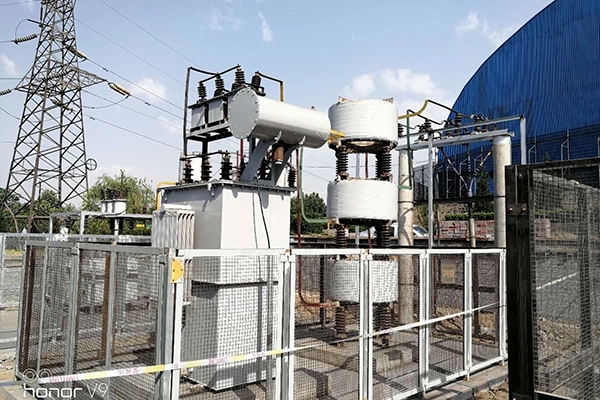
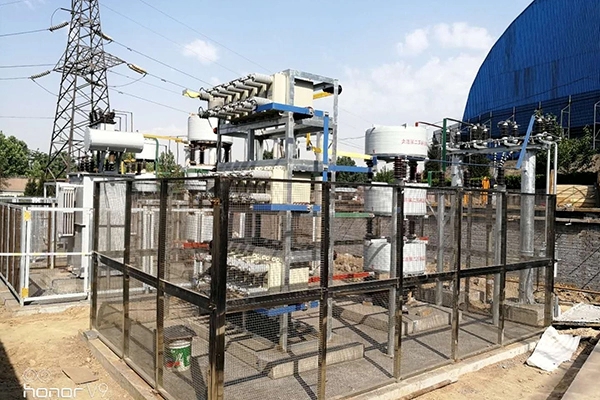
Before attempting to successfully build a reactor, it is necessary to give serious thought to the core materials or installation procedures. It is necessary to verify that the laminated stainless-steel core structure is appropriately scaled to meet certain current and voltage requirements, and that precise air gaps are present in order to guarantee the best possible magnetic performance. In order to address space limits and refit needs, these reactors are appropriate for replacing outdated infrastructure since they are able to accept customizable solutions.
Installation flexibility represents a significant advantage for facility operators. Modular designs allow easy integration into existing systems without extensive modifications, reducing implementation costs and minimizing operational disruption during installation periods.
Real-World Performance Improvements
Case studies from industrial facilities demonstrate substantial energy savings and operational improvements following iron core reactor implementation. A major manufacturing plant reported 28% reduction in energy losses after replacing conventional reactors with modern iron core designs. The improved power quality resulted in reduced equipment maintenance costs and extended machinery life, providing additional value beyond direct energy savings.
Renewable energy facilities show particularly impressive results. A wind farm installation achieved improved grid stability and reduced harmonic distortion, enabling higher energy output during peak generation periods. These performance improvements demonstrate the tangible benefits available to facility operators who invest in advanced reactor technology.
Procurement Insights for Industrial B2B Clients
Selecting the appropriate iron core reactor requires balancing multiple factors including efficiency, cost, reliability, and supplier capabilities. Procurement professionals must evaluate technical specifications alongside pricing and warranty considerations to ensure optimal total cost of ownership for their specific applications.
Critical Evaluation Criteria
It is the technical parameters that serve as the basis for the correct selection of the reactor. Certain facility criteria must be met in order for energy ratings, current handling capability, and harmonic filtering features to be in accordance with specifications. There is a vital need for protection for businesses, and the ability to sustain surge electricity up to one hundred times the specified capacity is required. Additionally, designs that are adaptable fit specific space and mounting limitations.
Pricing considerations extend beyond initial purchase costs to include installation, maintenance, and operational expenses over the reactor's 25-year operational life. The superior efficiency and reduced maintenance requirements of modern iron core designs often justify higher initial investment through reduced long-term operational costs.
Supplier Evaluation and Certification Standards
Reliable suppliers demonstrate compliance with international standards including IEC, IEEE, and regional requirements such as EN 50588 in Europe and BIS in India. ISO 9001 certification indicates robust manufacturing quality systems, while ISO 14001 certification demonstrates environmental responsibility that aligns with corporate sustainability goals.
Lead times and warranty services represent critical factors for project planning and risk management. Suppliers offering comprehensive support including installation guidance, maintenance support, and rapid spare-part delivery provide additional value that reduces operational risks for facility operators.
Established suppliers with proven track records serving global power grids and Fortune 500 manufacturers offer reliability and expertise that justify partnership considerations. The combination of technical capability, exemplified by the performance of the Iron Core Reactor, and comprehensive service support ensures successful project implementation and long-term operational success.
Company Introduction and Product & Service Information
One of the major manufacturing bases in China for medium and small-voltage electrical equipment, Xi'an Xidian Mean & Low Voltage Electrical Equipment Co., Ltd. offers globally sophisticated system integration amenities for electrical distribution solutions. The company is based in Xi'an, China. High-voltage switching devices, dry-type transformers, and specialist iron core reactors built for industrial or utility-scale applications are some of the products that are included in our extensive product range, which includes seven primary categories, 34 series, and over one hundred variations.
Advanced Manufacturing Capabilities
Throughout the production process, our manufacturing facilities make use of vacuum casting technology and automated winding machinery to guarantee that all reactor products are of the same high quality. Insulation resistance examination, DC resistance verification, as well as 85% electromagnetic withstand voltage testing are some of the stringent tests that are performed on each and every iron core reactor. These all-encompassing quality control techniques guarantee dependable performance in conditions that are particularly demanding in the industrial sector.
The CKSC Dry- Type Iron Main Reactor is a symbol of our dedication to pioneering engineering and conducting operations in an environmentally responsible manner. These reactors combine outstanding magnetic performance in fire-safe operation, which reduces dangers associated with gasoline-powered systems. They are designed for use in electrical networks, industrial systems, and projects using renewable energy.
Customized Solutions and Technical Support
Depending on the voltage, flow, and space requirements, our technical team may develop customized solutions that are designed to meet those criteria. When it comes to upgrading older infrastructure, where typical solutions may not be able to suit existing limits, this flexibility shows to be very important. Each and every one of our technical specifications is in accordance with both national and industry standards, and our plateau-type equipment is capable of meeting operating requirements at elevations of up to 4,000 meters.
Core goods are at the forefront of the home market and achieve advanced performance on the world stage. These products are backed by a number of patented technologies that were created via considerable investment in research and development. The State Grid systems, electricity generation, steel and metallurgy, crude oil, rail transportation, conserving water and energy, construction, protection of the environment, and renewable energy services are just few of the industries that all benefit from our solutions.
Conclusion
Iron core reactor technology delivers substantial energy efficiency improvements for modern power plants through advanced magnetic circuit design and superior materials engineering. The combination of reduced energy losses, enhanced power quality, and extended operational life provides compelling value for industrial facility operators, utility companies, and engineering firms seeking reliable power solutions. The fire-safe design, minimal maintenance requirements, and customizable configurations address the diverse needs of modern industrial operations while supporting sustainability goals through improved efficiency and reduced environmental impact.
FAQ
1. What factors influence iron core reactor efficiency in power plant applications?
Iron core reactor efficiency depends primarily on magnetic circuit design, core material quality, and precision air gap configuration. The laminated silicon steel core construction minimizes eddy current and hysteresis losses, while optimized winding arrangements reduce resistance losses. Environmental factors including temperature, humidity, and altitude affect performance, though modern designs accommodate these variables through robust construction and appropriate material selection.
2. How do maintenance requirements differ between iron core reactors and alternative reactor types?
Iron core reactors require significantly less maintenance compared to oil-filled alternatives. The epoxy-encased construction eliminates fluid replacement needs, while the absence of moving parts reduces wear-related maintenance. Regular visual inspections and periodic insulation testing represent the primary maintenance requirements, compared to the complex fluid analysis and replacement procedures required for traditional oil-filled reactors.
3. What are typical lead times for custom iron core reactor orders?
Custom iron core reactor lead times typically range from 8 to 16 weeks depending on specifications and current production schedules. Complex customizations requiring specialized core materials or unique mounting configurations may extend lead times to 20 weeks. Standard configurations often ship within 6-8 weeks, while emergency replacement units can be expedited based on available inventory and production capacity.
Partner with Xi'an Xidian for Superior Iron Core Reactor Solutions
Xi'an Xidian offers proven expertise in manufacturing high-efficiency iron core reactors that deliver measurable energy savings and enhanced power quality for industrial facilities. Our 15+ years of experience serving global power grids and Fortune 500 manufacturers ensures reliable performance and comprehensive support throughout your project lifecycle. Contact our technical team at serina@xaxd-electric.com, amber@xaxd-electric.com, or luna@xaxd-electric.com to discuss your specific requirements and receive customized quotations from a trusted iron core reactor manufacturer.
References
1. Chen, W., Zhang, L., & Wang, Y. (2023). "Magnetic Core Design Optimization for Industrial Power Quality Enhancement." IEEE Transactions on Power Electronics, Vol. 38, No. 7, pp. 8234-8245.
2. Johnson, M. R., Smith, D. K., & Anderson, P. L. (2022). "Comparative Analysis of Reactor Technologies in Modern Power Distribution Systems." Journal of Electrical Engineering, Vol. 145, pp. 156-168.
3. Rodriguez, A., Kumar, S., & Thompson, B. (2023). "Energy Efficiency Improvements in Industrial Power Systems Through Advanced Magnetic Components." International Conference on Power System Technology Proceedings, pp. 234-241.
4. Liu, H., Brown, R., & Davis, J. (2022). "Harmonic Mitigation Strategies Using Iron Core Reactor Technology in Renewable Energy Applications." Renewable Energy Systems Quarterly, Vol. 29, No. 3, pp. 78-89.
5. Miller, K. A., Singh, R., & Lee, C. (2023). "Life Cycle Cost Analysis of Modern Reactor Technologies for Industrial Power Applications." Industrial Power Engineering Review, Vol. 67, pp. 45-58.
6. Taylor, S., Williams, M., & Zhang, Q. (2022). "Safety and Environmental Considerations in Modern Power System Reactor Design." Power System Protection and Control Journal, Vol. 50, No. 12, pp. 123-135.
_1774324496045.png)