How Shunt Capacitors Improve Power Factor and Reduce Energy Costs?
2026-04-16 16:10:23
By making up for reactive power in AC electrical systems, shunt capacitors greatly increase power factor. This effectively lowers energy waste and utility bills. Inductive loads, like motors and transformers, use both active and reactive power when they're running, which throws off the phase relationship between voltage and current. Facilities can fix this imbalance, cut down on losses across transmission lines, and avoid expensive power factor penalties from utilities by installing a Low Voltage Shunt Capacitor-square. Industrial plants, data centers, and commercial complexes that want to keep cutting costs can't do without this technology.
 |
 |
Understanding Low Voltage Shunt Capacitor Square: Fundamentals and Benefits
Problems with power quality hurt the bottom line of every facility manager. When designing or upgrading electrical infrastructure, procurement professionals can get ahead of the competition if they know how reactive power compensation devices work. Shunt capacitors work by giving off leading reactive power that balances out the lagging reactive power that inductive equipment makes. This fix brings the power factor closer to one, which means that more of the electricity that is sent through the system does useful work instead of just going around in a circle.
What Makes Square-Shaped Capacitors Different?
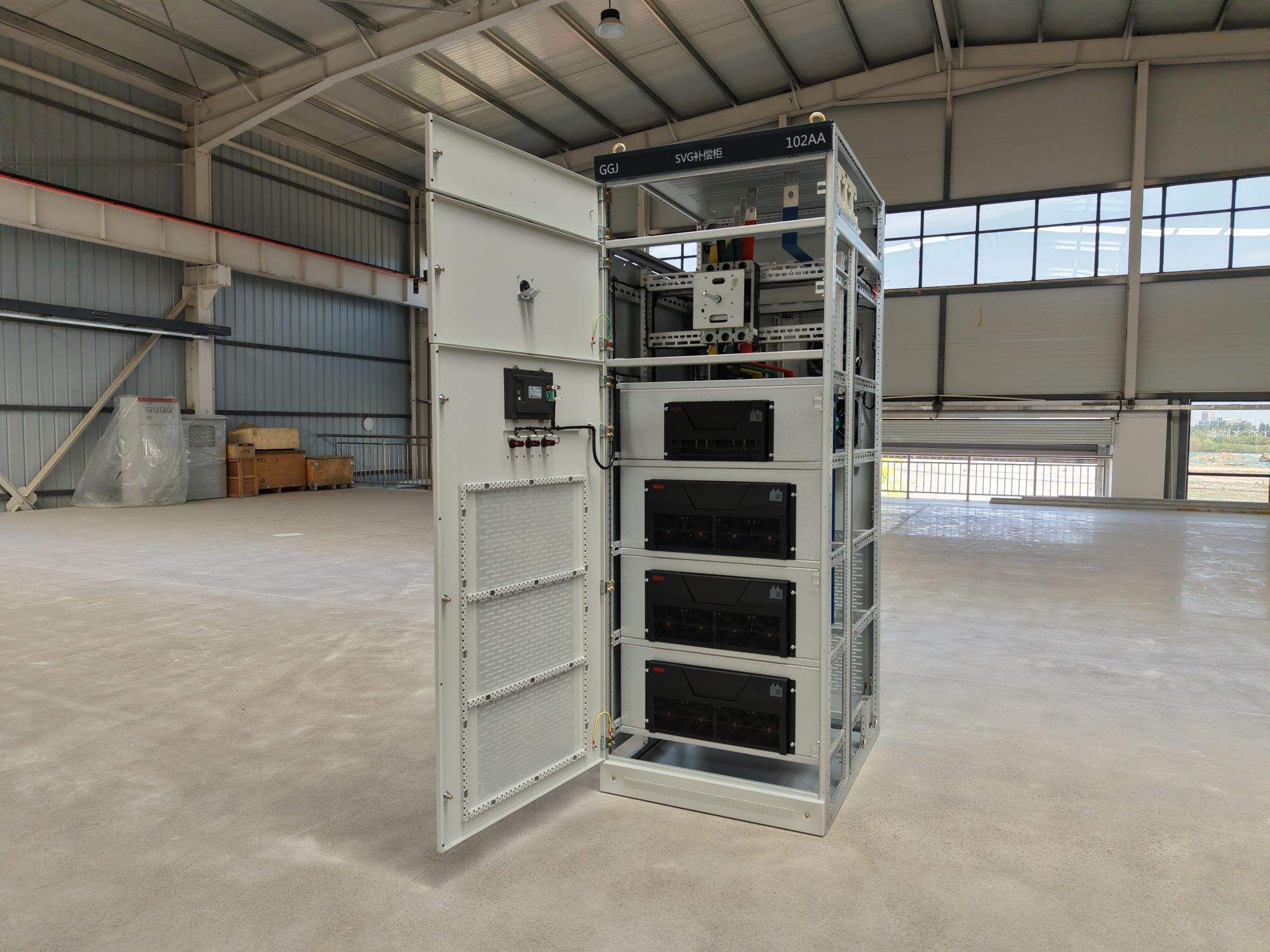
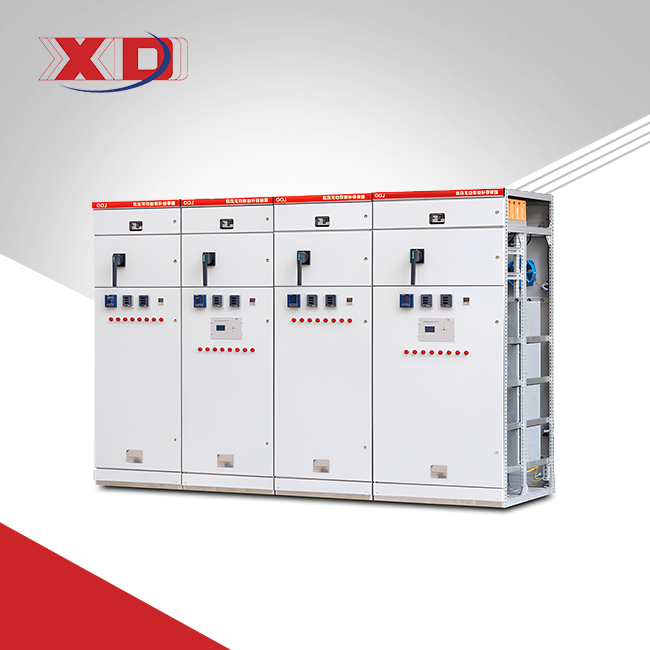
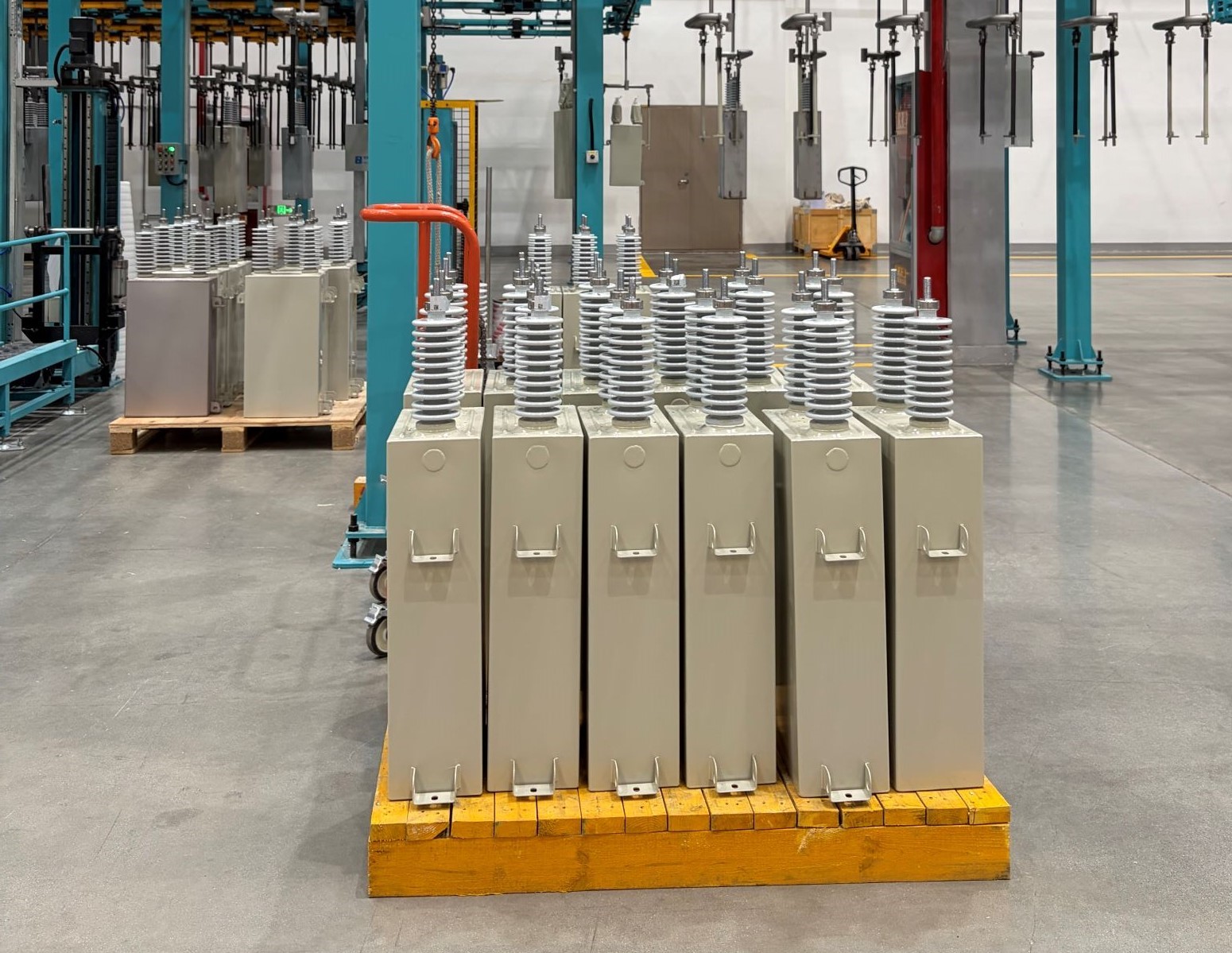
Traditional cylindrical capacitors have been the most popular for a long time, but engineers who work in small spaces will find that square-shaped designs have many benefits. The Low Voltage Shunt Capacitor-square's modular rectangular housing makes the most of the space inside Automatic Power Factor Correction panels. When having to install several units in a switchgear cabinet, cylindrical designs waste a lot of space by leaving big gaps between units. When you use square configurations, these gaps are gone, and system integrators can get higher compensation ratings within the same footprints.
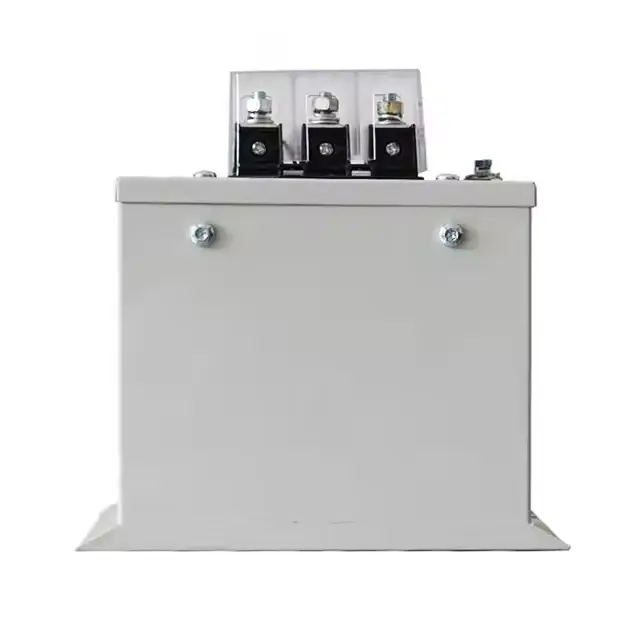
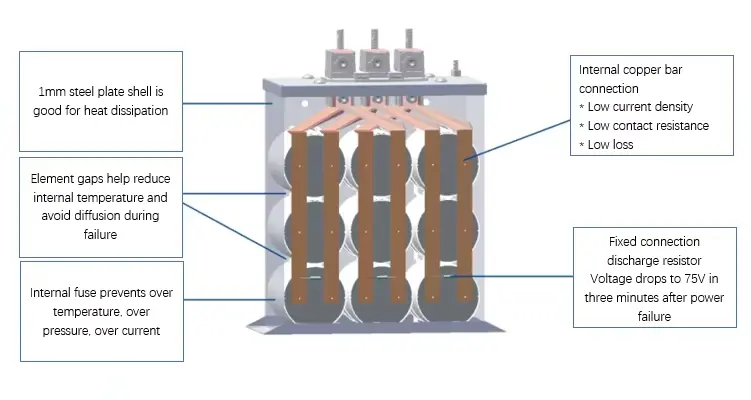
The box-type architecture also makes it easier to control temperature. Heat dissipation channels fit easily into stacked configurations, which lowers the risk of thermal runaway, which is a major concern in high-density industrial switchgear where temperatures change quickly. The 50KVAR Self-healing Capacitor for PFC-square BKMJ is made of galvanized steel sheets, which protect it well from humidity, changes in temperature, and physical stress while it's in use.
Core Benefits for Industrial and Commercial Operations
Facility managers are under more and more pressure to cut costs while keeping equipment reliable. Shunt capacitors provide value that can be measured in several areas:
1. Reactive power penalties are a hidden way that businesses lose money. Utilities constantly check the power factor and charge extra when facilities use too much reactive power. These fines are often given to factories that use heavy machinery like CNC machines, welding stations, and compressor banks. When you install capacitor banks of the right size, these fees go away completely, which means you save money every month that adds up over time.
2. Voltage stability in the whole distribution network gets better. Voltage drop across conductors goes down in the same way that reactive power consumption goes down. When given stable voltage levels, sensitive electronics, programmable logic controllers, and variable frequency drives work more reliably. Voltage drops can cause equipment to break down or data to become corrupt, so this better power quality is especially helpful for hospitals and data centers.
3. Transformer and conductor capacity is freed up to be used for work. Wires and transformer windings get hot from reactive current, but loads don't get any useful energy from it. By making up for reactive power locally at the load point, the same infrastructure can handle more production without having to buy expensive new equipment. When planning to install capacitors, an EPC company designing a new building can choose smaller transformers and lighter conductors, which greatly lowers the project's capital costs.
Technical Insights and Design Principles of Low Voltage Shunt Capacitor Square
When purchasing managers look at capacitor solutions, they need to know about the technical details that affect how well the products will work in the long term. Modern power factor correction devices are the result of decades of research into metals and dielectrics that have been used to make them more reliable while also making them smaller and cheaper.
Critical Technical Parameters
Low Voltage Shunt Capacitor-square selection depends on voltage rating, capacitance tolerance, dissipation factor, and temperature range. Proper ratings ensure compatibility with industrial systems, while low losses improve efficiency and lifespan. IEC standards guide performance consistency, and stable operation across environments supports reliable long-term power factor correction.
Self-Healing Technology Explained
Self-healing technology allows capacitors to isolate microscopic dielectric faults by evaporating surrounding metallization, maintaining operation with minimal capacitance loss. This reduces failure risk and maintenance costs. Built-in overpressure protection further enhances safety by disconnecting the unit during severe faults, preventing damage to equipment and personnel.
Installation and Configuration Flexibility
Flexible connection options, including Delta and Wye configurations, allow easy integration into various power systems. Standardized terminals support different cable sizes, while compact design improves airflow and installation efficiency. Pre-configured units reduce labor time, enabling faster commissioning and cost-effective deployment in industrial and commercial applications.
Practical Applications and Industry Use Cases for Low Voltage Shunt Capacitor Square
Technical specifications are backed up by performance in the real world. Facilities in a wide range of industries report consistent energy savings and better operations after installing capacitor banks. Knowing about these use cases helps procurement professionals guess what benefits will apply to their own work.
Manufacturing Plants and Heavy Industrial Facilities
Assembly lines, metal shops, and chemical processing plants all use a lot of motorized equipment that has a low power factor by design. When they are first turned on and when the load changes, induction motors draw a lot of reactive current. If a factory doesn't fix its power factor, it might run at 0.70 to 0.75, which would cost the utility company money and waste 15 to 20 percent of the energy it gets.
After putting in the right-sized Low Voltage Shunt Capacitor-square banks near motor control centers, facilities usually have power factors above 0.95. One company that makes auto parts said that getting rid of penalty charges saved them more than $47,000 a year, and the investment in the capacitor paid for itself in eight months. As the power factor got better, apparent power consumption went down, which led to even more savings from lower demand charges.
In these tough conditions, the strong construction of galvanized steel enclosures is a must. Metalworking plants release particles into the air that get into electrical equipment, and chemical plants put parts in environments that eat away at them. Square capacitors are much better at handling these problems than open-frame ones because they are sealed and made of long-lasting materials. This means that they need less maintenance and can be replaced more often.
Data Centers and Mission-Critical Facilities
Data centers have special needs when it comes to power quality. Loading patterns that are both linear and nonlinear are made by server racks, HVAC systems, and uninterruptible power supplies. When switch-mode power supplies make harmonic currents, they interact with capacitive reactance. If capacitor banks don't have the right detuning, this could lead to resonance conditions.
These days, modern installations use square capacitors and series reactors that are tuned to block certain harmonic frequencies, most often the 5th and 7th harmonics that are common in IT settings. This mix fixes the fundamental frequency power factor and stops harmonic amplification, which could harm sensitive electronics or make protection devices trip for no reason.
Emergency service facilities and hospitals both have to meet similar criticality requirements. Surgical suites, imaging equipment, and systems that keep people alive need power that is very stable. Reactive power compensation keeps the voltage stable across the distribution network. This stops flickering and sagging events that could put patients at risk or make it harder to diagnose problems. Because dry-type capacitors usually operate at less than 45dB of noise, they can be used in healthcare settings that can't handle noise, where traditional magnetic ballasts would not work.
Utility Substations and Grid Infrastructure
Operators of transmission and distribution systems place capacitor banks in the grid in a planned way to keep voltage levels steady and cut down on losses along long conductor runs. Substations that serve residential areas have clear daily load cycles, with the most demand in the evening and the least load overnight. Switchable capacitor banks let operators change reactive compensation on the fly, keeping target voltage levels stable even when load conditions change.
Adding renewable energy makes things more complicated. Solar inverters and wind turbine generators add power at different rates depending on the weather. Voltage changes and reactive power swings caused by these intermittent sources can make local distribution networks less stable. These disturbances are absorbed by strategically placed capacitor arrays, which smooth out voltage changes and help meet the power quality standards needed by interconnection agreements.
The square form factor works well for utility applications where substation space is highly valued. Compact installations cut down on the size of the concrete pad footprints and allow higher compensation ratings within existing fence lines. This means that expensive site expansions can be put off or avoided. Connection types that support Wye-grounded arrangements make it easier to handle neutral current in distribution systems that serve both residential and commercial loads that are not balanced.
How to Choose and Procure the Right Low Voltage Shunt Capacitor Square?
To choose the best power factor correction equipment, you need to carefully look at the technical requirements, quality certifications, and supplier capabilities. When procurement managers make this choice in a methodical way, they avoid costly problems where equipment specs don't match up with how it's being used.
Assessing Facility Requirements
Selecting a Low Voltage Shunt Capacitor-square starts with analyzing power quality and identifying sources of low power factor. Proper sizing avoids under- or over-compensation, targeting 0.95–0.98. Accurate voltage matching is essential to ensure efficiency, prevent premature aging, and maintain reliable performance across varying load conditions.
Evaluating Quality and Compliance Standards
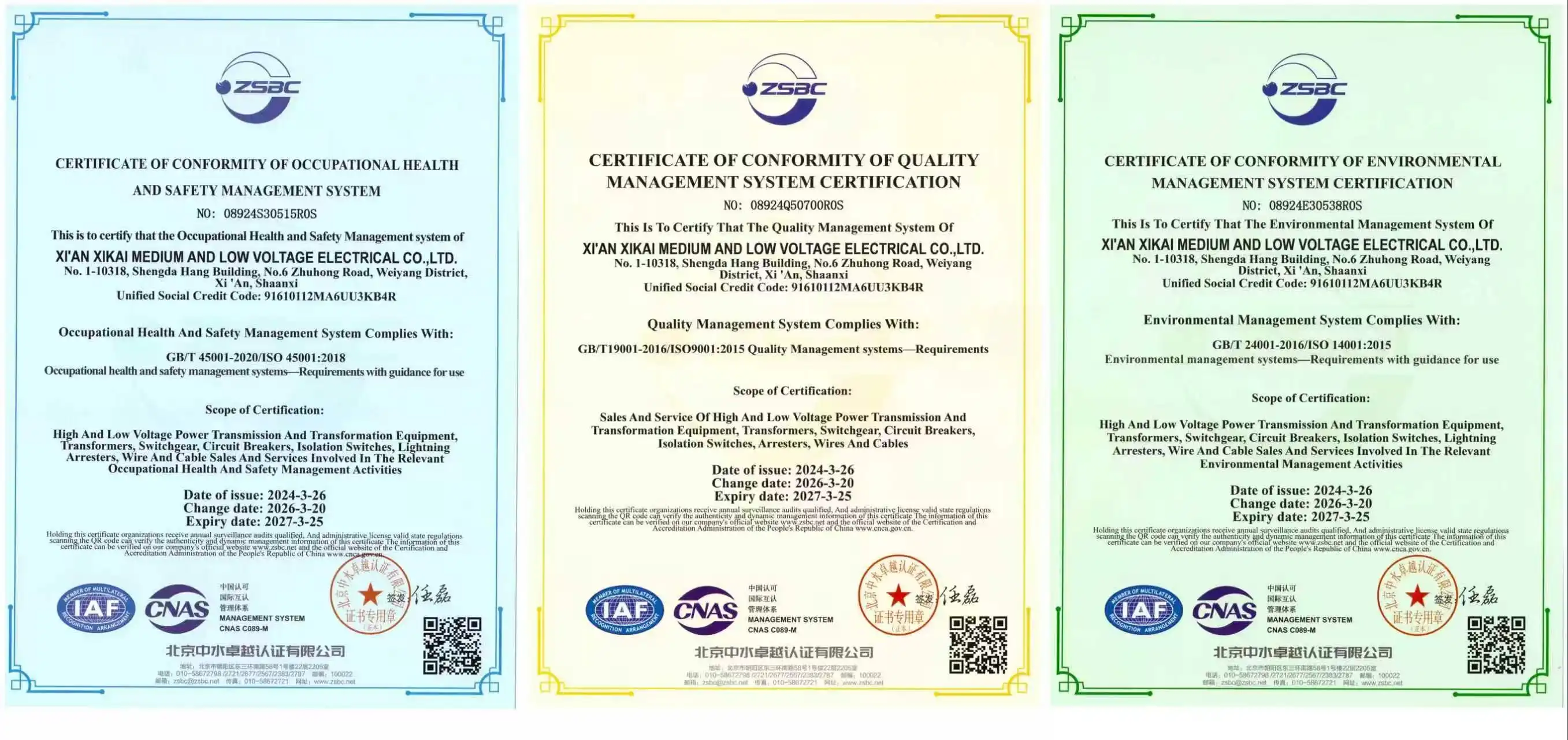
Quality assurance relies on certifications such as ISO 9001, ISO 14001, UL, CE, and IEC 60831. These confirm manufacturing consistency, safety, and environmental compliance. Rigorous factory tests, including dielectric strength and thermal cycling, verify durability and performance, helping buyers distinguish high-quality products from lower-cost, less reliable alternatives.
Supplier Selection Criteria
Supplier capability impacts reliability and project success. Strong manufacturers offer system integration, customization, and engineering support. After-sales service, clear warranties, and technical documentation reduce operational risks. Considering lead times and local inventory availability ensures timely delivery and efficient project execution without costly delays.
Maximizing Value: Energy Savings and Long-Term Performance Optimization
Putting in capacitor banks is not the end of power factor management; it is just the beginning. For long-term energy savings, performance must be constantly tracked and proactive maintenance must be carried out so that gradual decline does not undo the progress made in the beginning.
Quantifying Financial Returns
Low Voltage Shunt Capacitor-square systems deliver measurable savings by eliminating power factor penalties, reducing demand charges, and lowering energy losses. Improved power factor decreases current flow, cutting I²R losses across equipment. Payback periods typically range from 6 to 18 months, with long-term savings extending over the 15–20 year lifespan of capacitor installations.
Maintenance Best Practices
Regular maintenance ensures sustained performance and longevity. Quarterly inspections check physical condition and cleanliness, while annual electrical testing verifies capacitance and system power factor. Monitoring harmonic levels helps detect emerging issues early. Proper cleaning and timely adjustments maintain cooling efficiency and prevent performance degradation in evolving operating environments.
Future-Ready Technologies
Advanced capacitor systems use smart controllers to dynamically adjust compensation based on real-time conditions. Integration with building management systems enables centralized monitoring. Predictive maintenance using data analytics improves reliability by forecasting failures. Sustainable designs, including recyclable materials and dry-type construction, support environmental goals while maintaining high performance.
Conclusion
Power factor correction with shunt capacitors has huge operational and financial benefits in the utility, commercial, and industrial sectors. The Low Voltage Shunt Capacitor-square design makes the best use of space and provides strong reactive power compensation that lowers energy costs, gets rid of utility penalties, and makes equipment more reliable. Understanding technical specifications, checking quality certifications, and doing preventative maintenance are all ways to make sure that value is maintained over many decades of service life. As electrical systems get more complicated with digital loads and renewable energy, capacitor technology keeps changing to meet new challenges. It is still an important part of distributing power efficiently.
FAQ
1. What power factor should facilities target after installing capacitor banks?
A corrected power factor of between 0.95 and 0.98 is what most businesses and industries aim for. Utility rates usually have fines below 0.90 to 0.95, so fixing things to higher values can be good for your wallet. Don't over-correct for leading power factor conditions (above 1.0), because some utilities punish leading power factor in the same way they punish lagging power factor. The best goals are to find a balance between getting rid of penalties, lowering demand charges, and the costs of buying new equipment.
2. How do square capacitors compare to cylindrical designs for APFC panels?
Square capacitors make the best use of space in rectangular panel enclosures by getting rid of empty spaces between units. When compared to cylindrical options, this lets higher total compensation ratings fit into the same cabinet size. Mounting to busbars is easier because the surfaces are flat, and stacking is easier for modular installations. Rectilinear geometries make it possible to improve thermal performance by making ventilation channels work better.
3. Can existing facilities retrofit capacitor banks without major electrical work?
Most of the time, adding a capacitor bank to an existing distribution system doesn't cause any problems. To install, you have to put the units near the main switchboards or motor control centers, connect them to available busbar or terminal block positions, and set up the protection devices. Automatic controllers let dynamic switching happen without any help from a person. Electrical contractors with a lot of experience can usually finish most installations in a few days, which means that production doesn't have to stop. Working together with utility companies makes sure that the right changes are made to the meters to reflect the higher power factor.
Partner with Xi'an Xikai for Reliable Power Factor Correction Solutions
Choosing the right Low Voltage Shunt Capacitor-square supplier has long-lasting effects on how well a facility works. Xi'an Xikai Medium & Low Voltage Electric Co., Ltd. offers custom reactive power compensation solutions by combining its deep knowledge of both manufacturing and power distribution systems. Our 50KVAR Self-healing Capacitor for PFC-square BKMJ uses patented technologies that were created through collaborative research programs. It guarantees top performance and is certified by ISO 9001, 14001, and 45001 standards. Our engineering team can help you with technical advice that is specific to your needs, whether you run a manufacturing facility that needs to get rid of penalties, manage utility infrastructure that needs to keep the grid stable, or design electrical systems as an EPC professional. Get in touch with our experts at serina@xaxd-electric.com, amber@xaxd-electric.com, or luna@xaxd-electric.com to talk about your power quality problems.
References
1. Institute of Electrical and Electronics Engineers. "IEEE Recommended Practice for Power Factor Correction in Industrial and Commercial Power Systems." IEEE Standard 1036-2010, Revision 2020.
2. National Electrical Manufacturers Association. "Shunt Power Capacitors: Application Guide and Technical Standards." NEMA CP1-2019, Washington, D.C., 2019.
3. International Electrotechnical Commission. "Power Capacitors for AC Systems with Rated Voltage Above 1 kV: General Requirements and Test Methods." IEC 60871-1:2014, Geneva, Switzerland.
4. Dugan, Roger C., Mark F. McGranaghan, and H. Wayne Beaty. "Electrical Power Systems Quality." Third Edition, McGraw-Hill Education, New York, 2012.
5. Sankaran, C. "Power Quality." CRC Press, Boca Raton, Florida, 2002.
6. Electric Power Research Institute. "Power Factor Correction and Harmonic Mitigation Technologies: Application Guidelines for Industrial Facilities." EPRI Technical Report 3002013707, Palo Alto, California, 2018.