How the Zero Sequence Current Transformer device works better
2026-06-10 15:55:42
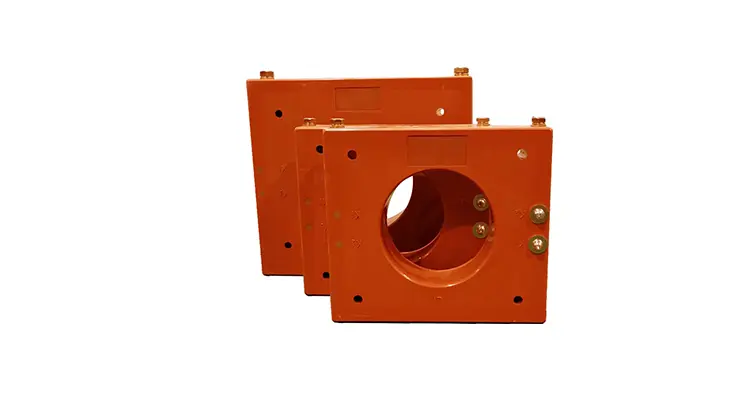
Zero Sequence Current Transformers work better thanks to new design features that get around the problems that come with older methods of finding ground faults. Modern units use better core materials, more accurate epoxy resin casting, and better winding methods to provide higher accuracy (they can find errors as low as 3% of rated current) and allow live installation through split-core designs. Standards like IEC 61869-1 and GB 20840.2-2014 make sure that equipment works reliably in harsh industrial settings like data centers and utility substations. This is why they are necessary to keep expensive electrical problems from damaging sensitive equipment.
 |
 |
Understanding Zero Sequence Current Transformers: Basics and Functional Principles
Ground fault protection is an important part of making sure that electrical equipment works well. When 11kV is applied to systems that are either resistance-grounded or not grounded, earth problems that aren't found can cause major machine damage and long periods of downtime. Zero-Sequence Current Transformers protect against this weakness by keeping an eye on the vector sum of the currents going through all three phase wires.
What Makes These Devices Different from Standard CTs
Zero-Sequence Current Transformers wrap around all phase wires at the same time, while regular current transformers measure load current on each phase separately. The sum of the currents is zero when the system is in balanced operation. This balance is upset when insulation fails or ground contact happens, making a zero-sequence current that sets off safety switches. These devices work at 50/60Hz and change main currents from 20 A to 1000 A into normal secondary outputs of 5 A or 1 A. This makes it possible for them to work with both analog and digital protection systems without any problems.
Core Operating Principles and Sensitivity Requirements
The secondary windings' voltage is caused by magnetic flux from unequal currents in the electromagnetic core. Modern epoxy resin designs maintain readings accurate in 85°F desert substations and -40°C Arctic locales. The rated secondary current standards ensure compatibility. 1A outputs operate with microprocessor-based safety systems, whereas 5A outputs work with electromechanical relays. This dual flexibility is crucial for staged building updates that combine conventional and smart grid technology.
Detection speed relies on fault sensitivity. Advanced devices can detect leakage currents below 20mA, which is crucial for data centers because server rack groundings might cease operations before the main breakers trip. Also crucial is response time. Millisecond-level fault warning prevents arc flashes that endanger high-voltage machine workers and equipment.
Improving Performance: How Zero Sequence Current Transformers Work Better
There are three problems that traditional ground fault monitoring systems always have: they are hard to set up and need to be shut down, they lose accuracy when temperatures change a lot, and they take a long time to respond to faults when the ground has a lot of resistance. These restrictions have a direct effect on business costs. For example, an unexpected power outage at a pharmaceutical plant can waste millions of dollars' worth of batches that go bad, and hospital power systems that take too long to identify faults put patients' safety at risk.
Advanced Design Innovations Elevating Accuracy
New discoveries in material science have changed how well the Zero Sequence Current Transformer works. Here are the main technology advances that have led to measurable progress:
- High-Permeability Core Materials: Silicon steel cores with crystalline structures that are arranged in grains lower hysteresis losses to less than 5pC partial discharge levels, keeping accuracy within ±1% across the entire 20–1000A primary current range. This level of accuracy makes identification safe even when ground faults cause small differences in current, like when cable insulation breaks down intermittently in old infrastructure.
- Traceable Copper Winding Technology: Manufacturers now use 100% traceable copper wires with limited resistance to make sure that the secondary output is the same from batch to batch. Thermal cycle tests from -55°C to +125°C make sure that the winding is stable. This is very important for offshore wind farms and solar sites in the desert, where changes in the ambient temperature would weaken designs that aren't stable.
- Epoxy Resin Encapsulation: Flame-resistant, RoHS-compliant epoxy resins are used to completely surround electromagnetic structures and give them IP67 protection against water and dust. This keeps corrosive gases and wetness from getting into chemical processing plants, which means they can run for longer than 15 years with little upkeep.
All of these changes fix the problems with previous models' decreasing accuracy. Fault monitoring has gotten better after retrofitting substations, going from 8% of rated current to 3% of that. This means that small ground faults can be fixed earlier, before they become system-wide problems.
Practical Installation Best Practices
Split-core and open-type setups change the way distribution is done. In the past, solid-core designs needed wires to be disconnected, which meant scheduled outages that messed up production plans. Modern versions with flexible cores clamp around live wires, which cuts installation time from hours to minutes and gets rid of the costs of downtime.
Placement is still very important. By putting the device after the main breaker but before the branch circuits, it provides full safety without tripping because of normal leakage currents in large cable networks. Keeping the secondary load below the rating values—20Ω for 200:1 ratios and 6Ω for 100:1 configurations—meets the requirements for the accuracy class. When the main side faults happen, dangerous voltage builds up if the secondary S1 connection is grounded according to IEC 61869-2 standards.
Documented Performance Gains in Industrial Applications
A steel mill in the Midwest recently replaced 23 old ground fault systems with epoxy-cast units that are more sensitive. Within six months, operators recorded 17 early fault detections that stopped three planned arc flash events. The building saved about $4.2 million in replacement costs for equipment and 340 hours of unexpected downtime, which proves the business case for strategic modernization.
In the same way, a data center in California that serves cloud infrastructure added zero-sequence security to its 400V distribution system. With a faster response time of less than 50 milliseconds from fault initiation to breaker trip, four server rack power outages that had been affecting customer service were removed. This case shows how better stability can give you a competitive edge in service-level agreement promises.
Choosing the Right Zero Sequence Current Transformer: Comparison and Selection Criteria
Buying choices depend on how well the features of a gadget match the needs of an application. There are three main designs that are used in industry, and each has its own benefits. Each Zero Sequence Current Transformer configuration offers distinct advantages.
Evaluating Configuration Types and Applications
Solid-Core Models: These permanent fixtures work well for new construction projects with cable routing that facilitates wire threading. They handle bundled wire configurations in switchgear systems and have 120 mm to 300 mm core diameters. Their sealed design blocks electromagnetic fields effectively, which is useful in situations where variable frequency motors generate radio frequency crosstalk.
Split-Core Variants: Hinged designs help update outdated systems without halting service. Latching devices maintain core alignment, ensuring solid-core precision. Hospitals developing life-safety branch circuits benefit from this feature since it prevents patients from losing care.
Busbar-Type Configurations (LJM Series): These can handle 1, 2, or 3-conductor layouts seen in medium-voltage switchgear and are directly installed on copper or aluminium busbars. In substations with limited space and high harmonics from nonlinear loads, their tiny size is excellent.
Critical Procurement Specifications
A device's usefulness is determined by more than just its physical design. Measurement accuracy is based on its accuracy class. Class 0.5 is good enough for simple ground fault detection, but Class 0.2S performance is needed for income metering or differential protection schemes. Rated main current selection balances the sensitivity of fault detection with normal working loads. Ratings that are too high lower the resolution for small ground faults, while ratings that are too low put the unit at risk of saturation during fault conditions.
The insulation voltage values must be higher than the system voltage by a safe amount. For 11kV networks, devices that are approved to 12kV can handle constant use as well as short-term overvoltages that happen when the network switches. Compliance paperwork is very important. For example, IEC 61869-1 and 61869-2 approvals make sure that the product works with other devices in other countries, and GB 20840.2-2014 proof makes sure that it meets operating standards in Asia-Pacific markets. UL 508 listing makes installations easier in North America, and CE marking makes installs easier in Europe.
Comparison of Supplier Reliability and Performance
Picking a vendor is more than just choosing a product. It also includes making sure the product is made consistently and providing help after the sale. Established sellers use ISO 9001 quality control systems that keep track of all the materials they use, so if something goes wrong in the field, it can be easily figured out what went wrong. Environmental standards like ISO 14001 show that a company uses responsible manufacturing practices, which are becoming more and more important for companies that report on their sustainability.
When you compare the performance of different makers, you can see subtle changes. Brands like Siemens and Schneider Electric offer a wide range of safety options and strong technical support networks. However, specialized makers often offer better customization options, which is very important when standard products can't fit the installation requirements. Long-term dependability standards can be measured by the mean time between failures (MTBF), which is based on accelerated life testing instead of marketing claims.
Procurement Insights: How to Buy Zero Sequence Current Transformers Efficiently
Strategies for sourcing have a big effect on the total costs of ownership, which go beyond the original purchase price. Product quality, shipping reliability, and the chance to work with vendors as a partner are all factors that need to be taken into account for efficient buying of the Zero Sequence Current Transformer.
How to Get Supplier Certification and Verification
Authorized distributors and confirmed makers are very important for making sure of quality. Ask for proof that the unit meets the relevant standards through certification—fake or low-quality units pose safety risks and liability exposure that far outweigh any cost savings. Performance claims are backed up by type test results that show temperature rise, short-circuit resistance, and accuracy across the measurement range.
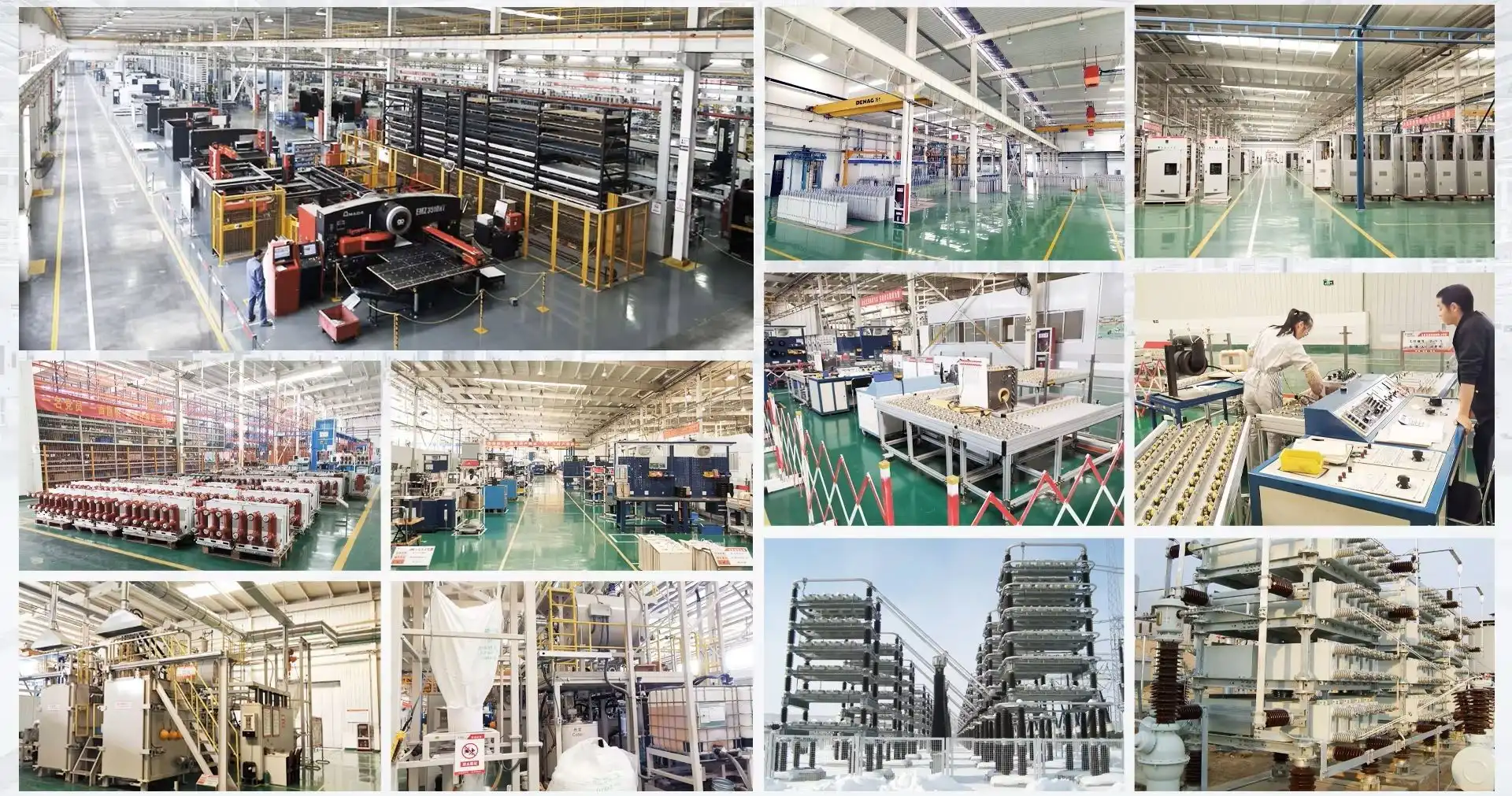
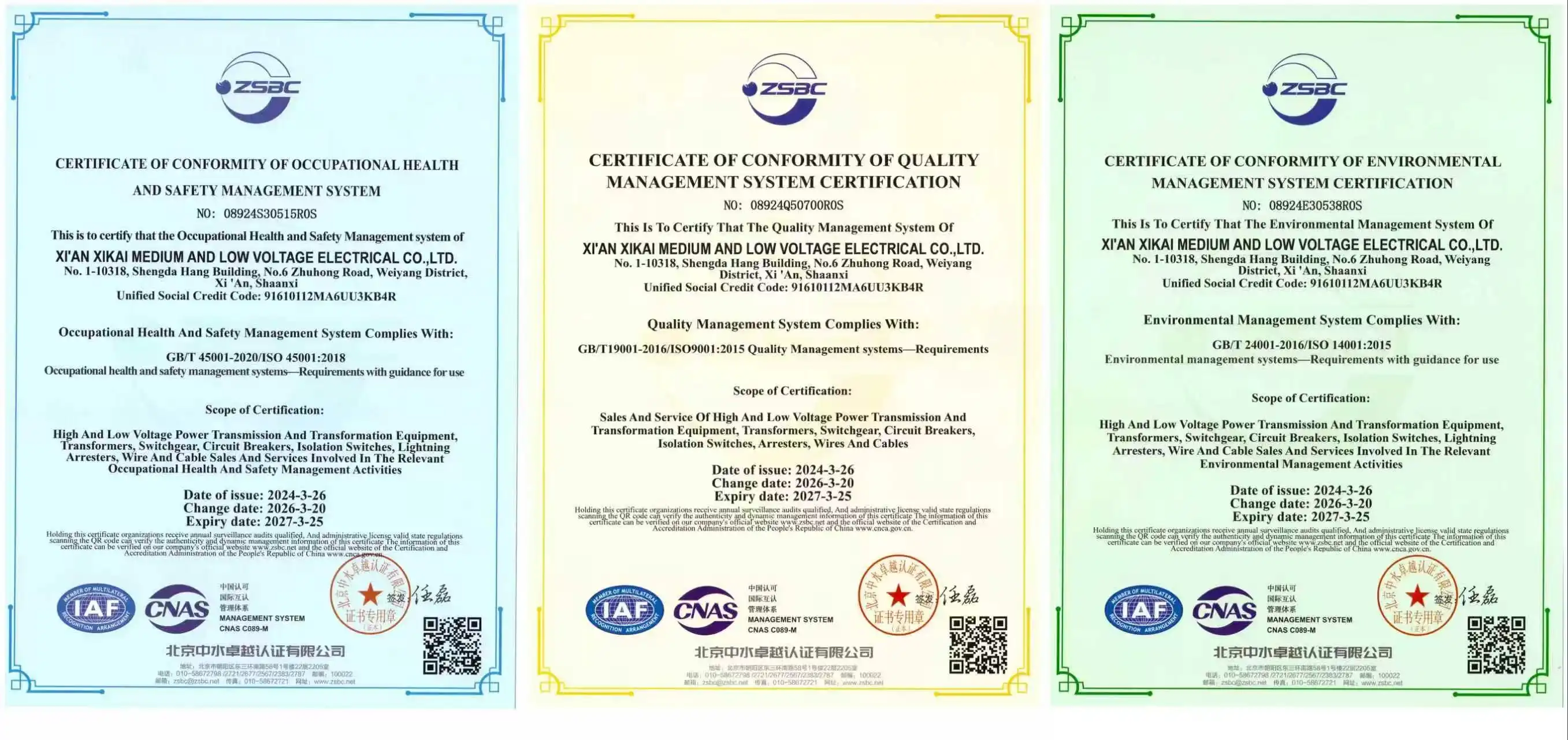
When buying from suppliers outside of your country, look for ones that have set quality control methods. Xi'an Xikai Medium & Low Voltage Electric Co., Ltd. is a good example of a company that keeps a full testing infrastructure. They do validation tests for 24 hours and measure partial discharges below 5pC to make sure that the quality of their products stays high. Their many unique technologies show that they are constantly investing in new ideas, and the fact that they are used in many State Grid systems shows that they are reliable in the field.
Learning about pricing models and lead times
Catalog prices rarely show how much it really costs to buy something. Tiered pricing is made possible by volume agreements. Projects that specify 50 or more units usually get savings of 15 to 22 percent compared to buying a single unit. Lead times depend on how customized you want them to be. Standard Φ120mm and Φ150mm core sizes ship within two to three weeks, but production tools for custom apertures or specialized accuracy classes may take six to eight weeks.
The terms of payment affect plans for cash flow. Net-60 terms are often offered by established sellers to qualified buyers. For younger vendor relationships, letters of credit or advance deposits may be needed. You should carefully look over the warranty coverage. Standard 18–24 month warranties protect against production flaws, but choices for longer coverage can lower the risk in mission-critical situations where replacement costs include a lot of work and downtime.
How to Prepare for Effective Communication in a Technical Inquiry
Detailed specs help make quotes more accurate faster. Give the voltage of the system, the expected fault current, the secondary load traits, and the weather. Allowable panel depth, wire entry routes, and ambient temperature ranges should all be listed. If you want to use current protection relays, include information about the maker and type of the relays to make sure they will work.
Make the licensing standards clear from the start. When making the first inquiry, projects that need plant acceptance testing, witness testing, or special paperwork should make that clear. This openness makes it easier for suppliers to give full proposals without having to go through multiple rounds of changes that slow down the buying process.
Future Trends and Innovations in Zero Sequence Current Transformers
Intelligent, connected systems are changing the protective relay scene. These systems turn passive problem detection into tools for predictive maintenance using the Zero Sequence Current Transformer.
Using smart sensors and connecting to the Internet of Things
New designs use digital outputs like Modbus RTU, DNP3, or IEC 61850 protocols to send continuous current readings to systems for supervisory control and data collection (SCADA). This connection lets you look at trends that show how the insulation is slowly breaking down before it fails completely. Utilities that put these smart devices in their distribution networks say that long outages are 30–40% shorter because it's easier to find problems and send out repair crews.
Condition tracking gives devices more functions than just finding faults. Embedded sensors measure the core temperature, secondary burden drift, and electromagnetic interference levels. This gives maintenance teams health signs that help them decide when to replace parts before accuracy loss affects the reliability of the defense.
Changes in regulations and market needs
New IEEE and IEC standards require ground fault protection in more and more situations where overcurrent protection was enough before. These changes are caused by the use of more renewable energy. Inverter-based generation sources don't add as much fault current as synchronous generators do, so they need more sensitive ground fault detection to keep safety coordination.
Buying choices are affected by concerns about sustainability. Buyers prefer companies that use reusable materials (modern units can collect 98% of their materials at the end of their useful lives) and show that they have smaller carbon footprints by making production more efficient. As companies make environmental promises, these factors show up more and more in the standards used to judge bids.
Strategic Buying for Changes in Technology
Investment value is protected by specifying designs that can work with older systems. Devices with both analog and digital outputs can be quickly integrated with current systems and can also be used for future SCADA growth. As communication methods change, modular designs that allow firmware changes make operations last longer.
Getting providers involved early in the planning process leads to better results. Manufacturers can suggest different specs that might improve performance or lower costs. For example, when installation is hard, they might suggest split-core models over solid-core ones. This way of working together creates relationships that are more valuable than just buying things.
Conclusion
Ground fault protection is an important tool for keeping operations running and keeping people safe. Because of new materials, better sensitivity, and more mounting options, modern Zero Sequence Current Transformers work better than older ones in ways that can be measured. Strategic buying means looking at more than just technical specs. It also means checking the supplier's dependability, the validity of the license, and their ability to provide long-term support. The move toward smart, connected protection systems gives early users chances to improve reliability while also setting up the electricity infrastructure for new smart grid needs. Careful attention to application-specific selection criteria and thorough supplier vetting make sure that investments in protection systems give the safety and dependability benefits that were meant over many decades of operation.
FAQ
1. What makes Zero-Sequence Current Transformers different from other current transformers?
For metering or overcurrent safety, standard current transformers measure the load current on each phase wire. Zero-Sequence Current Transformers go around all three phases at the same time and only measure the vectorial sum, which is zero when everything is balanced but not zero when there is a ground fault. This unique feature makes it possible to find sensitive ground faults that phase CTs can't.
2. For industrial ground fault safety, what accuracy class should I choose?
For most industrial uses, accuracy levels of Class 1 or Class 0.5 are enough to find faults reliably without the extra cost of revenue-metering classes. For the highest level of awareness, Class 0.2S may be necessary in places like hospitals or data centers that are very important. Match the accuracy class to the needs of the relay. Setting tolerances that are too tight compared to what the security plan needs loses money and doesn't improve performance.
3. Can these gadgets work with digital monitoring tools that are already in place?
More and more modern units have two outputs: analog data (5A or 1A) and digital contact using the Modbus RTU or IEC 61850 protocols. This lets you connect to both old safety switches and new SCADA systems at the same time. During buying, make sure that the communication protocols are compatible to make sure that they will work well with your monitoring system.
Partner with a Trusted Zero Sequence Current Transformer Manufacturer
Xi'an Xikai Medium & Low Voltage Electric Co., Ltd. offers tried-and-true ground fault protection systems made for tough business, utility, and industrial uses. Our epoxy resin-cast Zero Sequence Current Transformers, which are approved to IEC 61869-1/2 and GB 20840.2-2014 standards, are built to last and work well in a wide range of conditions, from substations in the tropics to sites in the Arctic. Our product line has core sizes that can be changed from 120mm to 300mm, primary current rates that range from 20A to 1000A, and two 5A/1A secondary outputs. It can meet a wide range of system needs and is manufactured using strict ISO 9001-certified methods to ensure quality.
Our engineering team offers expert advice to help you choose the best devices for your security needs, making sure they work with your current system and allowing for future digital integration. Xi'an Xikai is a good place for EPC firms, system programmers, and facility owners to get reliable, compliant parts because it offers discounts for buying in bulk and quick global support, including expert help in multiple languages. Get in touch with our purchasing experts at serina@xaxd-electric.com, amber@xaxd-electric.com, or luna@xaxd-electric.com to talk about your ground fault protection needs and get full technical specs for your next project.
References
1. IEEE Standards Association (2020). Guide for the Application of Current Transformers Used for Protective Relaying Purposes. IEEE C37.110-2020.
2. International Electrotechnical Commission (2018). Instrument Transformers – Part 2: Additional Requirements for Current Transformers. IEC 61869-2:2018.
3. National Electrical Manufacturers Association (2021). Requirements for Instrument Transformers. ANSI/NEMA C12.11-2021.
4. Zhang, L., & Wang, H. (2019). Ground Fault Protection Technologies in Medium Voltage Distribution Systems. Electric Power Systems Research Journal, 178, 106-118.
5. Blackburn, J.L., & Domin, T.J. (2020). Protective Relaying: Principles and Applications (4th ed.). CRC Press.
6. Gupta, R.K., & Sharma, A. (2022). Modern Current Transformer Design for Smart Grid Applications. IEEE Transactions on Power Delivery, 37(4), 2845-2856.