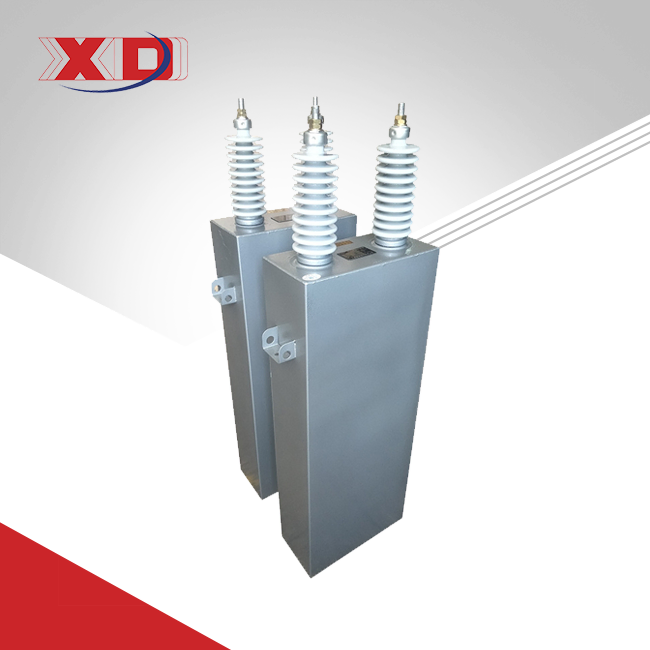
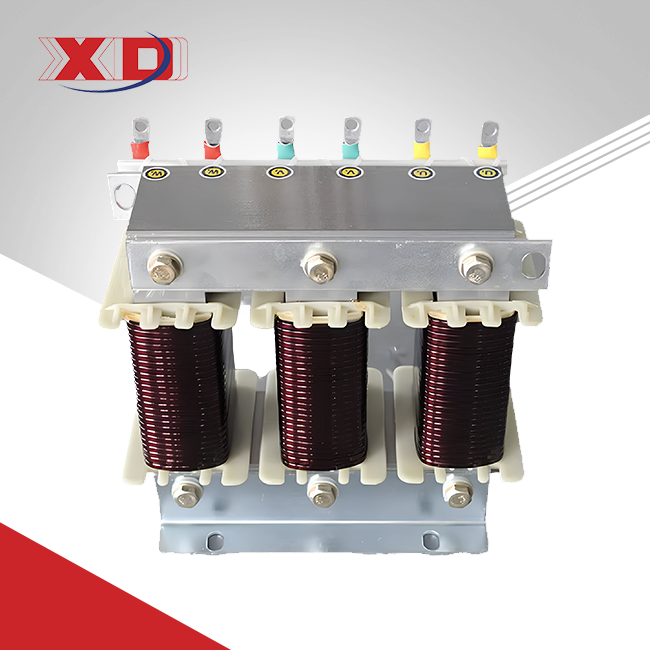
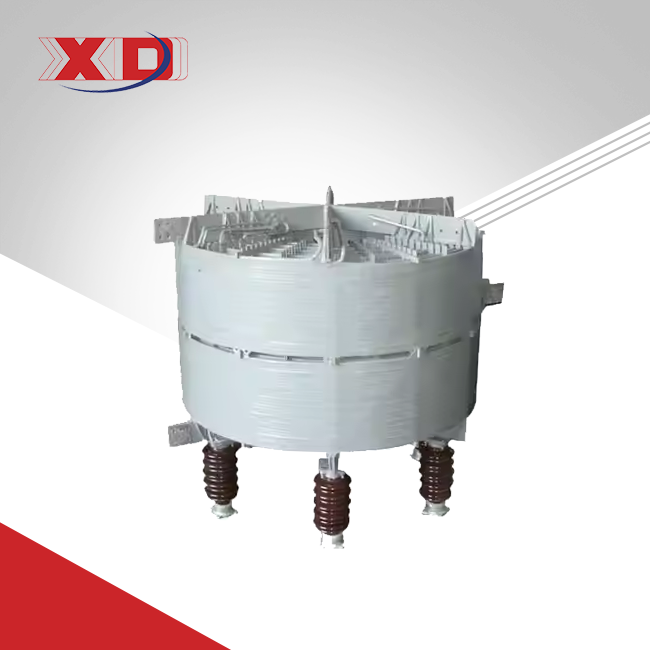
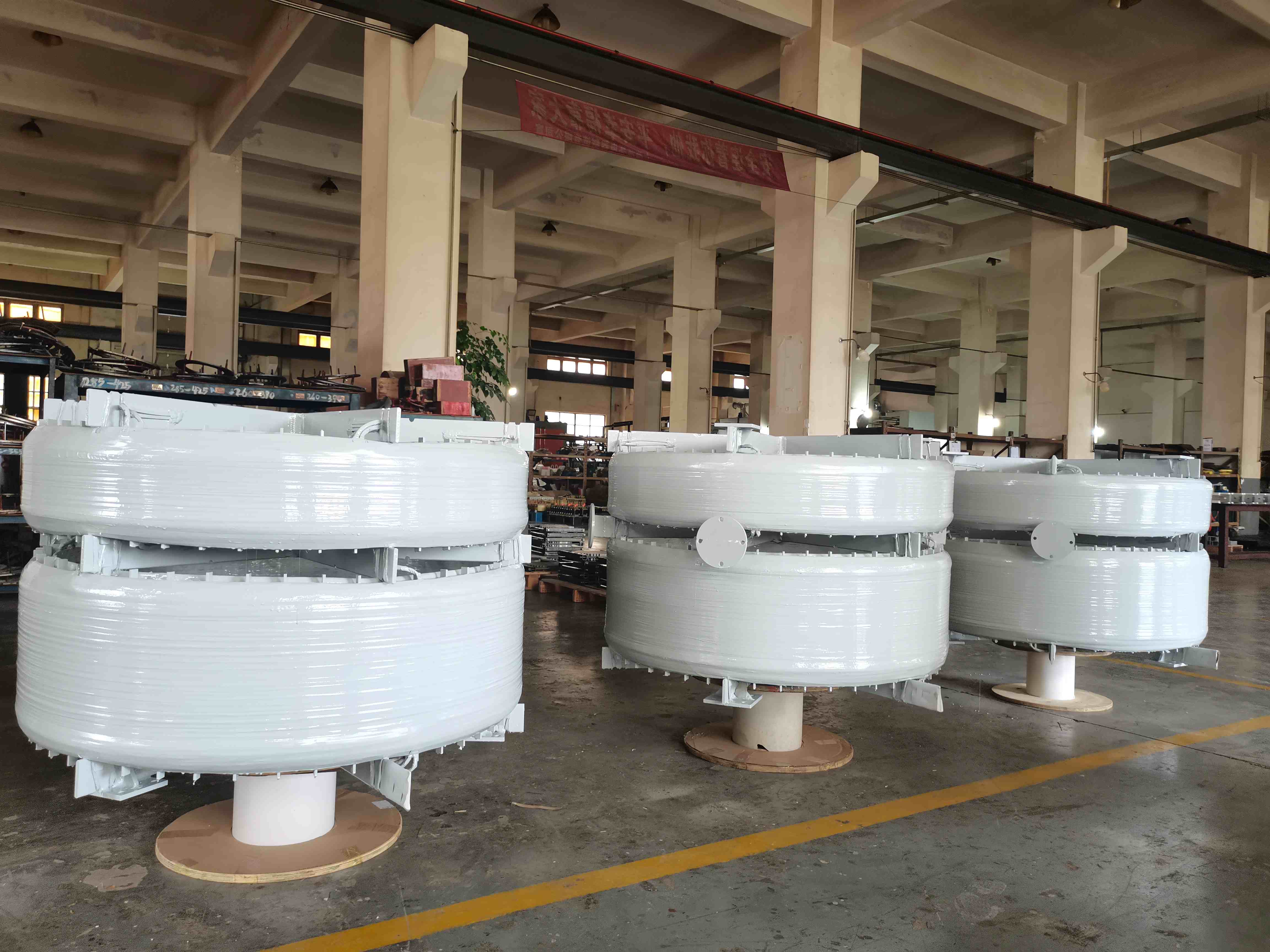
What is Capacitive Voltage Transformer(CVT)?
2026-06-10 15:55:40
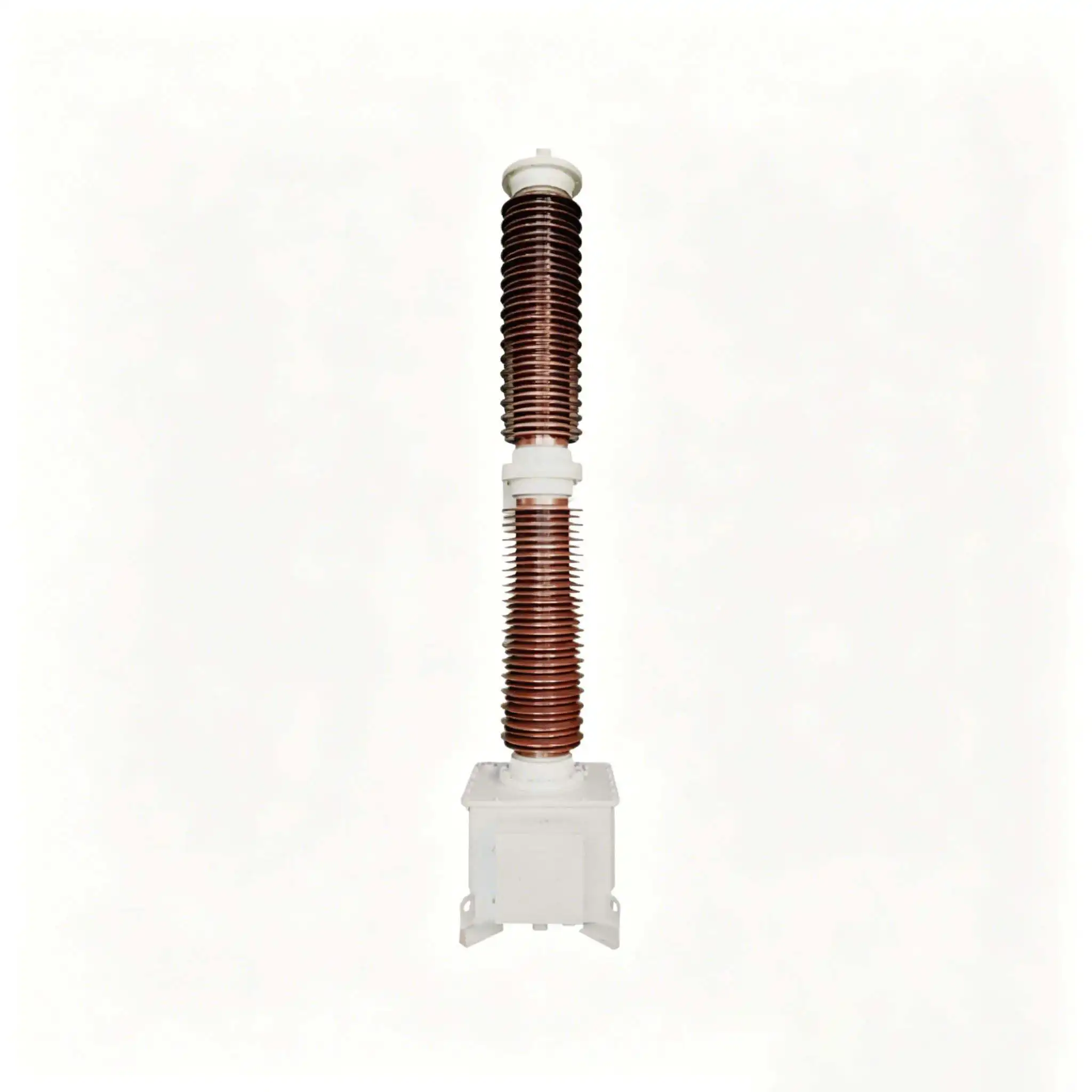
A capacitive voltage transformer (CVT) is a special kind of electrical device that lowers high transmission voltages to levels that safety switches, metering equipment, and control systems can handle and measure. CVTs are different from other electromagnetic voltage transformers because they use a capacitor divider network along with an electromagnetic unit to get accurate voltage scaling in high-voltage settings that are usually between 66kV and 800kV. This technology is very important for keeping the power system safe, making sure that bills are correct, and letting transportation networks be monitored in real time.
Procurement experts who are in charge of big factories, utility networks, and electrical building projects need to know a lot about CVT technology. Choosing the right voltage measurement option has a direct effect on how well operations run, how safe equipment is, and how well regulations are followed. This guide talks about how CVTs work, their pros and cons, how to choose one over another, and practical issues that need to be thought about. It gives buyers the information they need to make sure they make a reliable, cost-effective purchase that will last for a long time.
Understanding Capacitive Voltage Transformer (CVT)
Working Principle and Internal Architecture
The way a capacitive voltage transformer works is based on dividing voltage through capacitance. A stack of capacitors linked in series with high-voltage lines makes up the capacitor divider, which lowers voltage in a linear way. This middle voltage is then sent to an electromagnetic transformer and a correcting reactor, which further reduces the signal to a common secondary voltage that can be used in instruments, such as 110V or 69V. A damping circuit stops ferroresonance and brief oscillations, which keeps the output stable when the circuit is moving or there is a fault.
Accurate measurements are made possible by internal parts that work together. The high-voltage capacitor stack is made of ultra-low-loss dielectric materials that keep energy loss to a minimum. The middle transformer separates the voltages and provides accurate ratio adjustment. Modern designs include surge protection and housings that are completely sealed to keep out outside stresses. With this modular construction, makers can change the accuracy classes and voltage levels without having to redesign the whole machine.
Core Advantages Driving Industry Adoption
Utility workers and site managers like CVT technology because it has a lot of operational benefits. At transmission voltages above 110kV, installation costs are still much cheaper than with electromagnetic options because capacitor stacks need less room and fewer raw materials. The lightweight design makes it easier to move and install, which cuts down on project timelines and labor costs during center growth.
Because there aren't any oil-filled windings that can break down, maintenance times for capacitive voltage transformers are much shorter. Capacitor elements in capacitive voltage transformers are very stable over a wide range of temperatures. They keep their exact standards from -40°C to +55°C without losing any performance. Because capacitive dividers are solid, you don't have to worry about insulating fluid leaking. This meets environmental compliance standards that are becoming more important in regulated businesses when buying things.
Real-World Application Scenarios
CVTs are used in power plants to keep an eye on the voltages at the generator terminals and make sure that the units are in sync with the grid to within milliseconds. These devices are put in place at every voltage change point in transmission substations. They send information to supervisory control systems that keep loads balanced and stop breakdowns from spreading. CVT readings are used to find voltage drops that could damage CNC machines or stop production cycles in industrial buildings that use sensitive manufacturing equipment.
Data centers are now asking for CVTs to be used for tracking medium-voltage distribution systems. This is because the accuracy of the measurements has a direct effect on estimates of how well power is used and on contractual demand charges. CVTs are used in renewable energy systems to handle voltage changes caused by intermittent solar and wind output. This lets fast-response inverter controls keep the grid stable. These different uses show how flexible the technology is in the utility, industry, and business sectors.
Comparison: Capacitive Voltage Transformer vs Other Voltage Transformers
Technical Distinctions from Inductive Technologies
To change the voltage, electromagnetic voltage transformers (EMVTs) and potential transformers (PTs) use magnetic induction through wound coils. At voltages below 69kV, where size and cost are still doable, these inductive systems are the most accurate. But the amount of shielding needed goes up dramatically at higher transmission voltages. This makes EMVTs too expensive and heavy for use above 220kV. These problems can't happen with capacitive voltage transformers because they replace most of the magnetic core with small stacks of capacitors.
The two technologies have very different transient reaction properties. High-frequency oscillations are automatically stopped by the inherent damping of inductive transformers, but designed damping circuits are needed for CVTs to work as well. Modern CVT designs use improved damping networks that provide 3PT1-level transient reaction with leftover voltage below 2%. This meets the strict needs of digital protective switches that work in sub-cycle times.
Cost-Benefit Analysis for Procurement Teams
People who make procurement choices have to weigh the initial investment against the costs and operating needs over the product's life. EMVTs usually have lower start-up costs for voltage levels up to 35kV, which makes them perfect for distribution networks and industrial substations that deal with middling voltage levels. At 110kV and higher, CVTs become more cost-effective because their small size cuts the need for transformer space and base costs by 30–40% compared to inductive options.
Capacitive voltage transformers are better for long running times because they require less maintenance. To find insulation that is getting old, electromagnetic transformers need to have oil samples, bushing checks, and wound resistance tests done on a regular basis. Capacitive voltage transformers only need basic visual checks and rare capacitance readings. This cuts down on yearly maintenance costs and testing downtime. This practical simplicity is appealing to utilities that are in charge of assets that are spread out geographically and don't have a lot of expert staff.
Selecting the Right Capacitive Voltage Transformer: Buyer's Guide
Critical Technical Specifications
IEC 61869 lists measurement classes from 0.1 to 3.0 and safety classes from 3P to 6P. Choosing the right accuracy class is the most important part of buying a CVT. For accurate billing, revenue metering needs devices with 0.2 class accuracy, but protected relays can usually handle 3P class devices that put transient reaction over steady-state accuracy. To avoid shocks in the field, buyers should make sure that the accuracy they are paying for is true across the device's temperature range and load grade.
For proper insulation, it is important to pay close attention to Basic Insulation Level (BIL) grades and creepage lengths. The 110kV capacitive voltage transformer from Xi'an Xikai has creepage lengths of more than 25mm/kV, making it a strong pollution barrier for use in coastal or industrial areas. Certified to meet IEEE 693 standards for seismic resistance to protect investments in areas prone to earthquakes. Temperature ratings from -40°C to +55°C allow for use in harsh climates without the need for extra heating systems.
Supplier Evaluation Framework
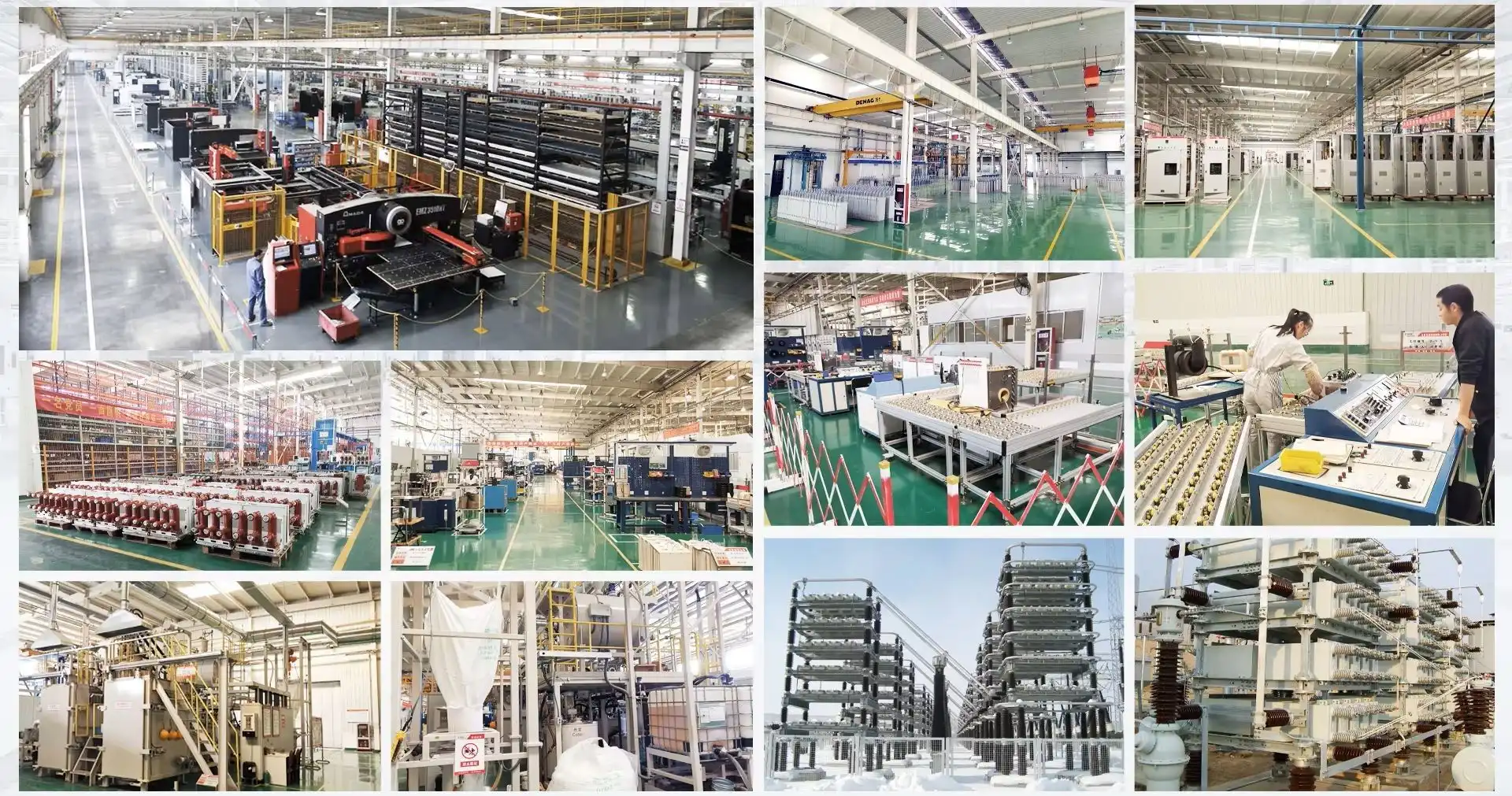
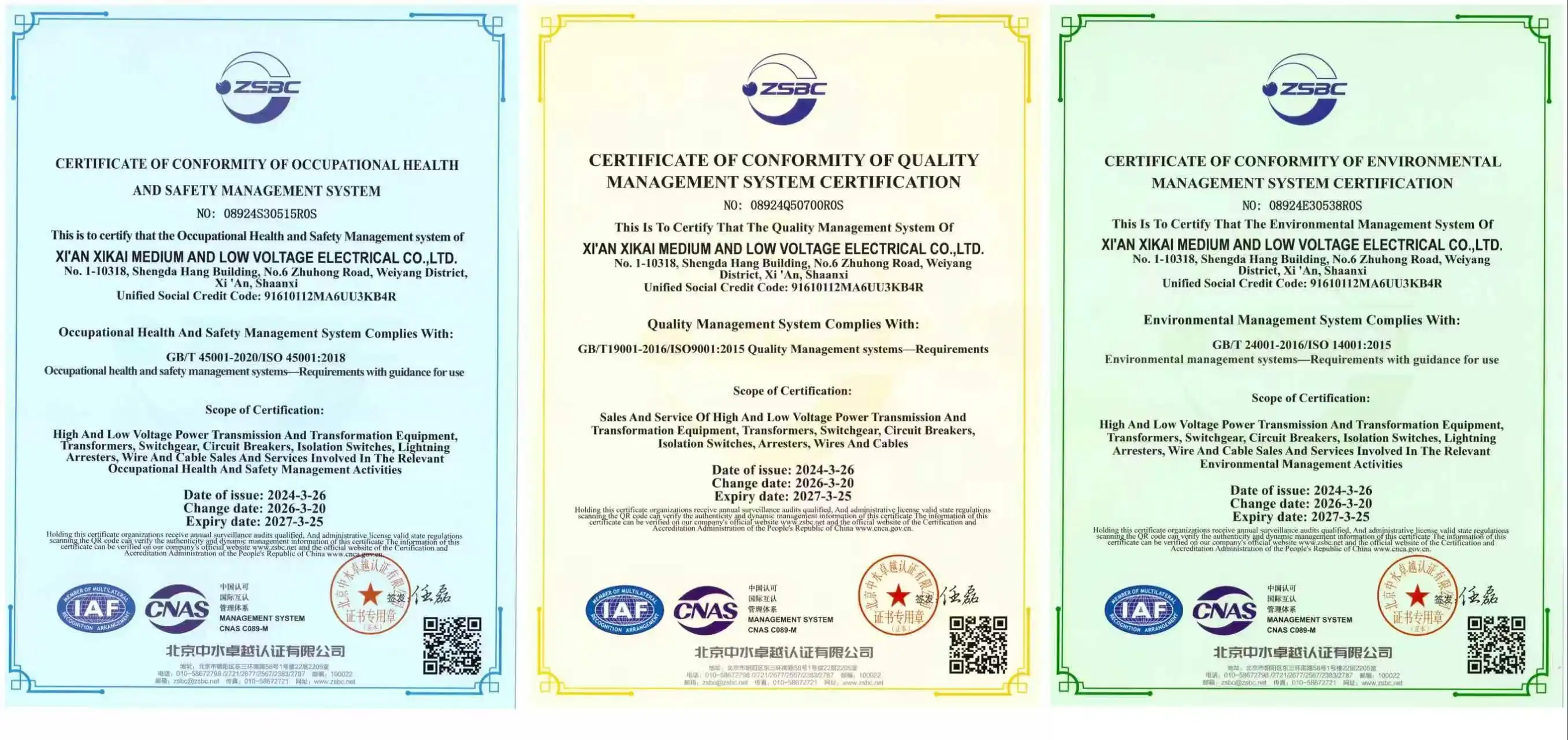
Purchasing managers should judge manufacturers based on their engineering assistance, production wait times, and service infrastructure after the sale. Well-known sellers offer finite element analysis for unique mounting setups and coordination studies to make sure they work with current safety measures. Manufacturing capacity and quality standards like ISO 9001 show that deliveries will be made on time and the quality of the products will stay the same across multiple order runs.
Global compliance documentation makes it easier to get project approvals and file regulatory paperwork. Look for providers that have IEC 61869, CE, UL, and local approvals. These will save you money because you won't have to pay for expensive retesting or design changes. Xi'an Xikai keeps its certifications up to date across all important foreign standards. This lets it be used in a wide range of markets without having to change the specifications. The terms of the contract should include things like guarantee periods, the availability of spare parts, and professional training clauses that help with long-term asset management plans.
OEM Customization Opportunities
Most general uses can be met by standard stock items, but custom solutions are often better for more complicated projects. When a company has its own engineering team, it can change the layout of the secondary windings, add more metering cores, or change the mounting hardware to fit structures that are already in place. Custom damping circuits make the transient reaction work best for certain safe relay types. This makes sure that measurement devices and security systems work together when there is a fault.
Before you finalize the standards, you should talk to suppliers early on in the planning process to go over the site conditions and system needs. Giving detailed single-line graphs, fault current estimates, and environmental data helps people choose the right product and find cheaper options. This collaborative method lowers the risk of procurement and makes sure that the equipment supplied meets working needs without having to be changed in expensive ways on the job site.
Installation, Maintenance, and Troubleshooting of Capacitive Voltage Transformers
Site Preparation and Mounting Considerations
The right base design makes sure that the structure stays stable and the grounding stays strong for the whole time the device is working. CVT base plates need flat surfaces to be mounted on and anchor bolt spacing that matches the manufacturer's plans. Slotted mounting holes can usually accommodate small misalignments. For outdoor installs, there needs to be enough space for live-line repair tools to get to and enough drainage so that water doesn't build up around the base insulator.
How well measurements are done and how safe people are are directly affected by grounding relationships. Primary ground connections should link to the substation ground grid using wires that meet IEEE 80 standards. This will keep the ground potential rise as low as possible when there is a fault. To keep flowing currents from causing measurement mistakes, secondary circuits need their own instrument grounding. Xi'an Xikai CVTs have grounding points that are clearly marked, and they come with installation instructions that list the power requirements for all electrical connections.
Preventive Maintenance Protocols
Setting up regular review times for capacitive voltage transformers helps them last longer and find problems before they cause business interruptions. Visual checks are done once a year to look for cracks in the porcelain, contamination in the bushings, and final rust that could affect performance. Using precision bridges to measure capacitance makes sure that capacitor elements in capacitive voltage transformers stay within the specifications. Deviations of more than 5% mean degradation that needs to be looked into. When big overhauls are done, partial discharge testing finds early signs of insulation failure that can't be seen with other diagnostic methods.
The regularity and intensity of upkeep are determined by the environment. Coastal installations should be washed every three months to get rid of salt layers that lower flashover voltage. Industrial sites close to chemical plants may need special cleaning agents. Changing temperatures in dry areas speed up the aging of parts, which means they need to be tested more often. Keeping test results and notes in maintenance logs helps predictive maintenance systems that make the best use of resources across transformer groups.
Common Fault Diagnosis
Most of the time, mistakes in output voltage are caused by mismatched loads or problems with secondary wiring, not CVT breakdowns. Check that the loads on the linked instruments don't go over the device's rated capacity, and look for loose lead connections that could cause contact resistance. Comparing measures between stages makes it easy to tell the difference between problems with a single unit and problems that affect many devices at once that are system-wide. Digital fault recorders record transient voltage jumps that help find damping circuit problems that need to be fixed at the factory.
When capacitance drifts outside of acceptable limits, it means that the dielectric inside the capacitor stack is breaking down, which means that the affected parts need to be replaced. Manufacturers offer field service support for big repairs, such as capacitance rebalancing methods that fix accuracy without having to replace the whole unit. Knowing what the warranty covers and how long it takes to fix something during the procurement process will help make sure that upkeep needs aren't too disruptive during the operating phase.
Conclusion
Capacitive voltage transformers have been used for a long time and are a cheap way to measure high voltage in business buildings, industrial power networks, and utility transfer systems. Their small size, low maintenance needs, and high resistance to harsh environments make them the perfect choice for procurement workers looking to make reliable instrumentation purchases. Knowing the scientific differences between CVT and electromagnetic options, along with the right way to choose devices and keep them in good shape, lets buyers choose ones that will work correctly for decades.
The 110kV capacitive voltage transformer from Xi'an Xikai is a great example of how current CVTs work thanks to their advanced engineering and high-quality making. Our goods meet the strict needs of mission-critical power systems with 3PT1-level transient reaction, dielectric loss below 0.08%, and full certifications that meet IEC and IEEE standards. Using novel damping technology and pollution-resistant insulation together makes sure that the system works reliably in a wide range of environments, from tough industrial zones to installations in places with extreme climates.
FAQ
1. What accuracy class should I specify for revenue metering applications?
To meet utility pricing standards and government rules, revenue meters must be accurate to within 0.2 classes. This classification makes sure that mistakes in measuring voltage stay within ±0.2% in steady-state situations across the device's rated load and temperature range. In some places, certified testing labs are needed to check the accuracy of meters on a regular basis. Make sure that your provider gives you traceable calibration paperwork and offers field recalibration services when the certification times for your meters are almost up.
2. How does environmental contamination affect CVT performance?
When pollution builds up on the surfaces of insulators, it forms conductive lines that lower the voltage during a flashover and lower the safety margins. When CVTs are made for harsh settings, they have longer creepage lengths and hydrophobic surfaces that keep water and dirt away. Xi'an Xikai goods have anti-pollution features that meet IEC 60815 standards. They can work reliably in seaside, desert, and industrial settings. Regular cleaning plans that are right for your area keep insulation in good shape and stop it from losing its effectiveness.
3. What factors typically influence procurement lead times?
Standard catalog items from well-known makers usually ship within 8 to 12 weeks. Custom specs that need technical reviews add an extra 4 to 6 weeks to delivery times. During times of high market demand, the supply of parts with specific voltage ratings or accuracy pairs may make lead times longer. Freight logistics and customs processes are part of the supply chain, and they add different time frames based on the location and shipping method. For projects that need to be done quickly, working with sources early on and being able to change the specifications can help reduce scheduling risks.
Partner with Xi'an Xikai for Reliable Capacitive Voltage Transformer Solutions
With their technical know-how, high-quality products, and excellent customer service, Xi'an Xikai is ready to meet all of your voltage measurement needs. As a top provider of capacitive voltage transformers, we offer unique solutions that fit the needs of your project, whether it's a normal transmission application or one that needs to be set up at high altitudes or in harsh climates. Our 110kV CVT product line uses unique damping technology and goes through strict quality testing to make sure that measurements are accurate and the machines work reliably for more than 30 years. Talk to our technical team about your future projects and learn more about how our goods improve system performance while keeping costs low. You can email serina@xaxd-electric.com, amber@xaxd-electric.com, or luna@xaxd-electric.com for more information, reasonable quotes, and delivery times.
References
1. International Electrotechnical Commission. "IEC 61869-5: Instrument Transformers - Additional Requirements for Capacitor Voltage Transformers." Geneva: IEC, 2011.
2. IEEE Power and Energy Society. "IEEE Std C93.1-2011: IEEE Standard for Requirements for Measurement of Power Frequency Electric and Magnetic Fields from AC Power Lines." New York: IEEE, 2011.
3. Hao, Zhang and Liu, Wei. "Transient Response Analysis of Capacitive Voltage Transformers in Power Systems." Electric Power Systems Research, vol. 142, 2017, pp. 289-297.
4. McDonald, John D. "Electric Power Substations Engineering, Third Edition." Boca Raton: CRC Press, 2012.
5. Kasztenny, Bogdan and Finney, David. "Fundamentals of Voltage Measurement in Transmission Systems." Schweitzer Engineering Laboratories Technical Papers, 2009.
6. Chen, Deshu. "Insulation Coordination for High Voltage Equipment in Power Systems." Beijing: China Electric Power Press, 2015.