The difference between current transformer and zero sequence current transformer
2026-06-10 15:55:43
Knowing the difference between standard current transformers and Zero Sequence Current Transformers is important for keeping electrical systems safe from ground faults that could be very dangerous. A Zero Sequence Current Transformer checks the vector sum of all phase currents at the same time. It finds ground faults by measuring the leftover current. Zero Sequence Current Transformers are different from regular current transformers because they find leakage currents and earth faults instead of measuring individual phase currents for metering. This is important for keeping systems safe that serve data centers, factories, and utility infrastructures.
 |
 |
Understanding Current Transformers and Zero Sequence Current Transformers
What Are Current Transformers?
Current transformers are measuring tools in power systems. They lower high primary currents to secondary levels that are controllable and good for safety switches and metering equipment. Electromagnetic induction is what these devices work on. A main conductor goes through a magnetic core, and equal output signals are sent by secondary windings. These devices are used by engineers in factories and other business buildings to accurately measure loads and keep equipment safe.
Defining Zero Sequence Current Transformers
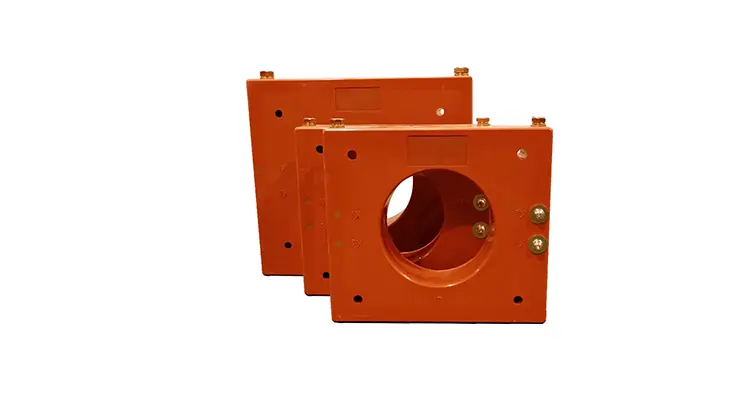
Zero Sequence Current Transformers work differently because they have one core that wraps around all three phase wires. The vector sum of the phase currents is zero when the device is in balanced operation, so there is no extra output. When ground faults happen, like when insulation breaks or when two conductors touch by mistake, the imbalance sends a signal that can be picked up based on the size of the fault. Zero Sequence Current Transformers are essential for resistance-grounded systems that work at middle voltage levels because they can identify specific signals.
Operational Principles Behind Zero Sequence Detection
The reason why Zero Sequence Current Transformers work is based on basic electrical theory. When three-phase systems are working properly, the currents going into and out of the phase wires balance each other out mathematically. This balance is thrown off by ground faults, which make return currents through earth links instead of neutral conductors. These imbalances are turned into secondary currents of 5A or 1A by our epoxy resin-cast zero sequence models, which work with standard safety switches in the industry. These transformers can handle frequencies of 50/60Hz and main currents of 20–1000A, so they can accurately find faults in a wide range of situations.
Core Differences Between Current Transformer and Zero Sequence Current Transformer
Structural Construction Variations
The actual design makes a big difference between these types of transformers. Standard current transformers have separate cores for each phase wire. Zero Sequence Current Transformers, on the other hand, use a single toroidal core that surrounds all phases at the same time. Because of this difference in construction, installation needs are directly affected: traditional models need different mounting points for each phase, but Zero Sequence Current Transformers only need one installation spot around the wires that are already bundled. Modern Zero Sequence Current Transformer designs have a split-core configuration that lets them be added to current installations without interrupting service. This helps hospital directors and data center managers who are worried about operational uptime.
Functional Detection Capabilities
Current transformers keep an eye on each phase's current separately, giving information that can be used for billing, load balancing, and protecting against overcurrent. Their output signals are used by energy management systems and circuit breaker trip circuits, so they can meet more than one need at the same time. Zero Sequence Current Transformers are only good at finding leftover current. They don't care about balanced load currents but are still sensitive to ground faults. Because these devices are very specific in what they do, they can find leaking currents as low as 20mA, which is very important for protecting people and equipment in industry settings.
Application Scenarios and Use Cases
When purchasing teams look at transformer needs, they need to make sure that the devices they choose are in line with how they plan to protect the system. Standard current transformers are used in places where accurate phase current measurement is needed, like in income metering systems, motor safety schemes, and power quality tracking systems. Zero Sequence Current Transformers are used in ground fault detection systems to keep generator neutrals safe, keep an eye on feeder circuits in networks that are resistance-grounded, and keep people safe when portable equipment is being used. Zero sequence protection is helpful for manufacturing plants that use sensitive CNC machinery because it stops unnecessary trips caused by temporary mismatches while still allowing quick action to real fault conditions.
Technical Comparison and Selection Criteria for B2B Procurement
Accuracy Classifications and Performance Standards
Following the rules set by GB 20840.2-2014 and IEC 61869-1/2 guarantees accurate measurements across all operational areas. When the secondary loads match the design parameters—20Ω for 200:1 ratios and 6Ω for 100:1 configurations—our Zero Sequence Current Transformers keep their accuracy within certain limits. When EPC companies build substation protection schemes, they need to make sure that the accuracy classes match the relay sensitivity needs. This is especially important in systems where selectivity depends on accurate fault current magnitude separation.
The accuracy of measurements is affected by the relationship between the rated current and the real working conditions. Zero Sequence Current Transformers with a primary current rating of 20–1000A can handle a wide range of feeder loads and still be sensitive to low-level ground problems. This dynamic range is useful in factories that have changing production plans because load currents change a lot during the different working cycles. System designers like this freedom because it lets them standardize the specs of parts across multiple installation sites.
Environmental and Physical Considerations
The operating setting has just as much of an effect on the choice of transformer as the electricity requirements do. Our epoxy resin-cast construction is resistant to moisture and has the mechanical strength needed for indoor switchgear setups. IP-rated casings, on the other hand, make them last longer in harsh industrial environments. Temperature ranges from -40°C to +85°C allow placements in both climate-controlled buildings and outdoor substations. Utility companies that are in charge of transmission systems in many different areas appreciate this ability to adapt to different environments because it makes inventory less complicated while still meeting the same safety standards.
The size of the system determines its viability, especially in repair situations. Core diameters of Zero Sequence Current Transformers from 120 mm to 300 mm can fit different wire bundle sizes, so most of the time you don't need to make something special. Split-core Zero Sequence Current Transformer designs make it easier to place around existing conductors without disconnecting them. This helps site managers who are in charge of continuous production processes avoid problems with downtime. Procurement managers should make sure that the core measurements of Zero Sequence Current Transformers they specify allow for future cable updates. This will keep cables from becoming obsolete too soon.
Evaluating Technical Documentation and Certifications
Professional-grade equipment is different from regular goods because it comes with detailed technical paperwork. Specification sheets should include accurate curves for the whole working range, load characteristics at different power factors, and thermal performance when there is a fault that lasts for a long time. Zero Sequence Current Transformers that deal with ground fault currents need to show that they can handle higher temperatures for longer than usual fault periods. This keeps the core from becoming saturated, which would affect the accuracy of measurements during important safety events.
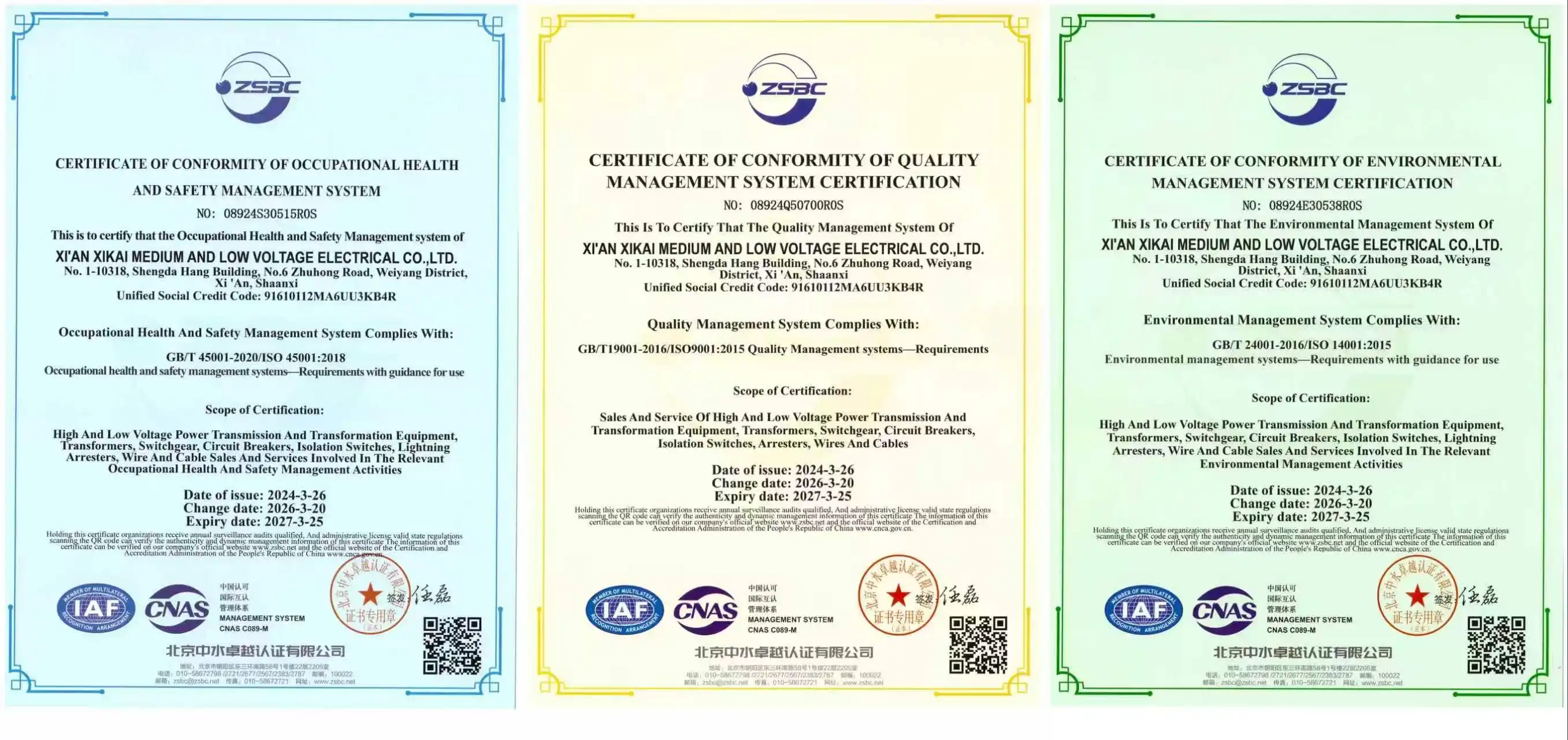
Third-party certifications back up what the maker says about safety and efficiency. Meeting the requirements of the IEC 61869 series shows that the testing procedures used are known worldwide. Other certifications, like UL listing, make it easier for equipment to be used in North American sites. When EPC companies take on projects with strict compliance standards, they should give more weight to suppliers who offer full certification packages. This will speed up the approval process and lower the risks of executing the project.
Installation, Troubleshooting, and Maintenance Essentials
Installation Best Practices for Optimal Performance
Zero Sequence Current Transformers can only protect you to the fullest extent if they are installed correctly. When sending a cable through the core opening, it must include only phase conductors and not neutral or ground conductors. Including grounds in the sensing window cancels the zero-sequence signal, which makes the device useless. Installation plans should make it clear how the conductors need to be routed. This will stop mistakes in the field that could risk system security.
Practices for secondary wiring have a big effect on the correctness of measurements and the safety of workers. When there is a fault, short secondary circuits stop dangerous energy from building up, and twisted-pair wires keep electromagnetic interference from nearby power circuits to a minimum. By grounding one end of the secondary wire, a reference potential is set without any ground loops that could cause measurement mistakes. These seemingly small installation details make the difference between safety systems that work well and ones that are so hard to set up that they need to be serviced over and over again.
When planning an installation, you should think about mechanical mounting issues. Over time, vibrations from nearby equipment can loosen mounting hardware, which could lead to air gaps that make the accuracy of the transformer less good. Isolation from heat sources keeps insulation from wearing out too quickly, which increases its useful life in harsh industrial settings. During commissioning, facility managers should write down information about the system so that they have a starting point for future upkeep work.
Diagnostic Procedures and Troubleshooting Methods
Systematic fixing quickly fixes speed problems while cutting down on the time and money needed for repairs. When people complain about false trips, load balance conditions should be looked into. Unbalanced loads on three-phase systems cause residual currents that look like ground faults. Taking short-term readings of the current on each phase shows patterns of stress that help separate normal operating conditions from real fault situations. This way of diagnosing keeps you from having to buy new tools that you don't need while also finding problems with the way the system is designed that need to be fixed.
Failure to trip during artificial fault tests is a sign of possible problems that need to be fixed right away. Secondary circuit continuity testing makes sure the wire is solid, and insulation resistance measures find any moisture or contamination that could affect the electrical isolation. Core saturation from past faults may make the device less sensitive, which means it needs to be demagnetized or replaced. When maintenance workers are given the right diagnostic methods, they can quickly get the safety system working again, which is what mission-critical facilities need to keep their operational efficiency.
Preventive Maintenance Schedules and Testing Protocols
Proactive repair increases the useful life of tools and makes sure that the safety system is always available. Visual inspection for physical damage, thermal imaging to find strange heating patterns, and insulation resistance tests to make sure the electrical integrity are all part of an annual inspection process. These non-invasive tests find problems before they break down, which helps building management teams with their predicted maintenance plans.
The accuracy of measurements is kept up throughout the life of the tools by checking the calibration on a regular basis. In secondary injection testing, known currents are used to measure output signals and make sure that transformers stay within certain accuracy limits. Recording test results creates tracking data that shows how performance is slowly getting worse, calling for action to be taken. Systematic testing programs help utility companies keep track of their large stocks of protection systems by balancing the costs of upkeep with the improvements in efficiency they bring.
Procurement and Market Overview for Zero Sequence Current Transformers
Global Market Landscape and Leading Manufacturers
In the market for Zero Sequence Current Transformers, there are both well-known companies with track records and new companies that are giving competitive options. Brands like Siemens, ABB, and Schneider Electric stay ahead of the competition by having large expert help networks and delivery networks. System integrators who need a wide range of specifications will like these companies' product lines, which cover a range of voltage classes and accuracy grades.
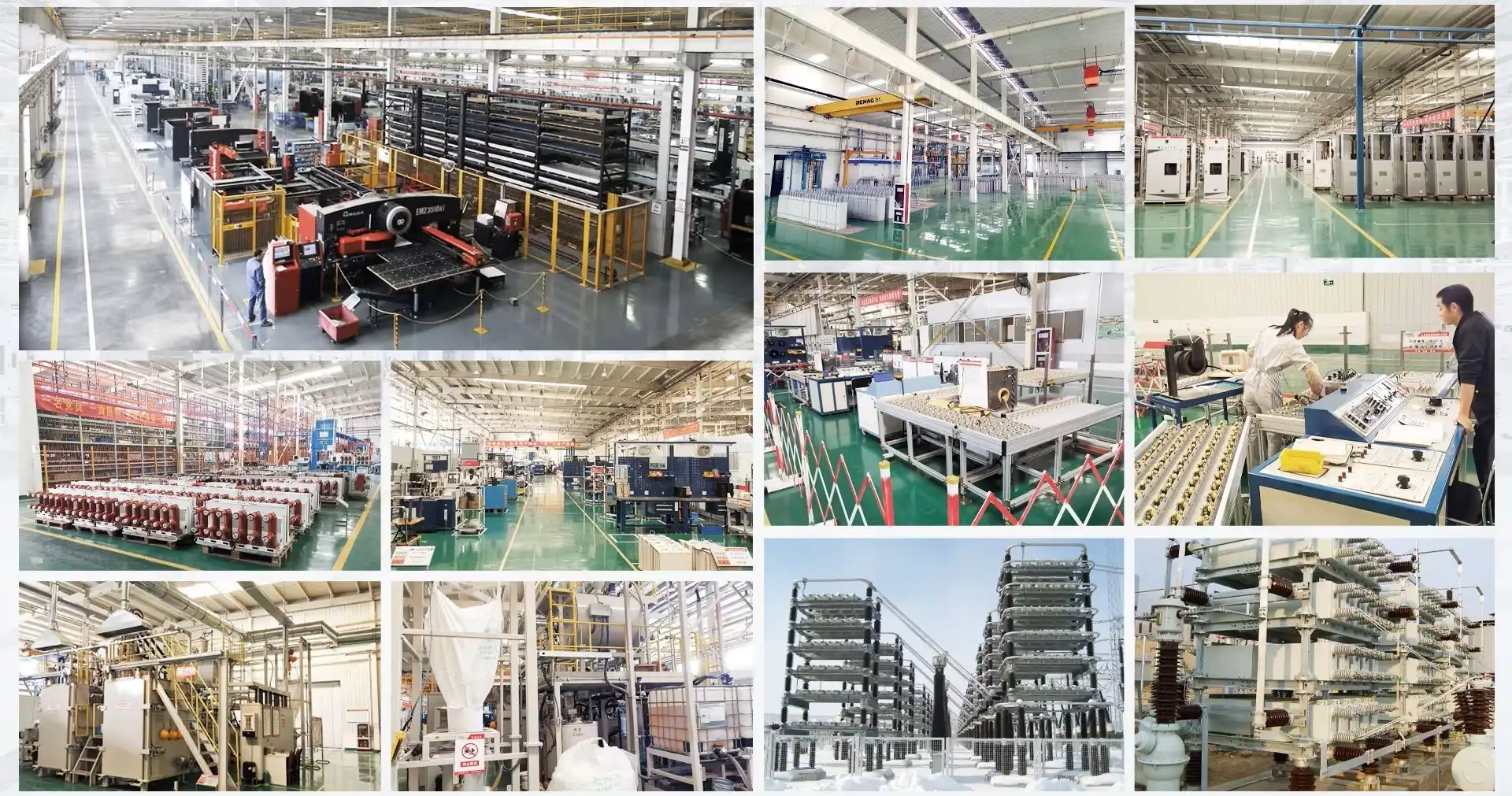
Regional manufacturers provide alternatives worth evaluating during procurement processes. Xi'an Xikai Medium & Low Voltage Electric Co., Ltd. has factories that make Zero Sequence Current Transformers that meet GB and IEC standards. These Zero Sequence Current Transformers are used by companies in the power delivery, industry, and infrastructure sectors. We can make products with rated primary currents ranging from 20A to 1000A and secondary outputs of 5A or 1A that work with the relay systems that are already in place. The technical specs list voltage levels of 11kV to 400V and frequency agreement between 50Hz and 60Hz, meeting the needs of a wide range of markets around the world.
Procurement Strategies and Supplier Evaluation Criteria
It's not enough to just compare feature sheets and unit prices to be a good buyer. Reliability in the supply chain decides whether equipment comes when it's supposed to, which keeps construction timelines from getting pushed back. Suppliers who keep enough product on hand and offer acceptable wait times—usually 6 to 8 weeks for normal configurations—can help projects get done on time without needing too much advance buying.
Long-term ownership costs are greatly affected by the level of technical help available. Manufacturers who offer application engineering help system designers make the best use of safety plans, which keeps costly changes from having to be made in the field during commissioning. Xi'an Xikai's world service network provides multilingual technical help, which gets rid of communication problems that make troubleshooting harder. Procurement managers should carefully look at both the product specs and the seller support infrastructure. This is because quick help keeps operations running smoothly.
Warranty Terms and After-Sales Service Considerations
Warranty clauses protect buyers from equipment breaking down too soon and show that the maker trusts the product's reliability. Standard warranty times of 12 to 24 months cover problems with the way the product was made, but longer coverage may be possible if you buy a lot of it. When Zero Sequence Current Transformers are used within their recommended ratings, they usually have service lives of more than 15 years. For total cost of ownership estimates, stability is more important than guarantee length.
It's very important to have after-sales help when problems happen during setup or use. Manufacturers with their own field service teams can quickly fix problems, but manufacturers that only depend on dealer networks may experience communication delays that make downtime last longer. Xi'an Xikai's special support team can be reached at serina@xaxd-electric.com, amber@xaxd-electric.com, and luna@xaxd-electric.com to get a technical answer within 48 hours. This dedication to the success of our customers sets us apart in markets where quick service is key to customer happiness.
Conclusion
Knowing the difference between current transformers and Zero Sequence Current Transformers helps you choose the right tools for your security needs. Standard current transformers are great at measuring phase current for metering and standard safety schemes. Zero sequence devices, on the other hand, are experts at finding ground faults by tracking residual current. When choosing these important safety parts, procurement workers who work with factories, power plants, and engineering firms need to look at technical specs, how well they'll work in the setting, and how well the supplier can do their job. Our Zero Sequence Current Transformers, which are made to meet the standards of GB 20840.2-2014 and IEC 61869, provide reliable ground fault protection through their epoxy resin-cast construction and adaptable secondary output setups. Protection systems that keep people, machinery, and operations running smoothly in tough situations are built on proper installation, regular upkeep, and partnerships with suppliers.
FAQ
1. What makes zero sequence current transformers different from regular CTs?
Zero Sequence Current Transformers find ground flaws by measuring the vector sum of all phase currents at the same time. They do this by wrapping multiple wires around each other. Regular current transformers need to be installed separately for each phase because they measure and protect each phase's current. Because of this basic difference, zero sequence devices are very good at finding ground faults and don't care about balanced load currents.
2. Which applications require zero sequence current transformers instead of standard models?
Zero Sequence Current Transformers are mostly used for ground fault safety in devices that are grounded to resistors. Some of these systems are protecting the neutral side of generators, keeping an eye on feeder circuits in medium voltage distribution networks, and finding equipment ground faults in manufacturing facilities. If you need to find leftover currents below 1A, you should use special zero sequence devices instead of figuring them out with multiple normal current transformers.
3. How do I select the correct rated primary current for my installation?
The highest predicted load current on protected circuits should help you choose the rated main current. Zero Sequence Current Transformers with values between 20A and 1000A can be used in most distribution feeding uses. Higher ratings can handle heavier loads. The device has to stay accurate at real fault current levels, which are usually 10 to 50 percent of the rated load current for ground faults, and not get too hot when the load is at its highest.
Partner with a Trusted Zero Sequence Current Transformer Manufacturer
Xi'an Xikai Medium & Low Voltage Electric Co., Ltd. creates designed answers to problems with ground fault protection in business, utility, and industry settings. Our Zero Sequence Current Transformers are made of epoxy resin and are very reliable. Zero Sequence Current Transformers also have flexible core configurations that can handle main currents of 20 to 1000A and dual secondary outputs. Multiple production lines in our manufacturing sites guarantee uniform quality and delivery performance, and our technical team provides application engineering support throughout The lifecycle of each project. Meeting the needs of GB 20840.2-2014 and IEC 61869 standards ensures that the security system will work with other systems around the world. You can email our application engineers at serina@xaxd-electric.com, amber@xaxd-electric.com, or luna@xaxd-electric.com to talk about your specific safety needs and get full technical offers. As a well-known provider to EPC firms and facility owners, we know the procurement goals that affect the tools you choose and can meet the needs of your projects quickly.
References
1. IEEE Standard C57.13-2016, IEEE Standard Requirements for Instrument Transformers, Institute of Electrical and Electronics Engineers, New York, 2016.
2. Zocholl, S.E., "Analyzing and Applying Current Transformers," Schweitzer Engineering Laboratories Technical Papers, Pullman, Washington, 2004.
3. IEC 61869-2:2012, Instrument Transformers - Part 2: Additional Requirements for Current Transformers, International Electrotechnical Commission, Geneva, 2012.
4. Blackburn, J.L. and Domin, T.J., Protective Relaying: Principles and Applications, Fourth Edition, CRC Press, Boca Raton, 2014.
5. GB 20840.2-2014, Instrument Transformers - Part 2: Additional Requirements for Current Transformers, Standardization Administration of China, Beijing, 2014.
6. Anderson, P.M., Power System Protection, IEEE Press Series on Power Engineering, Wiley-IEEE Press, Hoboken, 1999.