How to Calculate Voltage in Potential Transformers: A Simple Guide
2026-06-22 15:46:51
To find the voltage in a Potential transformer, you need to use the transformation ratio between the main and secondary windings. To find the secondary output, just divide the main voltage by the number. Understanding this figure is important for making sure that measurements are correct, that the right equipment is chosen, and that operations are safe in both commercial and utility settings. When engineers and buying teams understand these basics, they can choose the right transformer for their voltage tracking needs while keeping accuracy even when the load changes.
Introduction
Accurate voltage measurement prevents equipment failure and safety risks. Potential transformers (PTs) step down high voltages for safe metering. This guide helps procurement, construction, and engineering teams calculate PT voltage practically—covering selection, budgeting, and troubleshooting.
Understanding Potential Transformers and Their Working Principle
Potential transformers have a specific job to do in power circuits. Power transformers move electricity between circuits, but these tools are only used for measuring and keeping things safe. They lower high primary voltages to standard secondary values, which in the US are usually 110V or 120V. This lets standard meters and switches work safely.
How PTs Differ from Current Transformers?
Potential transformers only look at voltage levels, while current transformers record the flow of current. Both are used as instrument transformers, but they are designed and used in very different ways. A CT connects to the circuit being watched in series, while a Potential transformer connects in parallel, which is like how a voltmeter connects across a circuit. Because of this parallel link, the Potential transformer feels the full system voltage across its main winding. For safe operation, it is very important that the insulation and design are done right.
Core Operating Principles and Transformation Ratios
The way it works is based on electromagnetic induction between the main and secondary windings that are wrapped around a magnetic core. Using alternating voltage to power the main winding makes a magnetic flow that causes the secondary winding to have a proportional voltage. This connection is shown by the transformation ratio, which is the ratio of the main voltage to the secondary voltage. A 10kV:400V transformer, which is often used in medium-voltage circuits, keeps the ratio at 25:1. This ratio stays the same when everything is working normally, which makes sure that measurements are always accurate.
Accuracy Classes and Their Significance
The accuracy class sets the biggest mistake that can happen under certain circumstances. Some common classes are 0.2, 0.5, 1.0, and 3.0. Lower numbers mean more accuracy. A Class 0.5 Potential transformer keeps the voltage mistake to within ±0.5% at the maximum load and voltage. For revenue metering, Class 0.2 or 0.5 transformers are usually enough, but Class 3.0 units can be used for safe relays. Choosing the right accuracy class strikes a balance between measurement accuracy and cost, making sure that your investment meets practical needs without spending too much on precision that isn't needed.
Step-by-Step Guide to Calculating Voltage in Potential Transformers
Knowing the math behind the link between main and secondary voltages is important for designing systems correctly and fixing problems. The basic math is still simple, but the accuracy in the real world depends on a number of things.
Basic Voltage Calculation Formula
To sum it up, Secondary Voltage = Primary Voltage ÷ Transformation Ratio. You can also multiply by the opposite ratio, which is: Secondary Voltage = Primary Voltage × (Secondary Rating ÷ Primary Rating). The effects of both methods are the same. Take a look at a 10kV Potential transformer with a secondary value of 400V. The change ratio is 10,000V divided by 400V, which is 25. If the real main voltage is 9,500V, then the secondary voltage is 9,500V ÷ 25 = 380V.
Accounting for Burden and Accuracy
Burden (VA) is secondary load. Higher load causes voltage drop, reducing accuracy. Standard ratings: 25–200VA. PT must power all meters/relays without exceeding max load. Exceeding rated load lowers accuracy. Always account for burden resistance voltage drop when calculating secondary voltage under full circuit load.
Practical Calculation Example
Factory uses 10kV:400V PT, 200VA rating. Connected load = 150VA (three meters + repeater). Primary = 9,800V. Secondary = 9,800V ÷ 25 = 392V. Load (150VA) is below 200VA rating. Measurement error stays within Class ±1.0% for industrial monitoring. Calculation ensures metering receives correct voltage.
Installation Wiring Considerations
Correct wiring affects accuracy. Ground one secondary terminal to prevent overvoltage. Use color-coded wiring: red/brown for primary leads, black/blue for secondary. Never operate PT with open secondary circuit (though PTs handle opens better than CTs, always keep loads connected). Document wiring during installation for easier troubleshooting.
Practical Applications and Case Studies of Voltage Calculation in PTs
Real-life examples show how correct voltage calculations improve system speed and keep operations running smoothly. We've seen many instances where choosing the right Potential transformer and doing the math correctly stopped measuring mistakes that would have caused false alarms or hidden problems that were already happening.
Substation Voltage Monitoring Application
Utility upgraded substation for green energy, choosing 10kV:400V PTs with Class 0.5 accuracy. Team calculated secondary voltages for daily load swings: 9.2kV off-peak to 10.5kV peak. This prevented relay misoperation during testing, saving weeks of troubleshooting time.
Metering Accuracy in Industrial Settings?
Chemical plant had power quality issues. Existing 200VA PTs ran at 250VA overload, causing voltage drop and low meter readings. Plant calculated actual load needed and requested 1,000VA units. Epoxy-resin cast transformers for harsh environments fixed measurement accuracy and voltage quality.
Troubleshooting Common Math Mistakes
A number of common mistakes can mess up voltage estimates. When paperwork doesn't match up with the real equipment that is put, mismatched transformation ratios happen. This can be confusing during maintenance. Sometimes teams make mistakes in their burden calculations because they don't take into account small loads like warning lights or wiring resistance. When you don't pay attention to the accuracy class standards, you end up buying transformers that can't meet the exact needs of your application. These problems can be avoided by keeping accurate single-line diagrams, making thorough inventories of equipment, and checking figures against nameplate data. When readings don't seem to match up, recalculating predicted secondary voltages based on known primary conditions often shows wiring mistakes or Potential transformer wear that needs to be fixed.
How to Choose the Right Potential Transformer for Your Voltage Measurement Needs?
To choose the right Potential transformers, you need to compare a number of scientific factors with the needs of your application. If you make smart decisions up front, you can avoid expensive changes later on and be sure that the measurements will work for a long time.
Evaluating Voltage Ratings and System Configuration
The values for the primary voltage must match the voltage in your device. Ratings of 4.16kV, 7.2kV, 10kV, 13.8kV, and higher are common for medium voltage. For North American uses, secondary voltages are usually 110V, 115V, or 120V, which makes it easier for normal metering tools to work with them. When planning a three-phase system, you need to think things through carefully. You can use three single-phase units in wye or open-delta setups, or you can choose three-phase kits that are all built together. Single-phase Potential transformers are better for smaller setups, while three-phase options make substation designs easier by cutting down on the size and number of wires needed.
Understanding Insulation Levels and Environmental Factors
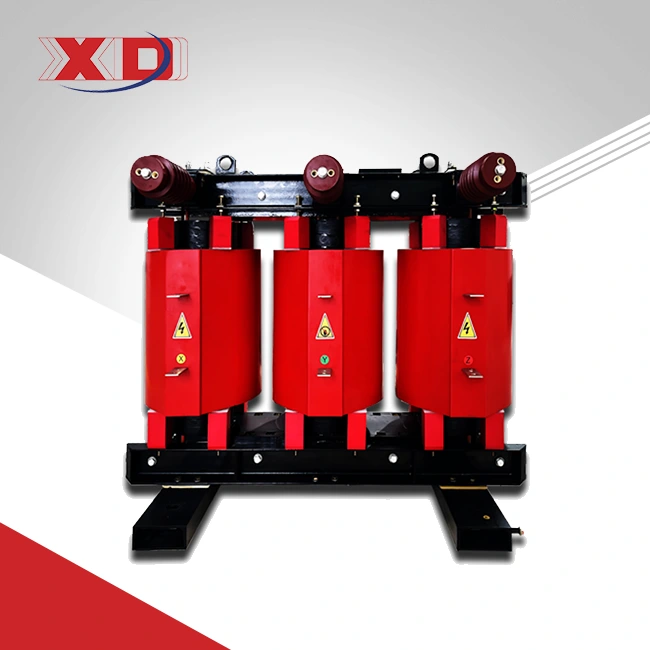
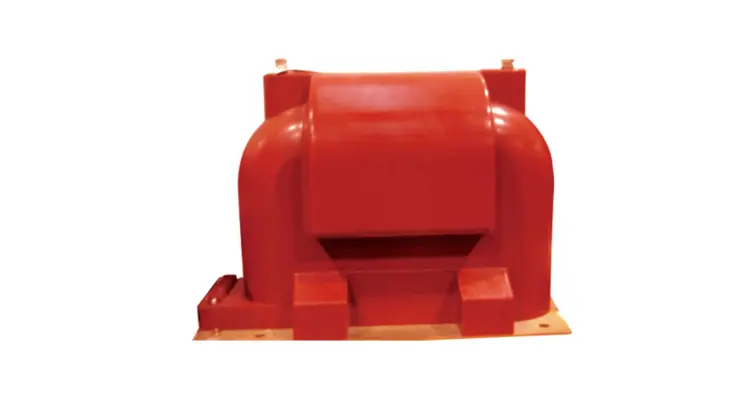
Voltage stress tolerance is based on the rated insulation level. A transformer labeled 12/42/75kV can handle a constant voltage of 12kV, a lightning strike of 42kV, and a switching surge of 75kV. Conditions that are harsh need higher standards. Our 10kV outdoor/indoor Potential transformer is made of epoxy resin casting, which keeps out water and works in temperatures ranging from -40°C to +55°C. Housings that don't rust and can handle salt spray are good for installs near the coast. In deserts, heat control features are needed to keep accuracy even when the temperature outside is high. Matching environmental specifications to the conditions at the spot increases service life and lowers the cost of upkeep.
Comparing Manufacturer Capabilities and Support
Well-known companies like ABB, Siemens, and GE have a lot of products and help networks all over the world. These names have been shown to be reliable, but they sometimes cost more. Specialized makers can often provide the same level of performance with more options for customization. When looking at suppliers, make sure they are certified. Standards like IEC 61869, IEEE C57.13, and national ones like GB1207-2006 show that suppliers must follow strict testing procedures. Quality control during production is important. Premium goods are set apart from cheaper ones by having high-grade silicon steel cores, UL-listed materials, and thorough testing programs that include shock withstand and inductive tests. The total ownership costs, which include things like local expert help and quick supply of spare parts, are affected by the technical support skills of the supplier.
Custom Manufacturing Considerations
Standard store items can be used in a lot of different situations, but sometimes specific needs call for custom solutions. Custom load rates can be used for meters that are set up in strange ways. Mounting methods have been changed to fit in tight areas. Better seismic scores protect important assets in places where earthquakes are common. Customization options that meet the needs of particular projects while still meeting foreign standards are part of Xi'an Xikai's manufacturing skills. When standard choices don't quite meet your needs, talking to experienced makers about them can often help you find workable solutions that balance performance, cost, and delivery times.
Installation, Testing, and Maintenance for Accurate Voltage Measurement
When you put something correctly, you set the stage for accurate measures. The accuracy of the Potential transformer is kept up by regular testing and care for its working life, which is usually twenty years or more.
Installation Best Practices and Wiring Standards
Place Potential transformers in places that are easy to get to and make cleaning and testing safe. Make sure there are enough space between high-voltage terminals to keep people from touching them by mistake and to allow for repair work. Before turning on circuits, make sure the main voltage matches the transformer's value. In three-phase systems, connect the secondary wires according to the polarity marks to keep the phasing the same across all units. Find the total load by adding up all the linked loads and making sure the result stays within the stated capacity. To keep metering tools safe from short circuits, make sure that secondary circuits have the right overcurrent safety. Solidly ground one secondary contact, usually the neutral point in wye designs. This sets up a safe reference potential and makes ground fault detection possible.
Testing Procedures for Commissioning and Maintenance
A megohmmeter should be used to test the insulation resistance of Potential transformers before they are put into service. Readings for resistance should be higher than what the maker says they should be, which for medium-voltage units is usually several hundred megohms. Test the transformation ratio by comparing the main voltage to the secondary voltage under known conditions and making sure it fits the nameplate numbers within a reasonable range. Testing for polarity makes sure that the terminal marks are correct and stops connections from being made backwards, which can lead to metering mistakes or protective relays not working right. Tests of burden make sure that secondary lines don't go over their stated capacity. At least once a year, maintenance should redo the insulating and ratio tests and write down the results so that performance trends can be seen over time. Losing insulator resistance or changing ratios are signs of problems that need to be looked into.
Maintenance Checklist and Performance Monitoring
Troubleshooting problems before they fail is what regular checks do. Checking this list every three months helps keep performance at its best:
- Check for damage to the metal, rust, or condensation.
- Make sure all the links are still tight and don't show any signs of getting too hot.
- Make sure the protective glue stays in place by testing ground consistency.
- Check the secondary voltage values for changes that can't be explained.
- Check the load calculations again if the safety or metering equipment changes.
- To stop tracking and flashover, clean the insulators and housings.
Modern epoxy-cast Potential transformers don't need as much regular upkeep as their oil-filled predecessors because they don't need any. Still, regular checks make sure that the information stays correct. Keeping records of maintenance tasks produces a historical record that helps with reliability analysis and helps with choices about replacement when Potential transformers are getting close to the end of their useful life.

Conclusion
Learning how to do voltage estimates in Potential transformers has a direct effect on the safety, dependability, and economy of your power system. We've gone over the basic formulas, real-world examples, selection criteria, and upkeep procedures that engineers and procurement workers need to make smart choices. Understanding transformation ratios, accuracy classes, and burden considerations is important for making sure that your voltage monitoring systems work accurately and reliably, whether you're upgrading substation infrastructure, fixing measurement errors, or choosing equipment for new installations. Doing the math right keeps you from making mistakes that cost a lot of money, and choosing the right tools maximizes both the initial investment and the costs over many years of use.
FAQ
1. What distinguishes a current transformer from a Potential transformer?
Potential transformers measure voltage by connecting in parallel with circuits and stepping down high voltages to levels that meters and switches can safely handle. Current transformers measure current by connecting many of them in series and lowering high currents to normal outputs. Both are used to measure things, but they do so by keeping an eye on different electrical factors and using different connection methods and working principles.
2. What effect does accuracy class have on measuring voltage?
The accuracy class tells you the biggest mistake that can happen under rating conditions. Class 0.5 transformers keep a mistake of ±0.5%, which makes them good for revenue metering where accuracy affects bills. Class 1.0 units are accurate to within ±1.0% and are good for basic tracking. Class 3.0 transformers can handle errors of up to 3.0%, which is fine for safe relays. More accurate lessons cost more, but they guarantee accurate measurements in important situations.
3. Should single-phase PTs be able to work in three-phase systems?
Three single-phase Potential transformers set up in wye or delta patterns can successfully watch over three-phase systems. This method gives you options and backups because if one unit fails, it doesn't affect the whole measurement system. Three-phase integrated assemblies are small options for setups with limited room. They make wiring easier and reduce the number of connection spots that could lead to mistakes.
Partner with Xi'an Xikai for Precision Voltage Measurement Solutions
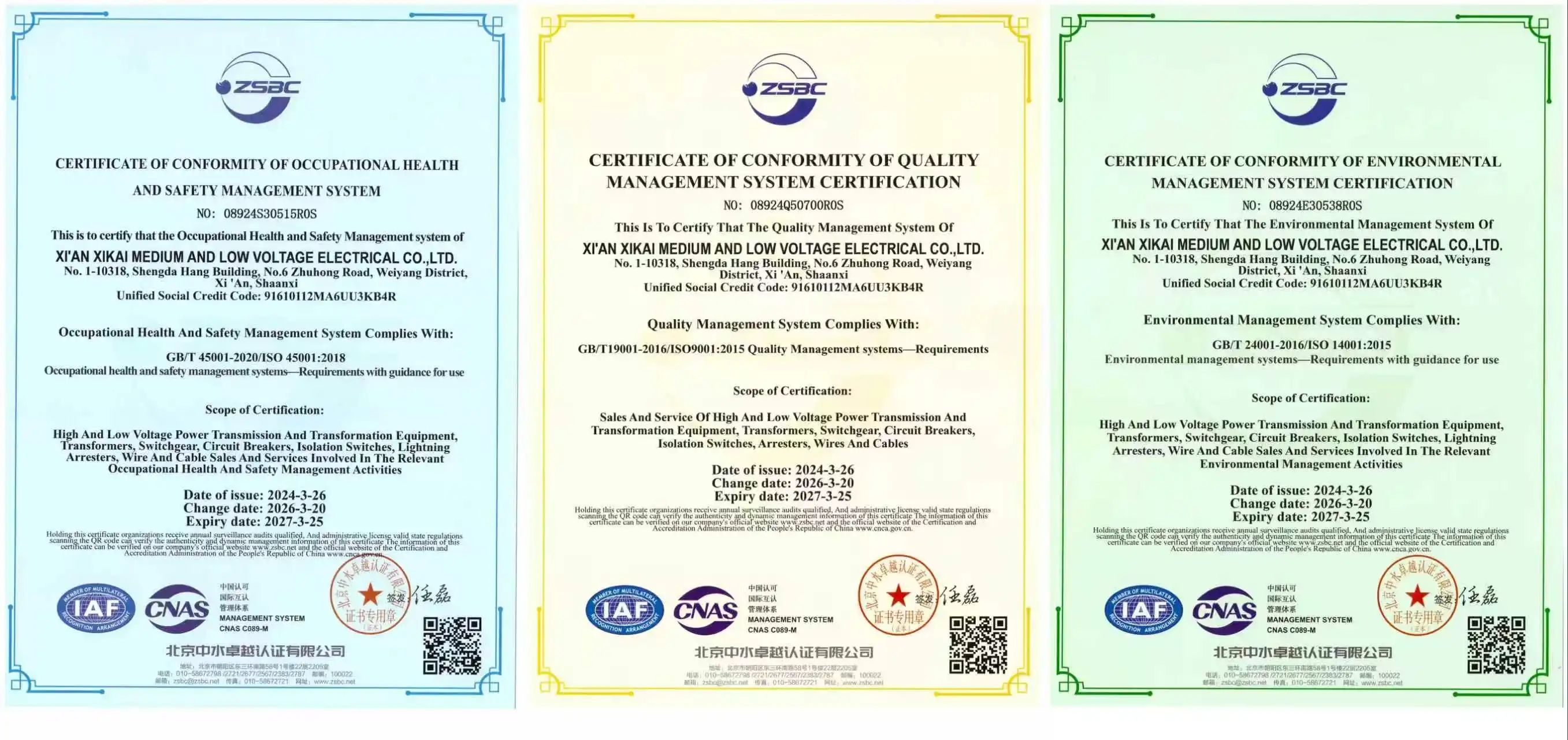
Xi'an Xikai makes Potential transformers that are stable and made for tough industrial, utility, and business uses. Our 10kV outdoor/indoor Potential transformers are accurate to within ±1.0% and are made of strong epoxy resin that works well in harsh settings and weather. As a top producer of Potential transformers with ISO 9001 and ISO 14001 certifications, we stick to strict quality standards throughout our 12-step inspection process. Our expert team can help you find the right tools for substation upgrades, green energy projects, or building expansions. They can also support you around the clock, every day, with 8+ patented innovations. Send an email to serina@xaxd-electric.com, amber@xaxd-electric.com, or luna@xaxd-electric.com to talk about your voltage monitoring needs.
References
1. Smith, J.R. and Thompson, M.L. (2019). Instrument Transformers: Theory and Applications in Power Systems. Technical Publishing House, Boston.
2. International Electrotechnical Commission. (2018). IEC 61869-3: Instrument Transformers – Additional Requirements for Voltage Transformers. Geneva: IEC Publications.
3. Martinez, P.A. (2020). "Accuracy Considerations in Revenue Metering Applications Using Voltage Transformers." Journal of Electrical Measurement Standards, 45(3), 127-145.
4. Anderson, K.W. and Chen, Y. (2021). Practical Guide to Substation Equipment Selection and Testing. IEEE Press, New York.
5. Wilson, R.D. (2017). "Burden Calculations and Their Impact on Instrument Transformer Performance." Power System Protection Quarterly, 12(4), 89-103.
6. United States Department of Energy. (2022). Best Practices for Voltage Measurement in Distribution Systems. Washington D.C.: DOE Technical Report Series.