Sealed for Safety: Exploring the Power and Performance of Vacuum Circuit Breakers
2026-06-22 15:46:50
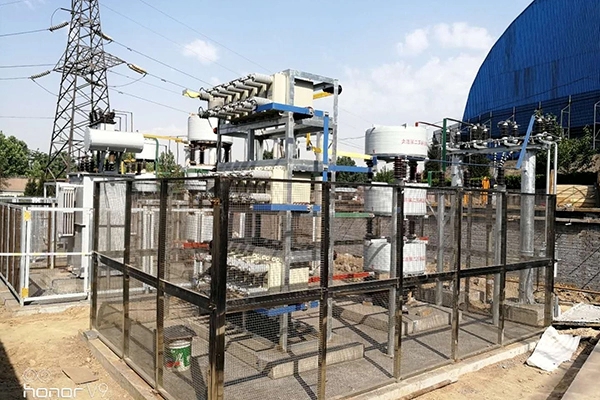
The Vacuum Circuit Breaker is one of the most important pieces of medium-voltage protection equipment because it combines safety, economy, and caring for the environment. These sealed devices use vacuum interrupters to put out electrical sparks when the circuit is interrupted. This gives industrial plants, utility networks, and business buildings better performance. You can change how you plan and buy power systems by learning how these switches work and why they are better than other options.
Understanding Vacuum Circuit Breakers: Working Principle and Core Advantages
How Vacuum Interrupters Create Safer Switching Operations?
In a high-vacuum setting, fixed and moving contacts separate in the protected interrupter chamber of any Vacuum Circuit Breaker. An electrical arc forms briefly when contacts break under load. However, the lack of air molecules in the vacuum room stops the arc from continuing, which means it goes out within milliseconds, usually in less than 15ms. Compared to oil-immersed or air-blast designs, this fast quenching method greatly lowers the stress on the equipment and the risk of fire.
Long Service Life With Minimal Intervention Requirements
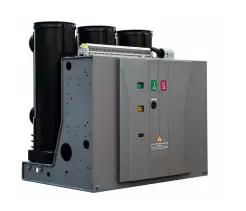
One great thing about vacuum technology is that it lasts longer than other technologies. Modern devices, like the ZN39 Indoor Vacuum Circuit Breaker, can do more than 20,000 mechanical tasks before they need major repairs. This longevity comes from the sealed environment that keeps water, dust, and chemicals from getting into the internal parts. Unlike SF6 breakers that need to be checked for gas regularly or oil breakers that need to have fluids analyzed regularly, vacuum units don't need any care for years, which means that facility workers pay less for the whole thing.
Environmental Compliance Without Performance Compromise
Because of rules about greenhouse gas emissions, SF6-based switchgear is becoming more and more difficult for utilities and industry users to use. Because they don't contain any gases or oils that could leak into the environment, Vacuum Circuit Breakers completely remove this worry. Manufacturing plants that want to get ISO 14001 certification and data centers that want to get LEED certification both find that vacuum technology fits in nicely with their goals for sustainability while still having the breaking power needed for fault protection.
These devices are great for hospitals that need to keep the power on all the time, factories that need to protect sensitive automation equipment, and utility companies that need to keep the grid reliable in all kinds of weather because they are safe, last a long time, and are good for the environment. When procurement professionals look at switchgear choices, they are becoming more and more aware that the original cost differences between vacuum and other technologies quickly disappear when lifecycle costs and downtime risks are taken into account.
Vacuum Circuit Breaker vs. Alternative Technologies: A Strategic Comparison
Performance Differences Across Breaker Technologies
When EPC firms and system designers choose protection for medium-voltage applications, they evaluate multiple technologies. Air circuit breakers cost less for lower voltages but need more maintenance and space due to contact wear from air arc quenching. Oil circuit breakers pose fire risks and environmental damage from leaks, unsuitable for protected substations. Vacuum circuit breaker technology eliminates these problems while matching SF6 performance in the 12kV–40.5kV range where most industrial distribution occurs. SF6 breakers face regulatory pressure requiring leak detection, refilling, and careful disposal.
Voltage Rating Considerations for Different Applications
Medium-voltage vacuum circuit breaker units excel in the 7.2kV–40.5kV range, covering most industrial plant and utility distribution needs. The 12kV ZN39 Indoor Vacuum Circuit Breaker handles everything from factory feeders to commercial building service entrances. Molded case circuit breakers are more cost-effective below 1kV, while SF6 technology dominates transmission above 72kV due to insulation distance requirements. A data center with 13.8kV distribution can use vacuum circuit breaker switchgear throughout, standardizing maintenance and spare parts inventory.
Switching Speed and Fault Clearing Advantages
Quickly fixing faults keeps equipment further down the line safe from mechanical and heat stress. Vacuum Circuit Breakers stop fault currents in 15ms, which is a lot faster than oil or air designs, which need 50–80ms. This speed advantage is very important in arc furnace setups, where keeping the power quality high during frequent switching keeps output from stopping. Hospital imaging equipment and tools used to make semiconductors are both very sensitive to changes in voltage, so vacuum breaker response times that shorten transient lengths are very helpful.
Technical Specifications, Design, and Operation Process of Vacuum Circuit Breakers
Critical Ratings That Define Application Suitability
Finding the right circuit safety means matching the ratings of the devices to the features of the system. With its wide range of features, the ZN39 Indoor Vacuum Circuit Breaker is a great example of current design. Standard distribution voltages can be handled by a rated voltage of 12kV with plenty of safety headroom. Ambient temperature range of -40°C to +40°C provides stable operation in harsh climes, from manufacturing plants in the north that deal with harsh winters to substations in the desert that deal with high summer heat.
Modular Construction Simplifies Integration and Service
Modern vacuum circuit breaker designs prioritize flexibility for simplified installation and maintenance. Spring-operated mechanisms store energy independent of control power, enabling closing even during auxiliary power loss—critical during system restoration after widespread outages. Metal-clad switchgear with draw-out "truck" designs allows technicians to test vacuum circuit breaker units without affecting adjacent circuits, reducing maintenance windows. The ZN39 line features anti-pollution porcelain bushings and seismic reinforcement brackets solving mounting challenges standard designs overlook, benefiting earthquake-prone regions and industrial facilities releasing airborne contaminants.
Installation Best Practices and Commissioning Protocols
The first step in a proper installation is to check the climate to make sure that the temperature, humidity, and pressure are in line with what the equipment is rated for. To keep contact errors from happening because of vibrations, mounting surfaces need to be structurally rigid. To make electrical connections, you need to carefully apply pressure according to the manufacturer's instructions. Terminals that are too loose cause resistance heating, and terminals that are too tight damage wire strands. To keep devices from breaking down completely, the timing of the primary and secondary circuits must be checked before they are turned on.
As part of the commissioning process, the contact resistance is measured, the insulation resistance is tested, and the motor function is confirmed. Before putting tools into service, high-potential testing makes sure that the dielectric strength is correct. Modern smart-ready models let you gather diagnostic data while they are being set up, which sets performance standards for future state tracking. These initial measures are very helpful when trying to figure out problems that happened years ago or when planning preventative maintenance.
Maintenance Strategies That Maximize Equipment Lifespan
The sealed design of vacuum interrupters means that they don't need much upkeep. But mechanical parts that work better should be checked every so often. Lubricating the hinge points stops them from wearing out and keeps the working times constant. Spring charging systems need to be tested to make sure they work properly and store enough energy. To make sure that safety relays work together, control circuit parts like auxiliary switches and trip coils need to be tested.
With organized methods, it's easy to figure out how to fix common problems. When breakers won't close, it's usually because the springs are discharged or there are problems with the extra power, not because the interrupter is broken. When a relay trips for no reason, it could be because of incorrect settings or a ground problem that needs to be looked into at the system level. Contact wear shows up slowly over time by raising resistance readings, giving plenty of time to prepare before failure. Keeping detailed service records lets you look at patterns that tell you when parts need to be replaced before they break down unexpectedly and stop operations.
Procurement Guide: How to Choose and Buy the Right Vacuum Circuit Breaker?
Mapping Application Requirements to Equipment Specifications
A careful study of the application is the first step in effective procurement. Operators of industrial plants must write down information about the load, such as motor starting currents, capacitor bank switching needs, and expected fault levels. Managers of data centers need to make sure that the equipment they use works with generator paralleling schemes and automatic transfer switch coordination. To choose the right breakers, utility engineers use fault duty estimates, protection device coordination studies, and asset management strategies that weigh cost and reliability.
Evaluating Manufacturers and Supply Chain Partners
There are both large global companies and small, niche producers in the medium-voltage switchgear market. Companies like Siemens, ABB, and Schneider Electric have a wide range of products and service networks that reach people all over the world. This makes them appealing to international facility managers who want to make all of their sites more similar. Both Mitsubishi and GE are good options that offer low pricing and performance levels.
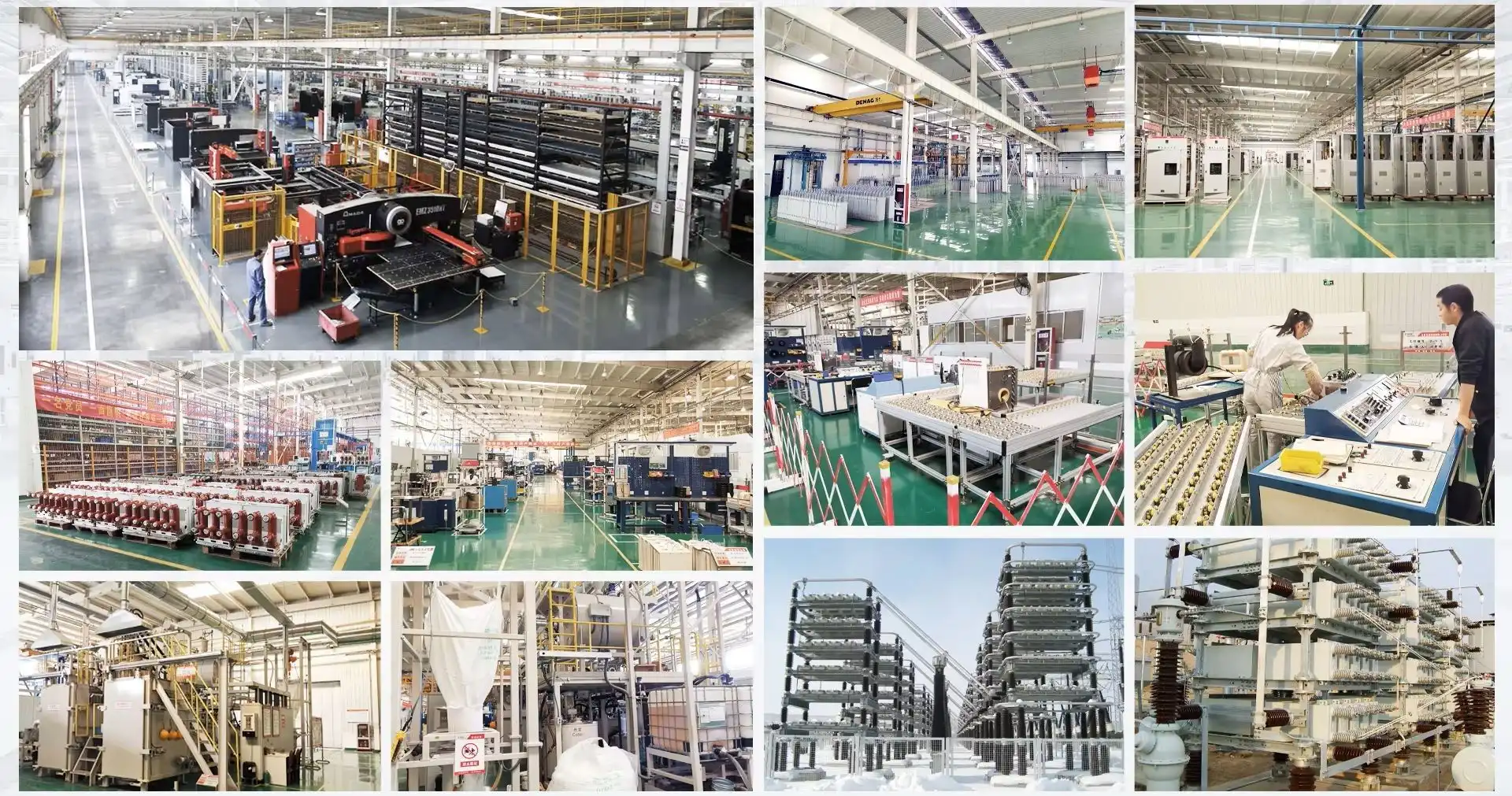
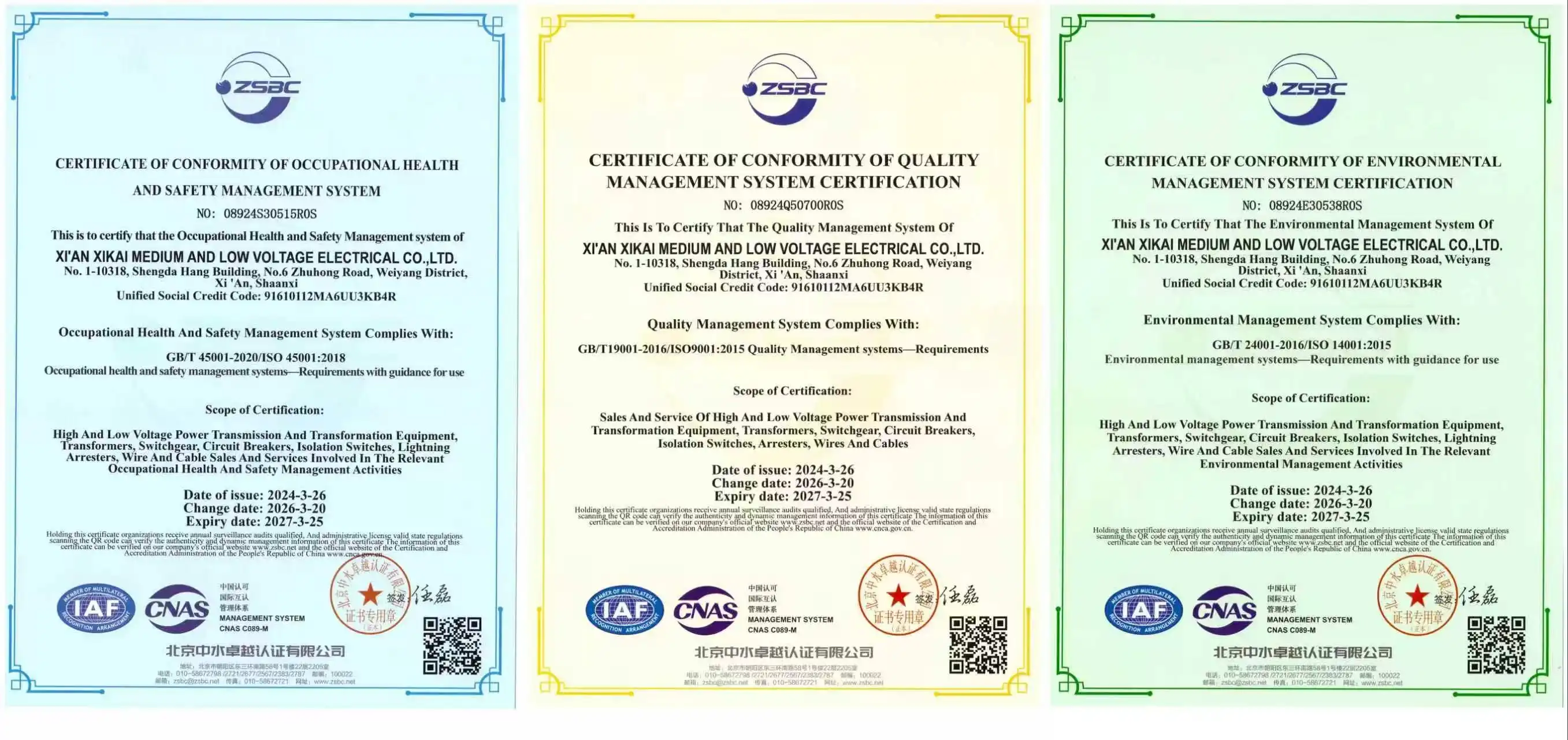
The production know-how in China's electrical equipment business is centered on Xi'an Xikai Medium & Low Voltage Electric Co., Ltd. The company offers complete solutions backed by multiple patents and ISO-certified quality systems. It has more than 100 different product versions in seven main categories. Products are used in tough situations in State Grid sites, steel and mining plants, and train infrastructure. Plateau-rated equipment works regularly at heights of up to 4,000 meters, so it can serve niche markets that normal Vacuum Circuit Breaker designs can't.
Commercial Considerations Beyond Equipment Cost
Pricing systems are very different depending on the details, the amount of the order, and the services that are included. Standard store items have lower unit prices, but they can't be changed much. Engineered-to-order options are more expensive but can meet specific needs. Volume agreements give EPC firms that are handling multiple projects at the same time access to better rates and earlier production slots. Payment terms, how currency risk is distributed, and the choice of Incoterms all have an impact on how much a project costs and how risky it is.
The warranty usually lasts for one to two years after the product is put into use. It covers problems with the way it was made and early fails. Options for longer warranties reduce risk even more for important uses. Technical help, such as multilingual documentation, technical advice, and field service, adds measured value above and beyond just providing tools for transactions. Maintenance teams in buildings can learn how to properly use equipment and figure out what's wrong through training programs.
Enhancing Safety and Performance: Future Trends and Innovations in Vacuum Circuit Breakers
Smart Monitoring Integration for Predictive Maintenance
When industrial IoT systems and circuit safety equipment work together, it changes the way things can be done in fundamental ways. Smart vacuum breakers, like the ZN39-S series, have monitors that check the temperature of the contacts, the performance of the working mechanism, and the total number of switching operations. This information is sent to systems that run facilities, which then use predictive maintenance to plan repairs based on the real condition of the equipment instead of set times.
Material Science Advances Improving Performance Envelopes
Research into contact materials and vacuum interrupter designs is still going on, which is pushing the limits of efficiency. Copper-chromium metals that are designed to do specific switching tasks stop contact degradation when capacitive and inductive loads are interrupted. Better methods for metallization make mechanical longevity go beyond the current 20,000-cycle norm. Better getter materials keep the vacuum's integrity over longer service lives, so they only need to be replaced every 30 years, which is in line with utility asset management timelines.
Regulatory Drivers Accelerating Vacuum Technology Adoption
Environmental laws around the world are getting stricter, which speeds up the switch from SF6 to vacuum and air-insulated options. European Union rules limit the use of SF6 equipment in new sites, and California laws require leak reporting and proper destruction at the end of their useful lives. Even though they might be more expensive at first, these policy models offer strong economic reasons to favor Vacuum Circuit Breaker technology.
Safety rules are always changing to deal with arc flash dangers that hurt electrical workers. Rapid fault cleaning in vacuum technology lowers incident energy levels during arc flash events, which directly protects people. Personal safety equipment (PPE) standards can be lowered for equipment with lower arc flash ratings. This makes repair technicians more comfortable and increases their productivity. More and more, facilities that care about worker safety include vacuum switches in their overall electrical safety plans.
Conclusion
Vacuum Circuit Breakers offer an appealing mix of safety, dependability, and caring for the environment that solves important problems in utility, business, and industrial settings. The sealed vacuum interrupter technology gets rid of the problems that other systems have, like fire risks, greenhouse gas emissions, and a lot of upkeep. Procurement workers can safely choose vacuum technology for a wide range of uses because devices like the ZN39 Indoor Vacuum Circuit Breaker work well even in tough conditions. As electricity infrastructure gets smarter and more environmentally friendly, these devices will continue to lead the market thanks to their ability to integrate smart tracking and make material science progress all the time.
FAQ
1. What maintenance schedules maximize vacuum breaker lifespan?
The sealed vacuum interrupter doesn't need any upkeep on the inside, but the working parts should be checked every two to three years or after 2,000 actions. Make sure the pivot points are well oiled, that the spring charging system works, and that the secondary contact works. Check the resistance of the contacts to see if they are wearing down before they break. Smart-enabled units give diagnostic information that lets you fine-tune when to do maintenance based on the real state of the equipment instead of set times.
2. How do vacuum breakers enhance safety compared to oil or SF6 designs?
Vacuum technology gets rid of the fire risks that come from flammable oils and the harmful waste products that SF6 makes when the arc stops. Quickly fixing the problem within 15ms lowers the energy of an arc flash event, which protects repair workers. The sealed structure keeps the surroundings from getting dirty when equipment breaks down. These safety benefits are especially useful in occupied buildings, places that care about the environment, and places that put worker safety first.
3. What factors influence vacuum circuit breaker pricing?
Cost is directly related to rated voltage and current; better values need bigger interrupters and stronger mechanisms. Specifications for breaking capacity have an effect on prices because better materials are needed for improved fault interruption capability. Smart monitoring tools cost more, but they're worth it because they let you plan ahead for upkeep. Order amounts that qualify for bulk discounts earn higher prices, while customization for unique working conditions costs more. Established brands usually charge more than local ones. This is because of the costs of running a global service network and the fact that people know and trust the brand. For many applications, the Vacuum Circuit Breaker remains the most cost-effective solution over its entire lifecycle.
Partner With Xi'an Xikai: Your Trusted Vacuum Circuit Breaker Manufacturer
Xi'an Xikai Medium & Low Voltage Electric Co., Ltd. offers tried-and-true Vacuum Circuit Breaker options backed by a lot of manufacturing know-how and full technical support. Our ZN39 Indoor Vacuum Circuit Breaker is compliant with IEC 62271-100 and has been tested and proven to work reliably in a wide range of difficult environments, from industrial plants to utility substations. We are a key partner for EPC firms and facility owners across the country because we can handle large orders and have engineering teams that can make setups just the way our customers want them. You can email our technical experts at serina@xaxd-electric.com, amber@xaxd-electric.com, or luna@xaxd-electric.com to talk about your unique needs and get quotes that are tailored to your project specifications.
References
1. IEEE Standard C37.04-2018, IEEE Standard for Ratings and Requirements for AC High-Voltage Circuit Breakers with Rated Maximum Voltage Above 1000V, Institute of Electrical and Electronics Engineers, 2018.
2. Slade, P.G., The Vacuum Interrupter: Theory, Design, and Application, CRC Press, Boca Raton, Florida, 2017.
3. IEC 62271-100:2021, High-voltage switchgear and controlgear - Part 100: Alternating current circuit-breakers, International Electrotechnical Commission, Geneva, Switzerland, 2021.
4. Greenwood, A.N., Electrical Transients in Power Systems, Second Edition, John Wiley & Sons, New York, 1991.
5. NEMA SG 4-2020, Alternating Current High-Voltage Circuit Breakers, National Electrical Manufacturers Association, Rosslyn, Virginia, 2020.
6. Kapoor, S.C., and Kumar, A., Vacuum Circuit Breakers: Design and Application Considerations for Modern Power Distribution Systems, Electric Power Systems Research Journal, Volume 182, May 2020.