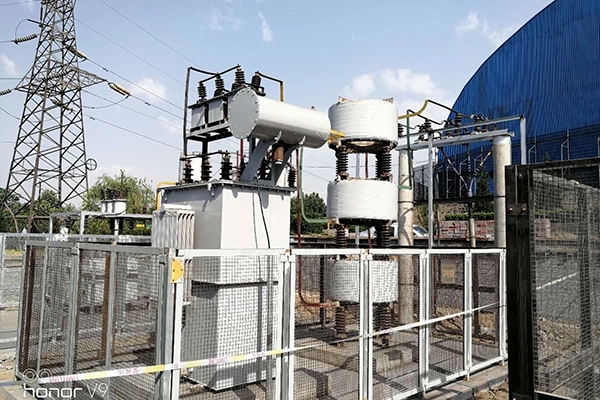
What You Need to Know About Potential Transformers
2026-06-22 15:46:53
Potential transformers are precise voltage step-down devices that are needed to measure and protect electrical systems that use medium to high voltages. These instrument transformers change dangerously high voltage signals (often 10kV or higher) into safe, manageable levels like 400V or 110V. This way, meters, switches, and tracking systems can work without being exposed to voltages that could kill them. They do more than just lower voltage; they also protect people and equipment from electrical shocks and keep measurement accuracy within the tight ranges needed by utility grids, factories, and government offices. Knowing how these devices work, where they fit in your power system, and which specs are the most important can have a direct effect on how well your business runs, how much energy it uses, and how well it follows the rules.
Understanding Potential Transformers: Basics and Working Principle
The Core Function of Voltage Step-Down
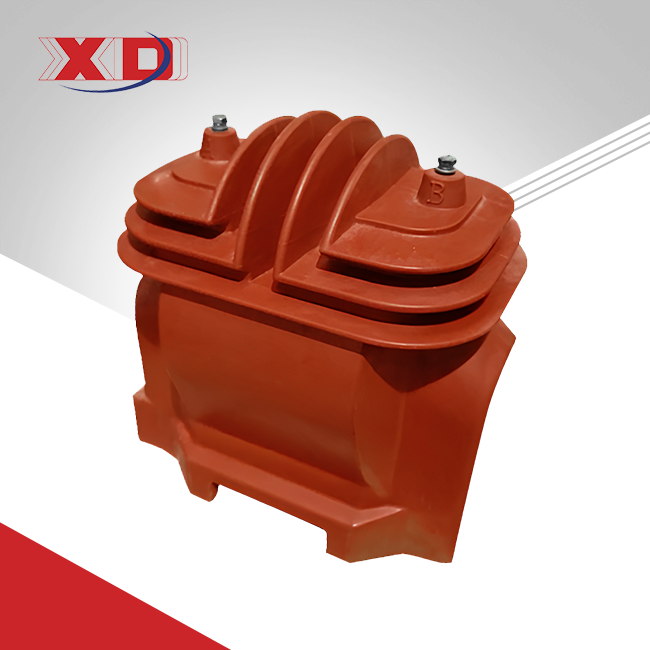
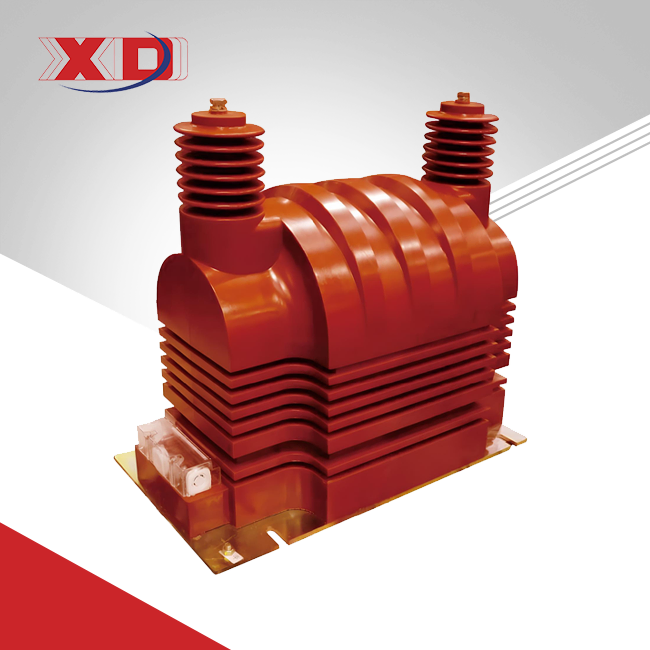
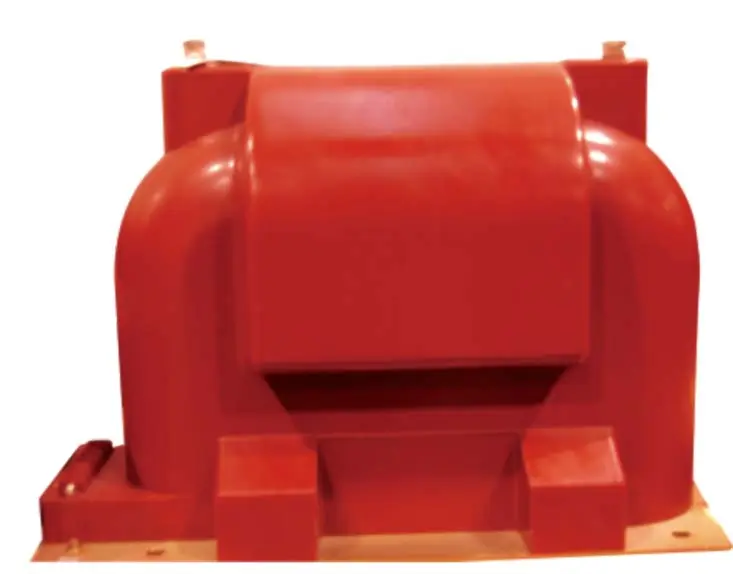
Potential transformers (PTs) use electromagnetic induction to step down high voltages for measurement, not power transmission. Common ratios: 10kV/400V or 35kV/110V. Epoxy resin-cast units (e.g., Xi'an Xikai) eliminate air pockets and moisture paths, preventing partial discharge and extending service life beyond 20 years. The transformation ratio remains accurate even under varying load conditions.
Common Connection Methods in Power Systems
Wye (star) connections measure phase-to-ground voltages in grounded systems. Delta connections measure phase-to-phase voltage. Match connection type to metering or protection relay requirements. Ensure connected instrument load does not exceed PT's rated capacity to maintain accuracy class performance. Secondary outputs typically feed protective relays, digital meters, or SCADA systems.
Accuracy Classes and Performance Standards
IEC 61869 and IEEE C57.13 define classes: 0.2, 0.5, 1.0, 3.0. Class 0.5 keeps voltage error within ±0.5%—suited for revenue metering. Class 1.0 suits industrial monitoring. Xi'an Xikai's 10kV units meet GB 20840.2-2014 and IEC standards with ±1.0% error from -40°C to +55°C, maintaining accuracy from 0.1 to 1.0 times rated burden.
Comparing Potential Transformers with Similar Devices
Distinguishing Current Transformers from Voltage Measurement Units
Current transformers (CTs) and Potential transformers are both members of the instrument transformer family, but they perform very different tasks. When CTs are used for measurements, they lower the current levels while their secondary circuits are essentially short-circuited, carrying current that is proportional to the main line current. When you open a CT secondary circuit while it is charged, dangerously high voltages are created because there is no opposite magnetic flux.
Voltage transformers, on the other hand, use secondary loads with high resistance and would be hurt by short circuits. Their main winding links across the voltage source being watched in parallel, which uses very little current. Because of this basic difference in how they work, buying teams can't use one instead of the other without risking damage to tools or safety issues.
Single-Phase versus Three-Phase Configurations
Single-phase PTs monitor one conductor for residential or single-phase commercial equipment. Three-phase configurations measure all three phases simultaneously—essential for data centers and factories with three-phase distribution. Shared-core three-phase designs are compact but require careful consideration in high-harmonic environments.
Evaluating Cost versus Precision Trade-offs
When compared to normal accuracy grades, higher accuracy classes require tighter production tolerances, better core materials, and stricter testing methods. This makes unit costs 30–50% higher. This investment is worth it for revenue metering apps because billing issues and fines from regulators because of wrong measurements can be many times higher than the difference in equipment cost.
Class 1.0 or 3.0 devices can often be used in industrial tracking applications that focus on trending and alarming rather than exact measurement. This lets the budget go toward higher quantities or more measurement points instead of maximum precision at fewer places.
Key Applications and Advantages of Potential Transformers in Power Systems
Critical Applications Across Industries
Measuring voltage is the basis for many tasks in the power system. Protection switches that watch for overvoltage, undervoltage, or phase imbalance need correct voltage data to know when to trip the circuit breakers. These transformers are used by utility companies to measure revenue at places where two substations join, and any mistakes in the measurements have a direct effect on the companies' finances.
Industrial plants use them in all of their distribution systems to keep an eye on how sensitive equipment like variable frequency drives, CNC machines, and data center computers are responding to changes in the power quality. Voltage drops that could affect surgical tools or life support systems are not an option for hospitals. This is why ongoing tracking through reliable Potential transformers is a safety requirement and not a choice.
Electrical isolation keeps dangerous voltages from reaching people or instruments, accurate measurements allow for proper system analysis, and rugged construction keeps these devices working reliably in environments with high and low temperatures, high and low humidity, and contamination that would break down less durable designs.
Operational Benefits That Reduce Total Cost
Zero-maintenance design features save businesses a lot of money over the life of their tools. Our epoxy resin-cast construction stops moisture from getting in, which breaks down insulation in older oil-filled designs. This means that inspections are done less often, and expensive fluid tests and replacement processes are avoided. The fully sealed electromagnetic structure keeps dust and other pollutants from building up, which hurts performance in industrial settings.
Smart grid support is another benefit that looks to the future. Modern designs have built-in monitoring features that keep an eye on things like temperature, partial discharge activity, and loading conditions. This lets repair be planned ahead of time. This data integration helps the digital substation designs that power companies are using to make the grid more reliable and efficient.
Surge currents up to 100 times the maximum capacity protect linked instruments when there is a fault or a switching transient. This feature stops cascading failures, which happen when a voltage spike damages meters and relays, leaving security gaps right when clarity is needed the most.
Maintenance Practices for Sustained Performance
Regular testing makes sure that the accuracy stays within the limits as the transformers age. Doing load tests once a year or every two years makes sure that the secondary impedance hasn't changed because of corrosion in the connections or changes to the wires. Ratio checks look at the difference between the main and secondary voltages to find problems with the windings or core wear. Measuring insulation resistance can find problems like water getting in or insulation breaking down before they happen.
Keeping good records of test results, changes in load, and maintenance tasks can help find slow but steady performance trends. This historical data helps facilities that use ISO 55000 asset management systems figure out the best time and funds for replacements.
How to Choose and Procure the Right Potential Transformer?
Essential Selection Criteria for Project Success
To account for regular voltage changes, a 10kV system usually uses 12kV-rated potential transformers. The voltage rating must match the average voltage of the system plus a suitable margin. Insulation level standards, such as 12/42/75kV, describe the ability to resist power frequency, lightning impulse, and switching impulse. These levels protect against short-term overvoltages caused by lightning strikes or switching activities nearby.
Many people don't understand how important frequency setting is. Even though 50Hz and 60Hz units may look the same, their core saturation features are different. If you use the wrong frequency transformer, you could get measurement mistakes of more than 5%. Our designs with two frequencies, 50Hz and 60Hz, can work with foreign projects or places that use more than one frequency system.
The linked load must have the same secondary output voltage and stress capacity. For North American projects, standard secondary voltages are 110V, 115V, and 120V. For foreign projects, standard secondary voltages are 100V. The number of meters or relays that can join depends on the burden grade, which ranges from 200VA to 1000VA constant (with 3000VA short-term capability in our models).
Custom Manufacturing for Specialized Requirements
Standard stock goods work well for most uses, but custom engineering is better for specific needs like voltage ratios that aren't standard, temperature ranges that are too wide, or fitting arrangements that aren't standard. Core design changes can improve performance in certain harmonic conditions that are common in industrial rectifier loads or integrating green energy.
Customizing the secondary output lets you get different voltage levels from a single main link. This is helpful for retrofit projects where the wiring makes it hard to add something new. Terminal setups can work with older switchgear, which lowers the cost of making changes during improvements.
With more than 8 patents in transformer technology, Xi'an Xikai can still do custom designs. This means they can find answers for sites on plateaus up to 4,000 meters high or in marine settings with salt fog. This freedom is useful when normal goods don't quite fit the needs of a specific project.
Procurement Considerations and Supply Chain Planning
Lead times vary a lot depending on how complicated the specifications are and how many orders are placed. Standard models are sent out within 4 to 6 weeks, but unique designs need 10 to 14 weeks for engineering, testing prototypes, and production. Global supply chain problems have shown how important it is to plan purchases early and build relationships with dependable makers.
Certification needs vary based on where the work is going to be done and the type of business. In North America, projects usually need to be approved by UL or CSA. In Europe, sites need to have the CE mark, and in China, projects for the State Grid need to be CCC certified. Checking the manufacturer's credentials keeps delays from being caused by rejecting equipment that doesn't meet standards.
When you compare makers, you have to look at more than just the original price. You have to look at the total lifecycle costs as well, which include things like expected service life, upkeep needs, expert support, and the ease of getting spare parts. Suppliers with a good reputation give thorough test results, clear guarantee terms, and application engineering help that lowers the risk of integration.
Troubleshooting, Maintenance, and Long-Term Value Optimization
Common Installation Mistakes to Avoid
If you choose the wrong ratio, you will keep making mistakes in your measurements, and you might not notice until your equipment breaks or you have a billing disagreement. Teams in charge of buying things should make sure that the voltage in the system matches the Potential transformer's values and that the safety features work with the transformer's temperature and short-circuit abilities.
Grounding problems can put people in danger and make measurements less accurate. To keep people safe and stop currents from flowing, secondary windings must only be grounded at one point. When there are more than one ground point, ground loops form. These loops add noise and offset mistakes to sensitive measurement circuits.
When secondary circuits are overloaded, accuracy goes down and transformer life is cut short. When you connect too many instruments or relays, the load limit is exceeded, and the voltage drops across all devices that are linked. This common mistake can be avoided by carefully calculating the load during planning.
Routine Maintenance Extends Equipment Life
As part of regular testing, eye checks should be done once a year to look for damage, loose connections, and environmental degradation. To make sure the accuracy stays within class limits and the insulation resistance goes above the minimum safe values, electrical tests are done every two to three years.
Using thermal imaging while the machine is running can find hot spots that mean high-resistance links or internal problems before they break. Trending temperature data helps figure out when something should be replaced based on its real state instead of a plan based on age.
Documentation systems that keep track of test results, loading changes, and repair records are useful for managing assets. This information backs up condition-based repair plans that keep uptime high while lowering costs.
Leveraging Technology for Performance Optimization
Modern tracking systems get information about the load on a transformer, its temperature, and its voltage levels in real time. This lets repair plans be planned ahead of time. By looking at trends, maintenance can find patterns of slow decline that can be fixed before they lead to crashes or errors.
Training programs that make sure operations and repair workers know the right way to test equipment, follow safety rules, and fix problems increase the worth of equipment. People who know what they're doing find problems early and don't make mistakes that damage expensive tools.
Conclusion
Potential transformers are important parts of power systems that allow for safe, accurate voltage measurement and security in places like utility substations and industrial plants. Choosing the right voltage rating, accuracy class, insulation level, and building type has a direct effect on the safety, dependability, and total cost of ownership of the measurement. Knowing how the system works, what applications need it for, and how often it needs to be maintained gives procurement workers and experts the power to make smart choices that improve system performance. Working with experienced manufacturers who offer tried-and-true designs, thorough testing, and ongoing technical support lowers project risk and ensures long-term operating excellence. This is true whether you are replacing old infrastructure, adding green energy sources, or building new facilities.
FAQ
1. What distinguishes potential transformers from voltage transformers?
In North America, the terms are often used to refer to the same thing: instrument transformers that step down power for measurement. In some scientific sources, "voltage transformer" refers to both electromagnetic and capacitive voltage divider types, while "Potential transformer" only refers to electromagnetic forms. When buying tools, checking the specs is more important than checking the terminology.
2. How do I select the correct accuracy class?
Class 0.5 or better is needed for revenue tracking and precision measurement applications to keep billing mistakes to a minimum and make sure they follow the rules. With Class 1.0 or 3.0 units, you can get general industrial tracking, trend analysis, and non-critical safety tasks for less money. The choice should be based on how much measurement error is acceptable for the application. Higher precision costs more but keeps problems from happening in sensitive applications.
3. Can the same unit work for both indoor and outdoor installation?
Our 10kV outdoor/indoor voltage transformers are made of UV-resistant materials and waterproof housings that can be used in both indoor and outdoor settings. When installing something outside, you need to think about things like pollution class ratings for seaside or industrial areas, temperature ratings for extreme climates, and the right way to put it so that water doesn't build up. Indoor-only models don't have these safety features, so they shouldn't be used outside, even though they look like outdoor models.
Partner with Xi'an Xikai for Reliable Potential Transformer Solutions
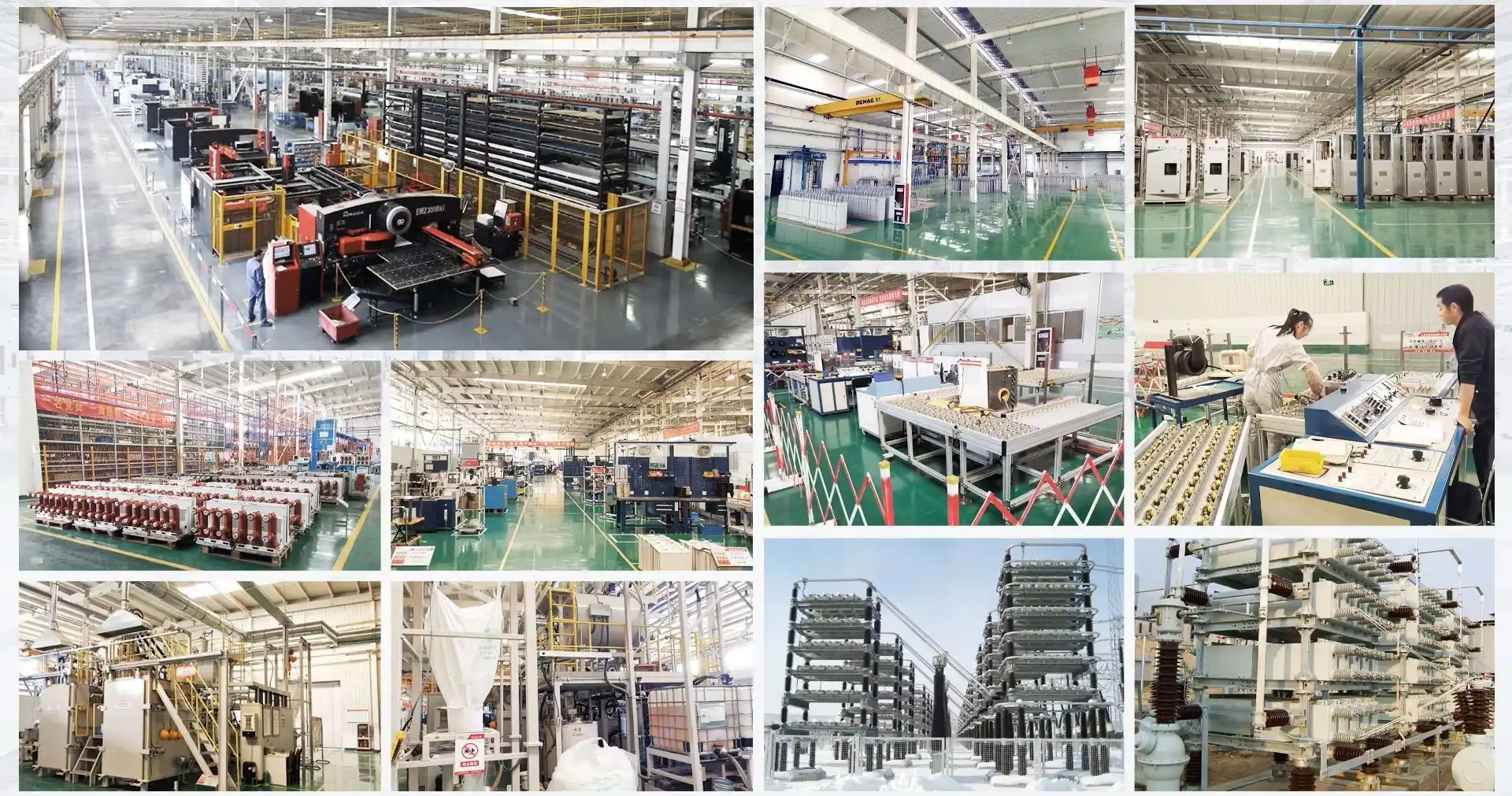
Xi'an Xikai mixes decades of experience making things with new ideas to make voltage transformers that meet the strict needs of utility companies, factories, and system designers all over the world, including in North America. Our 10kV outdoor/indoor units are the quality and performance our customers expect. They are made of epoxy resin-cast construction, so they don't need any maintenance, and they are accurate to within ±1.0% even in the hottest and coldest temperatures. They also meet foreign standards like IEC 61869 and GB 20840.2.
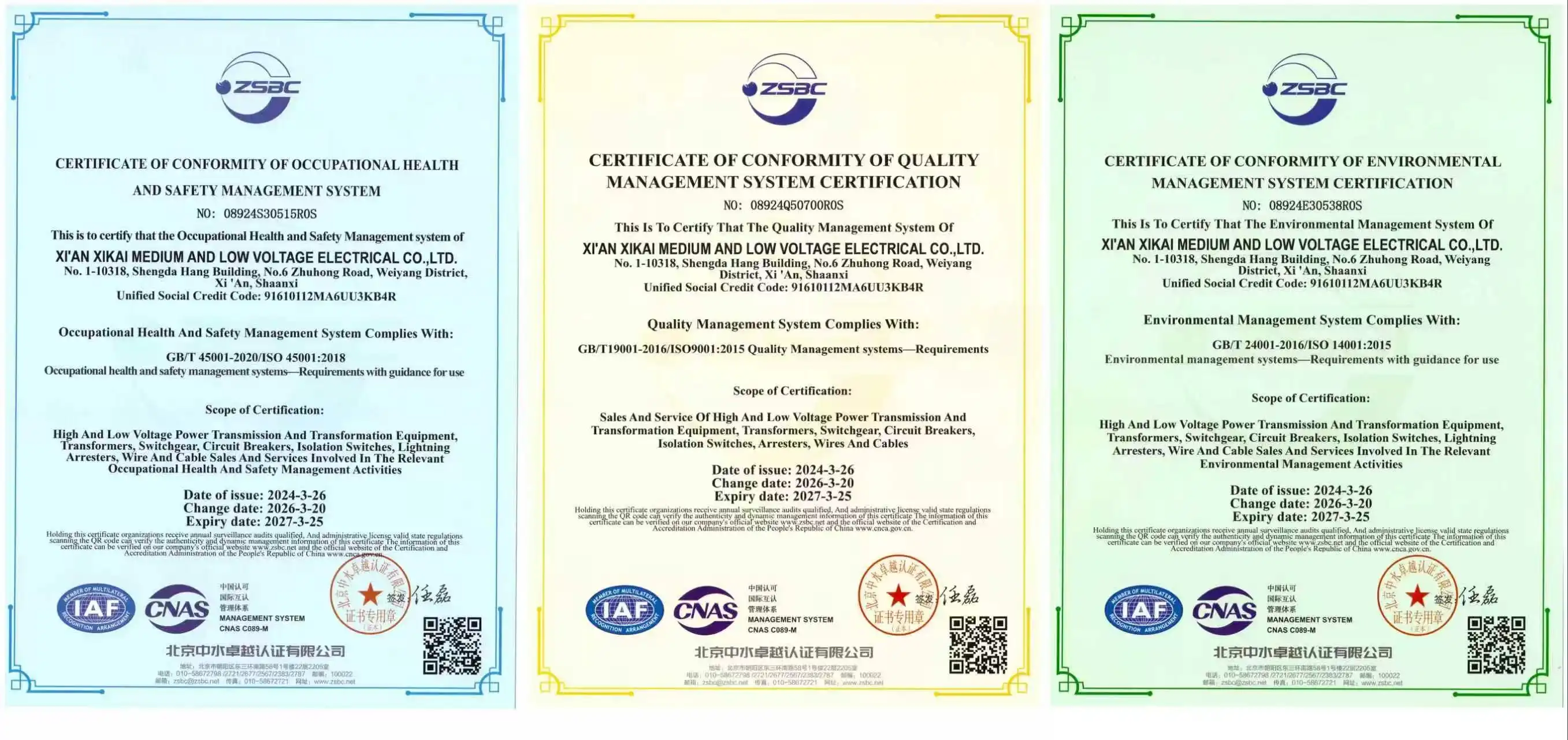
As a company that makes Potential transformers for a wide range of businesses, from data centers to green energy projects, we know that each use case has its own set of problems. Our technical team can help with application building, make custom designs, and provide thorough testing paperwork that makes the buying process easier and lowers the risk of the project. Our ISO 9001 and ISO 14001 standards show that we care about quality and the environment.
Get in touch with our skilled staff right away at serina@xaxd-electric.com, amber@xaxd-electric.com, or luna@xaxd-electric.com to talk about your unique needs, get full specifications, and get reasonable quotes.
References
1. Chen, W., and Liu, H. (2019). Instrument Transformers: Principles, Design, and Applications in Modern Power Systems. Beijing: China Electric Power Press.
2. Institute of Electrical and Electronics Engineers. (2016). IEEE Standard C57.13-2016: IEEE Standard Requirements for Instrument Transformers. New York: IEEE Standards Association.
3. International Electrotechnical Commission. (2014). IEC 61869-1: Instrument Transformers – Part 1: General Requirements. Geneva: IEC Publications.
4. Maheshwari, R. K., and Muttaqi, K. M. (2018). "Performance Evaluation of Instrument Transformers Under Harmonic Distortion Conditions." IEEE Transactions on Power Delivery, 33(4), 1876-1884.
5. Thompson, J. C. (2020). Electrical Metering and Protection Systems: A Practical Guide for Engineers. Hoboken: Wiley-IEEE Press.
6. Zhang, Y., and Wang, Q. (2021). "Reliability Analysis of Epoxy-Resin-Cast Instrument Transformers in High-Altitude and Extreme Climate Applications." International Journal of Electrical Power & Energy Systems, 128, 106-115.