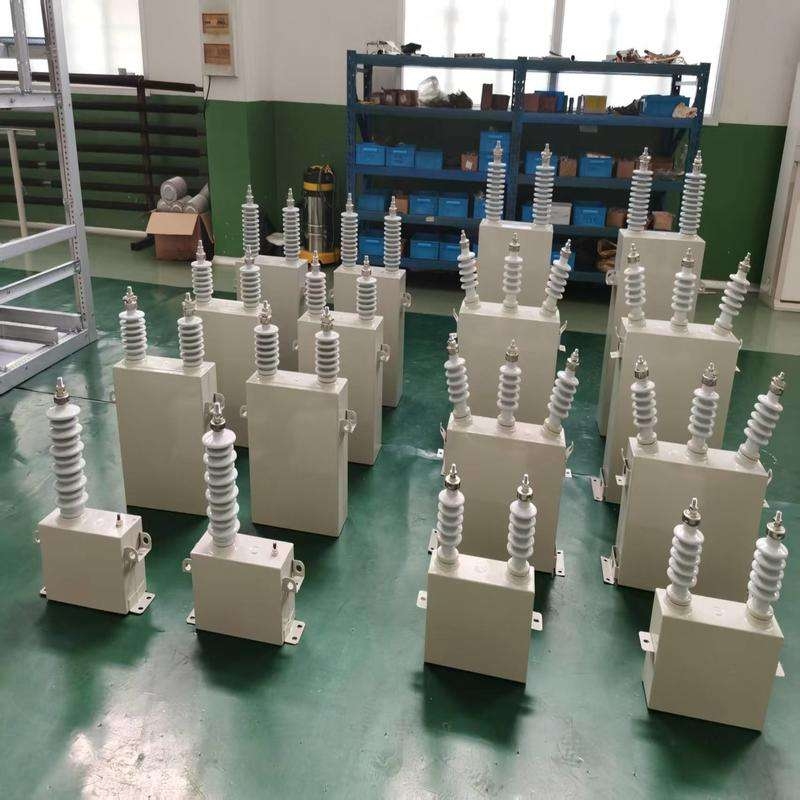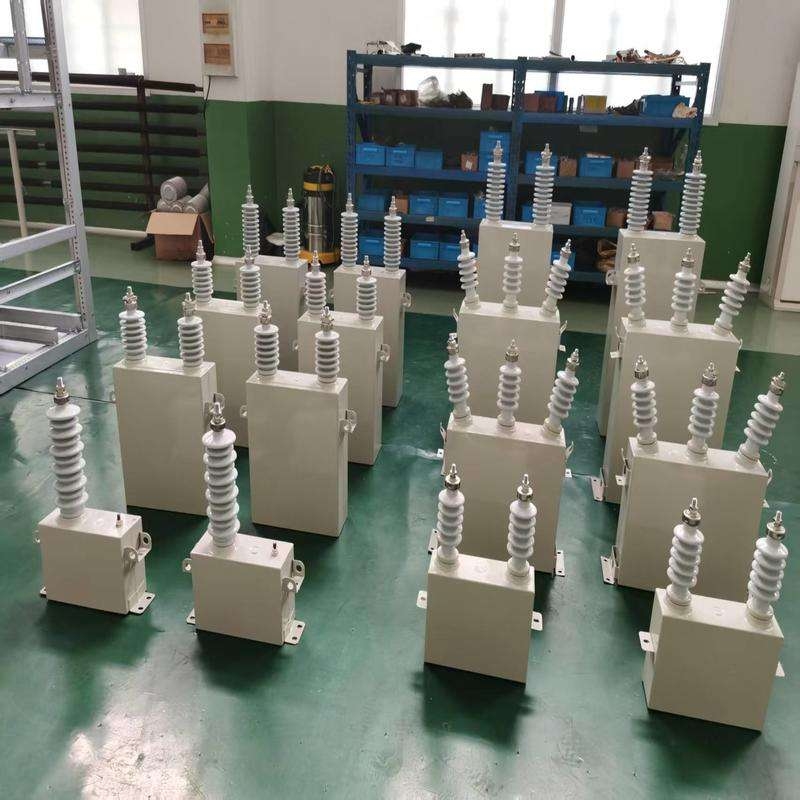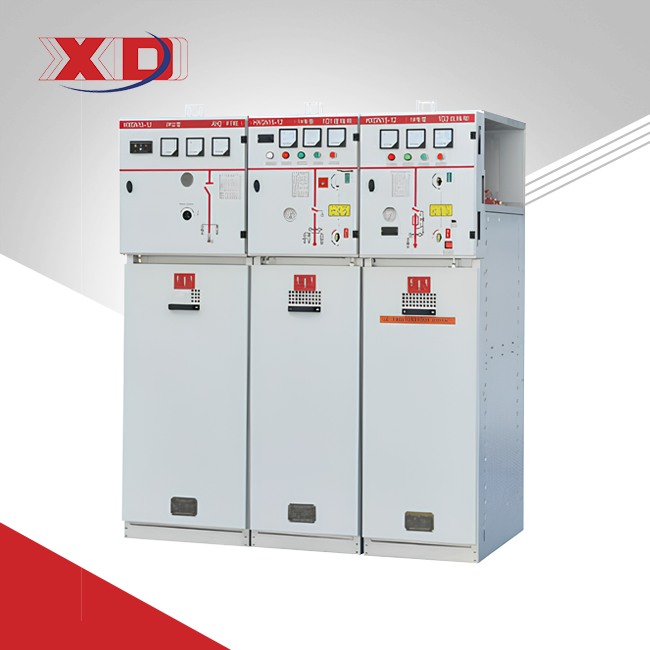
HXGN15-12SF6 Unit-Type AC Metal-Enclosed Ring Main Switchgear
How to choose armored metal-enclosed switchgear for medium voltage applications
2026-07-07 15:55:49
To choose the right Armored Metal-Enclosed Switchgear for medium voltage uses, you need to carefully think about your working needs, safety rules, and long-term performance goals. This gear is the safety core of electrical distribution systems. It protects people by putting circuit breakers, disconnectors, and security switches in strong metal cases that stop faults from spreading and keep them safe. When choosing switchgear for voltages that usually range from 1kV to 40.5kV, facility operators need to weigh the initial investment against the total cost of ownership. They need to think about things like how easy it is to maintain, how well it can handle the environment, and how well it meets standards like IEC 62271-200 and ANSI C37.20.2. The choice affects not only the reliability of the system right now, but also how well industrial plants, utility substations, and business buildings work for decades to come.
Understanding Armored Metal-Enclosed Switchgear: Basics & Features
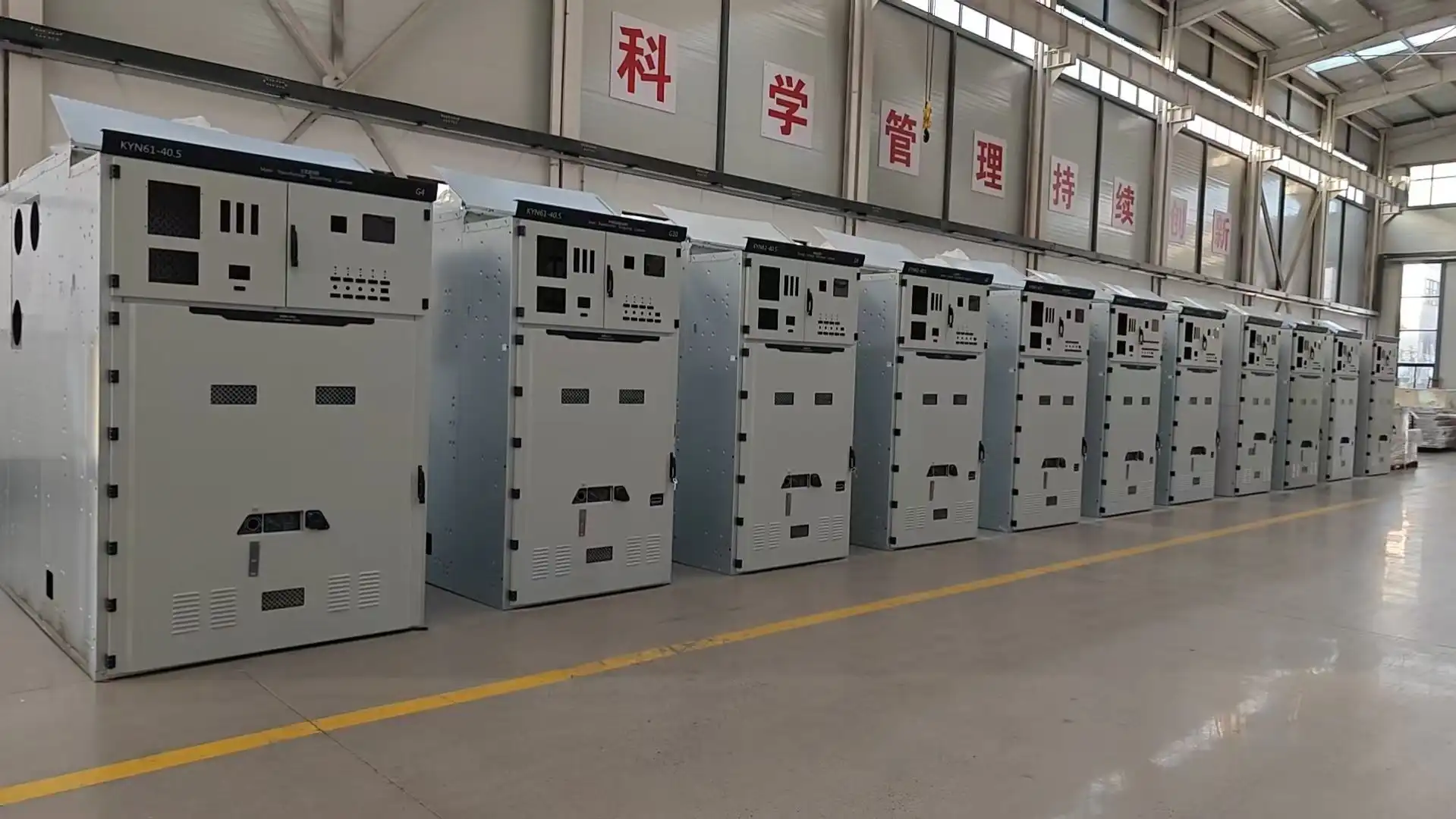
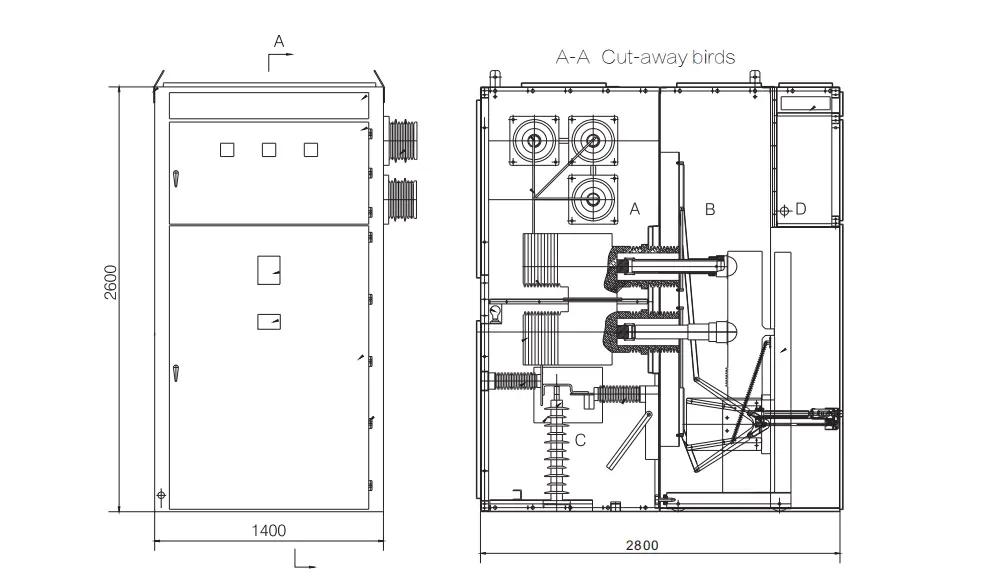
Armored Metal-Enclosed Switchgear is a special kind of electrical distribution gear made to manage, safeguard, and separate circuits in medium voltage networks. The word "armored" refers to the grounded metal walls that separate functional sections. These are usually the main bus room, the circuit breaker section, the cable termination area, and the low-voltage control zone. This separation keeps internal arc faults from getting worse and causing catastrophic breakdowns that put workers or nearby equipment at risk.
Core Functions and Voltage Classifications
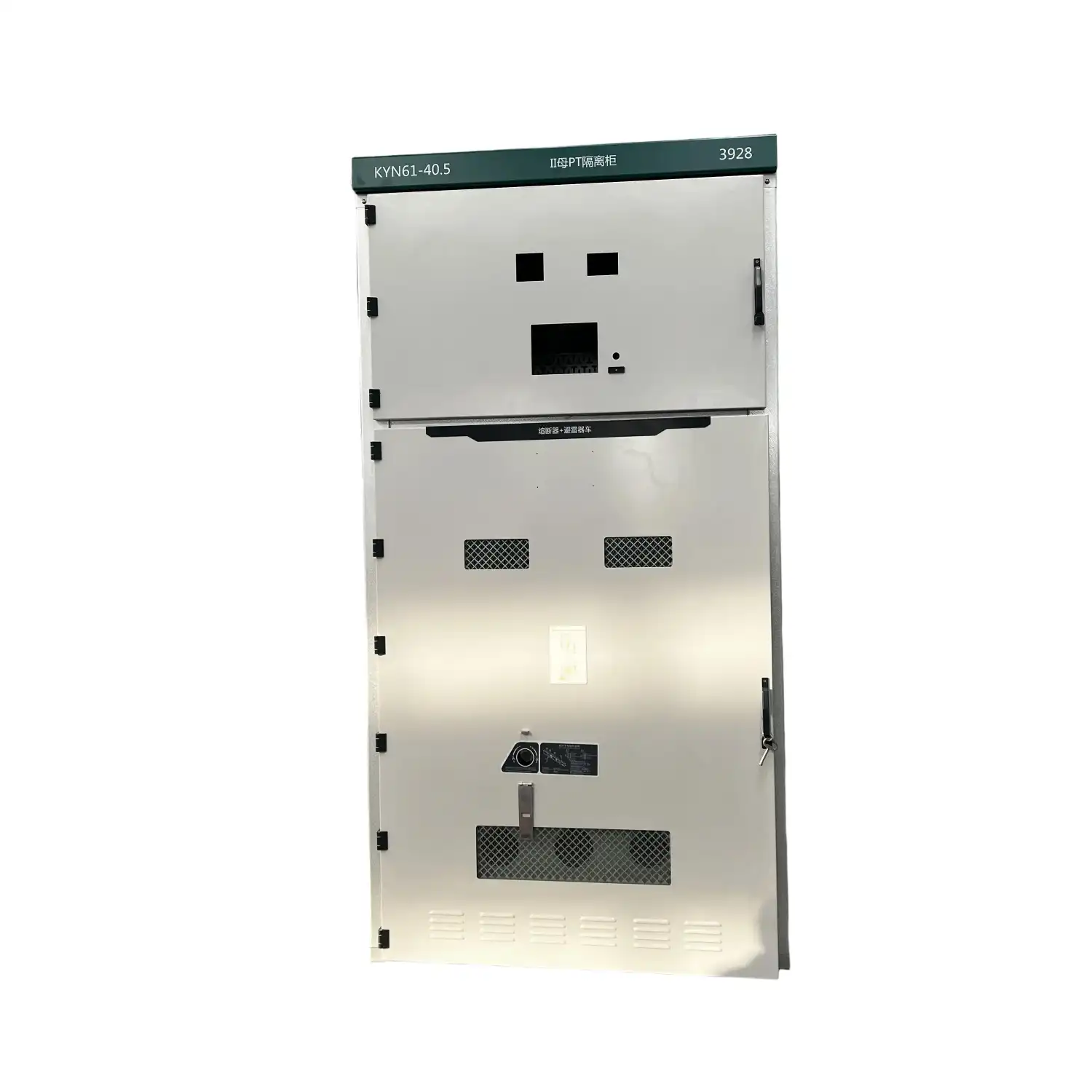
Medium voltage switchgear works mostly in the 3.6kV to 40.5kV range and is an important link between high-voltage transmission systems and lower-voltage distribution networks. This is shown by our KYN61-40.5 Removable Metal-Clad Switchgear, which can handle currents from 630A to 2500A and is rated at 40.5kV. The equipment is very important because it separates circuits so they can be maintained, stops fault currents with vacuum or SF6 circuit breakers, and gives safety switches places to measure. As required by IEC 62271-200, each metal-clad room has its own pressure release path that keeps explosive gases away from people during internal arc events.
Operational Principles in Industrial Settings
The main part of the working mechanism is the handcart, which can be taken off and put back on. The circuit breaker unit moves along precise rails between the disconnected, test, and joined states. The breaker's major contacts connect to fixed tulip-style connections on the main busbar when it's working normally. Unsafe actions, like racking the breaker while it's under load or closing ground switches on live circuits, are stopped by mechanical interlocks. This "five-prevention" locking system takes into account the most common ways that people make mistakes in substations. This design is what allows data centers to repair breakers without having to shut down the whole system. This helps them keep uptime levels above 99.99%, which is what Tier III and IV facilities require.
Environmental Resistance and Compliance Standards
The requirements for making Armored Metal-Enclosed Switchgear take into account hard working conditions. The KYN61-40.5 works consistently in temperatures ranging from -10°C to +40°C and at elevations up to 2000 meters. For higher elevations where lower air density affects insulation performance, derating estimates can be used. Protection class IP4X stops dust bigger than 1 mm, and condensation fans can be added to coastal or tropical sites to stop flashovers caused by moisture. Following the rules set by GB/T 11022, IEC 62271-200, and DL/T 404-1997 makes sure that all foreign projects can work together. This is especially important for EPC companies that are in charge of deployments in more than one area.
The testing methods make sure that these skills work by following strict steps. Power-frequency withstand voltage tests put 50kV on main lines for one minute to make sure the insulation is still good. Temperature rise tests show that the busbar and contact temps stay below 65K at the rated current. This keeps the epoxy insulation from wearing out faster. Testing for partial discharge finds tiny holes in solid insulation before they turn into tracking tracks. This is an important quality control step for 24kV and 40.5kV equipment where insulation stress is higher than for lower voltage classes.
Essential Criteria for Selecting the Right Armored Metal-Enclosed Switchgear
Application planning is the first step in making procurement choices. Engineers need to keep track of load patterns, estimates for fault currents based on utility coordination studies, and plans for growth that may need more feeder circuits. The rolling line of a steel mill needs equipment that can handle 100kA short-circuits and electronics that can handle surges. On the other hand, the emergency distribution in a hospital needs to be able to quickly switch between sources and be quiet (below 45dB) so that it doesn't get in the way of patient care.
Load Capacity and Short-Circuit Ratings
The current values need to be able to handle both constant thermal loads and short-term inrush situations. If a 2500A switchgear is designed for continuous service, it is very different from one that can handle the same current for only two hours before it needs to be cooled down. The equipment can handle worst-case problems based on its short-circuit current stopping capability, which is given in kA symmetrical RMS. In utility substations close to power plants, fault levels often go above 31.5kA, so high-performance vacuum interrupters with rated interruption times of less than 50 milliseconds are needed. The breaking ability needs to work with protective devices further upstream to make sure selective tripping, which means separating only the broken part while keeping healthy circuits running.
Environmental Adaptation Parameters
Installation settings require changes to the building. Outdoor switchgear needs hardware made of stainless steel, covers that don't break down in UV light, and heaters that are controlled by a timer to keep condensation from forming when temperatures change quickly. Aluminum-zinc coated shelters are better for coastal sites because they resist salt fog rusting better than painted finishes. As per IEEE 693 standards, our production process includes these customisations. For example, we offer seismic bracing for areas prone to earthquakes and sand filtration for desert conditions where rough particles speed up contact wear.
Because thin air has a lower electrical strength at high altitudes, insulation gaps are affected by elevation. For equipment that works above 1000 meters ASL, the phase-to-ground and phase-to-phase space needs to be bigger. This can be done by using better insulation materials, such as cycloaliphatic epoxy instead of regular cast resin. The KYN61-40.5 keeps working at full speed up to a height of 2000 meters without losing power. This makes it good for mining in hilly areas or green energy projects on flat areas.
Maintenance Accessibility and Lifecycle Costs
In addition to the buying price, the total cost of ownership includes the costs of running the business for 25 to 30 years. Removable metal-clad designs cut down on repair downtime by letting breaker service happen in a workshop instead of a center that is live. This feature lowers the risk of arc flash for techs because breakers can be inspected for contact, tested for vacuum bottles and have their mechanisms oiled while they are safe and not connected to power. Fixed-mounted designs, on the other hand, need longer outage windows and live-front work practices, which raises the cost of labour and the risk of accidents.
Predictive repair plans are based on measurements of contact resistance. If the main bus links show readings above 40 microhms, it means that there is rust or loosening that will get worse under load and turn into hotspots. In addition to these measures, thermographic surveys find changes in temperature before they set off safety relays. Modern setups use fiber-optic temperature sensors and IoT-enabled partial discharge monitors to send troubleshooting information to SCADA systems that can communicate using IEC 61850 protocols in real time. With this data-driven method, maintenance moves from set intervals to interventions based on conditions. This cuts down on checks that aren't needed and finds problems before they get worse.
 |
 |
Comparing Different Types and Brands of Armored Metal-Enclosed Switchgear
Trying to find the best Armored Metal-Enclosed Switchgear by comparing different brands and types, there are three types of medium voltage switchgear: metal-clad, metal-enclosed, and air-insulated. Each has its own pros and cons when it comes to safety, cost, and size. Metal-clad designs like our KYN61-40.5 offer the highest level of separation with grounded walls between all live parts. This is necessary in high-risk places like petrochemical plants where hydrocarbon vapours require explosion-proof building. Metal-enclosed versions cut costs by combining some sections into one, but they still work in a dead-front way, making them good for business buildings with less fault current exposure. Air-insulated switchgear is the cheapest option, but it needs bigger gaps and doesn't do much to contain arc faults, so it should only be used in outdoor utility substations with lots of room and limited access.
Industry-Leading Manufacturer Comparisons
Medium voltage markets get a lot of different strengths from global providers. Siemens' NXAIR line focuses on small designs with new arc cooling systems. These systems cut down on substation areas by 30% compared to older equipment, which is helpful for retrofits in cities where land costs are high. Digital sensors are built into ABB's ZS1 and Unigear ZS1 platforms as standard equipment. This makes them appealing to utilities that use predictive repair plans. Shortening the time it takes to complete an EPC job is what Schneider Electric's Premset and SM6 lines are all about: rapid rollout with factory-tested configurations.
Innovative ideas made in the United States give us competitive options. After 25 years of making, we have 18 protected technologies that solve problems unique to the area, like poor performance at high elevations and industrial loads with a lot of harmonics. The KYN28A-12 line is the most popular choice for 10–11kV uses in State Grid projects, steel mills, and metro systems, showing that it is reliable in China's tough industrial sectors. Certification breadth is just as important as certification depth. Equipment with IEC, GB, and region-specific approvals (UL, CCC, CE) makes it easier for EPC companies to manage the operations of international projects in places with different rules.
Configuration Options and Customization Capabilities
Different types of circuit breakers can be used on switchgear platforms. Vacuum circuit breakers are the most popular in the 12–40.5kV range because they don't need to be maintained and clear quickly. This makes them perfect for moving capacitor banks where preventing overloading is important. SF6 breakers are still better in uses with very high voltage (72kV and above), but they are under pressure from regulators because of worries about greenhouse gases. Our design for a portable handcart can hold different types of breakers in standard sections. This gives buyers more options as technologies change.
Ratings for indoor vs. outdoor use affect how enclosures are built and how well they keep out outside elements. Indoor switchgear uses the temperature control of the building to its advantage by using lighter gauge steel and IP4X grades that keep dust out. Outdoor versions come with sealed wire termination chambers and weatherproof control housings that meet IP54 standards. Walk-in configurations let repair workers get to the aisles without using outside ladders, which makes regular checks safer. With these modular choices, system integrators can make solutions that fit the needs of each site, whether they're updating old substations that don't have a lot of room or starting from scratch and optimising the plan to save money on copper and concrete.
Procurement Considerations: How to Buy Armored Metal-Enclosed Switchgear
To find the total cost of ownership, you have to look at more than just the buying price. You have to look at all the costs that come up over the course of thirty years. Capital costs include not only the Armored Metal-Enclosed Switchgear itself, but also the labour to install it, the work to build the base, and any extra systems that are needed, such as battery banks for control power. A full cost model takes into account the cost of specialised tools, training, and a collection of new parts, as well as the frequency of maintenance checks, which are usually every three to five years. Downtime risk is proportional to how important the facility is; if a data center loses $10,000 per minute during downtime, it's worth spending more on high-end equipment with multiple trip coils and live diagnostics.
Supplier Evaluation and Quality Assurance
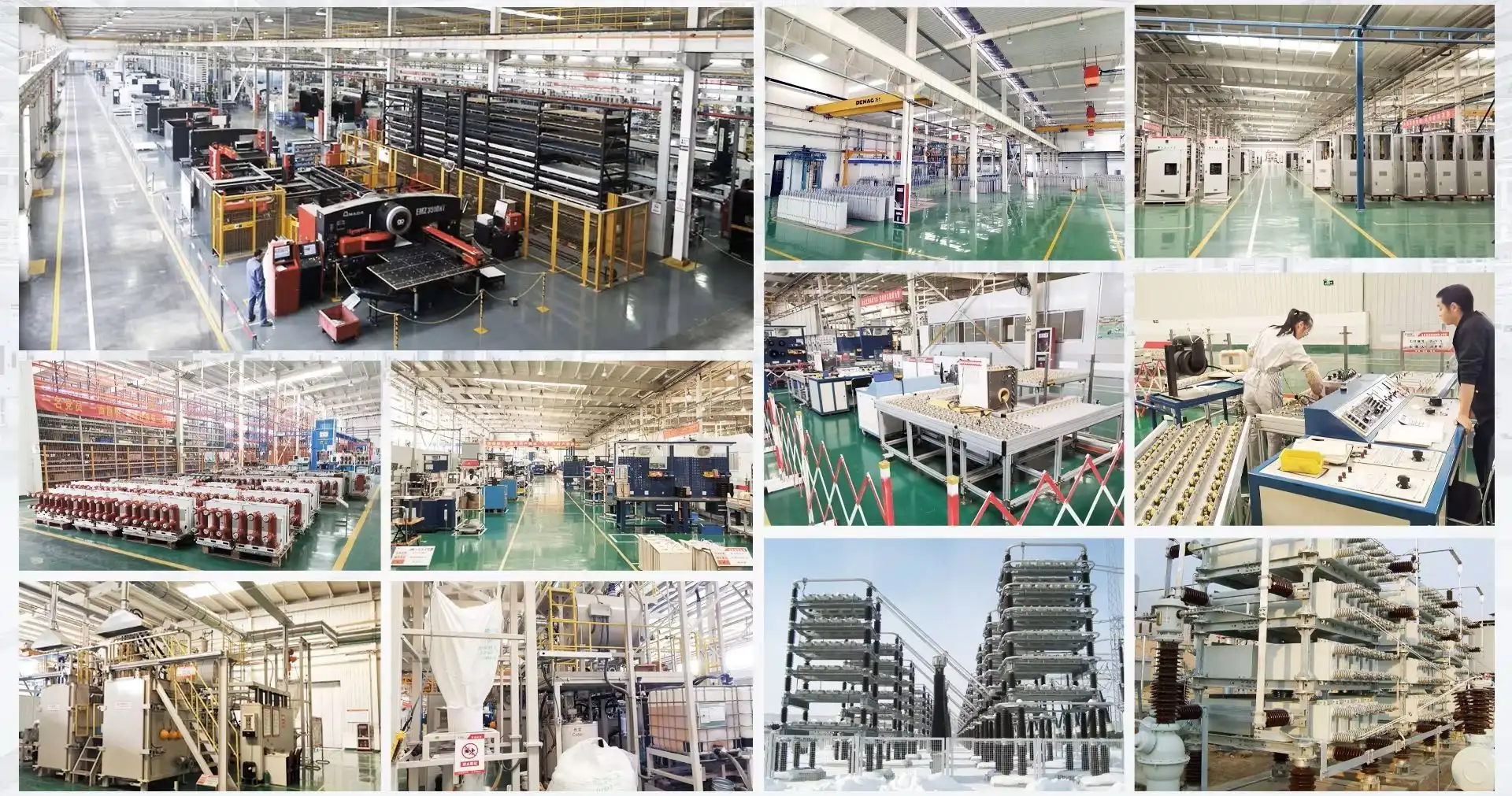
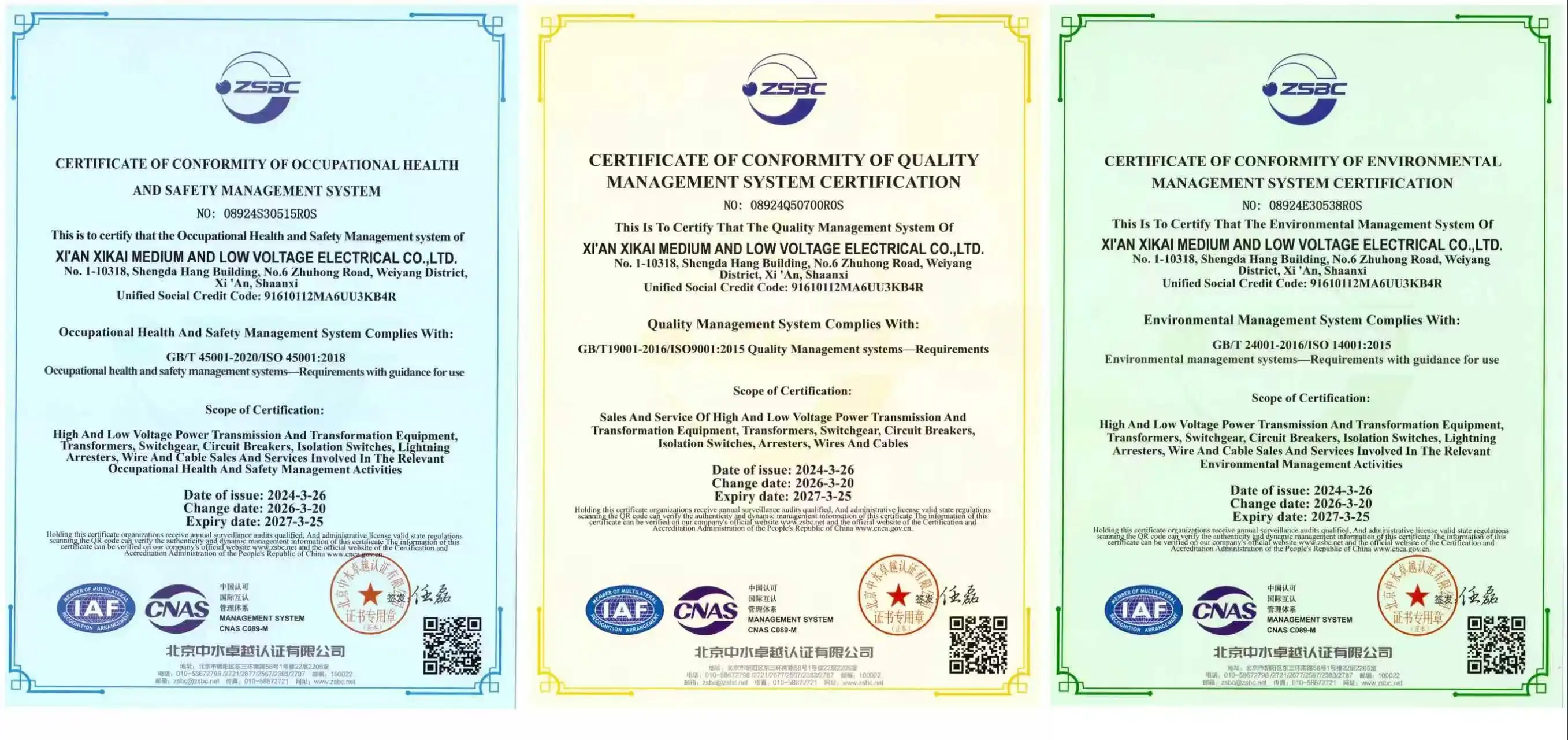
Supplier evaluation extends beyond technical specs to organizational capability. ISO 9001 and ISO 14001 certifications demonstrate strong quality and environmental management systems. Products are supported by a 5-year warranty, 72-hour SLA response, and over 50 factory inspections, including mechanical, dielectric, and thermal tests. 24/7 multilingual support, regional spare parts, and detailed engineering documentation ensure faster deployment and reduced downtime for EPC projects.
Lead Times and Delivery Coordination
Lead times depend on manufacturing complexity: standard KYN61-40.5 systems ship in 8–12 weeks, while customized designs take 16–20 weeks. Procurement must align delivery with construction schedules to avoid storage risks and delays. Dual-site production improves supply reliability. Logistics must account for heavy panels (up to 4 tonnes), requiring cranes or modular shipment, balancing transport cost, on-site assembly needs, and project timelines.
Best Practices for Maximizing Switchgear Performance and Longevity
Armored Metal-Enclosed Switchgear investments are protected by proactive repair plans that keep them working well. Visual checks done once a year find clear signs of wear and tear, such as rust on ground straps, signs of rodent infestation, or damaged wire insulation at terminations. Comprehensive three-year maintenance cycles include checking the contact resistance of all primary circuit connections, making sure the protective relay is calibrated, and counting the number of mechanical operations to compare the wear on circuit breakers to the rated endurance specifications (usually 10,000 mechanical operations or 100 full-load interruptions).
Predictive Diagnostics and Monitoring Technologies
Modern installations use continuous monitoring to shift maintenance from reactive to predictive. Partial discharge sensors detect corona activity in gas-insulated systems before insulation failure, with alerts above 5 pC. Embedded temperature sensors identify hotspots from corrosion or loose joints for planned repairs. IEC 61850 enables real-time smart grid communication. Quarterly thermographic scans and trend analysis help distinguish normal heating from early-stage faults and guide preventive maintenance.
Scalability Planning and Grid Integration
Future-proof designs support expansion and new technologies through modular switchgear that allows additional feeders without rebuilding substations. Oversized busbars (e.g., 2500A vs initial 1600A load) enable scalable capacity. Fiber-optic and Ethernet-ready communication systems support smart grid integration. Modern circuitry, including vacuum breakers and microprocessor relays, manages renewable energy variability, while arc-flash calculations must be updated to maintain safety as generation sources change.
Conclusion
When picking Armored Metal-Enclosed Switchgear for medium voltage uses, you have to weigh the short-term technical needs against the long-term operating goals. The choice affects the dependability of the building, the safety of the workers, and the costs of upkeep for equipment that usually lasts more than 30 years. A successful buying process starts with a careful study of the application, including recording load profiles, environmental conditions, and future growth needs. This is followed by a full evaluation of the supplier's quality systems, expert support, and track record of performance in the field. Our KYN61-40.5 platform is an example of the rigorous engineering needed for mission-critical tasks. Its modular design makes upkeep easier and its arc-resistant compartmentalisation meets international safety standards. By putting the total cost of ownership above the original price and choosing partners that will provide ongoing expert support, facility managers can make sure that the electrical infrastructure keeps working at its best for decades.
FAQ
1.What distinguishes armored metal-enclosed switchgear from standard metal-clad designs?
These terms are often used interchangeably, but Armored Metal-Enclosed Switchgear stresses the importance of grounded metal walls between all areas, including the busbar, breaker, cable, and control sections, to keep faults as contained as possible. Standard types that are covered in metal may group together some zones, which saves money but gives less protection against arc flashes. IEEE C37.20.2 sets tighter standards for metal-clad designs. These include main bus openings that are covered and mechanical interlocks that stop unsafe operations.
2.How long does properly maintained switchgear typically last?
Industrial experience shows that things can last 25 to 30 years if they are maintained according to the manufacturer's instructions. Important things to keep in mind are measuring contact resistance on a daily basis, testing protective relays every three years, and checking vacuum circuit breakers at set times based on working counts instead of calendar dates. Controlling the environment to stop dampness and contamination greatly increases the life of insulation, and checking the busbar temperature on a regular basis finds growing hotspots before they cause permanent damage.
3.Can existing installations accommodate custom configurations for challenging environments?
Manufacturers often change the way circuitry works to fit specific situations. For use at elevations above 2000 meters, insulation derating or larger gaps are needed. Corrosive environments need containers that are treated with aluminium and zinc instead of steel that has been painted. Based on IEEE 693 approval tests, structures in seismic zones need to be strengthened. Our engineering teams work with EPC companies to make changes to standard platforms that meet the needs of refineries, offshore platforms, and industrial sites around the world. They do this while keeping up with safety certifications and solving problems that are unique to each site.
Partner With Xi'an Xikai for Your Armored Metal-Enclosed Switchgear Requirements
The Xi'an Xikai Medium & Low Voltage Electric Co., Ltd. has been making high-quality products for over 25 years and can help with medium voltage distribution problems. Our wide range of products includes 34 series and 7 product categories, giving system designers and site owners tried-and-true answers for uses from 3.6kV to 40.5kV. We understand the needs of mission-critical electrical infrastructure because we make Armored Metal-Enclosed Switchgear for State Grid systems, petrochemical plants, and green energy projects. Our research team is ready to look at your unique needs, such as load profiles, environmental conditions, and integration limitations, and come up with custom configurations that have been tested thoroughly and are certified around the world. Get in touch with our technical experts at serina@xaxd-electric.com, amber@xaxd-electric.com, or luna@xaxd-electric.com to talk about how our KYN61-40.5 base and wider range of products can meet your needs for distribution safety.
References
1. Institute of Electrical and Electronics Engineers. IEEE Standard for Metal-Clad Switchgear. IEEE C37.20.2-2015. New York: IEEE Press, 2015.
2. International Electrotechnical Commission. High-Voltage Switchgear and Controlgear – Part 200: AC Metal-Enclosed Switchgear and Controlgear for Rated Voltages Above 1 kV and Up to and Including 52 kV. IEC 62271-200:2021. Geneva: IEC, 2021.
3. National Electrical Manufacturers Association. Medium-Voltage Switchgear – Application Guide for Arc-Resistant Design. NEMA SG 5-2018. Rosslyn: NEMA, 2018.
4. Das, J.C. Power System Analysis: Short-Circuit Load Flow and Harmonics, 2nd ed. Boca Raton: CRC Press, 2012.
5. Zhang, Wei and Liu, Hongwei. "Reliability Assessment of Medium Voltage Switchgear in Industrial Applications." Journal of Electrical Engineering & Technology 16, no. 4 (2021): 1847-1859.
6. Garzon, Raul D. High Voltage Circuit Breakers: Design and Applications, 3rd ed. Boca Raton: CRC Press, 2020.